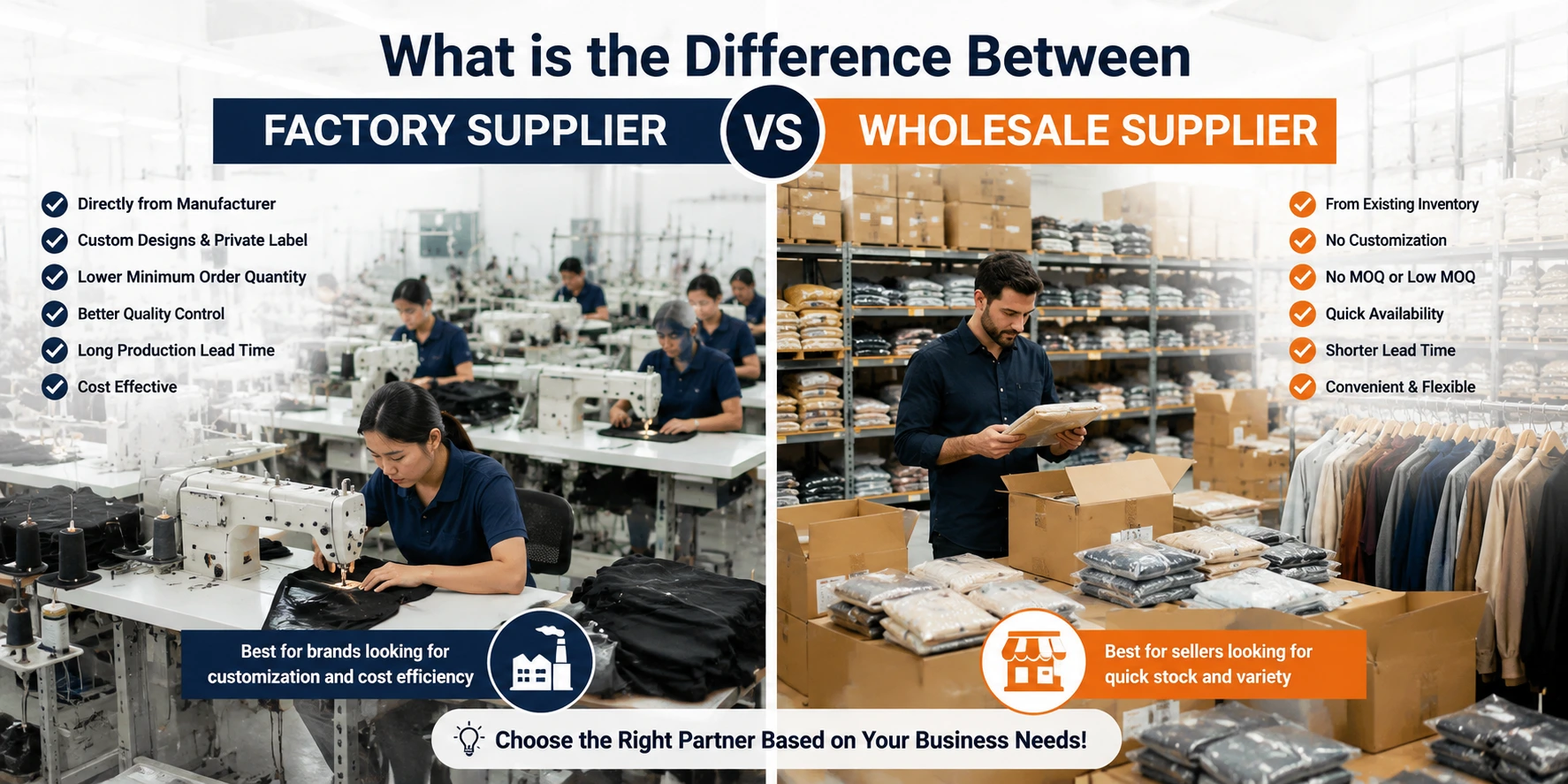
Finding the right supplier is one of the most important decisions any fashion brand, apparel startup, ecommerce business, or retail company can make. While many buyers use the terms "factory supplier" and "wholesale supplier" interchangeably, they represent two very different business models. Understanding these differences can help you reduce costs, improve quality control, manage inventory effectively, and build a more profitable supply chain.

What Is a Factory Supplier?
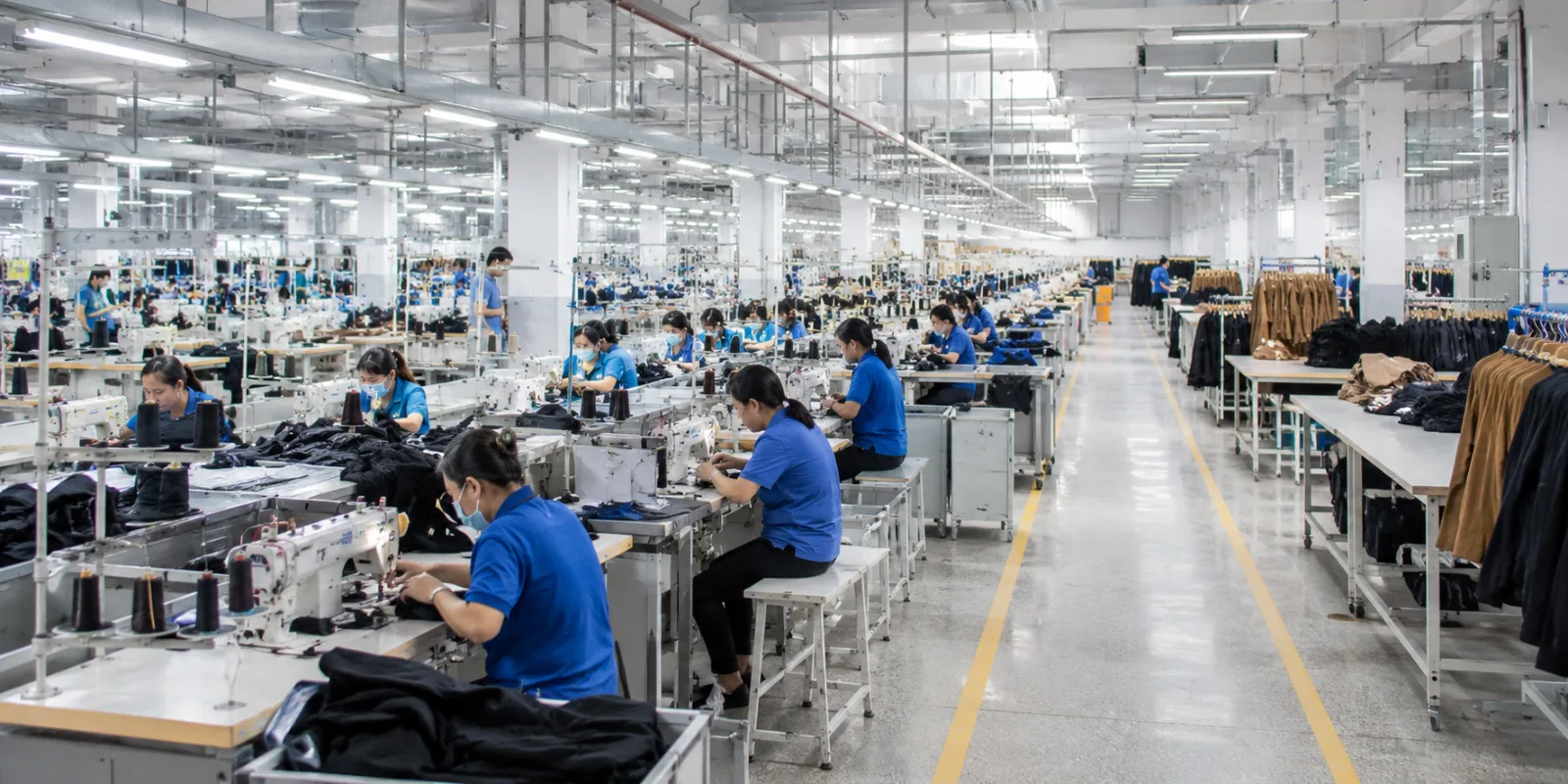
A factory supplier is the actual manufacturer that produces products directly. They own or operate production facilities where raw materials are transformed into finished goods.
Factory suppliers typically handle:
- Product manufacturing
- Material sourcing
- Sample development
- Production planning
- Quality control
- Packaging
- Private labeling
- Custom product development
When you work with a factory supplier, you are usually dealing directly with the source of production rather than an intermediary.
Key Characteristics of Factory Suppliers
- Produce goods in-house
- Offer customization options
- Support OEM manufacturing
- Support ODM manufacturing
- Lower unit costs at scale
- Require higher minimum order quantities (MOQs)
- Longer production timelines
Examples of Factory Suppliers
In the apparel industry, factory suppliers may manufacture:
- T-shirts
- Hoodies
- Activewear
- Denim products
- Uniforms
- Outerwear
- Sustainable clothing
- Luxury fashion products
Instead of buying from inventory already available, buyers typically place production orders that are manufactured according to specifications.
What Is a Wholesale Supplier?
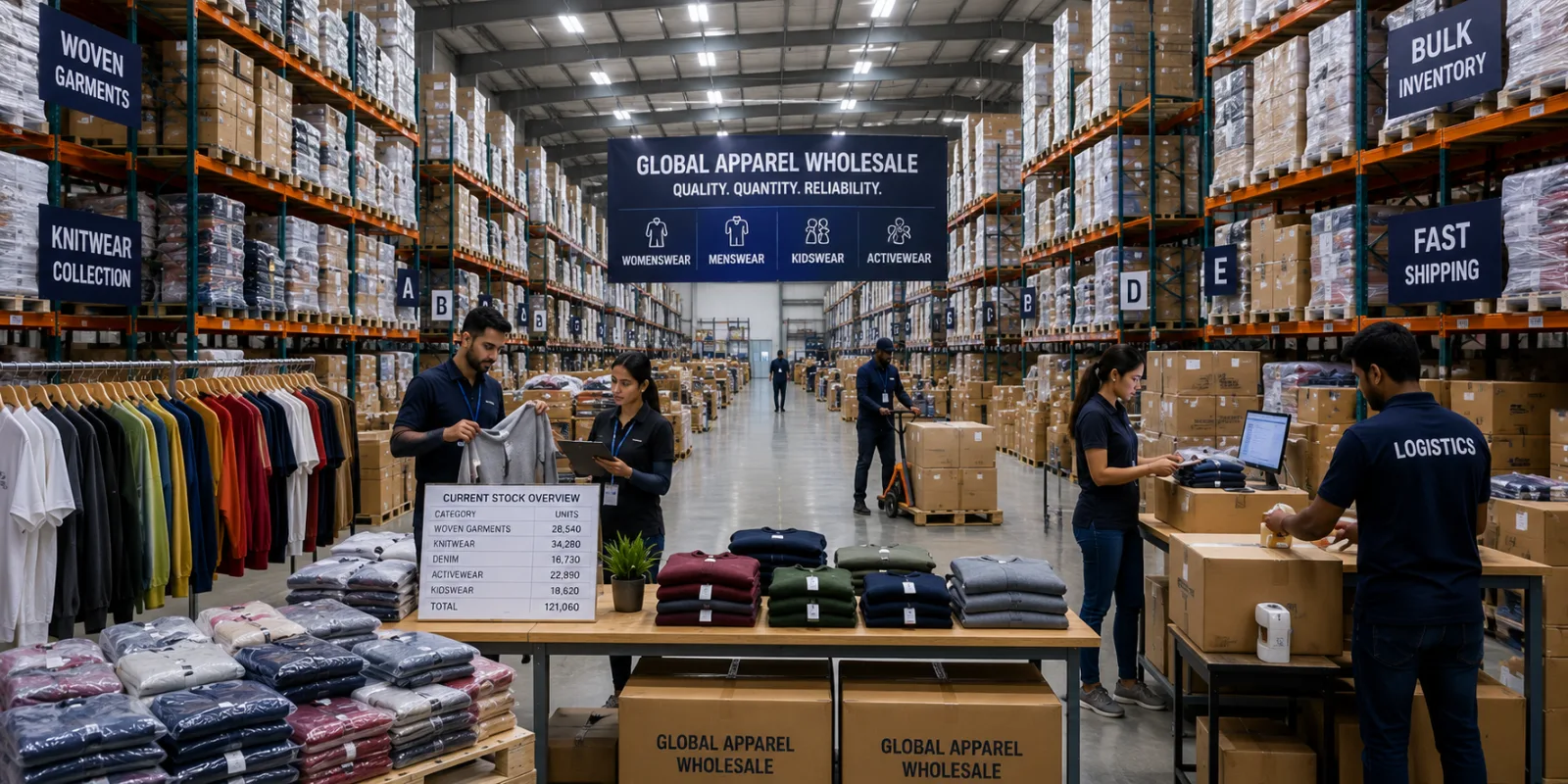
A wholesale supplier purchases products from manufacturers and then resells them to retailers, ecommerce businesses, distributors, and other buyers.
Rather than producing products themselves, wholesalers act as middlemen between factories and buyers.
Wholesale suppliers typically maintain inventory that buyers can purchase immediately.
Key Characteristics of Wholesale Suppliers
- Maintain ready-to-ship inventory
- Lower minimum order requirements
- Faster delivery times
- Limited customization
- Higher per-unit costs
- Wider product variety
- Easier for small businesses
Wholesale suppliers simplify sourcing by eliminating the need for production planning and manufacturing management.
Common Wholesale Products
Wholesale suppliers often stock:
- Fashion apparel
- Accessories
- Home décor
- Electronics
- Beauty products
- Footwear
- Pet products
- Seasonal merchandise
This model is especially attractive for startups that need inventory quickly.
Factory Supplier vs Wholesale Supplier: The Fundamental Difference
The simplest distinction is this:
- A factory supplier manufactures products.
- A wholesale supplier distributes products.
- Factories create products from raw materials.
Wholesalers purchase finished products from factories and sell them to businesses.
Think of it this way:
Factory → Wholesale Supplier → Retailer → Customer
Or sometimes:
Factory → Brand → Customer
The choice depends on your business goals, budget, inventory strategy, and growth plans.
Comparing Factory Suppliers and Wholesale Suppliers
1. Product Pricing
Pricing is often the first factor businesses evaluate.
Factory Supplier Pricing
Factory suppliers generally offer:
- Lower manufacturing costs
- Better margins
- Reduced intermediary expenses
- Volume discounts
Because there is no wholesaler involved, buyers can access near-production pricing.
Wholesale Supplier Pricing
Wholesale suppliers add:
- Storage costs
- Operational costs
- Distribution expenses
- Profit margins
As a result, wholesale pricing is typically higher than factory-direct pricing.
Example
A hoodie may cost:
- Factory price: $8
- Wholesale price: $12
- Retail price: $30-$60
The difference can significantly impact profitability.

2. Minimum Order Quantities (MOQs)
MOQ is one of the biggest differences between supplier types.
Factory Supplier MOQs
Factories usually require:
- 300 units
- 500 units
- 1,000 units
- 5,000+ units
The reason is simple: manufacturing setups cost money.
Wholesale Supplier MOQs
Wholesalers often allow:
- 10 units
- 25 units
- 50 units
- Case-pack purchases
This flexibility makes them attractive for startups.
Which Is Better?
For testing products, wholesalers are usually easier.
For scaling brands, factories often provide better economics.

3. Product Customization
Customization can determine whether your business stands out or blends into the market.
Factory Suppliers Offer
- Custom fabrics
- Unique colors
- Custom sizing
- Private labels
- Custom packaging
- Embroidery
- Printing
- Product development
Wholesale Suppliers Offer
- Limited branding options
- Existing product designs
- Restricted customization
- Ready-made inventory
If brand differentiation matters, factory partnerships often provide a major advantage.

4. Production Control
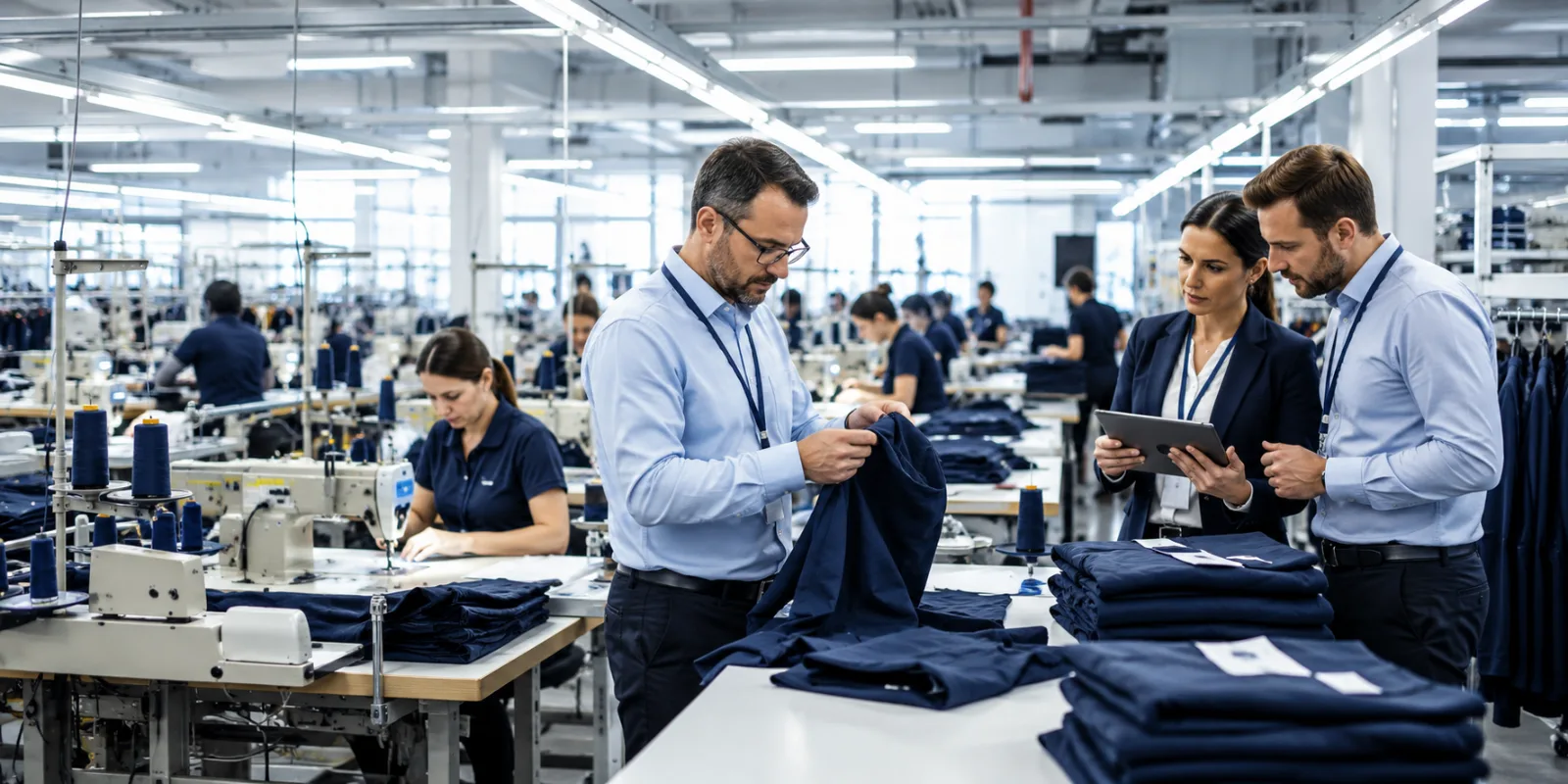
Working directly with factories provides greater oversight.
Benefits of Factory Production Control
- Direct communication
- Material approval
- Sample approval
- Quality monitoring
- Production scheduling
- Manufacturing transparency
Wholesale Supplier Limitations
You typically have little visibility into:
- Production methods
- Material sourcing
- Manufacturing conditions
- Quality processes
Brands seeking consistency often prefer factory relationships.
5. Lead Times
Lead time affects inventory planning and customer satisfaction.
Factory Lead Times
Production may require:
- Sampling
- : 1-3 weeks
- Material sourcing: 2-4 weeks
- Manufacturing: 4-12 weeks
- Shipping: 1-6 weeks
Wholesale Lead Times
Products are already manufactured.
Typical timelines:
- Order placement
- Warehouse processing
- Shipment
Many wholesale orders ship within days.

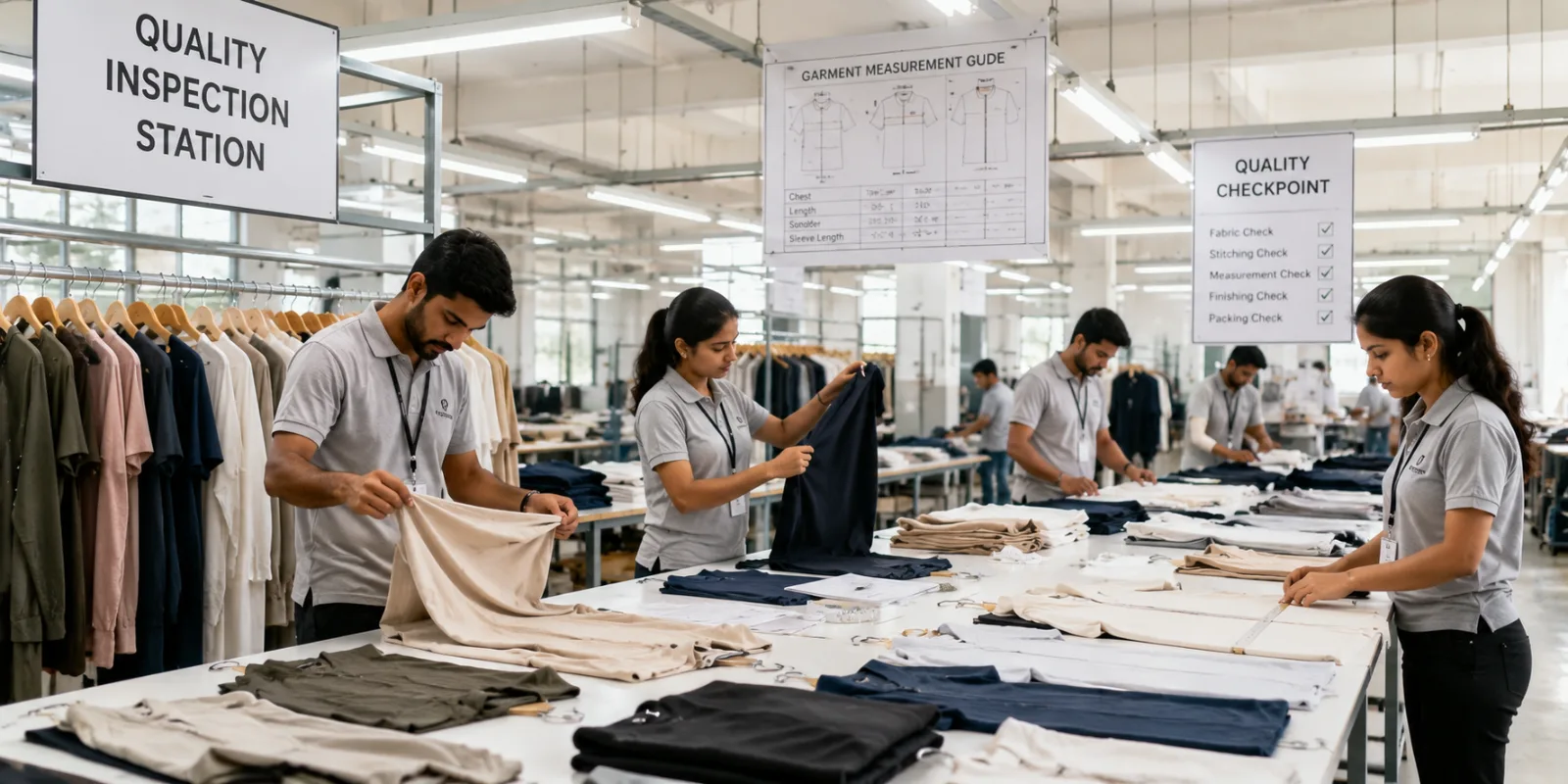
6. Product Quality Consistency
Quality consistency is critical for long-term brand success.
Factory Supplier Advantages
- Controlled production
- Standardized processes
- Consistent specifications
- Repeatable manufacturing
Wholesale Supplier Challenges
Quality may vary because inventory can originate from multiple factories.
This variation may create customer complaints and return issues.
Advantages of Working With Factory Suppliers
Many established brands prefer factory-direct sourcing because of long-term benefits.
Lower Costs
Direct sourcing eliminates intermediary markups.
Better Margins
Improved profit potential per product.
Greater Product Control
You decide specifications.
Stronger Brand Identity
Custom products create differentiation.
Scalable Manufacturing
Production can expand as demand grows.
Intellectual Property Protection
Custom products are less vulnerable to direct copying.

Advantages of Working With Wholesale Suppliers
Wholesale suppliers also offer important benefits.
Faster Launches
Businesses can begin selling quickly.
Lower Risk
Smaller inventory investments.
Easier Testing
Validate demand before scaling.
Less Complexity
No production management.
Broader Product Selection
Access multiple categories from one supplier.
Reduced Operational Burden
Focus more on marketing and sales.

When Should You Choose a Factory Supplier?
Factory suppliers are ideal when:
- You have validated demand
- You need custom products
- You want private labeling
- You require large volumes
- You prioritize margins
- You want brand exclusivity
- You plan long-term growth
Example
A growing activewear brand selling thousands of units monthly can significantly improve profitability through factory-direct manufacturing.
When Should You Choose a Wholesale Supplier?
Wholesale suppliers make sense when:
- You are launching a new business
- You have limited capital
- You need inventory immediately
- You are testing product categories
- You want low MOQs
- You need market flexibility
Example
A new e-commerce store testing seasonal fashion trends may benefit from wholesale inventory before committing to custom production.

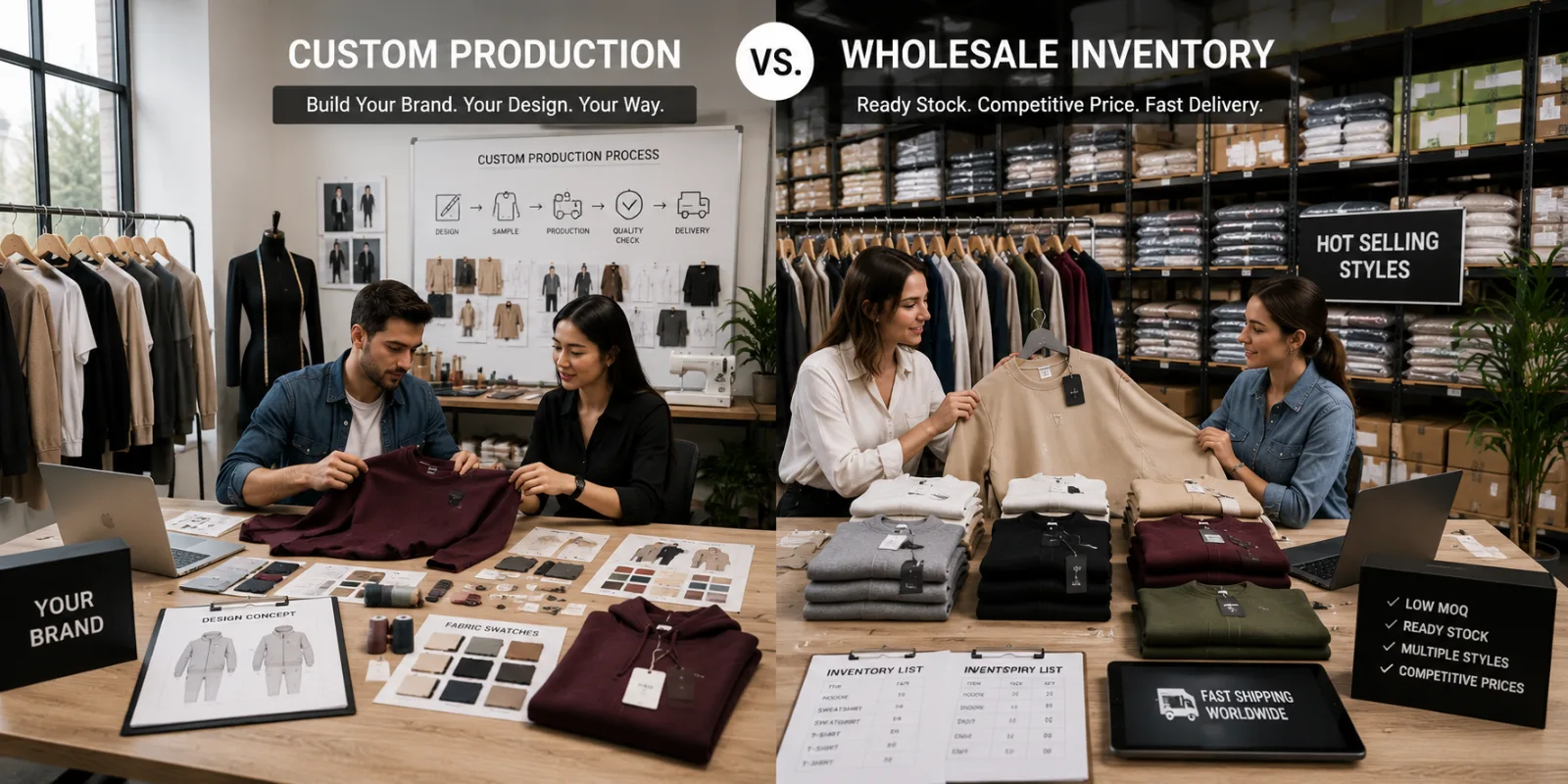
Factory Suppliers vs Wholesale Suppliers in the Fashion Industry
The fashion industry offers a perfect example of how these sourcing models differ.
Factory Model
Fashion Brand → Factory → Customer
Benefits:
- Custom collections
- Brand identity
- Better margins
- Exclusive products
Wholesale Model
Fashion Brand → Wholesaler → Customer
Benefits:
- Faster launch
- Lower investment
- Trend testing
- Reduced risk
Many successful brands begin with wholesale sourcing and eventually transition to factory manufacturing.
Red Flags to Watch For When Choosing Any Supplier
Whether factory or wholesale, supplier evaluation is essential.
Lack of Transparency
Avoid suppliers unwilling to share information.
Poor Communication
Slow responses often lead to bigger problems.
Unrealistic Pricing
Prices that seem too good may indicate quality issues.
No Quality Assurance Process
This increases product risk.
Unverified Certifications
Always verify claims.
Inconsistent Samples
A warning sign of future production problems.
No References
Reputable suppliers should have customer references.

Questions to Ask Before Choosing a Supplier
Before making a decision, ask:
Factory Supplier Questions
- What are your MOQs?
- What certifications do you hold?
- Can you provide samples?
- What is your production capacity?
- What are your lead times?
- What quality control processes exist?
- Can you support private labeling?
Wholesale Supplier Questions
- What inventory levels are available?
- How often is stock replenished?
- What are your shipping timelines?
- Do you offer returns?
- Can products be branded?
- Do you provide bulk discounts?
These questions help reduce sourcing mistakes.

Hybrid Sourcing Strategy: The Best of Both Worlds
Many successful brands use a hybrid approach.
Phase 1
Use wholesale suppliers to:
- Test products
- Understand demand
- Minimize risk
Phase 2
Move to factory suppliers for:
- Higher margins
- Customization
- Brand growth
Benefits
- Lower startup risk
- Better scalability
- Smarter inventory planning
- Improved profitability
This approach is common among rapidly growing e-commerce brands.

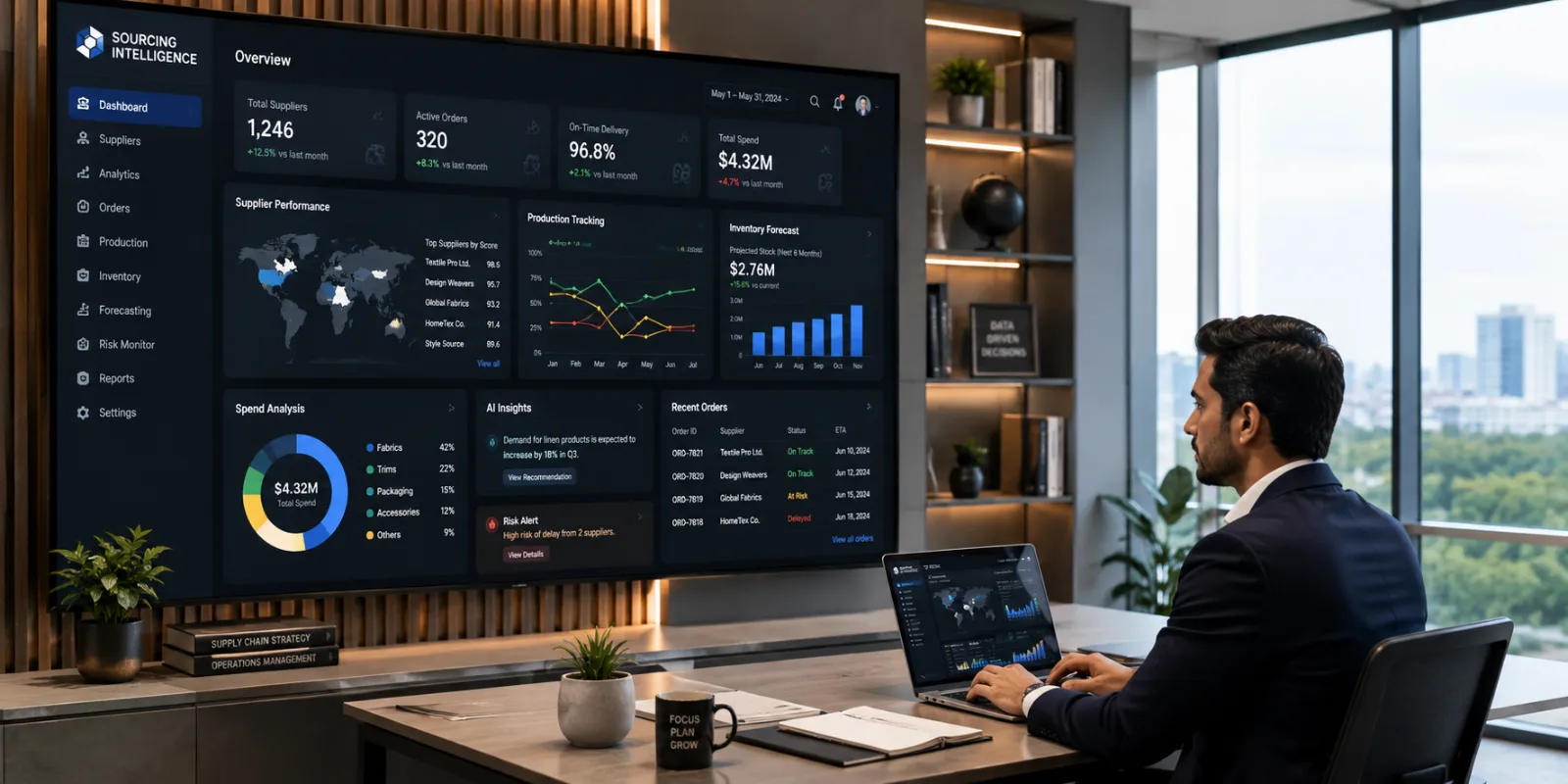
How Technology Is Changing Supplier Relationships
Modern sourcing has become more transparent and efficient.
Today's buyers use:
- Supplier directories
- Digital sourcing platforms
- Manufacturing marketplaces
- Product management software
- Inventory forecasting tools
- AI-powered supplier research
These tools help businesses identify qualified factory and wholesale partners faster than ever before.
Technology also improves:
- Communication
- Quality tracking
- Production visibility
- Order management
- Supply chain forecasting
Choosing the Right Supplier Based on Business Stage
Startup Stage
Recommended:
- Wholesale suppliers
- Low inventory commitments
- Market validation
Growth Stage
Recommended:
- Hybrid sourcing
- Factory testing
- Private labeling
Scaling Stage
Recommended:
- Factory-direct relationships
- Exclusive manufacturing
- Long-term production agreements
Supplier strategies should evolve as your business grows.
How ApparGlobal Helps Businesses Find the Right Supplier
Choosing between a factory supplier and a wholesale supplier can be challenging, especially when sourcing internationally. Businesses often struggle to evaluate supplier credibility, compare capabilities, understand MOQs, and identify the best sourcing strategy for their growth stage.
At ApparGlobal, businesses gain access to manufacturing resources, supplier directories, sourcing insights, and industry expertise designed to simplify supplier discovery and decision-making. Whether you're searching for apparel manufacturers, private label partners, sampling services, or wholesale inventory opportunities, having access to reliable supplier information can significantly reduce sourcing risk and accelerate business growth.
Related resources you may find useful:
- Clothing manufacturer directories
- MOQ planning guides
- Private label sourcing resources
- Fashion production planning articles
- Supplier verification checklists
- Inventory liquidation strategies

Final Thoughts
The choice between a factory supplier and a wholesale supplier is not about which option is universally better. It is about selecting the right partner for your current business goals.
Factory suppliers offer lower costs, greater customization, stronger branding opportunities, and better long-term scalability. Wholesale suppliers provide flexibility, faster inventory access, lower risk, and easier market entry. For new businesses, wholesale sourcing often provides a practical starting point. For established brands seeking differentiation and higher margins, factory-direct partnerships frequently become the preferred strategy.
The most successful companies understand that supplier selection is not a one-time decision. As your business evolves, your sourcing strategy should evolve as well. By understanding the strengths and limitations of both factory suppliers and wholesale suppliers, you can build a stronger supply chain, improve profitability, and position your brand for sustainable growth in an increasingly competitive marketplace.