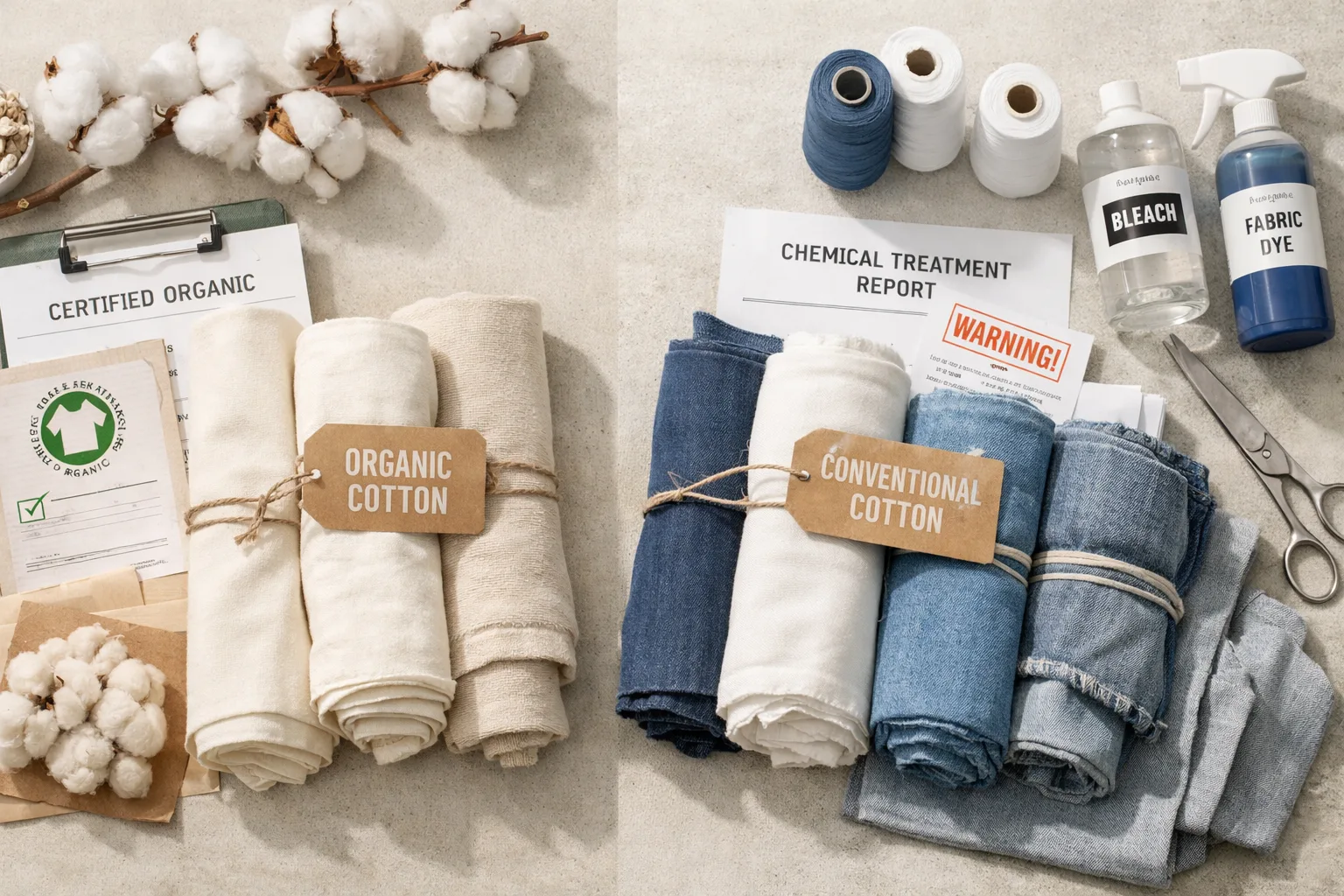
Have you ever picked an organic cotton fabric that looked perfect in the showroom, but later caused shrinkage issues, inconsistent dye results, or customer complaints about feel and durability? Cotton is one of the most trusted fibers in apparel, but not all cotton is created the same. For brands, the organic cotton vs conventional cotton decision affects much more than a sustainability claim. It impacts sourcing reliability, fabric performance, quality consistency, certifications, cost structure, and the long-term brand story you build with customers and wholesale buyers.
This guide explains what apparel brands truly need to know, with a practical manufacturing perspective. You will learn how organic and conventional cotton differ across farming inputs, processing, certifications, fabric behavior, dyeing and finishing, supply chain traceability, and how to choose the right option for each product category.
Distribution Of Organic Cotton Production
Organic cotton production is distributed worldwide, with major regions in India, China, Turkey, and the USA, where supply chains certified by GOTS and standards from USDA and Textile Exchange help ensure that cotton is grown without genetically modified cotton or GMOs. This natural fiber supports local agriculture and sensitive ecosystem recovery by reducing harmful agrochemicals and lowering water consumption compared to conventional cotton. As everyday consumers shop for sustainable clothing and everyday essentials, they often prefer breathable, comfortable fabrics like cotton and modal that are kinder to human health and the species that share farming landscapes.
The cotton cultivation cycle for organic systems emphasizes soil health and biodiversity, avoiding genetically modified organisms and promoting crop rotations that make fields more resilient. When shoppers choose certified organic textiles, they support farming practices that are less harmful overall, help maintain water resources, and protect communities from toxic exposures, while keeping the supply of breathable, high-quality fiber flowing from field to shop.
Why This Comparison Matters for Apparel Brands
When brands discuss cotton, the conversation often stays at the surface level. Organic is described as eco-friendly, and conventional is described as standard. In real production, the differences show up in measurable business outcomes. Cotton choice affects how easily you can maintain consistent shade, how predictable shrinkage is after washing, how stable supply is across seasons, and how credible your sustainability marketing becomes.
From a buyer's standpoint, cotton claims also trigger questions. Retailers and conscious consumers want to know whether the fiber is verified, how traceability is managed, and whether the factory can document chain-of-custody. On the manufacturing side, mills and garment factories need clarity about yarn type, staple length, contamination risk, and finishing expectations to maintain a sustainable ecosystem. A brand that understands these details can avoid sampling delays and bulk issues.

Cotton Basics For Every Part Of The Day
Cotton basics for every part of the day begin with understanding where it’s grown in the u.s and USA production practices; while some fibers meet global organic textile standard certifications through the Textile Exchange and USDA programs, much non-organic cotton is still prevalent compared to conventional cotton. The debate around genetically modified cotton and genetically modified organisms, or GMOs, highlights differences between species and seed choices used in modern cotton cultivation.
As an everyday essentials natural fiber, cotton supports comfort and breathability alongside alternatives like modal. Considerations such as global water consumption, impacts on agriculture worldwide, and how farming practices affect human health and the environment are important. Sensitive skin benefits from responsibly grown cotton, and awareness of cultivation methods helps consumers choose fiber that balances sustainability and practicality for daily life.
What Is Conventional Cotton?
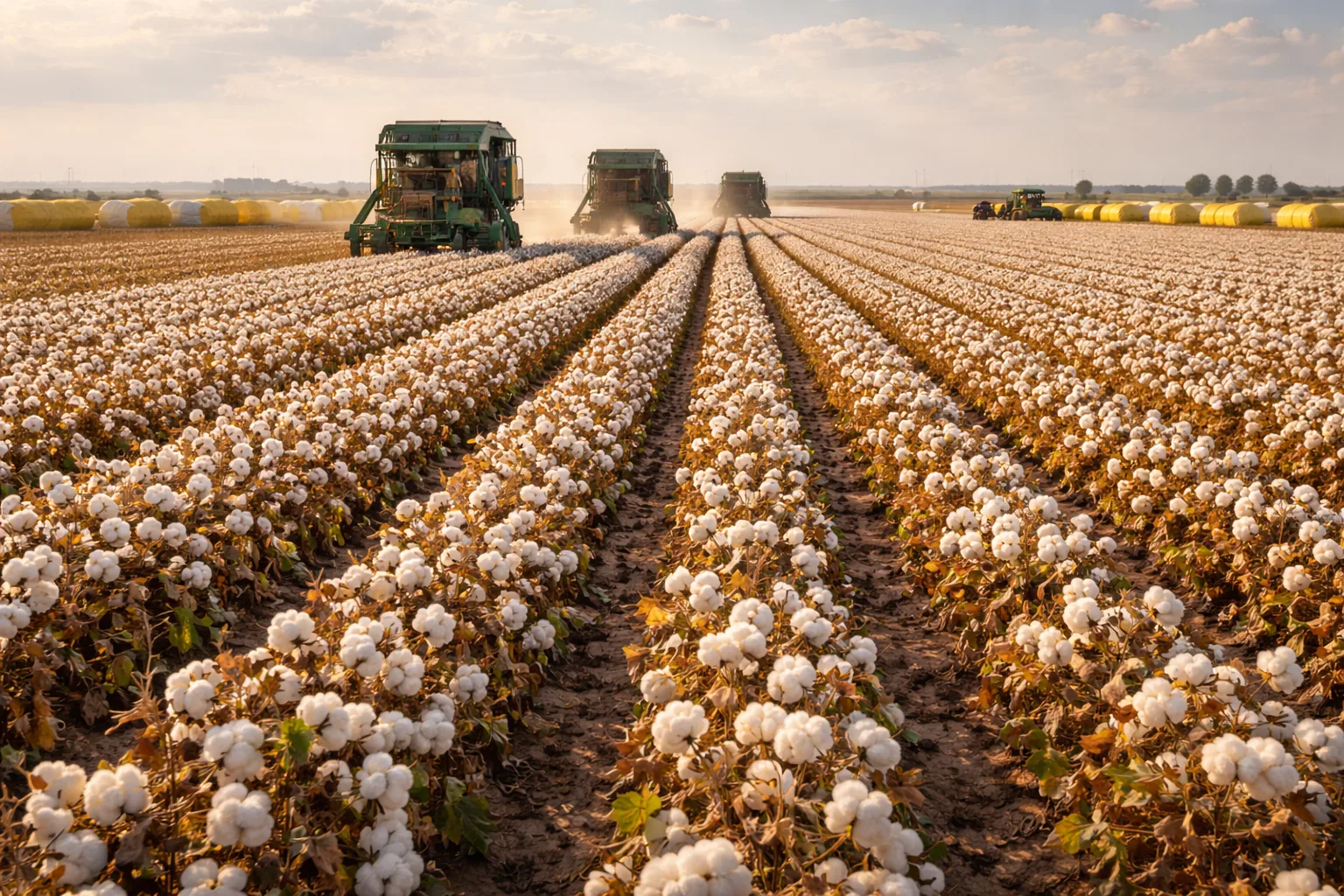
Conventional cotton refers to cotton grown using standard agricultural methods that often include synthetic fertilizers, chemical pesticides, and herbicides. It is the most common cotton supply in global apparel because it is widely available, scalable, and supported by established commodity supply chains.
Conventional cotton production varies by region, farming practices, and regulation. Some conventional farms use more responsible methods, while others rely heavily on chemical inputs. For brands, the key point is that conventional cotton is not inherently traceable unless the supply chain is specifically built for traceability. In most cases, conventional cotton becomes mixed in commodity channels during ginning, spinning, and trading, which makes origin verification difficult.
Conventional cotton is used across all categories, from budget basics to premium garments, and its performance depends greatly on the cotton grade, yarn quality, and finishing, particularly in non-organic cotton.
What Is Organic Cotton?
Organic cotton is cotton grown under organic farming standards that generally restrict synthetic pesticides, synthetic fertilizers, and genetically modified seeds. Organic systems tend to emphasize soil health, biodiversity, and natural pest management approaches. For apparel brands, organic cotton is not only a fiber choice but also a compliance and documentation pathway, because most organic claims in textiles depend on verified standards and traceable processing.
Organic cotton is typically sold through supply chains designed to maintain separation, documentation, and chain-of-custody. That structure is what allows brands to make credible claims on hangtags, packaging, and product pages.
Organic cotton fabric can be used for many categories, including t-shirts, babywear, underwear, loungewear, dresses, and premium basics. The fabric feel and performance depend on yarn count, knit or weave construction, and finishing methods, just like conventional cotton.
Organic vs Conventional Cotton at the Farm Level
Cotton differences begin long before a yarn is spun. For brands that care about sustainability, farming inputs matter, but for brands that care about supply stability, farm-level systems also influence price fluctuations and availability.
Pesticides and pest control
Conventional cotton farming often uses synthetic pesticides to manage insects and crop threats. Organic cotton farming typically relies on approved organic pest management practices and biological controls. For apparel brands, the direct business impact is not only environmental. It influences how the cotton is positioned in the market and how it is accepted in retailer sustainability programs, particularly those focused on breathable fabrics.
Fertilizers and soil health
Conventional systems often rely on synthetic fertilizers for yields. Organic systems typically focus on composting, crop rotation, and soil-building methods. Over time, organic approaches are often associated with improved soil structure and biodiversity. From a brand story perspective, this supports a stronger sustainability narrative, but it also requires more consistent verification.
GMO and seed choice
Conventional cotton can include genetically modified varieties in many regions. Organic cotton standards generally restrict GMO seeds. For brands selling to markets where GMO restrictions or consumer perception matter, this can influence product positioning.
How Processing Changes the Story: From Fiber to Fabric
Many brands assume organic cotton stays organic automatically, but it is crucial to understand how cotton is grown and processed. In reality, cotton passes through multiple processing steps, and these steps determine whether your claim remains credible and documentable.
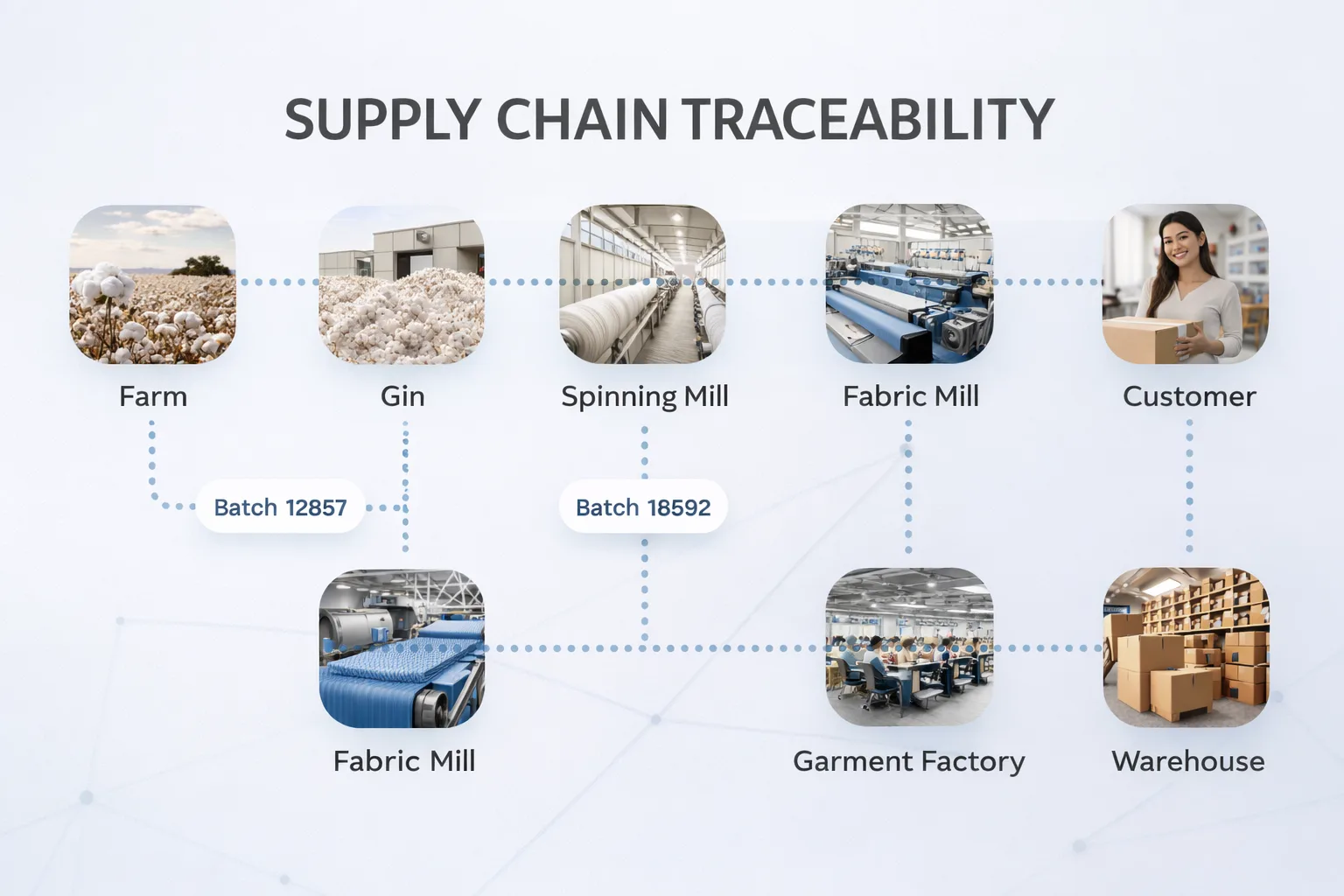
After harvesting, cotton is ginned to separate fiber from seeds. Then it is spun into yarn. Yarn is knitted or woven into fabric. Fabric is dyed and finished. Finally, fabric is cut and sewn into garments. At each stage, the supply chain can either maintain separation and documentation or mix cotton into bulk commodity pools.
For organic cotton products, the supply chain typically needs stronger control. Mills and factories must keep organic lots separated, track batch numbers, and maintain transaction certificates or equivalent documentation. If that chain breaks, the organic claim becomes risky.
For conventional cotton products, supply chains are often faster and less documentation-heavy, but they offer less transparency by default.
Certifications and Claims: What Brands Must Understand
This is where many brands get confused. There is a difference between organic cotton as a farm claim and organic textiles as a finished product claim. Brands need to match their marketing language to the actual verification they can support.
Organic cotton certification basics
Organic cotton is typically verified at the farming and early supply chain stages. Brands may receive documentation showing that the cotton fiber was produced under organic standards. However, a finished garment claim often requires more than that, because it involves processing, dyeing, and manufacturing.
Textile standards and chain-of-custody
Many brands rely on recognized textile standards that track organic fiber through processing and also set limits on chemicals and social criteria. The key concept brands need is chain-of-custody. This is the documented trail that shows the fiber was kept separate or accounted for through each stage.
A practical brand approach is to decide how strict the claim will be. Some brands want full certification for finished products. Other brands want verified fiber sourcing without full processing certification. Your approach must match your target market expectations and compliance risk tolerance.
Why documentation matters
If you sell through wholesale buyers, marketplaces, or retailers, you may be asked for certificates, scope documents, or transaction records. If you cannot provide them, the buyer may reject the product or require revised claims. Strong documentation also protects you from accusations of greenwashing.
Cost Differences: Why Organic Cotton Often Costs More
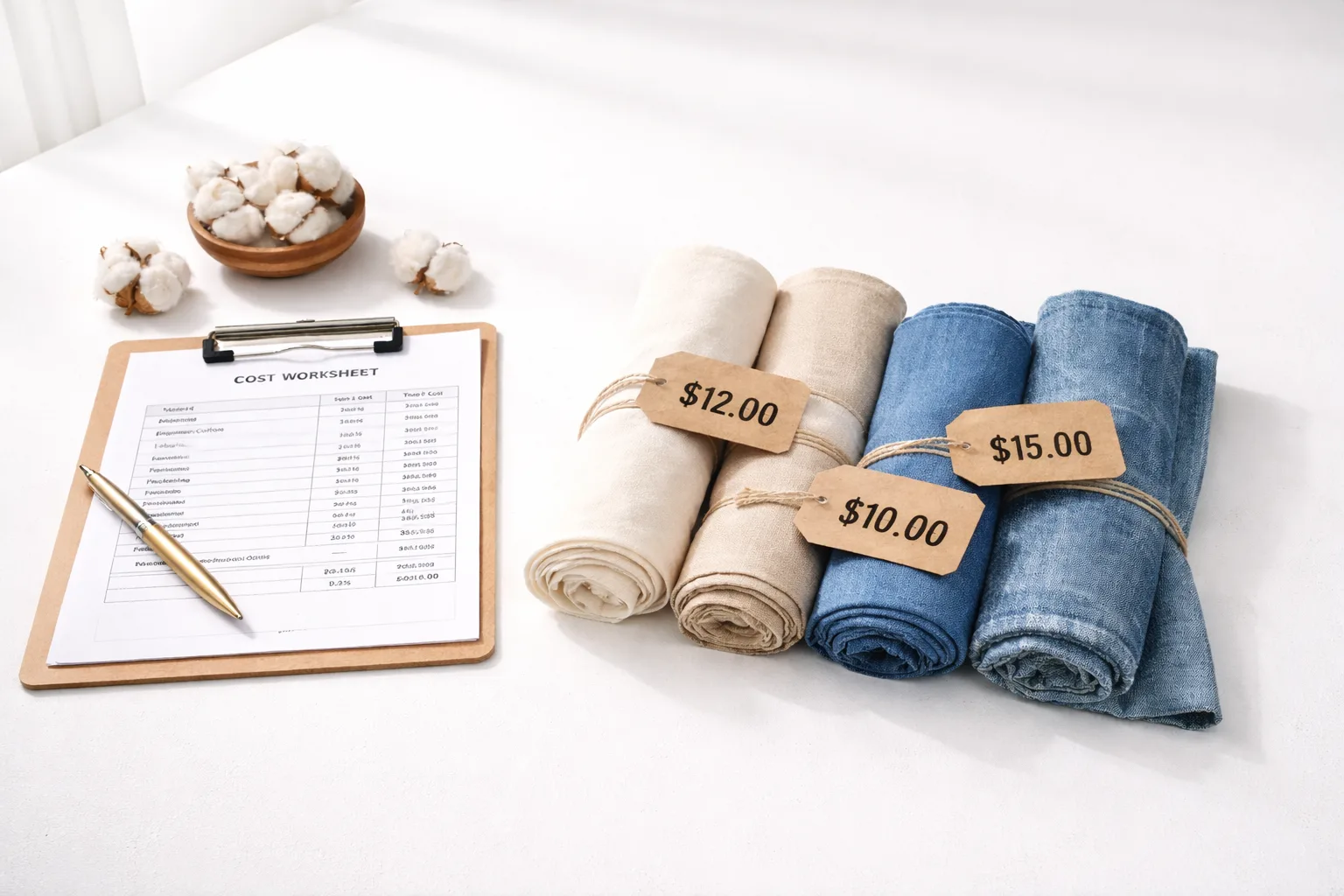
Brands often ask a direct question: why does organic cotton cost more? The answer is not one thing. It is a combination of yield, certification, supply chain controls, and demand dynamics.
Organic cotton farming can have different yield patterns, especially during transition periods. Certification and auditing add overhead. Maintaining separation through ginning, spinning, and fabric production can add cost because mills must manage smaller lots and additional recordkeeping. In addition, organic cotton demand is influenced by brand commitments and retailer programs, which can tighten availability for certain yarn counts or fabric types.
For apparel brands, the important takeaway is that the cost of organic cotton is not only a material premium. It also reflects the system required to verify and maintain the claim. If your brand uses organic cotton, you should plan pricing, margins, and MOQ strategy accordingly.
Quality and Performance: What Changes in Real Garments
Many brand owners assume organic cotton is automatically softer or higher quality. Organic cotton can be excellent, but quality is driven by fiber grade, staple length, yarn count, and finishing. The same is true for conventional cotton. The real difference is that organic cotton supply chains often prioritize certain quality standards, but it varies by supplier and region.
Hand-feel and softness
Softness depends on yarn quality, knit structure, and finishing. Organic cotton can feel softer if the yarn is combed, the knit is optimized, and finishing is gentle. Conventional cotton can also be extremely soft in premium grades. Brands should not assume. They should test swatches, request lab data, and evaluate samples to ensure they meet the global organic textile standard (GOTS).
Shrinkage and stability
Shrinkage is more about yarn twist, knit tension, fabric finishing, and garment wash processes than whether cotton is organic. However, if organic fabric is produced with different finishing constraints to maintain certification requirements, finishing choices can differ, which might affect shrinkage outcomes. Brands should always request shrinkage targets and wash test samples.
Pilling and durability
Pilling is related to yarn type, fiber length, and knit construction. A well-made organic cotton fleece can be durable, and a low-grade conventional cotton jersey can pill quickly, or the opposite. Brands should focus on measurable performance testing instead of assumptions.
Dyeing and Finishing Considerations for Organic Cotton
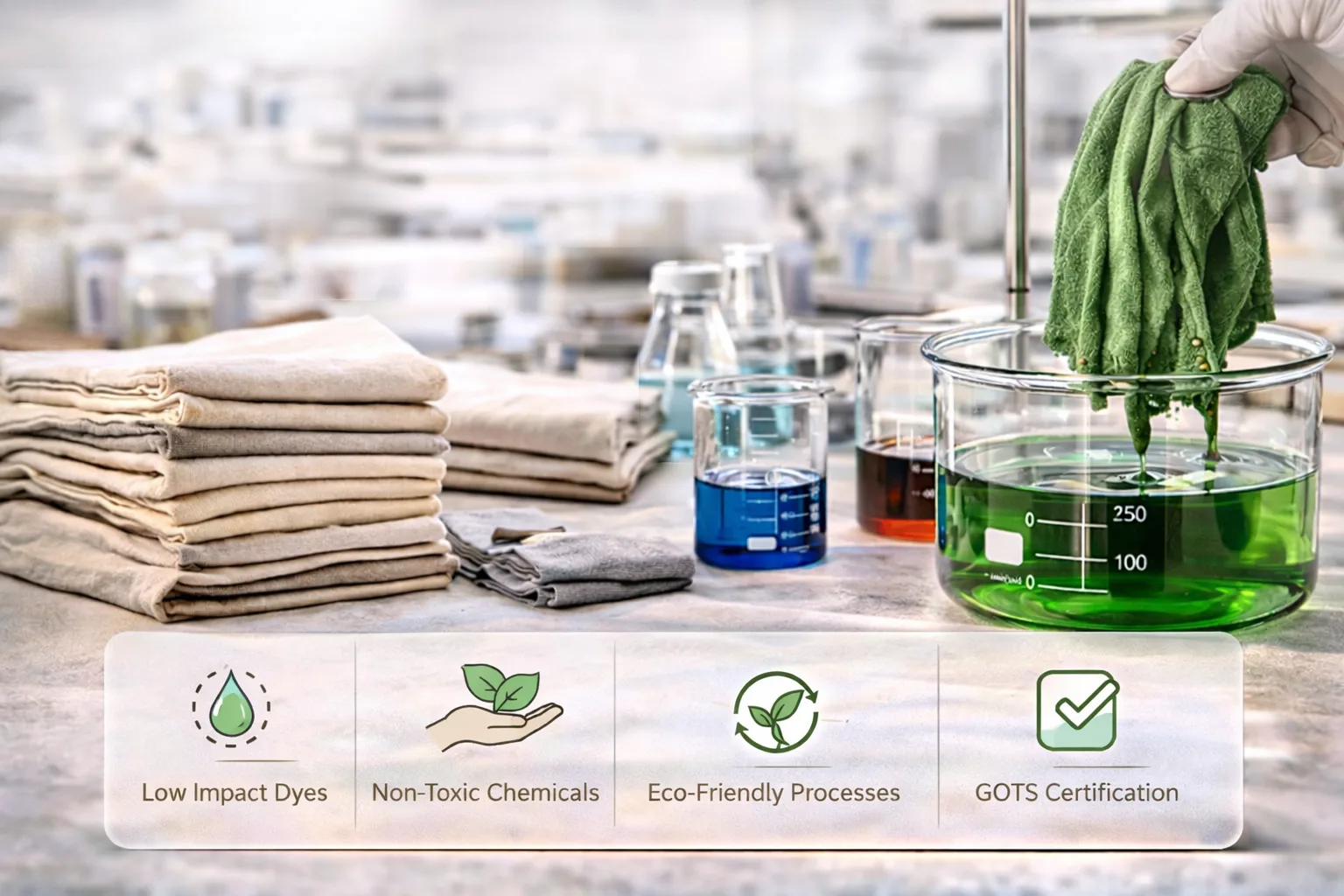
Cotton is easy to dye compared to many fibers, but dyeing and finishing decisions can affect sustainability claims, skin sensitivity positioning, and compliance. For brands targeting babywear, underwear, or sensitive-skin markets, finishing choices become more important.
Organic cotton textiles often align with lower-impact processing preferences. Some standards restrict certain chemicals, which can influence which dyes and auxiliaries are used. This does not mean organic cotton cannot be dyed in rich colors. It means the mill and dyehouse need the right chemical management practices and documentation.
Brands should ask how the fabric is dyed, what compliance systems are in place, and whether there are test reports for restricted substances when needed. This is especially important if you sell in markets with strict chemical regulations or retail compliance programs.
Traceability: The Biggest Practical Difference for Brands
From a brand operations viewpoint, traceability is often the most meaningful difference between organic and conventional cotton programs.
Organic cotton is usually managed in a more traceable framework because it must be verified. That means a stronger paper trail, batch tracking, and supply chain segmentation. For brands, this can be a major advantage when selling to buyers who request evidence, or when building a premium brand story with transparency.
Conventional cotton supply chains are typically less traceable unless you specifically choose traceable conventional cotton programs. Without a dedicated traceability setup, cotton can be mixed at multiple points in the chain, which makes origin and farm practice claims difficult.
If your brand’s positioning relies on transparency, organic cotton often makes the traceability journey easier, but you still need a capable supplier and a disciplined documentation process.
Environmental Impact: What Brands Can Say Honestly
Brands want simple comparisons, but impact depends on context. It is safer to focus on what you can verify and support rather than claiming universal outcomes.
Organic cotton farming standards generally restrict synthetic pesticides and fertilizers, and they often emphasize soil health practices. This can support an environmental responsibility narrative and can reduce certain types of chemical pollution risks. Conventional cotton systems can vary widely, and some may use more responsible methods, but conventional cotton as a category does not guarantee those practices.
For brand messaging, the best approach is to describe your choice accurately. If you use certified organic cotton, you can say your cotton is verified organic according to the documentation you hold. If you use conventional cotton, you can focus on quality, durability, and responsible manufacturing practices in the factory, and consider traceable or better cotton programs if sustainability is part of your positioning.
Social Impact and Farmer Livelihood Considerations
Sustainability for apparel brands is not only environmental. Social systems matter too, including how farmers are supported, how supply chains are audited, and whether the manufacturer follows ethical labor practices in the ecosystem of cotton production.
Organic programs often include structured verification and sometimes broader community benefits, depending on the specific program, especially when cotton is grown in the U.S. Conventional cotton supply chains can also support farmers, but the level of structured oversight varies. For brands, the important thing is to avoid making claims you cannot confirm. If you want to communicate social impact, you need documentation or a verified program, such as GOTS, that supports those claims.
At the garment factory level, organic cotton does not automatically mean ethical manufacturing. The factory must still have strong labor compliance, safety systems, and fair workplace practices. Brands should evaluate factories separately from fiber choice.

How Ethical Cotton Supports Farmers And Fair Wages
Ethical Cotton programs strengthen smallholder farmers by offering training, access to better seeds and sustainable agronomic practices that increase yields while reducing input costs; this support helps growers move from subsistence toward stable incomes and greater bargaining power in supply chains. Through transparent certification, cooperative formation, and long-term purchase agreements,
Ethical Cotton ensures that cotton producers share in value rather than being squeezed by intermediaries, and it provides business support so farmers can plan investment in tools, education, and on-farm improvements. Most importantly, these initiatives embed policies for fair wages and minimum price floors, monitor labor conditions, and prohibit exploitative hiring, which raises household incomes, reduces child labor, and improves community health and schooling prospects.
By linking conscious brands and consumers to verified supply chains, Ethical Cotton channels premiums back to the field, creating measurable social and economic benefits: empowered farmers, resilient rural livelihoods, and the reliable payment of fair wages that make cotton production sustainable for people and the planet.
Product Category Fit: When Organic Cotton Makes the Most Sense
Organic cotton is not always necessary for every product. Brands win when they match material strategy to category goals, customer expectations, and margin structure.
Babywear and kidswear
Organic cotton is especially relevant for babywear because parents often prioritize softness, skin safety perception, and verified chemical controls. The category also benefits from strong storytelling around responsible sourcing.
Underwear and next-to-skin basics
For underwear, sleepwear, and basics worn close to the skin, organic cotton is frequently positioned as a premium comfort and safety choice. Brands often pair organic cotton with careful finishing and low-impact dyeing.
Premium tees, hoodies, and loungewear
Organic cotton is widely used for premium essentials where the brand story matters and customers are willing to pay more. These products also benefit from durability and softness optimization.
Hospitality and uniforms
In uniform and hospitality categories, conventional cotton may still dominate due to cost and durability considerations, but brands can use organic cotton for premium lines or for clients who require sustainability compliance.
When Conventional Cotton Can Be the Right Choice
Conventional cotton is not automatically a poor choice. Many brands succeed with conventional cotton when their focus is durability, affordability, and consistent sourcing.
Conventional cotton can be ideal when you need large-scale availability, stable cost planning, and high-volume production. It can also be a smart choice for product lines where customers are price-sensitive, and sustainability claims are not central to purchase decisions.
For brands that want to improve sustainability without moving fully to organic, there are also intermediate strategies. Brands can focus on better manufacturing practices, improved quality control to reduce returns, and packaging and logistics improvements that lower their footprint. They can also explore traceable cotton programs if available through their supply chain.
Sourcing Strategy
: How Brands Should Evaluate Cotton Options
Choosing organic or conventional cotton should be a sourcing strategy decision, not a marketing impulse. The best brands follow a structured evaluation.
First, align your cotton choice with your target customer and price point. If your customer expects sustainable materials and will pay for it, organic cotton can support both conversion and brand value. If your customer is highly price-sensitive, conventional cotton may be the right base, but you should still focus on durability and responsible manufacturing systems.
Second, evaluate supply chain reliability to ensure that the cotton is grown sustainably and ethically. Ask your supplier about consistent availability across seasons, lead time expectations, and how they manage shade consistency and fabric performance. Ask about documentation and batch tracking if you plan to make sustainability claims.
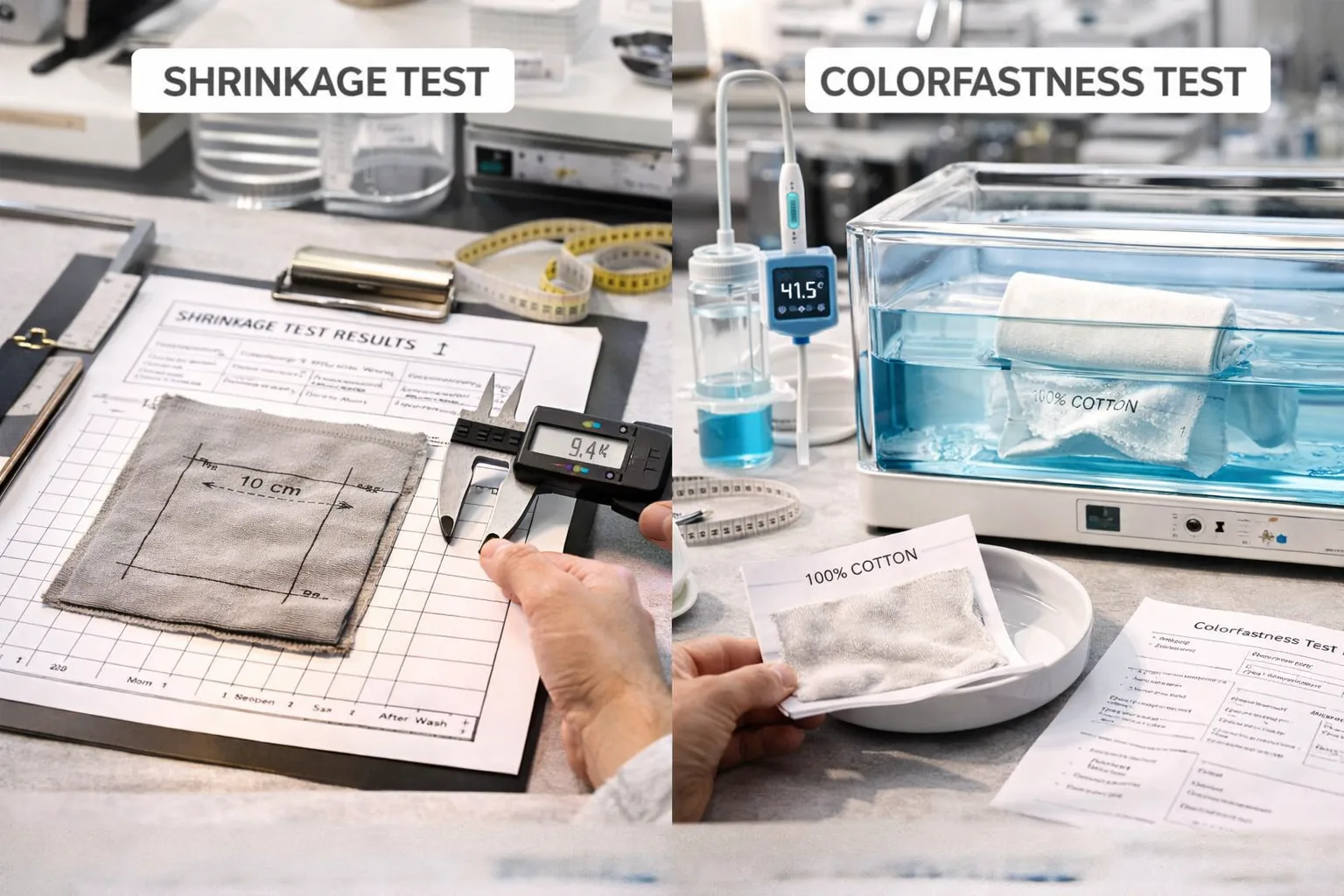
Third, test fabrics like a manufacturer, not like a shopper. Request shrinkage data, GSM tolerances, colorfastness behavior, and pilling performance expectations. Make decisions based on production reality.
Testing and Quality Control: What to Verify Before Bulk
Cotton issues often show up after production starts. The fastest way to protect your brand is to verify key parameters before bulk manufacturing.
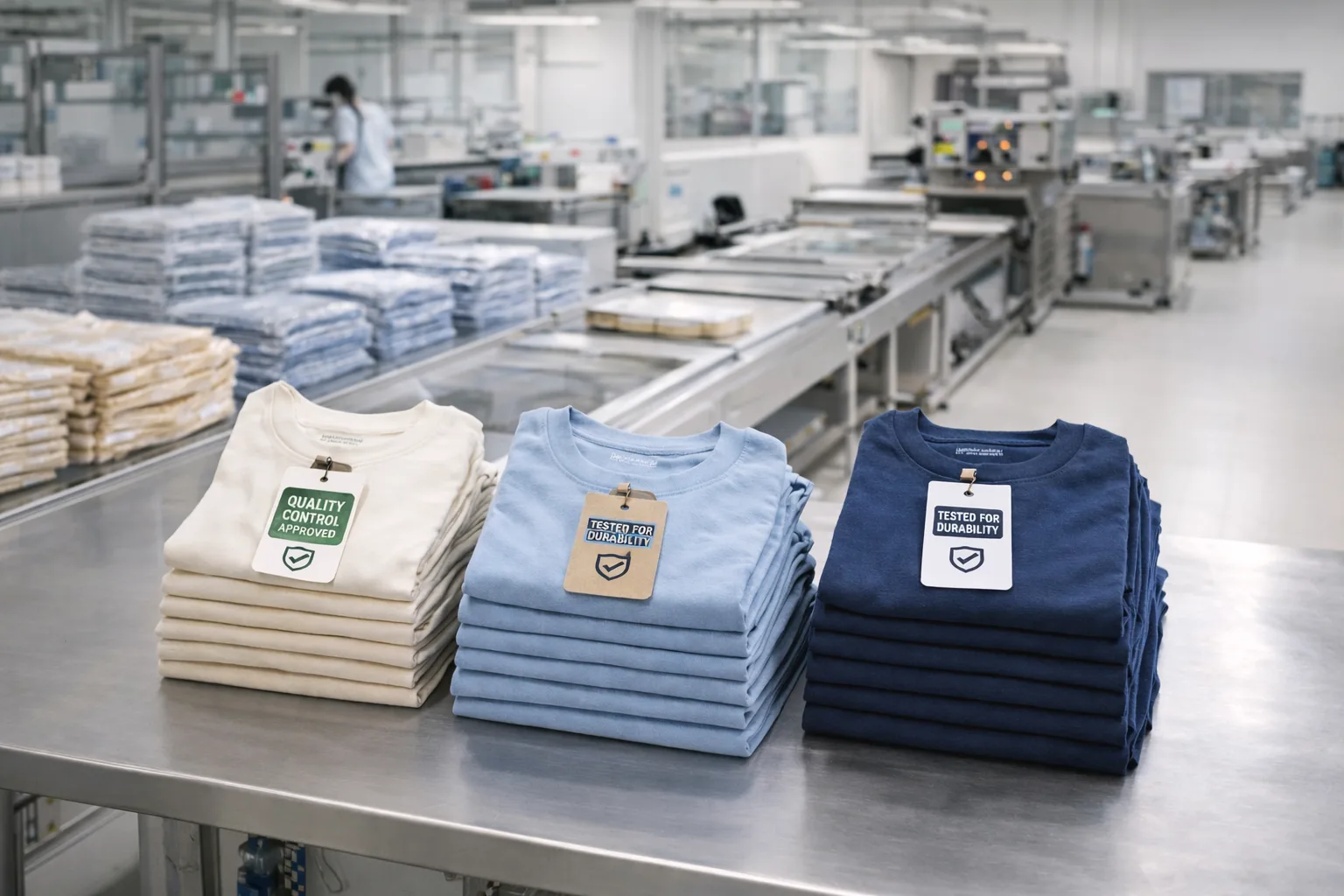
Brands should confirm fabric GSM tolerance, width stability, shrinkage targets, spirality behavior for knits, and colorfastness. They should also confirm whether the fabric is compacted or pre-shrunk, and how the garment wash process will affect final measurements.
Sampling should include wash tests. Many brands skip wash testing and then discover shrinkage or twisting issues after customers complain. Testing in development is always cheaper than fixing problems after a bulk run is shipped.
Quality control is also about consistency. If you plan to reorder a best-selling product, you need fabric and yarn consistency across lots. Organic cotton programs can sometimes support this through better traceability, but you still need a disciplined mill partner.
Marketing and Labeling: How to Avoid Greenwashing
Sustainability marketing is powerful, but it must be accurate. Greenwashing risk is real, especially when brands use broad claims about cotton without documentation, which can be harmful to consumer trust.
If you claim organic cotton, you should have verified documentation and clear language that matches your certificates. If you claim eco-friendly cotton without a defined standard, you risk buyer pushback and consumer skepticism. Even if you believe your supplier, buyers may still ask for proof.
A safer approach is to use precise wording. Talk about certified organic cotton when you have certification. Talk about responsible sourcing when you can support it. Talk about durability and long-lasting quality when your product testing proves it. Transparency wins, and it protects the brand long term.
Practical Decision Framework for Brands
If you want an easy way to choose, use a practical framework that matches fiber choice to business goals.
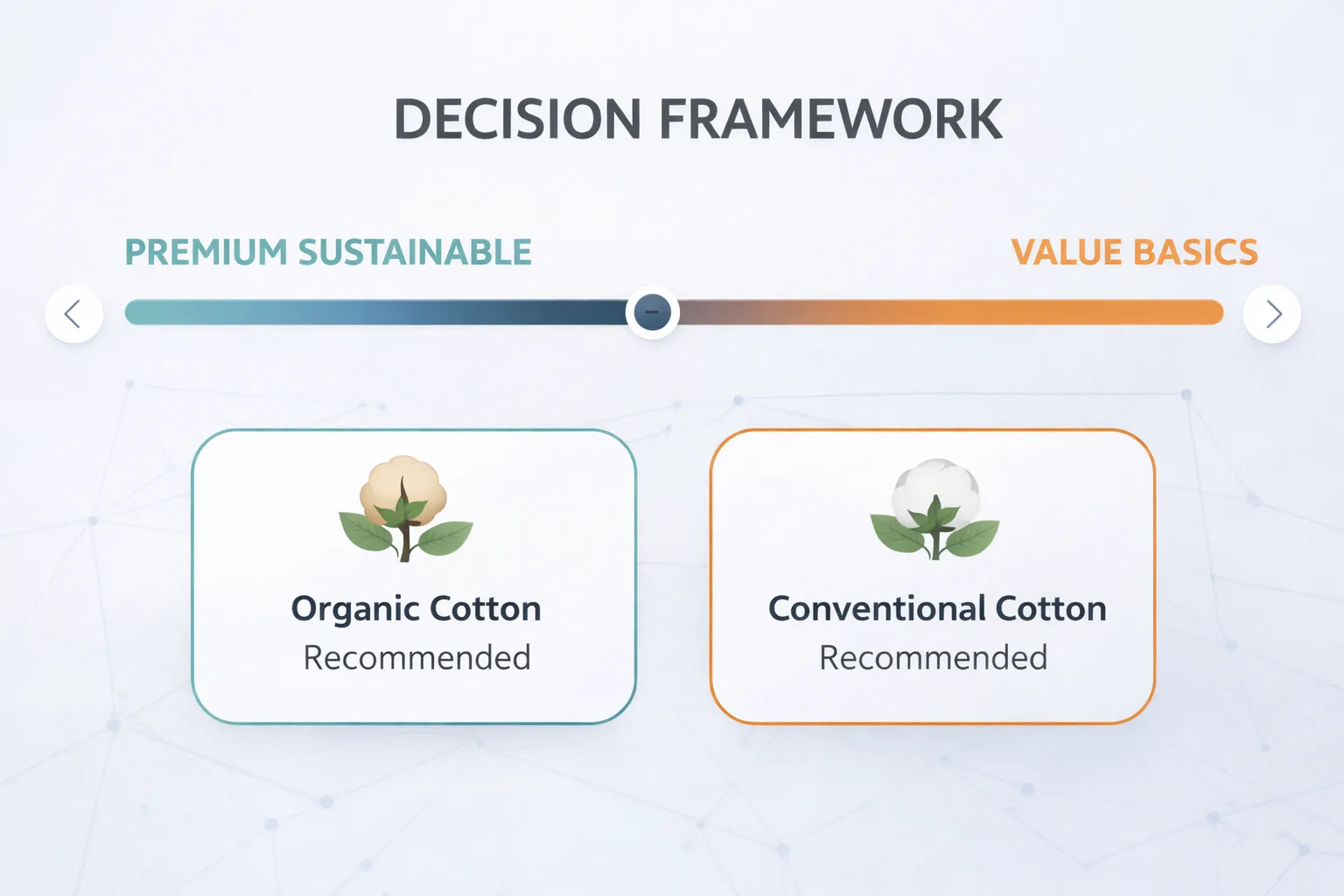
If your brand is positioned as sustainable, organic cotton is often the stronger default for core essentials, because it supports documentation, story, and buyer expectations. If your brand is positioned on affordability, conventional cotton can be better for margin and volume, but you should improve sustainability through manufacturing efficiency, waste reduction, and packaging improvements.
Many brands use a blended strategy. They make premium lines in organic cotton and use high-quality non-organic cotton for other categories to balance cost and sustainability. They communicate clearly, avoid exaggeration, and focus on measurable product benefits like durability, comfort, and long-term wear.
This is not about choosing one side forever. It is about building a sourcing plan that fits your brand and grows with your customer base.
Conclusion: Choosing Cotton That Supports Your Brand Long-Term
Organic cotton and conventional cotton are both widely used in apparel, but they serve different brand goals. Organic cotton offers stronger alignment with sustainability positioning and traceability-driven credibility when documentation is handled properly. Conventional cotton offers broad availability and pricing advantages, and it can still support excellent quality when you choose the right grade, mill, and manufacturing controls.
For brands, the best decision is the one you can execute consistently. Choose based on category fit, customer expectations, documentation ability, and performance testing. When you treat cotton choice as part of a total supply chain strategy, you protect quality, improve repeat purchases, and build a brand story that lasts.
If you want, I can also create an ApparGlobal-ready add-on for this post next: a semantic keyword cluster, SEO meta title and meta description, and an internal linking plan that connects this post to your sustainable manufacturing, tech pack, and production process content.