
In recent years, fashion has moved far beyond fabric, runway shows, retail stores, and seasonal collections. The industry is now entering a new digital era where clothing can exist as a virtual asset, a collectible, an avatar outfit, a membership pass, or even a blockchain-certified proof of ownership. This shift has been powered by NFTs, also known as Non-Fungible Tokens.
NFTs became widely known through digital art and collectibles, but their influence has quickly expanded into fashion. For fashion brands, NFTs create new ways to sell digital garments, protect authenticity, build communities, reward loyal customers, and connect physical products with digital experiences. For designers, NFTs open a creative space where fashion is not limited by fabric costs, production waste, sizing, logistics, or traditional retail restrictions.
Fashion has always been about identity. What we wear shows taste, culture, lifestyle, values, and status. In digital spaces, people still want to express identity. That is why NFT fashion, digital wearables, avatar clothing, virtual sneakers, blockchain-authenticated luxury items, and metaverse fashion shows are becoming important parts of the modern fashion conversation.
This guide explains what NFTs are, how they work in fashion, why brands are using them, what opportunities they create, and what challenges still need to be solved.

Understanding NFTs: A Simple Overview
NFT stands for Non-Fungible Token. In simple terms, an NFT is a unique digital certificate stored on a blockchain. It proves ownership, authenticity, and transaction history for a specific digital or physical asset.
The word “non-fungible” means one-of-a-kind. A regular cryptocurrency token, such as one Ethereum token, is fungible because it can be exchanged for another token of the same value. An NFT is different because each token has its own unique identity.
In fashion, an NFT can represent:
- Digital clothing
- Virtual sneakers
- Avatar wearables
- Digital handbags
- Fashion artwork
- Membership access
- Limited-edition collectibles
- Physical product authentication
- Digital twins of real garments
- Tickets to virtual or real-world fashion events
The most important thing to understand is that an NFT is not just an image. It is a blockchain-based ownership record connected to a digital or physical fashion asset.
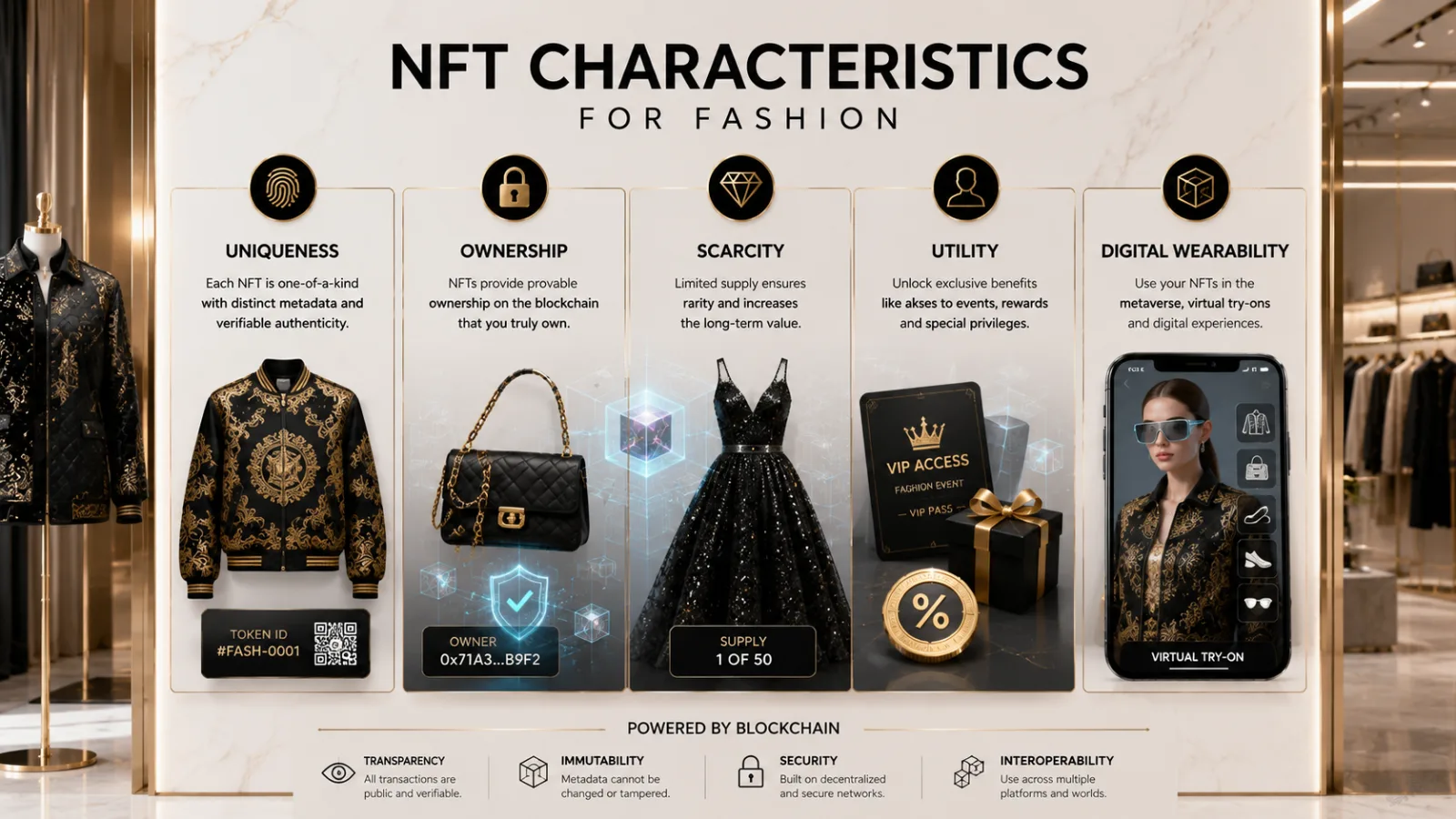
Key Characteristics of NFTs
NFTs have several qualities that make them useful for fashion brands and collectors.
Uniqueness
Each NFT has a unique identifier. This allows a brand to create limited digital fashion items that cannot be copied in the same ownership sense, even if someone screenshots the image.
Ownership
Blockchain records show who owns the NFT and how it has moved between wallets. This makes ownership history transparent.
Scarcity
Fashion brands can release a fixed number of NFTs, similar to limited-edition physical drops. Scarcity is especially important in luxury fashion.
Interoperability
In theory, NFTs can move across marketplaces and digital environments. In practice, true interoperability is still developing, especially for wearables across different games and metaverse platforms.
Utility
NFTs can provide more than ownership. They can unlock private communities, early product access, exclusive events, digital wearability, loyalty benefits, or physical products.
The Intersection of NFTs and Fashion
Fashion is built on creativity, identity, exclusivity, and cultural relevance. NFTs fit naturally into this world because they allow brands to create digital scarcity and ownership around fashion concepts.
In traditional fashion, a product exists physically. It is manufactured, shipped, sold, worn, and eventually resold or discarded. In NFT fashion, a product can exist digitally, physically, or as a hybrid of both.
This creates three major opportunities:
First, brands can sell purely digital fashion items. These may be worn by avatars, used in social media content, or collected as digital art.
Second, brands can connect physical products to digital ownership records. A luxury handbag, sneaker, or couture piece can have an NFT proving authenticity and ownership history.
Third, brands can use NFTs as community access passes. The NFT becomes a key that unlocks events, special drops, loyalty rewards, or co-creation opportunities.
This is why NFTs are not only a design trend. They are also a business model, marketing tool, authenticity layer, and customer engagement system.
The Rise of Digital Fashion
Digital fashion refers to clothing that exists in a virtual format rather than as a physical garment. It can be designed using 3D software, sold as a digital file, worn by avatars, or placed onto real photos through augmented reality.
Digital fashion gives designers freedom from many physical limitations. They do not need to worry about fabric waste, production defects, shipping costs, or inventory risk. They can create garments that would be difficult or impossible to make physically, such as floating textures, animated fabrics, impossible silhouettes, glowing materials, or shape-shifting clothing.
For consumers, digital fashion offers a new way to express style online. People already spend a large part of their lives in digital spaces. Social media, gaming, virtual worlds, video calls, and online communities have made digital identity increasingly important.
Digital fashion is especially powerful for:
- Avatar styling
- Virtual events
- Gaming skins
- Digital photoshoots
- Metaverse fashion shows
- Social media content
- Limited digital collectibles
- Brand storytelling
This does not mean physical fashion will disappear. Instead, digital fashion adds a new layer to how people experience style.

Major Fashion Brands Leading the NFT Movement
Several major fashion and sportswear brands have tested NFTs, digital wearables, gaming collaborations, and Web3 communities.
Gucci entered the NFT space through digital art, virtual wearables, and experimental online projects. Gucci’s first NFT, inspired by its Aria fashion film, appeared in a Christie’s auction in 2021.
Nike made one of the most serious moves into digital fashion when it acquired RTFKT in December 2021. Nike described RTFKT as a brand focused on next-generation collectibles that merge culture and gaming.
Dolce & Gabbana created one of the most financially successful fashion NFT drops with Collezione Genesi, a nine-piece digital and physical collection that fetched 1,885.719 ETH, approximately $6 million at the time.
Burberry explored NFTs through gaming by working with Blankos Block Party, including branded in-game accessories and NFT characters.
These examples show that fashion NFTs are not limited to one format. Some brands focus on collectibles, others on gaming, others on digital-physical luxury items, and others on community access.
Fashion NFTs and the Metaverse
The metaverse is a broad term for immersive digital environments where people interact through avatars, virtual spaces, digital products, and online communities. Fashion plays a natural role in these environments because avatars need identity and style.
In virtual worlds, clothing works as a status signal just like it does in real life. A rare jacket, limited sneaker, or exclusive digital handbag can communicate taste, access, and identity.
NFT fashion in the metaverse can include:
- Avatar outfits
- Virtual sneakers
- Digital jewelry
- Metaverse fashion shows
- Digital luxury stores
- Interactive fashion galleries
- Limited-edition gaming skins
Morgan Stanley projected that NFTs and social gaming could create a major revenue opportunity for luxury brands by 2030, highlighting how digital demand may expand the luxury market.
However, the metaverse is still developing. Some platforms have grown quickly, while others have struggled with adoption. The long-term opportunity is real, but brands need to build practical, useful, and audience-focused digital experiences instead of chasing hype.
NFT Fashion Shows and Virtual Runways
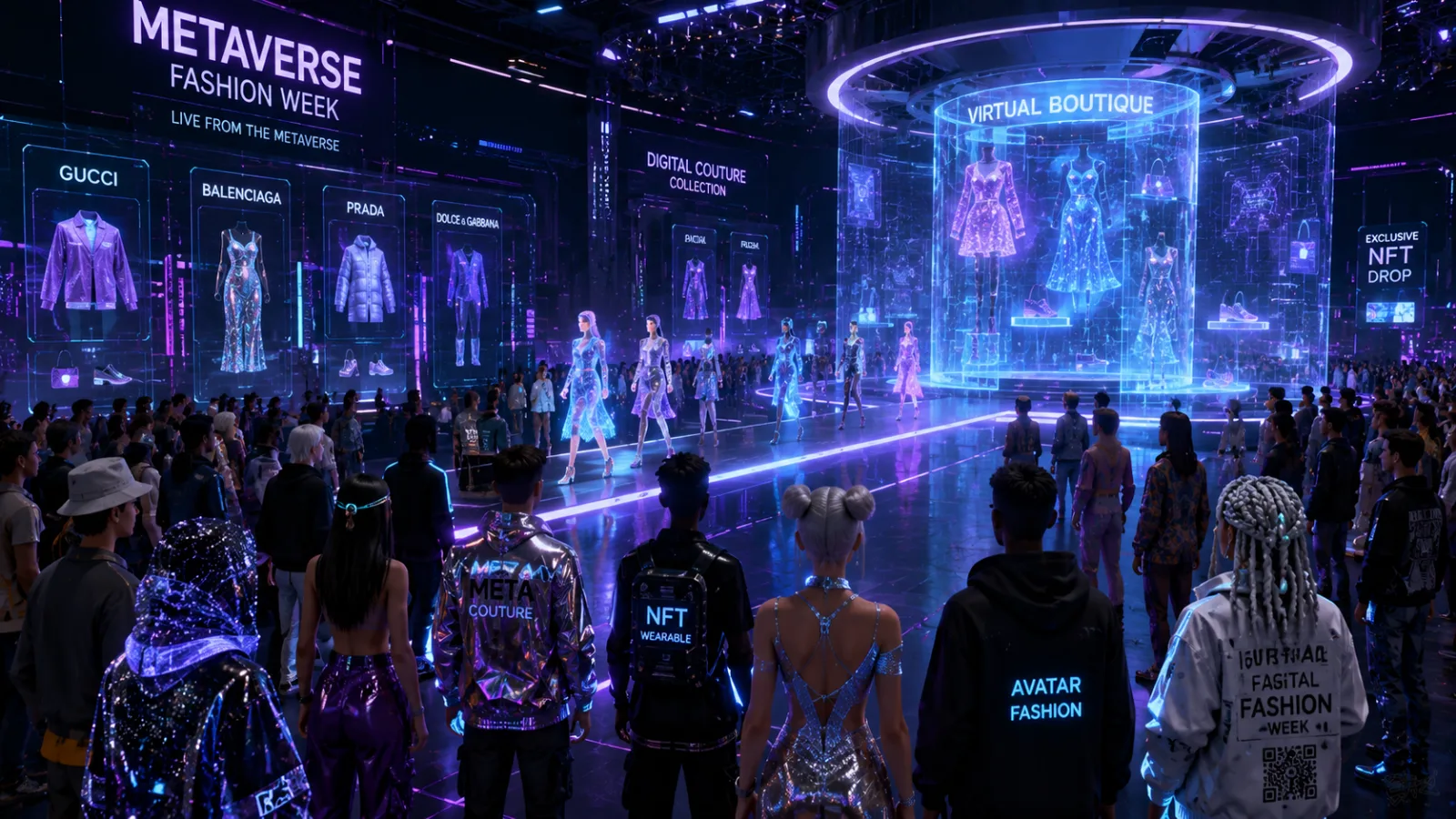
Traditional fashion shows are expensive, exclusive, and limited by location. NFT fashion shows and virtual runways remove many of those barriers.
A digital fashion show can be viewed globally. It can include impossible visual effects, interactive garments, avatar models, and instant access to purchase digital wearables. Instead of simply watching a collection, viewers may be able to buy, collect, or wear pieces immediately in virtual spaces.
Benefits of NFT fashion shows include:
- Global access
- Lower physical production waste
- More creative runway environments
- Digital collectible sales
- Real-time audience engagement
- Virtual try-on opportunities
- New storytelling formats
For emerging designers, virtual fashion shows can reduce barriers to entry. A smaller brand may not be able to afford a major runway event, but it can create a digital experience that reaches a global audience.
How NFTs Create New Revenue Streams for Fashion Brands
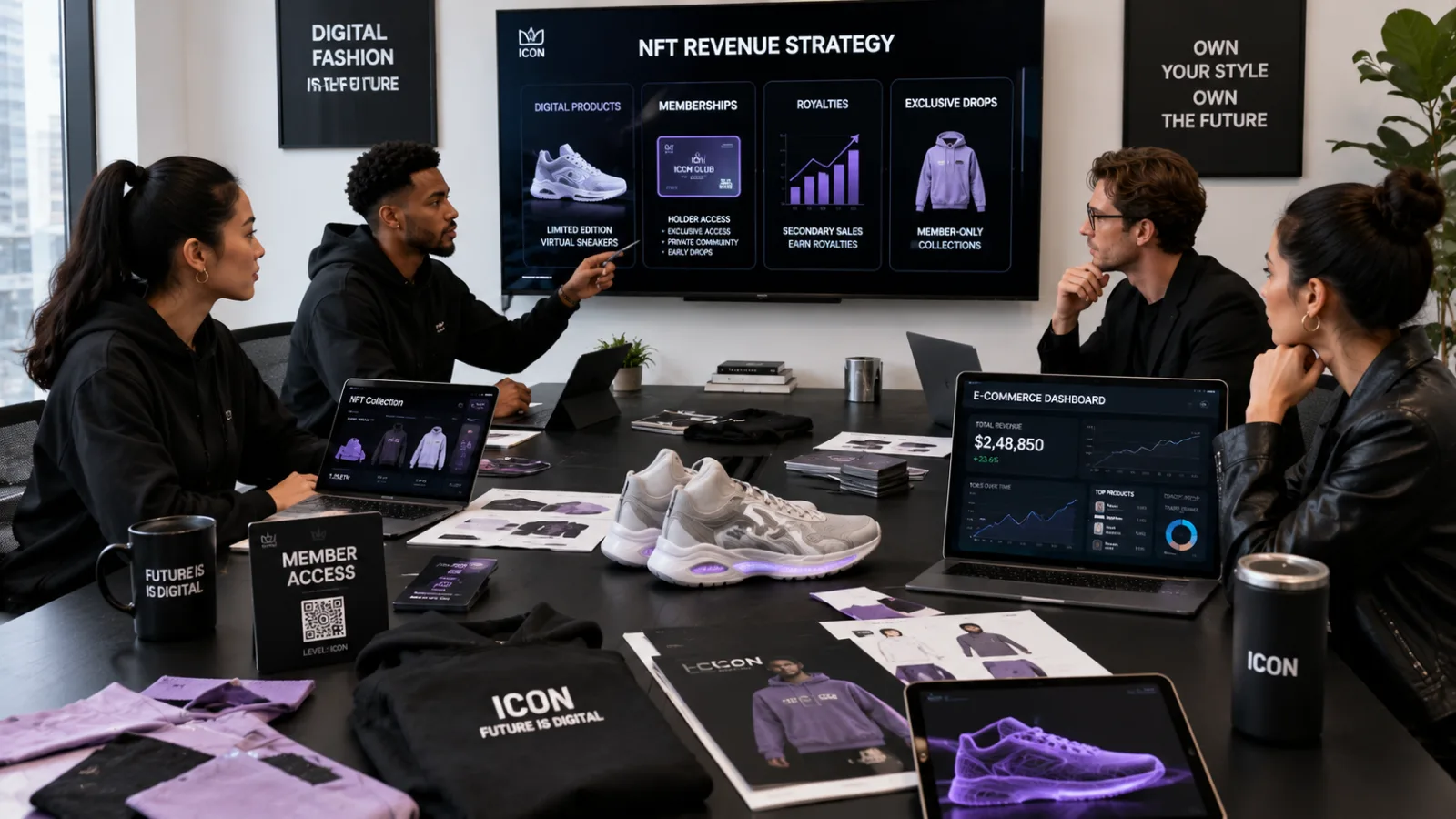
NFTs allow fashion brands to create revenue beyond traditional product sales.
A brand can earn through:
- Primary NFT sales
- Secondary marketplace royalties
- Digital wearable drops
- Virtual sneaker releases
- Metaverse store experiences
- Exclusive membership passes
- Phygital product bundles
- Digital collectibles linked to campaigns
One of the most interesting possibilities is ongoing engagement. A physical garment usually creates revenue once. An NFT can create a continuing relationship with the buyer. The holder may receive future benefits, upgrades, event access, or early product releases.
For fashion brands, this changes the customer relationship from a one-time transaction to a long-term community connection.
NFTs as Proof of Authenticity in Luxury Fashion
Counterfeiting is a major problem in luxury fashion. Fake handbags, sneakers, watches, and designer apparel damage brand trust and reduce resale confidence.
NFTs can help solve part of this problem by acting as digital certificates of authenticity. A physical product can be paired with a blockchain token that records its origin, ownership history, and authenticity status.
This can be useful for:
- Luxury handbags
- Limited sneakers
- Designer watches
- Couture garments
- High-value resale products
- Collectible fashion items
A buyer could scan or verify the NFT record before purchasing a resale item. This creates more transparency and trust in secondhand luxury markets. However, the physical product and the NFT must remain securely connected. If the physical item is separated from the digital certificate, authentication becomes weaker. Brands need strong systems to link the two.
Phygital Fashion: Where Physical and Digital Products Meet
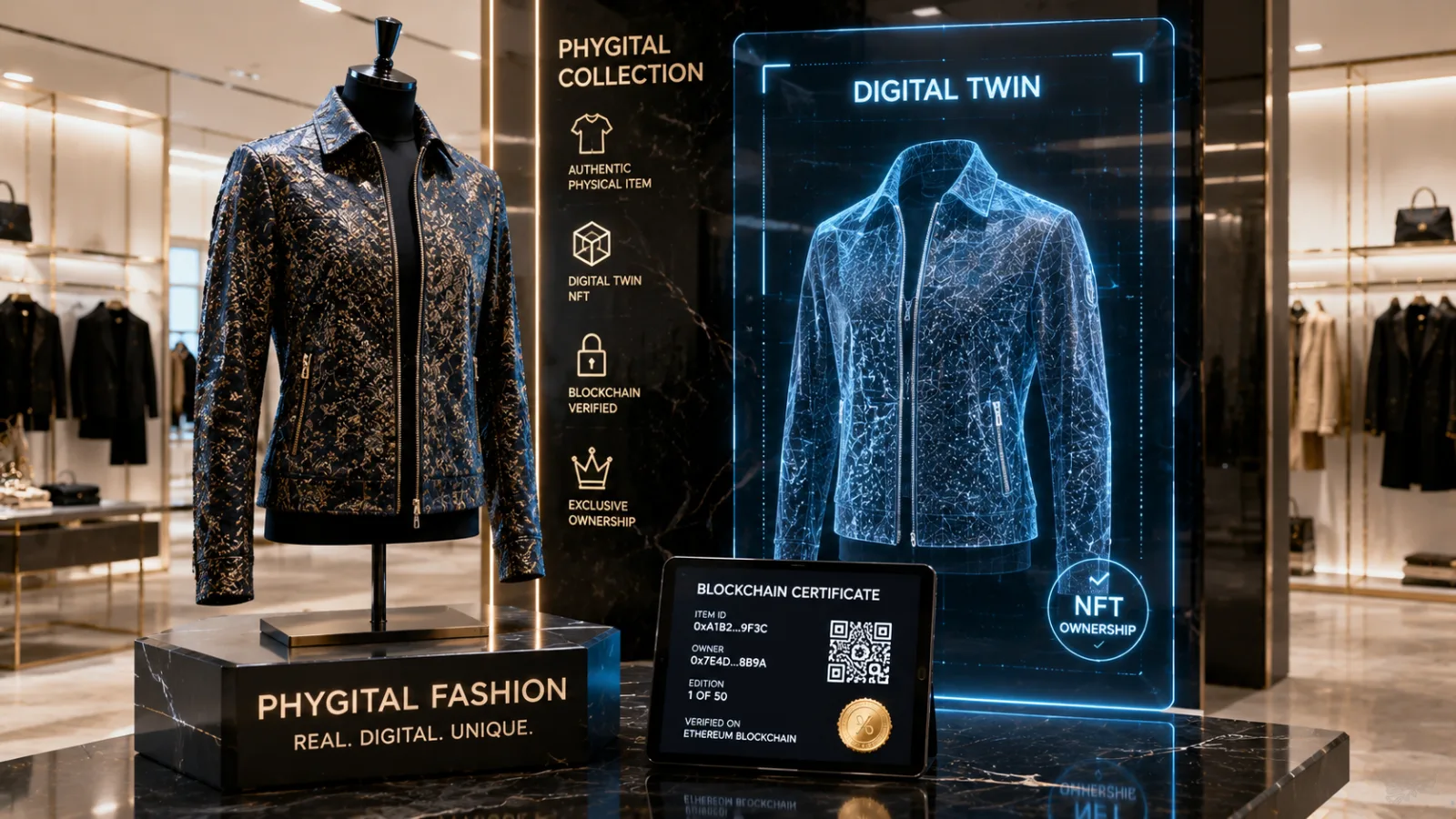
Phygital fashion combines physical and digital ownership. A customer may receive both a real garment and a matching NFT.
For example, a brand might release:
- A physical jacket plus a digital avatar jacket
- A luxury handbag plus blockchain certificate
- A couture gown plus a 3D collectible version
- A sneaker drop with digital wearable access
- A limited physical item plus virtual community membership
This approach gives buyers more value because they can enjoy the product in both real and digital spaces. Phygital fashion is especially useful for luxury brands because it supports exclusivity, authentication, storytelling, and collector value.
Sustainability Benefits of Digital Fashion NFTs
One of the strongest arguments for digital fashion is its potential to reduce waste.
Traditional fashion production can involve sample waste, unsold inventory, shipping emissions, packaging waste, and overproduction. Digital garments do not require physical fabric, dyeing, cutting, sewing, or shipping.
NFT fashion can support sustainability by:
- Reducing sample production
- Lowering physical inventory risk
- Supporting virtual product testing
- Reducing waste from trend experimentation
- Allowing digital-only campaigns
- Helping brands test demand before production
Digital fashion is not a complete sustainability solution, but it can reduce waste in specific parts of the fashion development process. For example, a brand could launch a digital concept first, measure customer interest, and only manufacture the most popular physical designs.
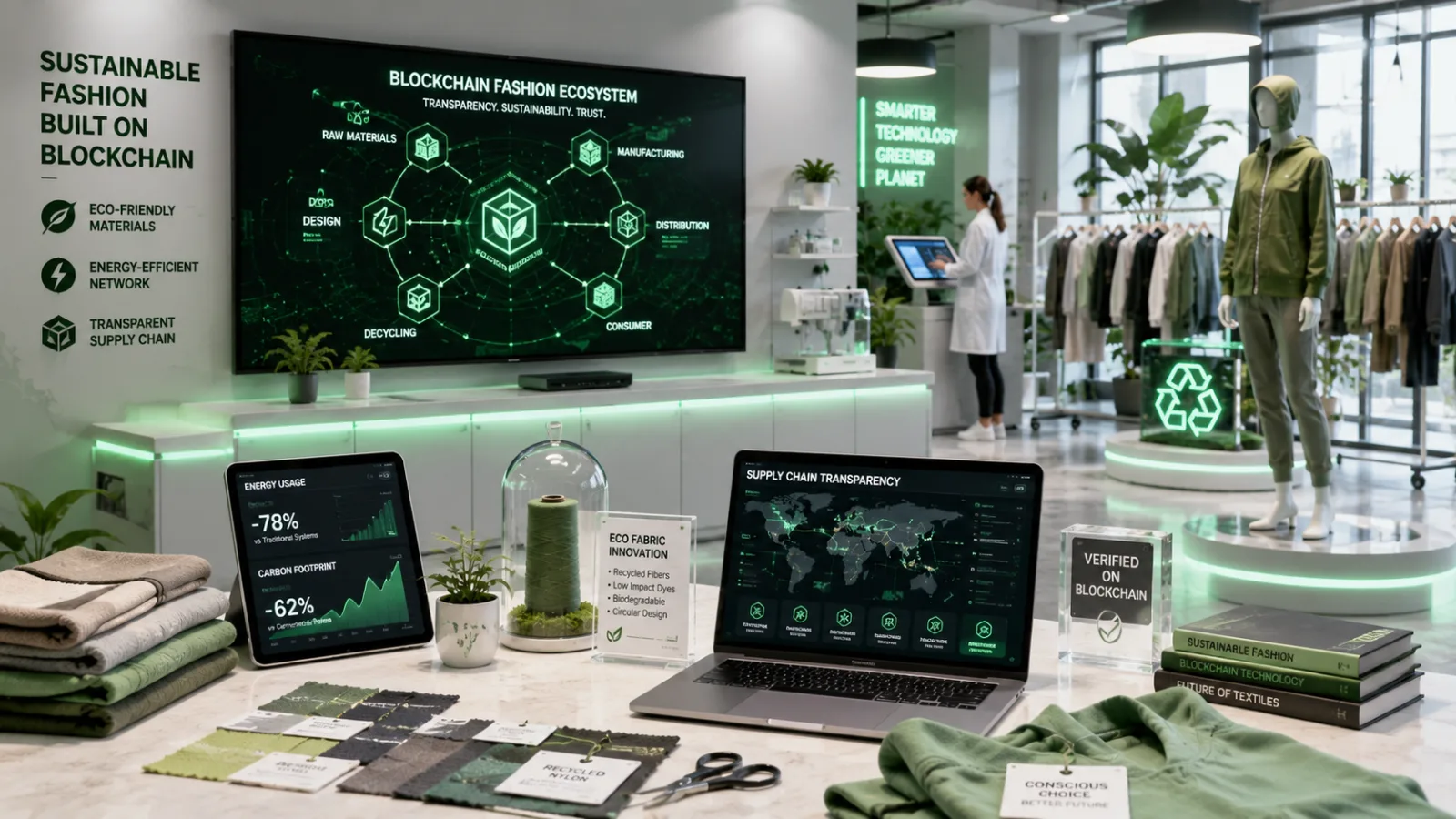
Environmental Concerns Around NFTs
NFTs have also faced criticism because early blockchain systems used large amounts of energy. This was especially true for Ethereum before its transition from proof of work to proof of stake.
Ethereum completed “The Merge” in September 2022, and Ethereum’s official documentation states that energy consumption dropped by an estimated 99.95%.
This significantly changed the environmental debate around Ethereum-based NFTs. Many brands also use lower-energy networks such as Polygon, Tezos, and Flow to reduce transaction costs and environmental impact.
Still, brands must be careful. Fashion consumers increasingly care about sustainability, so NFT projects should communicate transparently about blockchain choice, storage method, carbon footprint, and long-term utility.
Challenges of NFTs in Fashion
NFTs create exciting opportunities, but they also bring real challenges.
Market Volatility
NFT prices can rise and fall quickly. Many NFT collections from the 2021 and 2022 boom lost significant value later. This makes speculation risky.
Consumer Confusion
Many fashion consumers still do not understand crypto wallets, gas fees, NFT marketplaces, or blockchain terminology.
Platform Risk
If a platform shuts down, buyers may still own the blockchain token, but the digital file or experience may become harder to access if it was not stored properly.
Legal Issues
NFT fashion raises questions about copyright, licensing, resale rights, image use, and ownership of digital wearables.
Brand Reputation Risk
If a brand launches NFTs only for hype, consumers may feel exploited. NFT projects need real value.
Nike’s RTFKT situation shows why long-term planning matters. Reuters reported in 2025 that Nike faced a proposed class action lawsuit after the shutdown of RTFKT, its digital asset unit. This does not mean fashion NFTs are finished. It means brands need responsible strategy, clear communication, and durable customer value.
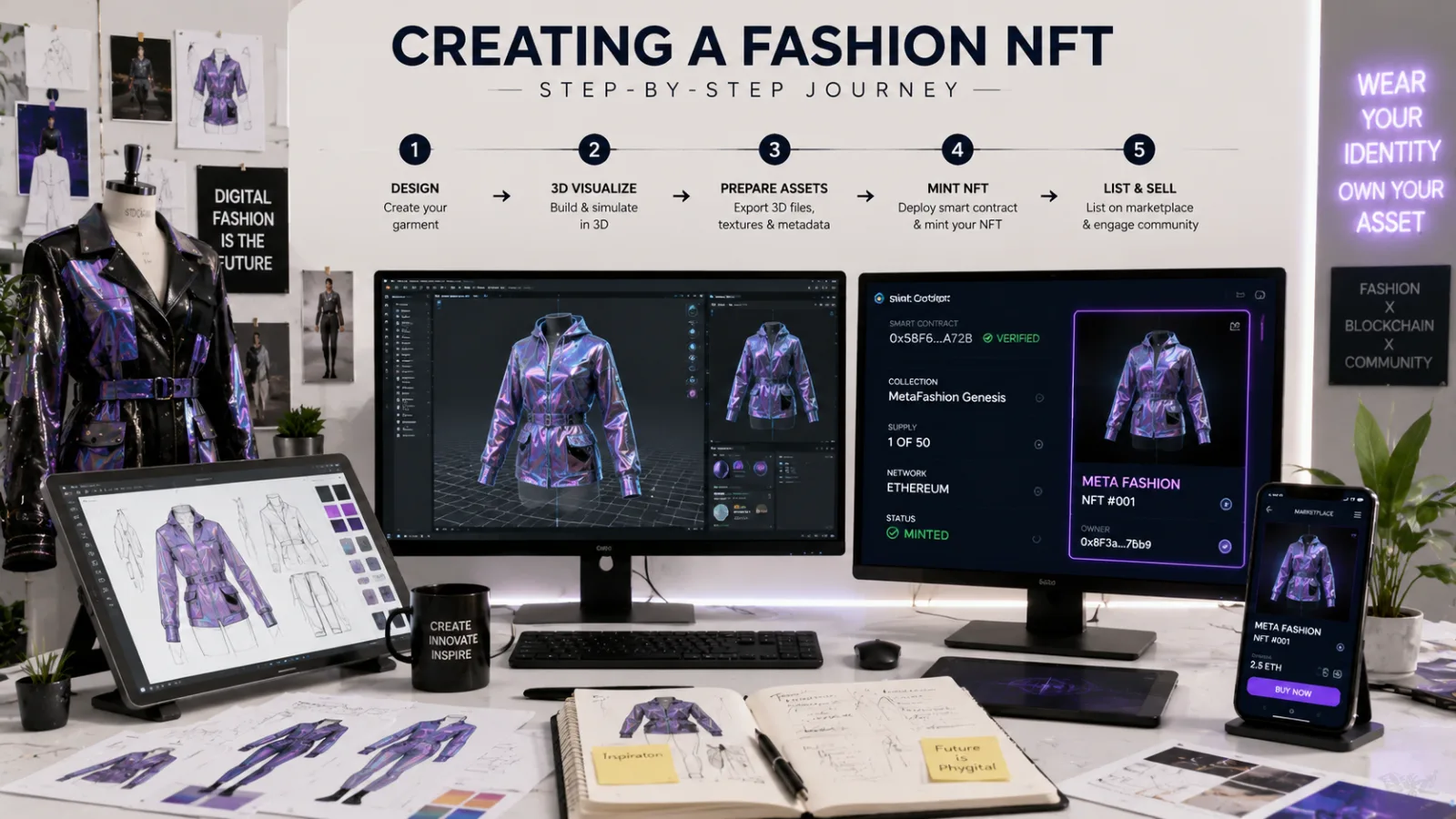
How to Create a Fashion NFT
Creating a fashion NFT requires both creative and technical planning.
Step 1: Build the Concept
Start with a strong fashion idea. It could be a digital garment, sneaker, handbag, avatar accessory, fashion illustration, or physical product certificate.
Step 2: Create the Digital Asset
Designers may use tools for:
- 3D garment design
- Digital illustration
- AR clothing creation
- Motion graphics
- Virtual avatar fitting
- Photorealistic rendering
Step 3: Decide the Utility
Ask what the NFT gives the buyer. Is it only collectible, or does it unlock something?
Possible utilities include:
- Digital wearability
- Private community access
- Physical product claim
- Event invitation
- Early collection access
- Co-creation rights
- Brand loyalty benefits
Step 4: Choose the Blockchain
The blockchain affects fees, sustainability, audience, and marketplace access.
Step 5: Choose the Marketplace
Brands may use general NFT marketplaces, fashion-specific platforms, or custom branded platforms.
Step 6: Mint the NFT
Minting means creating the NFT record on the blockchain.
Step 7: Launch and Market the Drop
A strong launch needs storytelling, education, visuals, community building, and clear buyer instructions.
How Fashion NFTs Are Bought and Sold
Fashion NFTs can be sold through NFT marketplaces, brand websites, digital fashion platforms, or private auctions.
The buying process usually includes:
- Creating a crypto wallet
- Adding cryptocurrency or using card payment if available
- Connecting wallet to marketplace
- Purchasing the NFT
- Storing it in the wallet
- Using it in compatible digital spaces
Some platforms are making this process easier by allowing credit card purchases and email-based onboarding. For resale, owners may list NFTs on secondary marketplaces. If smart contracts are set up properly, brands and creators may receive royalties from future sales.
However, buyers should be cautious. Fashion NFTs should be purchased for utility, creativity, or personal interest, not simply because they might increase in value.
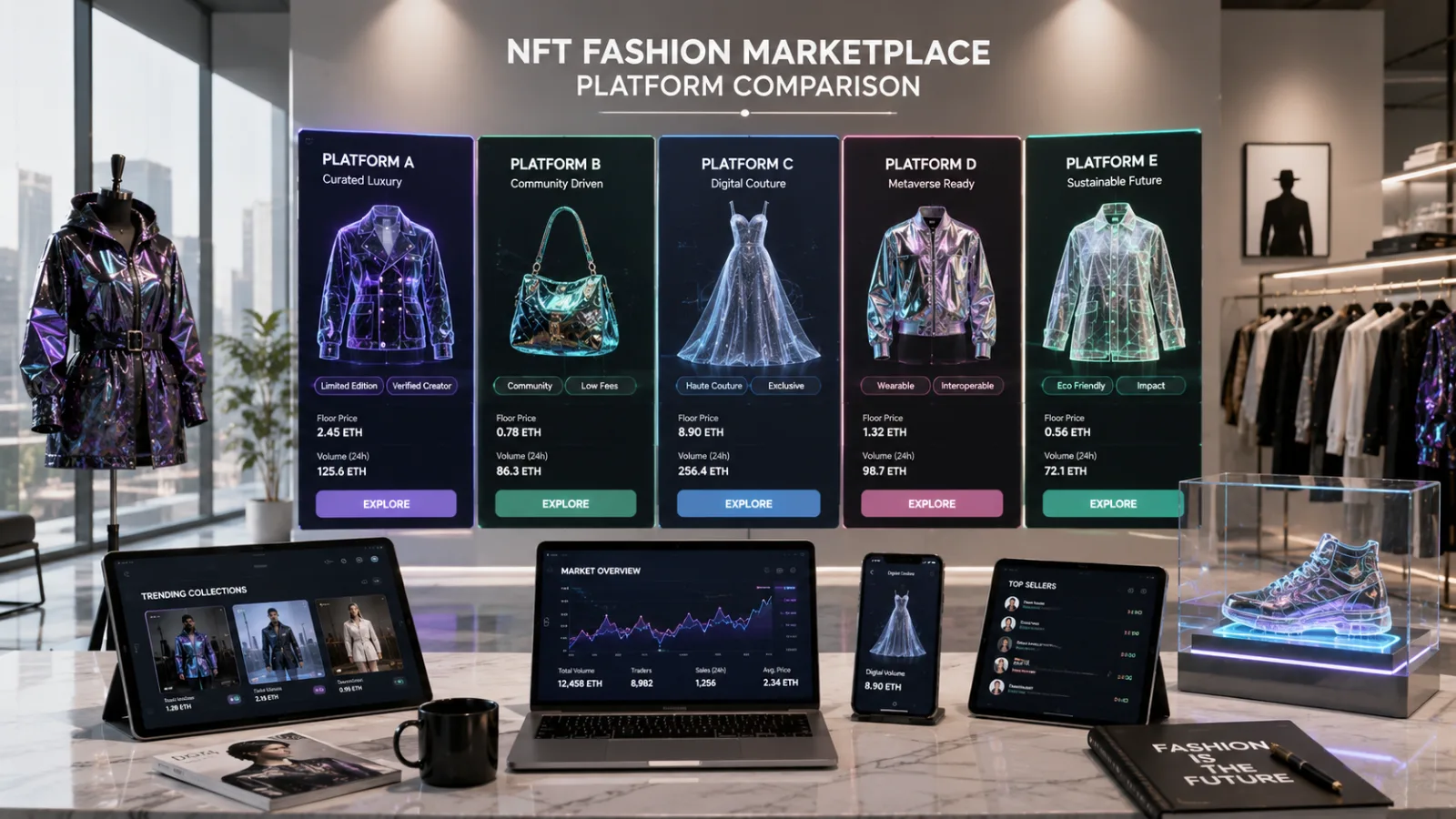
NFT Marketplaces for Fashion
Several platforms have played a role in fashion NFTs and digital wearables.
OpenSea
OpenSea is one of the largest general NFT marketplaces. It hosts many categories, including fashion-related digital collectibles.
DressX
DressX focuses on digital fashion and allows users to buy digital garments that can be worn in images and digital environments.
The Dematerialised
The Dematerialised focuses on luxury digital fashion and curated NFT wearables.
Brand-Owned Platforms
Some major brands create their own Web3 platforms to control customer experience, loyalty, and utility.
For fashion brands, platform choice should depend on audience, brand positioning, technical needs, and long-term strategy.
How Fashion Brands Can Build a Winning NFT Strategy
A strong NFT strategy should not start with technology. It should start with customer value.
Start With a Clear Purpose
A brand should define why it is launching an NFT. Good reasons include authenticity, community access, digital wearability, loyalty rewards, or creative experimentation.
Avoid Hype-Only Drops
Hype may create short-term attention, but without utility, buyers may lose interest quickly.
Make It Easy for Customers
Most customers are not blockchain experts. Brands should simplify wallet setup, payment options, and usage instructions.
Connect Digital and Physical Value
Phygital products often feel more valuable than digital-only collectibles because they connect to real-world fashion ownership.
Build Long-Term Community
NFT holders should receive ongoing value, not just a one-time purchase.
Protect the Brand
Legal rights, licensing terms, artwork ownership, and resale conditions must be clear.

Legal and Copyright Issues in Fashion NFTs
Fashion NFTs create complex legal questions.
For example:
- Who owns the digital design?
- Can the buyer use the image commercially?
- Can the NFT be worn across platforms?
- Can someone mint an NFT of another designer’s work?
- How are royalties handled?
- What happens if the marketplace closes?
- What rights come with the NFT?
Buying an NFT does not automatically mean the buyer owns the copyright to the design. Usually, the buyer owns the token, while the creator or brand keeps the intellectual property unless the terms say otherwise.
Fashion brands must create clear terms for:
- Usage rights
- Resale rights
- Commercial rights
- Digital display rights
- Physical product claims
- Refunds and customer protections
This is especially important for luxury brands, independent designers, and collectors.

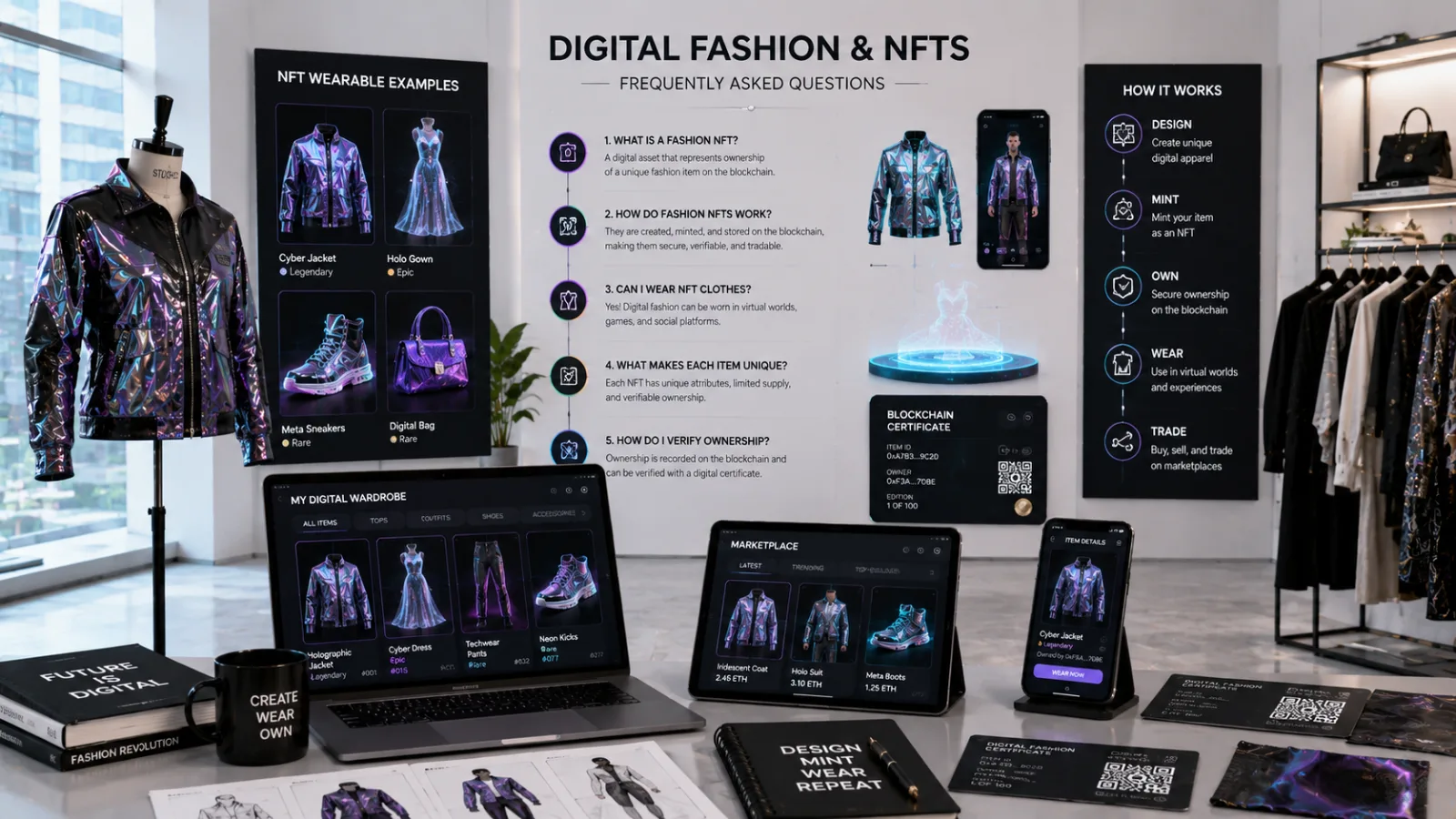
Frequently Asked Questions About NFTs in Fashion
What are NFTs in fashion?
NFTs in fashion are blockchain-based digital ownership records connected to fashion assets such as digital clothing, virtual sneakers, handbags, avatar wearables, or physical product certificates.
Can you wear NFT fashion?
Some NFT fashion items can be worn digitally by avatars or added to photos using augmented reality. Others are collectibles or access passes.
Do fashion NFTs come with physical products?
Some do. These are called phygital NFTs. They combine physical fashion items with digital ownership records or virtual twins.
Are NFTs in fashion sustainable?
Digital fashion can reduce some physical waste, but blockchain choice matters. Ethereum’s energy use dropped significantly after The Merge, and some brands use lower-energy networks.
Are fashion NFTs a good investment?
They are risky and should not be treated as guaranteed investments. NFT values can fall sharply. Buyers should focus on utility, creativity, and brand value rather than speculation.
Why do luxury brands use NFTs?
Luxury brands use NFTs for scarcity, authentication, digital collectibles, community access, virtual wearables, and customer engagement.
What is a digital wearable?
A digital wearable is a virtual fashion item that can be worn by an avatar or applied to online content.
Can NFTs stop fashion counterfeiting?
NFTs can help verify authenticity, especially when connected to physical products, but they must be supported by strong brand systems.
The Future of NFTs in Fashion
The future of fashion NFTs will likely be more practical, less speculative, and more integrated into everyday digital experiences.
The next phase may include:
- Digital wardrobes
- AI-generated fashion collectibles
- Virtual fitting rooms
- Tokenized loyalty programs
- Blockchain product passports
- Digital twins for luxury goods
- Interoperable avatar clothing
- NFT-backed resale authentication
- Hybrid physical and virtual fashion drops
The strongest NFT fashion projects will not feel like crypto experiments. They will feel like natural extensions of the brand experience.
Fashion brands that succeed will focus on:
- Design quality
- Utility
- Community
- Transparency
- Ease of use
- Long-term customer trust
NFTs are not replacing fashion. They are expanding what fashion can be.
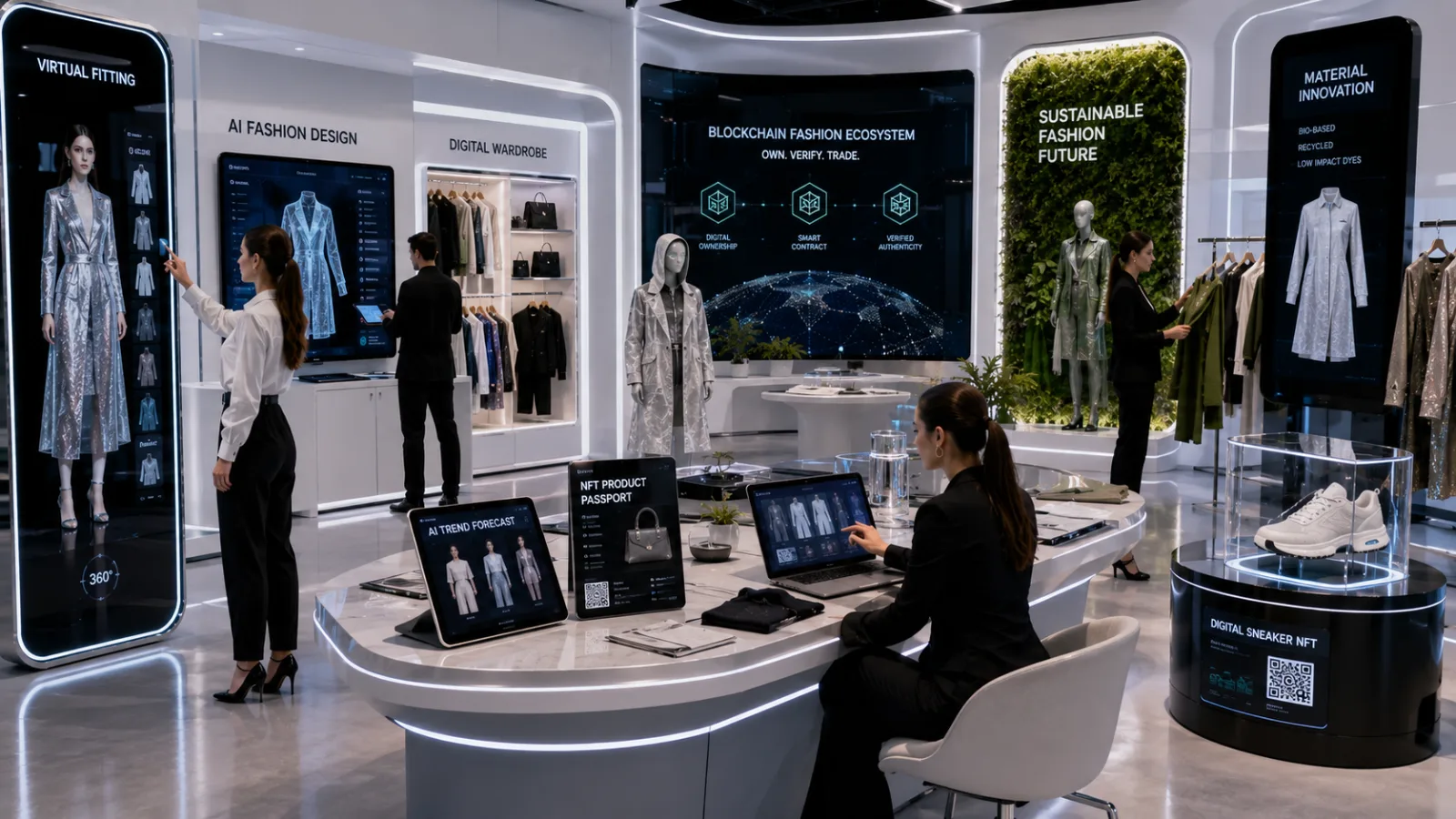
Conclusion: NFTs Are Changing How Fashion Thinks About Ownership
NFTs are reshaping fashion by introducing new ways to create, own, sell, verify, and experience style. They allow fashion to move beyond physical products into digital identity, virtual communities, metaverse experiences, and blockchain-authenticated ownership.
For designers, NFTs unlock new creative freedom. For brands, they create new revenue channels, loyalty systems, and authenticity tools. For consumers, they offer new ways to collect, wear, and participate in fashion culture. The first wave of NFTs was often driven by hype and speculation. The next wave will be different. It will focus more on real utility, better design, easier access, sustainable blockchain choices, and meaningful brand experiences. Fashion has always reinvented itself. NFTs are simply the next chapter in that evolution.