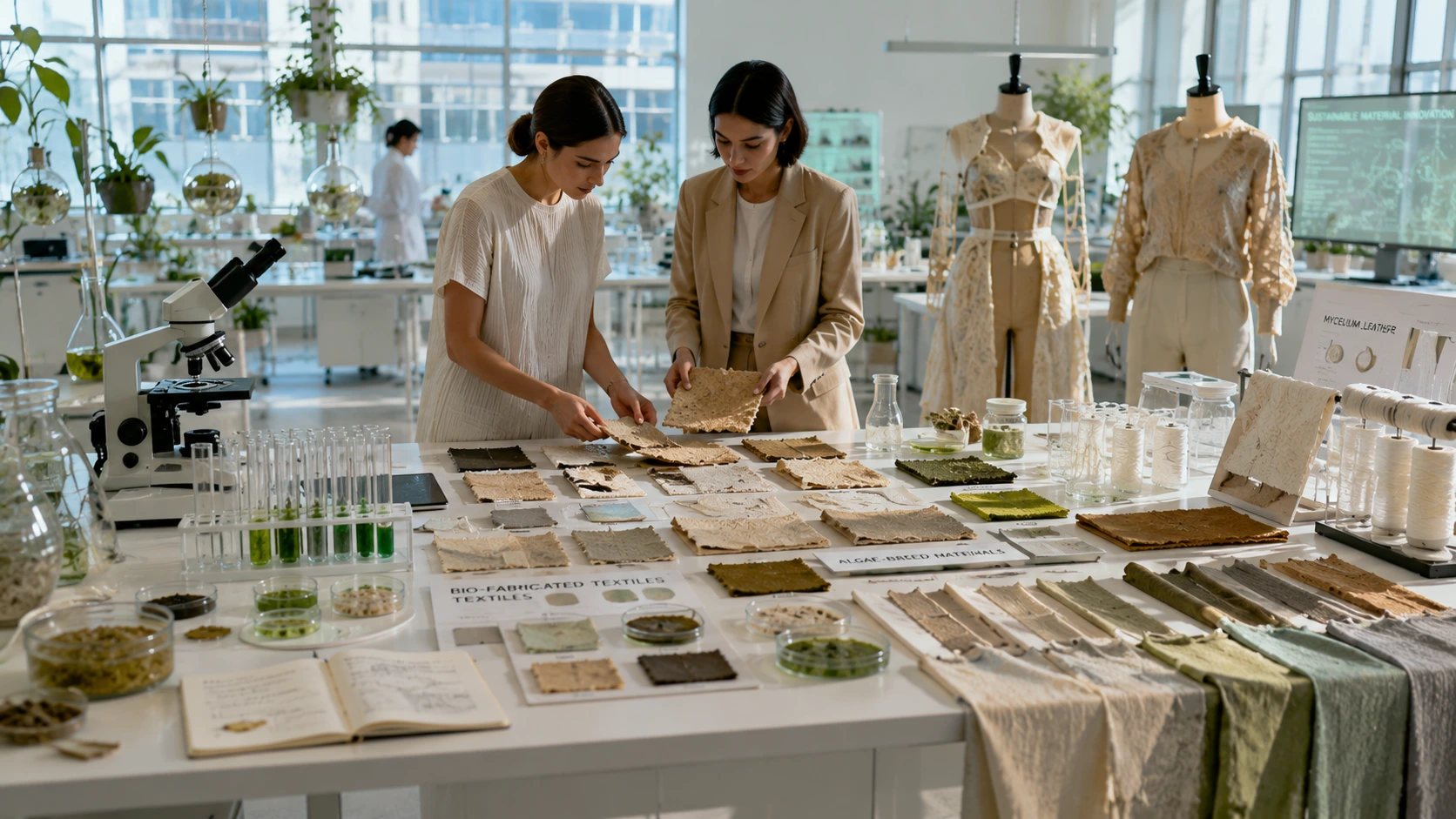
Fashion is changing. For decades, the industry has depended heavily on conventional cotton, polyester, leather, wool, synthetic blends, and large-scale manufacturing systems that often use significant amounts of water, energy, chemicals, land, and labor. While these materials still dominate the global apparel market, a new category of innovation is emerging: bio-fabricated fashion.
Bio-fabricated fashion refers to clothing, footwear, accessories, and textiles made using biological processes. Instead of relying only on traditional farming, animal hides, petroleum-based synthetics, or conventional textile mills, bio-fabrication uses living organisms, cells, microbes, fungi, yeast, bacteria, algae, plant proteins, or fermentation systems to create new materials. These materials can sometimes imitate leather, silk, wool, dyes, coatings, fibers, or textile finishes while reducing dependence on some resource-heavy conventional materials.
The idea may sound futuristic, but it is already influencing fashion design, material science, luxury goods, footwear, accessories, and sustainable product development. Designers and material innovators are exploring mycelium-based leather alternatives, lab-grown protein fibers, bacterial cellulose, algae-based textiles, bio-based coatings, plant-protein materials, and fermentation-derived ingredients.
Bio-fabricated fashion does not mean every garment is grown fully in a lab from start to finish. It also does not mean every material is automatically sustainable. Like every innovation, it needs proper sourcing, testing, scaling, transparency, and lifecycle evaluation. But it represents one of the most exciting directions in sustainable fashion because it asks a powerful question: What if fashion materials could be grown, engineered, or assembled with biology instead of extracted through high-impact systems?
This guide explains what bio-fabricated fashion is, how it works, why it matters, what materials are being developed, what benefits it may offer, what challenges remain, and how fashion brands can think about it before adopting bio-materials into their collections.
What Does Bio-fabricated Fashion Mean?
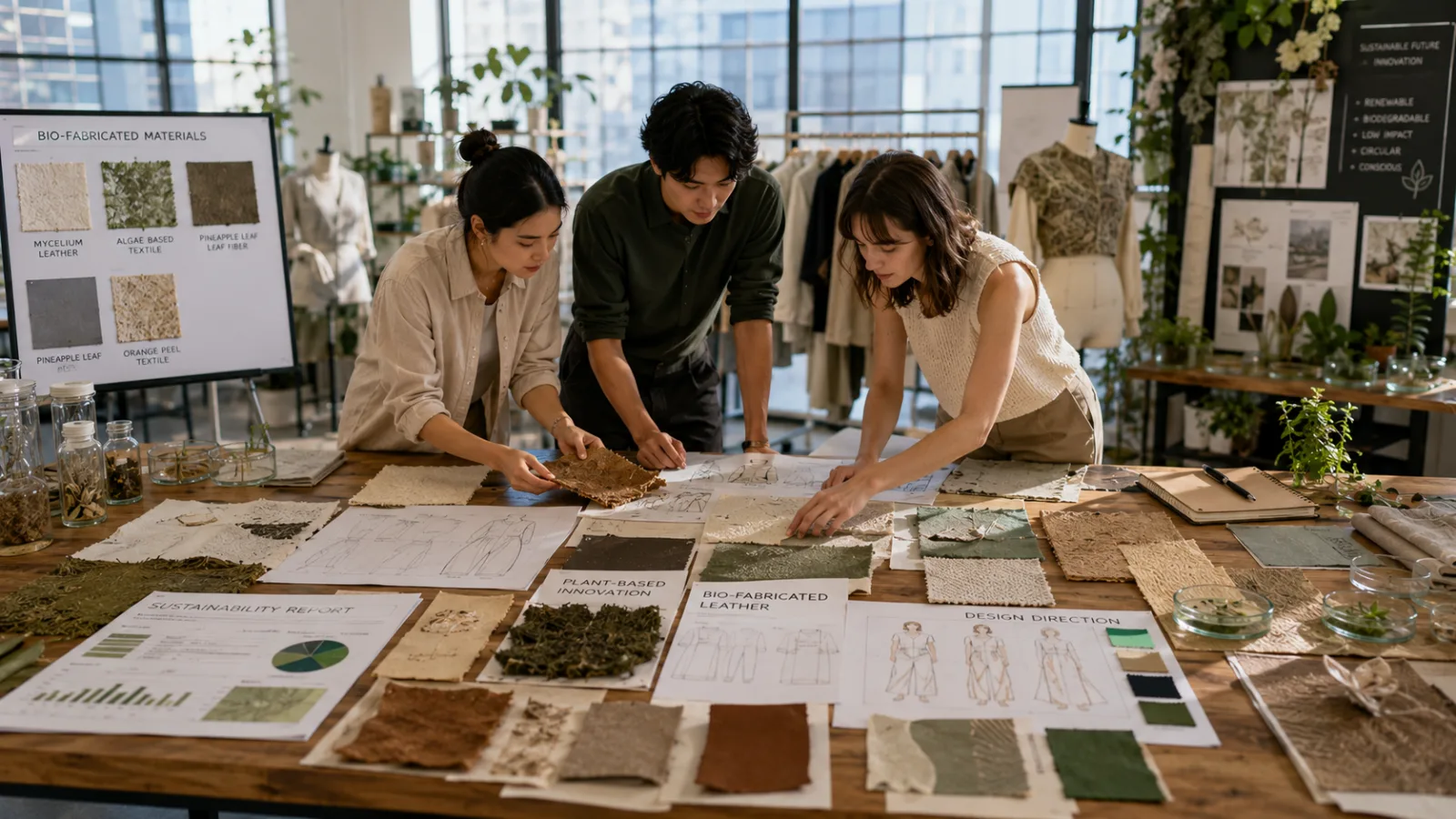
Bio-fabricated fashion means fashion products made with materials created through biological processes. These processes may involve growing, fermenting, assembling, or engineering materials using living cells, fungi, bacteria, yeast, algae, enzymes, or proteins. In simple terms, bio-fabrication uses biology as part of the manufacturing process.
Traditional fashion materials usually come from three broad sources. Plant-based materials, such as cotton, linen, hemp, and bamboo, come from agriculture. Animal-based materials, such as leather, wool, silk, cashmere, and down, come from animals. Synthetic materials, such as polyester, nylon, acrylic, and spandex, usually come from petrochemical sources.
Bio-fabricated materials sit in a different innovation space. They may be grown from mycelium, produced by bacteria, created through fermentation, or built from bio-based ingredients. Some are designed to replace animal leather. Some aim to reduce dependence on petroleum-based synthetics. Some are made to create new textures and performance properties that traditional textiles cannot easily offer. The important thing to remember is that bio-fabricated fashion is not one single fabric. It is a broad category of material innovation.
Bio-fabricated vs Bio-based vs Biomaterial
These terms are often used together, but they do not always mean the same thing.
A bio-based material is made partly or fully from biological sources, such as plants, trees, algae, or agricultural waste. A biomaterial is a broad term for materials derived from biological sources. A bio-fabricated material is usually produced by living cells or organisms, often through controlled processes such as fermentation or growth.
For example, a cotton T-shirt is bio-based because cotton comes from a plant, but it is not usually described as bio-fabricated. A mycelium-based leather alternative grown from fungal networks is closer to bio-fabricated fashion. A protein-based material created through fermentation may also fall into bio-fabrication.
Why the Definition Matters
The definition matters because sustainability claims can become confusing. A material can be bio-based but still have chemical processing concerns. A material can be lab-grown but still need energy, coatings, or synthetic backing. A product can be innovative but not yet scalable. That is why brands and consumers should look beyond marketing words and ask how the material is made, what it contains, how it performs, and what happens at end of life.
How Does Bio-fabricated Fashion Work?
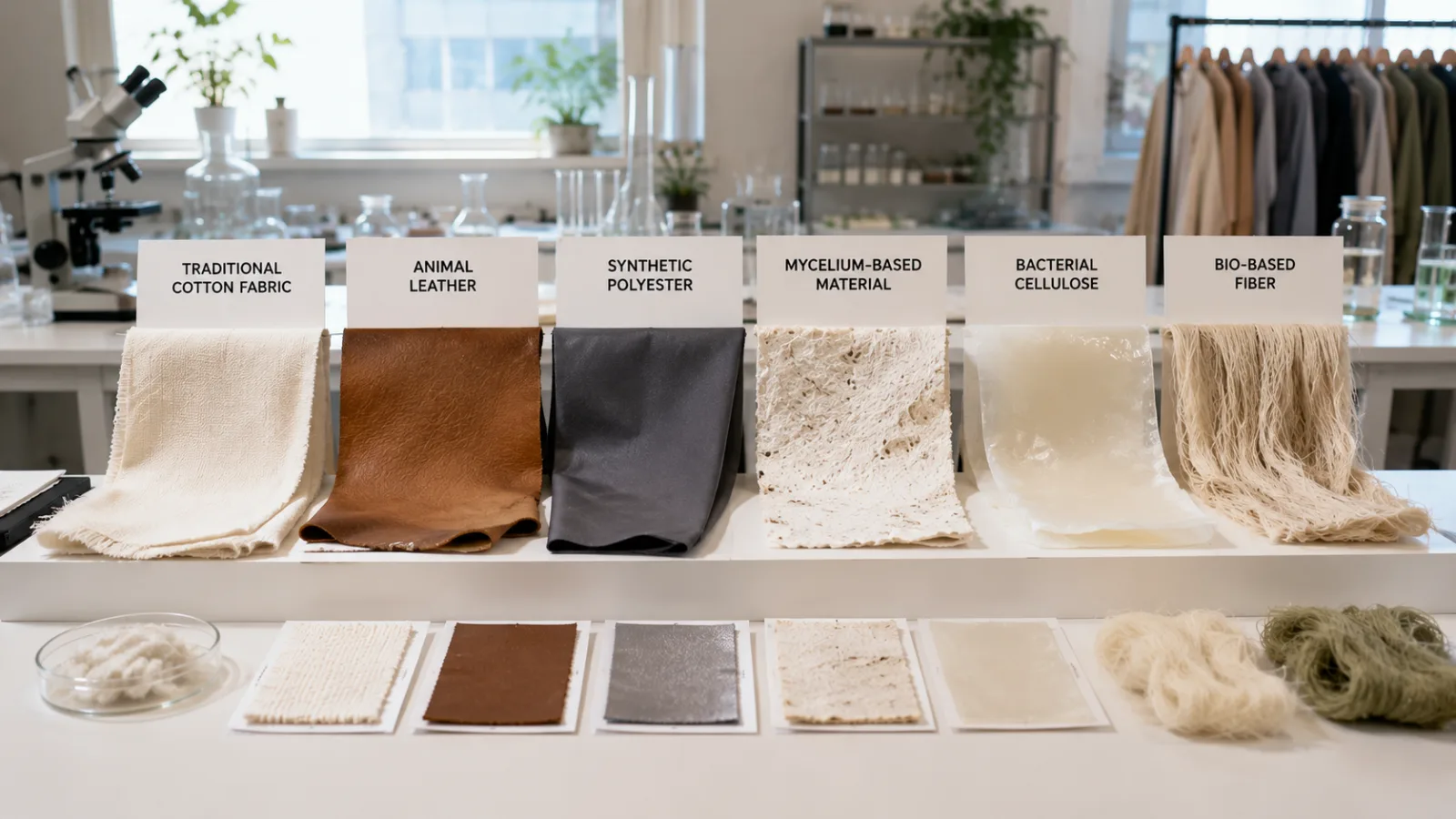
Bio-fabricated fashion works by using biological systems to create material structures or ingredients that can be processed into fashion products. The exact process depends on the material type.
Some materials are grown in sheets. Some are produced as fibers. Some are created as proteins or polymers that can be turned into coatings, films, yarns, or textile finishes. Some materials are combined with other fibers to improve strength, flexibility, durability, or appearance.
1. Mycelium Growth
Mycelium is the root-like network of fungi. Under controlled conditions, mycelium can be grown into dense sheets or structures. These sheets may be processed, finished, dyed, pressed, or coated to create leather-like materials for bags, shoes, accessories, and apparel details.
Mycelium materials are especially interesting because they can be grown without raising animals for hides. They may also use agricultural waste or renewable feedstocks depending on the production system.
2. Microbial Fermentation
Fermentation uses microorganisms such as yeast or bacteria to produce useful substances. In fashion, fermentation can be used to create proteins, pigments, polymers, or fiber ingredients. These can then be processed into materials that imitate silk-like fibers, leather-like surfaces, or performance textiles.
This approach is similar in concept to how fermentation is used in food and biotechnology, but the final output is designed for material use rather than food.
3. Bacterial Cellulose
Certain bacteria can produce cellulose. This cellulose can form sheet-like structures that may be dried, treated, dyed, and shaped. Designers have explored bacterial cellulose for experimental garments, accessories, and textile surfaces.
Bacterial cellulose is interesting because it can be grown into sheets, but it still faces challenges around flexibility, durability, water resistance, and large-scale production.
4. Algae-Based Materials
Algae can be used in dyes, foams, fibers, coatings, and bio-based material blends. Algae grows quickly and does not always need the same land resources as traditional crops. Some innovators are exploring algae for color, flexibility, biodegradability, and renewable material systems.
5. Protein and Plant-Based Material Engineering
Some companies use plant proteins, biopolymers, or engineered proteins to create next-generation materials. These may be designed to imitate the look and feel of animal leather, improve performance, or reduce reliance on fossil-based materials.
Why Bio-fabricated Fashion Matters
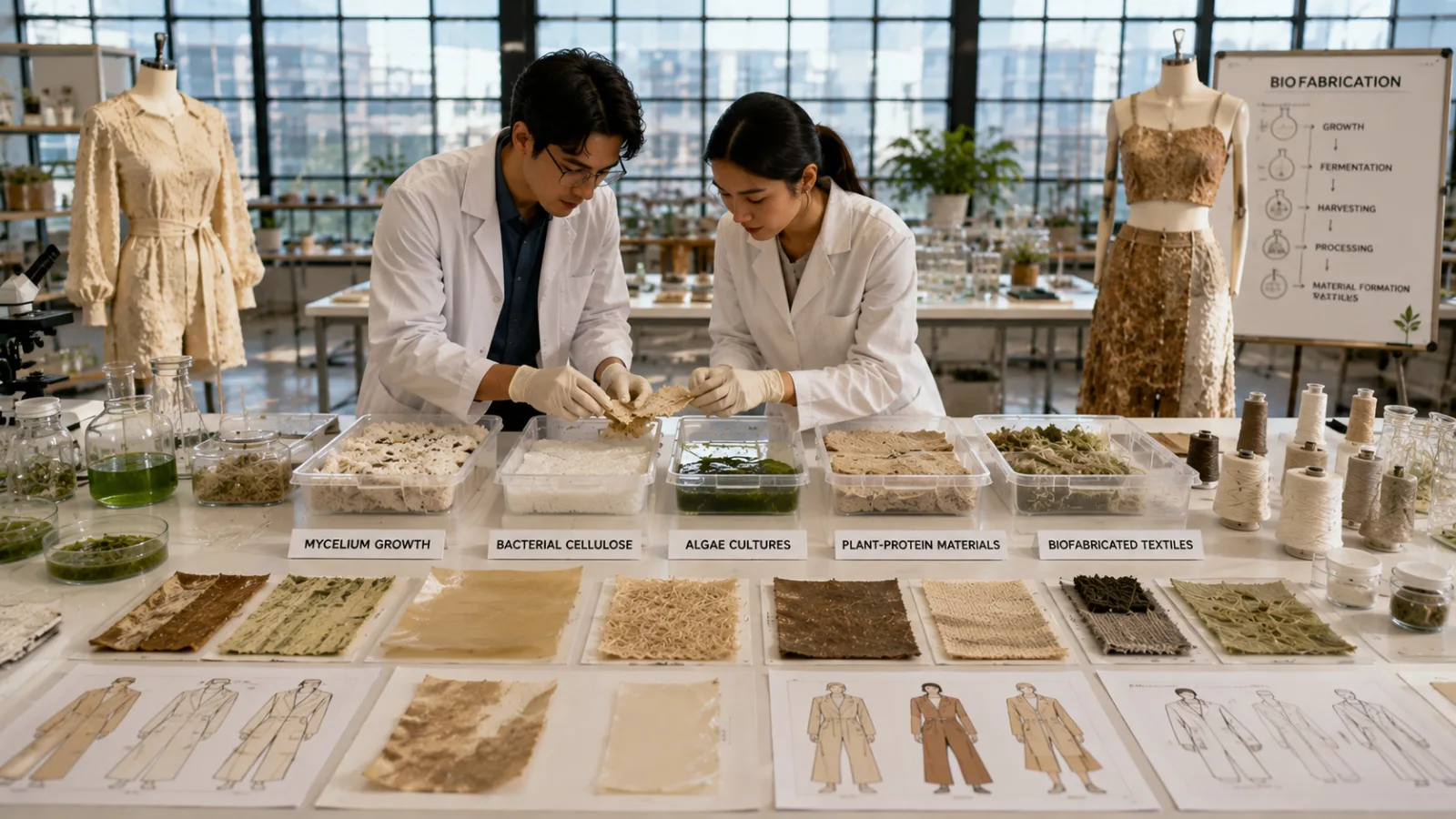
Bio-fabricated fashion matters because the fashion industry is under pressure to reduce environmental impact, improve material transparency, lower waste, and find alternatives to resource-intensive raw materials. Consumers are asking more questions. Brands are being pushed to explain where materials come from. Regulators, investors, and supply chain partners are also paying closer attention to sustainability claims.
Traditional fashion systems face several challenges. Cotton can require heavy water and chemical inputs depending on farming method. Polyester is linked to fossil fuel use and microplastic shedding. Leather involves animal agriculture, tanning chemistry, land use, and traceability concerns. Wool, silk, and cashmere involve animal welfare and land management questions. Even recycled materials have limits, such as quality loss, chemical additives, and infrastructure gaps.
Bio-fabricated fashion offers a possible new direction. It may allow brands to create materials with more controlled inputs, fewer animal-derived components, lower land pressure, and more precise performance design. It also opens the door to localized production, less material waste, and circular design if systems are developed responsibly.
It Encourages Material Innovation
Fashion has often relied on the same major fibers for decades. Bio-fabrication expands the material toolbox. Designers can work with surfaces, textures, and properties that were not possible through traditional weaving, knitting, tanning, or synthetic production.
It May Reduce Animal Dependence
Mycelium leather alternatives, protein-based materials, and other bio-fabricated surfaces may reduce the need for animal hides or exotic skins. This can appeal to brands looking for animal-free luxury materials.
It Can Support More Controlled Production
Growing or fermenting materials in controlled systems may reduce some agricultural unpredictability. It may also improve traceability because the production process can be documented more precisely than complex multi-country raw material chains.
It Pushes Sustainability Beyond Recycling
Recycling is important, but it is not enough to solve all fashion problems. Bio-fabrication explores new material creation at the source, not only waste management after use.
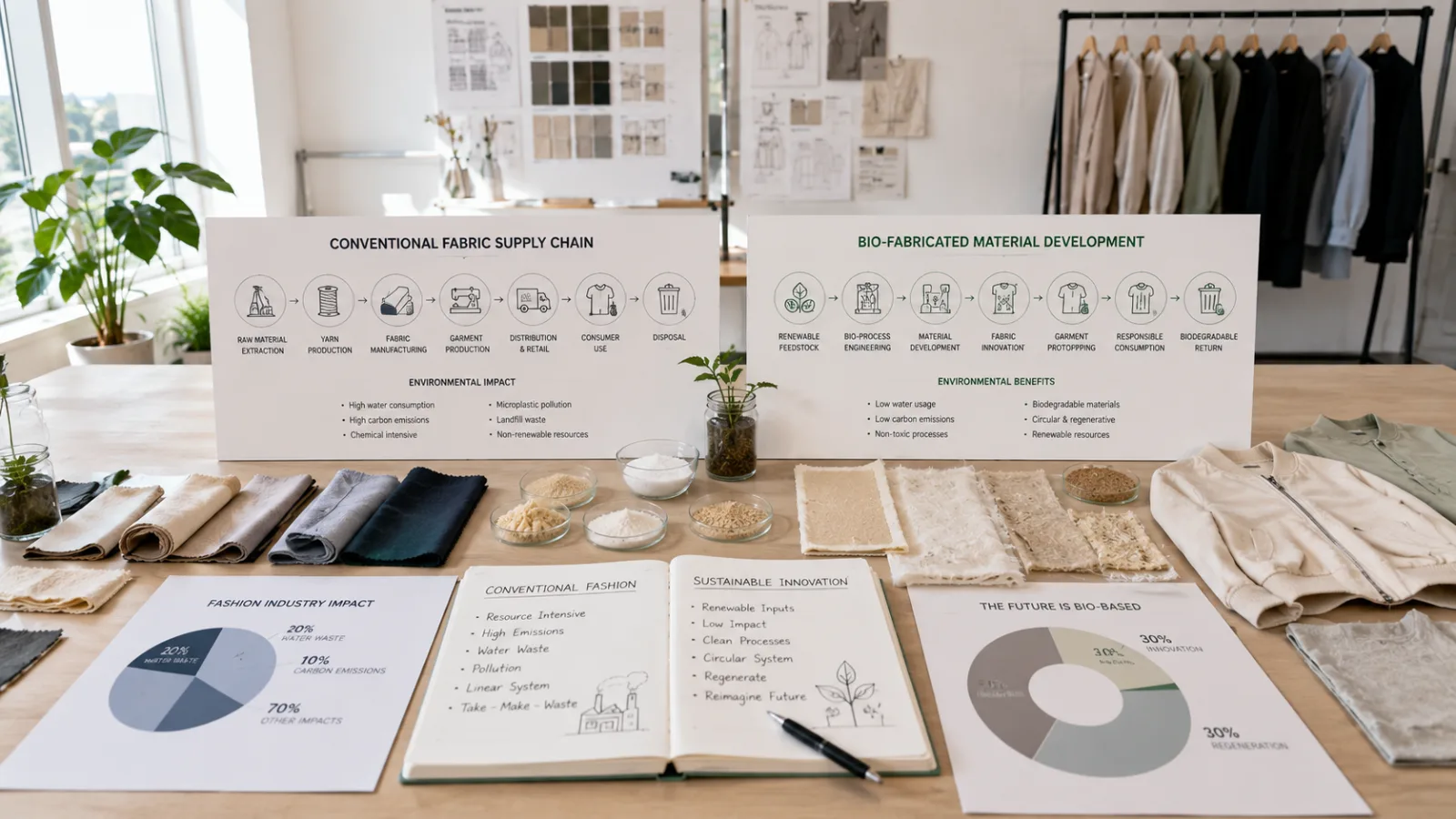
Examples of Bio-fabricated Materials in Fashion
Bio-fabricated fashion includes several material categories. Some are already appearing in limited commercial products, while others are still experimental or in development.
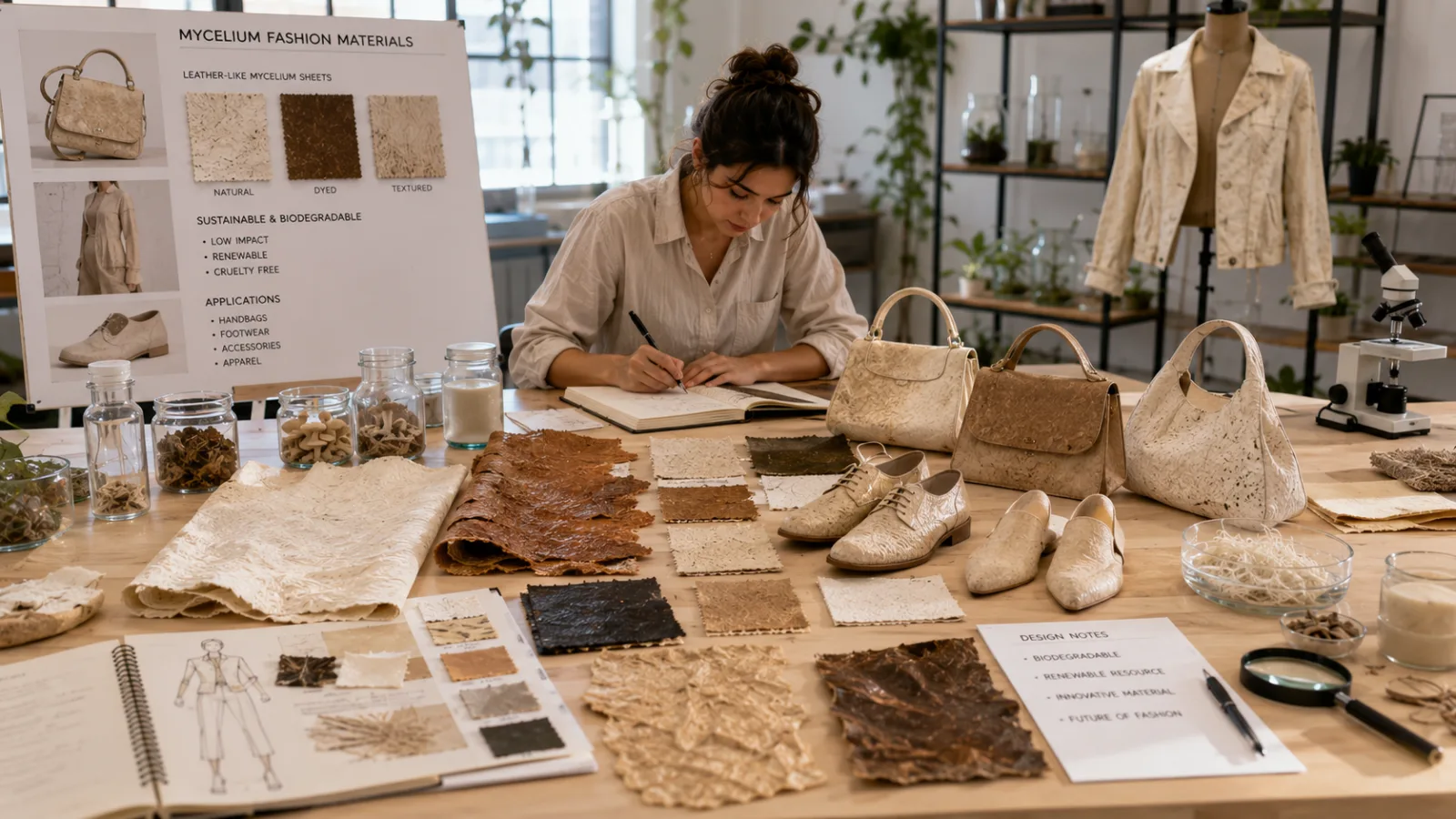
1. Mycelium Leather Alternatives
Mycelium-based materials are among the most visible bio-fabricated fashion innovations. They are often developed as alternatives to animal leather and used in bags, shoes, hats, panels, and accessories. These materials can be grown into sheets and finished to create texture, strength, and appearance similar to leather.
Mycelium materials are not all the same. Different companies use different growth methods, feedstocks, finishing systems, and backing materials. Some may be plastic-free, while others may use coatings or composite layers. That is why each material needs to be evaluated individually.
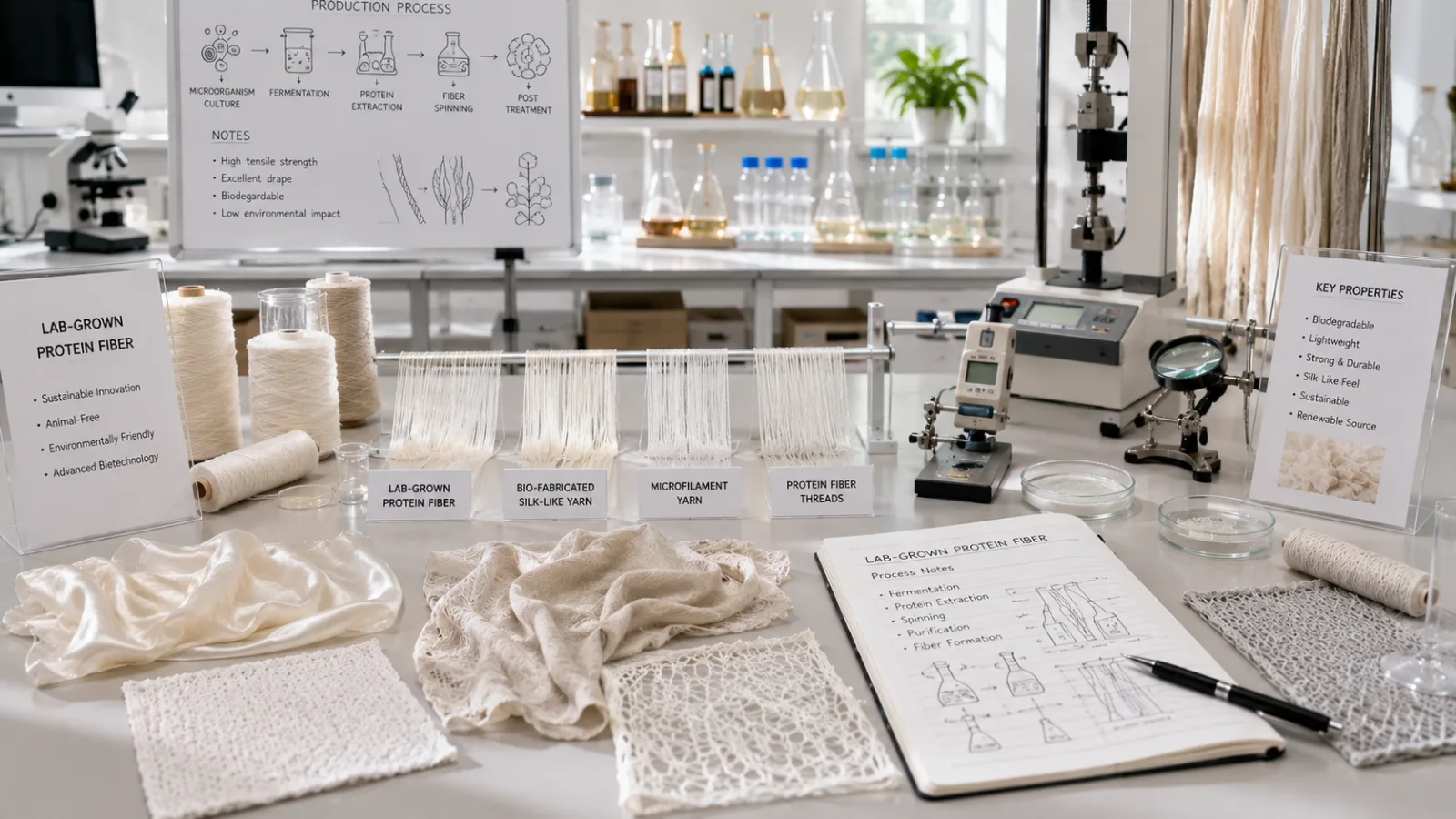
2. Lab-Grown Protein Fibers
Some innovators are developing protein-based fibers inspired by silk, collagen, or other natural structures. These materials may be produced through fermentation and then spun into yarns, films, or textile components.
The appeal is that they may offer luxury texture, strength, softness, or performance without relying on traditional animal-based production. However, many of these technologies are still expensive and difficult to scale.
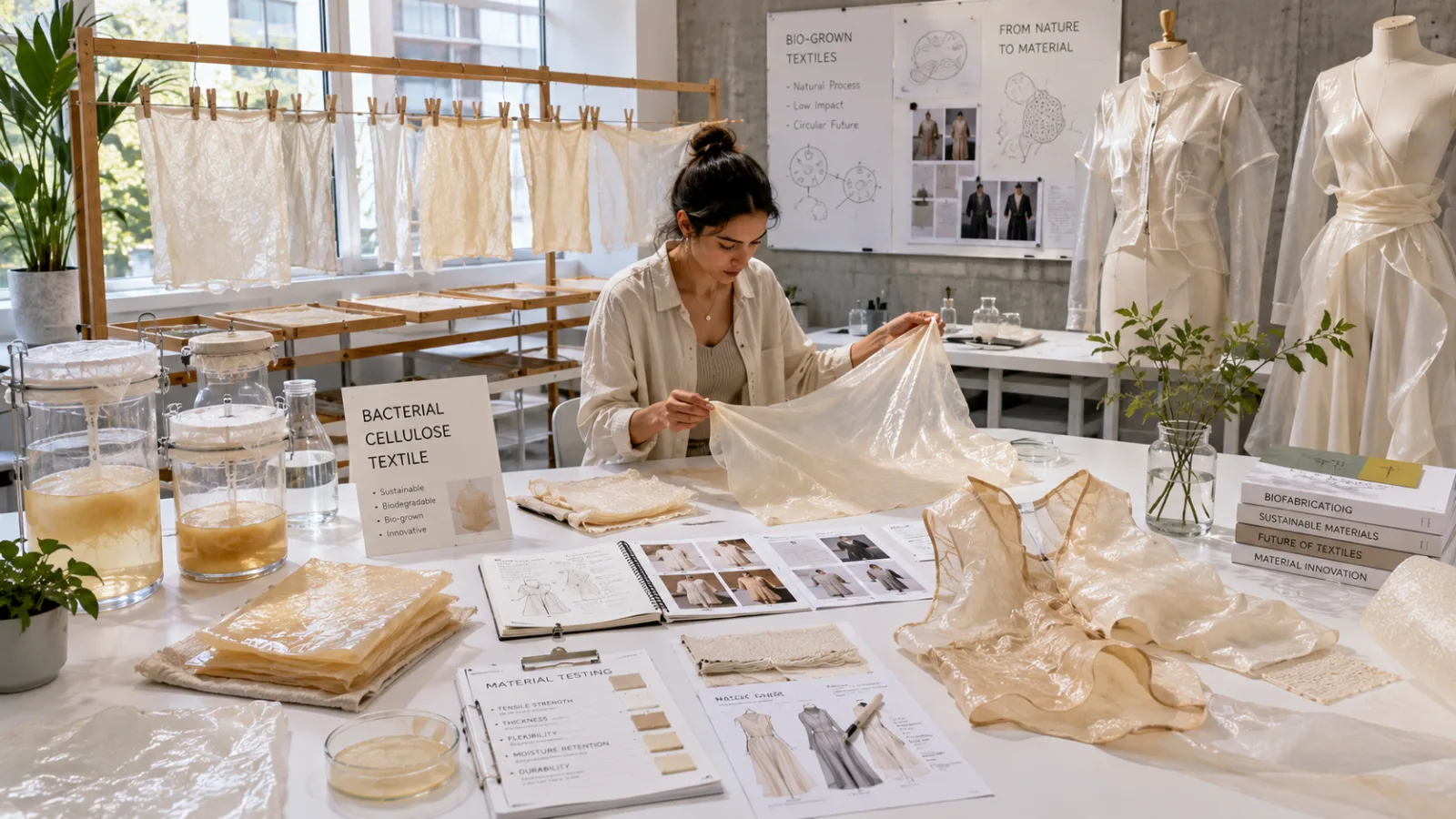
3. Bacterial Cellulose Textiles
Bacterial cellulose can grow into sheet-like materials. Designers have experimented with it for garments, translucent surfaces, accessories, and sculptural fashion pieces. It has a futuristic appearance and can be shaped during development.
The challenge is performance. Bacterial cellulose may need finishing to become flexible, durable, water-resistant, or wearable in everyday clothing. It remains more common in experimental fashion and research than mass-market apparel.
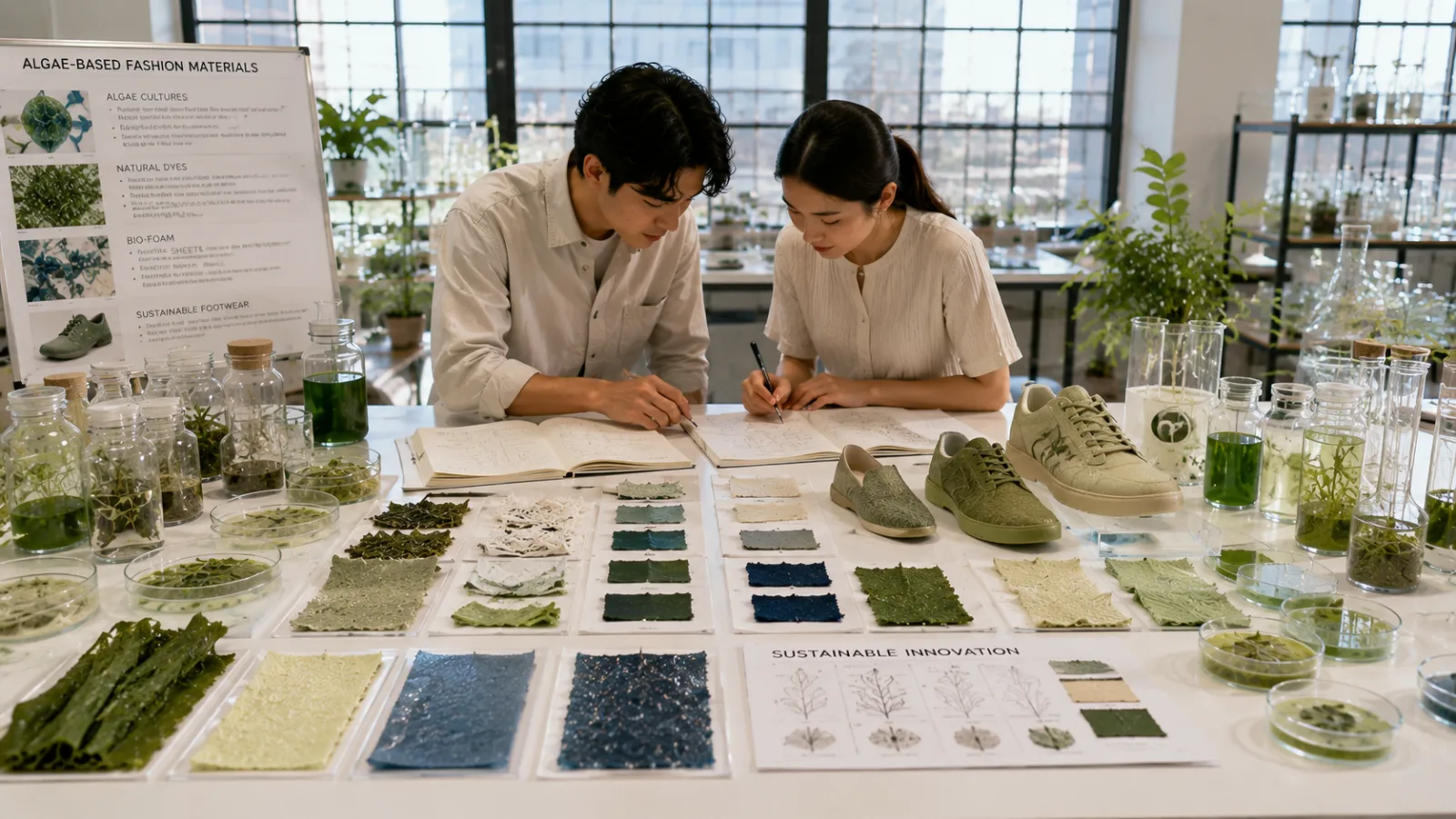
4. Algae-Based Fashion Materials
Algae is being explored for dyes, foams, textile additives, coatings, and fiber innovation. Algae-based materials appeal to sustainability-focused designers because algae can grow quickly and may be cultivated without traditional farmland.
In fashion, algae innovation is still developing, but it has strong potential in color systems, footwear foams, soft materials, and bio-based components.
5. Bio-Based Coatings and Finishes
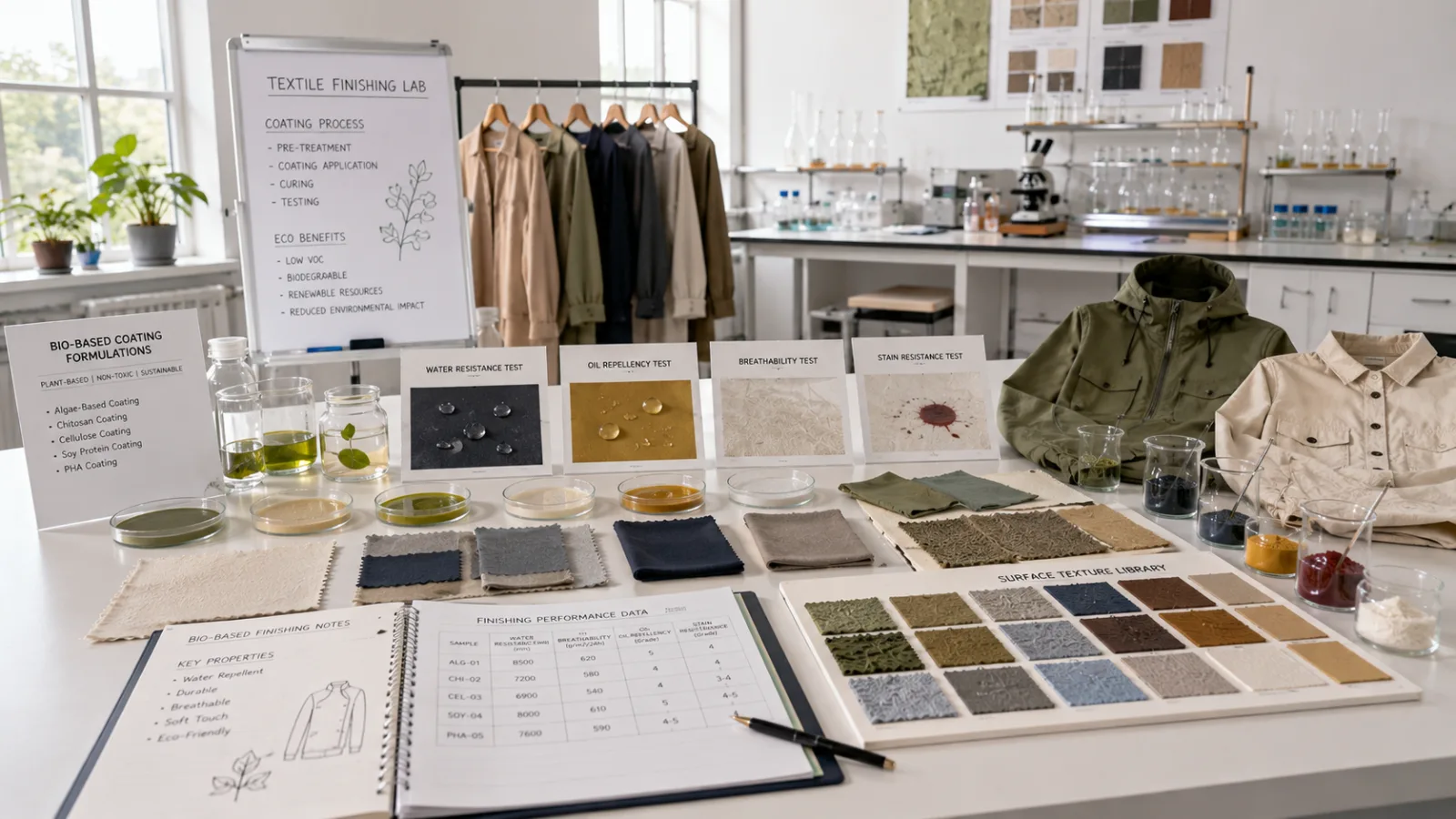
Not every bio-fabricated innovation becomes a full fabric. Some are coatings, finishes, binders, pigments, or surface treatments. These can help replace fossil-based or chemically intensive ingredients in conventional textile finishing.
A bio-based coating may improve water resistance, texture, durability, or appearance. However, brands must still check whether the full material remains recyclable, biodegradable, or safe at end of life.
Benefits of Bio-fabricated Fashion
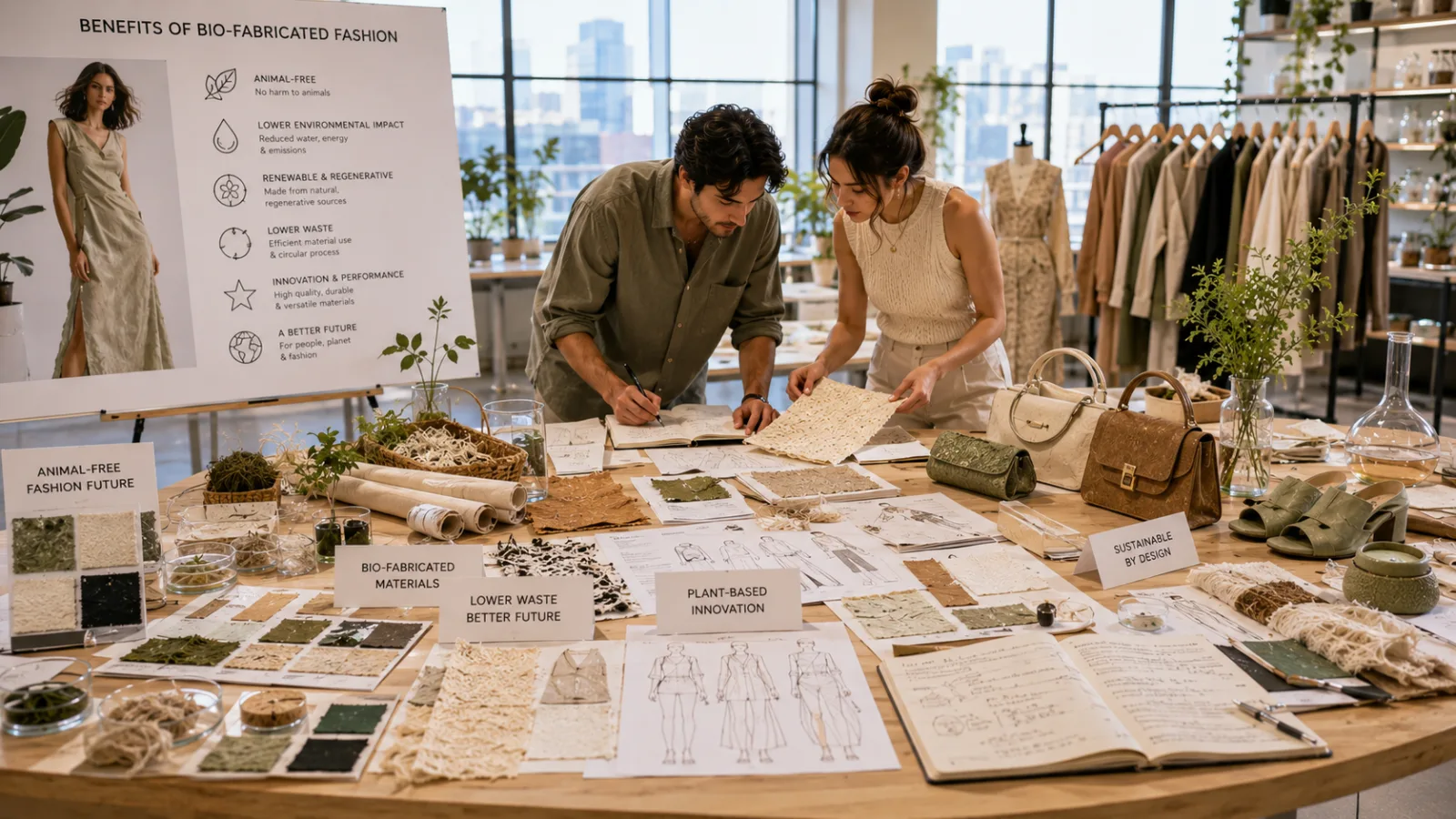
Bio-fabricated fashion has strong potential, but its benefits depend on the material, process, and scale. It should not be treated as a miracle solution. Still, it offers several important possibilities for the future of apparel.
1. Reduced Reliance on Animal Materials
One of the biggest benefits is the potential to create leather-like, silk-like, or wool-like materials without using traditional animal sources. This can appeal to vegan fashion brands, animal welfare-conscious consumers, and companies seeking alternatives to leather or exotic skins.
2. Lower Land Use Potential
Some bio-fabricated systems may require less land than livestock or crop-based raw materials. If materials can be grown in controlled facilities, brands may reduce dependence on large agricultural supply chains.
3. Material Customization
Bio-fabrication may allow designers to control material properties more precisely. Texture, thickness, flexibility, strength, color, and surface finish can potentially be adjusted during development.
4. Less Cutting Waste in Some Systems
If materials can be grown in specific shapes or sheet dimensions, there may be opportunities to reduce cutting waste. This is especially interesting for accessories, panels, footwear components, and modular garments.
5. Innovation in Luxury Fashion
Luxury brands are interested in bio-fabrication because it offers new stories around craftsmanship, technology, sustainability, and exclusivity. A bio-fabricated material can feel futuristic while still supporting premium design.
6. Alternative to Petroleum-Based Materials
Some bio-fabricated or bio-based materials may reduce reliance on petrochemical inputs, especially if they replace synthetic coatings, plastic-based leather alternatives, or fossil-based fibers.
Challenges of Bio-fabricated Fashion
Bio-fabricated fashion is exciting, but it also faces serious challenges. A material can be innovative and still not ready for mass adoption. Brands must understand these limits before presenting bio-fabrication as a simple sustainability solution.
1. Scaling Production Is Difficult
Many bio-fabricated materials work well in small batches but are harder to produce at commercial scale. Fashion brands need consistent quality, predictable lead times, repeatable colors, and reliable supply. If a material cannot scale, it may remain limited to prototypes, luxury capsules, or experimental collections.
2. Cost Can Be High
New materials often cost more because the technology, equipment, research, and production systems are still developing. Until scale improves, bio-fabricated materials may be more expensive than conventional textiles.
3. Performance Must Be Proven
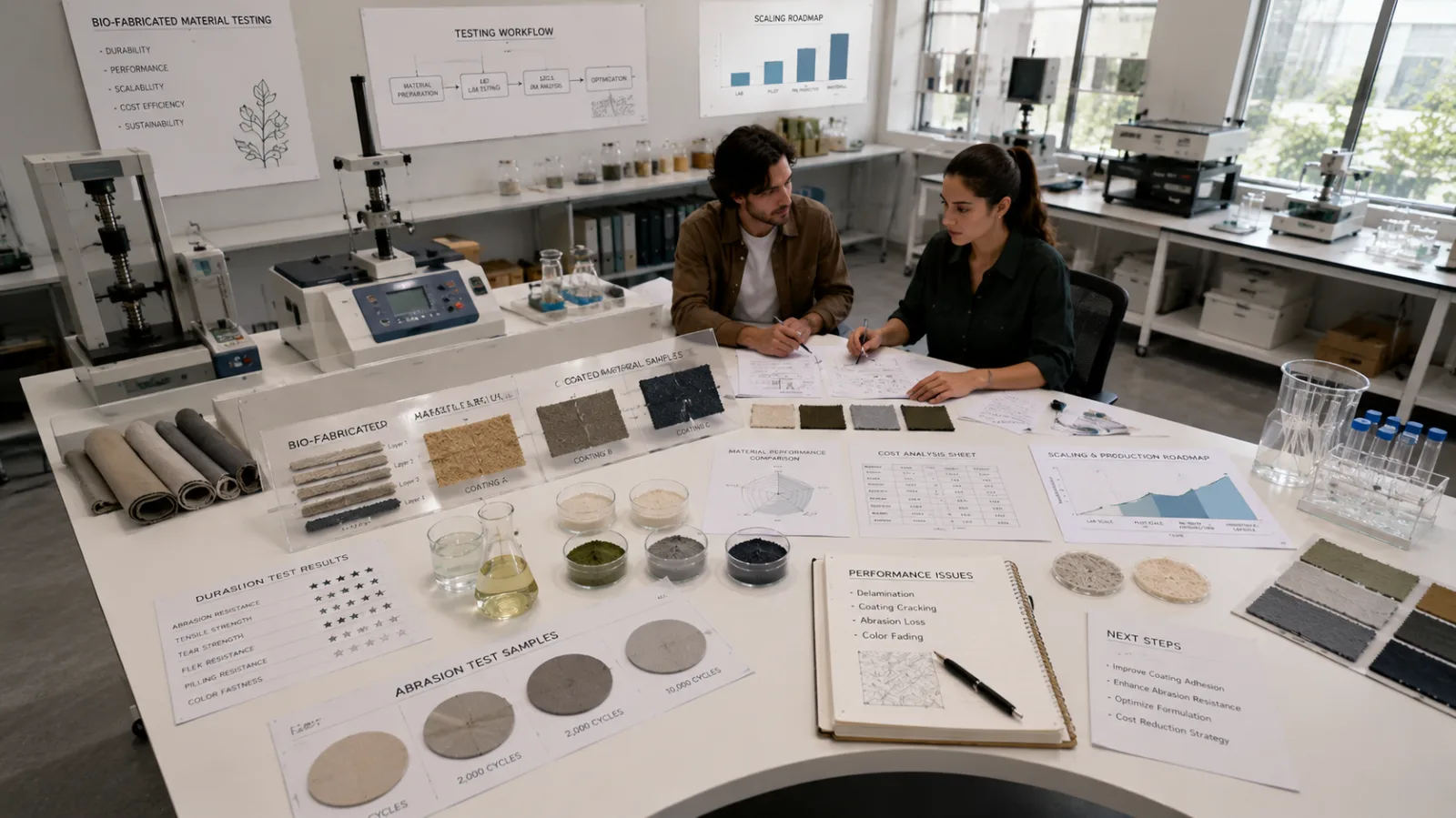
Fashion products must survive real use. Materials need to handle bending, abrasion, sweat, cleaning, sunlight, humidity, stitching, finishing, and repeated wear. A material that looks beautiful in a lab may not perform well in a handbag, shoe, jacket, or everyday garment.
4. Finishing Can Affect Sustainability
Some bio-fabricated materials need coatings, backings, dyes, or chemical treatments to become durable. These additions may affect biodegradability, recyclability, and environmental impact. Brands should evaluate the full material, not only the biological base.
5. Consumer Understanding Is Still Low
Many shoppers do not yet understand what bio-fabricated fashion means. Some may confuse it with vegan leather, recycled fabric, organic cotton, or synthetic alternatives. Brands need clear communication.
6. Greenwashing Risk
Because bio-fabrication sounds sustainable, brands may overstate benefits. Responsible brands should avoid vague claims and provide evidence about ingredients, production, durability, and end of life.
Is Bio-fabricated Fashion Truly Sustainable?
The honest answer is: it depends.
Bio-fabricated fashion can be more sustainable than some conventional materials in certain ways, but only when the full lifecycle supports that claim. A material should be evaluated based on raw inputs, energy use, water use, chemicals, durability, repairability, recyclability, biodegradability, labor conditions, transport, and end-of-life options.
For example, a mycelium-based material may reduce animal use, but if it includes synthetic coatings or cannot be recycled, its sustainability story becomes more complex. A fermentation-derived fiber may reduce agricultural land pressure, but if it requires high energy inputs, the environmental benefit depends on the energy source. A bio-based coating may replace fossil-based chemistry, but it still needs to be tested for safety and durability.
Sustainability is not only about where a material comes from. It is also about how long it lasts, how it is used, how it is cared for, and what happens when the product is no longer wearable.
Questions Brands Should Ask
- What is the material made from?
- Is it fully bio-based or partly bio-based?
- Does it include synthetic backing or coating?
- How is it produced?
- What energy and water inputs are required?
- Can it be dyed safely?
- How durable is it?
- Can it be repaired?
- Can it be recycled?
- Is it biodegradable under real conditions?
- What certifications or test data are available?
- Can the supplier provide lifecycle information?
A sustainable revolution needs evidence, not just exciting language.
How Bio-fabricated Fashion Can Change the Fashion Industry
Bio-fabricated fashion could change the fashion industry in several ways. It may not replace all traditional fabrics, but it can create new choices for designers, brands, and consumers.
It Can Redesign Material Supply Chains
Instead of relying only on farms, livestock, petrochemicals, or long-distance raw material extraction, brands may one day source materials from controlled bio-manufacturing facilities. This could make some supply chains more traceable and flexible.
It Can Create New Aesthetic Possibilities
Bio-fabricated materials are not only substitutes. They can create new textures, surfaces, and design languages. Designers may develop garments that look organic, futuristic, sculptural, or completely different from conventional textiles.
It Can Support Animal-Free Luxury
Luxury fashion has long depended on leather, silk, wool, cashmere, and exotic skins. Bio-fabrication can offer new premium materials for brands that want luxury aesthetics without traditional animal-derived inputs.
It Can Encourage Slower, Smarter Design
Because many bio-fabricated materials are currently expensive and complex, they may encourage brands to create fewer, better products rather than disposable fashion. This aligns with slow fashion values if done responsibly.
It Can Push Traditional Suppliers to Innovate
As bio-fabricated materials gain attention, conventional textile suppliers may improve sustainability, traceability, and material performance to stay competitive.
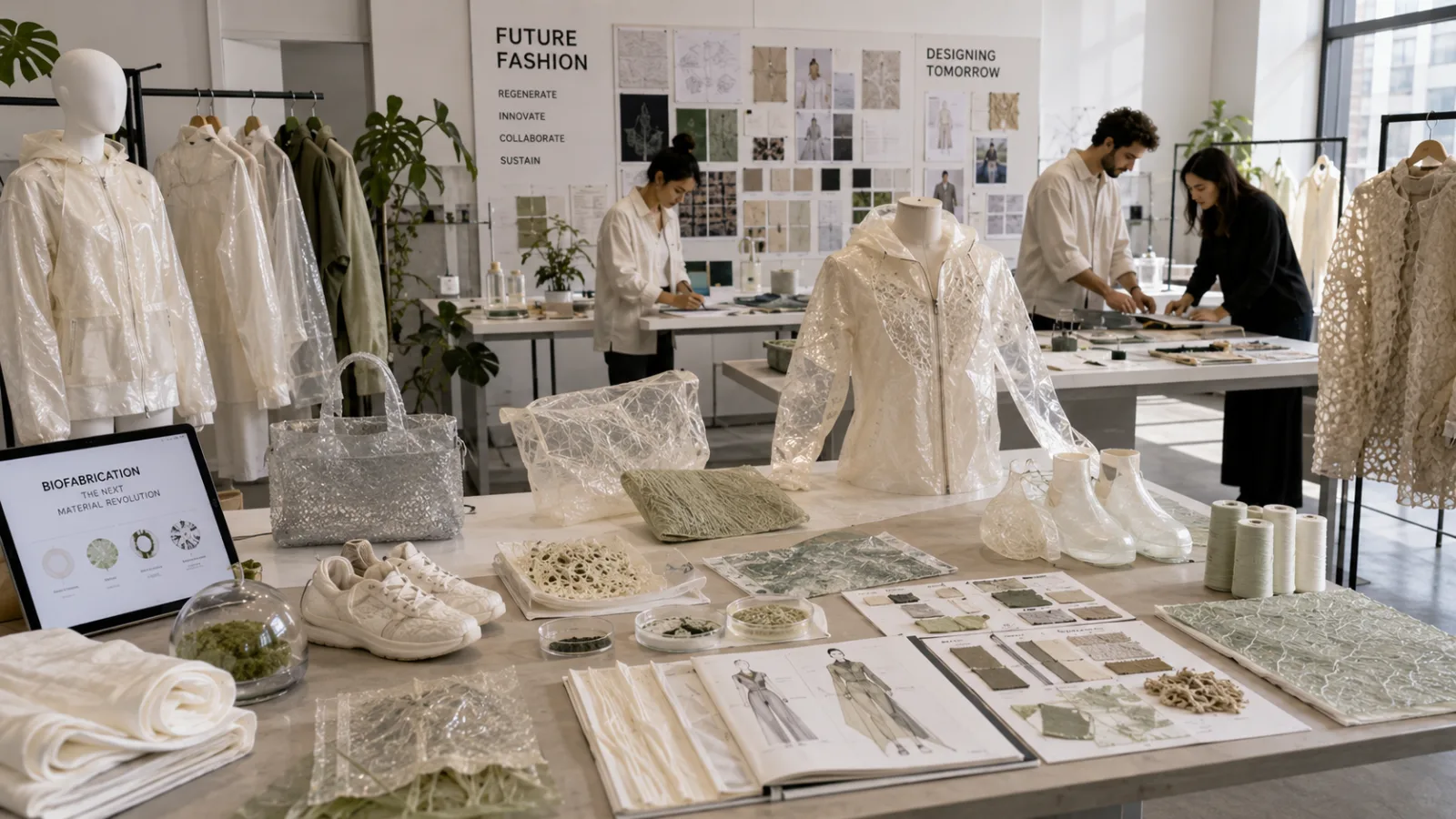
What Bio-fabricated Fashion Means for New Clothing Brands
For new clothing brands, bio-fabricated fashion is inspiring, but it should be approached carefully. Startup brands often have limited budgets, small order quantities, and tight launch timelines. Many bio-fabricated materials may still have high prices, limited availability, long lead times, or special manufacturing requirements. That does not mean new brands should ignore bio-fabrication. It means they should understand where it realistically fits.
A startup might not be able to launch an entire collection with bio-fabricated materials, but it may test one accessory, one limited-edition product, one trim, or one material story. A brand may also use bio-fabrication as a long-term innovation goal while starting with more accessible sustainable materials such as organic cotton, recycled cotton, recycled polyester, hemp, linen, TENCEL™ Lyocell, deadstock fabric, or responsible wool alternatives.
Practical Tips for Brands
- Start with material research before design.
- Ask suppliers for test data and composition details.
- Check MOQ and lead time early.
- Understand sewing and finishing requirements.
- Create prototypes before committing to production.
- Avoid exaggerated sustainability claims.
- Educate customers clearly.
- Compare bio-fabricated options with other responsible materials.
- Plan pricing carefully because costs may be higher.
- Build the product story around performance and purpose, not hype.
Bio-fabricated Fashion vs Traditional Sustainable Materials
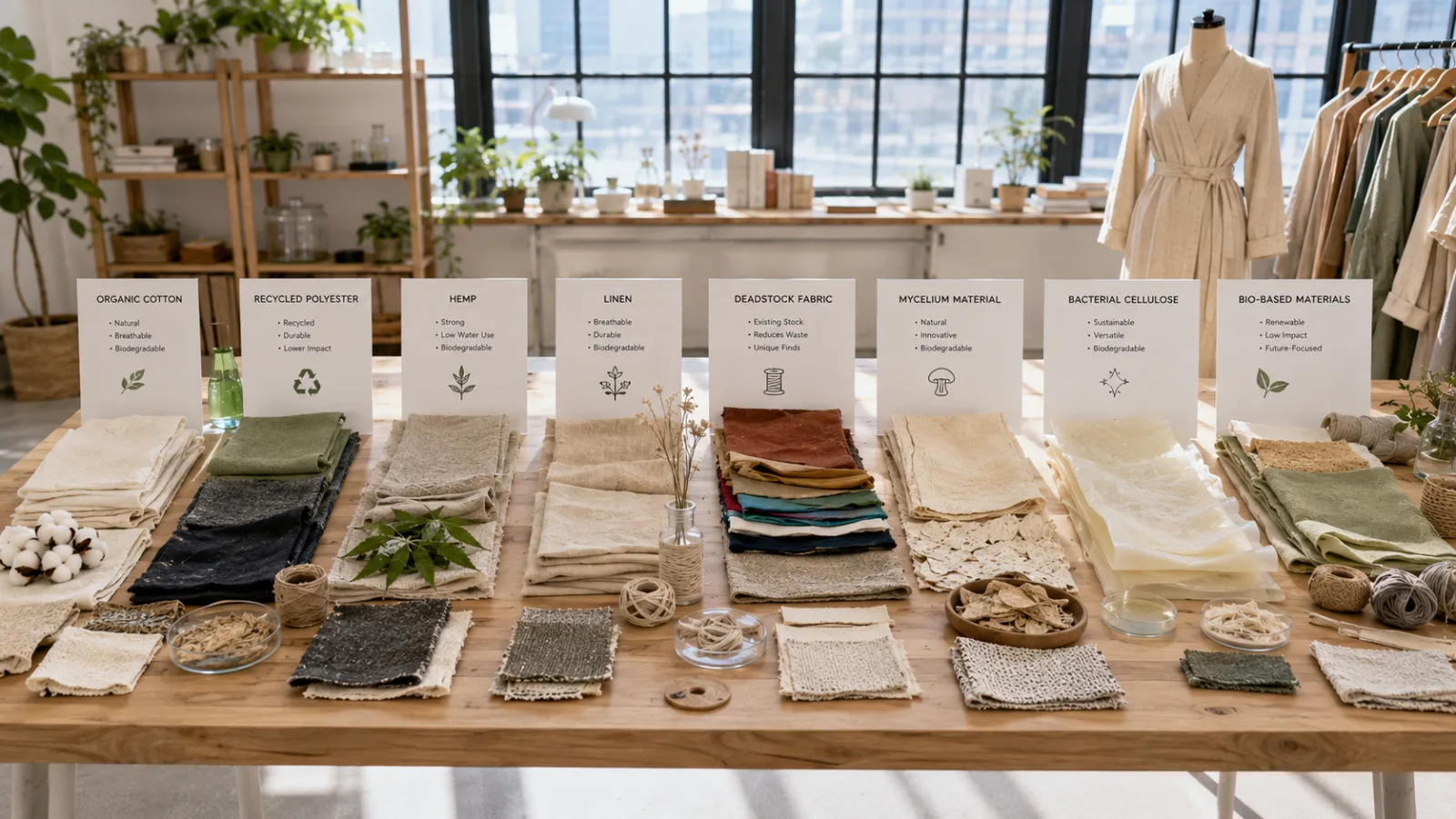
Bio-fabricated fashion is often discussed alongside organic cotton, recycled polyester, hemp, linen, bamboo, responsible wool, and deadstock fabric. These materials are all part of the sustainable fashion conversation, but they are not the same.
Organic cotton is a farming-based material. Recycled polyester is a waste-recovery material. Hemp and linen are plant-based fibers. Deadstock fabric uses existing surplus materials. Bio-fabricated materials are created through biological production systems. Each option has strengths and limits.
Organic cotton can reduce some chemical concerns but still uses land and water. Recycled polyester can reduce virgin plastic demand but remains synthetic. Hemp and linen can be durable and lower impact in some systems but may have processing challenges. Deadstock fabric reduces waste but may be inconsistent in availability. Bio-fabricated materials offer new innovation but may face scale and cost challenges.The best choice depends on the product, price, performance, customer expectations, supplier access, and brand values.
ApparGlobal
For apparel brands, bio-fabricated fashion is a strong reminder that material innovation must be connected with real production planning. A new material may look exciting in a lab or sample room, but the final product depends on sourcing availability, MOQ, material behavior, sewing compatibility, durability testing, care labeling, cost control, supplier communication, and quality checkpoints.
Many clothing brands struggle when they choose innovative fabrics without understanding how those materials behave during sampling and bulk production. Bio-fabricated materials, recycled fibers, organic cotton, hemp, linen, wool blends, performance fabrics, and specialty textiles all require careful planning before they become finished garments.
Companies such as ApparGlobal help clothing brands align material selection, product development, sourcing decisions, supplier coordination, sample review, quality control, and scalable manufacturing workflows. For brands developing sustainable apparel, activewear, basics, kidswear, private label collections, or custom garments, this kind of production-focused support can make innovation more practical and reliable.
When brands work with a partner that understands tech packs, fabric behavior, trim standardization, MOQ planning, supplier timelines, and quality expectations, they can make better material decisions before moving into bulk production. This helps reduce costly mistakes and supports a smoother path from concept to finished product.
Future of Bio-fabricated Fashion
The future of bio-fabricated fashion is promising, but it will likely develop gradually. The next stage will depend on scale, cost reduction, performance testing, consumer education, regulation, and partnerships between material scientists, fashion brands, manufacturers, and investors. In the short term, bio-fabricated materials may appear mostly in luxury products, accessories, footwear, limited-edition collections, and high-visibility collaborations. These categories can absorb higher costs and tell strong innovation stories.
In the medium term, better production scale may make some materials more accessible to mid-market brands. Improvements in durability, finish, and manufacturing compatibility will also help adoption.
In the long term, bio-fabrication could become a normal part of the fashion material mix. It may not replace cotton, wool, leather, or polyester completely, but it could reduce pressure on conventional systems and give brands more responsible options.
The future will not be about one perfect material. It will be about smarter material portfolios. Fashion brands will need to combine responsible natural fibers, recycled materials, bio-based alternatives, bio-fabricated innovations, circular design, repair systems, and better production planning.
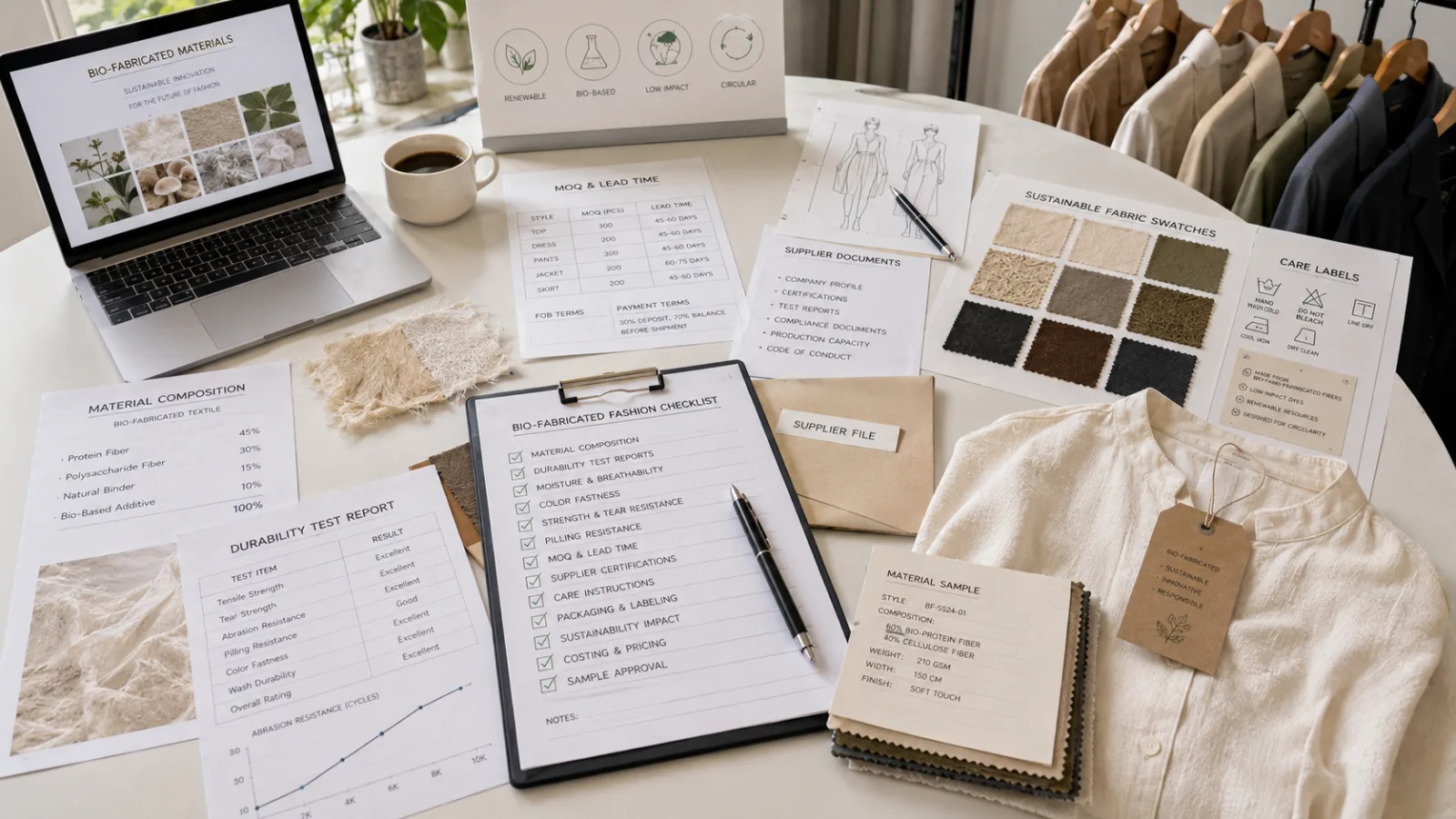
Bio-fabricated Fashion Checklist for Brands and Buyers
Before using or buying bio-fabricated fashion, review this checklist:
- Confirm the exact material composition.
- Ask how the material is produced.
- Check whether it is fully or partly bio-based.
- Ask whether it includes synthetic coatings or backings.
- Request durability and performance test data.
- Check MOQ and lead time.
- Confirm sewing and finishing requirements.
- Ask about care instructions.
- Review recycling or end-of-life options.
- Avoid vague sustainability claims.
- Compare it with other responsible materials.
- Test samples before bulk production.
- Educate customers clearly.
- Make sure the product design fits the material’s strengths.
This checklist helps brands and buyers separate real innovation from marketing hype.
Final Thoughts
Bio-fabricated fashion represents one of the most exciting movements in sustainable apparel. It brings together biology, design, material science, fashion manufacturing, and environmental thinking. Instead of only asking how to make traditional materials slightly better, bio-fabrication asks how fashion materials could be created in a completely different way.
From mycelium leather alternatives to fermentation-derived fibers, bacterial cellulose, algae-based materials, and plant-protein innovations, bio-fabricated fashion is opening new possibilities for designers and brands. It has the potential to reduce dependence on some animal materials, support new textile structures, and create more controlled material supply chains.
But bio-fabricated fashion is not a magic solution. It still needs proof, testing, scale, transparency, and responsible communication. A material is not automatically sustainable because it sounds scientific or natural. Brands must look at full composition, production inputs, durability, care, coatings, recyclability, and end-of-life impact.
For consumers, bio-fabricated fashion offers a glimpse into the future of what clothing and accessories might become. For fashion brands, it offers an opportunity to innovate, but also a responsibility to make claims carefully and choose materials wisely.
The sustainable revolution in fashion will not come from one fabric alone. It will come from better systems, better design, better sourcing, better production planning, and better material choices. Bio-fabricated fashion is one powerful part of that future. Used thoughtfully, it can help the industry move toward products that are not only beautiful and functional, but also more aligned with the needs of people, animals, and the planet.