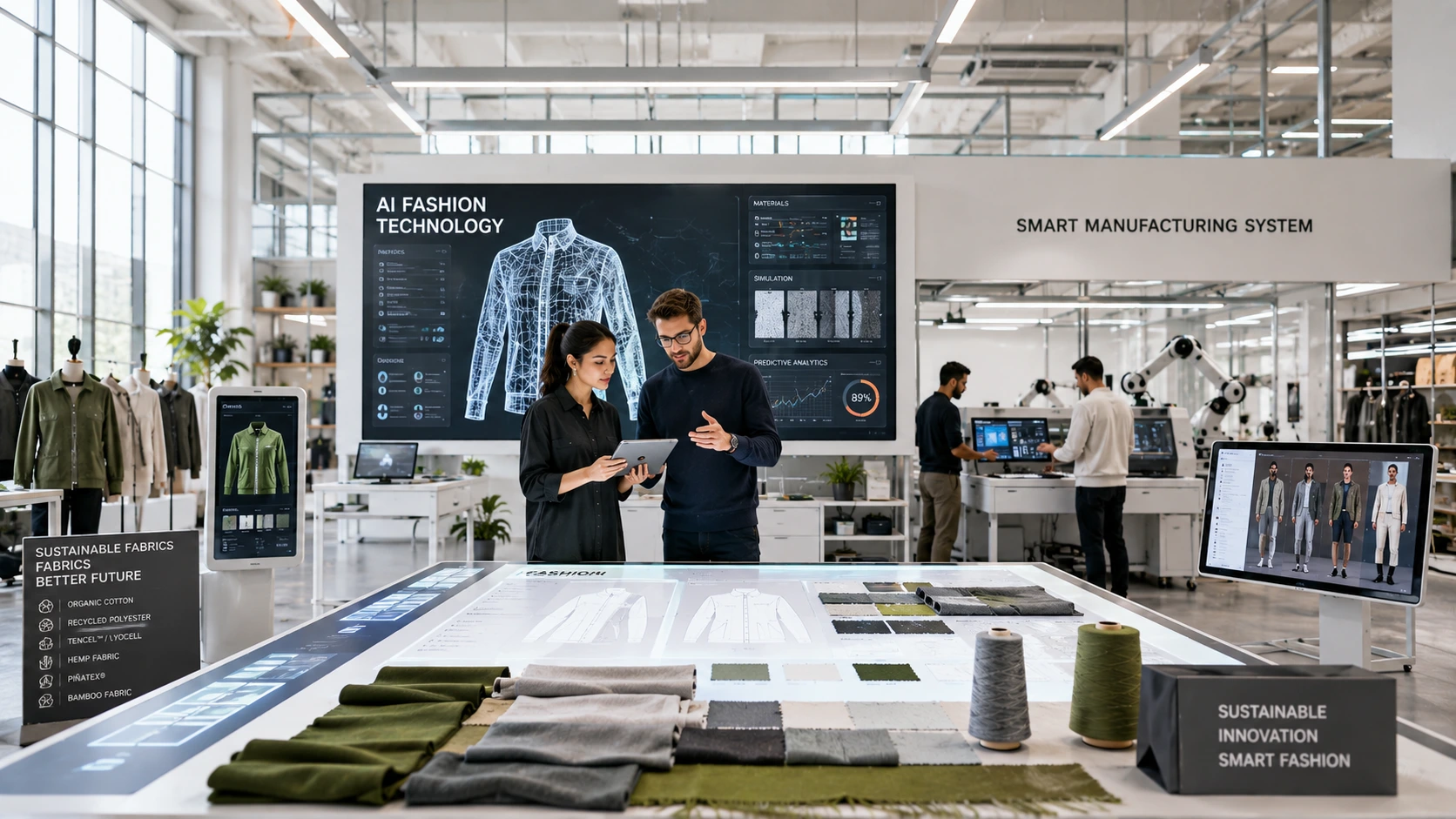
Fashion is evolving faster than ever before. In 2024, innovation in fashion is no longer limited to luxury runway experiments or futuristic concept collections. Today, brands of every size are transforming how clothing is designed, manufactured, marketed, and experienced by consumers. From AI-powered personalization to sustainable manufacturing systems, innovation is becoming the driving force behind modern fashion growth.
Consumers are also changing. They want transparency, faster delivery, ethical sourcing, customization, and digital shopping experiences that feel personal. At the same time, fashion brands are under pressure to reduce waste, improve efficiency, and remain competitive in a highly crowded global market.
This shift is creating a new era where technology, sustainability, creativity, and smart production systems are deeply connected. Whether you are a startup fashion brand, apparel manufacturer, merchandiser, fashion entrepreneur, or sourcing company, understanding these fashion innovation trends can help you stay ahead in 2024 and beyond.
In this detailed guide, we will explore the top 5 trending ideas for innovation in fashion in 2024, how they are reshaping the industry, and why brands that adapt early are gaining a major competitive advantage.

1. AI-Powered Fashion Design and Personalized Shopping
Artificial intelligence is becoming one of the biggest innovations in the fashion industry in 2024. What once seemed futuristic is now becoming part of everyday fashion business operations.
Fashion brands are now using AI for:
- Trend forecasting
- Personalized shopping recommendations
- Virtual styling
- Product design assistance
- Inventory forecasting
- Customer behavior analysis
- AI-generated fashion concepts
Consumers today expect personalized experiences. They no longer want to browse thousands of generic products. Instead, they prefer fashion recommendations tailored to their size, style preferences, shopping behavior, and lifestyle. This is where AI-powered personalization becomes extremely valuable.
How AI Is Transforming Fashion Design
Fashion designers can now use AI tools to analyze:
- Social media fashion trends
- Color forecasting
- Consumer buying behavior
- Seasonal demand
- Fashion search patterns
This allows brands to create products based on real-time market demand rather than relying purely on guesswork. AI also helps reduce product development time. Instead of spending weeks creating multiple concepts manually, designers can generate quick visual directions, color variations, and mood inspirations within minutes.
Large fashion retailers are also using predictive AI to reduce overproduction, helping minimize waste and improve inventory planning.
Virtual Styling and Smart Recommendations
Many eCommerce fashion websites now offer AI-based style recommendations.
For example:
- Suggesting matching products
- Recommending size fit
- Predicting customer preferences
- Creating virtual wardrobes
- Showing personalized homepages
These systems improve customer satisfaction while increasing average order value.
Why This Trend Matters in 2024
Fashion shopping is becoming more digital every year. AI helps brands create smarter experiences while improving operational efficiency.
Benefits include:
- Better customer retention
- Faster trend response
- Reduced inventory waste
- Higher conversion rates
- Improved customer engagement
Fashion brands that ignore AI innovation may struggle to compete with brands offering smarter and more personalized shopping experiences.

2. Sustainable and Circular Fashion Systems
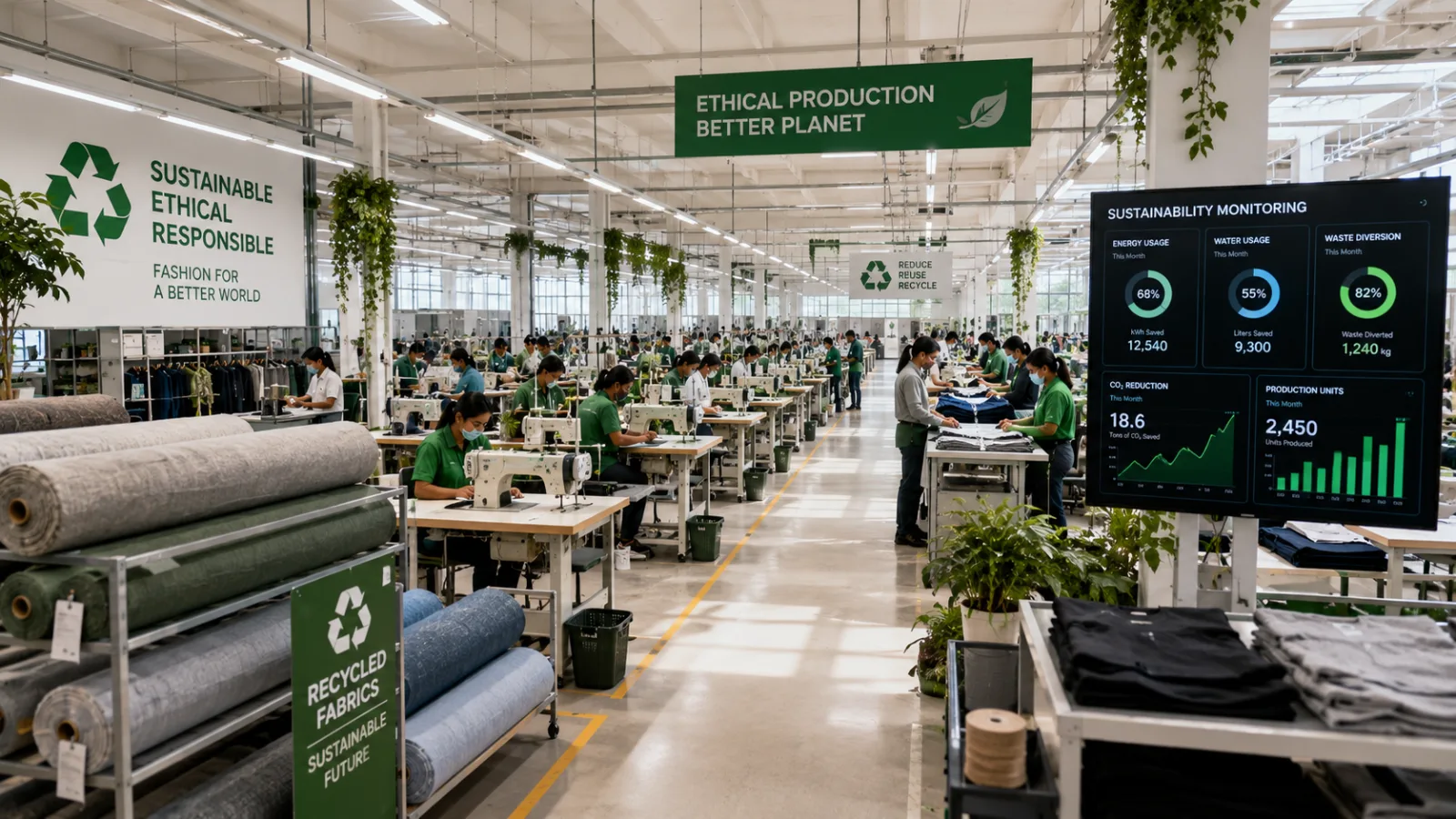
Sustainability is no longer optional in fashion. In 2024, sustainable innovation has become one of the most important priorities across the global apparel industry.
Consumers are becoming more conscious about:
- Ethical manufacturing
- Fabric waste
- Carbon emissions
- Water usage
- Labor conditions
- Fast fashion pollution
As a result, fashion brands are now investing heavily in circular fashion systems and sustainable production models.
What Is Circular Fashion?
Circular fashion focuses on extending the lifecycle of garments rather than following the traditional “produce-use-dispose” model.
This includes:
- Recycled fabrics
- Upcycled clothing
- Reusable materials
- Repair programs
- Clothing rental systems
- Resale marketplaces
- Low-waste manufacturing
The goal is to minimize textile waste while maximizing garment longevity.
Sustainable Fabric Innovation
2024 is seeing huge growth in sustainable textile innovation.
Trending eco-friendly materials include:
- Organic cotton
- Hemp fabric
- Bamboo textiles
- Recycled polyester
- Mushroom leather
- Plant-based fabrics
- Bio-fabricated materials
Many brands are also focusing on traceable supply chains to prove sustainability claims.
Ethical Manufacturing Is Becoming a Competitive Advantage
Consumers now actively research:
- Factory conditions
- Labor ethics
- Supply chain transparency
- Sustainability certifications
Brands that demonstrate ethical production often gain stronger customer trust and loyalty.
Fashion startups are especially using sustainability as a key brand positioning strategy.
Digital Product Passports and Transparency
Another growing innovation trend is digital product transparency.
Brands now use:
- QR codes
- Blockchain tracking
- Digital product passports
These systems allow customers to see:
- Material origins
- Manufacturing details
- Sustainability data
- Factory compliance information
This creates stronger transparency between brands and consumers.
Why Sustainable Innovation Matters
Sustainable fashion innovation helps brands:
- Improve brand reputation
- Reduce environmental impact
- Attract conscious consumers
- Reduce production waste
- Build long-term customer trust
As regulations around sustainability increase globally, eco-friendly production systems will become even more important in the future.
Image Generation Prompt
3. Digital Fashion and Virtual Clothing Experiences
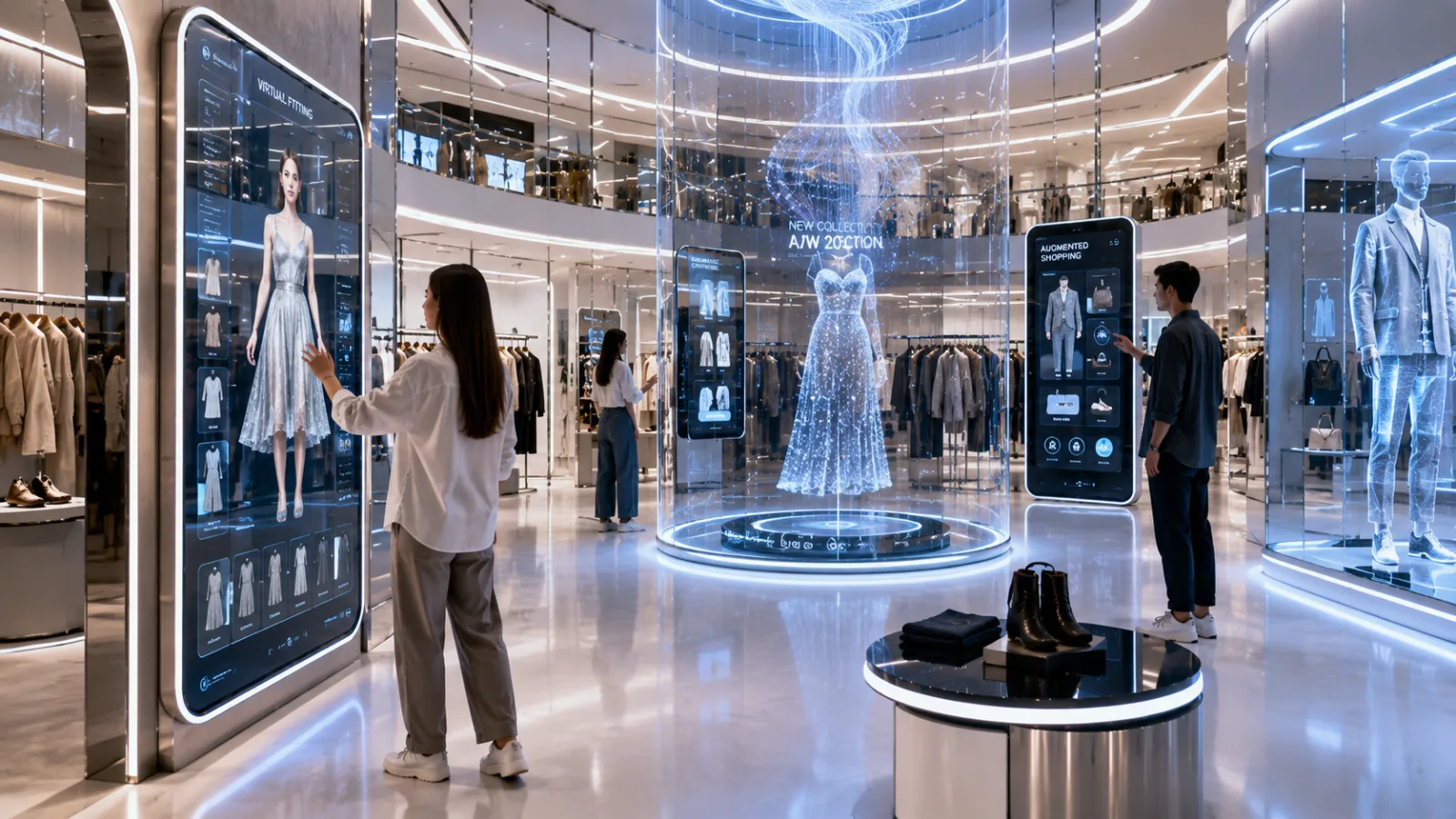
One of the most exciting fashion innovations in 2024 is the rise of digital fashion experiences.
Fashion is no longer limited to physical garments. Brands are now exploring:
- Digital clothing
- Virtual try-ons
- Augmented reality shopping
- Metaverse fashion
- 3D product visualization
- Virtual showrooms
Consumers are increasingly interacting with fashion online before making purchasing decisions.
Virtual Try-On Technology
Virtual fitting technology has improved dramatically in recent years.
Customers can now:
- Try clothing virtually
- Check garment fit digitally
- Visualize color options
- Preview styles using smartphones
This improves the online shopping experience while reducing product returns.
3D Fashion Design Is Growing
Many brands now create products digitally before manufacturing physical samples.
Benefits include:
- Faster product development
- Lower sampling costs
- Reduced fabric waste
- Improved communication with factories
3D fashion software allows teams to review:
- Garment fit
- Construction details
- Fabric drape
- Color combinations
before physical production begins.
Digital Fashion for Marketing
Fashion brands are also using digital fashion assets for:
- Social media campaigns
- Virtual fashion shows
- Interactive websites
- Gaming collaborations
- Influencer marketing
This helps brands create highly engaging digital experiences.
Fashion and Augmented Reality
AR shopping tools allow consumers to:
- See products in real-world environments
- Try accessories virtually
- Experiment with styling combinations
This creates a more interactive and immersive shopping experience.
Why Digital Fashion Is Important
Digital innovation helps fashion brands:
- Reduce development costs
- Improve online conversion rates
- Create immersive customer experiences
- Speed up design processes
- Enhance digital marketing campaigns
As younger consumers spend more time in digital environments, virtual fashion experiences will continue growing rapidly.
4. Smart Manufacturing and Automated Production Systems
Fashion manufacturing is becoming smarter, faster, and more technology-driven in 2024.
Traditional production systems are now being replaced with:
- Automated cutting systems
- Smart inventory tracking
- Digital production management
- Robotics-assisted manufacturing
- Real-time factory monitoring
- AI-powered quality control
This innovation is helping factories improve efficiency while reducing production errors.
Digital Production Tracking
Modern garment factories now use digital dashboards to track:
- Production status
- Order progress
- Worker efficiency
- Quality inspection
- Shipment timelines
This improves communication between:
- Brands
- Merchandisers
- Buyers
- Factory teams
Real-time production visibility helps reduce delays and miscommunication.
Automated Cutting and Sewing Technologies
Advanced machinery now improves:
- Fabric cutting accuracy
- Production consistency
- Material optimization
- Production speed
Automation also helps reduce fabric waste and improve operational efficiency.
Smart Quality Control Systems
AI-powered quality inspection systems can now detect:
- Stitching defects
- Fabric flaws
- Measurement inconsistencies
- Color variations
This reduces human error while improving garment quality consistency.
Why Smart Manufacturing Matters
Fashion consumers now expect:
- Faster delivery
- Higher quality
- Better consistency
- Greater transparency
Smart manufacturing systems help brands meet these expectations while remaining cost-effective.
Fashion Supply Chains Are Becoming More Agile
Brands are also focusing on agile production systems that allow:
- Smaller production runs
- Faster trend response
- Better inventory control
- Reduced dead stock
This is especially important in modern fast-moving fashion markets.
5. Hyper-Customization and On-Demand Fashion
One of the biggest shifts in fashion innovation in 2024 is the move toward hyper-customization and on-demand production.
Consumers increasingly want products that feel unique and personal.
This includes:
- Customized sizing
- Personalized colors
- Limited edition products
- Made-to-order garments
- Personalized embroidery
- Custom graphics
- Individual styling preferences
Brands are now moving away from mass production toward more flexible manufacturing models.
The Rise of Made-to-Order Fashion
On-demand production reduces overproduction by manufacturing products only after orders are placed.
Benefits include:
- Reduced inventory waste
- Lower storage costs
- More sustainable production
- Better product uniqueness
Consumers are also willing to wait slightly longer for products that feel customized specifically for them.
Small Batch Production Is Growing
Fashion startups especially prefer:
- Small MOQ production
- Limited capsule collections
- Exclusive product drops
This creates scarcity and improves brand value perception.
Data-Driven Customization
Brands now use customer data to personalize:
- Product recommendations
- Size suggestions
- Color preferences
- Styling ideas
This improves shopping experiences while increasing customer loyalty.
Technology Is Making Customization Easier
Digital manufacturing systems now allow:
- Faster custom production
- Flexible design modifications
- Personalized product visualization
- Efficient small-batch manufacturing
This innovation is especially valuable for direct-to-consumer fashion brands.
Why Customization Matters in 2024
Modern consumers want individuality.
Customization helps brands:
- Build emotional customer connections
- Reduce competition
- Increase product value
- Improve customer loyalty
- Reduce unsold inventory
Hyper-personalization is quickly becoming one of the strongest competitive advantages in fashion.
Additional Emerging Fashion Innovation Trends in 2024
Beyond the top five innovations, several additional trends are shaping the fashion industry this year.
Blockchain for Fashion Transparency
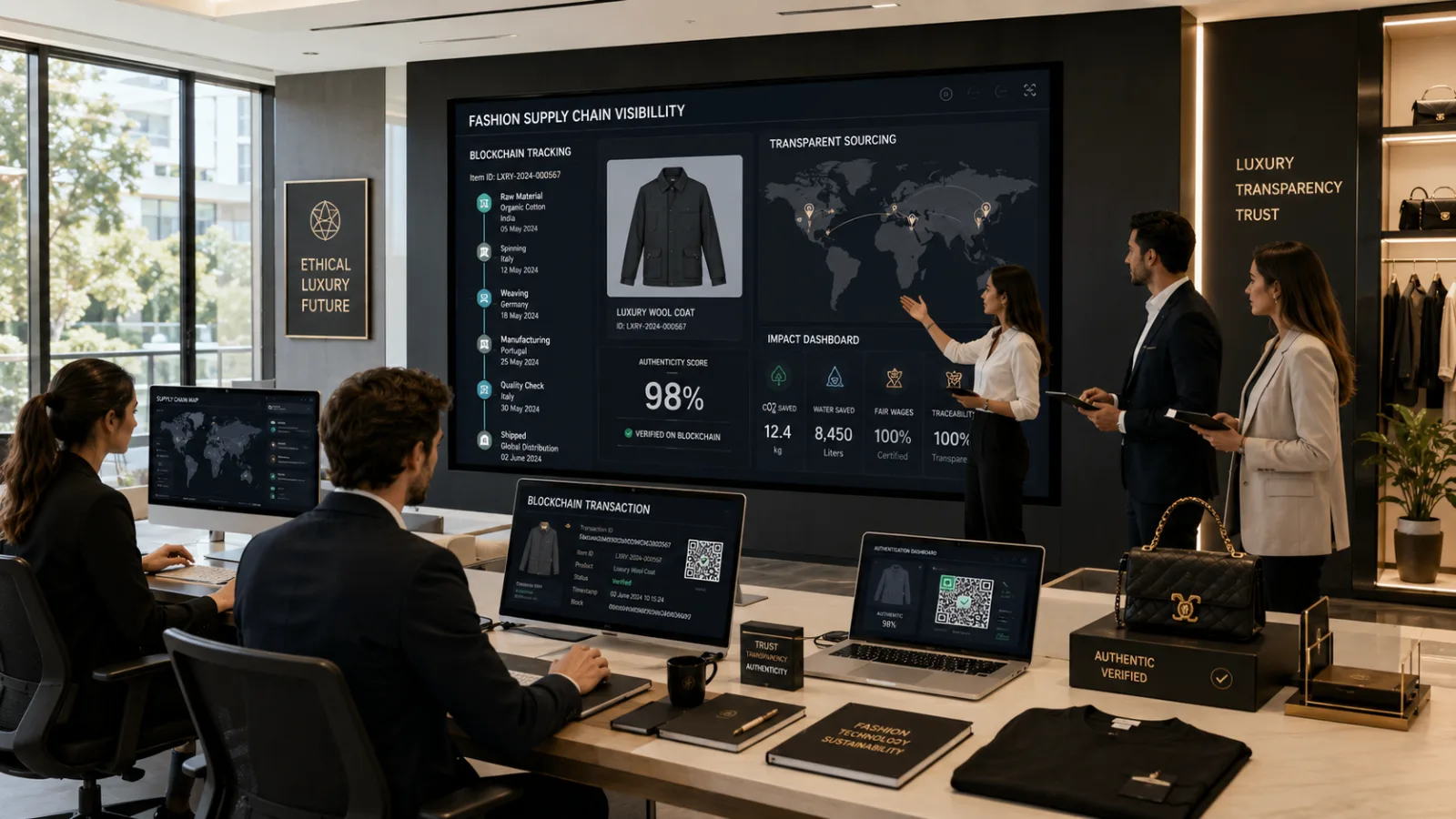
Blockchain technology helps brands improve:
- Supply chain tracking
- Anti-counterfeit verification
- Ethical sourcing transparency
Consumers can verify product authenticity and manufacturing history more easily.
Resale and Second-Hand Fashion Growth
The resale market is growing rapidly as consumers seek:
- Affordable luxury
- Sustainable shopping
- Vintage fashion
- Circular fashion participation
Many major brands are now launching their own resale platforms.
Fashion Subscription Models
Fashion subscription services are becoming increasingly popular.
Consumers enjoy:
- Monthly style boxes
- Personalized outfit recommendations
- Rental wardrobes
- Flexible fashion experiences
This creates recurring revenue opportunities for brands.
Challenges Fashion Brands Face When Adopting Innovation
Although innovation creates exciting opportunities, many brands still face challenges.
High Technology Investment Costs
Advanced technologies often require:
- Software investment
- Staff training
- Equipment upgrades
- System integration
Small brands may struggle initially.
Supply Chain Complexity
Implementing new systems across sourcing and manufacturing can be difficult without strong coordination.
Consumer Education
Some innovations require educating customers about:
- Sustainable practices
- Digital fashion
- Virtual shopping
- Circular systems
Brands that communicate clearly usually succeed faster.

How Fashion Startups Can Compete Through Innovation
Fashion startups often have one major advantage: flexibility.
Unlike large corporations, smaller brands can adapt quickly to changing trends.
Focus on Niche Innovation
Startups should focus on:
- Sustainable positioning
- Personalized experiences
- Small-batch manufacturing
- Digital-first branding
Build Smart Supply Chain Partnerships
Working with experienced sourcing and manufacturing partners helps startups scale more efficiently.
Use Technology Strategically
Startups do not need massive budgets to innovate.
Even simple tools like:
- AI product recommendations
- Digital sampling
- Automated inventory systems
- Virtual product displays
can significantly improve operations.

The Future of Fashion Innovation Beyond 2024
The fashion industry will continue evolving rapidly over the next few years.
Future innovations may include:
- AI-generated fashion collections
- Fully automated production systems
- Smart wearable technology
- Bioengineered textiles
- Advanced virtual shopping environments
- Carbon-neutral manufacturing systems
Fashion brands that remain adaptable and innovation-focused will have the strongest long-term growth potential.
The future of fashion is not only about style anymore. It is about:
- Technology
- Sustainability
- Customer experience
- Efficiency
- Transparency
- Smart manufacturing
Innovation is becoming the foundation of modern fashion success.
Conclusion
Fashion innovation in 2024 is transforming every part of the industry, from product design and sourcing to manufacturing, marketing, and customer experience.
The top trends shaping the future include:
- AI-powered personalization
- Sustainable and circular fashion systems
- Digital fashion experiences
- Smart manufacturing technologies
- Hyper-customization and on-demand production
These innovations are helping brands:
- Improve efficiency
- Reduce waste
- Enhance customer engagement
- Strengthen sustainability efforts
- Stay competitive in a rapidly changing market
Fashion brands that embrace innovation today are positioning themselves for long-term growth and stronger consumer trust.
Whether you are launching a startup clothing brand, managing apparel sourcing operations, or scaling an established fashion business, understanding these innovation trends can help you build a smarter and more future-ready fashion brand.