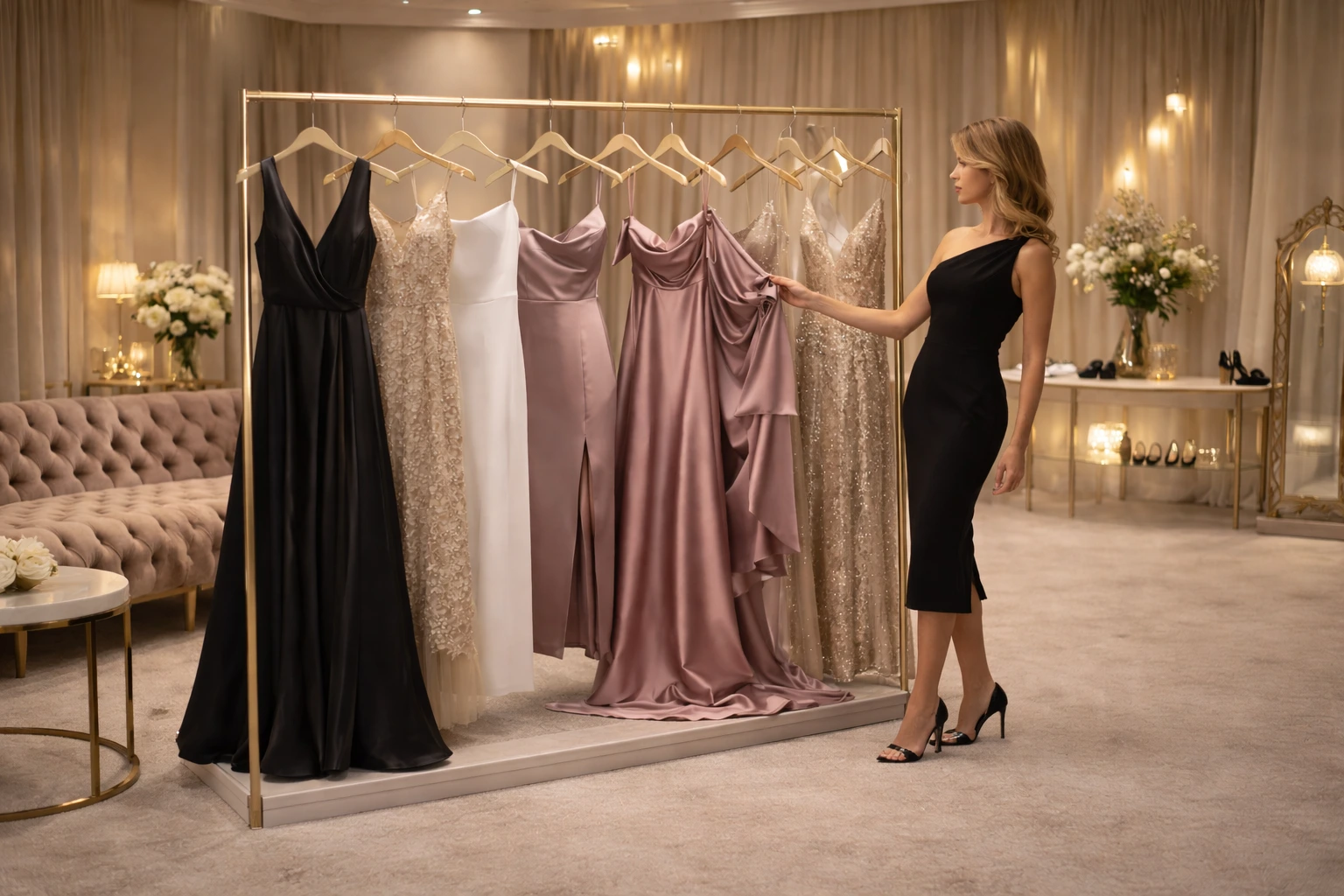
Discover the top 20 formal dresses for women. Learn how to choose the perfect style, fabric, and fit to elevate your elegance for any special day
Formal dressing is not only about wearing a beautiful outfit. It is about presenting yourself with confidence, elegance, and intention. The right formal dress can help you feel polished at a wedding, gala, corporate dinner, award ceremony, evening reception, or upscale social gathering. Today, women’s formal fashion is more versatile than ever. Formal dresses are no longer limited to traditional floor-length gowns. Modern options include minimalist satin dresses, structured sheath dresses, romantic lace pieces, dramatic ball gowns, sleek velvet silhouettes, and stylish two-piece sets. This variety allows every woman to choose a look that matches the event, personal comfort, and individual style.
Choosing the perfect formal dress can still feel overwhelming. Fabric, fit, length, neckline, color, season, and dress code all matter. A dress that works beautifully for a black-tie gala may feel too dramatic for a business dinner. A dress that feels perfect for an outdoor wedding may not suit a winter evening event.
Over the years, women’s formal fashion has evolved significantly. Today, it is not limited to traditional gowns. From sleek minimalist silhouettes to bold statement pieces, the options are more diverse than ever. Modern formal dresses combine elegance with comfort, allowing women to feel confident while embracing their individuality. Choosing the perfect formal dress, however, is not always easy. With so many styles, fabrics, and fits available, it can be overwhelming to decide what works best for your body type, occasion, and personal taste. That is why understanding different dress types and their unique appeal is essential.
In this guide, we will explore the top 20 formal dresses for women, each offering a distinct look that can help you elevate your elegance and make the right impression at any event.
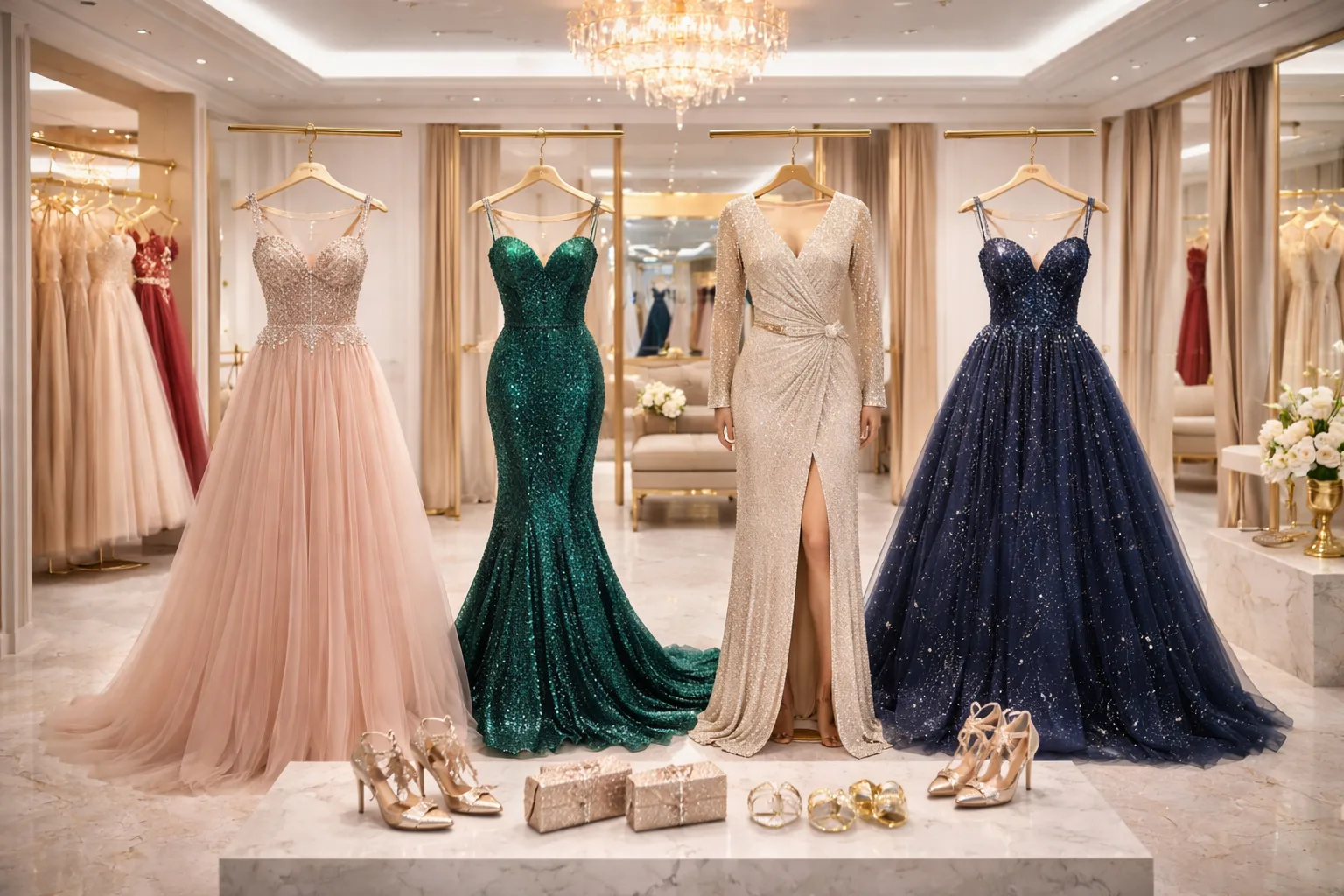
What Defines a Formal Dress?
A formal dress is designed for events where polished presentation matters. It usually feels more refined than everyday clothing because of its fabric, structure, length, finishing, and overall styling. Formal dresses can be simple or dramatic, but they should look intentional. A minimalist satin slip dress can be formal when styled correctly, just as a beaded ball gown can be formal for a grand evening event. The key is matching the dress to the occasion.
A formal dress usually includes:
- Refined silhouette: The shape should look polished, whether fitted, flowing, structured, or softly draped.
- Quality fabric: Satin, silk, chiffon, lace, velvet, crepe, organza, tulle, and brocade are common formal fabrics.
- Elegant details: Draping, pleats, embroidery, beadwork, lace overlays, structured bodices, or clean tailoring can elevate the design.
- Appropriate length: Midi, maxi, and floor-length dresses are common, though shorter dresses can work for cocktail-formal events.
- Balanced styling: Shoes, accessories, hair, makeup, and outerwear should support the formality of the outfit.
- Event suitability: The dress should match the dress code, venue, season, and time of day.
Why Formal Dresses Matter
A formal dress can shape how you feel when you enter a room. It can help you look prepared, confident, graceful, and appropriate for the occasion. More importantly, it allows personal style to appear in a refined way.
Formal dresses matter because they combine appearance with occasion. They show respect for the event while giving the wearer a chance to express taste through color, fabric, cut, and detail.
A well-chosen formal dress can:
- Create confidence: When the dress feels comfortable and appropriate, it becomes easier to enjoy the event.
- Support personal style: Formal fashion can be romantic, minimal, classic, bold, modern, or artistic.
- Match the occasion: Different events require different levels of elegance.
- Photograph beautifully: Formal dresses are often worn at memorable events where photos matter.
- Offer versatility: Many formal dresses can be styled differently for multiple occasions.
- Create a lasting impression: A strong formal look can feel memorable without being overdone.
Key Things to Consider Before Choosing a Formal Dress
Before choosing a dress, think about the event, comfort, fabric, color, and styling needs. A beautiful dress should not only look good on a hanger. It should feel right for the occasion and allow you to move comfortably.
1. Occasion and Dress Code
Start with the event type. A black-tie gala usually calls for a floor-length gown or elevated evening dress. A corporate dinner may require something more structured and modest. A wedding guest dress should feel elegant without overshadowing the bridal party.
2. Fabric
Fabric changes the mood of a dress. Satin feels sleek and polished. Chiffon feels soft and romantic. Velvet feels rich and seasonal. Lace feels delicate and feminine. Sequins feel glamorous and festive.
3. Fit and Comfort
Formal events often last several hours. Choose a dress that lets you sit, walk, dance, and move comfortably. A dress that feels secure and easy to wear will usually look more confident.
4. Length
Floor-length dresses are ideal for black-tie and evening events. Midi dresses work well for business formal, cocktail-formal, and refined daytime events. High-low and tea-length styles can feel modern and graceful.
5. Color
Classic colors like black, navy, burgundy, emerald, champagne, ivory, and silver work beautifully for formalwear. Softer tones can suit daytime weddings, while deeper shades often feel more appropriate for evening events.
6. Season
Velvet, long sleeves, and deeper colors work well in cooler seasons. Chiffon, satin, lighter colors, and softer silhouettes are often better for spring and summer events.
7. Accessories
Accessories should complete the dress, not compete with it. If the dress is heavily embellished, choose simpler jewelry. If the dress is minimal, you can add a statement clutch, earrings, or heels.
Why Choose Formal Dresses?
are not just about adhering to a dress code or looking elegant; they are about expressing your personality through fashion. Whether you're attending a gala or simply want to feel empowered at work, the right dress can transform your entire demeanor.
Key Aspects to Consider
- Material: Look for high-quality fabrics that provide structure and flow.
- Fit: Ensure a tailored fit that flatters your body type.
- Color: Choose colors that complement your skin tone and the formality of the event.
Top 20 Formal Dresses for Women
1. Classic Black Evening Gown
1. Classic Black Evening Gown
The classic black evening gown is one of the most timeless formal dress styles. It represents elegance, simplicity, and sophistication. Whether the design is fitted, flowing, strapless, long-sleeved, or softly draped, a black gown always feels refined. This dress is ideal for galas, formal dinners, award ceremonies, black-tie weddings, and upscale evening events. Its strength lies in versatility. You can style it with diamonds, pearls, metallic heels, a bold clutch, or a sleek updo, depending on the mood of the event.
Best for: Black-tie events, galas, formal dinners, evening receptions
Style note: Keep accessories polished and intentional. Black gowns work beautifully with silver, gold, pearl, or crystal details.
2. A-Line Formal Dress
The A-line formal dress is loved for its balanced and graceful shape. It is fitted around the upper section and gradually flows outward from the waist, creating a clean and elegant silhouette. This style works well for weddings, receptions, formal lunches, dinner parties, and semi-formal evening events. It can be made in satin, chiffon, lace, tulle, crepe, or organza. Because the shape is classic and comfortable, it is one of the easiest formal dresses to wear across different occasions.
Best for: Weddings, receptions, formal daytime events, evening gatherings
Style note: Choose soft fabrics for a romantic look and structured fabrics for a more polished appearance.
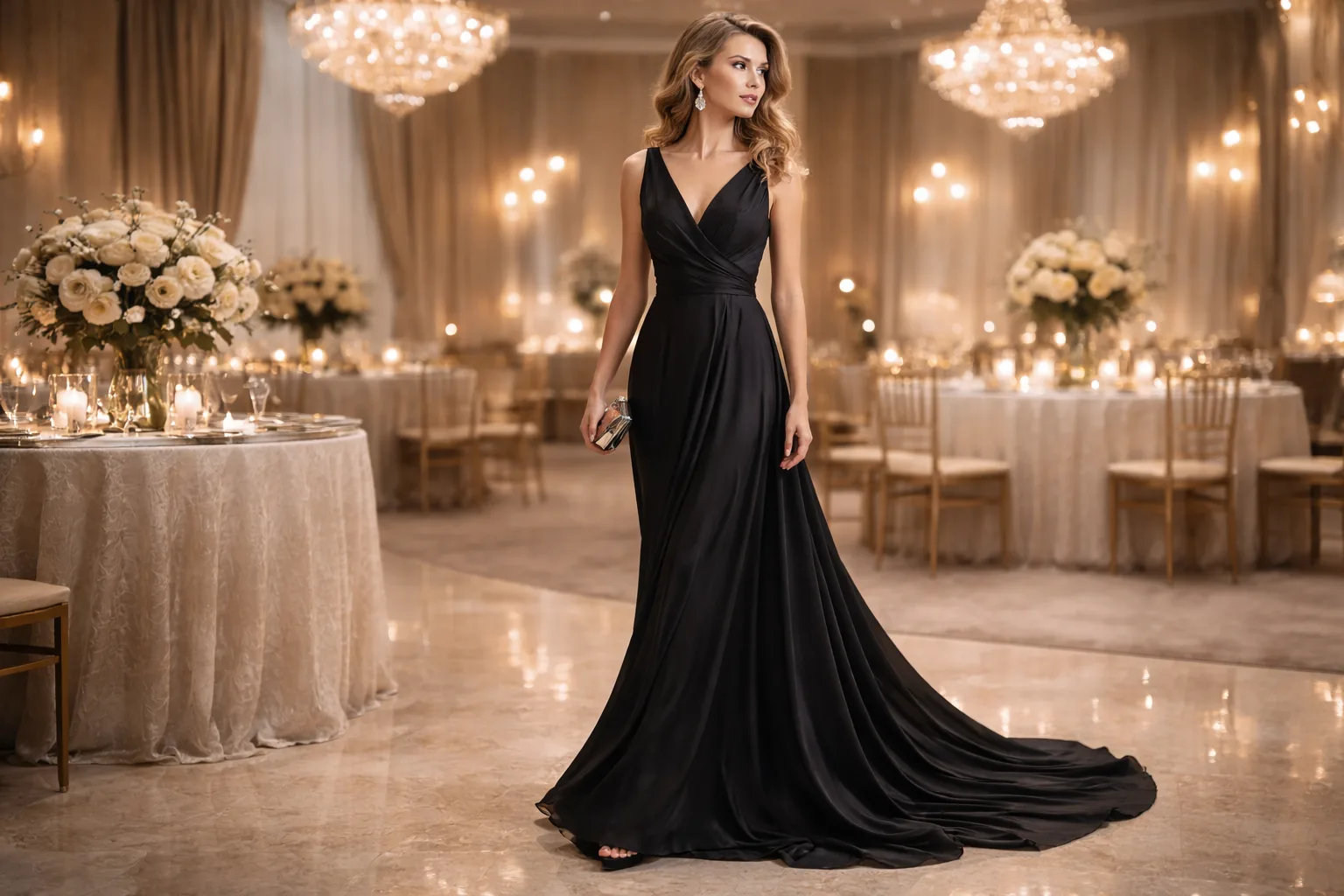
3. Mermaid Style Dress
The mermaid dress is dramatic, glamorous, and highly formal. It follows the body through the upper section and flares out near the lower part of the dress, creating a strong eveningwear silhouette.
This style is often seen at red carpet events, formal weddings, galas, and luxury parties. It works especially well in satin, crepe, lace, tulle, and embellished fabrics. Because the shape is bold, it often needs minimal accessories.
Best for: Red carpet events, galas, formal weddings, luxury evening parties
Style note: Choose a comfortable fit that allows movement, especially if the event involves walking, dancing, or long hours.
4. Satin Slip Dress
The satin slip dress is simple, modern, and elegant. It usually has a clean silhouette, thin straps, and a smooth satin finish that reflects light beautifully. While it may look minimal, the right satin slip dress can feel very refined. This style is perfect for modern weddings, cocktail-formal events, dinner parties, and evening gatherings. It works well with delicate jewelry, strappy heels, a tailored blazer, or a soft wrap.
Best for: Modern formal events, evening dinners, wedding guest looks, cocktail-formal occasions
Style note: Choose high-quality satin with enough weight so the dress drapes cleanly and feels polished.
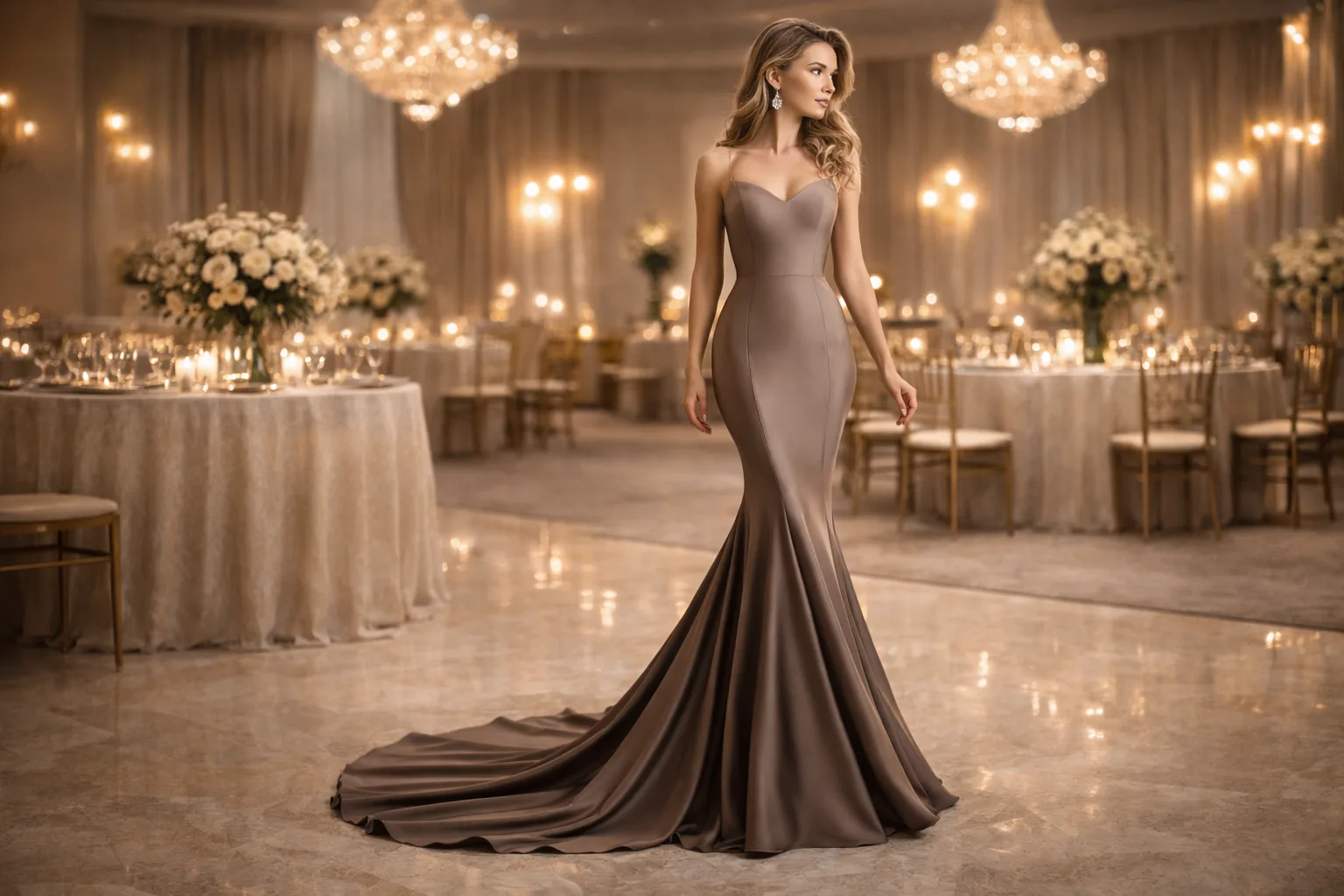
5. Lace Formal Dress
A lace formal dress brings romance, texture, and delicate detail to formalwear. Lace can be used as a full overlay, sleeve detail, bodice design, or decorative trim. It works beautifully for weddings, engagement parties, evening receptions, and elegant celebrations.
Lace dresses can feel classic, vintage, modern, or romantic depending on the design. Black lace feels dramatic, ivory lace feels bridal, navy lace feels refined, and pastel lace feels soft and graceful.
Best for: Weddings, formal parties, engagement events, evening receptions
Style note: Let the lace be the main detail. Choose simple accessories if the lace pattern is intricate.
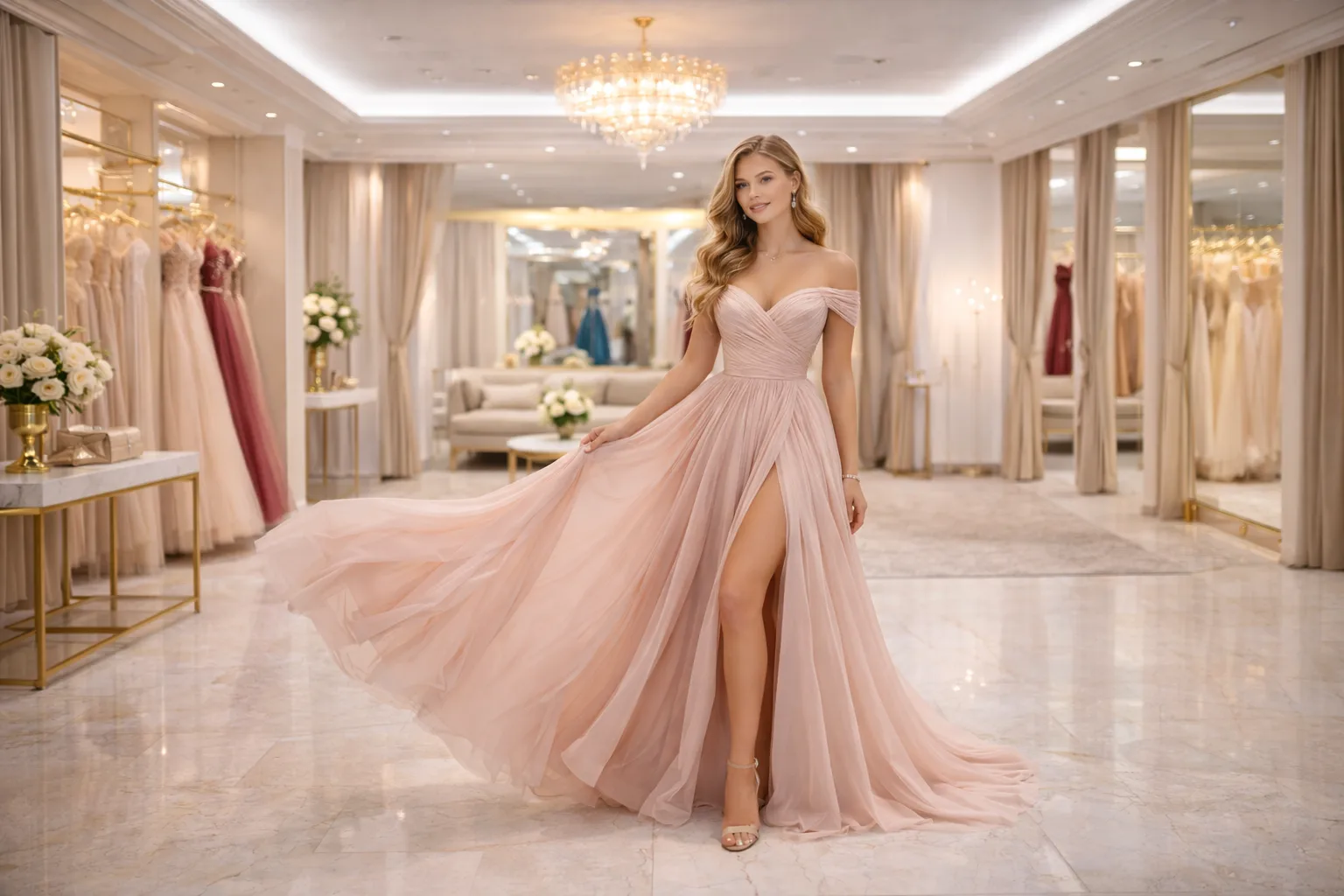
6. Off-Shoulder Gown
The off-shoulder gown is elegant and graceful. It highlights the neckline and shoulders while keeping the overall look refined. This style is popular for weddings, galas, evening parties, and formal celebrations.
Off-shoulder gowns can be designed with fitted bodices, flowing skirts, draped sleeves, structured necklines, or romantic ruffles. Satin, crepe, chiffon, and tulle are common fabric choices.
Best for: Formal weddings, galas, evening receptions, romantic events
Style note: Pair with earrings or a delicate necklace, depending on the neckline shape.
7. Wrap Formal Dress
The wrap formal dress is comfortable, adjustable, and elegant. It wraps across the front and ties or fastens at the side, creating a soft and polished shape. While wrap dresses are often associated with everyday fashion, formal versions can look very refined in satin, silk, crepe, velvet, or chiffon.
This dress is a great option for dinner parties, formal work events, wedding guest looks, and semi-formal gatherings. It offers movement and comfort while still looking dressed up.
Best for: Dinner events, business formal occasions, wedding guest outfits, semi-formal celebrations
Style note: Choose a longer length and refined fabric to make the wrap dress feel more formal.
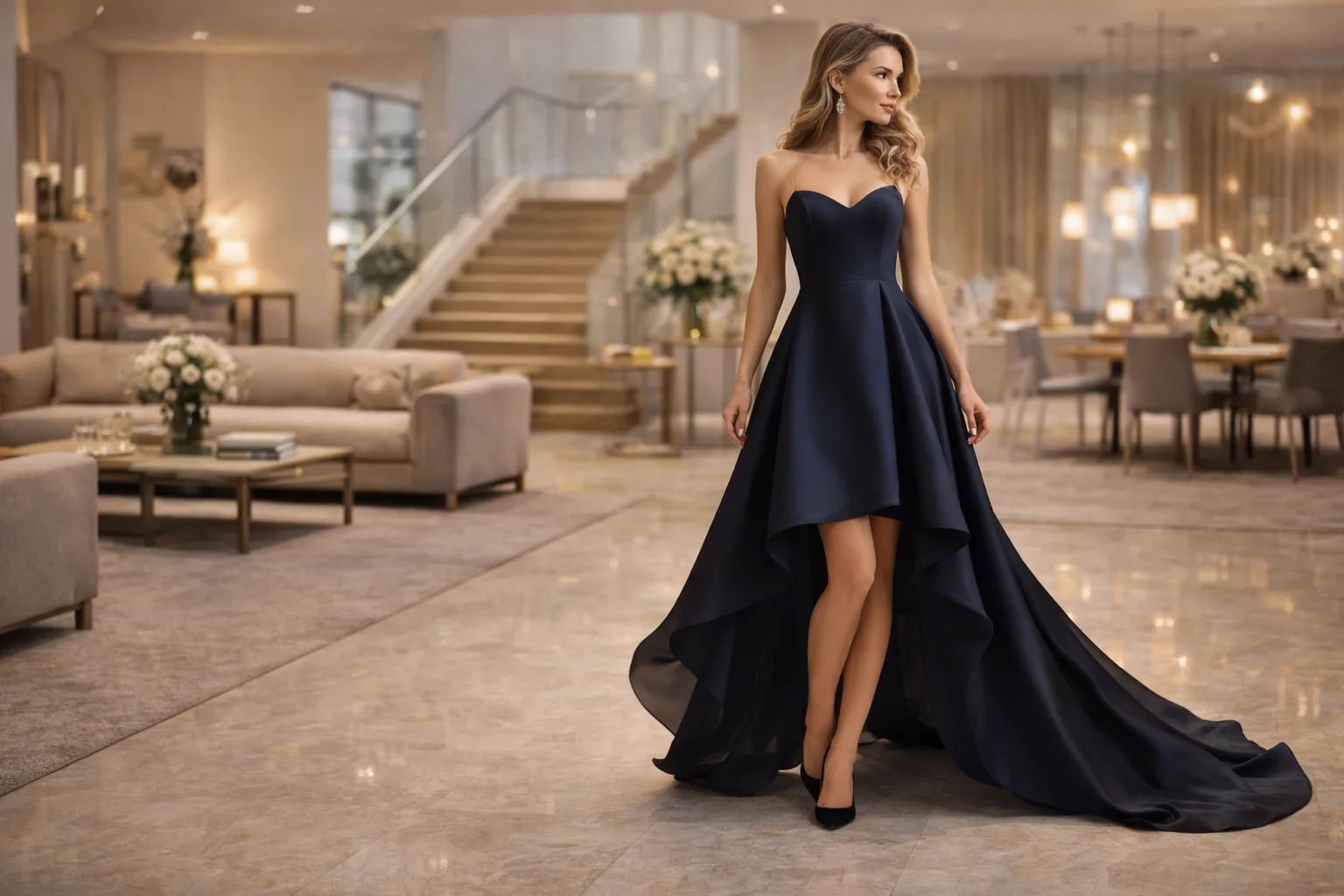
8. High-Low Dress
The high-low dress has a hemline that is shorter in the front and longer in the back. This creates movement, visual interest, and a slightly playful formal look. It is a modern option for those who want elegance without choosing a traditional floor-length gown.
High-low dresses work well for cocktail-formal events, outdoor weddings, receptions, graduations, and stylish evening parties. They also make footwear more visible, so shoes become part of the full look.
Best for: Outdoor weddings, cocktail-formal events, receptions, stylish parties
Style note: Choose elegant heels or dressy sandals because the front hemline draws attention to footwear.
9. Sheath Dress
The sheath dress is clean, structured, and sophisticated. It follows a straight or slightly tailored silhouette and usually falls around the knee, midi length, or below. It is one of the best formal dress choices for business-related events.
This dress works well for corporate dinners, conferences, formal work functions, networking events, and professional ceremonies. In refined fabrics like crepe, satin-back crepe, wool blends, or structured ponte, a sheath dress can look powerful and polished.
Best for: Business formal events, corporate dinners, conferences, professional gatherings
Style note: Add a blazer, pointed heels, and a structured handbag for a refined professional look.
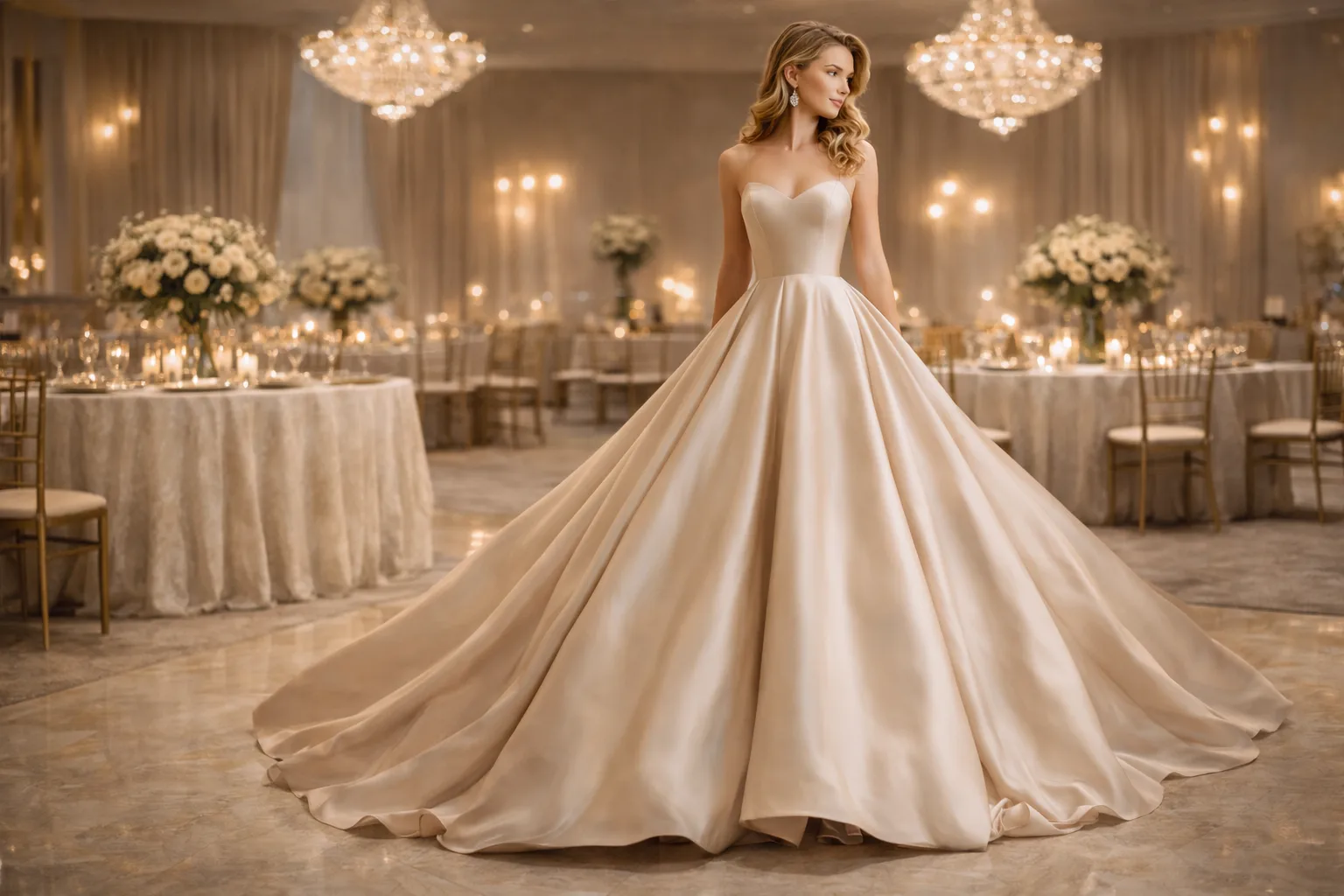
10. Ball Gown
The ball gown is the most dramatic and traditional formal dress style. It usually features a fitted bodice and a full, voluminous skirt. This style is perfect for grand events where high-level elegance is expected.
Ball gowns are common at black-tie galas, formal weddings, charity balls, debutante events, and royal-inspired celebrations. Fabrics such as tulle, satin, organza, silk, and brocade work beautifully for this silhouette.
Best for: Black-tie galas, grand weddings, charity balls, formal ceremonies
Style note: Keep accessories balanced. A ball gown already creates strong visual impact.
11. Empire Waist Dress
The empire waist dress features a raised waistline that sits below the bust, with fabric flowing down from that point. This creates a soft, graceful, and romantic appearance.
This style is popular for garden weddings, evening receptions, formal dinners, and occasions where comfort and elegance are equally important. It works well in chiffon, silk, satin, and lightweight crepe.
Best for: Garden weddings, formal dinners, romantic evening events, elegant receptions
Style note: Choose flowing fabrics for a soft look and subtle embellishments for added formality.
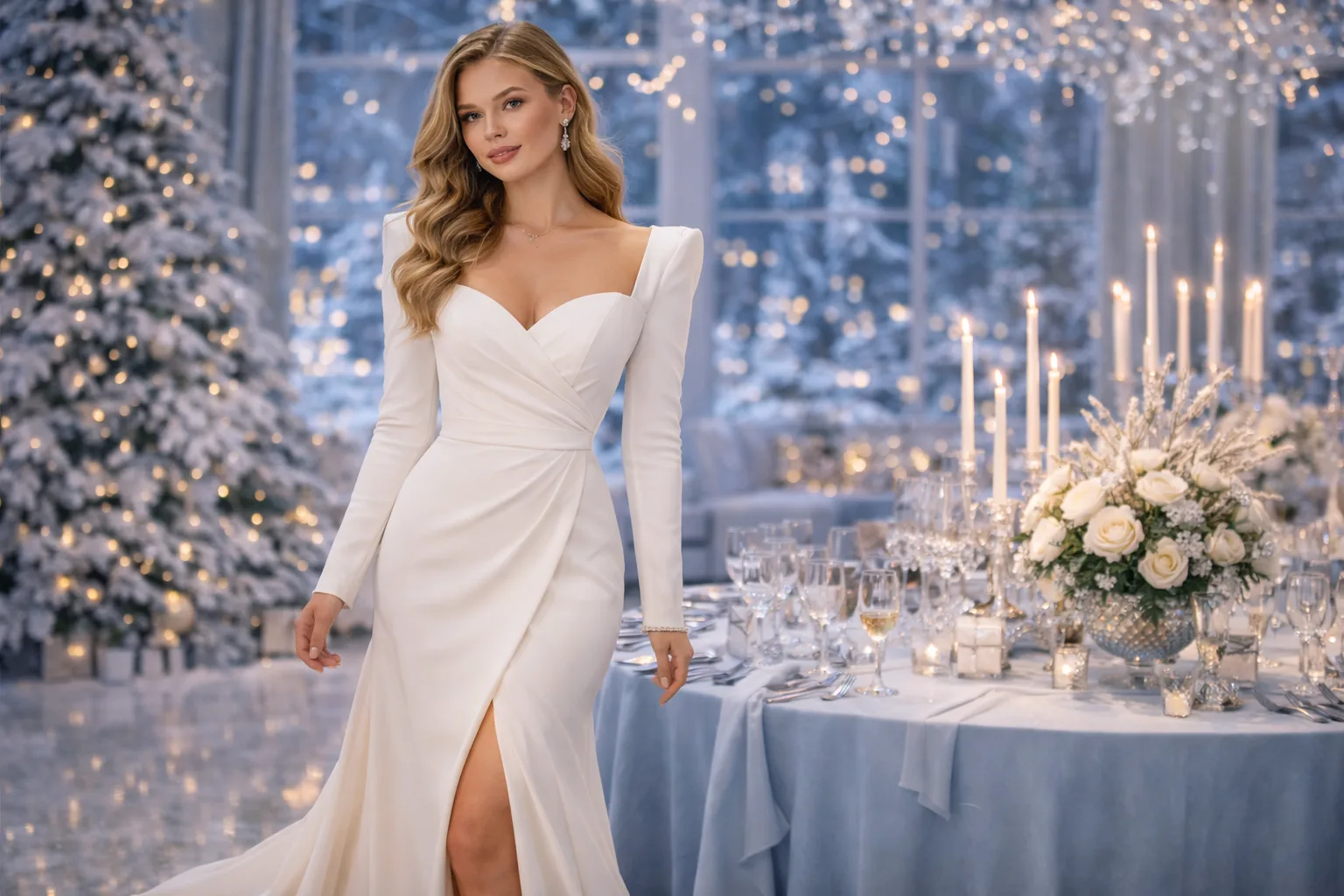
12. Long Sleeve Formal Dress
The long-sleeve formal dress is elegant, refined, and practical for cooler seasons or conservative settings. It offers coverage while still looking stylish and sophisticated.
Long-sleeve formal dresses can be made from lace, velvet, satin, crepe, chiffon, or sequined fabrics. Sheer sleeves, fitted sleeves, bishop sleeves, and embellished cuffs can all add personality to the design.
Best for: Winter events, formal dinners, conservative settings, evening weddings
Style note: Long sleeves pair beautifully with sleek hair, statement earrings, or a refined clutch.
Placement Instruction: Use this section for seasonal and modest formalwear searches.
13. Halter Neck Dress
The halter neck dress is modern, stylish, and confident. It draws attention to the shoulders and upper neckline while often leaving the back more open. Formal versions can look sleek and refined in satin, crepe, jersey, or chiffon.
This style works well for evening parties, destination weddings, cocktail-formal events, and modern receptions. Halter dresses can be minimal or embellished depending on the event.
Best for: Evening parties, modern weddings, receptions, cocktail-formal events
Style note: Since the neckline is already a strong feature, earrings often work better than a necklace.
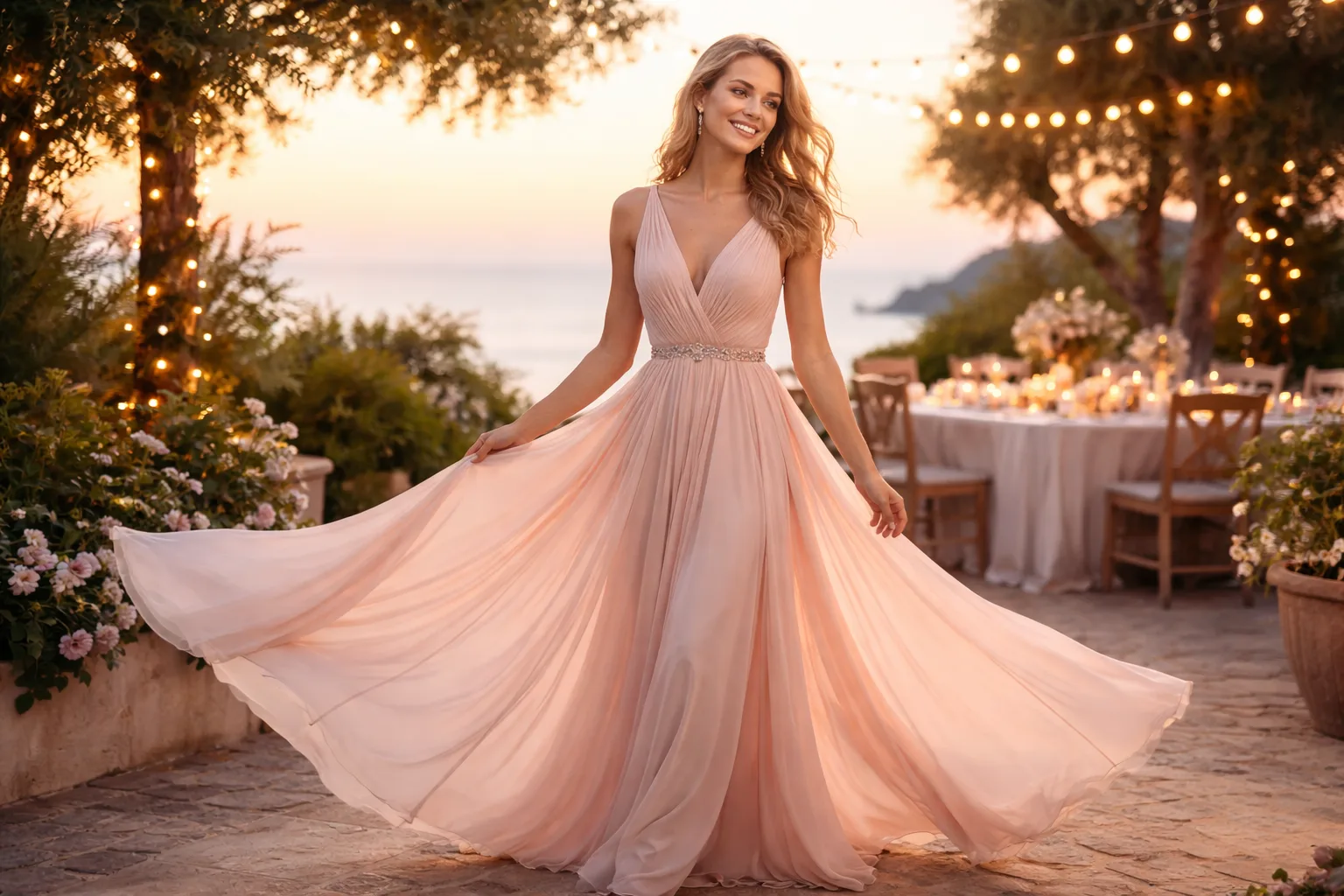
14. Chiffon Maxi Dress
The chiffon maxi dress is light, flowing, and graceful. It is often chosen for outdoor formal events because it moves beautifully and feels soft. Chiffon creates a romantic look without feeling heavy.
This dress is ideal for garden weddings, beach formal events, summer receptions, and daytime formal gatherings. It works especially well in pastel, floral, jewel tone, and soft neutral shades.
Best for: Outdoor weddings, summer formal events, garden parties, daytime receptions
Style note: Choose lined chiffon for a polished finish and better comfort.
15. Velvet Formal Dress
The velvet formal dress is rich, textured, and perfect for evening events. Velvet has a soft depth that makes colors look more intense and luxurious. It is especially popular in fall and winter.
Velvet dresses work beautifully in black, emerald, burgundy, navy, plum, chocolate, and deep red. Styles may include wrap dresses, long sleeve gowns, fitted midi dresses, and draped evening dresses.
Best for: Winter weddings, holiday parties, evening galas, formal dinners
Style note: Pair velvet with metallic accessories for a warm and elegant finish.
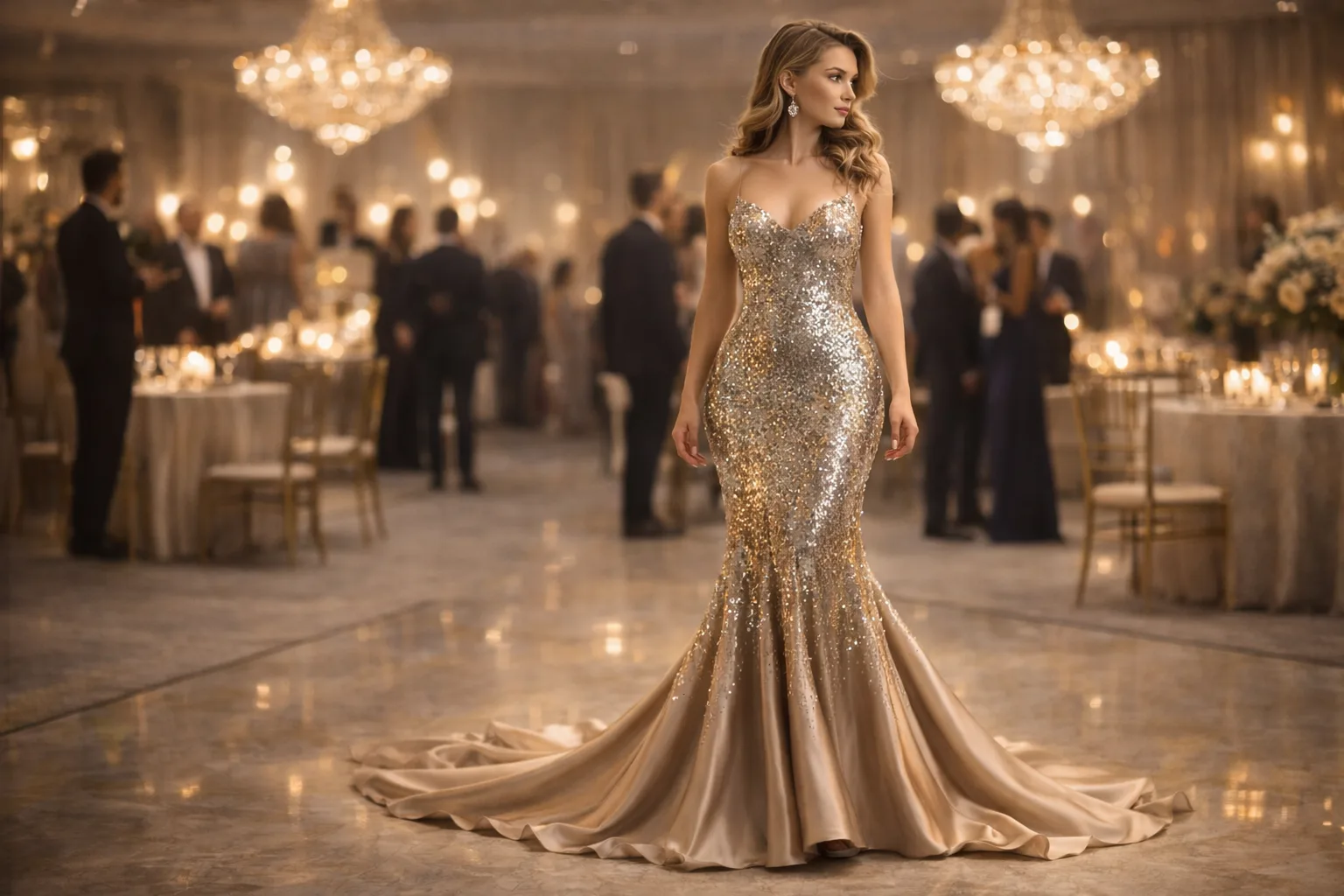
16. Sequin Dress
The sequin dress is made for sparkle, celebration, and attention. It is ideal for events where glamour is welcome, such as New Year’s Eve parties, cocktail-formal events, galas, festive dinners, and evening celebrations.
A sequin dress can be full-length, midi, mini, long-sleeved, sleeveless, or fitted. For a more refined look, choose a simple silhouette and let the sequins provide the drama.
Best for: Festive parties, galas, evening celebrations, New Year’s events
Style note: Keep accessories simple. Sequins already bring shine and visual impact.
17. Peplum Dress
The peplum dress features an extra flared fabric detail around the waist area, adding structure and visual interest. It is a polished style that works especially well for formal work events, dinners, and cocktail-formal occasions.
Peplum dresses can be made in crepe, satin, lace, or structured stretch fabrics. They often feel elegant without being overly dramatic.
Best for: Business dinners, cocktail-formal events, professional celebrations, evening receptions
Style note: Choose a clean peplum shape for a refined look rather than an overly exaggerated version.
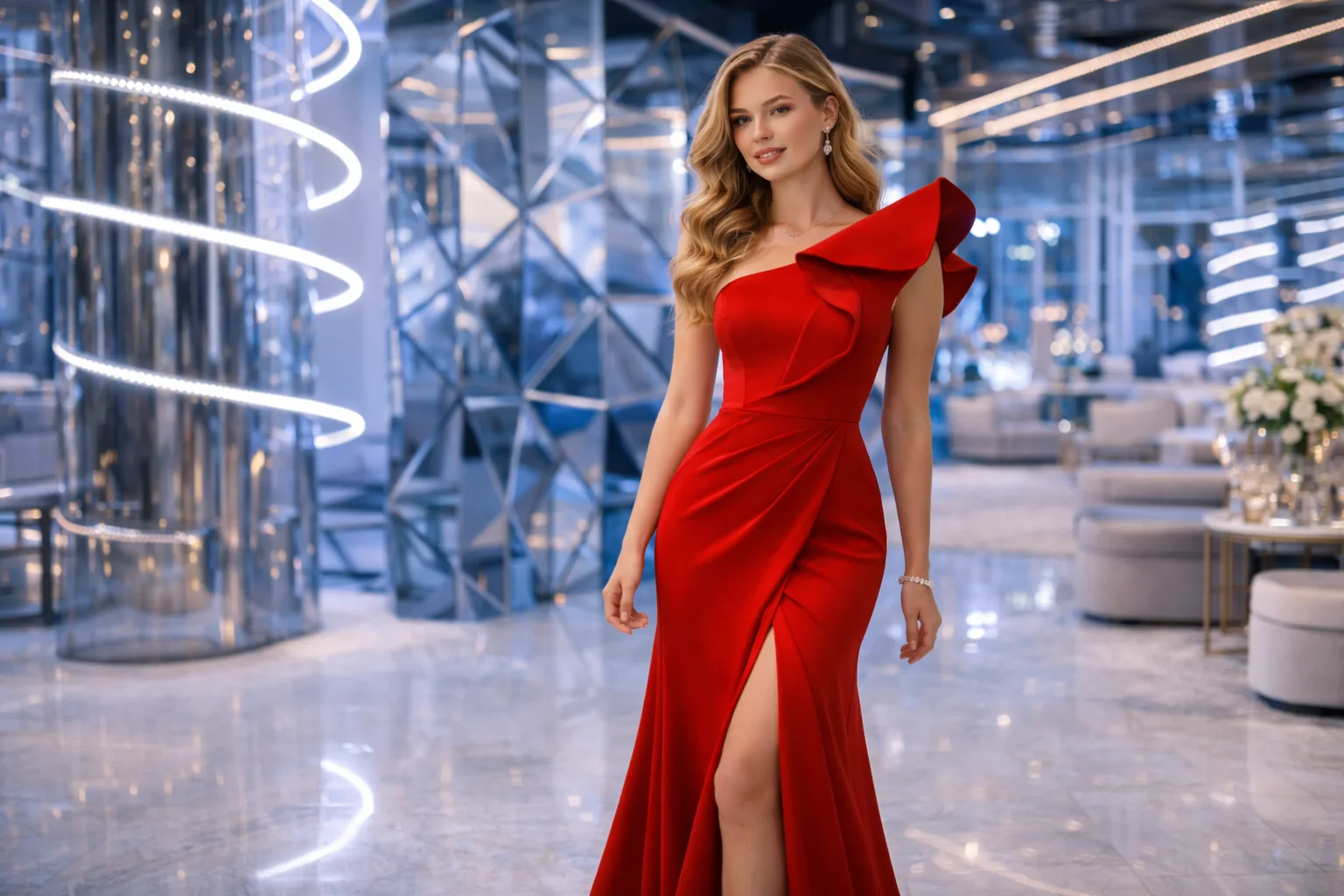
18. Asymmetrical Dress
The asymmetrical dress uses uneven lines, one-shoulder necklines, angled hems, or creative draping to create a modern fashion-forward look. It is ideal for women who want formalwear that feels unique without being too traditional.
This style works well for cocktail-formal events, fashion events, modern weddings, dinner parties, and evening receptions. The design may be subtle or bold depending on the cut.
Best for: Fashion events, modern weddings, cocktail-formal occasions, evening parties
Style note: Keep styling sleek so the asymmetrical design remains the focus.
19. Midi Formal Dress
The midi formal dress is versatile, polished, and practical. It usually falls below the knee and above the ankle, making it suitable for both business and social events.
Midi formal dresses can be made in satin, crepe, lace, chiffon, velvet, or structured fabrics. They are ideal when a floor-length gown feels too formal but a short dress feels too casual.
Best for: Business events, formal lunches, wedding guest outfits, dinner parties, cocktail-formal occasions
Style note: Pair with elegant heels or refined flats depending on the event setting.
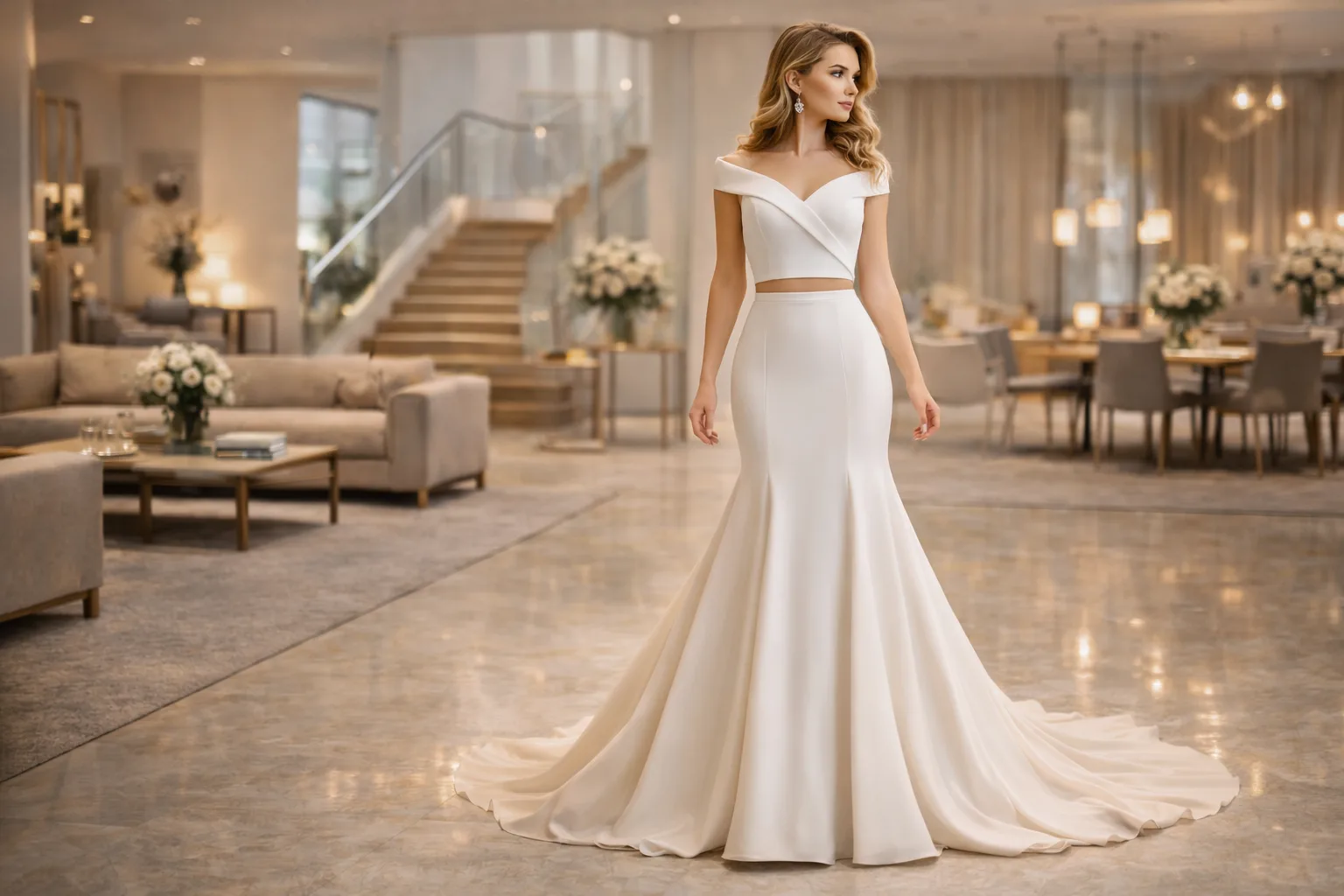
20. Two-Piece Formal Set
The two-piece formal set is a modern alternative to the traditional dress. It may include a formal crop top and skirt, structured blouse and maxi skirt, tailored top and wide-leg pants, or matching evening separates.
This style is ideal for women who want a fresh, fashion-forward look while still appearing polished. Two-piece formal sets work well for receptions, modern weddings, fashion events, and stylish dinner parties.
Best for: Modern weddings, receptions, fashion events, stylish evening occasions
Style note: Choose matching fabrics and refined cuts to keep the look formal rather than casual.
Quick Comparison Table: Best Formal Dresses by Occasion
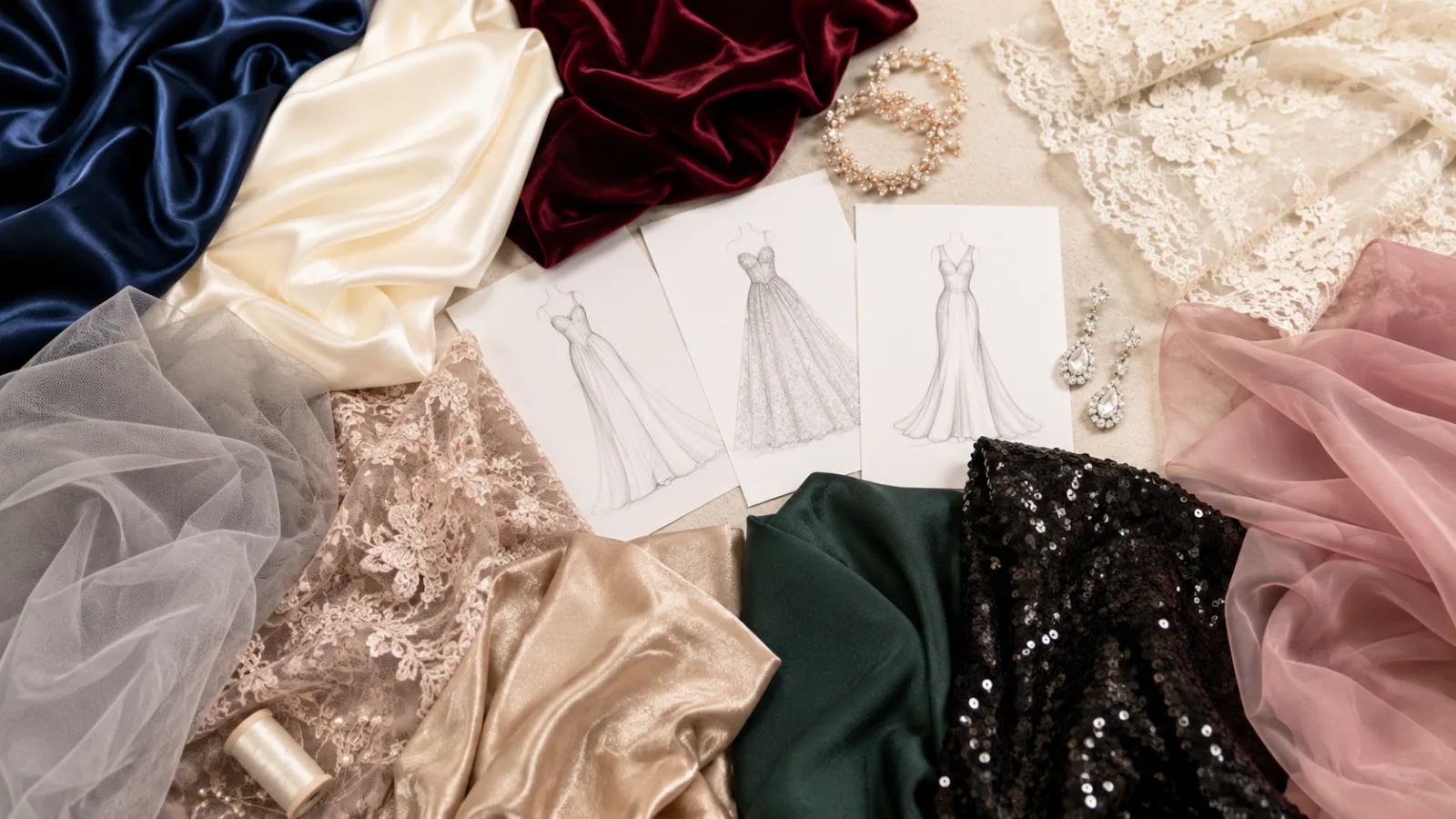
Best Fabrics for Formal Dresses
Fabric is one of the biggest factors in how formal a dress looks and feels. Even a simple silhouette can look elegant when made from the right fabric.
Satin
Satin has a smooth, glossy surface that feels polished and luxurious. It is popular for slip dresses, evening gowns, bridesmaid dresses, and modern formalwear.
Chiffon
Chiffon is lightweight, sheer, and flowing. It is ideal for outdoor weddings, summer events, layered gowns, and romantic formal dresses.
Lace
Lace adds texture, romance, and detail. It is often used for weddings, evening dresses, sleeves, overlays, and formal midi dresses.
Velvet
Velvet feels rich and warm, making it perfect for winter events, holiday parties, and evening formalwear.
Crepe
Crepe has a clean, refined surface and works well for sheath dresses, gowns, wrap dresses, and structured formal pieces.
Tulle
Tulle is light and voluminous. It is often used for ball gowns, layered skirts, bridalwear, and dramatic formal dresses.
Sequined Fabric
Sequins create sparkle and glamour. They are best for evening events, festive parties, and statement formalwear.
How to Style a Formal Dress Elegantly
The dress is the main piece, but styling completes the look. Shoes, jewelry, bag, outerwear, hair, and makeup should all work together without making the outfit feel too busy.
Simple styling tips:
- Balance the details: If the dress has sequins, lace, or heavy embellishment, keep accessories minimal.
- Choose the right shoes: Heels, dressy sandals, or elegant flats should match the formality of the event.
- Use a clutch or small evening bag: Large everyday bags can make formal looks feel less refined.
- Consider outerwear: Shawls, tailored coats, evening wraps, or blazers can complete the outfit in cooler weather.
- Match jewelry to the neckline: Statement earrings work well with halter and high necklines. Delicate necklaces work well with simple open necklines.
- Think about movement: Make sure the full outfit works when sitting, walking, and dancing.
- Keep makeup and hair polished: The beauty look should match the overall mood of the dress.
What Fashion Brands Can Learn From Formal Dress Design
Formal dresses are one of the most detail-sensitive categories in women’s fashion. Customers expect beauty, comfort, quality, and event readiness. A dress may look stunning in photos, but it must also fit well, move properly, hold its structure, and feel comfortable during long events.
For fashion brands, formalwear development requires careful attention to fabric selection, pattern making, lining, closures, seam finishing, embellishment quality, size grading, and final presentation.
Important development points include:
- Fabric testing: Satin, chiffon, lace, velvet, and sequins all behave differently in production.
- Fit refinement: Formal dresses need accurate measurements, balanced proportions, and comfortable movement.
- Lining decisions: Many formal fabrics need lining for structure, comfort, and opacity.
- Seam finishing: Poor finishing can make a formal dress feel cheap, even if the fabric is beautiful.
- Embellishment control: Beads, sequins, embroidery, and lace must be secured properly.
- Size consistency: Customers need reliable sizing, especially for eventwear.
- Quality control: Formal dresses are often worn for important moments, so defects can damage trust quickly.
- Packaging: Premium dresses need careful folding, hanging, protection, and delivery presentation.
Brands developing formalwear collections can explore ApparGlobal’s sampling program, private label program, manufacturing support, vendor program, and manufacturer catalog to connect design ideas with sourcing, sample refinement, and production planning.
Frequently Asked Questions About Formal Dresses for Women
1. What is considered a formal dress for women?
A formal dress is a polished outfit designed for special events such as galas, weddings, formal dinners, corporate ceremonies, or upscale gatherings. It usually features refined fabric, elegant construction, and a dressier silhouette than everyday clothing.
2. Does a formal dress have to be floor-length?
No, a formal dress does not always have to be floor-length. Floor-length gowns are common for black-tie events, but midi dresses, high-low dresses, sheath dresses, and elegant two-piece sets can also be formal depending on the occasion and styling.
3. What color is best for a formal dress?
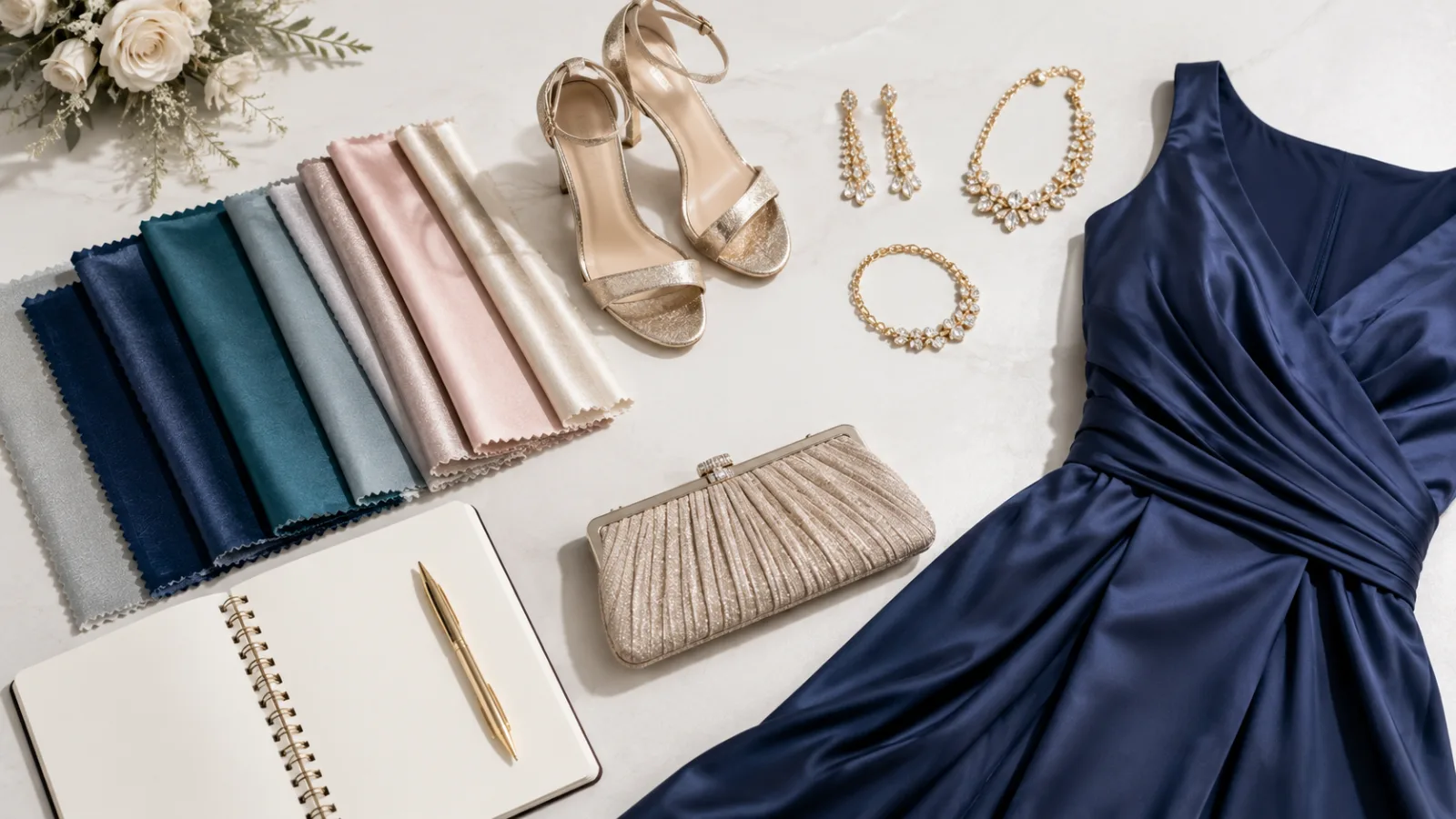
Classic formal dress colors include black, navy, emerald, burgundy, champagne, silver, deep red, and ivory. The best color depends on the event, season, time of day, and personal style.
4. What fabric is best for formal dresses?
Satin, silk, chiffon, lace, velvet, crepe, tulle, and sequined fabrics are commonly used for formal dresses. Satin and crepe feel sleek, chiffon feels soft and romantic, lace adds detail, and velvet works beautifully for evening and winter events.
5. How do I make a simple dress look more formal?
Choose elegant accessories, refined shoes, a clutch bag, polished hair, and appropriate jewelry. A tailored blazer, evening wrap, or statement earrings can also make a simple dress feel more formal.
Conclusion
Formal dresses for women come in many styles, from timeless black evening gowns to modern two-piece sets. The best choice depends on the occasion, dress code, fabric, comfort level, and personal style.
A classic black gown is always elegant. An A-line dress offers graceful versatility. A mermaid dress brings drama. A satin slip dress feels modern and minimal. Lace, chiffon, velvet, sequins, and structured silhouettes each create a different formal mood.
The most important thing is to choose a dress that feels appropriate, comfortable, and aligned with the moment. Formal dressing should never feel like wearing a costume. It should feel like a refined version of your personal style. Whether you are attending a wedding, gala, corporate dinner, formal party, or special celebration, the right dress can help you look polished and feel confident from the moment you arrive.