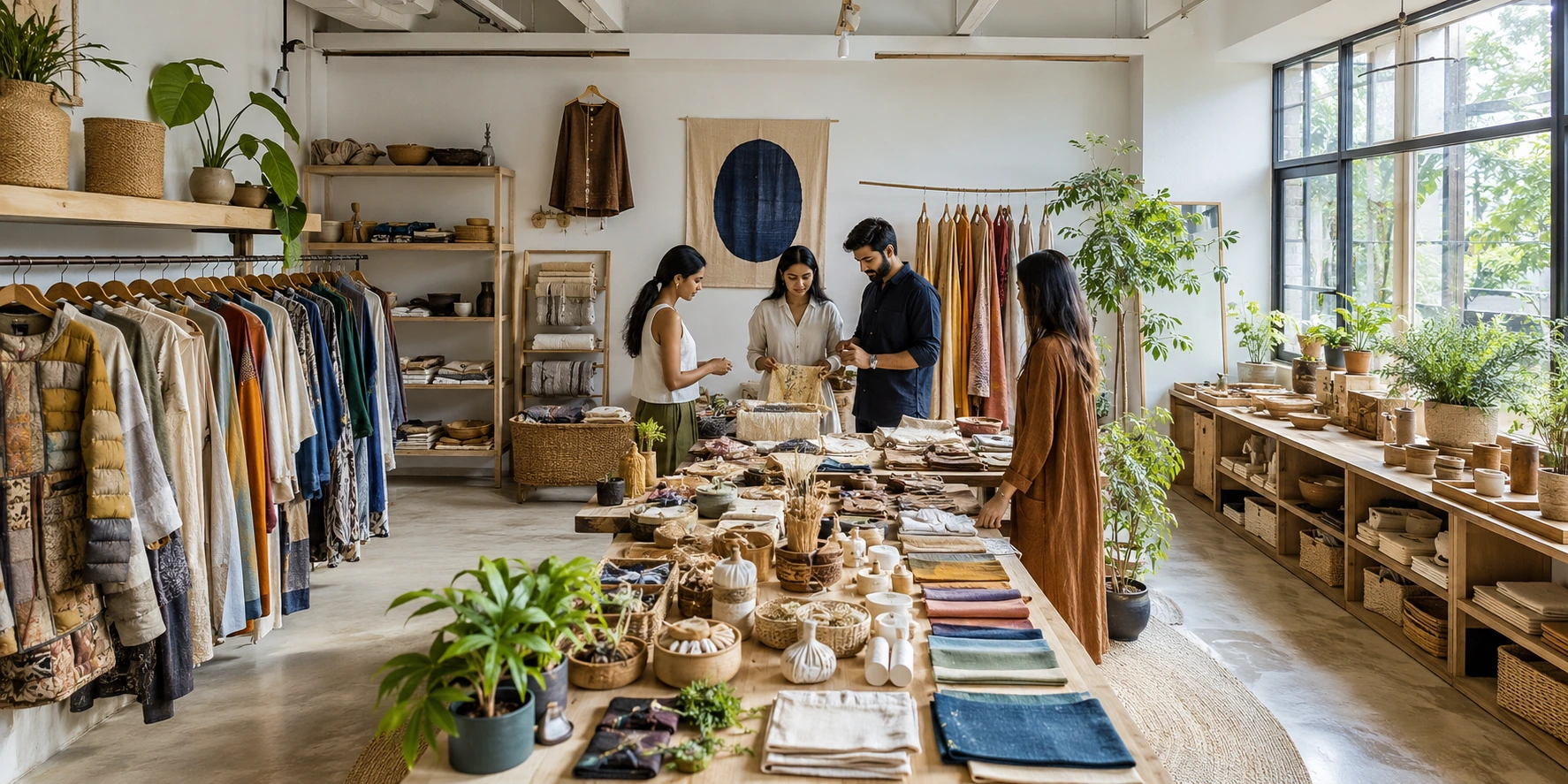
Sustainable fashion in India is no longer just a niche idea for a small group of conscious consumers. It has become one of the most important conversations in modern fashion, lifestyle, and retail. As shoppers become more aware of climate impact, textile waste, plastic pollution, worker welfare, and overconsumption, they are looking for brands that offer more than style. They want clothing and lifestyle products that are thoughtfully made, responsibly sourced, durable, ethical, and connected to a better way of living.
India has a unique role in this shift. The country has a deep textile heritage, skilled artisans, handloom traditions, natural fibres, craft clusters, and a long history of repair, reuse, and mindful consumption. At the same time, India is also part of the global fashion supply chain, where fast production, low-cost manufacturing, synthetic materials, and waste remain major challenges. This contrast has created space for a new generation of sustainable brands in India that are rethinking how products are designed, made, sold, worn, and reused.
The best sustainable brands in India are not all doing the same thing. Some focus on organic cotton and carbon-conscious clothing. Some use factory waste, recycled fabrics, or zero-waste cutting methods. Some work with rural artisans and handloom communities. Some innovate with hemp, recycled PET bottles, regenerative cotton, natural dyes, or textile waste management. Others build platforms that make eco-conscious shopping easier across categories.
This guide covers 10 sustainable brands in India that are helping shape the future of responsible fashion and lifestyle. The list is not only about popularity. It highlights different types of eco-friendly innovation, including organic clothing, upcycling, artisan-led production, hemp fashion, circular design, conscious lifestyle products, recycled materials, and regenerative agriculture.
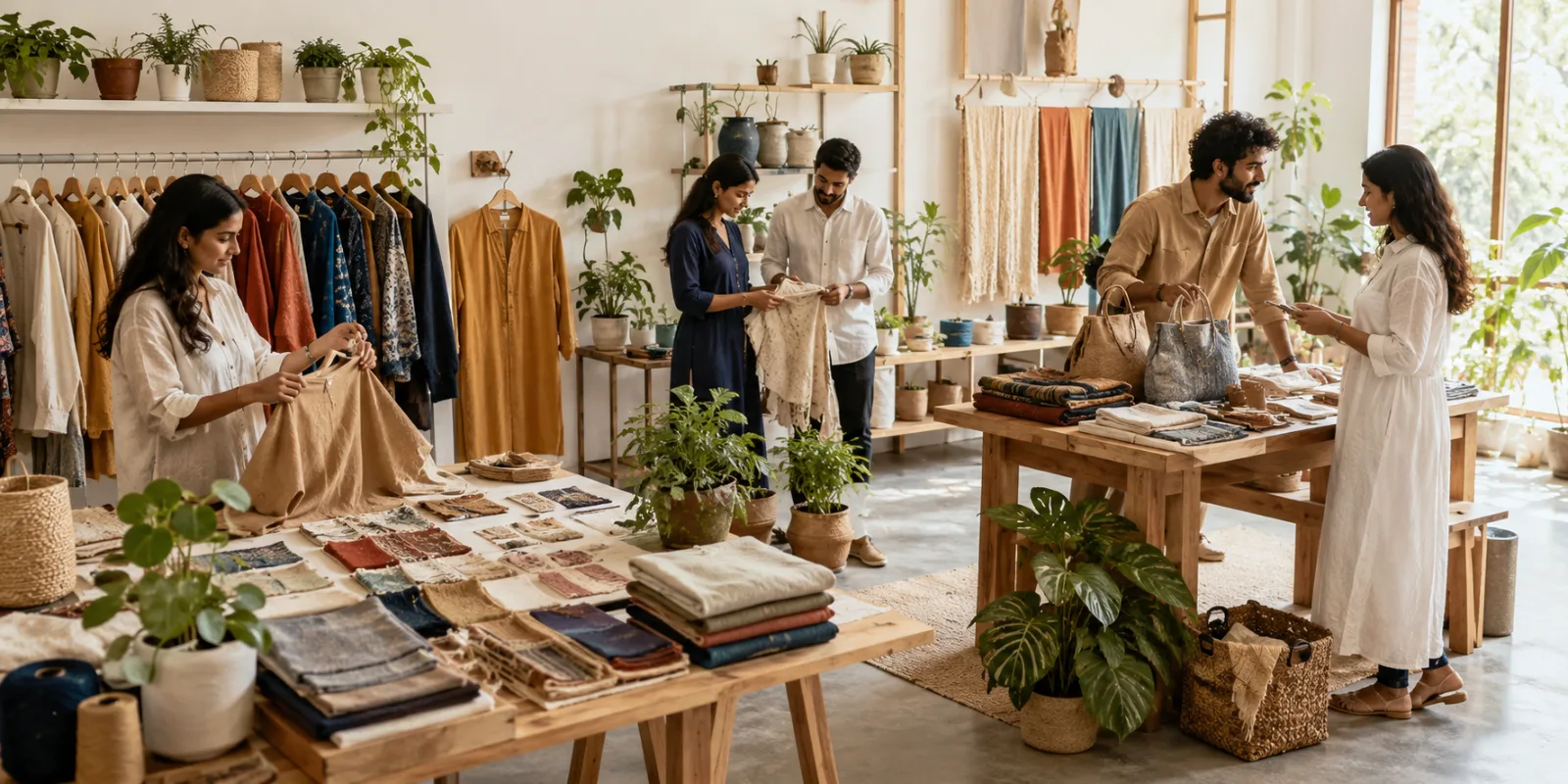
Why Sustainable Brands Matter in India
Sustainable brands matter because fashion and lifestyle products have a real environmental and social footprint. Every product requires materials, labour, water, energy, packaging, transport, and disposal. When brands produce too much, use poor-quality materials, ignore worker conditions, or create products that are quickly discarded, the cost is not only paid by the buyer. It is also paid by workers, communities, and the environment.
India’s sustainable brand movement is important because it brings together old wisdom and new innovation. Traditional Indian clothing culture already includes many sustainable habits, such as handloom weaving, natural fibres, fabric reuse, tailoring, mending, passing garments between generations, and buying fewer but more meaningful pieces. Modern sustainable brands are taking these values and adapting them for today’s customer.
For example, a brand may use organic cotton to reduce chemical dependency. Another may turn factory waste into new garments. Another may work with artisans so traditional skills remain economically useful. Another may use recycled plastic bottles to make apparel. Another may build a transparent seed-to-sew supply chain that connects farmers, weavers, dyers, tailors, and customers.
Sustainable brands also matter because they challenge the idea that responsible products must be boring or old-fashioned. Many Indian eco-friendly brands now create stylish dresses, shirts, sarees, co-ord sets, jackets, activewear, home products, accessories, and everyday basics that feel modern, comfortable, and aspirational.
For consumers, supporting sustainable brands is not about being perfect. It is about making better choices when possible. Buying less, choosing better quality, caring for clothes properly, supporting ethical makers, and avoiding unnecessary waste can all make a difference.
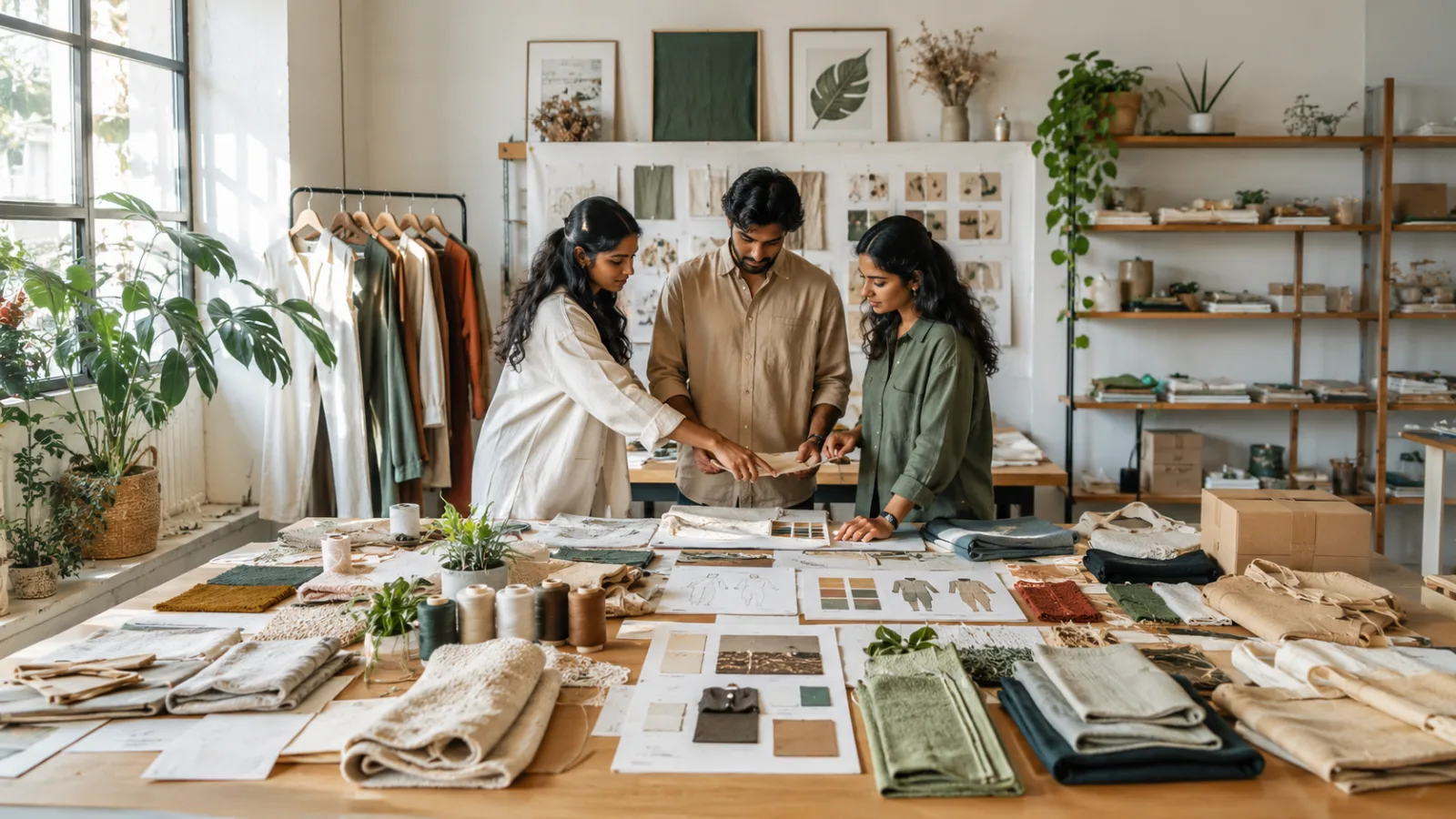
What Makes a Brand Truly Sustainable?
A sustainable brand is not defined by one green claim or one eco-friendly product. True sustainability is broader. It includes materials, production methods, labour practices, waste management, durability, packaging, transparency, and the product’s full lifecycle.
A brand using organic cotton may be more responsible than a brand using conventional cotton, but sustainability also depends on dyeing, stitching, transport, packaging, and whether the garment is made to last. A brand using recycled polyester may reduce plastic waste, but customers should still consider durability, washing care, and end-of-life options. A handmade product may support artisans, but the brand should also be fair in pricing, timelines, and worker relationships.
Here are some signals that a sustainable brand is more credible:
- It clearly explains its materials.
- It shares how products are made.
- It avoids vague greenwashing language.
- It supports fair wages or artisan livelihoods.
- It focuses on durability instead of trend-only consumption.
- It uses upcycling, recycling, natural fibres, organic fibres, or low-impact processes.
- It has a responsible approach to packaging.
- It encourages mindful buying instead of constant overconsumption.
It is also important to understand that sustainability exists on a spectrum. No brand is perfect. Every product has some impact. The most trustworthy brands are usually transparent about what they are doing, what they are improving, and how they make decisions.

1. No Nasties: Best for Organic Cotton and Planet-Positive Clothing
No Nasties is one of the most recognized sustainable clothing brands in India. The brand positions itself around organic, vegan, and planet-conscious fashion. Its official website states that it makes clothing from 100 percent organic cotton and linen, and it also shares its tree-planting and carbon-negative footprint claims publicly.
What makes No Nasties stand out is its clear and easy-to-understand sustainability message. The brand focuses on everyday clothing that feels simple, wearable, and responsible. Instead of making sustainability feel complicated, it turns eco-conscious fashion into something accessible for regular wardrobes.
No Nasties offers clothing for women, men, and children, including shirts, dresses, tees, bottoms, sleepwear, and casual basics. The brand’s strongest appeal is for customers who want relaxed clothing made from natural fibres without loud branding or overly trend-driven styling.
Its organic cotton focus is especially relevant in India because cotton is such a central part of the country’s textile culture. Organic cotton can be a better option for customers who want to reduce exposure to harsh chemical-intensive production systems and support a more responsible approach to everyday fashion.
No Nasties is also useful for people who are just starting their sustainable fashion journey. The styles are easy to wear, the product categories are familiar, and the sustainability message is clear. For shoppers who want comfortable everyday clothing with a lower-impact mindset, No Nasties is one of the best starting points.
Best for: Organic cotton basics, casualwear, vegan clothing, everyday dresses, shirts, tees, and family-friendly sustainable fashion.
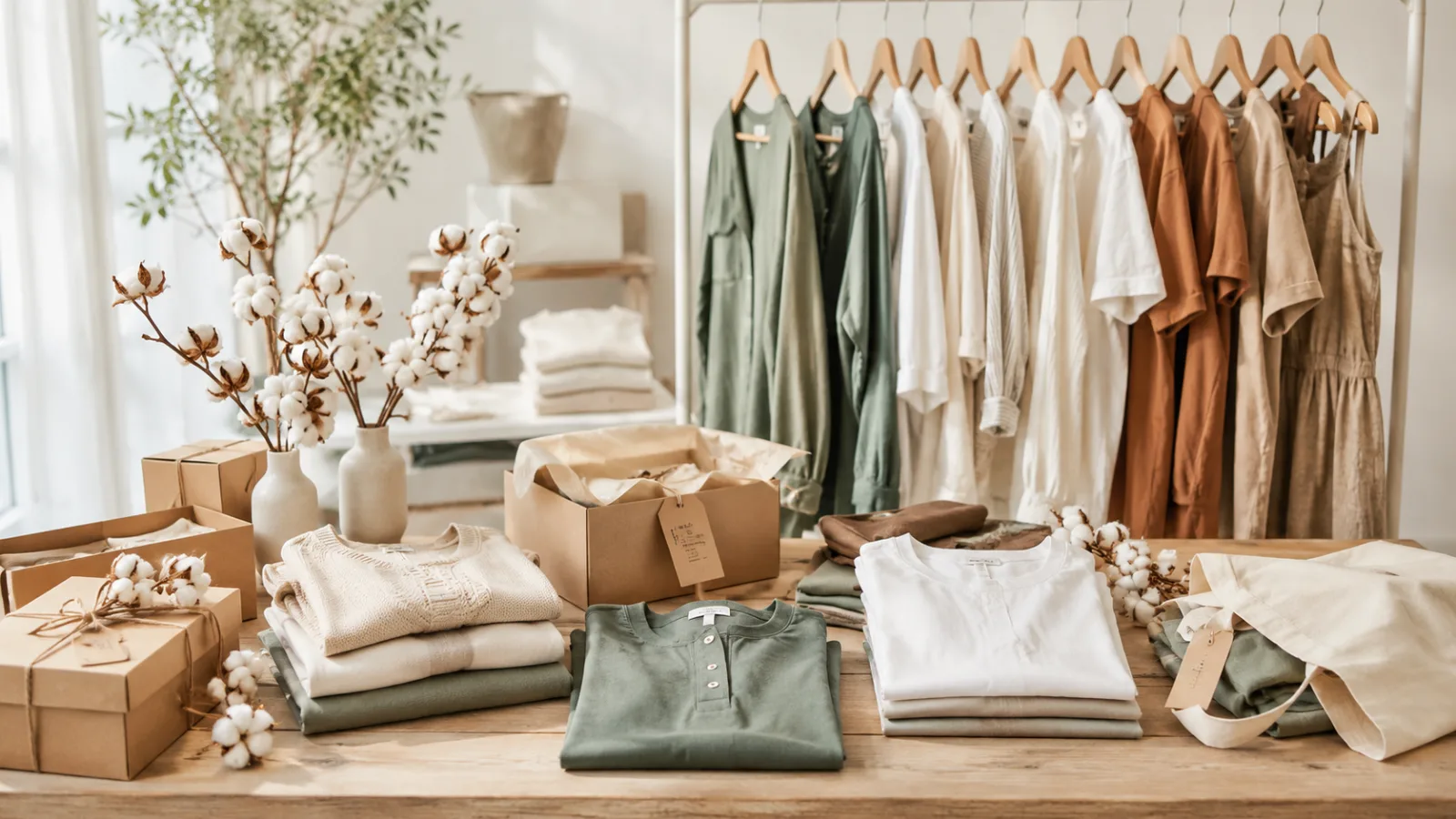
2. Doodlage: Best for Upcycled and Zero-Waste Fashion
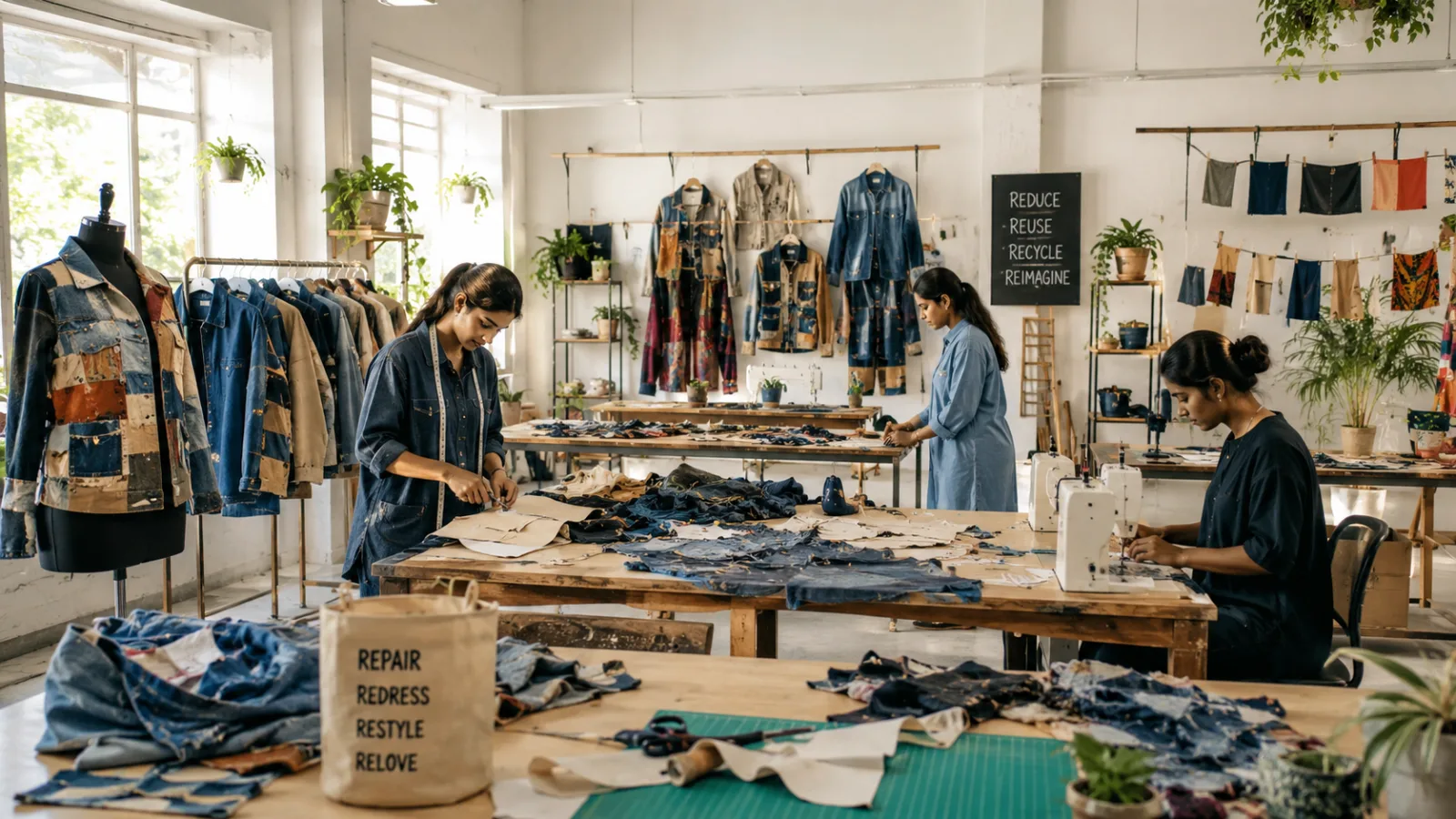
Doodlage is one of India’s strongest names in upcycled fashion. Its official website describes the brand as an eco-fashion label creating upcycled, recycled, zero-waste, seasonless styles, with made-to-order pieces and fair-wage production. It also says the brand works with factory waste, recycled fabrics, and organic materials.
Doodlage is important because it tackles one of fashion’s biggest problems: waste. The fashion industry produces large amounts of leftover fabric, cutting waste, unsold inventory, and rejected material. Instead of treating these as useless leftovers, Doodlage turns waste into new clothing and accessories. This approach gives the brand a distinctive design language. Upcycled fashion often has unique textures, patchwork details, unexpected fabric combinations, and limited availability. That means Doodlage pieces can feel more individual than standard mass-produced clothing.
The brand is also a good example of how sustainability can be creative. Many people imagine sustainable fashion as plain basics, but Doodlage proves that eco-friendly clothing can be bold, modern, and design-forward. Its pieces often appeal to customers who want clothing with personality and a story.
Doodlage is ideal for people who want to reduce their connection to new resource use while still wearing stylish fashion. It works especially well for customers who appreciate slow fashion, limited pieces, and creative reuse.
Best for: Upcycled clothing, recycled fabrics, zero-waste design, patchwork pieces, statement fashion, and seasonless wardrobes.
3. B Label: Best for Hemp-Based Sustainable Fashion
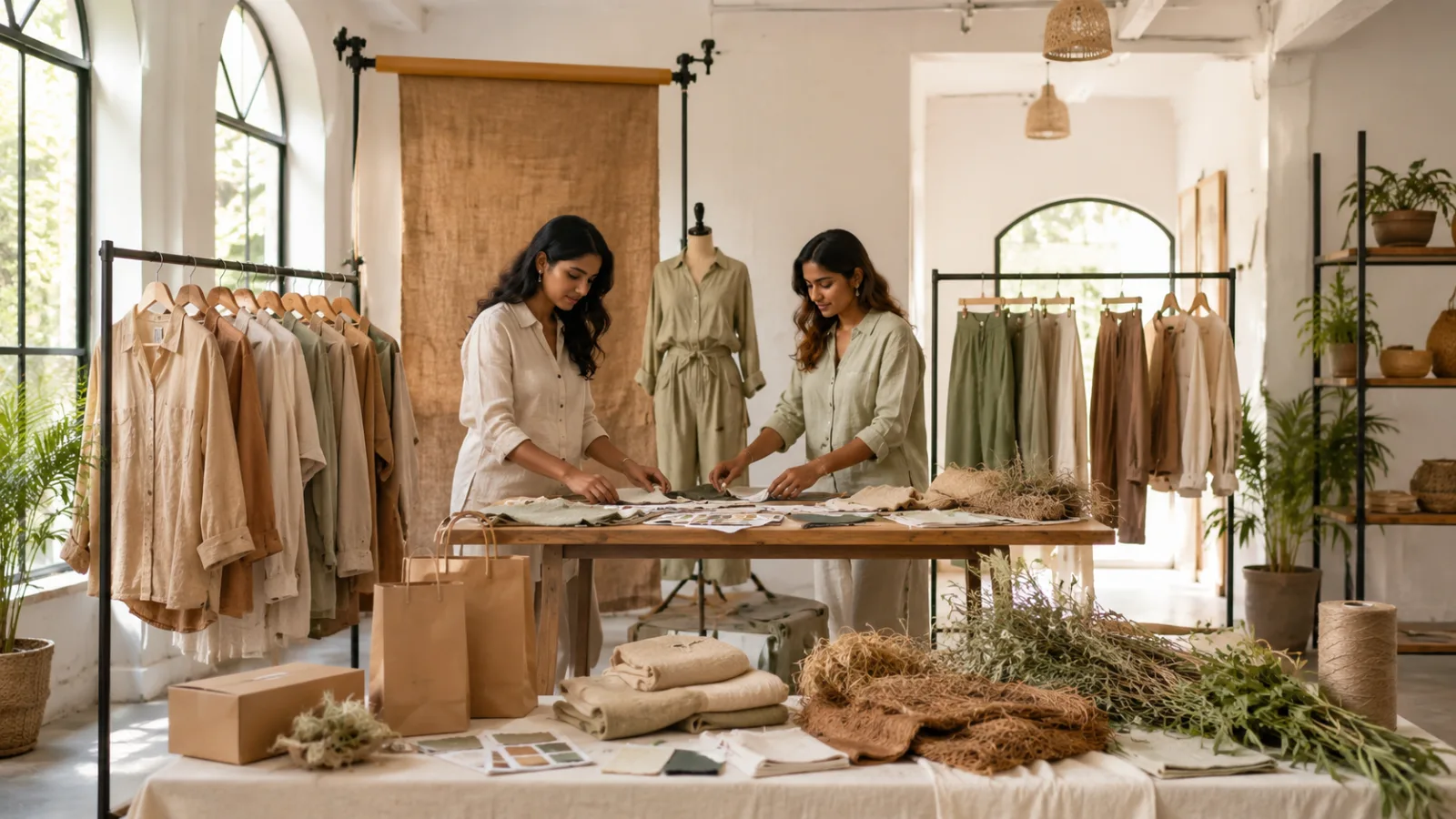
B Label is a hemp-based sustainable fashion and lifestyle brand in India. Its official website describes it as India’s first hemp-based fashion and lifestyle brand, offering eco-friendly hemp clothing with plant-based comfort and modern design.
Hemp is one of the most interesting fibres in sustainable fashion because it is strong, breathable, durable, and naturally suited to many clothing categories. For Indian weather, hemp can be especially practical because it can feel breathable and comfortable while offering a more structured look than many lightweight fabrics.
B Label’s strength lies in making hemp feel modern. Instead of positioning hemp only as a rustic or alternative material, the brand uses it for shirts, trousers, dresses, co-ords, jackets, and lifestyle products that fit contemporary wardrobes. The brand is a strong choice for people who want sustainable clothing that does not feel overly delicate. Hemp garments can work well for everyday wear, office casual outfits, travel, warm-weather dressing, and minimalist wardrobes.
B Label is also valuable because it expands the idea of sustainable materials in India. Organic cotton is well known, but hemp gives consumers another option. It supports a conversation around plant-based fibres, durability, and fabric innovation.
Best for: Hemp shirts, sustainable co-ords, plant-based clothing, breathable everyday wear, minimalist fashion, and eco-friendly lifestyle products.
4. Okhai: Best for Artisan-Led Sustainable Clothing
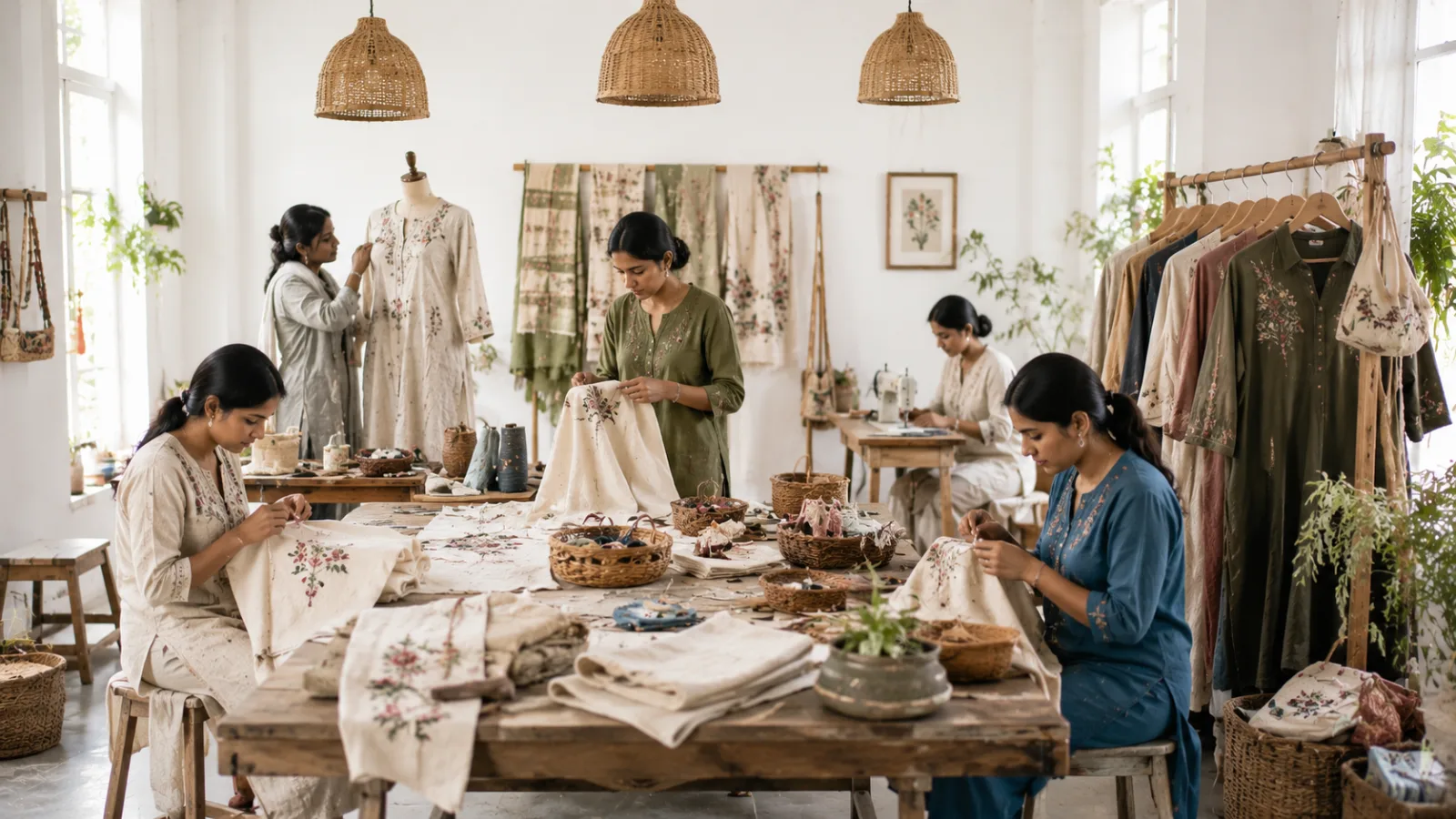
Okhai is a handcrafted sustainable clothing and lifestyle brand that works with rural artisans across India. Its official site describes Okhai as offering handcrafted sustainable apparel and lifestyle products created by rural artisans from across India.
Okhai is important because sustainability is not only about materials. It is also about people. A product can be made from a natural fabric, but if the maker is underpaid or invisible, the system is still incomplete. Okhai’s strength is its focus on artisan livelihoods, handmade techniques, and craft-led design.
The brand offers dresses, kurtas, tops, sarees, accessories, home products, and lifestyle pieces that often carry embroidery, handwork, traditional craft, and regional design influence. It is ideal for customers who want clothing that feels connected to Indian craft heritage while still being wearable for modern life.
Okhai also gives customers an alternative to anonymous mass production. When a product is handcrafted, it carries time, skill, and human touch. This makes the buying experience more meaningful.
For parents, professionals, travellers, and conscious buyers, Okhai can be a strong choice for clothing that feels comfortable, elegant, and socially responsible. It also works well for those who want slow fashion pieces that are not overly trend-dependent.
Best for: Artisan-made clothing, handcrafted dresses, kurtas, embroidered pieces, accessories, lifestyle products, and craft-conscious fashion.
5. Ka-Sha: Best for Circular Design and Upcycled Accessories
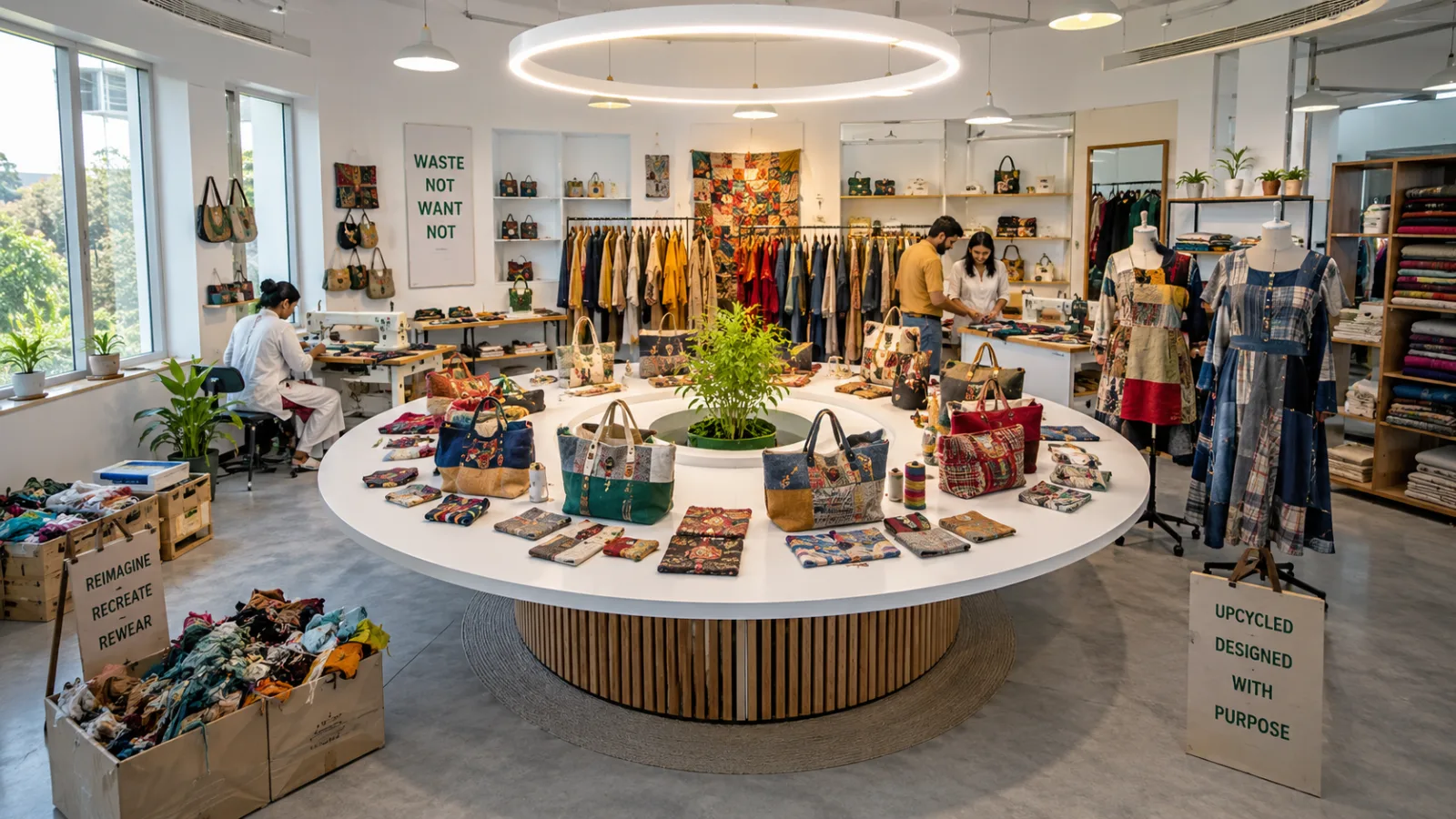
Ka-Sha is a design-led Indian fashion brand known for its thoughtful use of craft, colour, and circularity. Its official website highlights Heart to Haat, an initiative focused on upcycled clothing and accessories. The Heart to Haat page states that the products are made using production waste and innovative design techniques to create functional items such as bags, accessories, and clothing.
Ka-Sha is important because it approaches sustainability through design thinking. Rather than treating waste as a problem to hide, it turns leftovers into a creative resource. This makes the brand especially relevant in an industry where production scraps and textile waste are common.
The brand’s aesthetic is often expressive, colourful, and rooted in Indian textile culture. It is not minimal in the plain sense. It uses colour, form, and craft to create pieces that feel joyful and thoughtful. Heart to Haat also makes Ka-Sha stand out because it gives sustainability a practical system. Production waste is collected, reimagined, and converted into usable products. This kind of circular approach is necessary if fashion wants to move away from a use-and-discard model.
Ka-Sha is a strong choice for customers who want sustainable fashion with personality, craft, and design depth. It is especially useful for those who appreciate accessories, statement pieces, and clothing that feels rooted in Indian creativity.
Best for: Upcycled accessories, circular fashion, craft-led clothing, colourful design, textile waste innovation, and statement slow fashion.
6. Suta: Best for Conscious Sarees and Handloom-Inspired Fashion
Suta is one of India’s most loved modern saree and textile-led fashion brands. While Suta is known for sarees, blouses, dresses, menswear, and lifestyle pieces, its sustainability relevance comes from its focus on Indian textiles, artisan connection, natural-feeling fabrics, and craft-led production. A feature on Suta’s eco-conscious practices notes its use of Khesh weaving, a sustainable West Bengal technique where old sarees are torn into strips and woven into new sarees.
Suta’s appeal is emotional as much as practical. It has helped make sarees feel lighter, softer, younger, and more wearable for modern customers. The brand speaks to people who want Indian clothing that feels comfortable and rooted, but not overly formal.
From a sustainability perspective, Suta represents the importance of textile culture. Sustainable fashion in India does not have to only look like Western basics. It can include sarees, handwoven textiles, regional crafts, soft cottons, and slow-made pieces that stay in wardrobes for years.
Suta is a strong choice for customers who want sarees that feel personal and wearable. It is also useful for people who want to move away from heavily synthetic occasionwear and toward more breathable, craft-connected clothing. The brand is especially relevant for conscious shoppers who want Indian clothing that supports tradition while still feeling contemporary.
Best for: Sarees, soft textiles, handloom-inspired fashion, conscious ethnicwear, comfortable Indian clothing, and timeless wardrobe pieces.
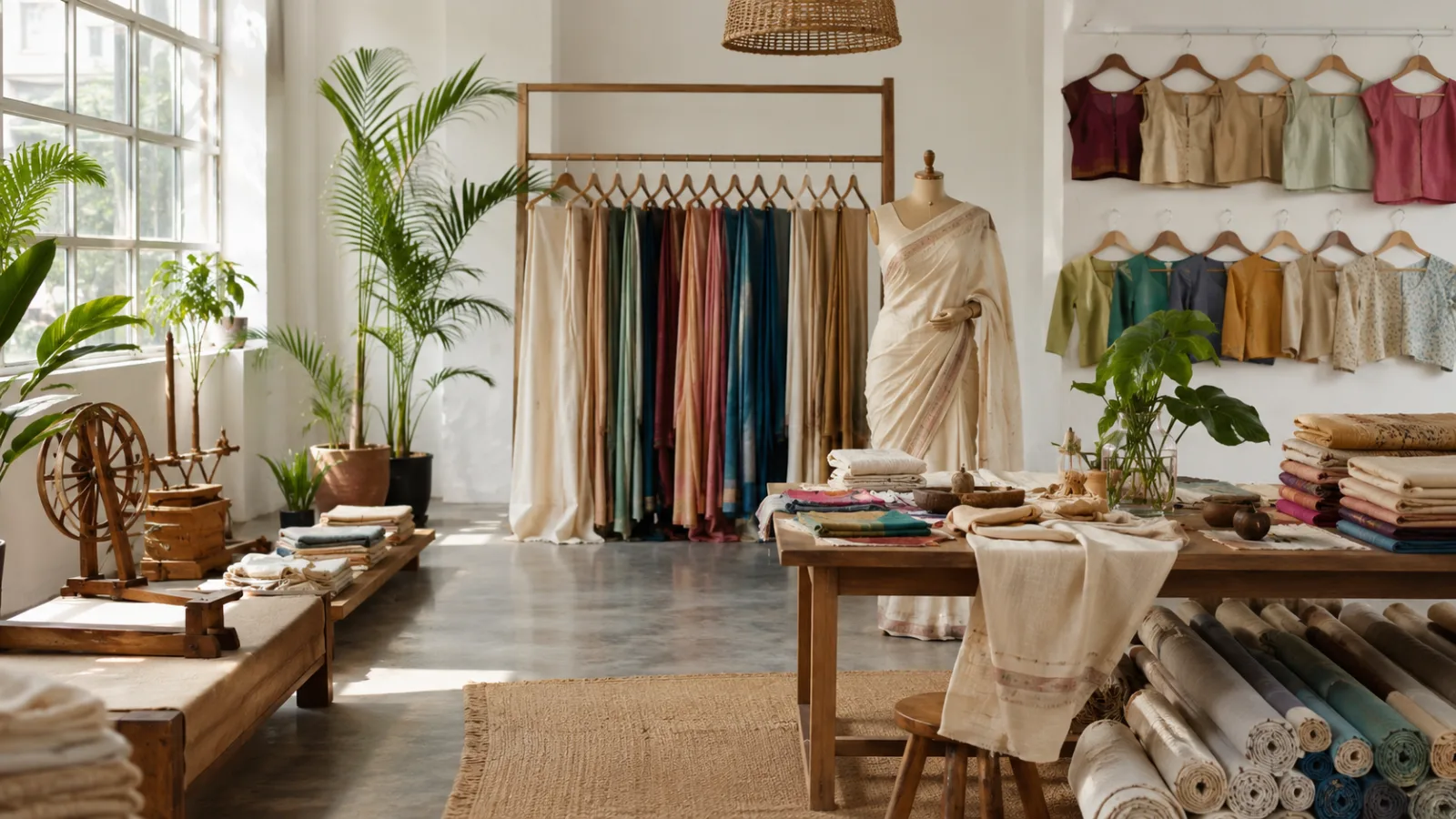
7. OSHADI: Best for Regenerative Fashion and Seed-to-Sew Thinking
OSHADI is one of the most advanced examples of regenerative fashion connected to India. Its official site says the brand restores soil health and biodiversity alongside cotton crops, prioritises zero-waste, uses fabric rolls and scraps, invests in local artisans, pays workers fairly, and makes timeless clothes designed to last.
A 2025 document on the Oshadi Collective describes it as a cooperative in Tamil Nadu made up of cotton farmers, traditional weavers, natural dyers, block printers, and tailors, creating a circular and regenerative seed-to-sew supply chain rooted in Indian agricultural practices and artisan heritage.
OSHADI is important because it goes deeper than many typical sustainable fashion claims. It is not only about using a better fabric at the final stage. It looks at the full journey from soil to fibre to fabric to garment. This is what makes regenerative fashion different. It asks whether fashion can actively restore ecosystems and support communities instead of only reducing harm.
The brand is ideal for consumers who care about traceability, farming systems, natural dyes, artisan skills, and long-term ecological thinking. It also appeals to people who want clothing with a quiet, earthy, and deeply considered design language.
OSHADI shows that India can be a global leader in sustainable fashion innovation, not only because of low-cost manufacturing, but because of agriculture, craft, and community-based knowledge.
Best for: Regenerative cotton, seed-to-sew fashion, natural dyes, artisan-made garments, traceable textiles, and deeply sustainable design.
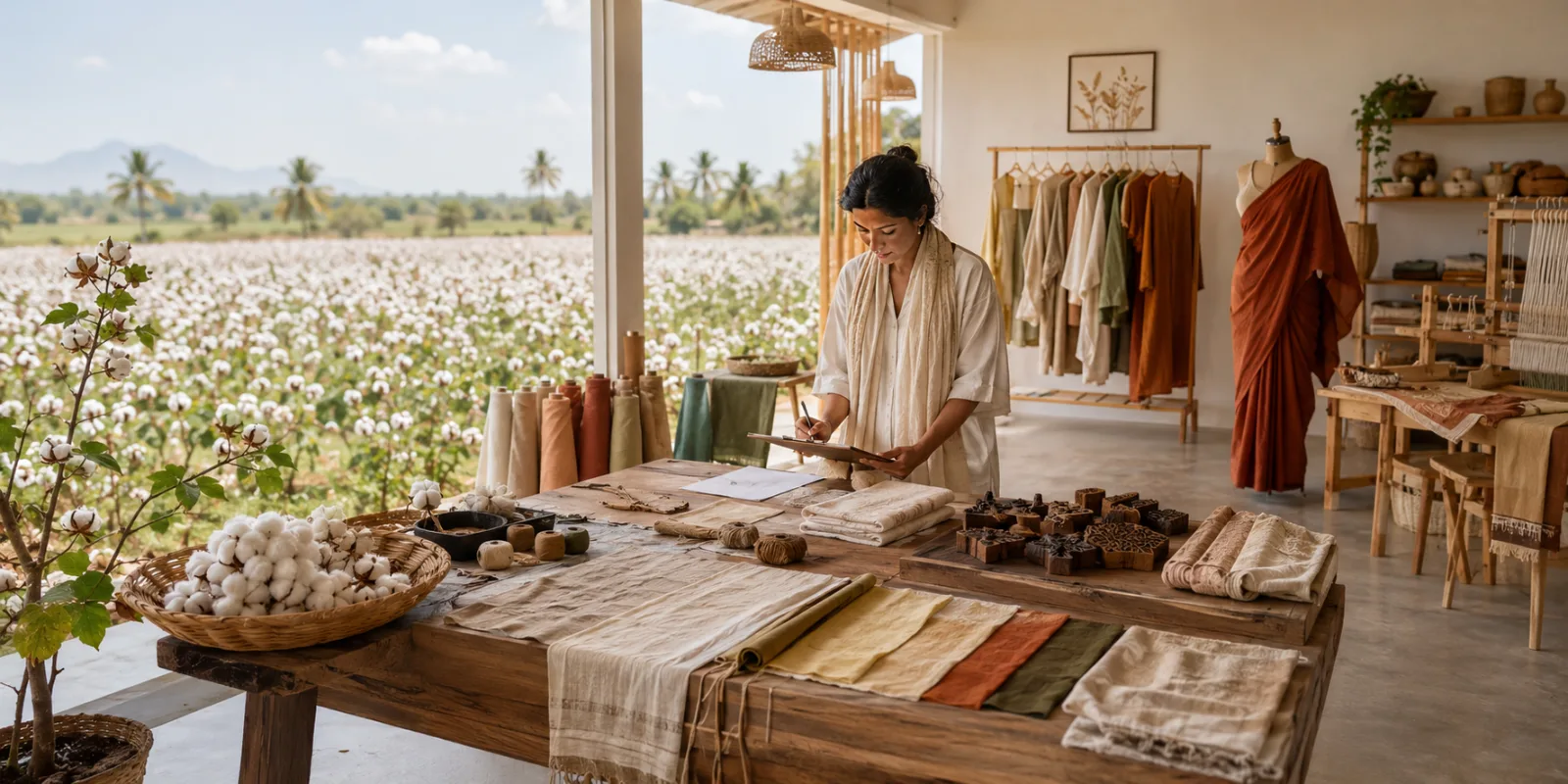
8. Ecoline Clothing: Best for Recycled PET Innovation
Ecoline Clothing is a sustainable fashion brand focused on recycled materials. Its official website states that its clothing is crafted from recycled PET bottles and natural fibres, and it highlights responsible sourcing, recycled content verification, and textile safety certifications.
Ecoline is important because plastic waste is a major environmental challenge, and recycled PET gives discarded plastic another use. While recycled polyester is not a perfect solution to fashion’s environmental problems, it can help reduce dependence on virgin polyester and bring attention to material circularity.
The brand is especially relevant for customers interested in activewear, casualwear, corporate apparel, and practical clothing made with recycled inputs. It shows that sustainability can be applied not only to handmade or luxury products, but also to scalable everyday fashion.
Ecoline also helps challenge the idea that eco-friendly fashion must be expensive, fragile, or limited to niche wardrobes. Recycled PET-based textiles can be used in products designed for daily wear and broader markets. For brands and companies looking at uniforms, promotional apparel, or responsible corporate gifting, Ecoline’s approach is especially interesting because it connects sustainability with functional product categories.
Best for: Recycled PET clothing, casualwear, activewear, responsible corporate apparel, scalable sustainable fashion, and recycled material innovation.
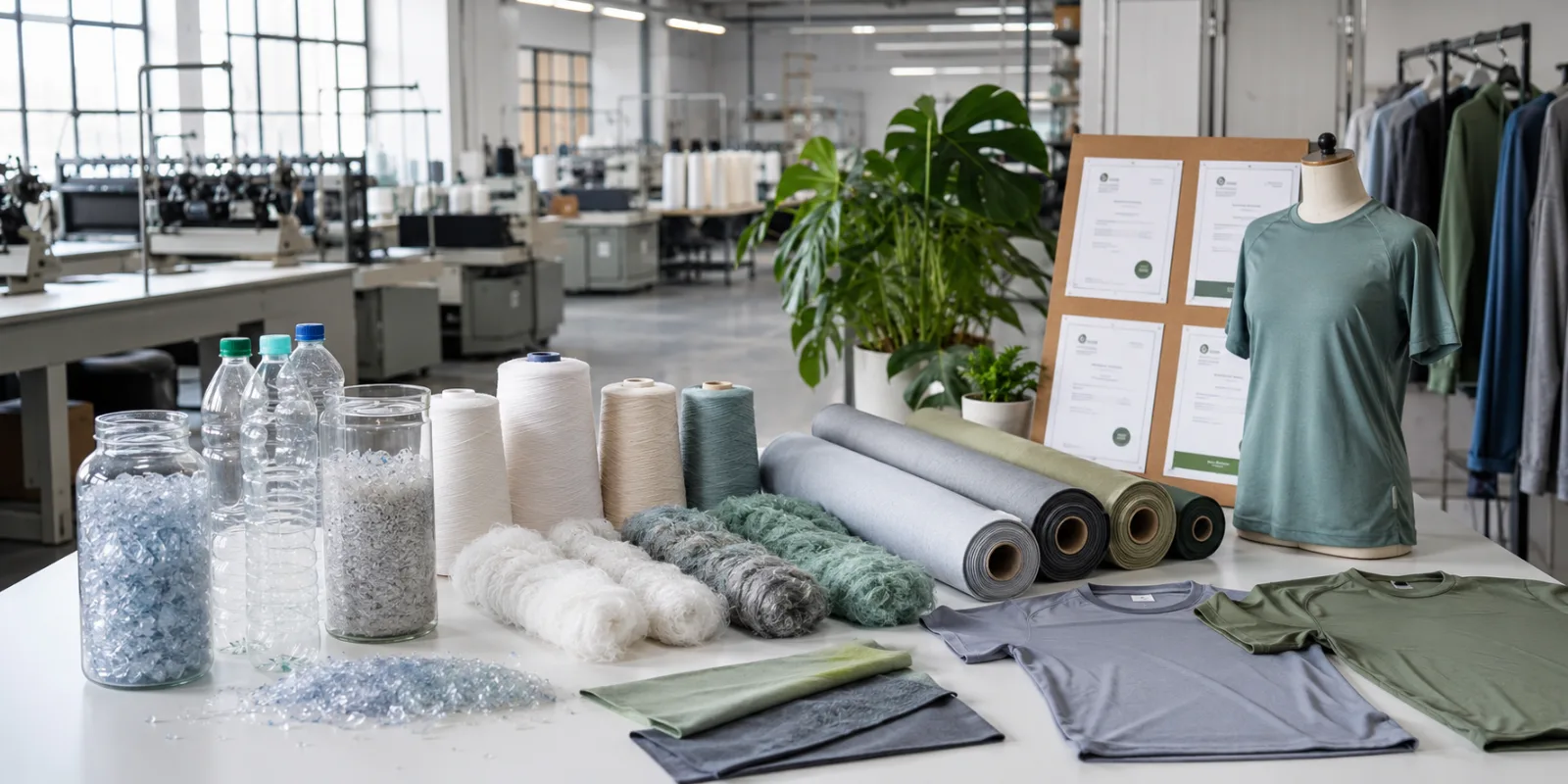
9. Nicobar: Best for Mindful Modern Indian Lifestyle
Nicobar is a modern Indian lifestyle brand offering clothing, jewellery, homeware, and gifting. Its official website describes the brand as creating a modern Indian way of living, dressing, and looking at the world through clothing, jewellery, and homeware.
Nicobar’s sustainability positioning is connected to mindful design, responsible material choices, and considered living. Its Conscious Choice page notes examples such as recycled wool, denim made using minimal water and energy, and responsibly made home products.
Nicobar is important because sustainability is not only about what you wear. It is also about how you live, decorate, gift, travel, and consume. The brand’s product world includes relaxed clothing, travel-inspired pieces, accessories, dinnerware, home textiles, and lifestyle goods.
Its aesthetic is softer and more refined than many eco-fashion brands. Nicobar appeals to customers who want sustainability to feel elegant, modern, and easy to integrate into daily life. It does not rely only on strong activist messaging. Instead, it presents mindful living as a tasteful, practical choice. For consumers building a conscious lifestyle gradually, Nicobar can be useful because it covers more than apparel. It helps people think about quality, longevity, and intention across wardrobe and home.
Best for: Mindful lifestyle products, modern Indian clothing, responsible homeware, travel-inspired fashion, gifting, and premium everyday living.
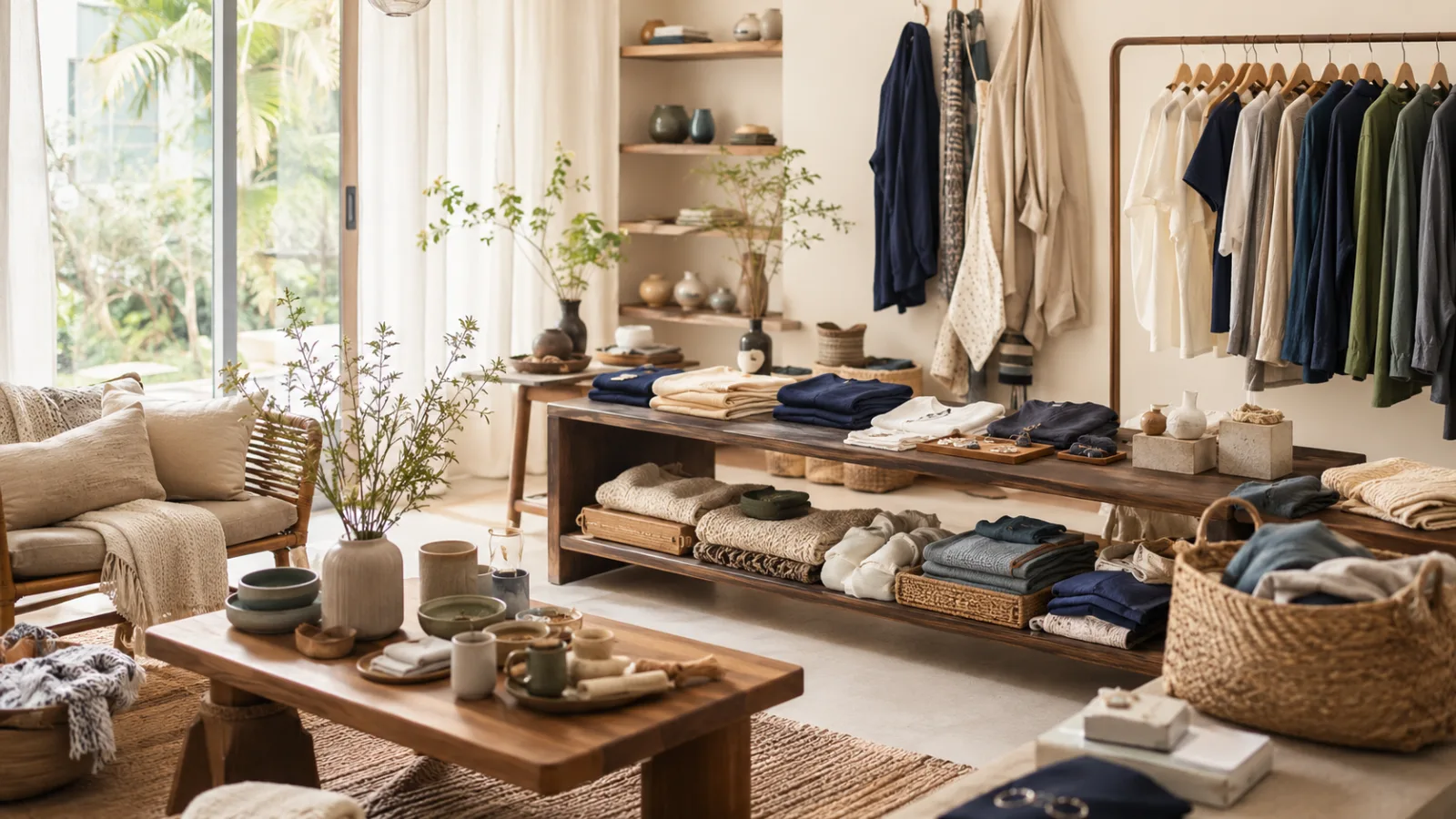
10. Brown Living: Best for Conscious Lifestyle Marketplace
Brown Living is a sustainable marketplace rather than a single clothing label, but it deserves a place in this guide because it makes eco-conscious shopping easier across categories. Its official website describes Brown Living as India’s trusted marketplace for sustainable, eco-friendly, non-toxic, and ethical products, bringing together verified conscious brands across home, lifestyle, personal care, gifting, and everyday essentials.
Brown Living is important because one of the biggest problems in sustainable shopping is discovery. Many eco-friendly brands are small, independent, or category-specific. A marketplace helps consumers find multiple conscious options in one place.
The platform is useful for people who want to reduce plastic, choose non-toxic home products, buy eco-friendly gifts, switch to responsible personal care, or discover sustainable fashion and lifestyle brands. Instead of researching every brand separately, shoppers can start from a curated marketplace.
Brown Living also reflects a wider shift in India’s sustainable economy. Sustainability is not only about clothing anymore. It includes cleaning products, home decor, kitchen items, wellness, personal care, children’s products, stationery, gifting, and daily essentials.
For customers who want to live more consciously but feel overwhelmed, Brown Living can act as a practical starting point.
Best for: Sustainable lifestyle discovery, eco-friendly home goods, conscious gifting, non-toxic products, personal care, and multi-brand responsible shopping.

Quick Comparison of the Top Sustainable Brands in India
- If you want everyday organic cotton clothing, No Nasties is one of the strongest choices. It is simple, clear, and easy to wear.
- If you want creative upcycled fashion, Doodlage is a standout. It turns waste into modern clothing with character.
- If you want hemp-based fashion, B Label is one of India’s most important names. It brings plant-based textiles into modern wardrobes.
- If you want artisan-made clothing, Okhai is a strong option. It connects rural craft communities with contemporary customers.
- If you want circular design and upcycled accessories, Ka-Sha is a thoughtful choice. Its Heart to Haat initiative shows how production waste can become new products.
- If you want conscious Indian textiles and sarees, Suta is a good fit. It makes traditional clothing feel soft, emotional, and wearable.
- If you want regenerative fashion, OSHADI is one of the most advanced examples. It connects farming, craft, natural dyes, and garment-making.
- If you want recycled PET clothing, Ecoline Clothing is worth exploring. It shows how waste plastic can be converted into wearable products.
- If you want a mindful modern lifestyle brand, Nicobar offers clothing, homeware, gifting, and responsible design.
- If you want a curated place to discover eco-friendly products across categories, Brown Living is one of the most useful platforms.
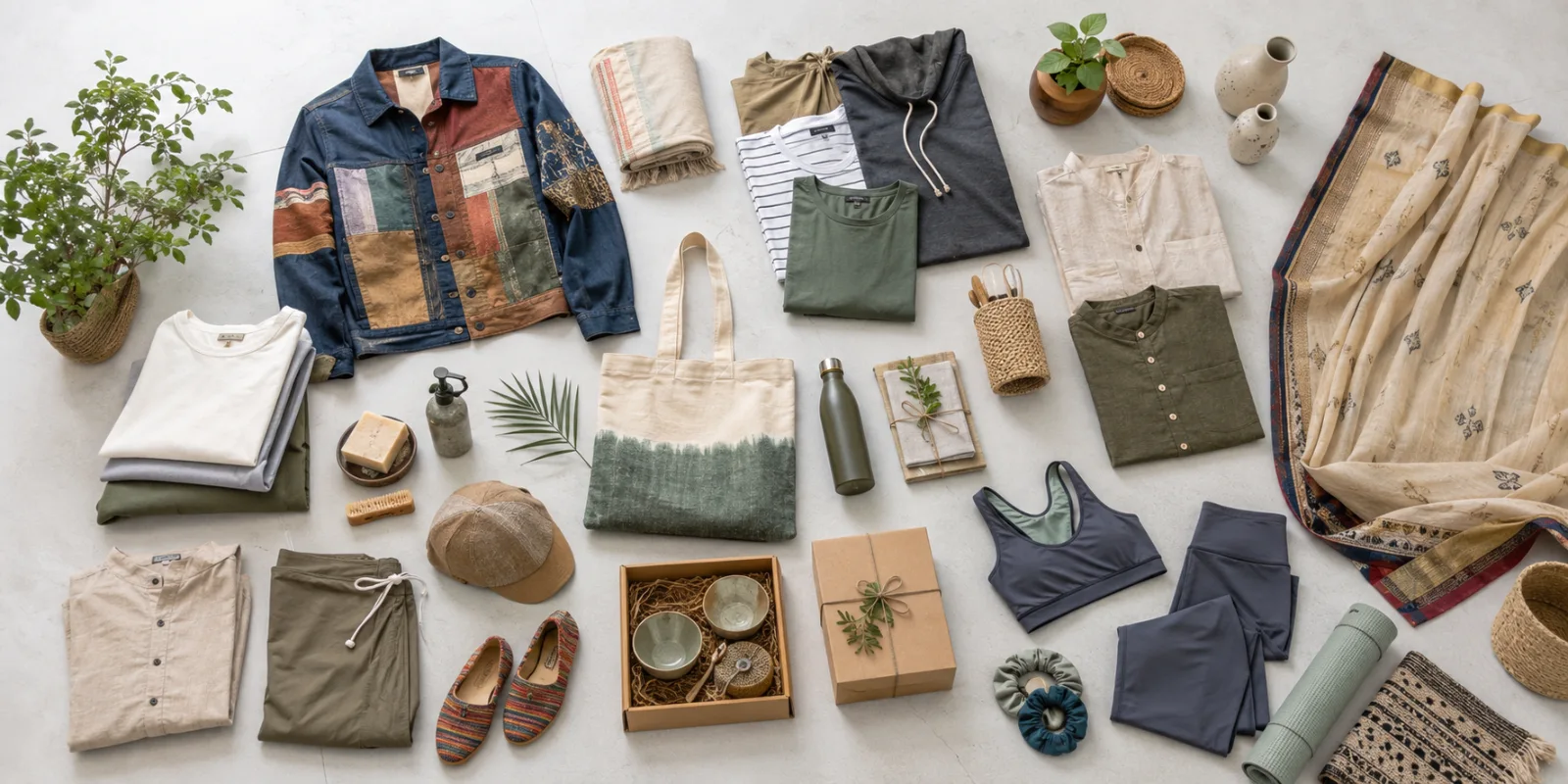
How to Choose the Right Sustainable Brand in India
Choosing the right sustainable brand depends on your lifestyle, budget, values, and wardrobe needs. Sustainability is not one fixed category. Different brands solve different problems.
- If your main concern is natural fibres, look for organic cotton, linen, hemp, or handwoven textiles. No Nasties, B Label, Suta, Okhai, and OSHADI are strong examples in this area.
- If your main concern is waste reduction, choose brands that use upcycling, recycled fabrics, production scraps, or circular design. Doodlage and Ka-Sha are especially relevant.
- If you care about artisan livelihoods, look for brands that work closely with craft communities, weavers, embroiderers, dyers, and rural producers. Okhai, Suta, Ka-Sha, and OSHADI are strong options.
- If you want practical everyday products, choose brands that fit your real routine. A sustainable product only works if you actually use it often. Basics, shirts, trousers, sarees, bags, activewear, and home products should suit your climate, lifestyle, and care habits.
- If you are on a budget, start small. You do not need to replace your full wardrobe at once. Buy one good shirt, one durable dress, one responsibly made saree, one recycled activewear piece, or one eco-friendly home product. Sustainable shopping is most powerful when it reduces unnecessary consumption.
Also check transparency. A brand should explain what makes its product sustainable. If it only says “green” or “eco” without details, be careful. Look for material information, production details, artisan stories, certifications where relevant, and realistic claims.
Sustainable Fashion Terms Every Shopper Should Know
Understanding a few key terms can help you shop more confidently.
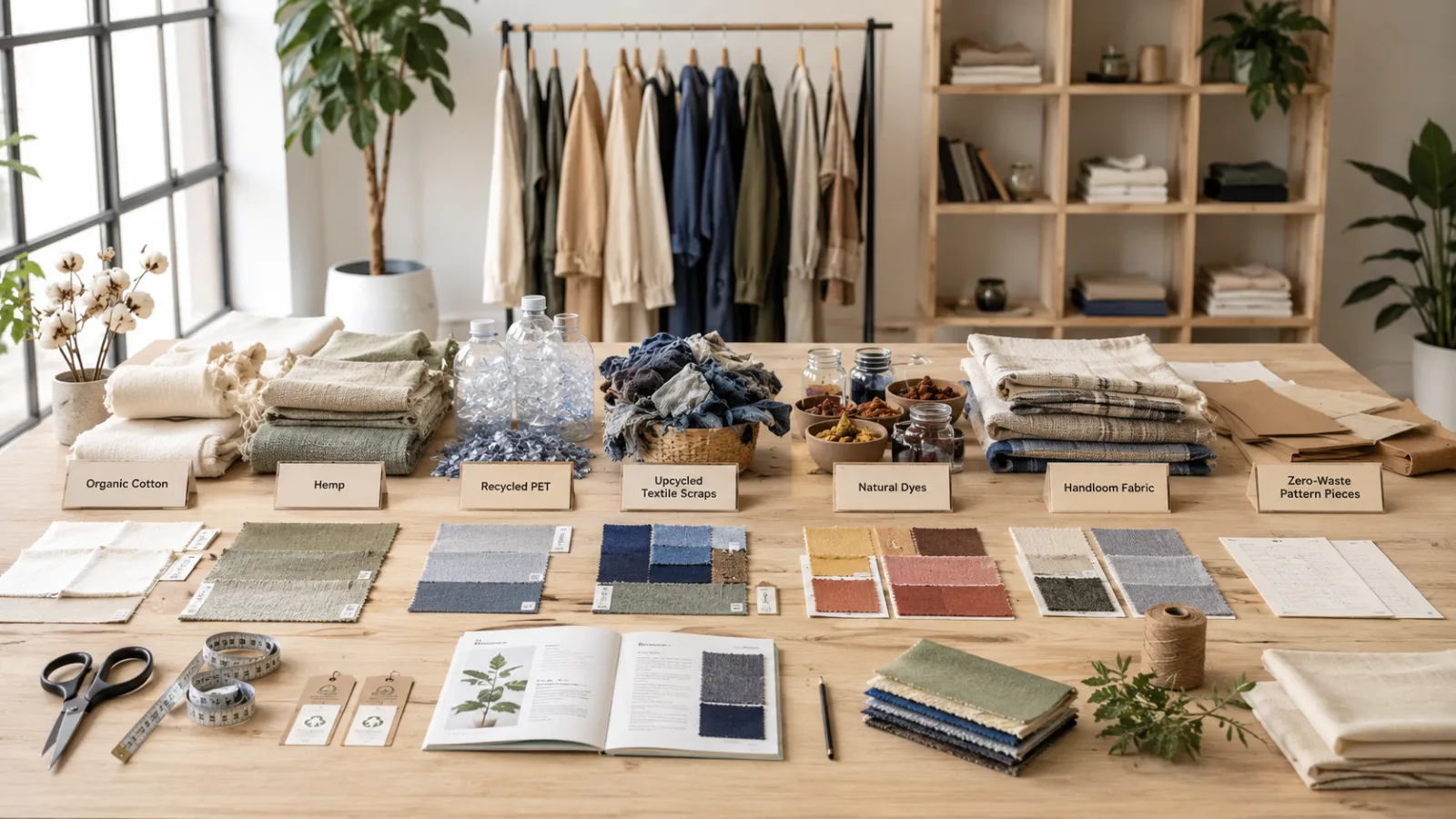
- Organic cotton usually refers to cotton grown without certain synthetic pesticides and fertilizers. It is popular in sustainable fashion because cotton is widely used and material choices matter.
- Hemp is a strong plant-based fibre known for durability and breathability. It is used in shirts, trousers, jackets, dresses, and lifestyle products.
- Upcycling means turning waste, old textiles, production scraps, or discarded garments into new products of higher or equal value. Doodlage and Ka-Sha are good examples of brands using upcycling creatively.
- Recycled fabric can be made from textile waste, plastic bottles, or other recovered materials. Ecoline Clothing’s recycled PET focus is one example.
- Zero-waste design means designing patterns and production systems to reduce leftover material. It can include smarter cutting, patchwork, fabric reuse, and made-to-order systems.
- Slow fashion means clothing made with more attention to quality, ethics, durability, and long-term use instead of constant trend-based consumption.
- Regenerative fashion goes beyond reducing harm. It aims to restore soil, biodiversity, and community systems, often starting from farming and natural resource management. OSHADI is one of the clearest Indian examples.
- Ethical fashion focuses on people, including fair wages, safe working conditions, artisan livelihoods, responsible supplier relationships, and transparency.
- Circular fashion is about keeping materials in use for longer through repair, reuse, resale, upcycling, recycling, and thoughtful design.
These terms are useful, but they should not be treated as automatic proof. Always look at how a brand applies them in practice.
Common Greenwashing Mistakes to Watch Out For
As sustainability becomes popular, greenwashing becomes more common. Greenwashing happens when a brand makes itself look more environmentally responsible than it really is.
One common sign is vague language. Words like “eco,” “natural,” “green,” and “conscious” are not enough unless the brand explains what they mean. A product should clearly say what material is used, how it is made, and why it is better.
Another warning sign is one sustainable product being used to cover up a large unsustainable system. A brand may launch a small eco collection while still producing huge volumes of low-quality fast fashion. That does not make the entire brand sustainable.
Be careful with unrealistic claims. No product has zero impact. Even organic, recycled, or handmade products require resources. Honest brands usually explain their efforts without pretending to be perfect.
Lack of transparency is another issue. If a brand does not share anything about materials, factories, artisans, supply chains, packaging, or product care, its sustainability claim may be weak.
Also watch out for overconsumption disguised as sustainability. Buying too many “eco-friendly” products is still consumption. The most sustainable product is often the one you already own, repair, restyle, or use longer. A good, sustainable brand should help you buy better, not pressure you to buy constantly.
Why Indian Sustainable Brands Have Global Potential
Indian sustainable brands have global potential because India has strengths that many fashion markets are now trying to rebuild. These include textile heritage, handloom skills, natural fibres, embroidery, dyeing knowledge, craft clusters, repair culture, and community-based production.
For years, global fashion often treated India mainly as a manufacturing destination. But sustainable Indian brands are changing that story. They show that India can also lead in design, innovation, conscious materials, artisan collaboration, and regenerative thinking.
Brands like OSHADI show how farm-to-fabric systems can be built with soil health and community at the centre. Doodlage shows how waste can become desirable fashion. B Label shows how hemp can become a modern wardrobe material. Okhai shows how artisan livelihoods can connect with contemporary shopping. Ka-Sha shows how circular design can be colourful and creative.
Indian brands also understand climate-friendly dressing in a practical way. Breathable textiles, loose silhouettes, natural fibres, sarees, kurtas, handwoven fabrics, and seasonless dressing are all relevant for warmer climates around the world. The global sustainable fashion conversation is moving toward transparency, craft, material innovation, and circularity. These are areas where Indian brands can contribute meaningfully.
Tips for Building a More Sustainable Wardrobe
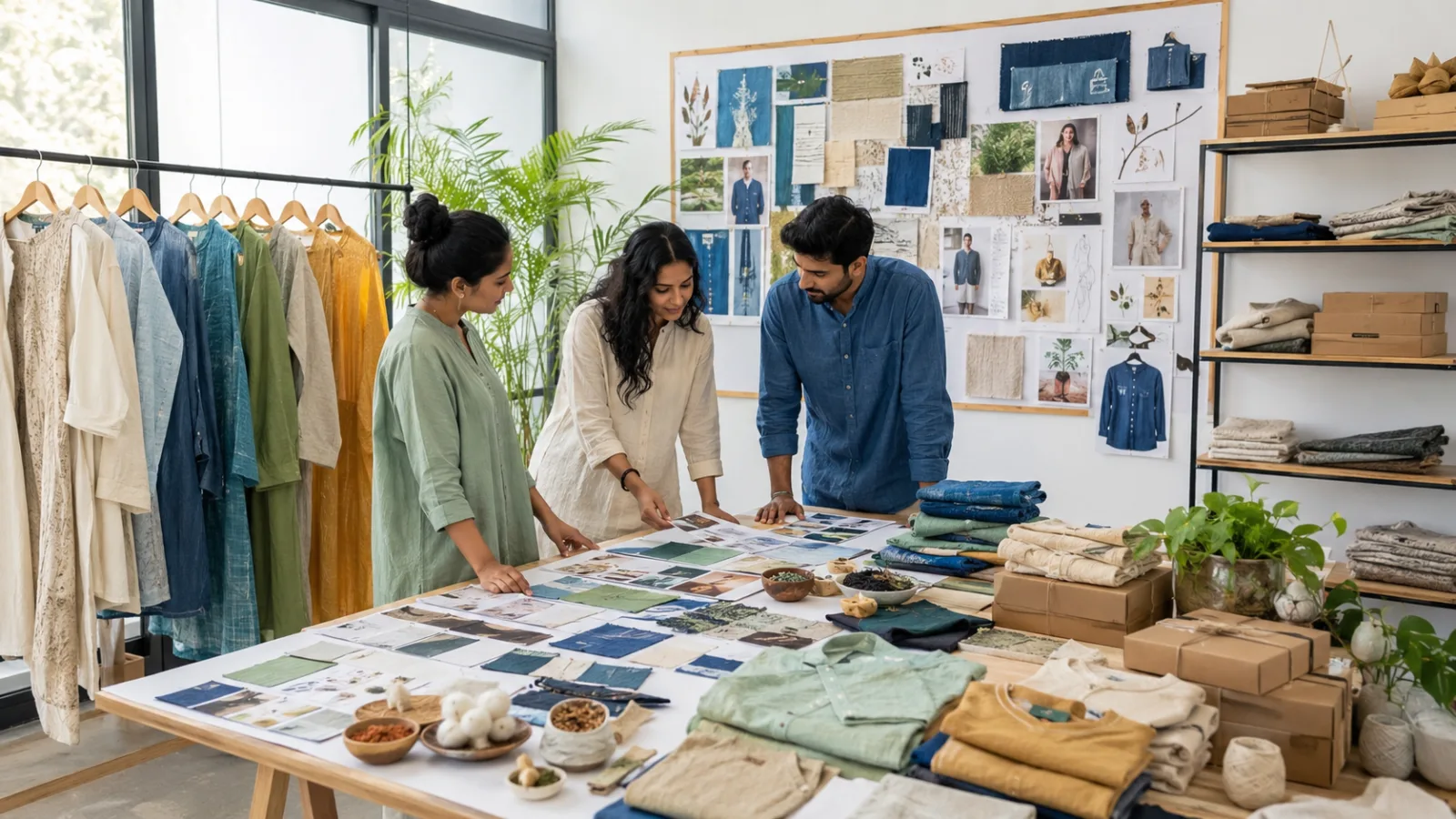
Building a sustainable wardrobe does not require throwing away everything and starting over. In fact, that would create more waste. The better approach is to use what you already own and improve future buying decisions.
Start by reviewing your wardrobe. Identify what you wear often, what you never wear, what needs repair, and what can be restyled. This helps you avoid buying duplicates.
Buy fewer but better pieces. A durable shirt that you wear for years is usually better than five cheap shirts that lose shape quickly.
Choose versatile clothing. Neutral shirts, comfortable trousers, breathable dresses, timeless sarees, quality basics, and good layering pieces are easier to wear repeatedly. Take care of your clothes. Wash gently, avoid unnecessary hot washes, air dry when possible, repair small tears, and store garments properly. Good care extends product life.
Support brands that match your values. If you care about organic cotton, choose brands like No Nasties. If you care about waste reduction, choose Doodlage or Ka-Sha. If you care about artisans, choose Okhai or Suta. If you care about regenerative systems, explore OSHADI.
Avoid impulse buying. Ask yourself whether you will wear the item at least 30 times, whether it fits your real lifestyle, and whether you already own something similar. Donate, resell, swap, or upcycle responsibly. Do not treat donation as a way to overbuy. The goal is to keep products useful for longer.
Final Checklist Before Buying from a Sustainable Brand
Before buying, ask a few practical questions:
- Do I really need this product?
- Will I wear or use it regularly?
- Is the material clearly explained?
- Does the brand share how and where it is made?
- Is the product durable enough for long-term use?
- Can I wash and care for it easily?
- Does the style match my real wardrobe?
- Is the price fair for the material, labour, and quality?
- Does the brand avoid vague sustainability claims?
- Can the product be repaired, reused, or passed on later?
This checklist keeps sustainability practical. The goal is not guilt. The goal is better decision-making.
Conclusion
Sustainable brands in India are doing more than selling eco-friendly products. They are changing how people think about fashion, lifestyle, materials, craft, waste, and responsibility. From organic cotton and hemp to upcycling, artisan work, recycled PET, mindful homeware, and regenerative cotton, India’s sustainable brand landscape is becoming more diverse and innovative.
No Nasties makes organic clothing simple and wearable. Doodlage turns waste into creative fashion. B Label brings hemp into modern Indian wardrobes. Okhai connects sustainable shopping with rural artisans. Ka-Sha uses circular design through upcycled clothing and accessories. Suta makes Indian textiles feel conscious, soft, and contemporary. OSHADI pushes the conversation toward regenerative seed-to-sew fashion. Ecoline Clothing uses recycled PET and natural fibres for practical, sustainable apparel. Nicobar brings mindful design into clothing, homeware, and gifting. Brown Living makes sustainable shopping easier across lifestyle categories.
The future of sustainability in India will not depend on one material or one type of brand. It will depend on many better choices working together: better fibres, better design, better labour practices, better waste systems, better customer habits, and better transparency.
For shoppers, the most powerful step is to buy with intention. Choose products that fit your life, last longer, support responsible makers, and reduce unnecessary waste. Sustainable living does not have to be perfect. It has to be thoughtful, consistent, and honest.