
Starting a fashion brand is exciting, but the real challenge usually begins after the design idea. Many new brand owners focus on logos, product photos, social media, and packaging before they fully understand how clothing actually moves from concept to finished product. Behind every T-shirt, hoodie, dress, jacket, pair of trousers, or activewear set, there is a supply chain that includes fabric mills, trim suppliers, pattern makers, sample rooms, factories, quality inspectors, freight forwarders, warehouses, and retailers.
The clothing supply chain can be powerful when it is planned well. It can help a brand produce better products, control costs, meet launch dates, reduce defects, and scale confidently. But when it is poorly managed, the same supply chain can create delays, hidden costs, wrong sizing, inconsistent quality, missed delivery dates, supplier disputes, and unsold inventory.
Fashion supply chains have also become more unpredictable in recent years. Industry reports continue to highlight pressure from economic uncertainty, changing consumer demand, tariff risks, logistics disruption, raw material challenges, labor concerns, and sustainability expectations. McKinsey’s State of Fashion 2026 notes that fashion brands are responding to a changing environment through price changes, sourcing shifts, and efficiency improvements. Vogue Business has also reported that brands are dealing with rising operational costs, tariffs, returns management, infrastructure gaps, and the need for more flexible logistics systems.
For a new fashion brand, this means supply chain planning cannot be treated as a small back-office task. It is part of the business model. The decisions you make about suppliers, fabrics, MOQ, production timing, quality control, packaging, shipping, inventory, and compliance will directly affect your cash flow, customer satisfaction, and brand reputation.
This guide explains the top 10 supply chain issues in the clothing industry that every new fashion brand should understand before starting. The goal is to help you avoid expensive mistakes, ask better supplier questions, plan smarter collections, and build a more reliable fashion business from the beginning.

Why Supply Chain Planning Matters Before Starting a Fashion Brand
A fashion brand is not only a creative business. It is also a sourcing, production, logistics, inventory, and quality management business. Even the best design can fail if the supply chain cannot deliver it correctly.
A new clothing brand usually has limited cash, limited time, and limited room for mistakes. If the first production run goes wrong, the brand may not have enough money to fix the issue. If the launch is delayed, marketing plans may be wasted. If customers receive poor-quality garments, trust can be damaged quickly.
Supply chain planning helps answer important questions before you spend serious money.
- Can your supplier actually make your product?
- Can you afford the MOQ?
- Is the fabric available in your required color and weight?
- Can the factory meet your delivery date?
- Will the sample match bulk production?
- How will quality be inspected?
- What happens if shipping is delayed?
- How much inventory should you order?
- What will you do with unsold stock?
- Do you understand all hidden costs?
Fashion brands often fail because these questions are answered too late. The better approach is to build supply chain thinking into the brand from the beginning. That does not mean you need to become a logistics expert overnight. It means you need to understand the main risks and create systems to manage them.

1. Unclear Product Development and Weak Tech Packs
One of the biggest supply chain issues in the clothing industry starts before production even begins: unclear product development. Many new fashion brands approach suppliers with only inspiration photos, rough sketches, or general product ideas. They may say, “I want a premium hoodie,” “I want a relaxed-fit T-shirt,” or “I want activewear like this reference.” But suppliers need much more detail to produce accurate samples and quotes.
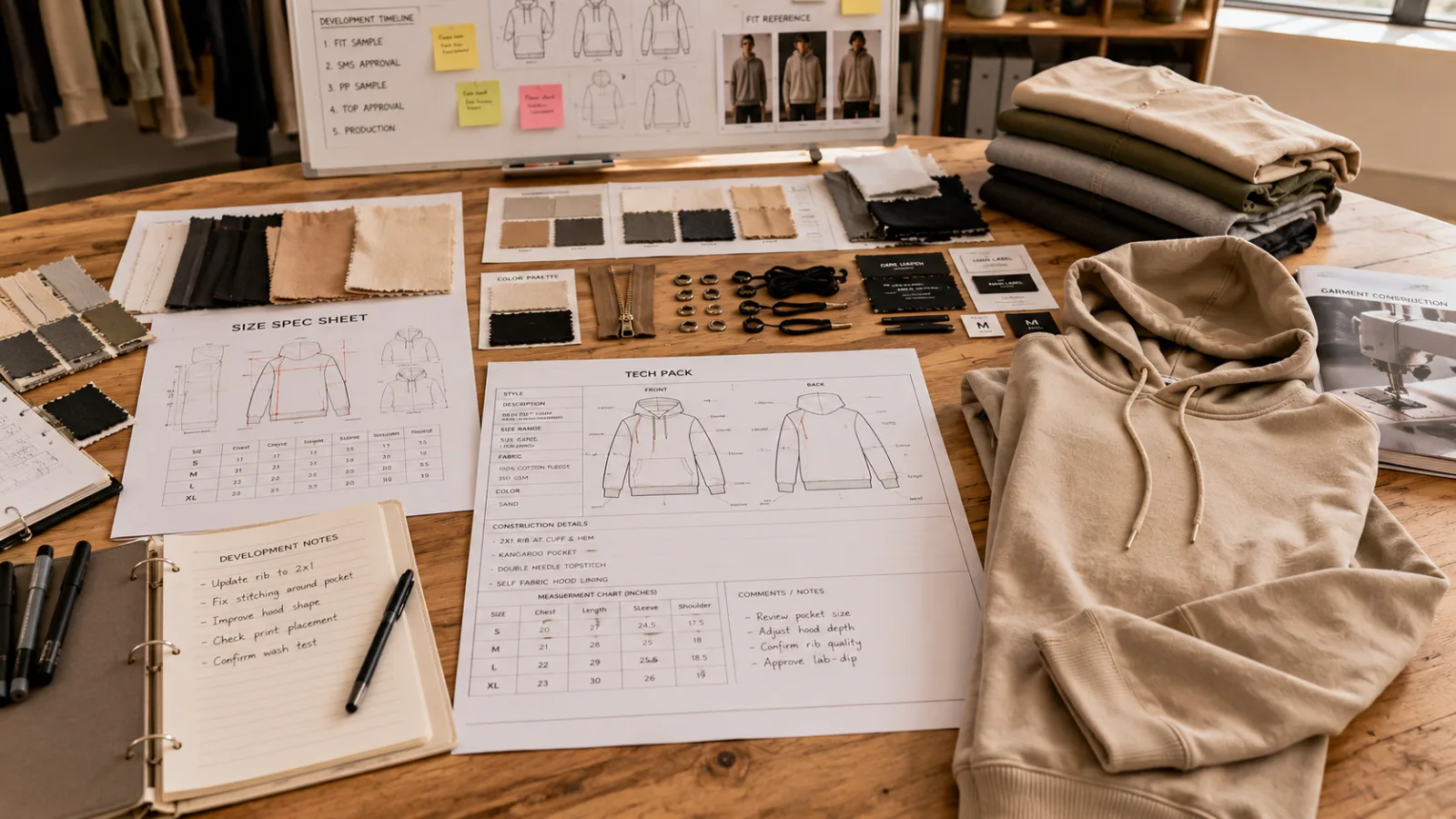
A weak tech pack creates confusion. A tech pack is a technical document that explains the garment clearly. It usually includes flat sketches, measurements, fabric details, construction notes, trims, labels, print placement, size chart, color references, packaging instructions, and quality expectations. Without this document, the supplier must guess. And when suppliers guess, mistakes become likely.
For example, a “heavyweight hoodie” can mean different things to different people. One supplier may use 280 GSM fleece. Another may use 400 GSM fleece. One may include a double-layer hood. Another may use a single-layer hood. One may use rib with good recovery. Another may use weak rib that stretches out. If the tech pack does not define these details, your quote may be inaccurate and your sample may not match your expectations.
Why This Becomes a Supply Chain Problem
Unclear specifications create delays, repeated sample revisions, wrong costing, supplier frustration, and quality inconsistency. The factory may produce something that technically matches their understanding but not your vision. You may then need to pay for another sample, wait longer, and delay launch.
Weak product development also affects fabric sourcing and MOQ. If you change fabric, color, print method, or trims after sampling begins, your timeline and cost may change. In some cases, the supplier may need to restart the process.
How to Reduce This Risk
Prepare a clear tech pack before asking for final quotes. Include measurements, fabric weight, stitching details, trims, labels, packaging, artwork placement, and reference photos. If you are not technical, work with a designer, product developer, or sourcing partner who can translate your idea into production-ready documents.
Also create a sample approval process. Do not approve a bulk order based only on emotion. Check measurements, fabric, stitching, fit, print quality, label placement, and wash performance before moving forward.
2. Fabric Sourcing Delays and Material Availability Problems
Fabric is the foundation of clothing production. If the fabric is delayed, unavailable, inconsistent, or more expensive than expected, the entire production plan can be affected. This is one of the most common supply chain issues for fashion startups.
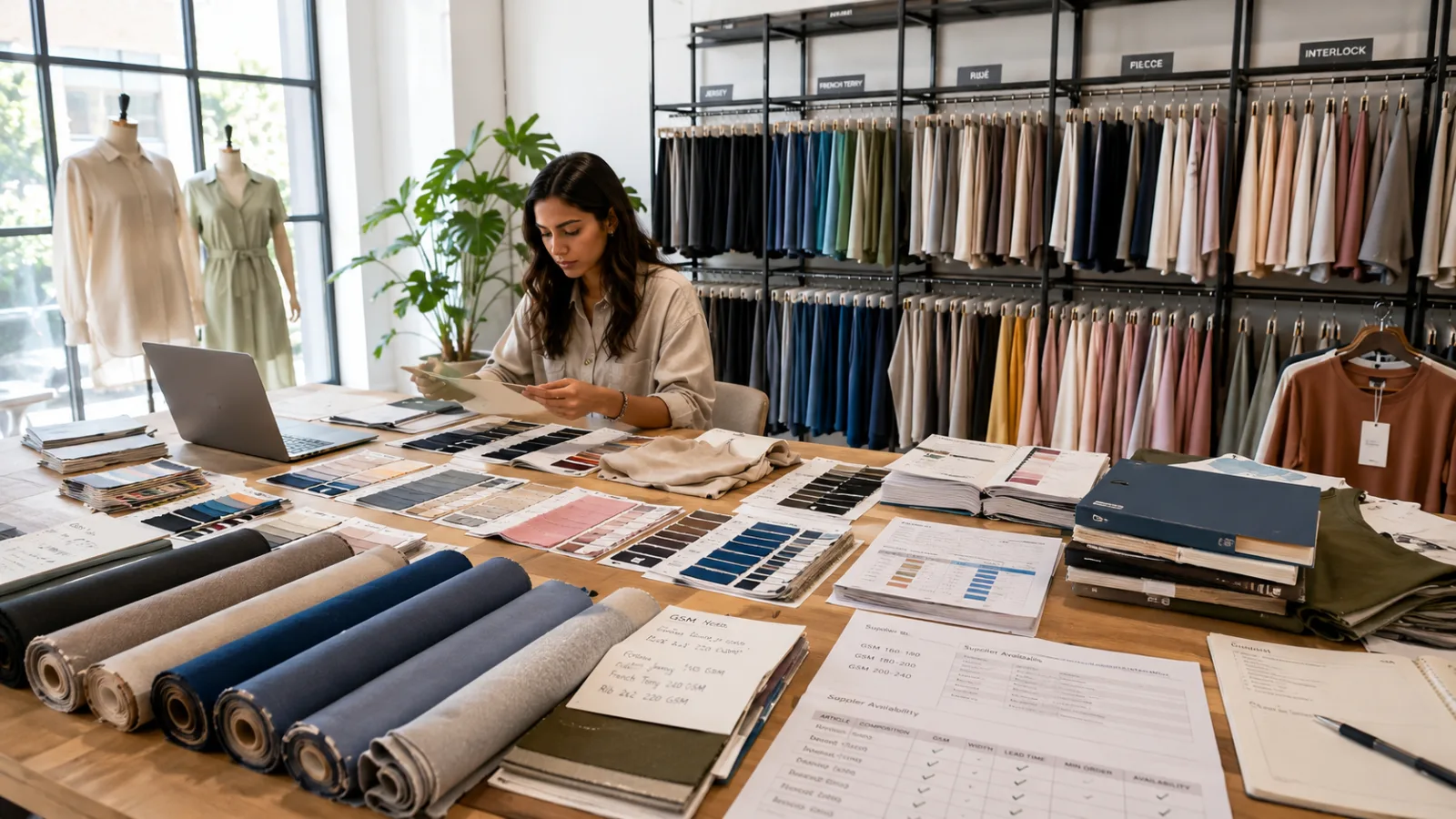
Many new brands assume fabric is easy to find because they see many garments online. But fabric sourcing can be complicated. You need the right fiber, weight, color, finish, stretch, hand feel, shrinkage performance, and price. If you want custom dyeing, custom knitting, specialty fabric, organic cotton, recycled polyester, technical activewear fabric, or unique trims, sourcing becomes even more complex.
Raw material procurement remains one of the ongoing stress points in fashion supply chains. Supply Chain Dive reported that fashion supply chains in 2025 were facing pressure from raw material procurement, labor, and logistics management challenges. Sustainable sourcing can also face barriers around supplier capability, cost, traceability, and implementation complexity, according to research on apparel and fashion sustainable sourcing.
Why Fabric Sourcing Is Risky for New Brands
New brands often order small quantities. Fabric mills usually prefer larger orders. If your quantity is low, you may need to use stock fabric instead of custom fabric. Stock fabric can be faster and more affordable, but it may not always be available in your exact color or quality.
Fabric availability can also change quickly. A supplier may have fabric available during sampling, but it may sell out before bulk production. If the fabric is not reserved, your approved sample may no longer be reproducible.
Color consistency is another issue. Fabric from different dye lots can vary slightly. If you reorder later, the new batch may not perfectly match the first production run.
How to Reduce This Risk
Ask suppliers whether the fabric is stock fabric, custom fabric, or mill-order fabric. Confirm fabric composition, GSM, width, stretch, shrinkage, color availability, and MOQ. Ask whether fabric can be reserved before bulk production. If your brand depends on repeat orders, check whether the fabric will be available long term.
For specialty fabrics, build extra time into your calendar. Do not launch marketing before fabric is confirmed. If possible, approve lab dips for custom colors and test fabric before bulk production.
3. Minimum Order Quantity Problems
MOQ, or minimum order quantity, is one of the biggest challenges for new fashion brands. MOQ refers to the minimum number of units a supplier, fabric mill, trim supplier, or factory is willing to produce. MOQ can apply per style, per color, per size, per fabric, or per trim.
Many new brands want to start small, but factories and mills often need larger quantities to make production efficient. A factory may accept 300 pieces per style. A fabric mill may require 500 kilograms of fabric. A label supplier may require 1,000 woven labels. A packaging supplier may require 2,000 custom polybags. When all these MOQs are combined, the total investment can become much higher than expected.
Why MOQ Creates Supply Chain Pressure
High MOQ affects cash flow and inventory risk. If you must order too much before proving demand, you may end up with unsold stock. This is especially risky for new fashion brands because they do not yet know which styles, colors, sizes, or price points customers will prefer.
MOQ can also limit assortment planning. You may want to launch 10 styles in 5 colors, but your budget may only support 3 styles in 2 colors. If you ignore MOQ realities, your collection plan may become financially impossible.
A low MOQ supplier may seem attractive, but low MOQ often comes with higher unit cost. That is not always bad. For startups, paying a higher unit price for a smaller test order may be safer than buying too much inventory at a lower unit cost.
How to Reduce This Risk
Start with fewer styles, fewer colors, and a tighter product range. Use stock fabric when possible. Choose trims and labels that can work across multiple products. Ask suppliers if they offer trial production or small-batch manufacturing.
Also calculate total order value, not just unit price. A $5 T-shirt with a 1,000-piece MOQ requires $5,000 before packaging, freight, duties, and marketing. A $7 T-shirt with a 200-piece MOQ may be more realistic for a startup.

4. Supplier Reliability and Communication Gaps
A fashion supplier is not just a vendor. They are part of your production system. If the supplier communicates poorly, hides problems, misses deadlines, or misunderstands instructions, your brand can suffer quickly.
Supplier reliability is one of the most important supply chain issues in the clothing industry because production depends on many stages. Fabric must arrive. Patterns must be made. Samples must be approved. Trims must be sourced. Cutting must be accurate. Sewing must follow specifications. Quality control must happen before shipment. If communication breaks down at any stage, problems can multiply.
Common Supplier Communication Problems
Some suppliers reply quickly before payment but become slow after receiving a deposit. Some say yes to every request but do not explain limitations. Some provide vague quotes without detail. Some do not confirm changes in writing. Some fail to update buyers when fabric, trims, or production schedules change.
This creates risk for new brands because they may not have enough experience to spot problems early.
For example, if a supplier says “production will take 30 days,” ask when that 30 days starts. Does it start after deposit? After sample approval? After fabric arrival? After trims are confirmed? If this is not clear, your launch timeline may be wrong.
How to Reduce This Risk
Work with suppliers who answer clearly and ask detailed questions. A good supplier will not simply say “yes.” They will ask about fabric, size range, quantity, artwork, packaging, delivery date, and quality standard. They will also explain what is possible and what may create extra cost or delay.
Keep all important details in writing. Confirm price, MOQ, sample fee, production timeline, payment terms, fabric, trims, labels, packaging, shipping terms, and approved sample details. Use organized communication instead of scattered messages.

5. Quality Control Failures
Quality control is one of the most serious supply chain issues for fashion brands. A product may look good in a sample, but bulk production can still have defects. Common issues include incorrect measurements, uneven stitching, poor seam strength, shade variation, fabric defects, print cracking, embroidery errors, loose threads, wrong labels, missing trims, shrinkage, and packaging mistakes.
Poor quality is expensive. It can lead to returns, refunds, negative reviews, customer complaints, wasted inventory, and damaged brand trust. For a new fashion brand, one bad production run can be financially painful.
Why Quality Problems Happen
Quality problems can happen for many reasons. The tech pack may be unclear. The approved sample may not be properly documented. Fabric may shrink more than expected. Workers may not understand the construction requirement. The factory may rush production. The supplier may skip inline inspection. The brand may not arrange final inspection before shipment.
Quality issues also happen when brands focus only on price. A factory offering a very low quote may reduce quality checks, use cheaper trims, rush sewing, or outsource production without telling the buyer.
Important Quality Control Stages
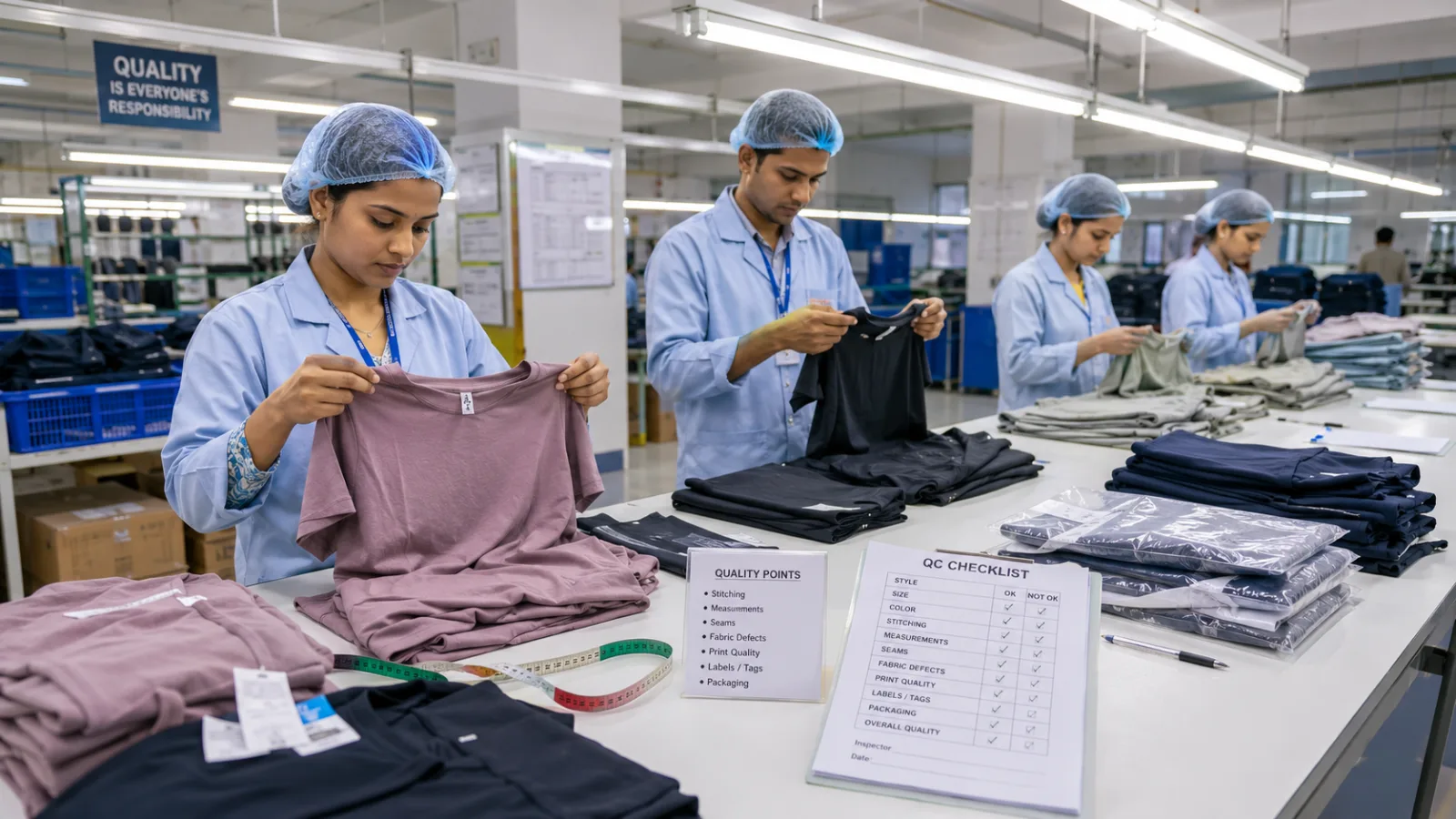
A strong quality control process should include fabric inspection, trim inspection, sample approval, pre-production approval, inline inspection, measurement checks, final inspection, packaging inspection, and shipment approval.
For fashion brands, the approved pre-production sample should become the standard for bulk production. Every bulk garment should be compared against this standard.
How to Reduce This Risk
Create a clear quality checklist before production begins. Include measurements, tolerances, seam requirements, fabric standard, color approval, print placement, label placement, packaging, and acceptable defect levels.
Ask the supplier how they inspect quality. If your order is large or high-risk, consider third-party inspection before final payment. At minimum, ask for production photos, measurement reports, and final packing details.
6. Production Delays and Lead Time Mismanagement
Production delays are common in the clothing industry. A delay can happen because fabric arrives late, trims are missing, samples need revisions, factory capacity is full, workers are unavailable, dyeing takes longer, printing fails, quality issues need fixing, or shipping schedules change.
For a fashion brand, timing is critical. If winter jackets arrive after the cold season begins, sales may be lost. If holiday products arrive late, the selling window may be gone. If a launch is promoted before inventory is ready, customers may become frustrated.
Global fashion supply chains continue to face logistics and geopolitical disruptions. Vogue Business reported that fashion goods moving from South Asia have faced pressure from shipping route disruptions, freight costs, energy costs, tariff pressures, and geopolitical instability. Broader analysis of fashion and textile supply chains also highlights the lasting impact of events such as the pandemic and geopolitical conflicts on logistics, factory operations, demand, and resilience planning.
Why Lead Time Is Often Misunderstood
Many new brands think production time means sewing time only. In reality, total lead time includes product development, sampling, revisions, fabric sourcing, trim sourcing, lab dips, approvals, bulk production, quality control, packing, shipping, customs, and warehouse receiving. A product that takes 30 days to sew may actually take 90 to 120 days from idea to delivery.
How to Reduce This Risk
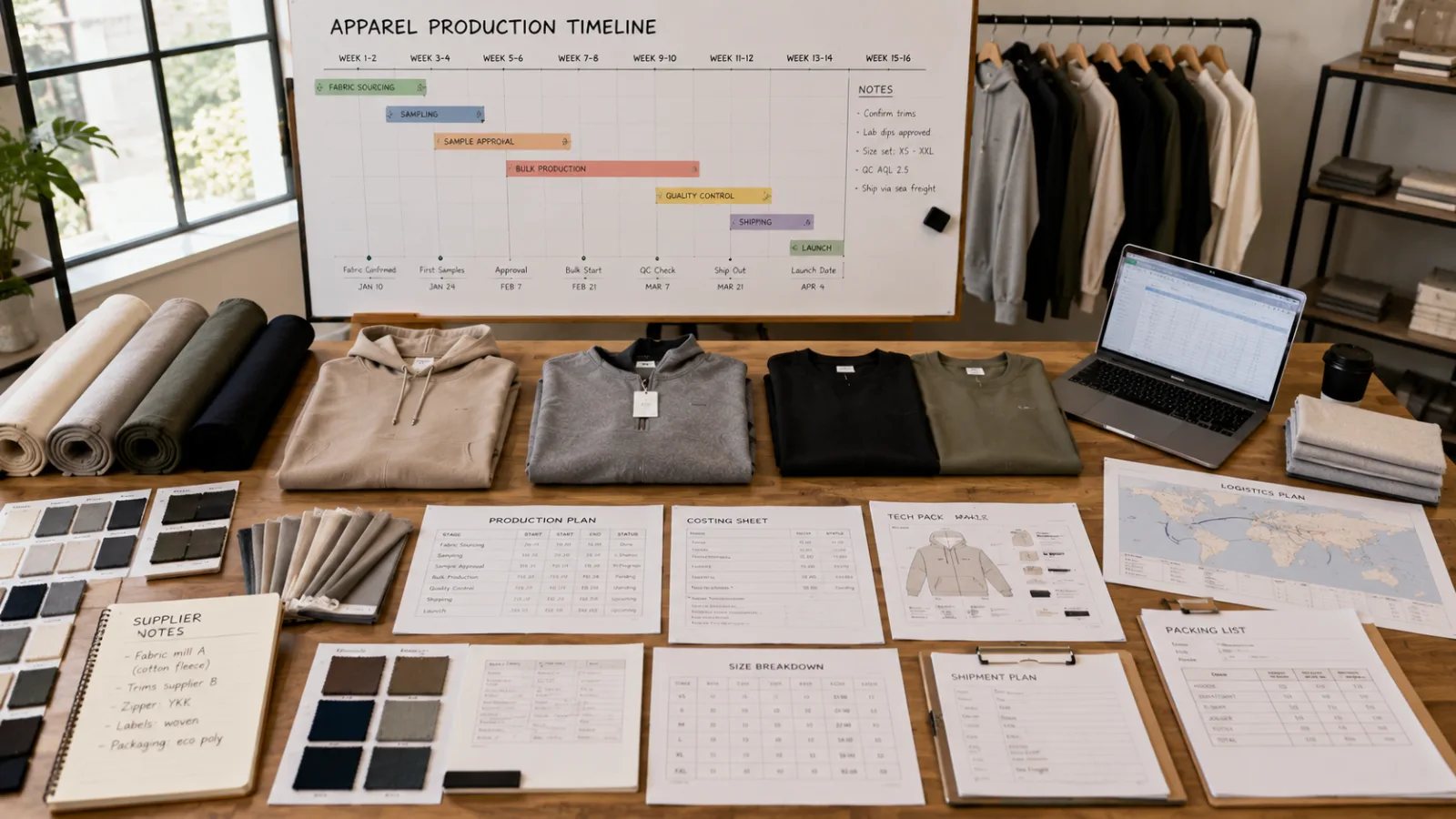
Build a realistic production calendar. Include buffer time for sampling, fabric delays, supplier communication, quality inspection, shipping, customs, and unexpected problems. Do not promise launch dates publicly until production is far enough along.
Ask your supplier for a timeline by stage. For example:
- Sample development: 10 to 14 days
- Sample revision: 7 to 10 days
- Fabric sourcing: 15 to 30 days
- Bulk production: 30 to 45 days
- Quality inspection: 2 to 5 days
Shipping: depends on method and destination
This helps you see the real timeline.
7. Rising Costs and Hidden Cost Surprises
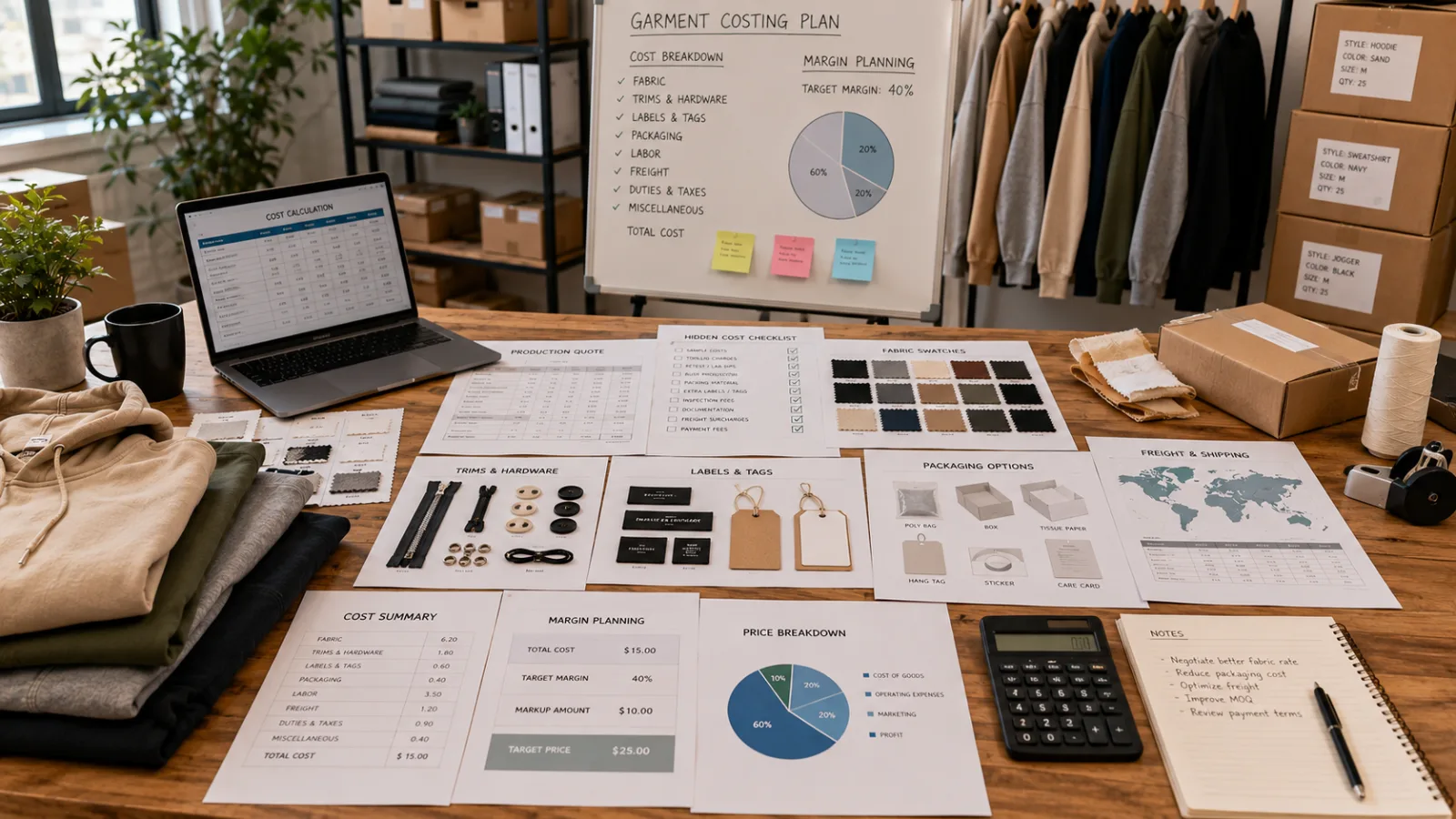
Many new fashion brands underestimate the true cost of clothing production. They may focus only on the unit price, but the real cost includes many other expenses. Fabric, trims, labels, sampling, pattern making, grading, printing, embroidery, washing, packaging, shipping, duties, inspection, warehousing, returns, and payment fees can all affect profitability.
Hidden costs can turn a profitable-looking product into a loss-making product. For example, a hoodie may cost $14 to manufacture, but after custom labels, packaging, freight, duties, fulfillment, returns, marketing, and platform fees, the real landed cost may be much higher.
Industry reports show fashion brands are dealing with rising operational costs and tariff concerns, and many are responding with price adjustments, sourcing shifts, and efficiency improvements.
Common Hidden Costs in Apparel Supply Chains
Common hidden costs include:
- Sample development fees
- Pattern making fees
- Size grading fees
- Fabric testing fees
- Custom dyeing charges
- Printing setup costs
- Embroidery digitizing fees
- Label development fees
- Hang tag costs
- Packaging costs
- Carton charges
- Quality inspection fees
- Freight charges
- Customs duties and taxes
- Warehouse receiving fees
- Returns processing costs
- Currency exchange costs
- Bank transfer fees
- Rush order fees
Not every supplier charges these separately, but you need to know what is included.
How to Reduce This Risk
Ask for a detailed cost breakdown before approving production. Confirm whether the quote includes fabric, trims, labels, packaging, printing, embroidery, quality control, carton packing, and shipping. Understand whether the quote is EXW, FOB, CIF, DDP, or another shipping term. Calculate landed cost, not just factory price. Landed cost includes the full cost of getting the product into your warehouse or fulfillment center.
8. Logistics, Shipping, and Customs Disruptions
Shipping is one of the most underestimated parts of the clothing supply chain. A product is not truly ready for sale when it leaves the factory. It still needs to move through packing, export documentation, freight, customs clearance, duties, delivery, warehousing, and fulfillment.
Logistics can be disrupted by port congestion, vessel delays, air freight shortages, fuel costs, customs inspections, incomplete paperwork, incorrect HS codes, weather, geopolitical conflict, tariff changes, or regional instability. Recent industry coverage has continued to emphasize that fashion brands are facing complex logistics pressures, including shipping route disruption, rising freight costs, returns management, and the need for more flexible supply networks.
Why Logistics Matters for Fashion Startups
New fashion brands often plan their launch around a factory completion date, not a warehouse arrival date. This is risky. A shipment may take days, weeks, or longer depending on shipping method, customs, and destination.
Air freight is faster but expensive. Sea freight is cheaper for larger shipments but slower. Courier services may work for samples or small orders but may become costly for bulk shipments.
Documentation also matters. Missing or incorrect invoices, packing lists, certificates, or customs details can cause delays. If you do not understand import duties and taxes, your final cost may be higher than expected.
How to Reduce This Risk
Ask suppliers what shipping terms they offer. Clarify who handles export, freight, insurance, customs, duties, and final delivery. Work with a freight forwarder if needed. Confirm product HS codes and documentation before shipment.
Build shipping buffers into your launch calendar. Do not schedule a major campaign for the day after goods are expected to arrive. Delays happen, and your plan should allow room for them.

9. Ethical Compliance, Labor Standards, and Transparency Risks
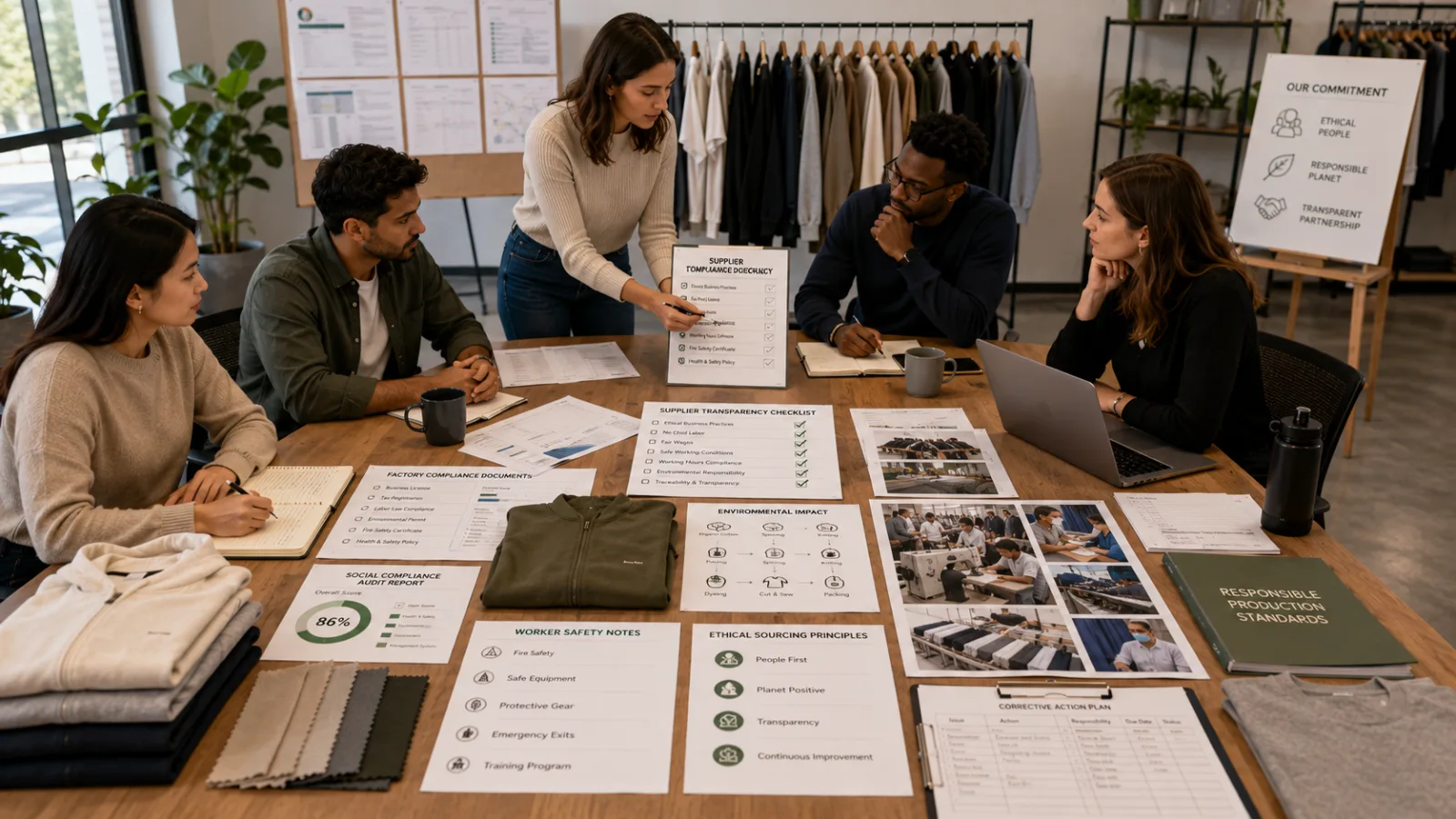
Ethical sourcing is no longer optional for serious fashion brands. Customers, retailers, regulators, and industry partners increasingly expect brands to understand where and how their products are made. Labor conditions, wages, factory safety, working hours, subcontracting, forced labor risk, and transparency all matter.
The International Labour Organization has long studied wages and working conditions in global supply chains, reflecting the importance of labor standards in production networks. Fashion industry coverage also continues to highlight scrutiny around labor concerns, forced labor reports, transparency, and ethical sourcing as key pressures for brands.
Why This Is a Supply Chain Issue
A brand may work with a supplier, but that supplier may subcontract work to another factory without clear approval. If you do not know where your products are made, you cannot properly manage compliance risk.
Ethical issues can damage brand reputation, create legal risk, disrupt orders, and reduce customer trust. For startups, this can be especially serious because trust is still being built.
What Brands Should Ask Suppliers
Ask suppliers:
- Where will production take place?
- Do you own the factory or work with partner factories?
- Do you subcontract any production?
- Can you provide factory details?
- Do you have audit reports or certifications?
- What labor standards do you follow?
- How do you monitor working conditions?
- Can buyers visit or inspect the factory?
- Can you provide compliance documents if needed?
You do not need to become a compliance expert immediately, but you should not ignore the issue. Start by choosing transparent suppliers and keeping written records.
How to Reduce This Risk
Work with suppliers who are open about factory location, production process, and compliance standards. Avoid suppliers who refuse to provide basic information. For larger orders, request audits or third-party verification. Build ethical expectations into supplier agreements.
10. Inventory Imbalance, Overstock, and Stockouts
Inventory imbalance is one of the most painful supply chain issues for fashion brands. Overstock means you ordered too much. Stockout means you ordered too little. Both are expensive. Overstock traps cash in unsold inventory. It forces discounts, storage costs, and markdowns. It can also make a brand look less desirable if products sit too long. Stockouts create missed sales and disappointed customers. If a popular size or color sells out too quickly, customers may buy from another brand.
Fashion inventory is especially difficult because products come in sizes, colors, fits, and seasons. A hoodie may sell well in black but not in yellow. A dress may sell out in medium but stay unsold in extra small. A jacket may sell in cold regions but not warm ones. If your size curve is wrong, your inventory may look full but still fail to meet real demand.
McKinsey’s State of Fashion reporting highlights inventory management and omnichannel fulfillment as key areas of fashion retail strategy, especially as brands deal with uncertain consumer behavior and market pressure.
Why New Brands Struggle With Inventory
New brands do not have much sales history. Without data, it is hard to predict demand. Many founders buy based on personal taste rather than customer behavior. Others order too many styles because they want the launch to look bigger. This increases risk.
A smaller, more focused collection is often smarter than a large collection with shallow planning.
How to Reduce This Risk
Start with a focused product range. Use pre-orders carefully if suitable. Test demand before ordering large quantities. Track size, color, and style performance from the first drop. Keep reorder options open if possible.
Also plan markdown strategy before launch. If a product does not sell, what will you do after 30, 60, or 90 days? Waiting too long can make inventory harder to clear.

Bonus Issue: Returns and Reverse Logistics
Returns are a major issue in fashion, especially online. Customers may return products because of fit, color, fabric feel, quality, sizing confusion, delayed delivery, or changed preference. For apparel brands, returns are not only a customer service problem. They are a supply chain problem.
A returned product must be received, checked, cleaned or repacked if suitable, restocked, discounted, repaired, donated, recycled, or written off. This process costs money. Vogue Business has reported that returns management is one of the operational pressures fashion and luxury brands are navigating, alongside tariffs, infrastructure gaps, and rising operational costs.
How to Reduce Return Risk
Use clear size charts, accurate product descriptions, real product photos, fit notes, fabric details, and customer support. Test fit before bulk production. Make sure sizing is consistent across styles. Improve packaging so products arrive in good condition. For startups, returns can quickly reduce margin. Plan for them from the beginning instead of treating them as a surprise.
How to Build a More Resilient Clothing Supply Chain
A resilient supply chain is not perfect. It is prepared. It can respond when something goes wrong. For a new fashion brand, resilience comes from planning, communication, documentation, testing, and supplier relationships.
Start by choosing suppliers carefully. Do not select a factory only because it offers the lowest price. Look at communication, product category experience, sample quality, MOQ flexibility, transparency, production capacity, and quality control.
Second, simplify your first collection. Too many styles, colors, fabrics, and trims make production harder. A focused range is easier to control and easier to improve.
Third, document everything. Use tech packs, cost sheets, approval records, production timelines, QC checklists, and written supplier agreements.
Fourth, build buffer time. Fashion production rarely goes exactly as planned. Sampling, fabric, production, inspection, and shipping all need margin for delays.
Fifth, track performance after launch. Learn from sell-through, returns, customer reviews, size demand, color demand, and defect rates. Use that information to improve the next production run.
Supply Chain Checklist Before Starting Your Fashion Brand
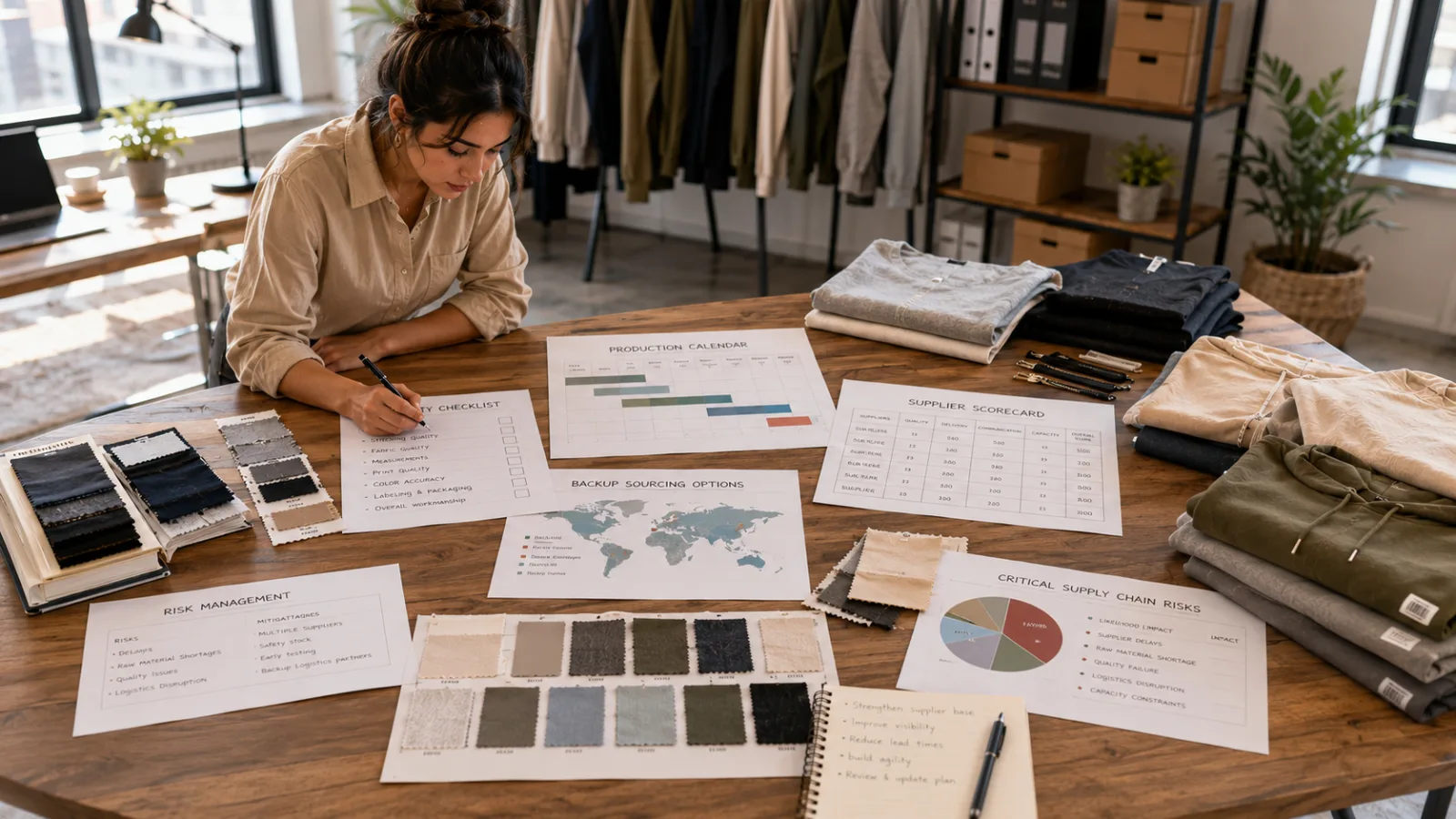
Before launching your fashion brand, review this checklist:
- Do you have clear tech packs for every product?
- Have you confirmed fabric availability?
- Do you understand fabric MOQ and garment MOQ?
- Have you approved a physical sample?
- Have you tested fit, shrinkage, and wash performance?
- Do you know the full landed cost?
- Have you confirmed production lead time by stage?
- Have you checked supplier reliability?
- Do you understand payment terms?
- Have you confirmed shipping terms?
- Do you know customs and duty responsibilities?
- Have you created a quality control checklist?
- Do you know where production will happen?
- Have you reviewed compliance and ethical sourcing?
- Have you planned inventory by size and color?
- Do you have a backup plan for delays?
- Have you planned how to handle returns?
This checklist will not remove every risk, but it can help you avoid many beginner mistakes.
ApparGlobal
For new fashion brands, supply chain issues often become easier to manage when product development, sourcing, manufacturing, quality control, and logistics are connected from the beginning. A brand may have a strong product idea, but the final result depends on whether suppliers can deliver the right fabric, trims, fit, quantity, quality, and timeline.
Many apparel brands struggle when they move into production without understanding MOQ planning, fabric sourcing, tech packs, sample approvals, supplier communication, quality checkpoints, and scalable production workflows. Small mistakes in the early stage can create bigger problems in bulk production, especially when budgets are tight and launch timelines are fixed.
Companies such as ApparGlobal help clothing brands align product development, sourcing decisions, supplier coordination, fabric selection, sample review, production planning, and quality expectations. For brands developing T-shirts, hoodies, activewear, kidswear, streetwear, uniforms, private label apparel, or custom collections, this kind of production-focused support can make the supply chain more structured and reliable.
When brands work with a partner that understands tech packs, fabric behavior, MOQ requirements, trim standardization, quality control, and bulk manufacturing timelines, they can reduce production mistakes and move from concept to finished product with more confidence.
Final Thoughts
The clothing industry supply chain is full of opportunity, but it is also full of risk. Before starting a fashion brand, you need to understand more than design and branding. You need to understand how products are developed, sourced, manufactured, inspected, shipped, stored, sold, and returned.
The top supply chain issues include weak tech packs, fabric delays, MOQ pressure, supplier communication gaps, quality control failures, production delays, hidden costs, logistics disruptions, ethical compliance risks, and inventory imbalance. These problems are common, but they are not impossible to manage.
The smartest fashion brands prepare early. They simplify their first collection, document product details, choose suppliers carefully, confirm fabric and MOQ, approve samples properly, inspect quality, plan realistic timelines, calculate landed costs, and track inventory performance after launch.
A strong supply chain does not only protect your business from problems. It helps you build better products, serve customers more reliably, and grow with less chaos. When your sourcing, production, quality control, and logistics systems are organized, your fashion brand has a much stronger foundation.
Starting a fashion brand is not just about launching beautiful clothing. It is about building a system that can deliver beautiful clothing consistently. If you understand these supply chain issues before you begin, you will be better prepared to make smarter decisions, avoid costly mistakes, and create a brand that can grow beyond the first collection.