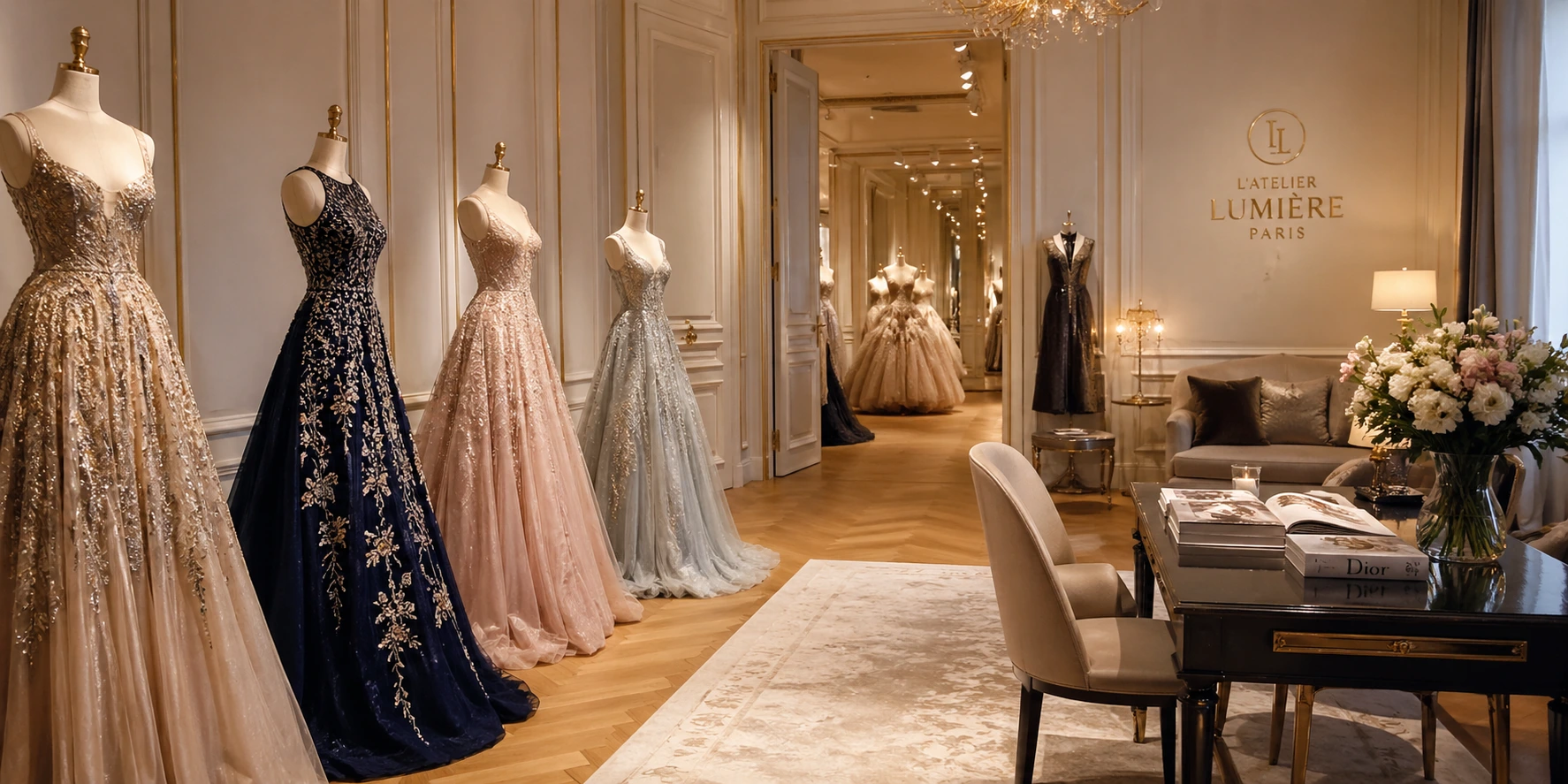
Explore the world of haute couture through ten essential fashion houses, from heritage icons like Chanel and Dior to modern innovators.
Haute couture sits at the highest end of fashion. In France, the term has legal meaning and is tied to strict standards around made-to-order design, atelier work, and Paris presentations. France’s official tourism site explains that haute couture is a protected term in France and outlines criteria such as made-to-order design for private clients, a Paris atelier, and seasonal presentations during Couture Week.
That matters because not every luxury brand is a couture brand. Many famous fashion houses sell ready-to-wear, leather goods, fragrance, and accessories, but only a smaller group appears on the official Haute Couture Week landscape coordinated by the Fédération de la Haute Couture et de la Mode, the body behind Haute Couture Week in Paris.
In this guide, “top” does not mean an official ranking. It means a mix of recognition, influence, craftsmanship, visibility, and couture relevance. The brands below are some of the most important couture names to know right now, and each one helps define what couture means today. Many of them are listed by the Fédération de la Haute Couture et de la Mode for Haute Couture Week, while their own official sites show active couture collections or couture identity.
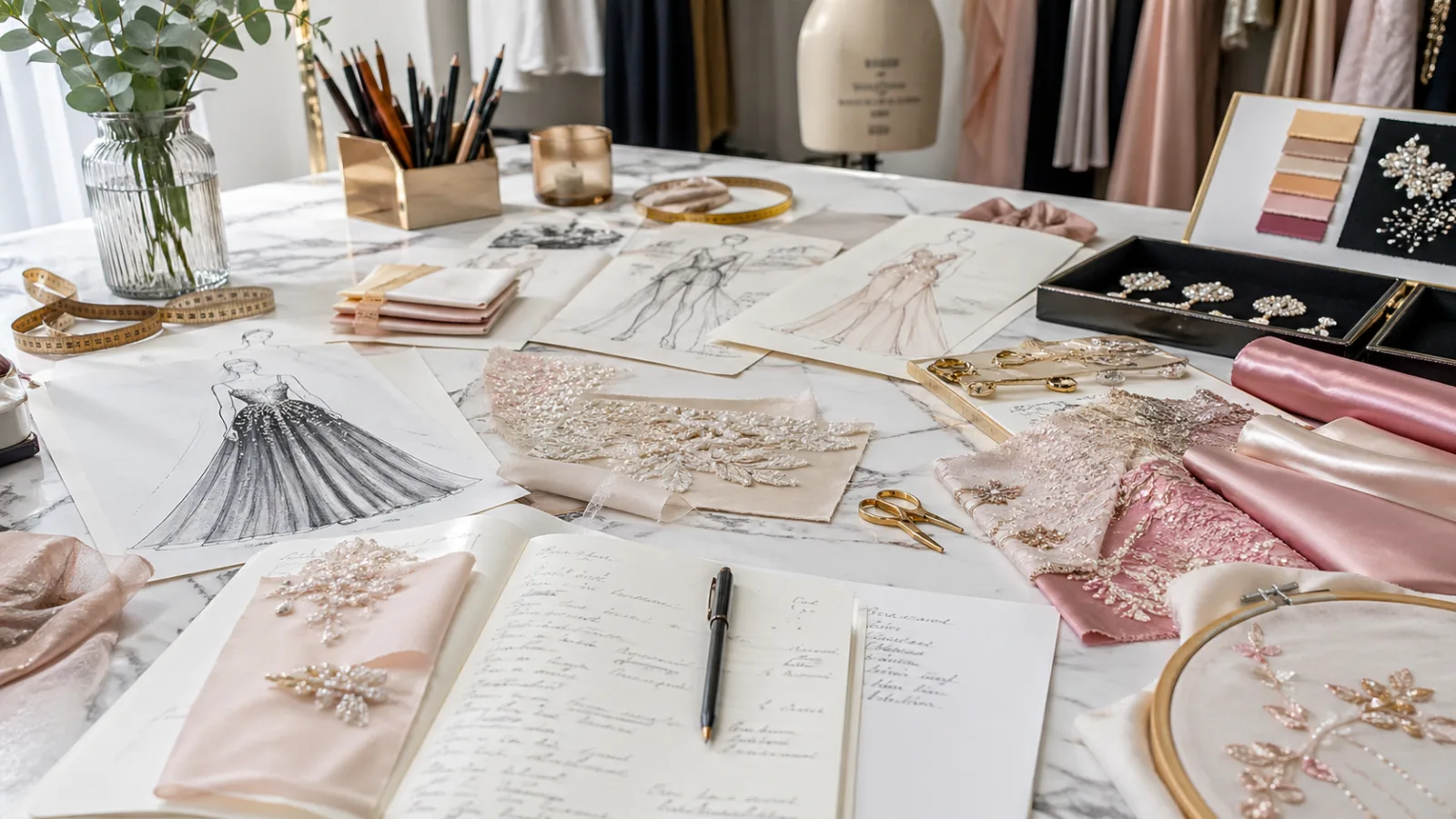
What makes a couture brand truly important?
A couture brand becomes important for more than beauty alone. It usually combines several qualities: strong atelier craftsmanship, a clear design identity, continued relevance in couture presentations, and influence that reaches beyond couture clients into the wider fashion industry. Couture often acts as a house’s creative peak, where techniques, silhouettes, and materials are pushed further than in ready-to-wear. France’s official explanation of haute couture emphasizes made-to-order work and atelier-based craftsmanship, while the FHCM’s official couture members page shows which houses are active within the current couture ecosystem.
That is why this list includes both historic giants and newer-impact couture names. Some houses define couture through heritage and long influence. Others represent where couture is heading next.
1. Chanel
Chanel remains one of the most iconic couture names in the world. On its official couture pages, Chanel presents its haute couture collections in Paris and highlights the savoir-faire of its ateliers and Métiers d’art. The brand also has a dedicated history page describing haute couture as an intimate and highly creative expression of craftsmanship.
Why Chanel matters so much in couture is simple: it combines history, instantly recognizable house codes, and a deep atelier culture. Even when trends change, Chanel couture remains closely associated with refinement, embroidery, texture development, and the quiet authority of Parisian luxury. It is also one of the most visible names on the official couture landscape.
For anyone trying to understand couture, Chanel is one of the essential reference points because it shows how a heritage house can remain central to modern couture identity.
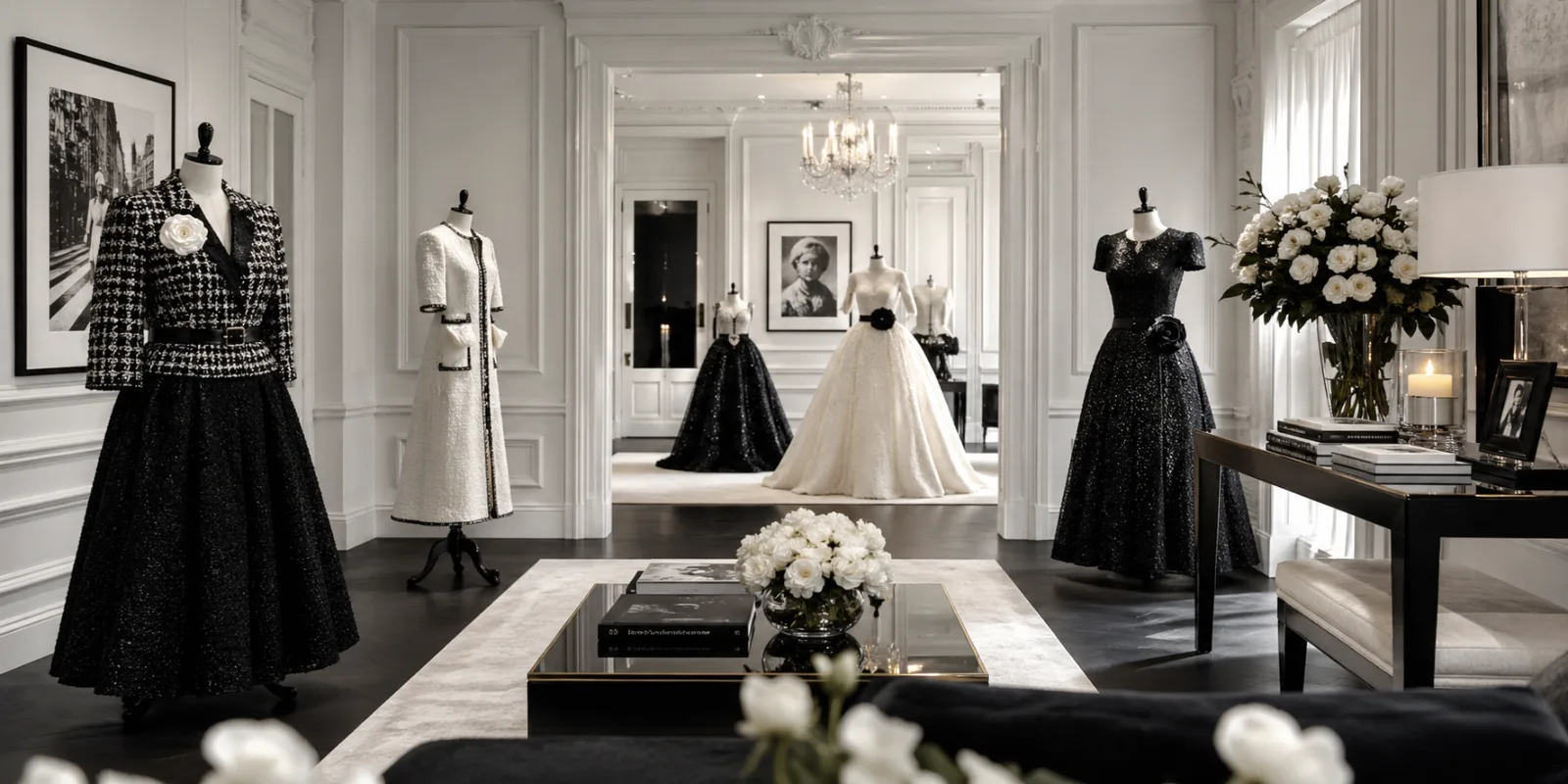
2. Christian Dior
Dior is another defining couture house. Its official site has a dedicated haute couture section and continues to show recent couture collections, including 2025 and 2026 presentations. The FHCM also lists Christian Dior among current couture houses.
Dior’s importance in couture comes from its long role in shaping postwar fashion and its continuing ability to turn couture into a visual event. Couture at Dior is not only about luxury dresses. It is also about silhouette, storytelling, and keeping the house’s image at the center of global fashion culture. The official Dior couture pages show how actively the house continues to invest in couture as a creative platform.
If Chanel represents one side of Paris couture, Dior represents another: theatrical, influential, and foundational to how many people imagine haute couture itself.
3. Schiaparelli
Schiaparelli has become one of the most talked-about couture houses of recent years. Its official site presents the maison’s history, latest haute couture collections, and ongoing couture activity. The house is also part of the official couture landscape through Haute Couture Week.
What makes Schiaparelli so important is its ability to make couture feel culturally alive. The house has turned surrealism, body symbolism, and strong sculptural identity into one of the clearest visual signatures in modern couture. It frequently dominates celebrity red carpets and fashion discussion, which gives it influence far beyond the small number of couture clients. That statement about broad influence is an inference, but it is strongly supported by the house’s high-profile couture visibility and continued official couture presence.
For modern couture watchers, Schiaparelli is essential because it proves couture can still shock, provoke, and define the visual conversation.
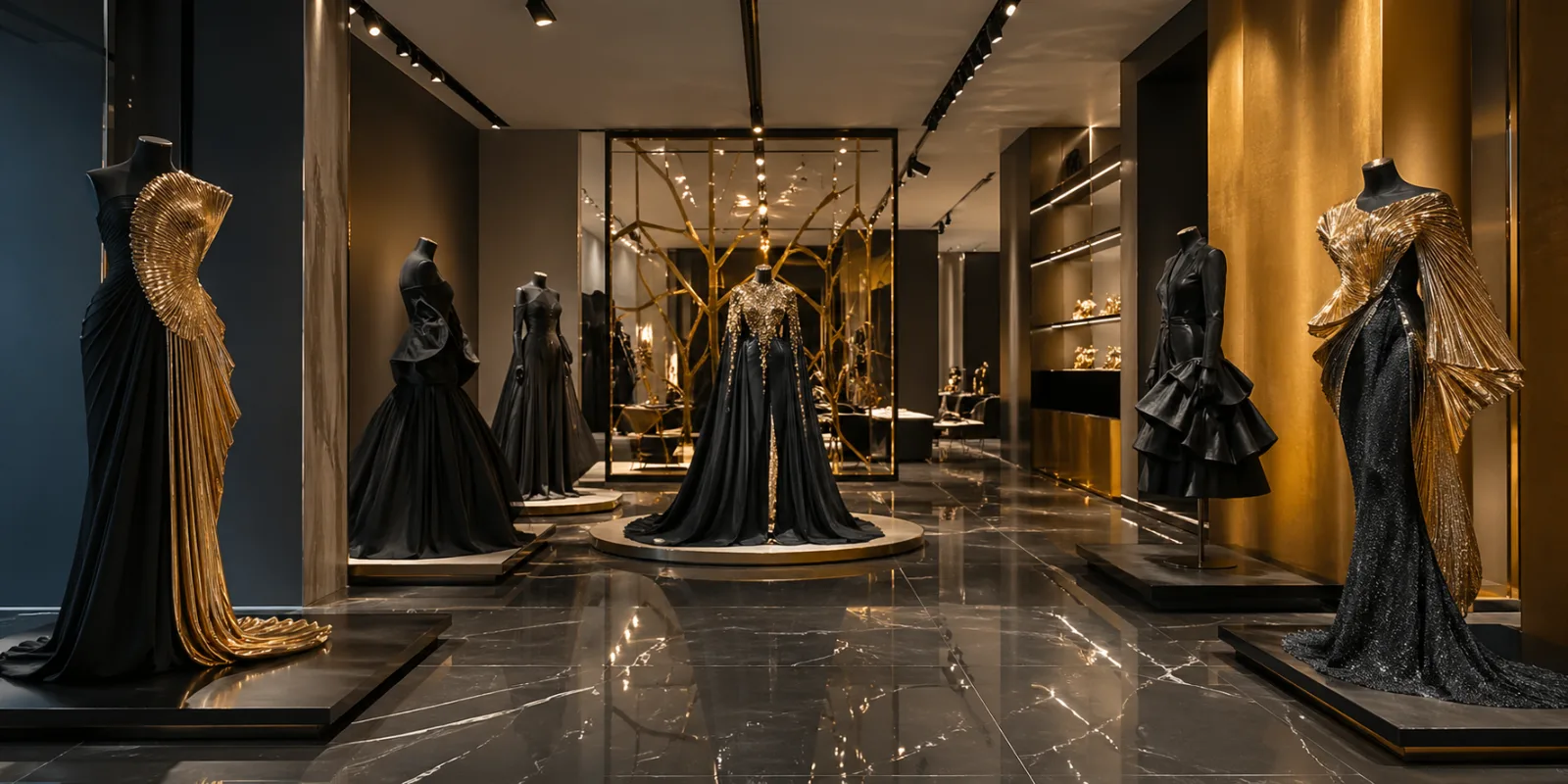
4. Giorgio Armani Privé
Giorgio Armani Privé is one of the clearest examples of couture outside the old Paris-only heritage narrative. The official Armani site presents Giorgio Armani Privé Haute Couture collections, including Spring/Summer 2026 and Fall/Winter 2025-2026, and the FHCM lists Giorgio Armani Privé among current couture houses.
Armani Privé stands out because it brings couture to a more controlled and polished vision of evening dressing. Where some houses lean into drama, Armani often leans into line, surface shimmer, and elegant restraint. That gives the brand a very different couture identity from Dior or Schiaparelli, which is exactly why it matters.
In a fashion landscape where couture can sometimes feel overly theatrical, Armani Privé shows the power of precision and calm glamour.
5. Maison Margiela Artisanal
Maison Margiela Artisanal occupies a very special space in couture. The official Maison Margiela site highlights unique haute couture pieces and its Artisanal collections, including the 2025 Artisanal collection page.
Margiela matters because it expands what couture can mean. Instead of focusing only on classic glamour, Artisanal often explores reconstruction, repurposing, concept-driven tailoring, and unusual material transformation. That makes it one of the most intellectually influential couture names in fashion.
Its significance is not just visual. It helps keep couture connected to experimentation and fashion as creative investigation. That interpretation is an inference, but it is strongly supported by the official Artisanal presentation language and Margiela’s distinct couture positioning.
6. Elie Saab
Elie Saab is one of the most recognizable couture names for red-carpet elegance. The official Elie Saab site has dedicated haute couture sections and recent couture collections, including Spring/Summer 2026 and Autumn/Winter 2025-26. The FHCM also lists Elie Saab among couture houses.
Elie Saab’s couture appeal is built around embellishment, femininity, and formal glamour. The house is especially influential for clients and audiences looking for the grand eveningwear fantasy that many people associate with couture.
In practical terms, Elie Saab helps define couture’s red-carpet side. It is a key brand for understanding how couture influences celebrity dressing, bridal mood, and the wider luxury eveningwear market.
7. Zuhair Murad
Zuhair Murad is another major couture name known for highly embellished glamour. The official Zuhair Murad site presents couture collections, including Spring/Summer 2026 and Spring 2025, and the FHCM includes Zuhair Murad within the Couture Week collections landscape.
Murad’s importance comes from his strong identity in ornate eveningwear and couture fantasy. His work often appeals to clients and stylists looking for visual impact, rich embroidery, and dramatic femininity.
For anyone building a fashion guide to couture, Zuhair Murad belongs on the list because he represents one of the clearest luxury glamour pathways in modern couture.
8. Alexis Mabille
Alexis Mabille is one of the important current couture names on the FHCM list, and the official Alexis Mabille site features haute couture directly in its navigation and brand presentation.
Mabille stands out because his couture often balances softness, polish, and modern French elegance without relying only on the scale of the biggest global luxury groups. That gives the couture landscape more variety and reminds readers that couture is not made up only of the most famous megabrands.
Including Alexis Mabille in a couture guide is useful because it shows the broader reality of couture today: heritage giants matter, but so do specialist maisons with distinct identities and consistent couture work.
9. Franck Sorbier
Franck Sorbier’s official site describes the house as an official haute couture brand and presents recent haute couture collections. The FHCM also lists Franck Sorbier among current couture houses.
Sorbier is an important couture name because he represents a more artisanal, poetic, and often less commercialized side of haute couture. He may not dominate mass-market luxury conversation the way Chanel or Dior do, but his continuing official couture presence matters. It shows that couture still has space for author-driven houses built around personal vision and craftsmanship.
A good couture guide should include names like Sorbier because couture is not only about scale. It is also about preserving the artistic and atelier-centred spirit of the category.
10. Gaurav Gupta
Gaurav Gupta represents the newer, globally visible side of couture. The FHCM lists Gaurav Gupta among the houses on the Couture Week members page, placing him within the active couture conversation.
What makes Gupta especially interesting is that he brings a more sculptural, contemporary, and globally resonant language into couture. Including him helps show that couture is not frozen in one aesthetic. It continues to evolve through different cultural voices and different formal ideas.
His presence also reflects a broader truth about couture today: while Paris remains the official center, the visual imagination of couture is increasingly global. That interpretation is an inference, but it follows directly from the FHCM’s current couture membership landscape, which includes houses and designers with different origins and design languages.
How to understand couture as a fashion reader
If you are new to couture, the smartest approach is not to look only at price or celebrity exposure. Look at the house identity, the atelier skill, the silhouette language, and the kind of fantasy each maison creates. Chanel and Dior may teach you about heritage and institutional power. Schiaparelli and Margiela may teach you about couture as artistic experimentation. Armani Privé, Elie Saab, and Zuhair Murad may show you different versions of red-carpet and evening luxury. Mabille, Sorbier, and Gupta reveal the broader range of current couture voices.
That is why couture is worth following even if you never buy it. It influences ready-to-wear, red carpets, textiles, embellishment trends, image-making, and the cultural idea of luxury fashion itself. The small couture world often shapes the much larger fashion world around it. That final point is an inference, but it is a reasonable one given couture’s central place in the fashion calendars and the continued investment major houses make in couture presentations.
Conclusion
If you want a strong starting point for understanding haute couture, these ten brands give you a broad and useful map. Chanel and Dior define the classic center of couture power. Schiaparelli and Maison Margiela Artisanal show how couture can still feel radical and creative. Giorgio Armani Privé offers polished restraint. Elie Saab and Zuhair Murad embody couture glamour. Alexis Mabille and Franck Sorbier represent the depth of the current couture ecosystem. Gaurav Gupta signals how contemporary and global the field has become.
The most important thing to remember is that couture is not just another word for expensive fashion. In France, it has protected meaning, and in fashion culture, it represents the highest concentration of artistry, technique, and made-to-order luxury.
If you keep following the official couture houses, their collections, and the work shown during Haute Couture Week, your understanding of fashion’s top tier will become much sharper. That is the best way to move from simply admiring couture to truly reading it.
FAQs
What is a couture brand?
A couture brand is a fashion house working within the haute couture system, which in France is a protected designation tied to made-to-order garments, atelier work, and Paris presentations.
Is every luxury brand a couture brand?
No. Many luxury brands are not couture houses. Haute couture is a narrower category with specific standards and an official Paris-based framework.
Which couture brands are most famous?
Some of the most famous couture names include Chanel, Dior, and Schiaparelli, all of which maintain official couture presence and current couture collections.
Why are couture brands important?
They shape the highest level of fashion craftsmanship and often influence the broader luxury and ready-to-wear world through design, image, and technique. This is an inference, but it is strongly supported by the central role of couture houses in Haute Couture Week and by the continued couture investment of major maisons.
Is haute couture only in Paris?
Paris is the official centre of haute couture, and the legal and institutional framework is French, but the current couture landscape includes internationally recognized houses and designers within the Paris couture system.