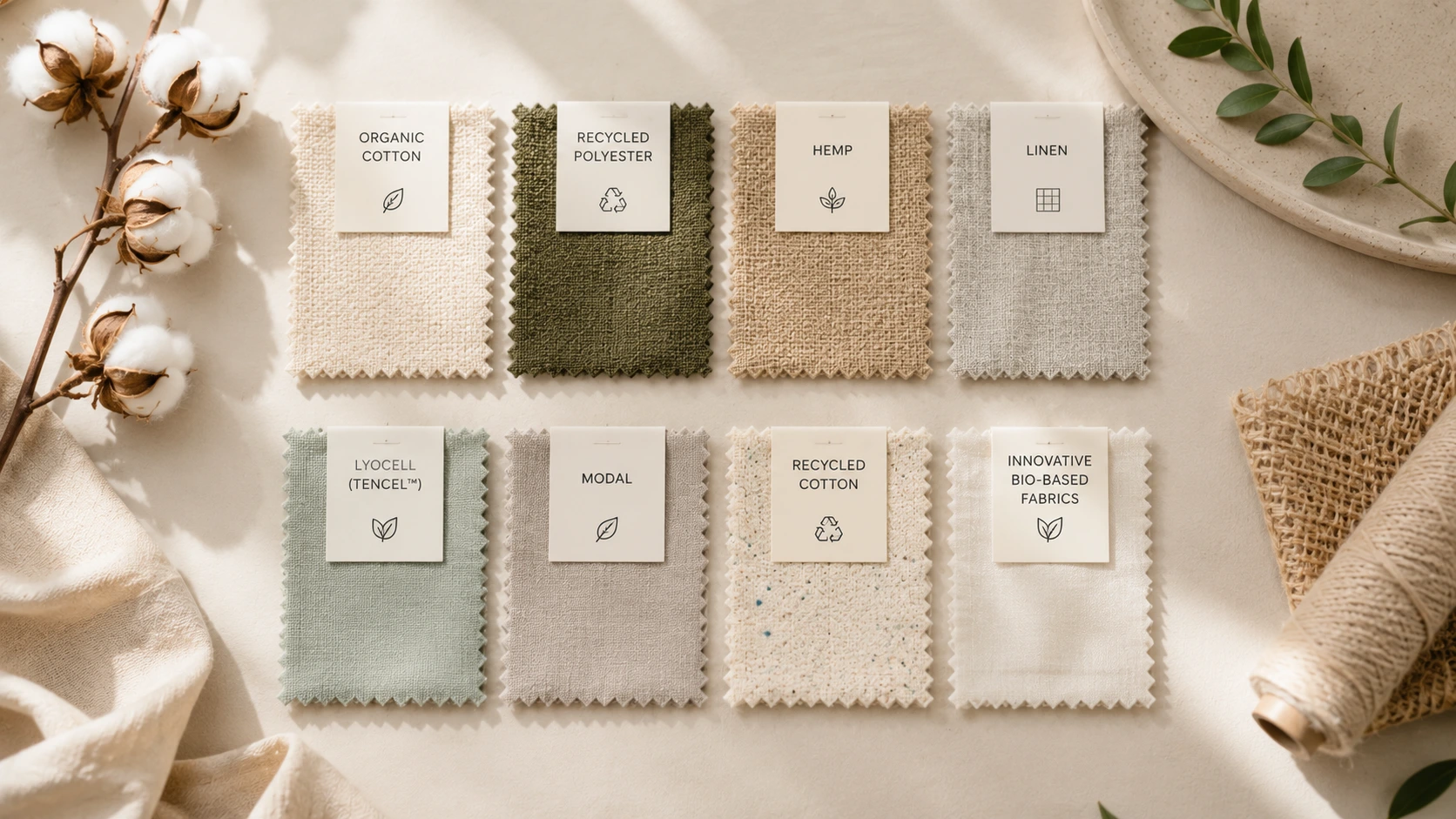
Imagine enhancing your brand’s sustainability story while making your sustainable fabric garments feel luxurious, endure over time, and perform flawlessly. Which fabrics would you choose first? For modern clothing brands, fabric choice is no longer just a design decision. It is a brand positioning decision, a supply chain decision, and a long-term business decision. Customers ask what your products are made from. Retail buyers ask for certifications and traceability. And your manufacturer needs clear specifications so fabric performance stays consistent in bulk production.
This guide breaks down the most practical sustainable fabric options for clothing brands today. You will learn how each fabric is made, what it is best for, how it behaves in real garments, what to ask suppliers, and how to build a sustainable material strategy that supports quality, scalability, and buyer trust.
What Makes a Fabric “Sustainable” in Apparel?
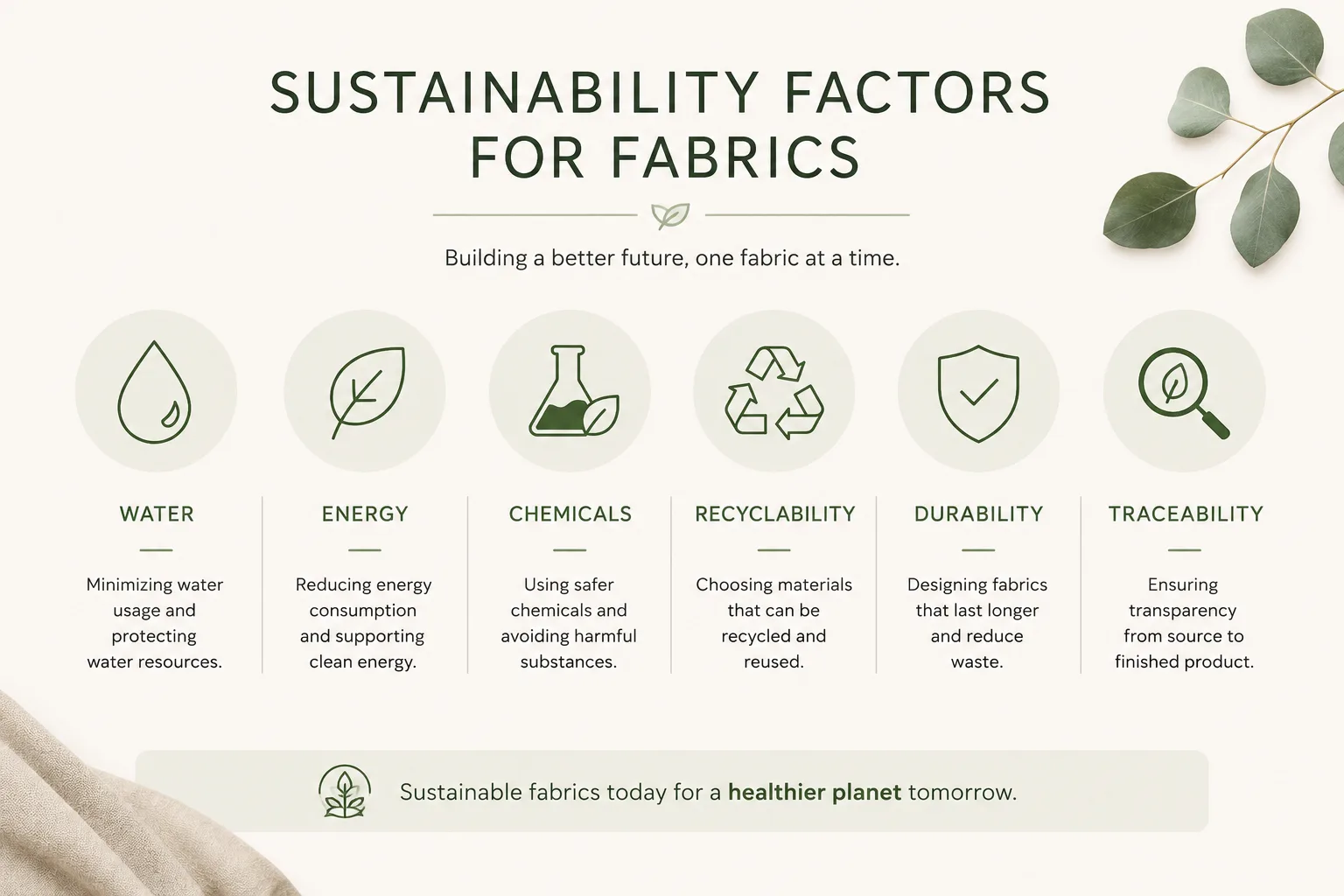
Sustainable fabrics, including those made from recycled materials, are chosen and produced in ways that reduce environmental impact and support responsible supply chain practices. But sustainability is not one simple label. Two fabrics can be called sustainable for different reasons, including their use of recycled materials or biodegradable properties.
A fabric is generally considered more sustainable when it supports some combination of:
- Reduced water use or improved water stewardship
- Lower chemical pollution and safer dyeing and finishing
- Reduced reliance on virgin petroleum or non-renewable inputs
- Better land management, soil health, or biodiversity impact
- Recycled or circular material use that reduces waste
- Higher durability that extends garment lifespan
- Transparent and traceable sourcing through documentation
- Responsible labor and compliance practices in the supply chain
For brands, the most practical way to think about sustainable fabrics is this: choose materials that match your product category, meet customer expectations, and can be verified through credible supplier documentation.
Types Of Sustainable Fabrics
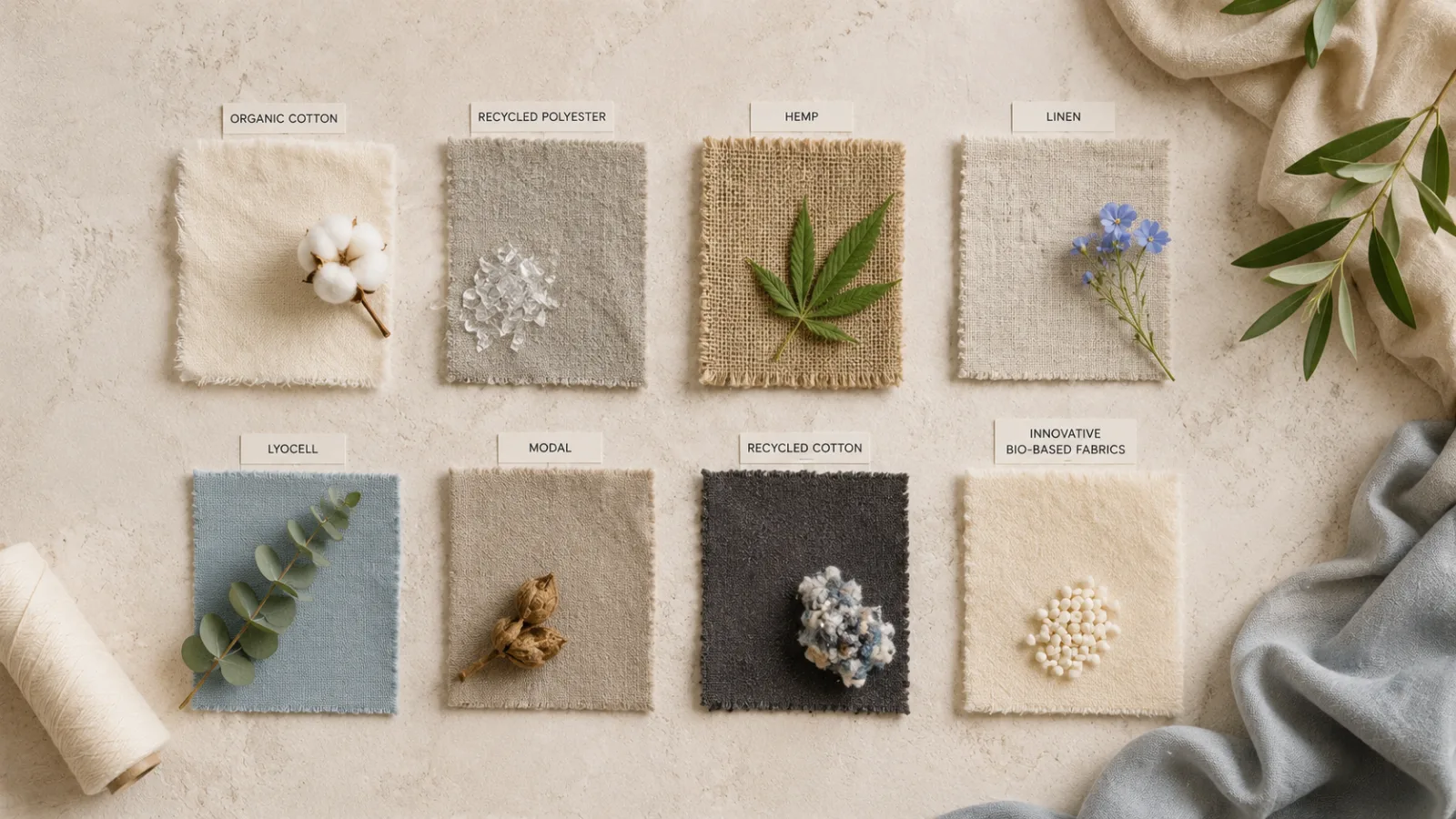
Sustainable fabrics is one important response from the fashion industry to ethical concerns and changing consumer expectations. Lower-impact fabrics such as organic cotton, organic hemp and organic linen come from plants like the flax plant and avoid the heavy pesticide use of conventional cotton, reducing water and pesticides and improving overall environmental impact. Innovations such as tencel™ use a closed-loop system to minimize water and energy use, while regenerated nylons like econyl® are made from fishing nets and other waste to replace virgin nylon.
Other approaches include deadstock or reclaimed fabric and upcycled cotton to avoid new production, less water and less energy processes, and certifications like gots and Oeko-Tex to assure organic status and safe chemicals. Some activewear alternative materials reduce the way conventional synthetics release microplastics, addressing microplastic pollution. Choosing eco-friendly and eco-friendly fabrics over animal leather or conventional synthetics helps ethical brand goals and lowers the water and energy consumption and energy and water footprint of clothing materials, making sustainable fabrics a viable option among types of sustainable fabrics.
What Fabric is The Most Sustainable?
Choosing the most sustainable fabric depends on criteria like resource use, chemical inputs, and end-of-life impact; however, hemp often ranks highest because it grows quickly with minimal water and pesticides, enriches soil, and yields durable fiber that requires less processing than many alternatives. Linenorganic cotton improves on conventional cotton by avoiding synthetic pesticides and promoting soil health, though it still demands significant water in some regions.
For circularity, recycled polyester can be a sustainable option when it reduces reliance on virgin fossil resources and is part of a system that manages microfiber pollution and enables further recycling; ultimately, the best choice combines low-impact natural fibers, thoughtful production, and durable design to minimize total environmental footprint.
How to Build a Sustainable Fabric Strategy as a Brand
Before we list fabrics, it helps to think like a brand owner. Sustainable materials work best when you build a strategy, not a random mix.
A smart fabric strategy usually includes:
- A small set of core fabrics for consistent quality and easy reorders
- One or two premium sustainable materials for hero products and storytelling
- A clear plan for certifications and documentation
- Fabric performance testing such as shrinkage, pilling, and colorfastness
- Alignment with your manufacturer’s capabilities and MOQ realities
- A way to communicate fabric benefits in simple customer language
Modern brands win when they combine sustainability and performance. The fabric must feel good, wear well, and survive real customer use.

The Benefits Of Using Sustainable Fabrics
The modern fashion industry is responding to consumer expectations by offering fabrics like tencel™, econyl® and blends that include organic cotton and organic linen, because sustainable fabrics is one clear route to reduce the overall environmental impact of clothing materials. Brands that certify with gots or Oeko-Tex and adopt a closed-loop system help minimize water and energy consumption, pesticide use, and energy-intensive processing. Alternatives to virgin nylon or animal leather — such as econyl® regenerated yarn or reclaimed fabric and upcycled cotton — reduce waste and answer ethical concerns.
Choosing lower-impact fabrics and innovations like fiber from the flax plant or rayon made responsibly creates an activewear alternative that performs without the microplastic problem common in synthetics that release microplastics. When an ethical brand verifies organic status and tracks energy and water use, the benefits compound: less pollution, fewer toxins, extended garment lives, and a smaller overall environmental impact for the fashion industry.
Organic Cotton: The Most Popular Sustainable Fabric for Basics
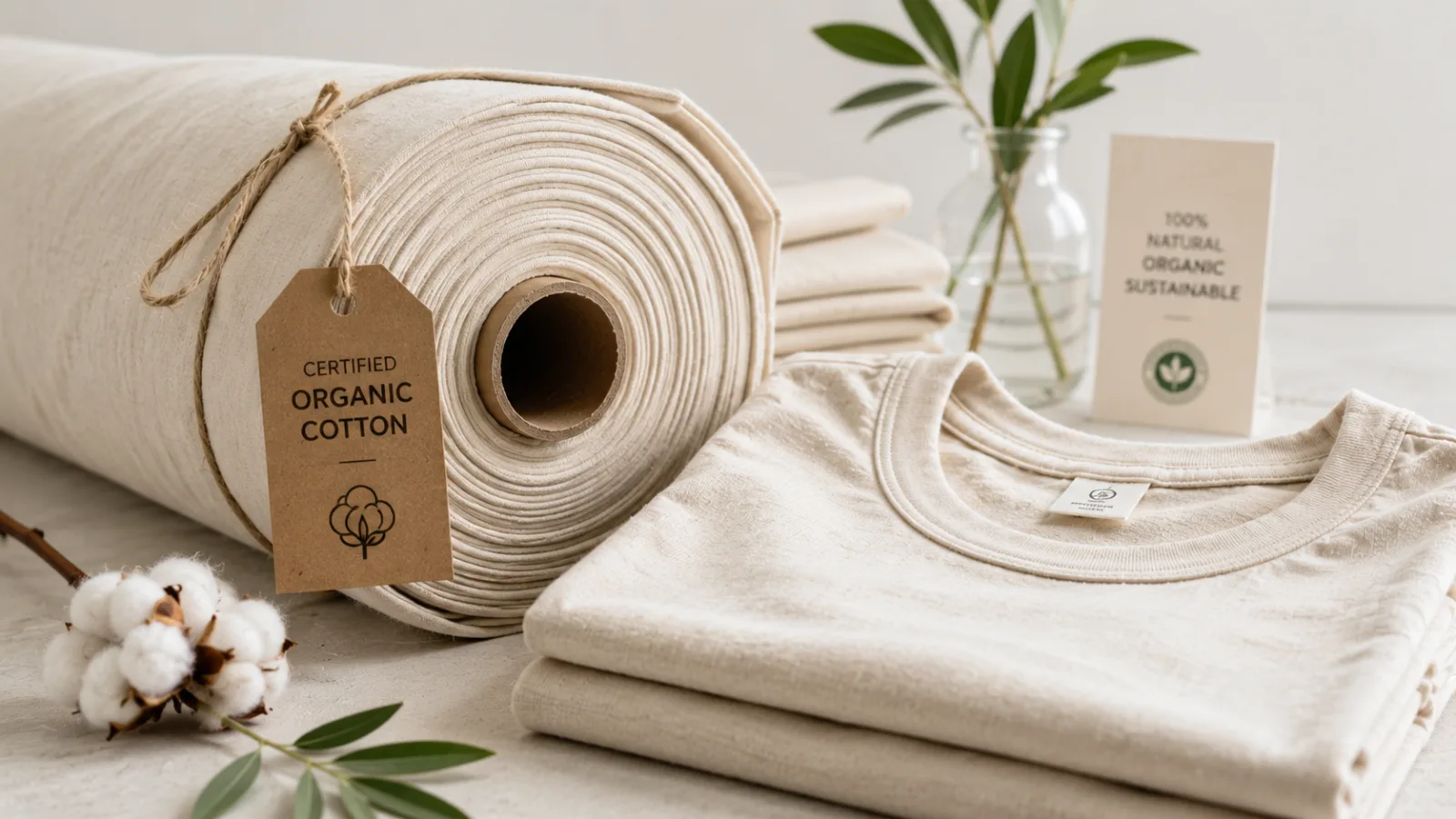
Organic cotton is one of the most demanded sustainable fabrics in modern apparel because it fits so many product categories and supports strong marketing claims when properly certified.
Why brands choose organic cotton
- Suitable for t-shirts, hoodies, loungewear, babywear, underwear, and casual basics
- Strong consumer understanding and trust when documentation is clear
- Often positioned as better for sensitive skin categories
- Works well with many dyeing and finishing methods
What to watch for
- Organic claims require documentation and traceable supply chain handling to ensure the use of environmentally friendly practices.
- Fabric quality depends on yarn type, staple length, knit structure, and finishing, particularly when using eco-friendly or upcycled materials.
- Organic cotton can still have shrinkage issues if not pre-shrunk or tested
Best use cases
- Premium basics collections increasingly feature eco-friendly fabrics and sustainable production methods.
- Baby and kids apparel
- Underwear and sleepwear
- Sustainable uniform programs for premium clients often incorporate eco-friendly fabrics and practices.
Recycled Cotton: Circular Material for Lower Waste
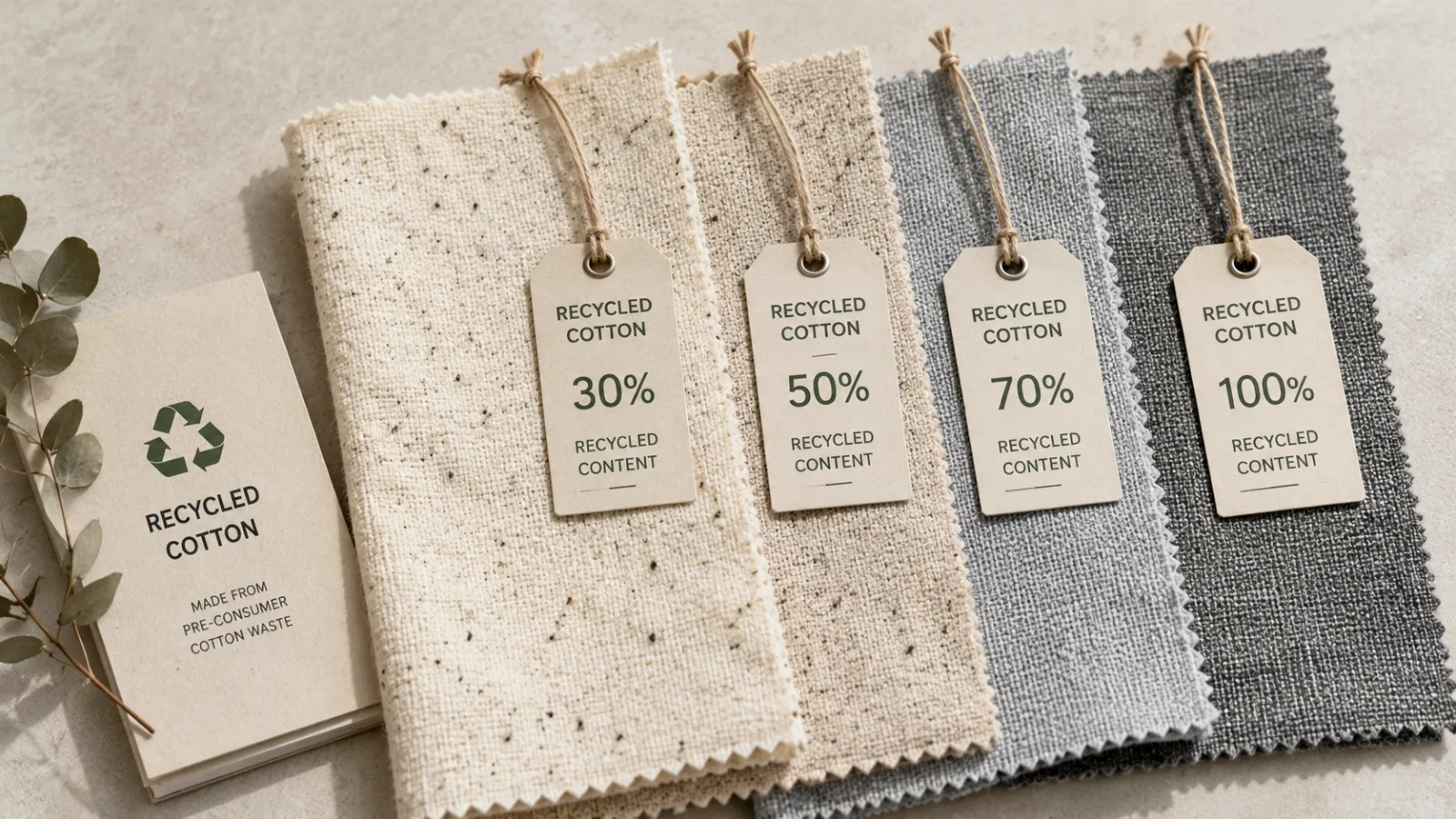
Recycled cotton comes from post-industrial cutting waste or post-consumer textiles. It supports circularity and reduces landfill impact. For brands, recycled cotton can be a strong sustainable material when used thoughtfully.
Why brands use recycled cotton
- Supports circular fashion positioning
- Reduces textile waste and demand for virgin cotton farming
- Works well in blends for durability and cost balance
- Good for casual lifestyle apparel
What to watch for
- Recycled cotton fibers can be shorter, which can reduce strength
- Often blended with other fibers for durability
- Fabric consistency can vary depending on recycling source
Best use cases
- Sweatshirts and fleece blends
- Casual tees and lounge sets
- Tote bags and accessories
- Midweight knitwear where durability is not heavily stressed
Recycled Polyester: Performance Fabric With Sustainability Angle
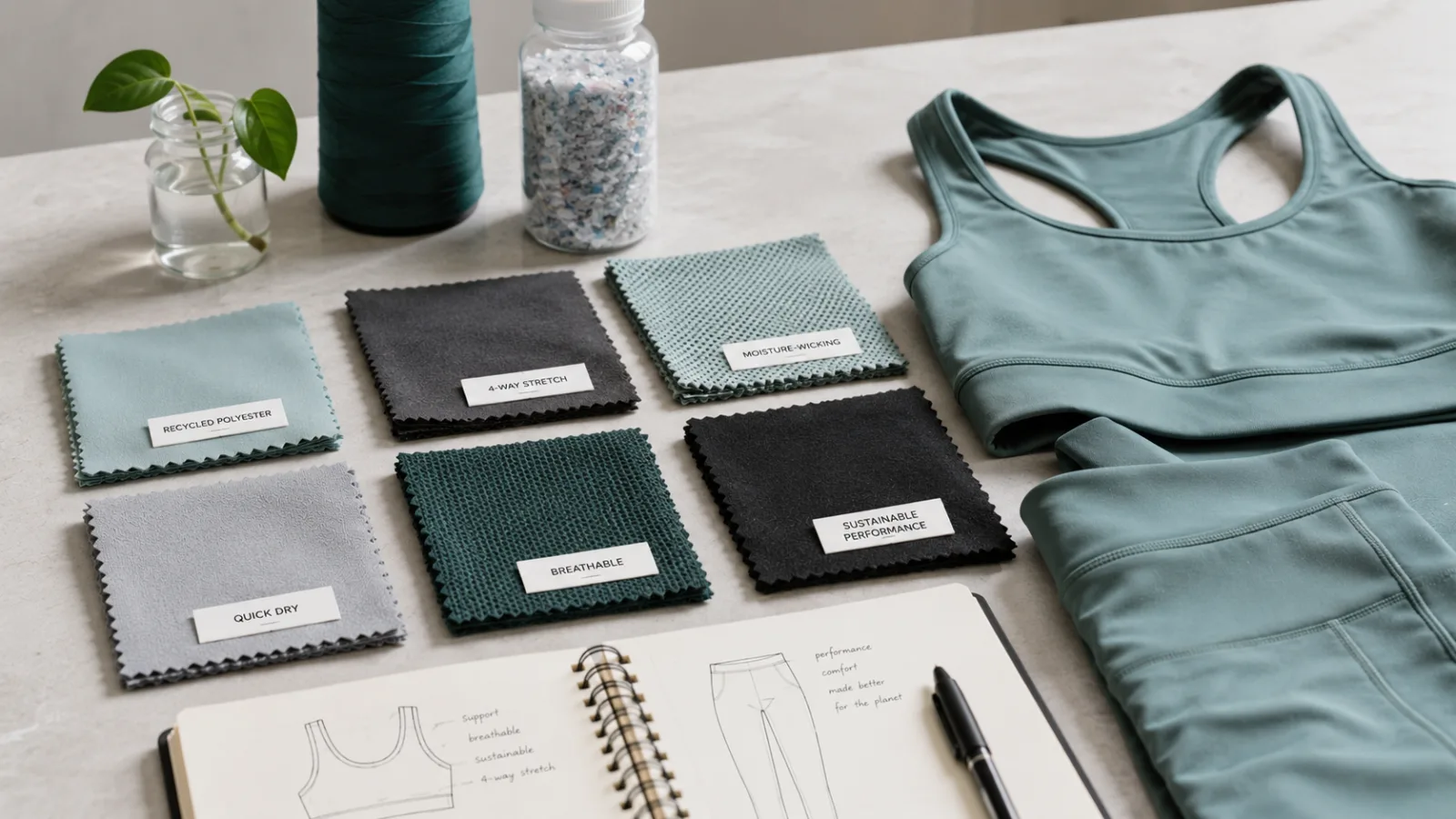
Recycled polyester is widely used in activewear, outerwear, and performance apparel. It is often made from recycled plastic bottles or reclaimed polyester waste.
Why brands choose recycled polyester
- Strong performance and durability
- Less reliance on virgin petroleum inputs
- Works well for moisture-wicking and quick-dry garments made from recycled materials.
- Widely available for large-scale production
What to watch for
- Still a synthetic fiber and can shed microfibers
- Fabric claims should be verified through documentation
- Blends with elastane can reduce recyclability
Best use cases
- Activewear and athleisure
- Outdoor jackets and windbreakers
- Sports uniforms
- Performance leggings and tops
Brands often pair recycled polyester with strong construction quality and careful finishing to reduce long-term waste through better durability.
TENCEL Lyocell: Premium Sustainable Fabric for Soft, Drapey Garments
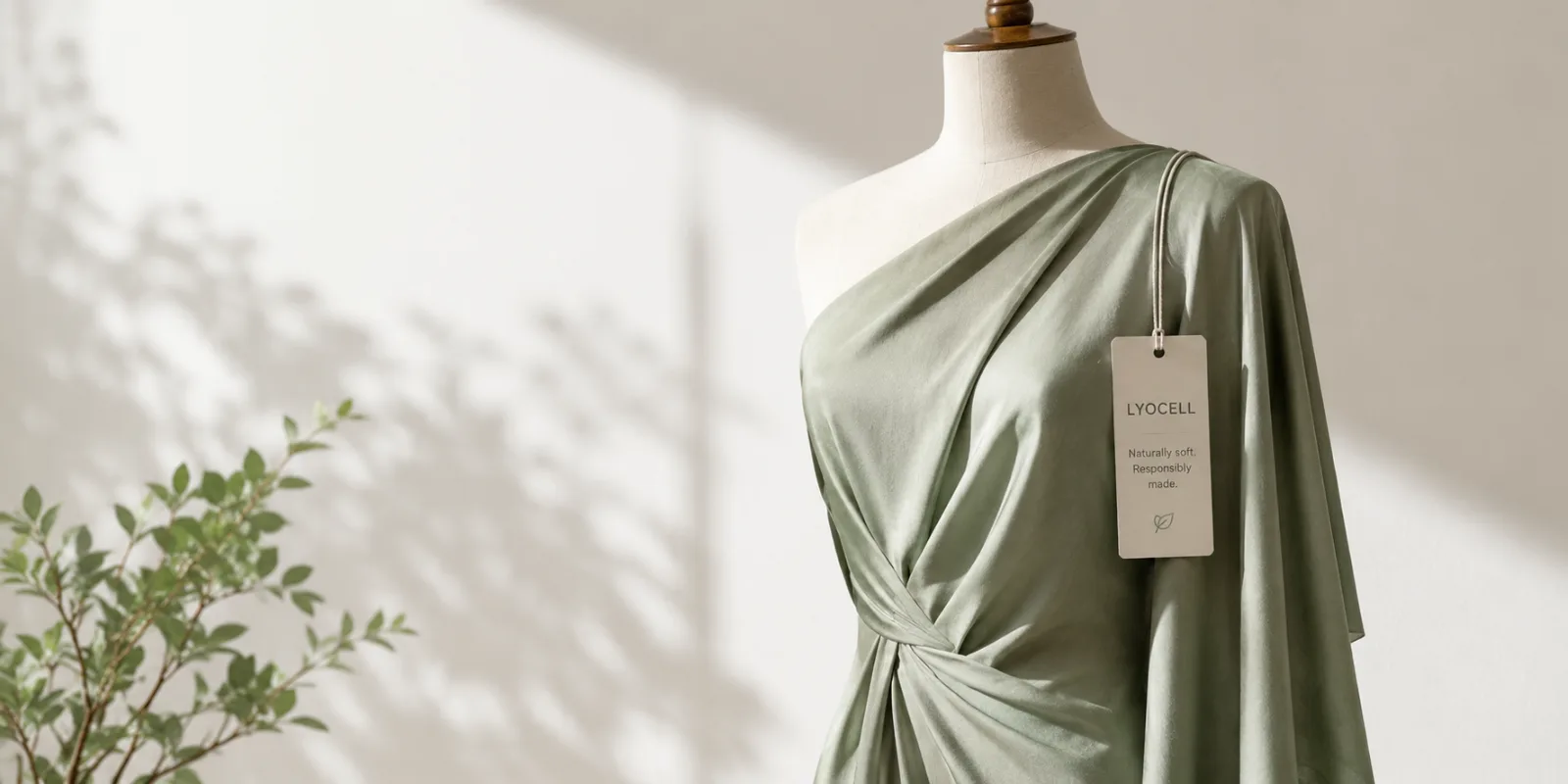
Lyocell is a regenerated cellulose fiber often made from wood pulp. Many brands use it for premium softness, drape, and comfort.
Why brands love lyocell
- Soft feel and premium drape
- Works well for dresses, tops, shirts, and underwear
- Often marketed as breathable and comfortable
- Aligns well with premium sustainable fashion positioning
What to watch for
- Fabric behavior depends on weave and finishing
- Requires careful handling for shrinkage and wrinkling control
- Sourcing should focus on responsible supply chain documentation
Best use cases
- Women’s dresses and blouses
- Premium shirts and casual trousers
- Underwear and sleepwear
- Sustainable capsule collections with a premium fabric story
Modal: Soft Fiber for Comfort-Driven Apparel
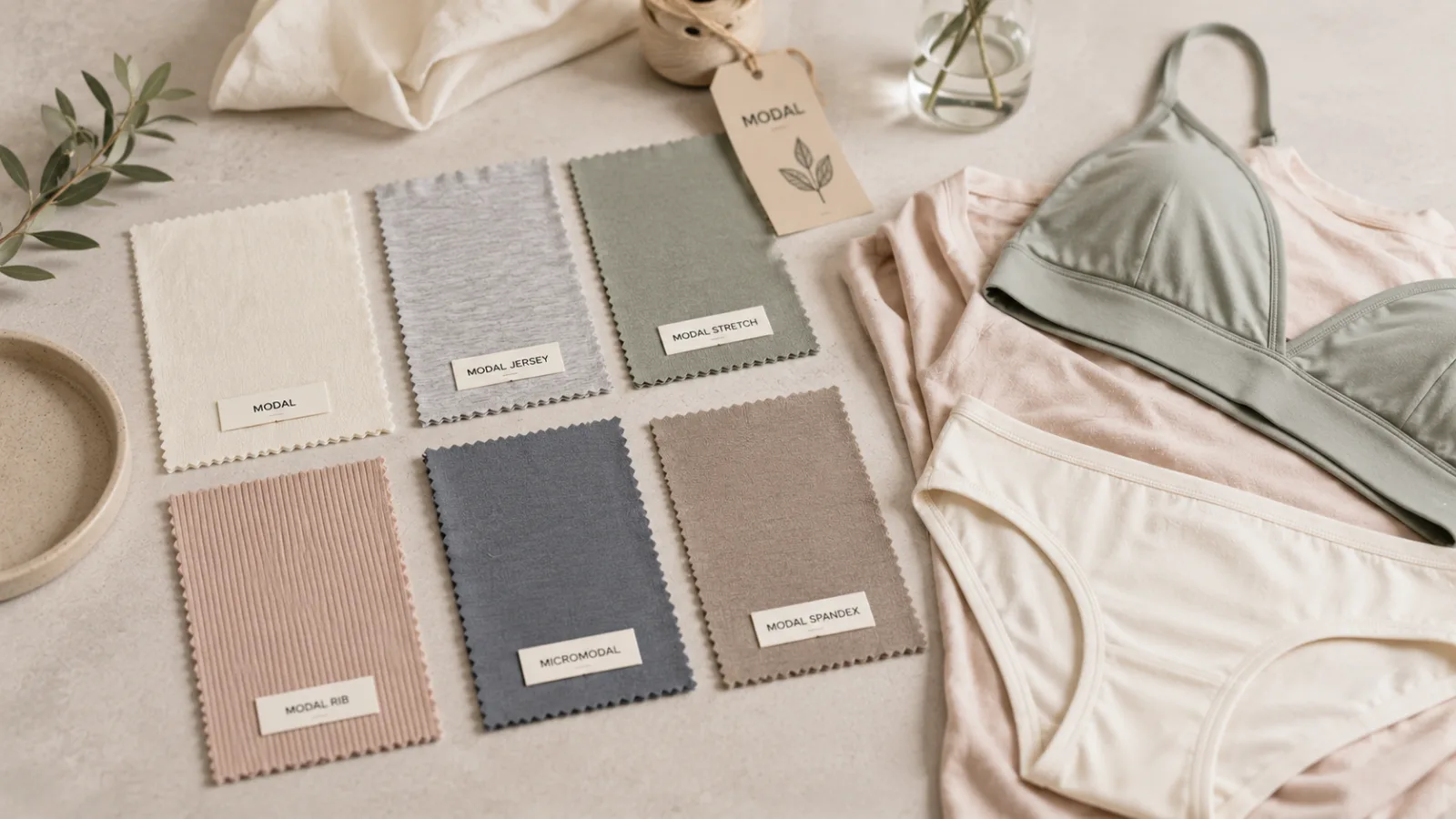
Modal is another regenerated cellulose fiber commonly used in underwear, loungewear, and premium basics. It is known for softness and smooth feel.
Why brands choose modal
- Extremely soft hand-feel
- Good color absorption and dye results
- Comfortable for next-to-skin products
- Popular for premium basics
What to watch for
- Often blended with cotton or elastane
- Requires careful supplier selection for documentation and responsible sourcing
- Fabric quality varies by producer and finishing
Best use cases
- Underwear and innerwear
- Sleepwear and loungewear
- Premium t-shirts and tops
- Athleisure comfort blends
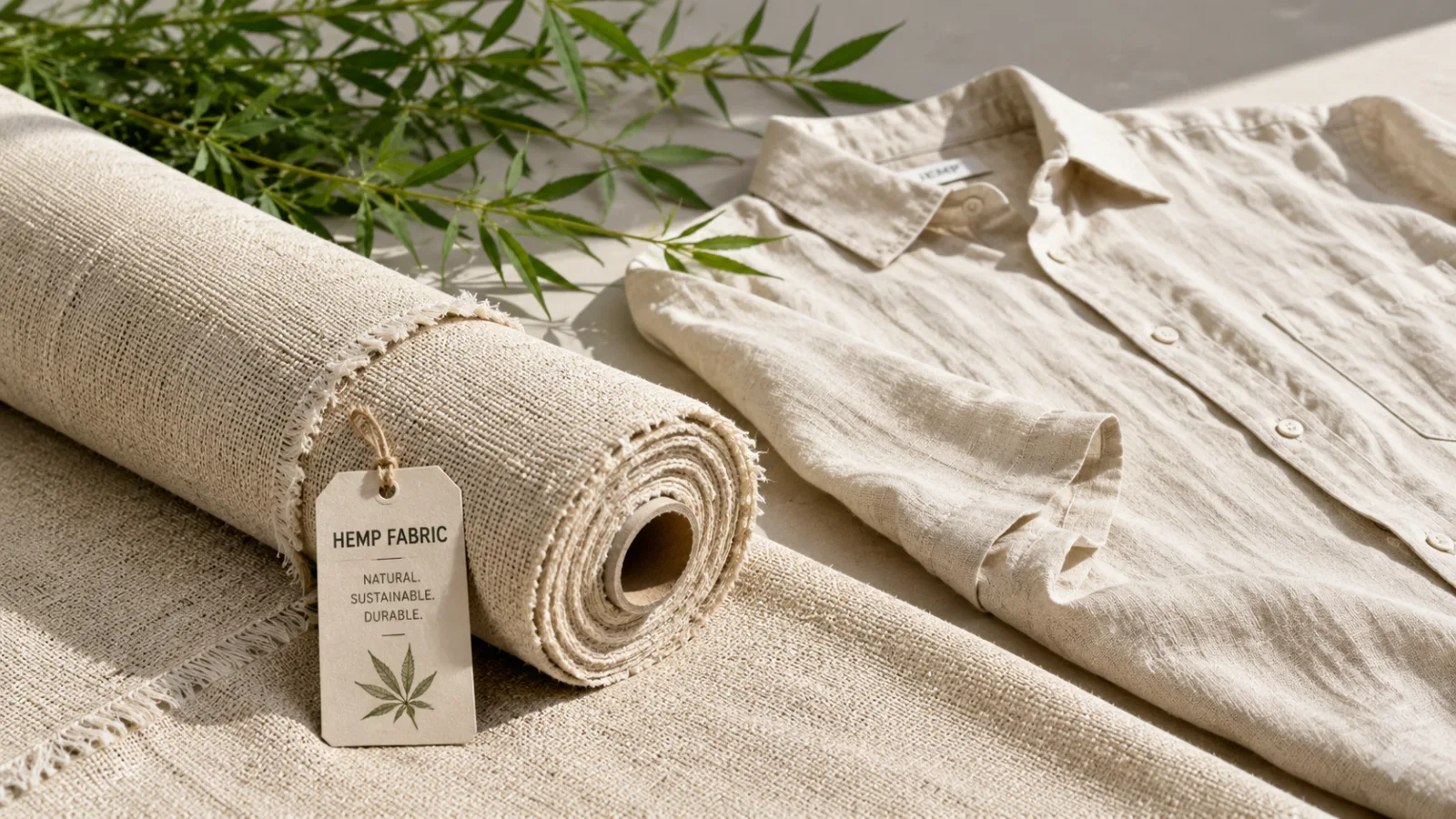
Hemp: Strong, Breathable Natural Fiber With Growing Demand
Hemp is one of the most talked-about sustainable natural fibers. It is known for strength, breathability, and a distinct texture that brands often position as premium and eco-conscious.
Why brands choose hemp
- Strong and durable
- Breathable and good for warm climates
- Often positioned as a lower-impact natural fiber option
- Ages well and becomes softer over time, especially when made from biodegradable fibers.
What to watch for
- Can feel rough if not properly finished or blended
- Color consistency and dyeing behavior require careful testing
- MOQ and availability can vary based on supplier region
Best use cases
- Woven shirts and summer tops
- Trousers and relaxed fit pants
- Dresses with a natural texture aesthetic
- Sustainable lifestyle collections
Linen: Lightweight Natural Fabric for Warm-Weather Collections
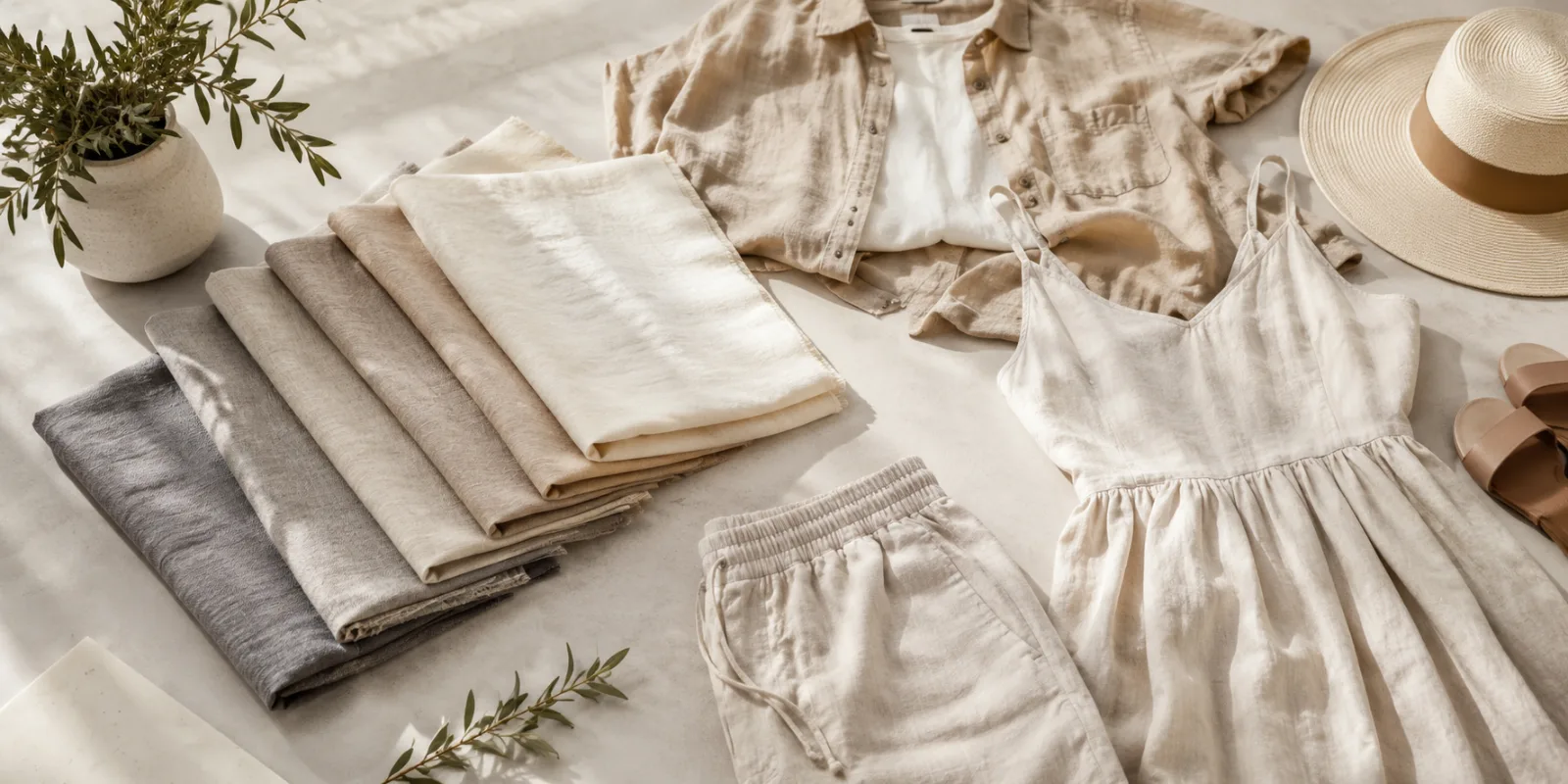
Linen, an eco-friendly fabric made from flax, is widely used for summer apparel. It is known for breathability and a natural, premium look.
Why brands choose linen
- Breathable and comfortable in heat
- Premium natural look and texture
- Strong fiber and good durability
- Fits well with minimal, modern brand aesthetics
What to watch for
- Wrinkles easily, which can be a feature or a concern depending on brand style
- May require softer finishing for comfort
- Fabric weight and weave type impact drape and transparency
Best use cases
- Summer shirts and resort wear
- Dresses, skirts, and beachwear
- Lightweight trousers
- Sustainable premium capsule collections
Bamboo Viscose: High Demand but Needs Careful Messaging
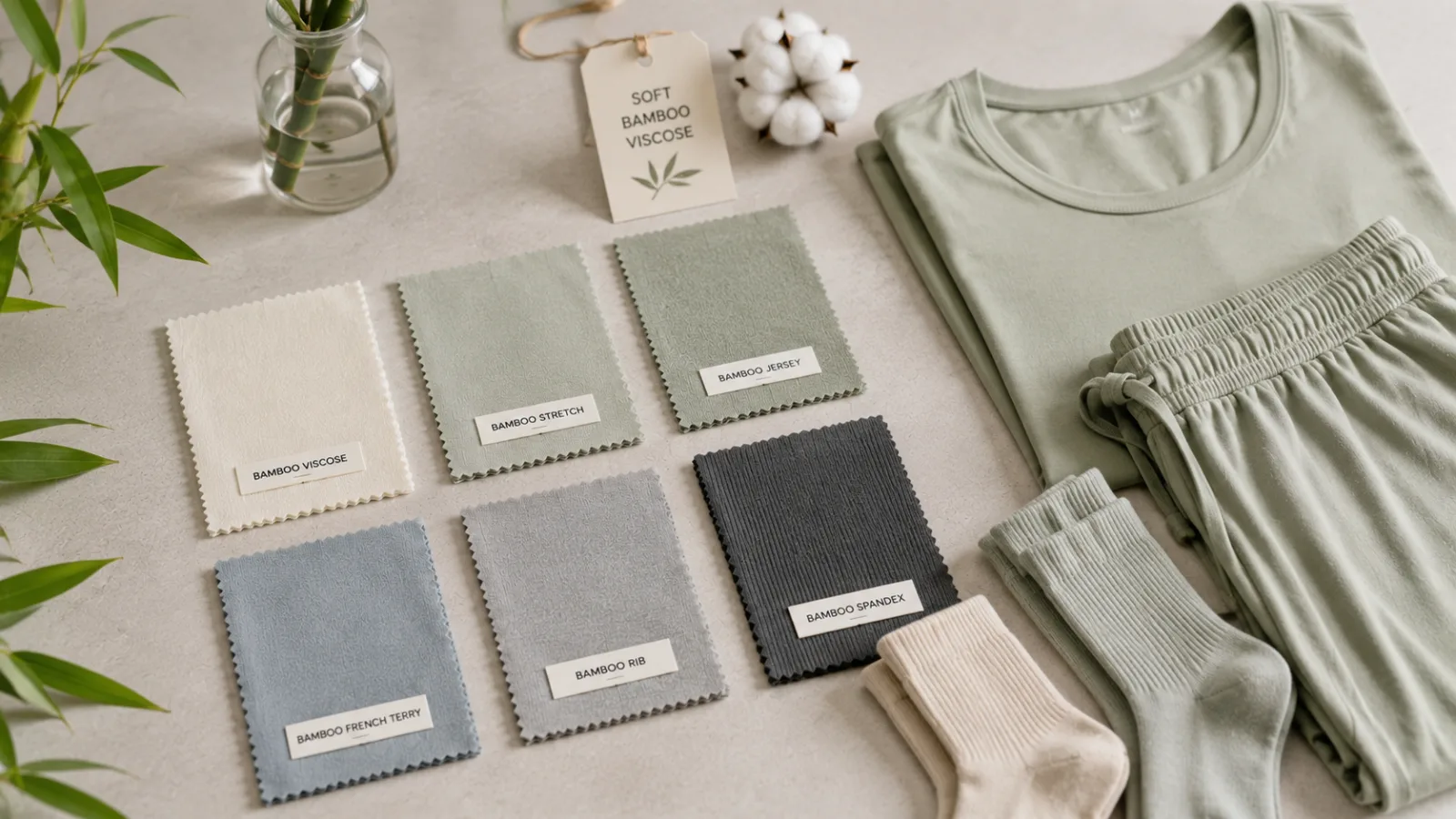
Many brands use bamboo-based fabrics because they feel soft and are marketed as eco-friendly. But bamboo viscose sustainability depends heavily on processing and supplier transparency.
Why brands use bamboo viscose
- Soft and comfortable feel
- Popular for underwear, loungewear, and socks
- Strong consumer demand due to comfort benefits
What to watch for
- Sustainability claims vary based on processing methods
- Documentation and traceability are critical
- Brands should communicate carefully and avoid exaggerated claims
Best use cases
- Underwear and socks
- Loungewear and sleepwear
- Baby textiles where softness is key
Recycled Nylon: Durable Option for Performance and Swimwear
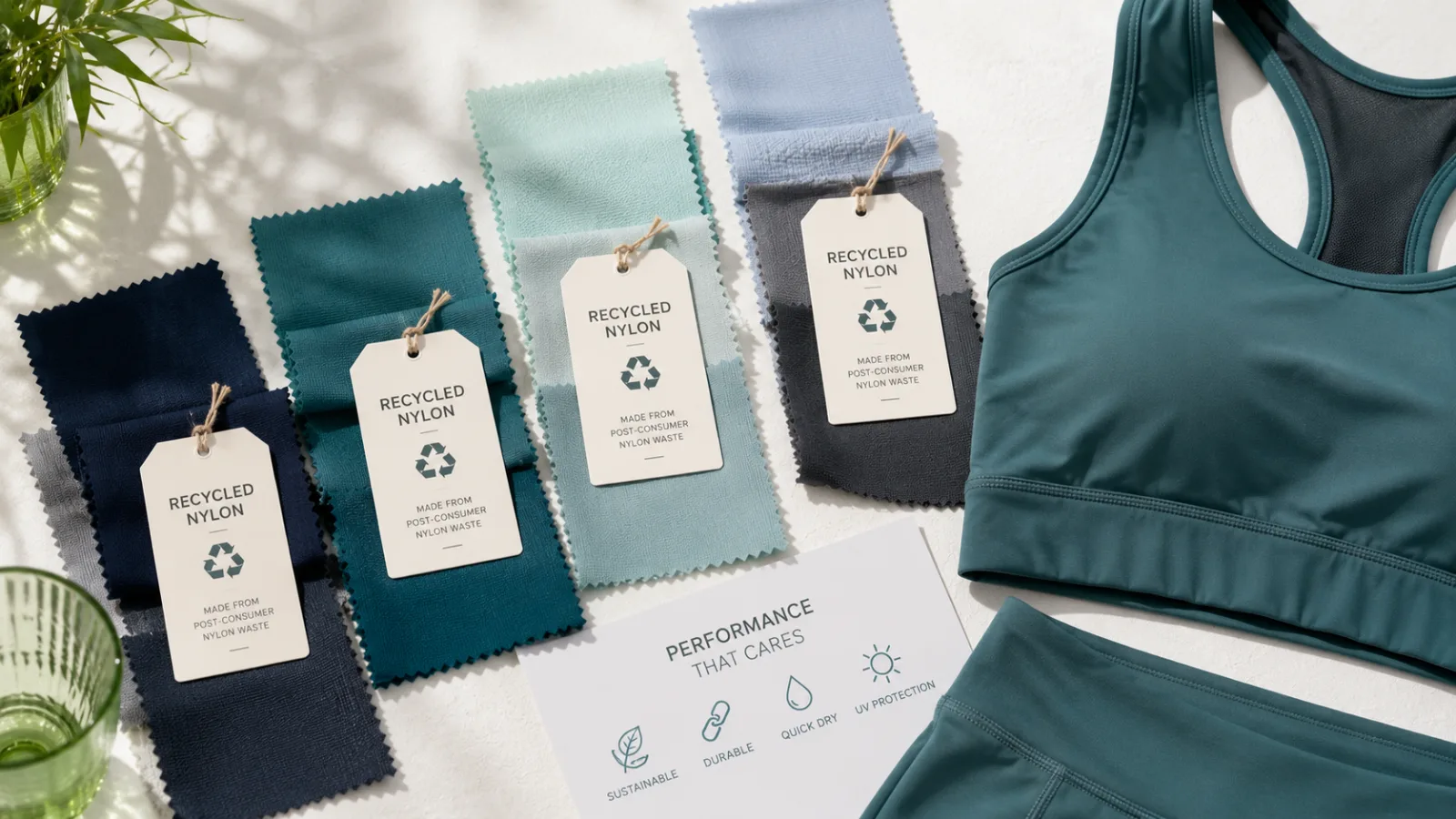
Recycled nylon is common in swimwear, leggings, and performance gear. It offers strength and stretch performance when blended properly with eco-friendly fabrics.
Why brands choose recycled nylon
- Strong and durable
- Suitable for swimwear and performance apparel
- Supports recycled content positioning
- Often used for premium athleisure products
What to watch for
- Usually blended with elastane, which impacts recyclability and the use of eco-friendly fabrics.
- Requires quality testing for stretch recovery
- Recycled claims need documentation
Best use cases
- Swimwear and bikinis
- Compression leggings
- Performance tops
- Outdoor performance apparel
Innovative Bio-Based and Next-Gen Sustainable Materials
Modern sustainable fashion is also driven by new materials. While availability and cost can vary, these materials are increasingly important for premium brands.
Examples include:
- Plant-based leather alternatives
- Bio-based polymers for performance fabrics
- Agricultural waste fibers such as pineapple leaf or other plant-based blends
- Mycelium-based materials used in accessories
These materials can be powerful for brand storytelling, but brands should test thoroughly for durability and ensure supplier claims are verifiable. Many next-gen fabrics work best in limited capsule collections before scaling.
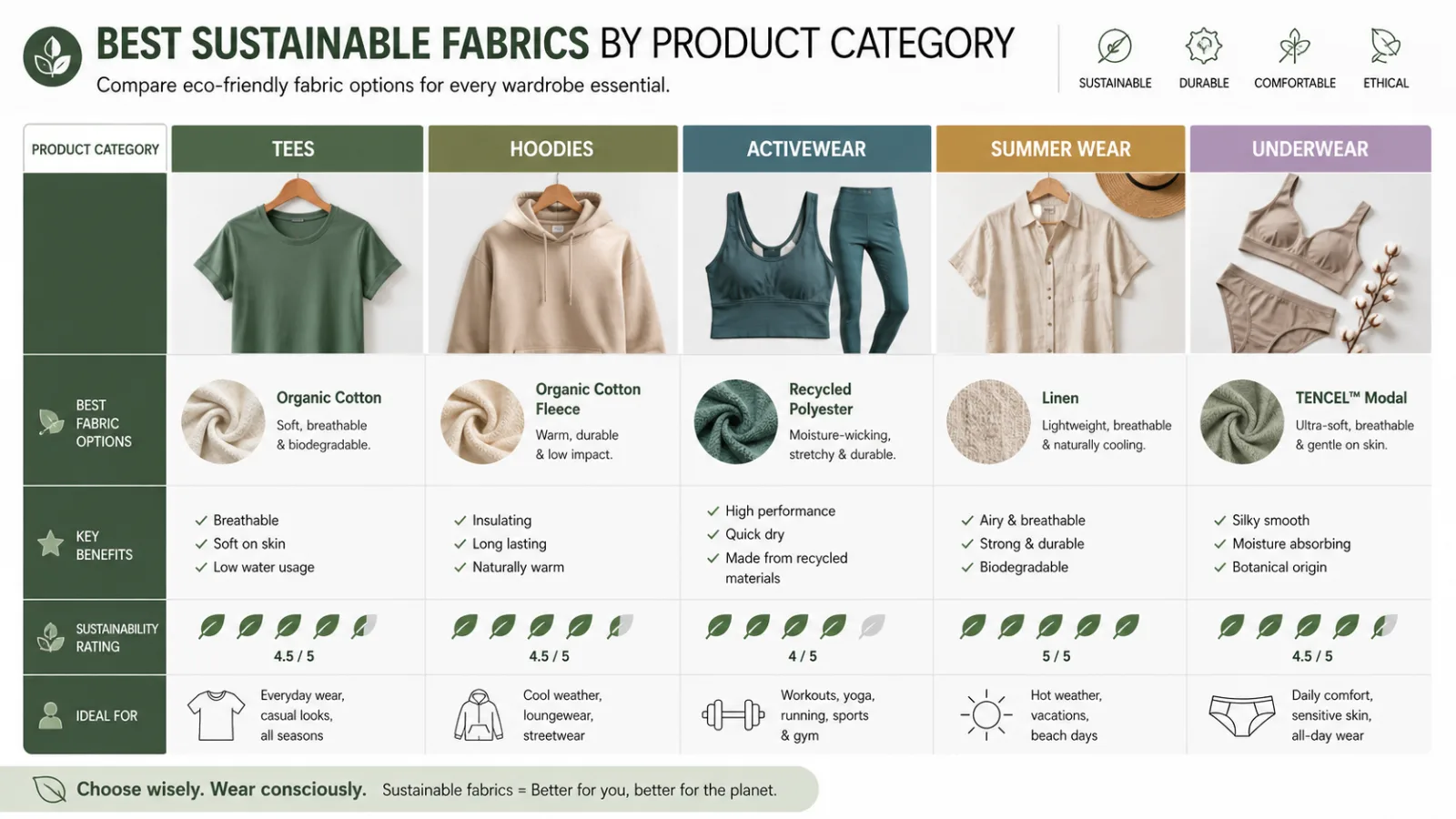
How to Choose the Right Sustainable Fabric for Your Product
The best sustainable fabric depends on the product category, customer expectations, and performance requirements.
For t-shirts and basics
- Organic cotton
- Organic cotton-modal blends
- Recycled cotton blends
For hoodies and sweat sets
- Organic cotton fleece
- Recycled cotton blends
- Organic cotton-recycled polyester blends
For activewear
- Recycled polyester
- Recycled nylon blends
- Performance fabrics with careful testing
For summer wear
- Linen
- Hemp
- Lightweight organic cotton
For underwear and sleepwear
- Organic cotton
- Modal
- Bamboo viscose with careful documentation
The key is to test fabric behavior in sampling and bulk. Sustainable fabric choices should support comfort, durability, and low return rates.
What Brands Should Ask Suppliers Before Buying Sustainable Fabrics
To avoid greenwashing and quality issues, ask suppliers these questions:
- What is the fiber content and GSM, and what tolerance do you allow?
- What shrinkage targets should we expect after washing?
- Do you have documentation for organic or recycled claims?
- Can you provide transaction certificates or lot tracking information?
- What dyeing method is used and is chemical compliance managed?
- What is the MOQ for fabric, and do you have stock options?
- Can you provide lab tests for colorfastness and pilling?
- How consistent are shade bands across dye lots?
Brands that ask these questions early prevent delays later.
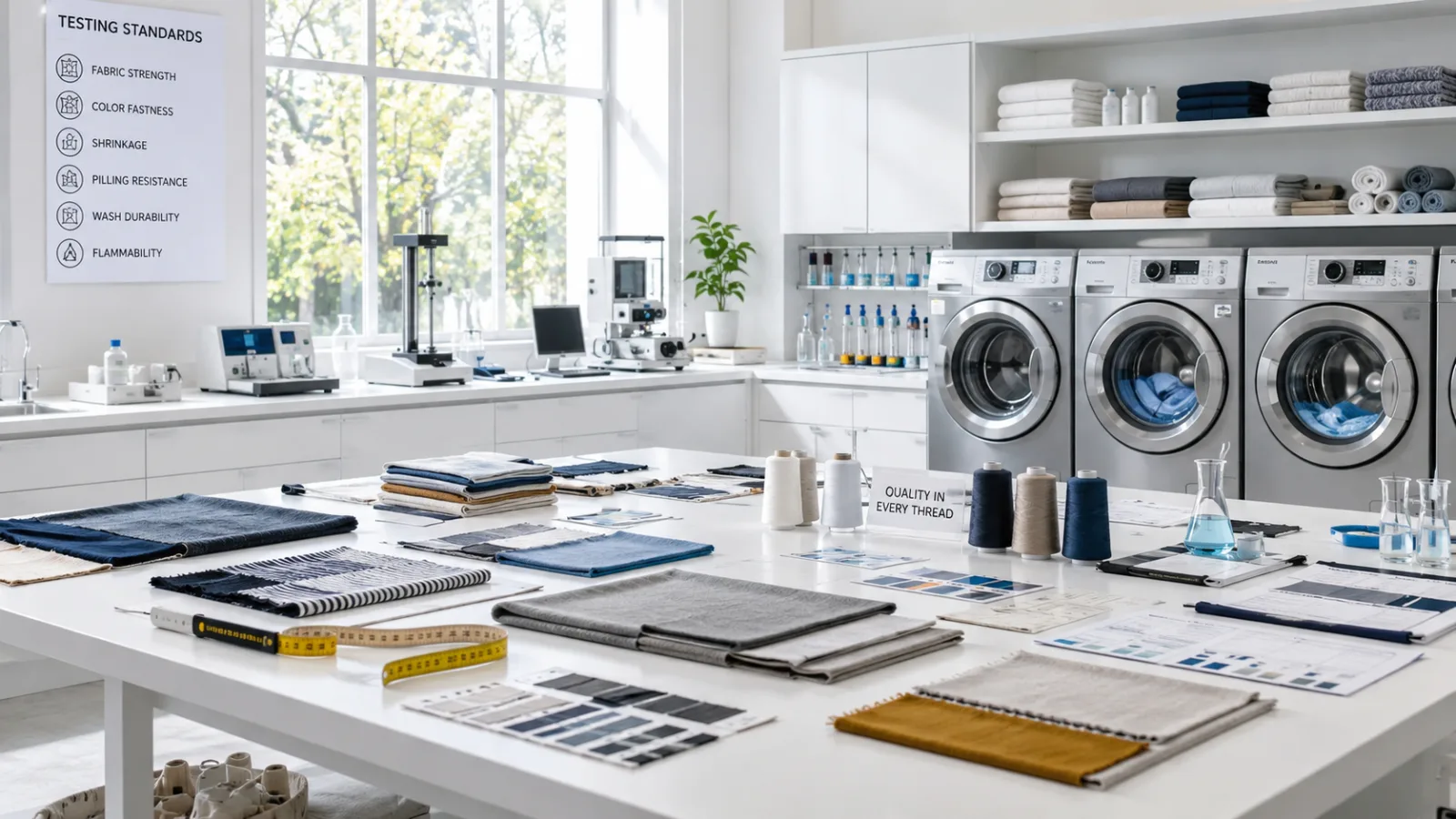
Testing Sustainable Fabrics Before Bulk Production
Sustainable does not automatically mean stable. Fabric testing is critical before bulk orders.
Brands should test:
- Shrinkage after wash
- Spirality for knits
- Colorfastness to washing and rubbing
- Pilling performance
- Stretch recovery for performance fabrics
- Seam slippage for wovens
Testing helps reduce returns and protects customer trust. It also helps your manufacturer control bulk production more accurately.
How Sustainable Fabrics Support Brand Storytelling Without Overpromising
The strongest sustainable brands communicate clearly. They avoid exaggerated claims. They focus on what is verifiable.
A practical approach:
- Explain why you chose the fabric
- Highlight comfort and durability benefits
- Mention verified sourcing only when documents support it
- Share supplier transparency where appropriate
- Use simple language that customers can understand
Sustainability marketing works best when it feels honest and specific.
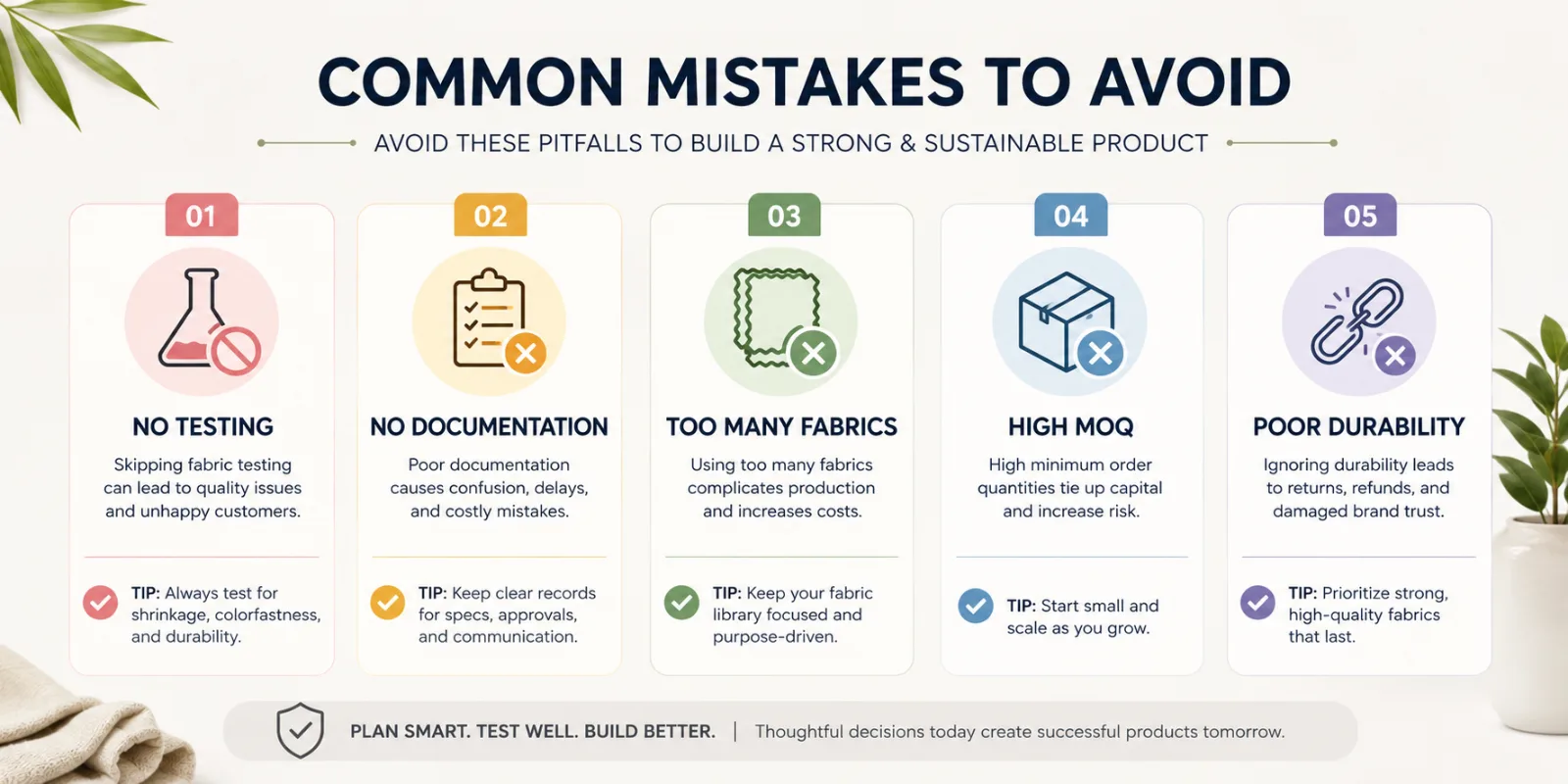
Common Mistakes Brands Make With Sustainable Fabric Choices
- Choosing a sustainable fabric without testing for shrinkage and durability
- Making big claims without documentation
- Selecting too many fabric types causes supply chain complexity
- Ignoring MOQ realities and trim matching requirements
- Overusing blends that reduce recyclability without a clear reason
- Choosing comfort-only fabrics that wear out fast, increasing waste
- Working with suppliers who cannot provide consistent quality and shade control
Sustainable fabric strategy should be simple, testable, and scalable.
Cheat Sheet of Lower-Impact Fabrics
A concise cheat sheet of lower-impact fabrics helps shoppers choose materials that reduce environmental harm and support ethical labor; cotton alternatives like hemp and linen require less water and chemicals, while TENCEL and modal—made from sustainably managed wood—offer soft, biodegradable options.
Understanding certifications and supply chains is essential: look for transparency, recycled-content labels, and fair trade partnerships that ensure producers receive equitable pay and safe working conditions.
Blends can balance performance and footprint when they favor natural or recycled fibers; avoid microplastic shedding synthetics where possible and prioritize durable, repairable garments. This quick reference encourages mindful purchases, longer use, and end-of-life composting or recycling to close the loop on fashion’s environmental impact.
Frequently Asked Questions About Eco-Friendly Fabric
What are the most common sustainable fabric options for modern clothing brands?
Modern brands typically choose a mix of sustainable and eco-friendly fabric options to balance performance, cost and sustainability. Popular choices include organic cotton, linen (from the flax plant), hemp, lyocell/tencel (including tencel lyocell and tencel™ branded fibres), and regenerated cellulosic options like viscose produced under better standards. For technical garments, brands are adopting recycled polyester and branded lower-impact alternatives such as econyl® (made from waste like fishing nets). Natural fibres such as bamboo, recycled cotton or upcycled cotton, and reclaimed fabric are also common. When planning a product line, consider the environmental impact, certifications like gots or oeko-tex, and lifecycle performance (wash durability, breathable comfort, and tendency to release microplastics).
How do I choose between organic cotton, linen and hemp for apparel?
Choosing among organic cotton, linen (often labelled organic linen) and hemp depends on the garment type, price point and your brand’s sustainability priorities. Organic cotton reduces reliance on chemical pesticide use and is familiar to consumers, but still requires substantial water and energy in cultivation unless from low-water regions. The Linenflax plant, uses far less water and fewer chemicals and creates a durable, breathable fabric ideal for warm-weather apparel. Hemp offers fast growth, low inputs and high fibre yield with excellent durability; it's great for workwear and everyday garments. Factor in availability, processing infrastructure, and any required certification (e.g., gots for organic status) to make the right selection for your line.
What are the advantages and drawbacks of recycled polyester and recycled materials for activewear?
Recycled polyester and other recycled materials (yarns made from post-consumer bottles or textile waste) reduce demand for virgin polyester and lower energy and water used in raw polymer production. They offer excellent durability for activewear and swimwear. However, care must be taken regarding microplastics — synthetic garments continue to release microplastics during washing. Brands can mitigate this by choosing tighter knits, testing for fibre shedding, and recommending washing practices or filters. Some recycled synthetics are made from materials like discarded fishing nets, marketed as econyl®, which also addresses marine textile waste. Evaluate trade-offs: lower virgin resource use and circular potential vs ongoing concerns about biodegradability and microplastic pollution.
How do closed production systems like closed-loop system lyocell (tencel lyocell) improve environmental performance?
Lyocell production, especially under the tencel™ brand, typically uses a closed-loop system in which solvents and processing water are recovered and reused. This reduces chemical emissions, minimizes fresh solvent demand and cuts down on waste. Tencel lyocell and similar lower-impact fabrics are made from sustainable wood pulp (often certified responsibly sourced), and the closed-loop process significantly lowers solvent release to the environment compared to conventional viscose. The result is a versatile, soft and breathable textile with a smaller overall environmental impact when produced under strict standards and with responsible forestry and energy choices.
What certifications should brands look for when sourcing eco-friendly fabrics?
Trusted labels include gots (Global Organic Textile Standard) for organic fiber chains, oeko-tex for restricted substances and safer chemical use, and recognized forest certifications for wood-based fibre feedstocks. For recycled content, third-party verification of post-consumer or post-industrial origins is important. Fair trade certifications can address social and labour ethical concerns. Certifications help demonstrate claims about organic status, sustainable materials and reduced environmental impact, and they align with growing consumer expectations for transparency.
Can natural fibers like bamboo and viscose be considered eco-friendly fabrics?
Natural-origin fibres can be eco-friendly depending on how they are grown and processed. Mechanically processed bamboo (rare) yields a fibre similar to linen and is more sustainable, but many commercial bamboo textiles are made via chemically intensive processes similar to rayon/viscose, resulting in significant chemical use and potential pollution. Viscose made from wood pulp can be lower-impact if produced in a responsible, closed-loop facility with sustainably sourced wood pulp. Brands should look for transparency on production methods and certifications to ensure the claimed eco-friendly benefits truly materialize.
How do brands address the problem of textile waste and upcycled or reclaimed fabric solutions?
Many brands reduce textile waste by using upcycled or reclaimed fabric, implementing design-for-disassembly, or choosing materials that are easier to recycle. Upcycled cotton and other reclaimed fabric sources turn pre-existing garments or manufacturing offcuts into new products, lowering demand for virgin fiber. Investing in take-back programs, partnering with mechanical or chemical recycling facilities, and designing garments with fewer mixed-material assemblies helps close the loop. Communication about the origins of recycled materials and ensuring consistent quality are crucial for scaling these approaches.
Are there viable activewear alternative fabrics that are both high-performance and environmentally friendly?
Yes. Beyond traditional synthetics, options include recycled polyester, recycled blends and newer bio-based or regenerated fibres that mimic technical performance. Tencel lyocell and some modal blends offer moisture management and softness, while econyl® provides a technical recycled nylon for durable activewear and swimwear. Innovations in yarn construction and finishes improve stretch and recovery to match performance expectations. When selecting an activewear alternative, consider lifecycle trade-offs (e.g., biodegradability vs durability), the risk of microplastics release, and the garment’s end-of-life strategy.
How should brands measure the true environmental impact of their fabric choices?
Brands should use life cycle assessment (LCA) to quantify impacts across cultivation, production, transport, use (including wash impacts like microplastics) and end-of-life. Key metrics include greenhouse gas emissions, water and energy consumption, chemical use (e.g., pesticide loads), and waste generation. Look at specific issues like water and pesticides for cotton or energy and water for man-made fibres. Consider certifications (such as gots and oeko-tex) and supplier transparency. Using robust data helps brands compare types of sustainable and lower-impact fabrics and make trade-off-informed choices for their fashion industry offerings.
How can brands balance cost, performance and ethical brand positioning when using sustainable fabrics?
Balancing these goals requires strategic sourcing and consumer education. Start with a prioritized materials list: identify the best sustainable or highest-impact fabrics for your core products (e.g., replace virgin polyester with recycled polyester for outerwear). Use hybrid strategies—mixing certified organic cotton or organic linen with recycled synthetics for performance pieces—to control costs. Invest in supplier partnerships for consistent quality and consider paying for reputable certification to validate claims. Transparent storytelling about the benefits of chosen materials and how they reduce water, chemical and carbon footprints helps align with consumer expectations and strengthens your ethical brand identity while managing price sensitivity.
Many consumers have Frequently Asked Questions About Eco-Friendly Fabric, and the answers often start by clarifying what makes a textile truly eco-friendly. People want to know whether choosing one material over another will save resources, reduce chemical use, or simply follow a trend.
Ethical brand ratings.
Ethical brand ratings provide consumers and investors with a structured way to assess a company's commitment to responsible practices, converting complex information about labor, environment, and governance into clear scores. By evaluating criteria like transparency, sustainability, and social responsibility, these ratings highlight strengths and shortcomings across industries and encourage brands to improve policies and reporting.
Third-party auditors and research organizations gather data on supply chains, emissions, and community impact to produce comparable metrics; robust methodologies help reduce bias and increase consumer trust. For companies, good ratings can boost reputation and long-term value, while poor scores signal risks that require corrective action.
As demand for ethical consumption grows, reliable ethical brand ratings act as a bridge between stakeholder expectations and corporate behavior, nudging markets toward more accountable practices and enabling informed choices by regulators, investors, and everyday buyers.
Final Thoughts: Sustainable Fabric Choices That Help Brands Scale
Sustainable fabric options today are better than ever. Brands can choose organic cotton for basics, recycled polyester for performance, lyocell and modal for premium softness, hemp and linen for natural summer collections, and recycled nylon for swimwear and athleisure. But the best fabric strategy is not about choosing the most “eco” material on paper. It is about choosing fabrics that match your category, perform consistently, and can be verified through supplier documentation. When you build a sustainable fabric library with strong testing and clear sourcing systems, you reduce production risk, build buyer trust, and create products customers want to wear for years.