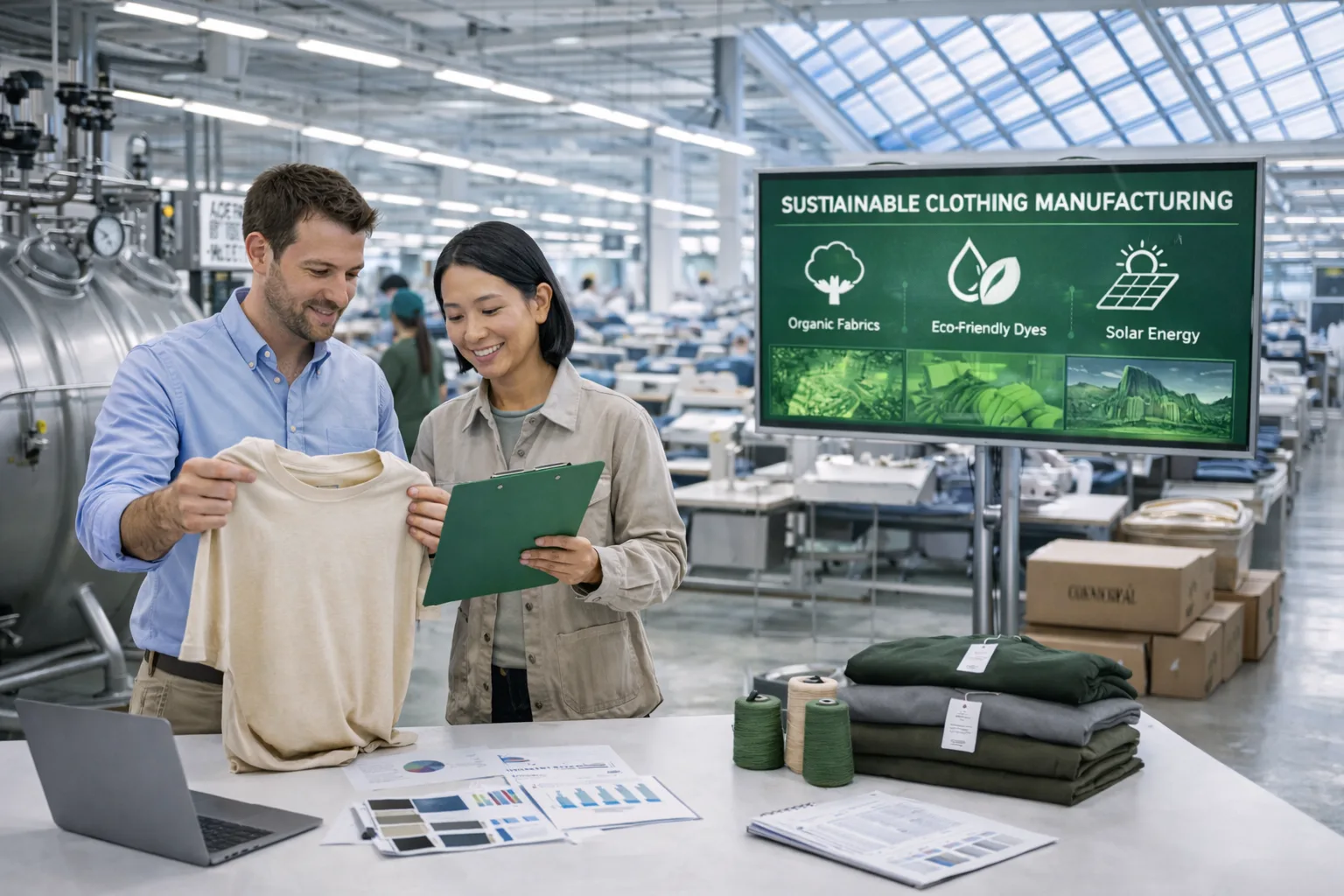
If you could reduce your brand’s environmental impact and improve product quality at the same time, would you change the way you manufacture clothing? Sustainable clothing manufacturing is not just about choosing organic cotton or adding a recycled label. It is a full system that touches fabric selection, dyeing, cutting, stitching, quality control, worker welfare, packaging, logistics, and even what happens after the customer is done wearing the garment.
For apparel brands, this shift is also a business advantage. Buyers are demanding transparency, retailers are tightening supplier standards, and search behavior clearly shows brands want ethical, traceable, and lower-impact production. This complete guide breaks down sustainable apparel manufacturing from end to end, using practical steps and real production considerations, so you can plan your next collection with confidence.
What Is Sustainable Clothing Manufacturing?
Sustainable clothing manufacturing means producing apparel in a way that reduces environmental harm, supports ethical labor, improves material traceability, and builds long-term supply chain responsibility. It includes the decisions you make before production begins, such as fabric sourcing and design choices, and also includes what happens inside the factory, such as chemical management, water use, energy efficiency, and waste reduction.
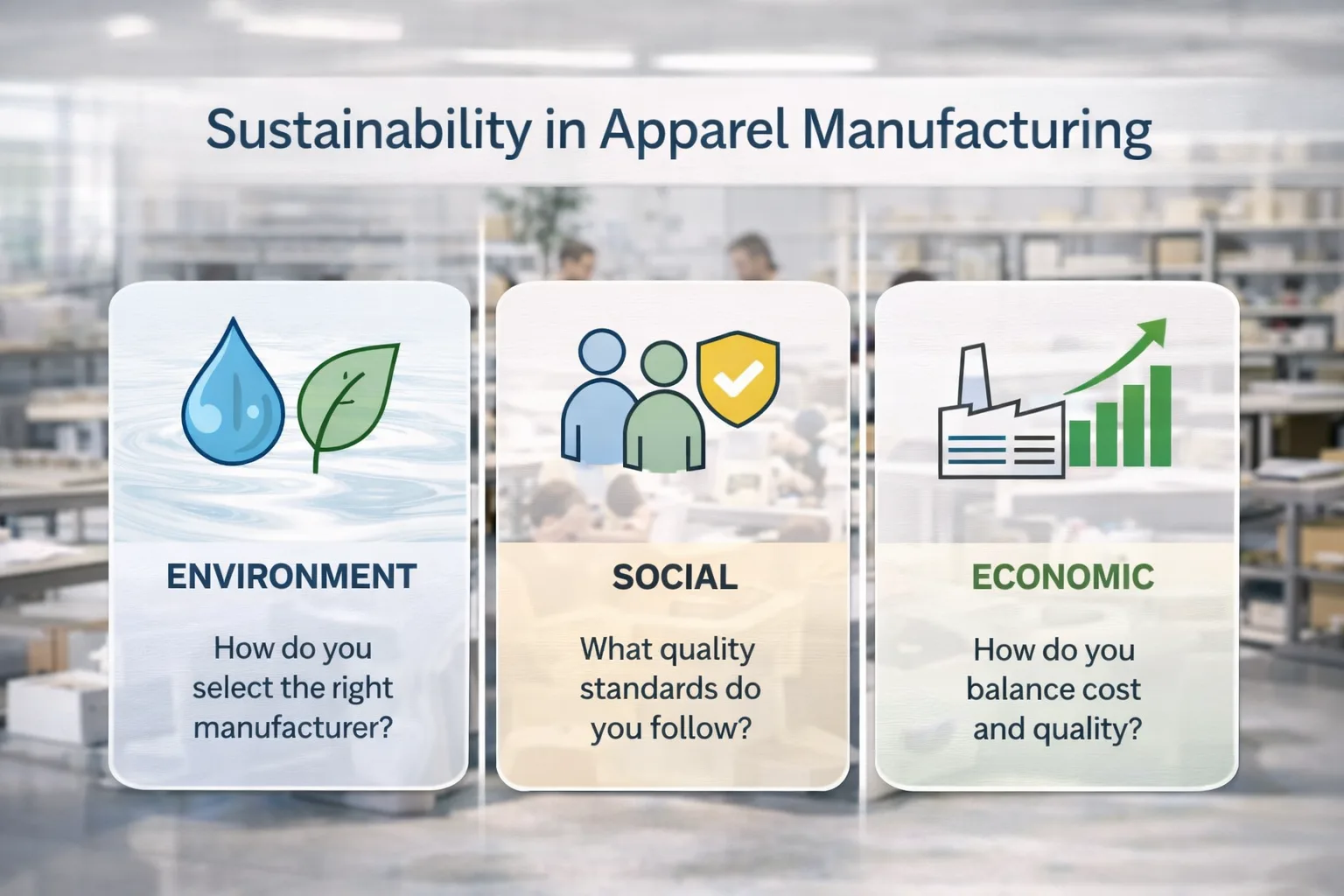
For apparel brands, sustainability has three core pillars:
Environmental sustainability: Lower water use, reduced chemical pollution, improved energy efficiency, better waste management, and lower carbon footprint across the product lifecycle.
Social sustainability: Safe working conditions, fair wages, reasonable working hours, worker representation, and responsible hiring practices.
Economic sustainability: Stable supplier relationships, consistent quality, fewer returns, better lead time predictability, and reduced long-term risk from compliance issues or regulatory changes.
How Do You Manufacture Sustainable Clothing?
Manufacturing sustainable clothing begins with sustainable practices and ethical practices embedded in design and manufacturing, founded on the idea that every decision about materials used and energy usage minimizes harm to natural resources. Responsible brands choose bamboo and other low-impact fibers, use environmentally friendly dyes and ensure garments are dyed using low-water, non-toxic processes to cut water consumption across the entire process.
To scale change, the fashion industry needs transparency and accountability, relying on ethical clothing manufacturers and eco-conscious fashion brands that practice ethical and sustainable practices. Finding the right manufacturer that aligns with your values is central: vet labor conditions, resource use, and traceability for sustainable and ethical outcomes.
When brands adopt sustainable methods and clothing manufacturing practices that prioritize responsible fashion, ethical fashion becomes mainstream, and consumers can trust the sustainable products and clothing items they buy to be truly ecological and ethically made.
Why Sustainable Manufacturing Matters for Apparel Brands
Sustainability is now tied directly to brand trust and buyer decision-making. Many consumers and B2B buyers want proof, not promises. They look for certifications, factory audits, and material traceability. On the business side, retailers increasingly require compliance programs, restricted substances lists, and verified social standards.
Sustainable clothing production helps apparel brands in several measurable ways:
- Stronger brand positioning in a crowded market, especially for sustainable fashion and eco-friendly apparel
- Reduced risk of PR damage caused by labor violations, unsafe factories, or greenwashing claims
- Higher product quality through better process control, which can reduce returns and negative reviews
- Better supplier relationships through long-term planning and more predictable production cycles
- Improved eligibility for global retailers, marketplaces, and procurement teams that require verified standards
If you are a startup, sustainability can be your differentiation. If you are scaling, it becomes your stability.

Which Sustainable Clothing Manufacturing Is Best?
Choosing apparel manufacturers for the fashion industry means prioritizing eco-friendly fashion and modern clothing manufacturing practices that support responsible fashion. The best path combines ethical and sustainable practices with ethical fashion principles, so ethical clothing manufacturers and eco-conscious fashion brands focus on producing sustainable products using low-impact sustainable methods. From design and manufacturing to distribution, finding the right manufacturer requires vetting materials like bamboo for soft, durable clothing items and assessing the ecological footprint and overall environmentally friendly credentials.
A truly ethical supply chain is run ethically, with transparency and accountability across the entire process — founded on the idea of reducing waste, minimizing energy usage, and choosing the right manufacturer that aligns with brand values and consumer expectations.
The Biggest Sustainability Challenges in Apparel Manufacturing
Before building a sustainable supply chain, it helps to understand what causes the most damage in traditional apparel production.
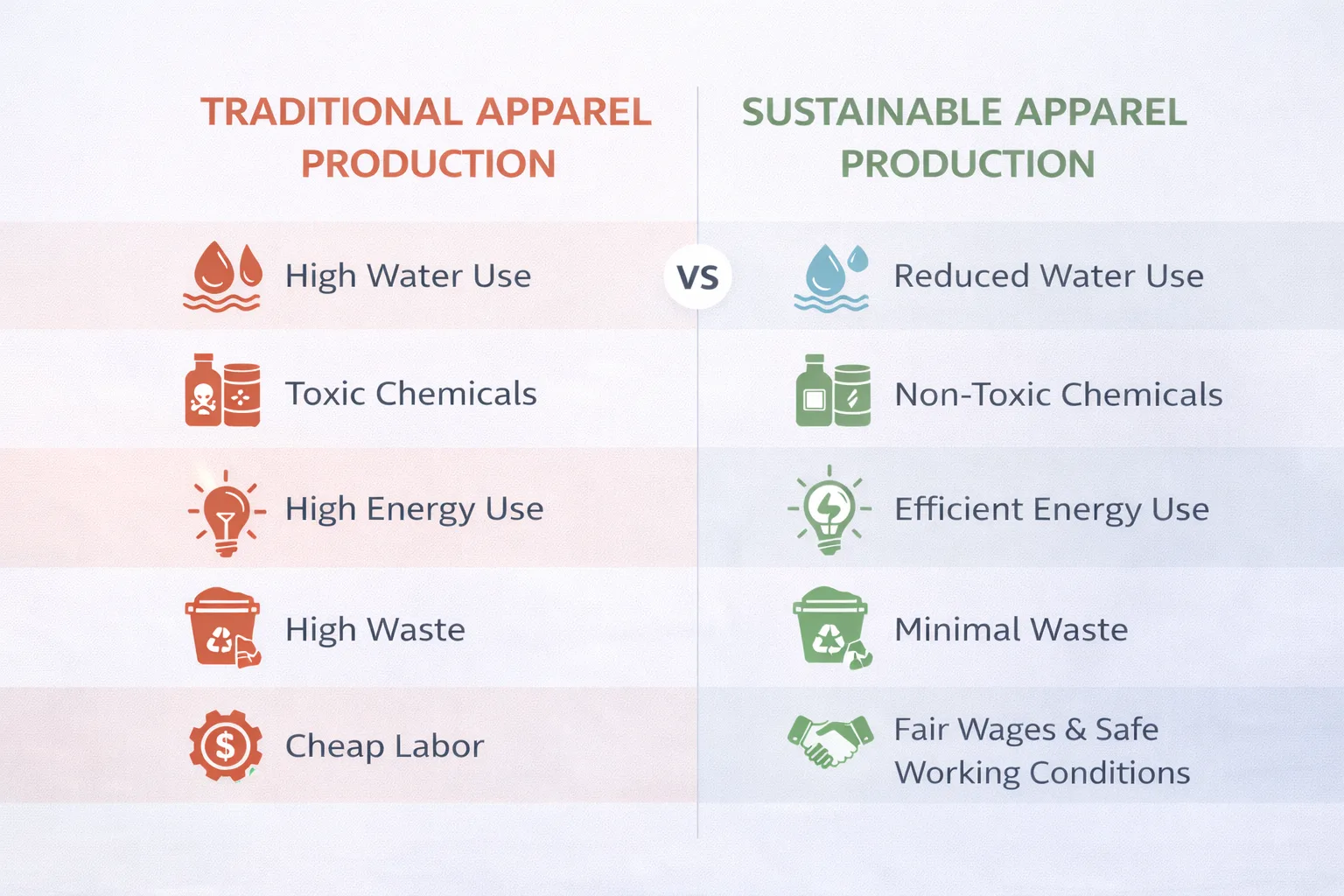
High water use and water pollution: Conventional dyeing and finishing can consume large volumes of water and release untreated wastewater if the factory lacks proper effluent treatment systems.
Hazardous chemicals: Some dyeing, printing, washing, and finishing processes use chemicals that can harm workers and ecosystems if not managed under a strong chemical management program.
Energy-intensive processes: Steam boilers, dryers, and industrial machinery consume energy, and if the grid is fossil-fuel heavy, the carbon footprint increases.
Textile waste: Cutting waste, rejected fabric, overproduction, and poor inventory planning contribute to landfill waste. Many garments are also hard to recycle due to blended fibers and trims.
Social compliance risks: Long working hours, wage issues, unsafe conditions, and lack of worker protections remain major challenges in parts of the global supply chain.
A sustainable manufacturing strategy focuses on reducing these impacts in measurable, verifiable ways.
Sustainable Materials: Fabric Choices That Make a Real Difference
Fabric selection is one of the most important sustainability decisions an apparel brand can make. It affects water use, chemical load, durability, comfort, and end-of-life options.
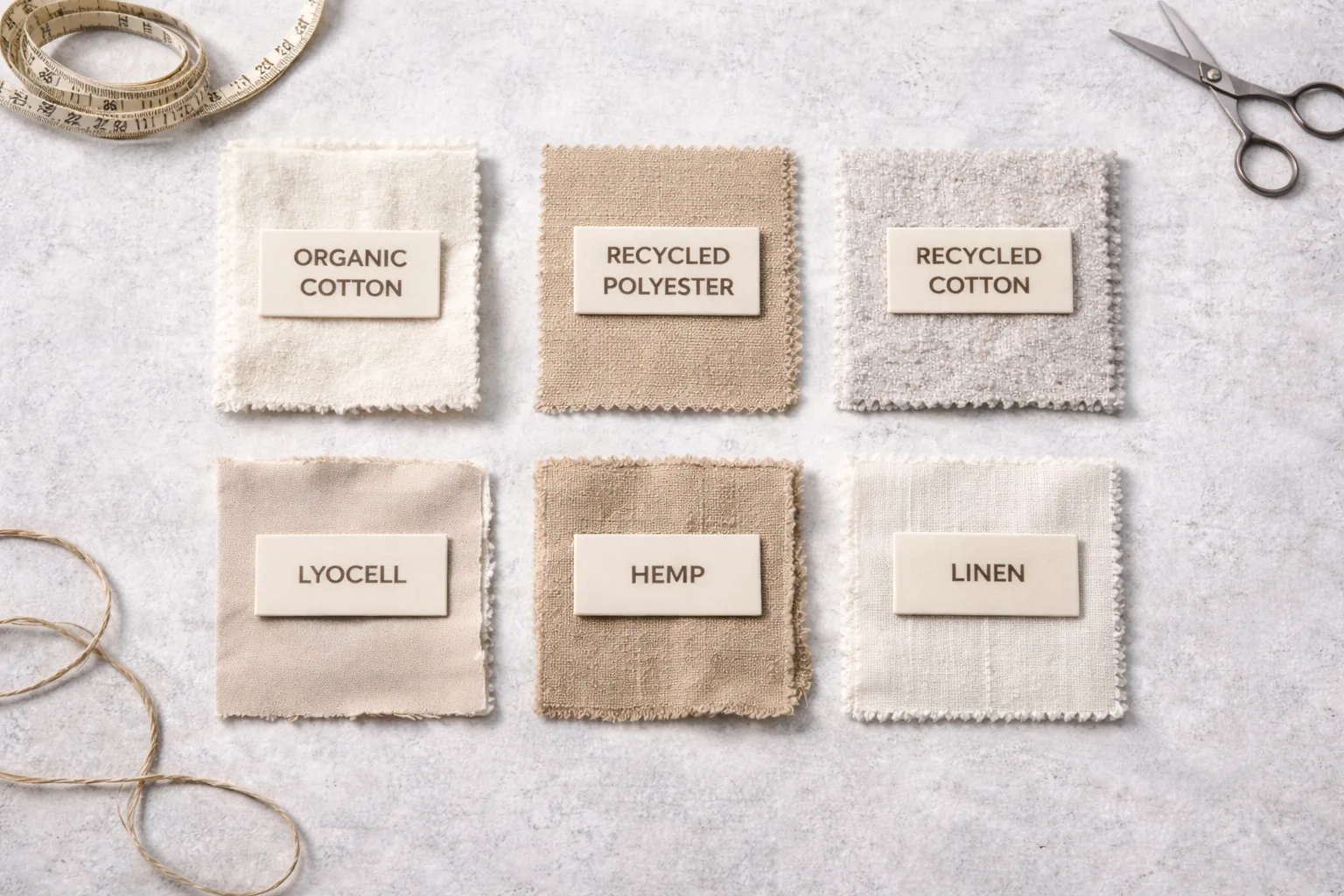
Organic cotton
Organic cotton is grown without harmful synthetic pesticides and fertilizers, which can reduce soil degradation and chemical pollution compared to conventional methods. It is often associated with better agricultural practices and improved traceability when sourced through verified programs. For brands, organic cotton is a strong fit for tees, hoodies, loungewear, babywear, and basics.
Recycled polyester
Recycled polyester is commonly made from recycled plastic bottles or reclaimed polyester waste. It helps reduce virgin petroleum use and supports circularity, though it is still a synthetic fiber and can contribute to microfiber shedding. It is widely used for activewear, outerwear, and performance garments.
Recycled cotton
Recycled cotton can come from post-industrial cutting waste or post-consumer textile recycling. It reduces landfill waste and can lower the impact of cotton farming, but fiber length can be shorter, which may require blending for strength and durability.
TENCEL Lyocell and Modal
These fibers are typically produced from wood pulp, often in closed-loop processes that recover solvents. They are popular for soft, drapey garments such as dresses, tops, and underwear, and many brands use them for premium sustainable collections.
Hemp and linen
Hemp and linen can be lower-impact fibers because they often require less water and fewer chemical inputs than conventional cotton. They are ideal for summer apparel, woven shirts, trousers, and casual lifestyle collections.
A truly sustainable material strategy also considers durability, fiber blends, dyeability, and recyclability. A garment that lasts longer and stays in use longer is often more sustainable than a trendy piece with a better fiber label.
How do you find sustainable suppliers?
Finding sustainable suppliers is not about typing “eco-friendly manufacturer” into Google and trusting the first result.
Real sustainable sourcing requires verification, documentation, and structured evaluation. If you are building or scaling an apparel brand, here is a practical, step-by-step guide to finding reliable, sustainable clothing manufacturers and suppliers.
1. Define What “Sustainable” Means for Your Brand
Before searching, clarify your sustainability criteria. Different brands prioritize different areas.
Ask yourself:
- Do you want organic fabrics only?
- Are recycled materials mandatory?
- Is social compliance your top priority?
- Do you require specific certifications?
- Are you targeting carbon reduction?
- Do you need low MOQ sustainable production?
Without clear criteria, you cannot properly evaluate suppliers.
Create a short sustainability requirement document. This becomes your evaluation checklist.
2. Search Through Verified Industry Directories
Instead of random Google searches, use curated sourcing platforms and directories.
Look into:
- Sustainable textile sourcing platforms
- B2B apparel manufacturing marketplaces
- Trade association directories
- Certified factory databases (for organic or recycled materials)
- Ethical manufacturing networks
Industry trade shows and sourcing expos are also valuable, especially for sustainable fashion and textile suppliers.
Key tip: Focus on suppliers that clearly list certifications and compliance systems rather than vague eco-friendly claims.

3. Verify Certifications and Documentation
A sustainable supplier should provide documentation, not just marketing language.
Common certifications to look for include:
- Organic textile certifications
- Recycled content verification
- Chemical safety testing standards
- Social compliance audits
- Environmental management certifications
Ask for:
- Valid certificates with dates
- Scope certificates for material traceability
- Audit summaries or compliance reports
- Chemical management documentation
If a supplier avoids documentation, that is a red flag.
4. Evaluate Factory Environmental Practices
Sustainable manufacturing goes beyond fabric.
Ask suppliers about:
- Water usage monitoring
- Wastewater treatment systems
- Energy efficiency initiatives
- Renewable energy adoption
- Fabric waste management
- Chemical storage and handling
A responsible factory can clearly explain how they manage water, waste, and energy. Request photos, process documentation, or virtual factory tours if an in-person visit is not possible.
5. Assess Ethical Labor Standards
Social sustainability is equally important.
Ask about:
- Working hour policies
- Wage compliance
- Worker safety training
- Fire safety systems
- Emergency exits and evacuation procedures
- No child labor policy
Suppliers should be transparent about compliance audits and corrective action plans if applicable.
Ethical manufacturing protects your brand from reputational and legal risk.

Certifications and Standards: What Apparel Manufacturers' Brands Should Know
Certifications are not perfect, but they help reduce risk and improve credibility. The key is understanding what each certification covers and how it fits into your product and supply chain goals.
Material and product certifications
- GOTS (Global Organic Textile Standard): Often used for organic fiber processing and manufacturing requirements.
- GRS (Global Recycled Standard): Common for recycled content verification and chain of custody.
- OEKO-TEX
- : Often used to demonstrate testing for harmful substances in textiles.
Social compliance and ethical standards
- BSCI and SEDEX style audit frameworks: Often used by brands to evaluate social compliance across factories.
- Fair trade-related programs: Some brands use these to support fairer labor and community development.
Chemical and environmental programs
- ZDHC-aligned chemical management: Helpful for factories that want stronger chemical controls and safer dyeing and finishing.
- Higg Index tools: Sometimes used to measure impacts and benchmark performance across materials and facilities.
The best approach is to choose certifications that match your product category and buyer expectations, then confirm your manufacturing partner can support chain-of-custody documentation and consistent production records.
Sustainable Manufacturing Processes From Sampling to Bulk Production
Sustainable apparel manufacturing is not a single step. It is a sequence of decisions and controls across the production workflow.
1) Sustainable design and product development
Sustainability starts at the design stage. Brands can reduce impact by choosing durable construction, avoiding hard-to-recycle blends where possible, and simplifying trims and accessories. Even small choices like fewer metal parts, less complicated prints, or improved seam strength can increase longevity.
A sustainable design checklist often includes:
- Durability and wash performance planning
- Fabric and trim traceability
- Reduced packaging needs
- Thoughtful color palette to reduce dye complexity
- Pattern optimization to reduce cutting waste

2) Tech packs and accurate specifications
A high-quality tech pack reduces sampling rounds and production mistakes. Every extra sample, every wrong trim, and every remake increases waste, emissions, and cost. Sustainable manufacturing benefits from precision.
Tech packs should include:
- Clear measurements, grading rules, and tolerances
- Fabric GSM, composition, and shrinkage expectations
- Print methods, placement, and color references
- Stitch types, seam construction, and reinforcement points
- Labeling, packaging, and carton instructions
When tech packs are accurate, factories can plan efficiently, and brands avoid rework.
3) Responsible sourcing of fabrics and trims
Sustainable sourcing is about traceability and consistency. You want to know where the fabric comes from, what processing steps it went through, and whether recycled or organic claims are verified. Trims matter too. Zippers, buttons, threads, labels, and elastics can prevent recycling if chosen poorly. Brands can reduce impact by selecting recyclable trims, using water-based inks where possible, and avoiding unnecessary mixed materials.
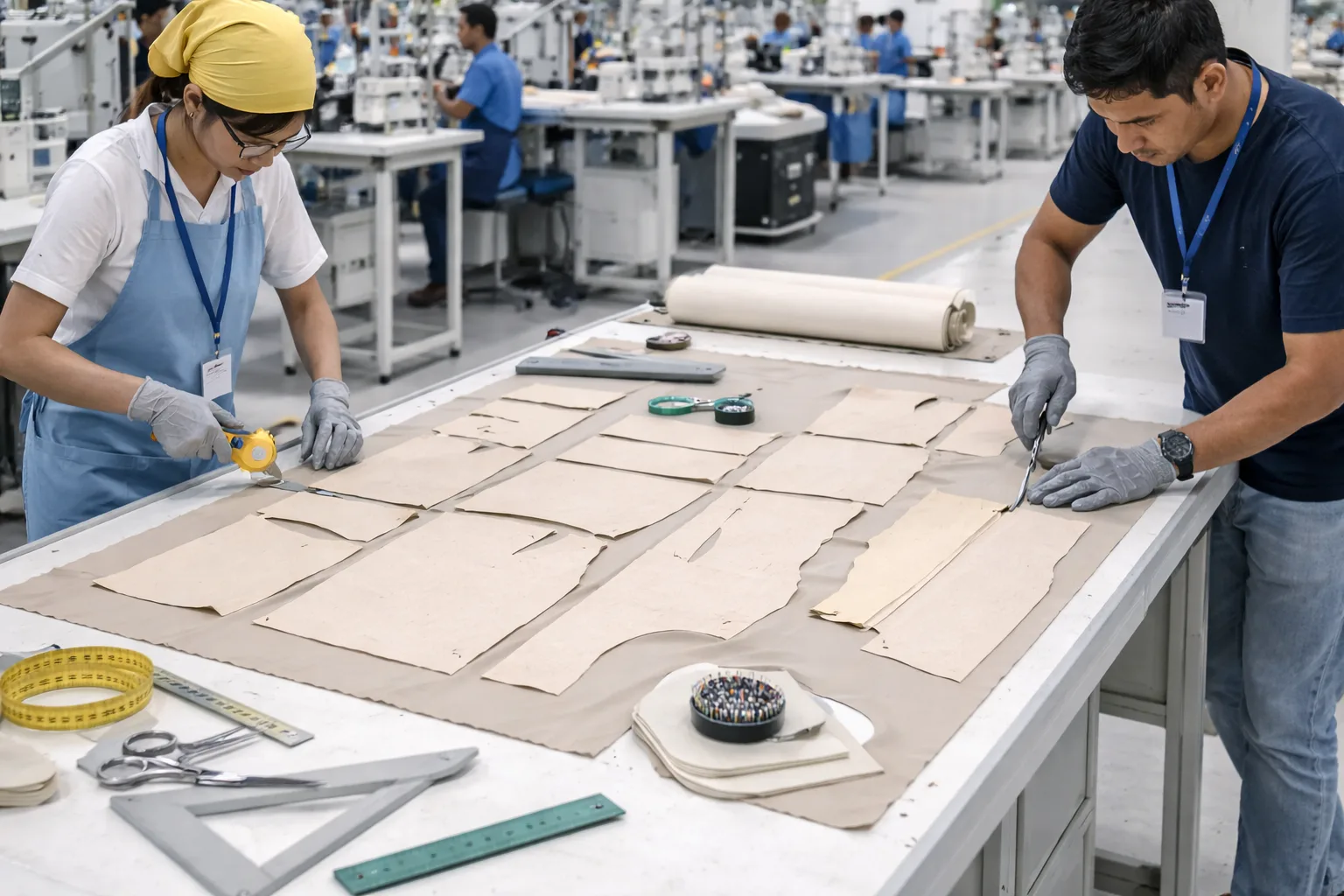
4) Cutting, sewing, and production efficiency
Cutting waste can be reduced through better marker planning, optimized patterns, and fabric utilization strategies. Production efficiency matters because inefficient lines consume more energy and generate more rejects.
Sustainable factories typically focus on:
- Marker efficiency and cutting waste reduction
- Lean production principles to reduce overprocessing
- Preventive maintenance to reduce machine breakdown and defect rates
- Quality checkpoints to prevent large-batch rejection
5) Dyeing, washing, printing, and finishing
This is one of the highest-impact areas in apparel manufacturing. Sustainable improvements here include:
- Low-impact dyes and safer chemical alternatives
- Strong chemical management and restricted substances controls
- Water recycling practices where possible
- Efficient machines and controlled process parameters
- Proper wastewater treatment and monitoring
For printing, brands often prefer methods that reduce solvent use, such as water-based printing systems, depending on the garment and design.
6) Quality control and reduced returns
Returns are a hidden sustainability cost. They add extra shipping emissions, repackaging, and potential landfill waste if products are damaged or unsellable. Sustainable manufacturing includes consistent QC systems that reduce defects.
A strong QC process includes:
- Fabric inspection and shade band control
- In-line inspection at key sewing operations
- Final measurement checks, appearance checks, and packing audits
- AQL-based inspection systems for bulk orders
Better QC protects your customer experience and lowers waste.
Ethical Labor and Social Compliance: What Brands Must Verify
Sustainability includes people. Ethical manufacturing requires safe working conditions, fair compensation, and respectful treatment of workers.
Apparel brands should evaluate:
- Working hour policies and overtime controls
- Wage structure and legal compliance
- Worker safety training and PPE availability
- Fire safety measures, clear exits, and emergency preparedness
- Anti-harassment policies and grievance mechanisms
- No child labor and responsible hiring practices
A sustainable supply chain is built on transparency. Brands should request audit summaries, corrective action plans where relevant, and consistent documentation. The goal is not perfection; it is continuous improvement and responsible accountability.
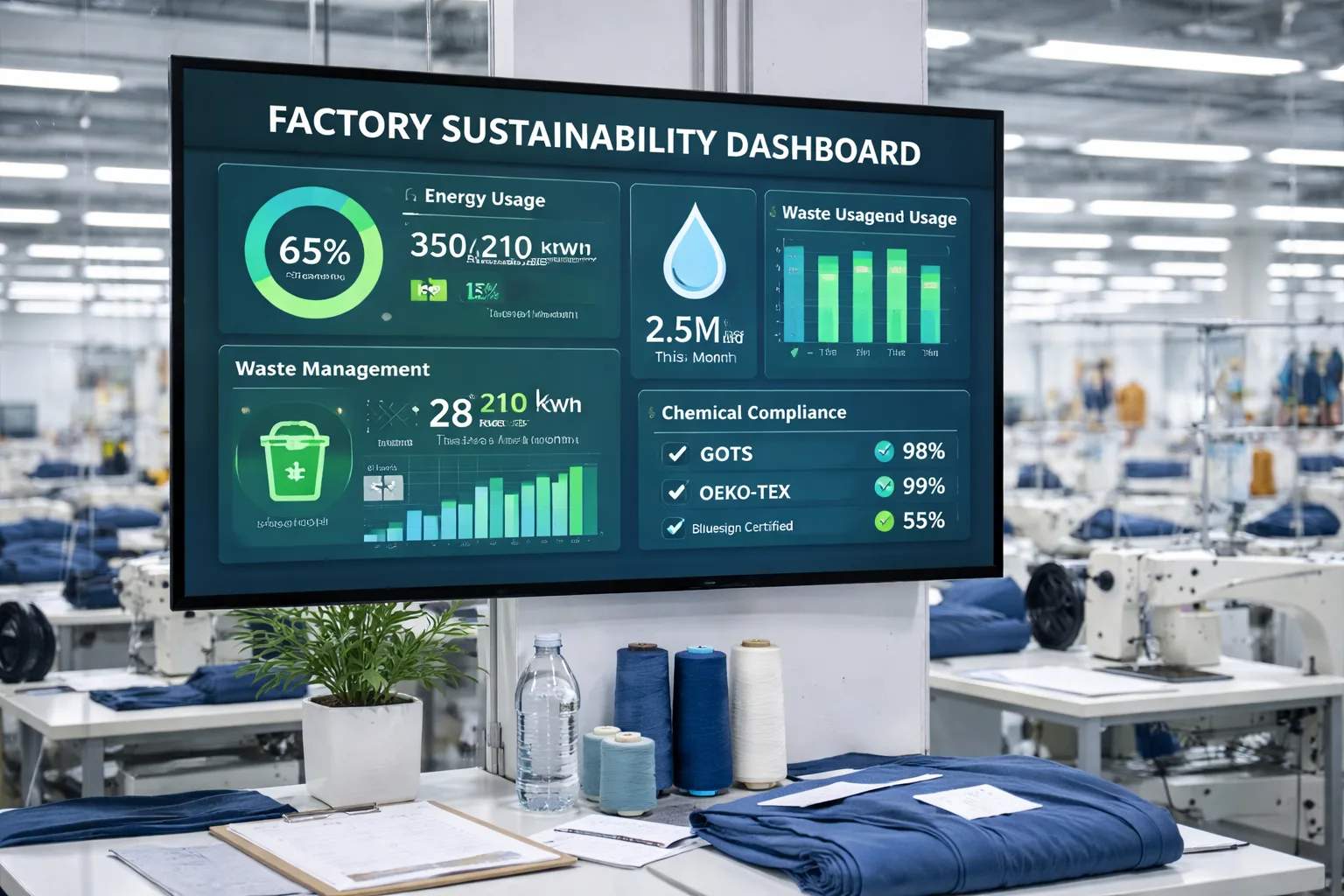
Environmental Management Inside the Factory: What “Good” Looks Like
If you are comparing suppliers, it helps to know what strong environmental management usually includes.
Energy management
- Energy-efficient machinery and motors
- Boiler efficiency improvements
- Heat recovery systems where applicable
- LED lighting and smart controls
- Renewable energy adoption, such as rooftop solar, where feasible
Water stewardship
- Water-efficient dyeing machines
- Reuse and recycling initiatives
- Regular monitoring of water use per kg of fabric
- Strong effluent treatment systems and compliance testing
Waste reduction
- Fabric waste segregation and recycling partnerships
- Reuse of cutting scraps for accessories or secondary products
- Reduced plastic usage in packaging
- Proper hazardous waste handling for chemicals and sludge
Chemical management
- Restricted substances controls and safer substitutes
- Proper storage, labeling, and spill control
- Training for workers handling chemicals
- Documented chemical inventory and usage tracking
Sustainable factories measure these areas and continuously improve them.
Traceability and Transparency: How to Avoid Greenwashing
Many brands want to market sustainability but struggle to prove it. The difference between sustainable claims and greenwashing is documentation and traceability.
To support credible claims, apparel brands should keep:
- Fabric invoices and certificates with batch references
- Chain-of-custody documents for certified materials
- Production records and lot tracking
- Lab test reports for chemical compliance when needed
- Factory audit documentation and corrective action records
- Packaging specifications and material sources
A simple rule: if you cannot verify it, do not claim it. Transparent brands win long-term trust.
Building a Sustainable Supply Chain: Step-by-Step Plan for Brands
If you want a practical roadmap, use this approach.
Step 1: Define your sustainability goals
Be specific. For example:
- Use GOTS-certified organic cotton for core products
- Shift 30% of polyester usage to recycled polyester
- Require audited factories with verified safety standards
- Reduce plastic packaging by 50% within one year
Step 2: Choose the right manufacturing partner
Your supplier is a long-term partner, not a short-term vendor. Evaluate capability, quality systems, compliance, communication, and documentation strength.
Step 3: Start with a pilot collection
Test your materials, trims, and production processes in small runs. This helps confirm quality and reduces risk before scaling.
Step 4: Improve sampling efficiency
Reduce waste by improving tech packs, confirming measurements early, and aligning color and trim approvals before bulk production.
Step 5: Measure what matters
Track real KPIs:
- Defect rate and return rate
- Cutting the waste percentage
- Energy and water usage indicators where available
- On-time delivery performance
- Supplier audit progress and corrective actions
Sustainability becomes real when it becomes measurable.
Sustainable Packaging and Shipping: The Often-Ignored Impact
Even if your garment is well-made, packaging and shipping can raise the total footprint.
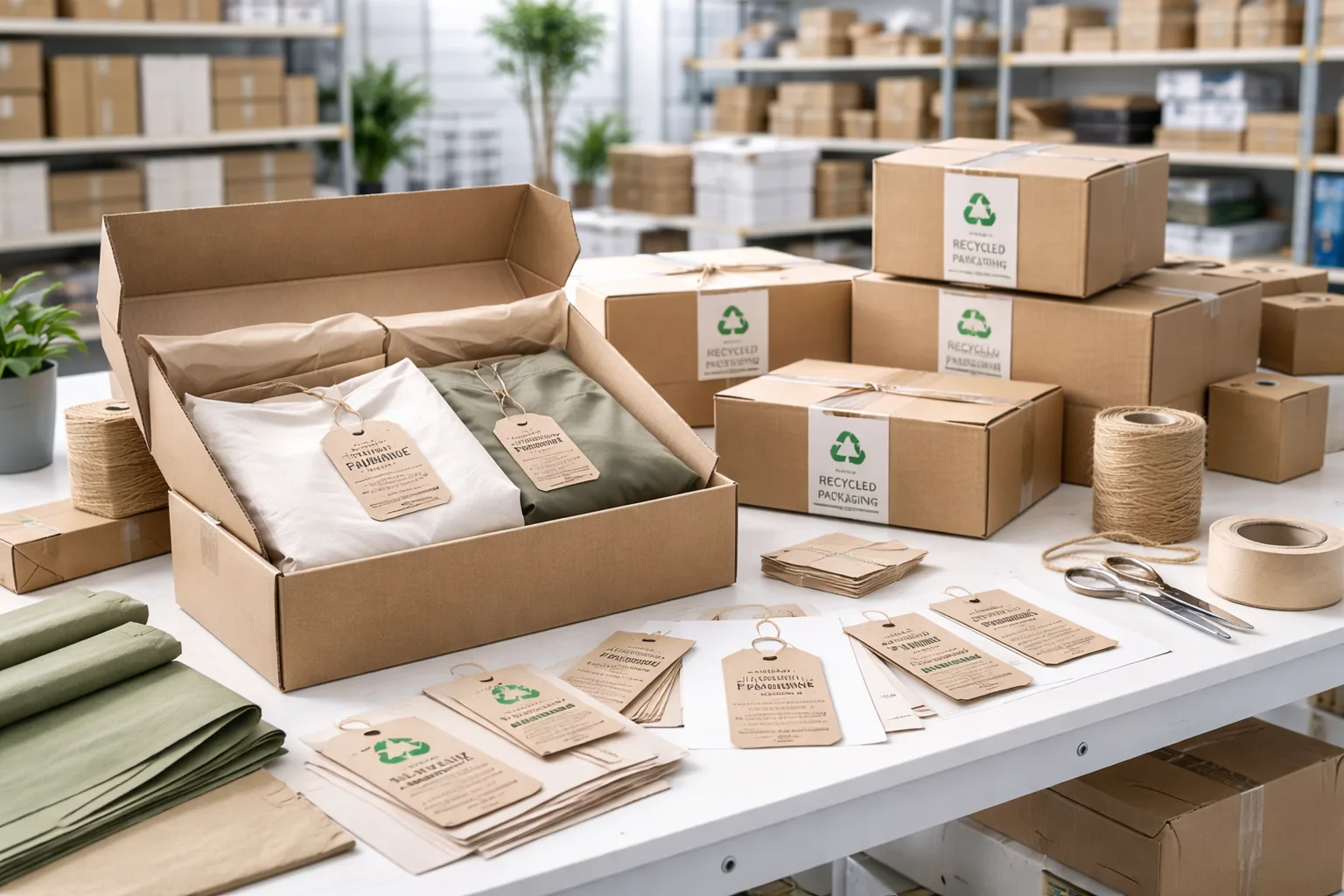
Sustainable packaging strategies include:
- Reducing polybag thickness or switching to lower-impact alternatives
- Using recycled paper hangtags and cartons
- Avoiding unnecessary tissue layers and plastic accessories
- Standardizing carton sizes to reduce shipping inefficiency
Shipping improvements include:
- Better production planning to reduce air shipments
- Consolidating shipments and improving container fill rates
- Working with logistics partners that support carbon reporting when possible
For apparel brands, smarter planning is one of the fastest ways to lower total impact.
Cost, MOQ, and Lead Time: What to Expect With Sustainable Manufacturing
Many brands worry that sustainable clothing manufacturing automatically means higher cost and longer lead times. In reality, it depends on your materials, certifications, order volume, and production complexity.
Cost drivers:
- Certified fabrics and verified supply chain documentation may cost more than conventional alternatives.
- Low-impact dyeing or special finishes can add cost.
- Higher quality control and better compliance systems can add value and stability.
MOQ considerations:
Some certified fabrics have higher minimum order quantities due to mill production requirements. However, many manufacturers support flexible MOQs for sampling and startup runs, especially when fabrics are available in stock or sourced through stable partners.
Lead time realities:
Sustainable manufacturing often benefits from better planning. When your tech pack is precise and your approvals are fast, lead time can be very competitive. Delays usually come from unclear specs, repeated sampling, or last-minute changes.
Sustainability is not only a cost topic. It is also a quality, trust, and risk-reduction topic.
Common Mistakes Apparel Brands Make When Going Sustainable
- Focusing only on fabric labels while ignoring factory processes, worker welfare, chemical management, and waste systems.
- Making broad marketing claims without documentation, traceability, or certifications to support them.
- Overcomplicating product design with blended fibers, heavy trims, and hard-to-recycle constructions that reduce circularity.
- Underinvesting in tech packs and product development, which increases sampling waste, production errors, and returns.
- Changing suppliers too often, which breaks continuity and prevents long-term improvement plans.
Sustainable manufacturing is a system. Brands win when they build repeatable processes and long-term supplier relationships.
Sustainable Clothing Manufacturing: Best Practices for Eco-Friendly Fashion Brands
Sustainable clothing manufacturing requires brands to adopt sustainable practices across design, sourcing, and production, balancing style with responsibility. Prioritizing local supply chains, using natural fibers and low-impact dyes reduces water use and co2 emissions, while transparent reporting aligns with frameworks promoted by organizations like the united nations. Workers’ rights are essential, so ensuring fair wages and safe conditions must be embedded in every contract and audit to protect communities and brand integrity.
• Sustainable fashion
Practical steps include lifecycle assessments, closed-loop recycling, energy-efficient facilities, and consumer education to extend garment life; collaborations with certification bodies and investment in regenerative agriculture help scale impact. When eco-friendly fashion brands commit to measurable goals and continuous improvement, they reduce environmental harm, uplift workers, and create resilient, ethical supply chains that customers can trust.
How to Choose a Sustainable Clothing Manufacturer for Your Brand
When evaluating a sustainable clothing manufacturer, look beyond marketing statements. Ask practical questions and request evidence.
Key evaluation areas:
- Material sourcing and the ability to provide certificates and chain-of-custody documents
- Experience with organic cotton, recycled fabrics, and low-impact dyeing processes
- Social compliance practices and audit readiness
- Quality control system, defect management, and consistency across orders
- Communication quality, sampling process, and production planning discipline
- Packaging options and willingness to reduce plastic use
- Transparency in production records and traceability
A good, sustainable manufacturer will welcome these questions because strong systems protect both the factory and the brand.

Top 10 Sustainable Clothing Brands Leading Responsible Manufacturing
Sustainable clothing manufacturing is shaped not only by factories and processes but also by brands that push the industry forward through responsible sourcing, transparency, circular design, and ethical production standards. Below is a curated list of ten sustainable brands and eco-friendly fashion manufacturers that are recognized for their commitment to sustainable apparel, ethical labor practices, and environmental responsibility.
1. Patagonia
Patagonia is widely recognized as a pioneer in sustainable clothing manufacturing. The brand integrates recycled polyester, organic cotton, and regenerative agriculture initiatives into its supply chain. Patagonia also promotes garment repair through its Worn Wear program, extending product life cycles and reducing textile waste. The company emphasizes transparency in factory operations and has long advocated for environmental activism alongside responsible production.
2. Stella McCartney
Stella McCartney has positioned itself as a luxury fashion label built around sustainability. The brand avoids leather and fur, invests in innovative materials, and continuously experiments with low-impact fabrics. Its commitment to traceability and responsible sourcing makes it a strong example of how high-end fashion can align with sustainable apparel manufacturing standards.
3. Eileen Fisher
Eileen Fisher is known for its focus on circular fashion and responsible material sourcing. The brand works with organic fibers, recycled textiles, and a take-back recycling program that keeps garments out of landfills. Its sustainability efforts extend to factory transparency and long-term supplier relationships.
4. Tentree
Tentree integrates sustainability into both production and environmental restoration. For every product sold, the company plants trees, reinforcing its climate-positive positioning. It uses organic cotton, recycled polyester, and low-impact dyes to reduce its environmental footprint across its clothing manufacturing process.
5. Reformation
Reformation focuses on carbon reduction, responsible sourcing, and transparent reporting. The brand tracks water usage and emissions, aiming to reduce overall environmental impact. Sustainable fabric selection and ethical manufacturing practices form the backbone of its operations.
6. People Tree
People Tree has long been associated with fair trade and ethical apparel manufacturing. The company partners with certified producers and artisans while using organic cotton and environmentally conscious dyeing processes. Social compliance and worker welfare are central to its supply chain philosophy.
7. Pact
Pact focuses heavily on organic cotton and affordable, sustainable basics. The brand supports responsible farming and ethical labor while promoting low-impact apparel manufacturing practices. Its simplified product line helps reduce excess waste and overproduction.
8. Veja
Veja is best known for sustainable footwear manufacturing. The brand uses organic cotton, wild rubber from the Amazon, and recycled materials in its sneaker production. Transparency in sourcing and factory relationships plays a critical role in its sustainable brand identity.
9. Allbirds
Allbirds integrates renewable materials such as merino wool and plant-based fibers into its footwear and apparel. The brand also labels products with carbon footprint information, reinforcing transparency in sustainable manufacturing and lifecycle accountability.
10. ApparGlobal
ApparGlobal represents a new-generation sustainable clothing manufacturer focused on responsible sourcing, ethical production, and long-term partnerships with apparel brands. Operating within Bangladesh’s advanced garment manufacturing ecosystem, ApparGlobal supports organic cotton, recycled fabrics, structured quality control systems, and transparent supply chain documentation.
By combining sustainable fabric sourcing, ethical labor compliance, production efficiency, and buyer-focused collaboration, ApparGlobal positions itself as a reliable, sustainable apparel manufacturing partner for global brands seeking both environmental responsibility and commercial scalability.
Why These Brands Matter in Sustainable Apparel Manufacturing
Each of these companies demonstrates that sustainability in fashion is achievable across different segments, including outdoor wear, luxury fashion, footwear, basics, and private label manufacturing. Their approaches vary, but the common elements remain consistent:
- Responsible material sourcing
- Ethical labor practices
- Transparent supply chain management
- Waste reduction and circular initiatives
- Environmental impact tracking
For emerging and scaling apparel brands, these examples provide inspiration and practical benchmarks when building a sustainable clothing manufacturing strategy.
Top 10 Sustainable Apparel Manufacturers in the USA
The United States has become an important hub for sustainable apparel manufacturing, especially for brands looking for transparent supply chains, ethical labor standards, lower shipping emissions, and small-batch production flexibility. Many US-based manufacturers specialize in organic cotton apparel, recycled fabrics, low-impact dyeing, ethical cut-and-sew services, and private label production for emerging and established brands.
Below is a curated list of leading sustainable apparel manufacturers in the USA known for responsible sourcing, ethical production practices, and sustainability-driven manufacturing systems.
1. Royal Apparel
Royal Apparel is a well-known American clothing manufacturer focused on organic cotton, recycled fabrics, and Made in USA apparel production. The company offers private label services and emphasizes ethical labor practices. Their vertical production model supports transparency and faster lead times, making them attractive for sustainable fashion startups and established brands.
2. Bella+Canvas
Bella+Canvas is widely recognized for eco-conscious basics and efficient manufacturing in Los Angeles. The company invests in water reduction systems, energy-efficient facilities, and waste minimization programs. Their sustainable apparel production model focuses on clean energy use and modernized production processes.
3. Good Clothing Company
Good Clothing Company is a Massachusetts-based sustainable clothing manufacturer that supports small-batch production and ethical cut-and-sew services. They focus on helping independent designers create responsibly produced apparel with transparent production systems.
4. Lefty Production Co.
Lefty Production Co. works with emerging and established brands in Los Angeles. While serving fashion and lifestyle labels, they support ethical manufacturing practices and small to mid-scale production, which aligns well with sustainable and transparent supply chain strategies.
5. Argyle Haus
Argyle Haus offers product development and apparel manufacturing services with a focus on ethical production standards. Based in Los Angeles, the company works with sustainable fashion brands seeking domestic manufacturing and greater supply chain transparency.
6. Create Fashion Brand
Create Fashion Brand provides cut-and-sew and product development services in Los Angeles. Many sustainable brands prefer domestic production to reduce overseas shipping emissions and maintain closer quality control.
7. Stylus Apparel
Stylus Apparel supports private label clothing manufacturing with domestic production options. Their structured manufacturing processes and ethical labor standards make them suitable for brands prioritizing responsible sourcing.
8. Indie Source
Indie Source offers product development and apparel manufacturing services tailored to startups and sustainable brands. Their Los Angeles operations allow for closer collaboration, improved quality control, and reduced international shipping footprints.
9. American Giant
American Giant focuses on durable, Made in USA apparel manufacturing. While primarily a brand, its domestic production model emphasizes quality, transparency, and ethical labor standards within the US supply chain.
10. Los Angeles Apparel
Los Angeles Apparel manufactures garments domestically with vertically integrated operations. Many brands choose US-based factories like this to increase supply chain transparency and reduce carbon emissions linked to overseas freight.
Why Brands Choose Sustainable Apparel Manufacturers in the USA
US-based sustainable apparel manufacturers offer several advantages:
- Shorter lead times and faster sampling cycles
- Easier quality control and factory visits
- Lower overseas shipping emissions
- Strong labor regulations and workplace compliance
- Smaller minimum order quantities for startups
- Improved transparency in supply chains
For brands targeting the North American market, domestic sustainable manufacturing can strengthen brand positioning and customer trust.
Is Sustainable Clothing Manufacturing Profitable?
Sustainable clothing manufacturing can be profitable, but profitability depends on how companies manage higher upfront costs and capture market value. By investing in cleaner materials, ethical labor, and efficient processes, brands may face increased production expenses that require strategic pricing and scale to offset.
Strong consumer demand for transparency and eco-friendly products allows businesses to command premium pricing and build brand loyalty, turning sustainability into a revenue driver. Additionally, companies that optimize their supply chain for waste reduction, energy efficiency, and circularity can lower long-term operating costs and reduce regulatory risks.
Ultimately, achieving profit in sustainable manufacturing relies on innovation, clear communication of value, and balancing short-term investments with long-term savings. When executed well, sustainable practices are not only ethically sound but also economically viable.
Final Thoughts:
Sustainable clothing manufacturing is no longer a trend. It is a practical strategy for brands that want better quality, stronger buyer trust, and a more resilient supply chain. When you treat sustainability as a system, from design and sourcing to production controls and transparency, you reduce long-term risk and create a product story that stands up to scrutiny.
Start with clear goals, choose the right manufacturing partner, document everything, and improve continuously. Sustainable apparel production becomes easier when it becomes routine.