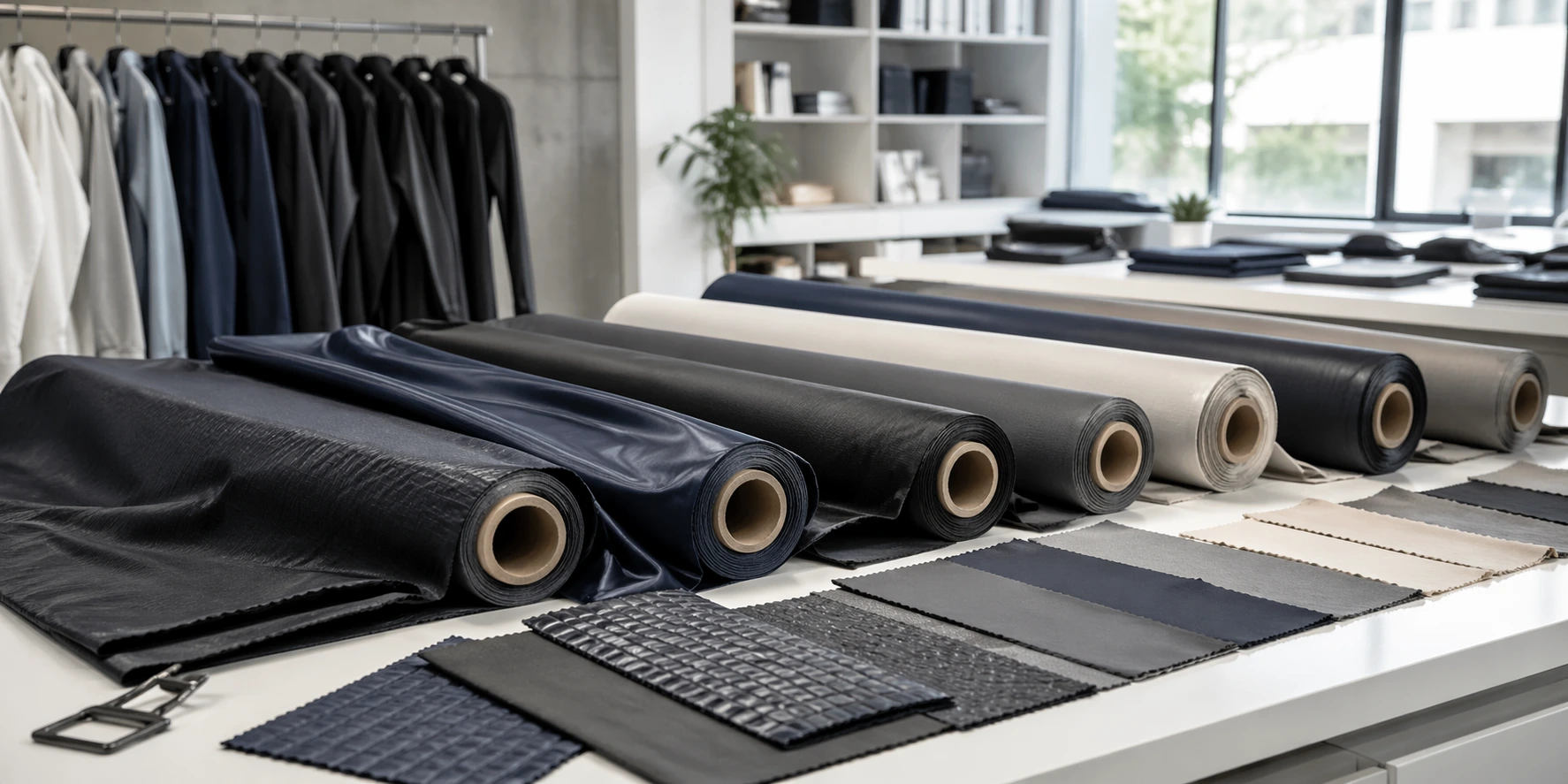
Discover the properties, uses, and benefits of nylon fabric. Learn why this durable, lightweight, and versatile material is a staple in modern apparel and gear.
Nylon fabric is one of the most adaptable materials used in modern textiles. It appears in activewear, swimwear, hosiery, lingerie, outerwear, luggage, backpacks, tents, umbrellas, ropes, and many other products that require a combination of strength, low weight, and flexibility. Part of nylon’s success comes from the fact that it can be engineered in many different ways. A fine nylon stocking, a stretchy pair of leggings, a crisp windbreaker, and a heavy-duty backpack may all contain nylon, yet they feel and perform very differently.
The fiber itself is synthetic, but the final fabric’s performance depends on much more than fiber content. Yarn thickness, knitting or weaving method, fabric weight, coating, finishing, and blending all influence how nylon feels, stretches, breathes, dries, and responds to wear. This is why choosing nylon requires more than checking a composition label. A lightweight nylon-elastane jersey may be ideal for activewear, while a tightly woven ripstop nylon may be better suited to jackets, bags, or outdoor equipment. This guide explains what nylon fabric is, how it is made, its characteristics, common types, product applications, benefits, limitations, care requirements, sustainability considerations, and important sourcing factors for clothing brands and product developers.
What Is Nylon Fabric?
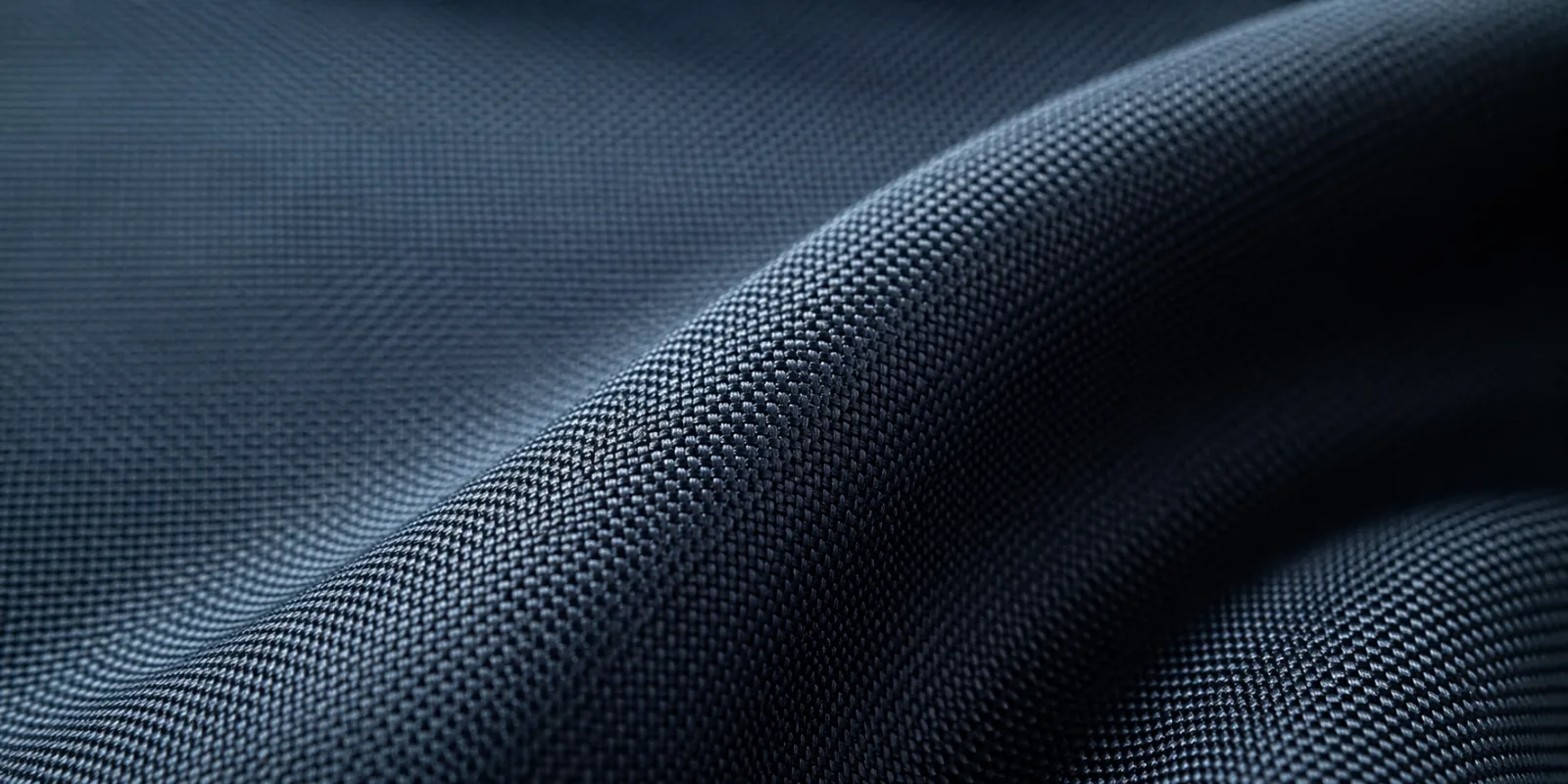
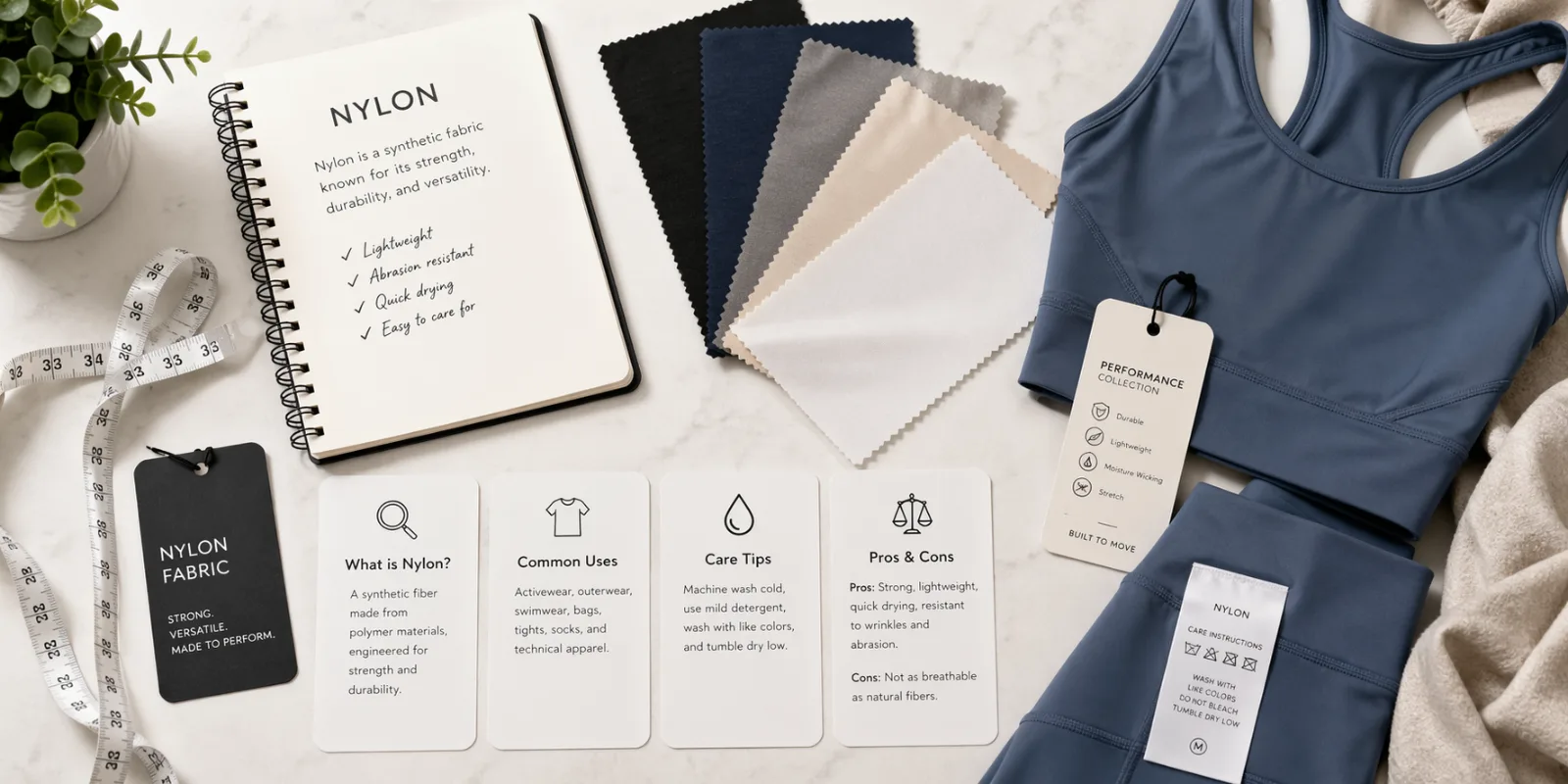
Nylon is a synthetic fabric made from man-made polymer fibers. It was one of the first fully synthetic fibers used in commercial textiles and quickly became popular because it is strong, smooth, lightweight, and versatile.
Unlike cotton, wool, or linen, nylon is not a natural fiber. It is created through a manufacturing process and turned into filaments that can be woven or knitted into different types of fabric.
Nylon is valued for several reasons:
Strength
It is known for being durable and resistant to wear.
Lightweight feel
Nylon can remain light even when it is strong.
Smooth texture
Many nylon fabrics have a soft and slightly slick surface.
Flexibility
It can be made into crisp woven shells, soft knits, stretchy sportswear fabrics, and technical materials.
Nylon Fabric at a Glance
Nylon performance varies according to polymer type, yarn thickness, fabric structure, weight, blend ratio, coating, and finishing.
A nylon swimsuit, a nylon stocking, and a ballistic nylon travel bag should not be expected to perform in the same way simply because they share the same fiber category.
A Brief History of Nylon Fabric
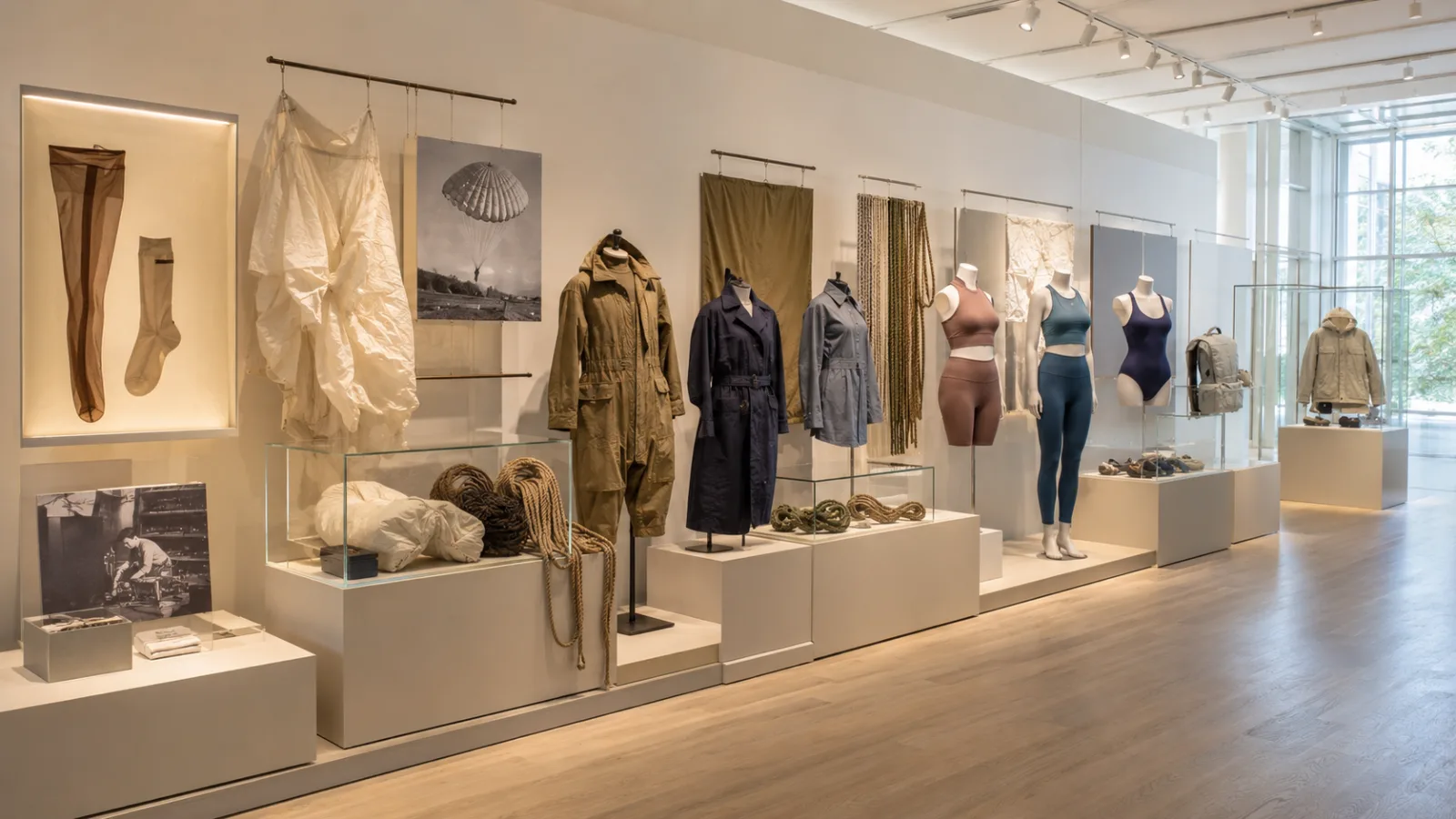
Nylon was developed during the twentieth century as an alternative to natural fibers, particularly silk. Its early commercial success came from products such as toothbrush bristles and women’s stockings.
The fiber became increasingly important when silk supplies were limited and manufacturers needed strong synthetic materials for military and industrial applications. Nylon was used for parachutes, ropes, cords, tents, and other equipment where strength and low weight were important.
After this period, nylon entered mainstream consumer markets. It became widely used in:
- Hosiery.
- Lingerie.
- Swimwear.
- Sportswear.
- Jackets.
- Carpets.
- Upholstery.
- Bags.
- Travel products.
- Industrial textiles.
Advances in yarn engineering, knitting, coating, and recycling have continued to expand its applications.
Modern nylon can be extremely fine and soft or dense and rugged. This flexibility has helped it remain important even as other synthetic fibers, especially polyester, have become more common.
How Is Nylon Fabric Made?
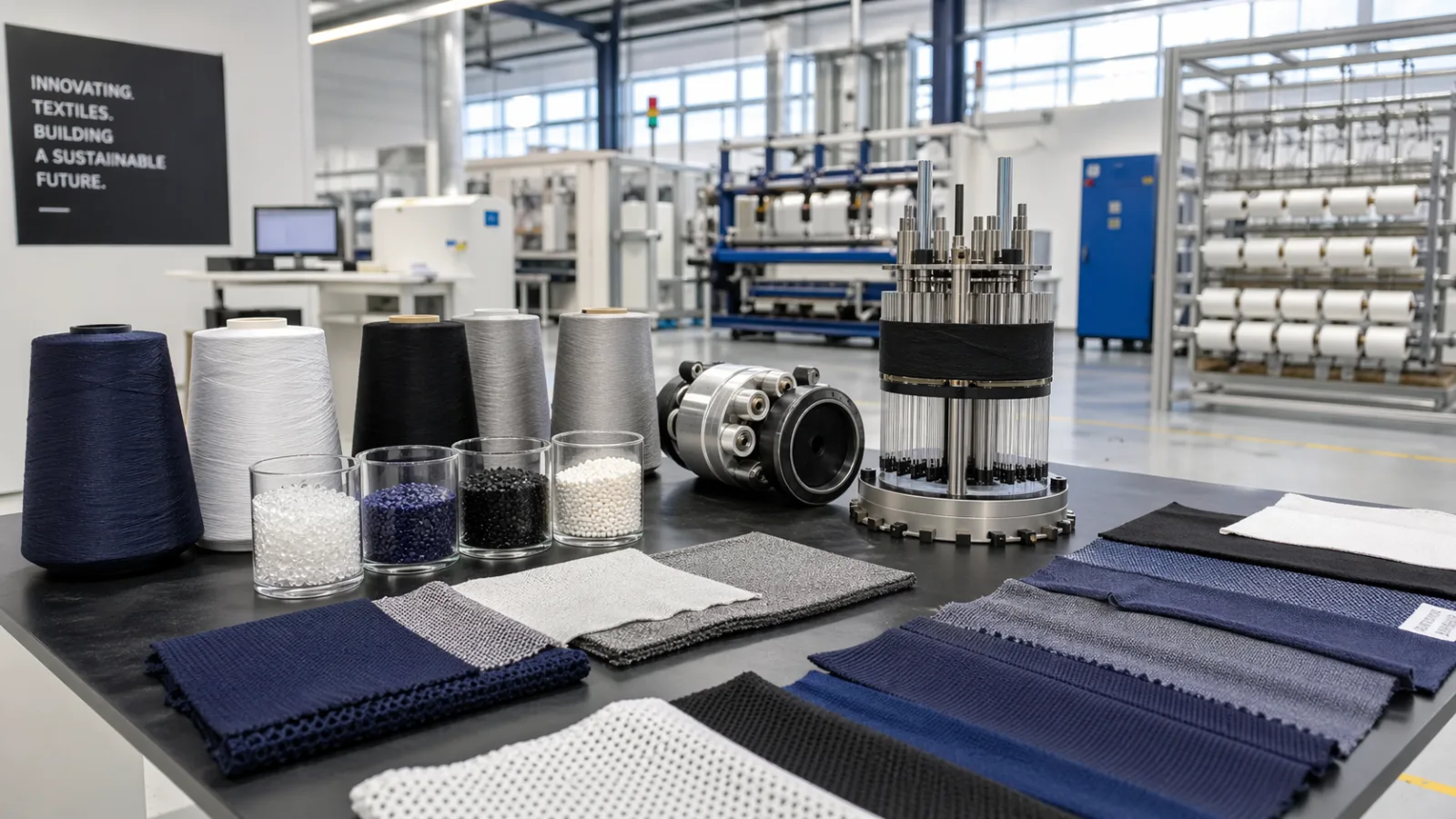
Nylon production involves converting chemical raw materials into polymer, filaments, yarn, and finished fabric. The exact process varies between nylon types and manufacturers.
1. Polymer Formation
The process begins by combining chemical ingredients under controlled heat and pressure to create a polyamide polymer.
Different chemical routes produce different nylon families, including nylon 6 and nylon 6,6.
2. Polymer Chips or Pellets
The polymer may be cooled and formed into small chips or pellets. These can be stored, transported, and remelted for fiber production.
3. Melting
The nylon polymer is heated until it becomes a thick molten material.
4. Fiber Extrusion
The molten polymer is pushed through spinnerets. Spinnerets contain very small openings that shape the polymer into continuous filaments.
The size and shape of these openings can influence:
- Fiber thickness.
- Surface texture.
- Shine.
- Moisture movement.
- Yarn feel.
- Final fabric performance.
5. Cooling and Solidifying
The newly formed filaments are cooled so they become solid fibers.
6. Drawing
The fibers are stretched or drawn to align the polymer molecules. This improves strength, stability, and consistency.
7. Texturing or Cutting
Filaments may be textured to create bulk, softness, or stretch. They may also be cut into staple fibers for blending or spinning.
8. Yarn Formation
Filaments are combined, twisted, or textured into yarns suitable for knitting or weaving.
9. Fabric Construction
The nylon yarn is woven or knitted into fabric.
- Woven nylon is often used for outerwear, bags, tents, and technical products.
- Knitted nylon is often used for activewear, swimwear, lingerie, hosiery, and stretch garments.
10. Dyeing and Finishing
The fabric may be dyed, heat-set, brushed, coated, laminated, printed, or treated for specific properties.
Possible finishes include:
- Water repellency.
- Moisture management.
- Softness.
- Anti-static performance.
- UV protection.
- Abrasion resistance.
- Odor control.
- Calendering.
- Flame resistance for specialized uses.
11. Inspection and Testing
Manufacturers may check:
- Fabric weight.
- Width.
- Color consistency.
- Strength.
- Stretch.
- Shrinkage.
- Abrasion resistance.
- Coating quality.
- Surface defects.
- Colorfastness.
- Usable roll length.
Common Types of Nylon
Nylon is a broad fiber category rather than one single textile. Different polymer types, yarns, and fabric constructions are used for different products.
Nylon 6
Nylon 6 is a widely used polyamide fiber known for good strength, elasticity, dyeability, and surface quality.
It is used in:
- Apparel.
- Hosiery.
- Swimwear.
- Carpets.
- Technical fabrics.
- Industrial yarns.
- Accessories.
Its final performance depends on the yarn and fabric design rather than the polymer name alone.
Nylon 6,6
Nylon 6,6 is another common nylon type. It is often associated with high strength, abrasion resistance, and good heat performance relative to some other nylon grades.
It may be found in:
- Technical apparel.
- Heavy-duty bags.
- Industrial textiles.
- Tire cords.
- Outdoor equipment.
- Durable woven fabrics.
Nylon 6 and nylon 6,6 have similar uses in many areas, and buyers should rely on tested specifications rather than assuming one is always superior.
Ripstop Nylon
Ripstop nylon is woven with thicker reinforcement yarns arranged in a grid pattern. This construction helps limit the spread of small tears.
It is commonly used for:
- Lightweight jackets.
- Parachutes.
- Kites.
- Tents.
- Sleeping bags.
- Packable bags.
- Outdoor gear.
- Protective covers.
Ripstop does not mean the fabric cannot tear. It means the reinforcement structure can help reduce tear propagation.
Ballistic Nylon
Ballistic nylon is a heavy, tightly woven fabric originally developed for protective applications. Today, it is commonly used in products where abrasion resistance and durability are important.
Applications include:
- Luggage.
- Backpacks.
- Tool bags.
- Motorcycle gear.
- Equipment cases.
- Heavy-duty accessories.
The term does not automatically mean a fabric is bulletproof. Modern ballistic nylon in consumer products generally refers to a rugged fabric style and construction.
Taslan-Style Nylon
Taslan nylon uses textured yarns that give the fabric a less shiny, more cotton-like surface. It can feel softer and more natural than smooth filament nylon.
It is often used for:
- Outdoor trousers.
- Jackets.
- Windbreakers.
- Casual sportswear.
- Shorts.
- Travel clothing.
Taslan-style fabrics can provide a practical balance between synthetic performance and a less technical appearance.
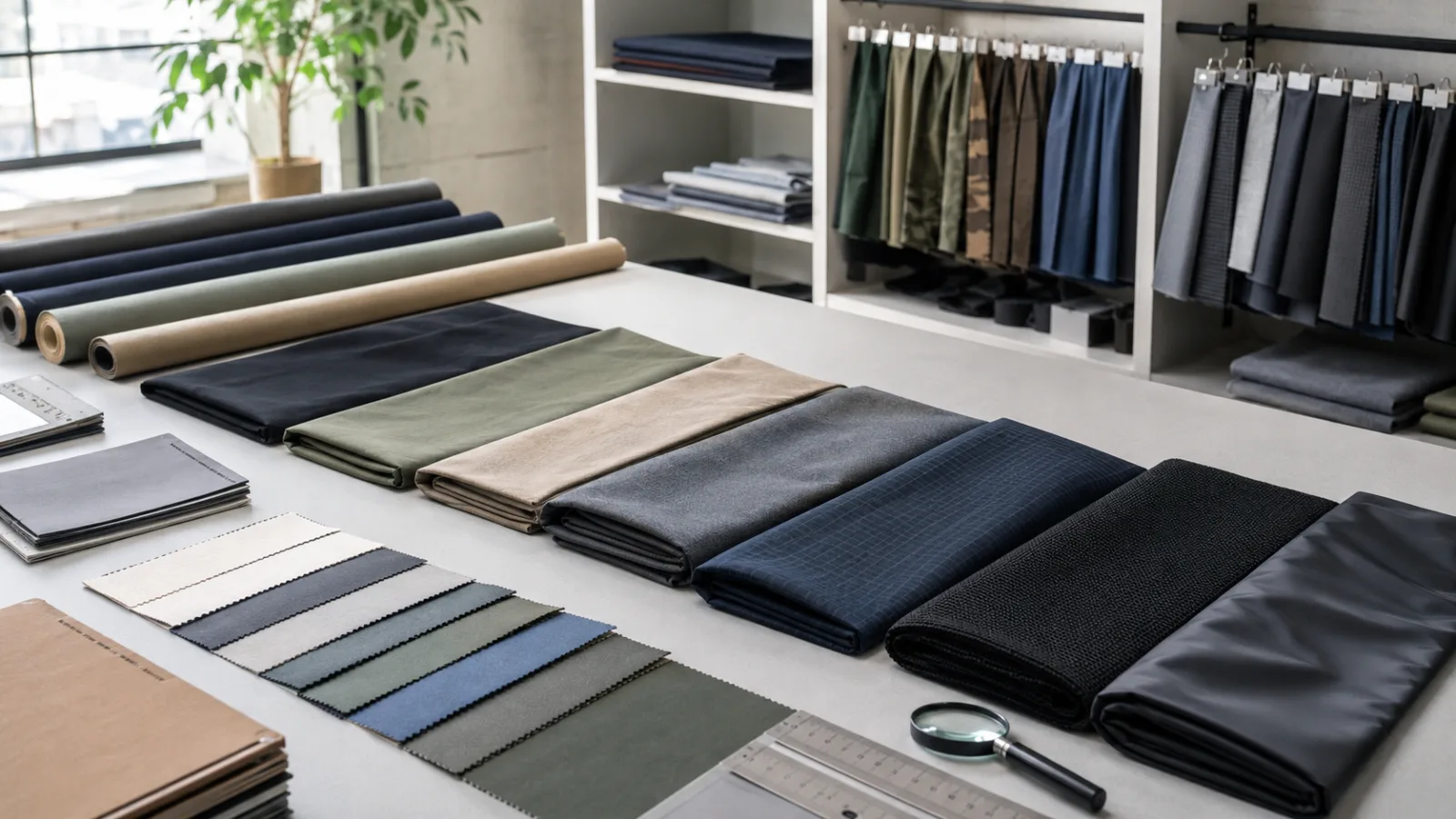
Microfiber Nylon
Microfiber nylon is made from very fine filaments. This can create a soft, smooth, lightweight fabric with a dense surface.
It may be used for:
- Lingerie.
- Activewear.
- Linings.
- Performance tops.
- Lightweight outerwear.
- Soft accessories.
Microfiber nylon can feel luxurious, but performance depends on construction and finishing.
Stretch Nylon
Stretch nylon fabrics are usually knitted or blended with elastane.
They are commonly used for:
- Leggings.
- Sports bras.
- Swimwear.
- Dancewear.
- Cycling clothing.
- Compression garments.
- Lingerie.
- Fitted tops.
The percentage of elastane, knitting structure, and heat setting all affect stretch and recovery.
Coated Nylon
Woven nylon can be coated or laminated to improve water resistance, wind resistance, or structural performance.
Possible coatings include polyurethane and silicone-based systems, depending on the application.
Coated nylon is used in:
- Rainwear.
- Tents.
- Bags.
- Covers.
- Lightweight shelters.
- Outdoor equipment.
The coating often determines waterproof performance more than the nylon fiber itself
What Does Nylon Fabric Feel Like?
Nylon often feels smooth, lightweight, and slightly cool when first touched. However, its feel changes significantly based on the fabric construction.
Fine Knit Nylon
Fine knit nylon may feel:
- Soft.
- Silky.
- Smooth.
- Flexible.
- Close-fitting.
This type is common in lingerie, hosiery, activewear, and swimwear.
Woven Nylon
Woven nylon may feel:
- Crisp.
- Light.
- Smooth.
- Slightly slick.
- Technical.
It is commonly used for jackets, windbreakers, tents, and bags.
Textured Nylon
Textured yarns can make nylon feel:
- Softer.
- Less shiny.
- More cotton-like.
- Slightly bulky.
- More comfortable against the skin.
Coated Nylon
Coated nylon may feel:
- Stiff.
- Smooth.
- Rubber-like.
- Glossy.
- Structured.
The hand feel of coated fabric depends heavily on coating thickness and backing.
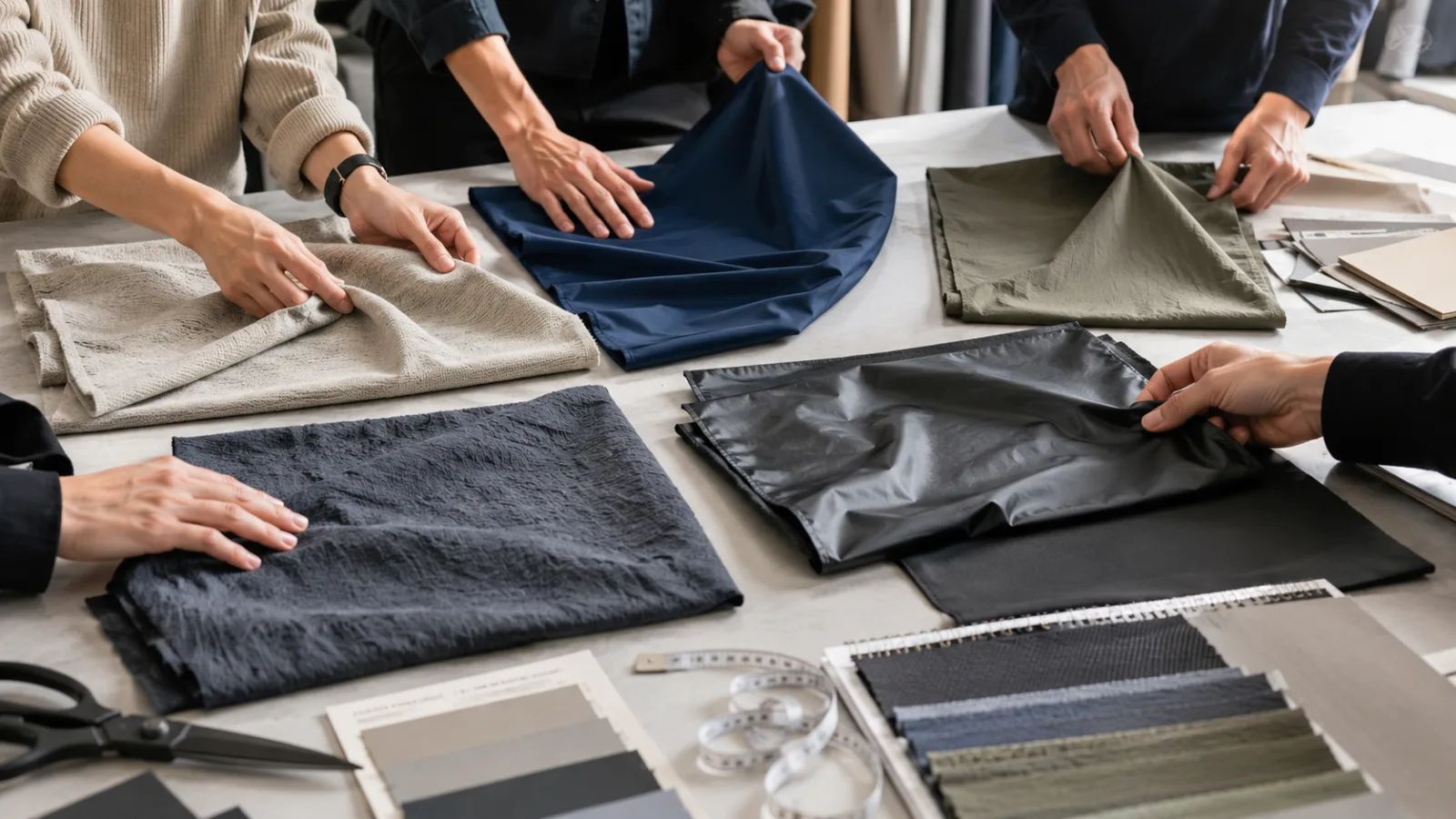
Because feel varies so much, fashion brands should always request physical swatches and sample garments before ordering bulk fabric.
Key Characteristics of Nylon Fabric
Nylon is selected for many products because it offers a useful balance of strength, flexibility, and low weight.
High Strength-to-Weight Ratio
Nylon can provide substantial strength without requiring a very heavy fabric. This makes it valuable for travel, outdoor, and performance products.
Good Abrasion Resistance
Nylon generally handles rubbing and repeated friction well. It is commonly used in backpacks, luggage, sportswear, and high-contact garment areas.
Smooth Surface
Fine nylon filaments can create smooth fabrics that feel comfortable against the skin and reduce bulk.
Flexibility
Nylon can be produced as a structured woven material, soft knit, stretch fabric, mesh, microfiber, or coated textile.
Fast Drying
Nylon absorbs much less moisture than cotton, so it generally dries quickly. However, it typically absorbs more moisture than polyester.
Wrinkle Resistance
Nylon usually resists severe wrinkling and can recover well after folding or packing.
Dyeability
Nylon can produce deep, rich colors when dyed correctly. Acid dyes are commonly used for many nylon applications.
Heat Sensitivity
Nylon is a thermoplastic. Excessive heat can distort, glaze, shrink, weaken, or melt the fabric.
Moderate Moisture Absorption
Compared with polyester, nylon absorbs more moisture. This can affect drying, dimensional behavior, and color performance, but it can also influence comfort and dyeability.
Lower Natural UV Resistance Than Polyester
Nylon can weaken or discolor after prolonged sunlight exposure unless it is stabilized or treated. Outdoor nylon products should be designed specifically for UV exposure.
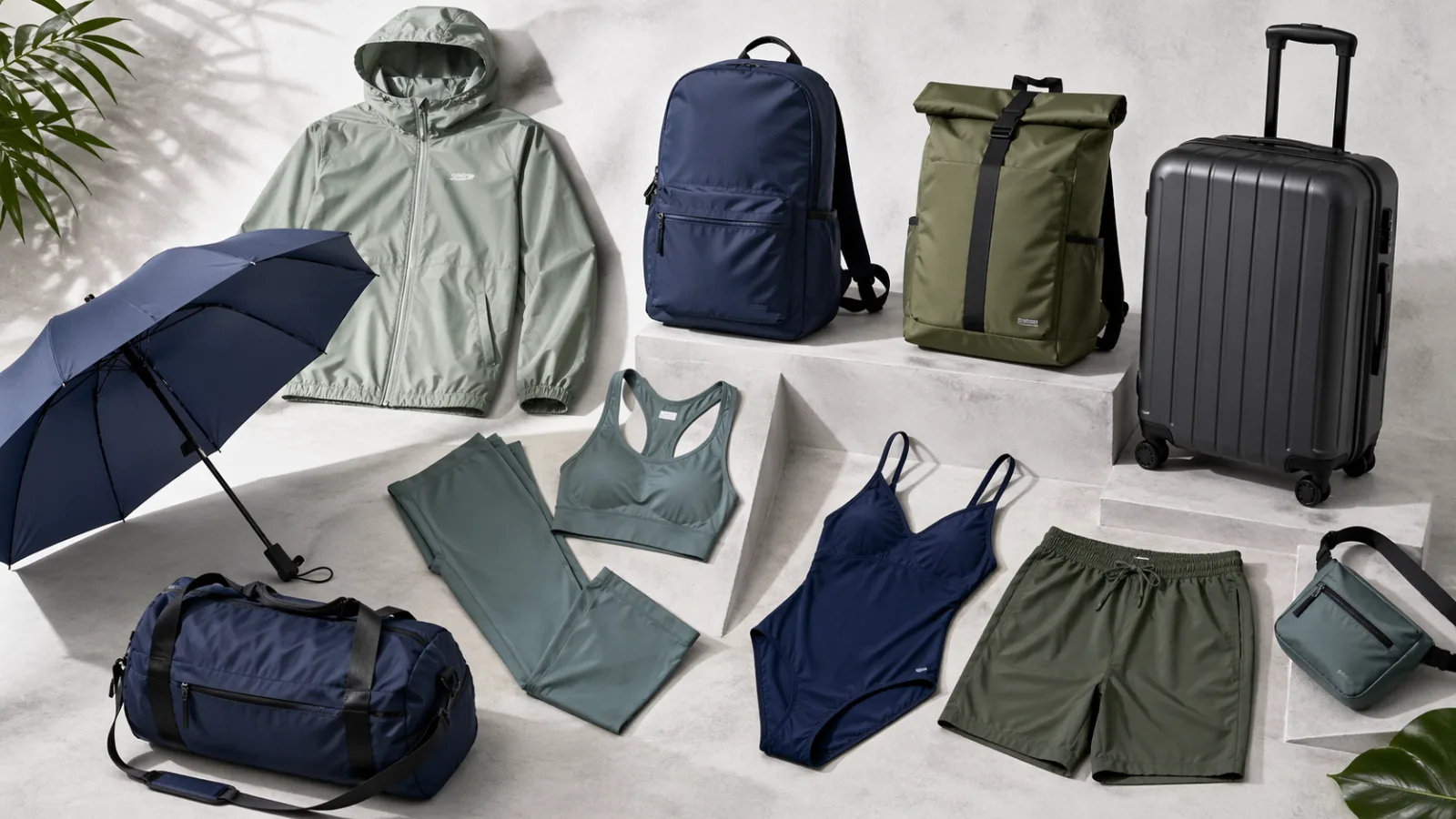
What Is Nylon Fabric Used For?
Nylon is used in a wide range of products because it is both durable and lightweight.
Common uses include:
Activewear and sportswear
Leggings, sports bras, gym wear, and training apparel often use nylon blends.
Outerwear
Jackets, windbreakers, and technical shells often use nylon for strength and weather resistance.
Swimwear
Nylon is widely used in swimsuits because it can be smooth, stretchy, and shape-retentive.
Hosiery and innerwear
Its fine texture makes it useful in tights, stockings, lingerie, and seamless garments.
Bags and luggage
Its strength and abrasion resistance make it a strong choice for backpacks, duffel bags, and travel products.
Outdoor gear
Tents, sleeping bags, and technical accessories often use nylon because of its strong performance-to-weight ratio.
Is Nylon Breathable?
Nylon is not naturally as breathable as loosely woven cotton or linen, but fabric construction can significantly change airflow and comfort.
Breathability depends on:
- Fabric weight.
- Knit or weave density.
- Mesh openings.
- Yarn thickness.
- Coating.
- Lamination.
- Garment design.
- Ventilation panels.
- Moisture-management finish.
A lightweight nylon mesh can allow good airflow, while a coated nylon rain shell may allow very little moisture vapor to escape unless it includes a breathable membrane or ventilation system.
For warm-weather clothing, consider:
- Lightweight fabric.
- Open knit or mesh construction.
- Ventilated garment panels.
- Loose fit.
- Moisture-management finish.
- Reduced coating.
- Strategic perforation.
A composition label stating “100% nylon” does not reveal whether the garment will feel breathable.
Does Nylon Wick Moisture?
Nylon itself does not automatically wick moisture effectively. Moisture movement depends on fiber shape, yarn structure, knitting, surface treatment, and garment design.
Some nylon activewear fabrics are engineered to move sweat away from the skin through capillary action. Others may feel damp because nylon absorbs more moisture than polyester.
A good moisture-management nylon fabric may include:
- Fine filaments.
- Channel-shaped fibers.
- Open knit construction.
- Hydrophilic surface finish.
- Mesh zones.
- Fast-drying design.
For activewear, brands should test:
- Wicking speed.
- Drying time.
- Moisture spreading.
- Skin comfort.
- Odor retention.
- Performance after washing.
Marketing a fabric as moisture-wicking without testing can create inaccurate product claims.
Is Nylon Waterproof?
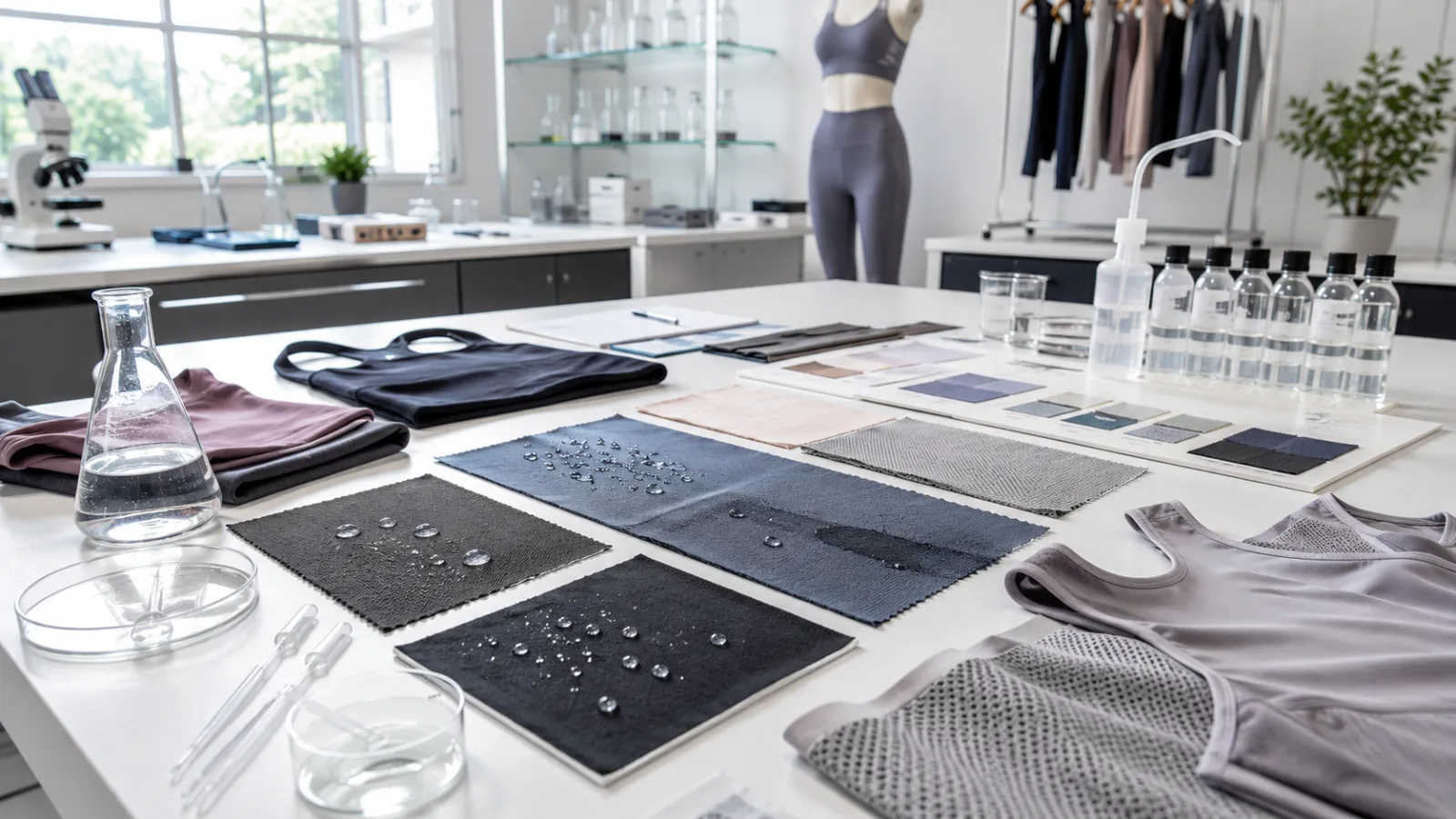
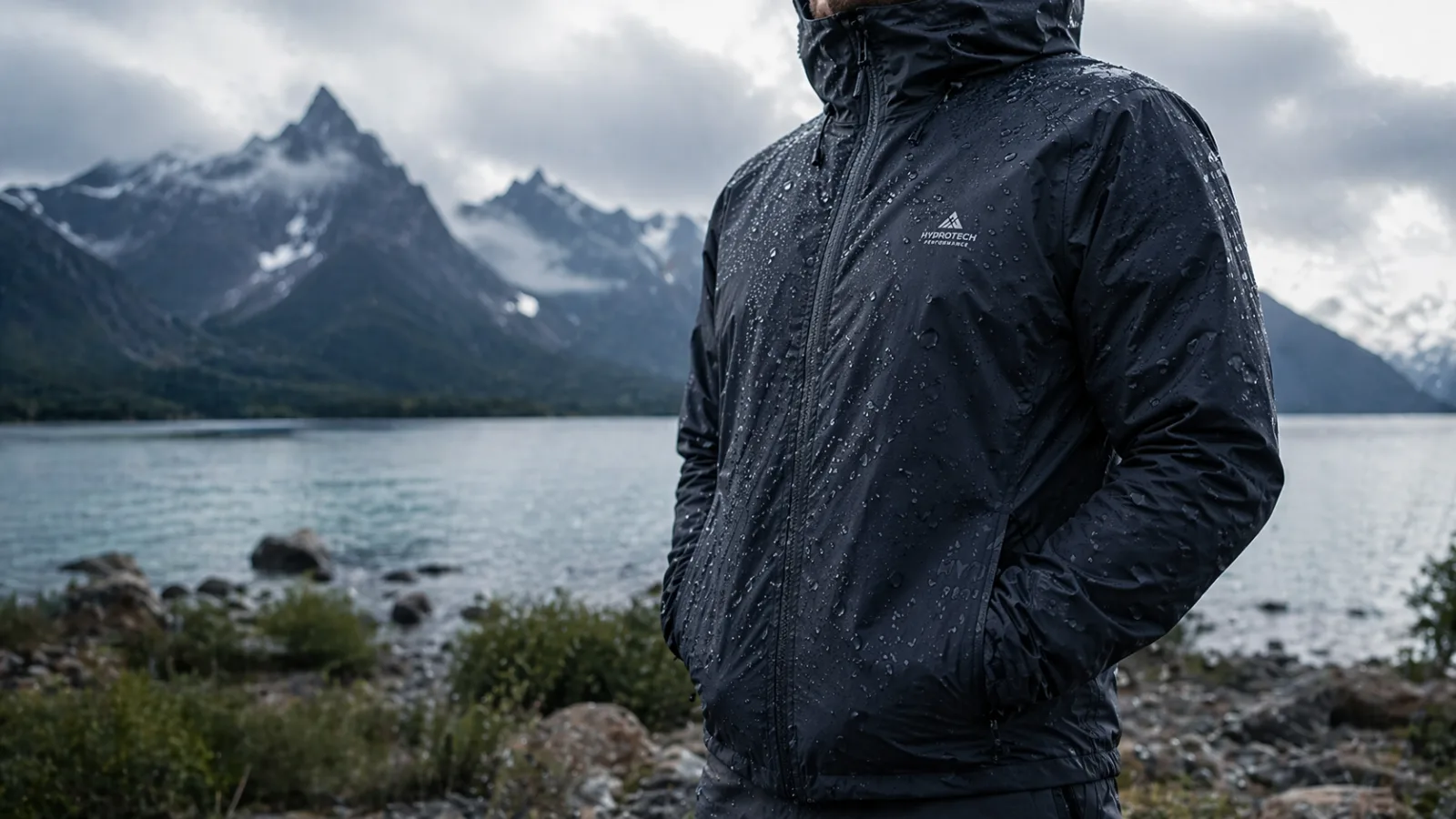
Nylon is not automatically waterproof.
Untreated nylon may resist a small amount of water because of its smooth synthetic surface and tight construction. However, water can still pass through the fabric and seams.
Waterproof performance may require:
- Polyurethane coating.
- Silicone coating.
- Waterproof membrane.
- Durable water-repellent finish.
- Seam taping.
- Sealed zippers.
- Waterproof garment construction.
It is useful to distinguish three terms.
Water-Resistant
The fabric can resist light moisture or short exposure but may eventually allow water through.
Water-Repellent
Water beads on the surface because of a finish, but the fabric may not withstand prolonged pressure.
Waterproof
The material is designed to prevent water penetration under specified testing conditions. Seams and construction also need appropriate sealing.
For rain jackets, tents, and covers, ask suppliers for measurable water-resistance or hydrostatic-pressure test results rather than relying only on the word “waterproof.”
Is Nylon Good for Summer?
Nylon can work well in summer when it is lightweight, breathable, and designed to dry quickly.
Suitable summer products include:
- Running shorts.
- Swimwear.
- Lightweight hiking trousers.
- Mesh sports tops.
- Packable windbreakers.
- Travel clothing.
- Quick-dry accessories.
However, dense, coated, or non-breathable nylon may trap heat and feel uncomfortable in hot, humid conditions.
For summer apparel, look for:
- Low fabric weight.
- Open construction.
- Ventilation.
- Loose fit.
- Moisture-management finish.
- Light colors.
- Minimal coating.
Nylon is not automatically a hot-weather fabric or an uncomfortable fabric. Comfort depends on the full textile and garment design
Is Nylon Good for Winter?
Nylon is widely used in winter clothing, especially as an outer shell.
It appears in:
- Puffer jackets.
- Ski jackets.
- Insulated trousers.
- Gloves.
- Sleeping bags.
- Wind-resistant layers.
- Snow gear.
- Technical outerwear.
Nylon itself is not usually the main source of insulation. Instead, it protects insulating materials from wind, abrasion, and light moisture.
A winter jacket may use:
- Woven nylon shell.
- Polyester or nylon lining.
- Down or synthetic insulation.
- Waterproof coating or membrane.
- Sealed seams.
- Protective finish.
Nylon is valuable in winter because it can be lightweight, durable, and compatible with protective finishes.
Nylon vs Polyester: What Is the Difference?
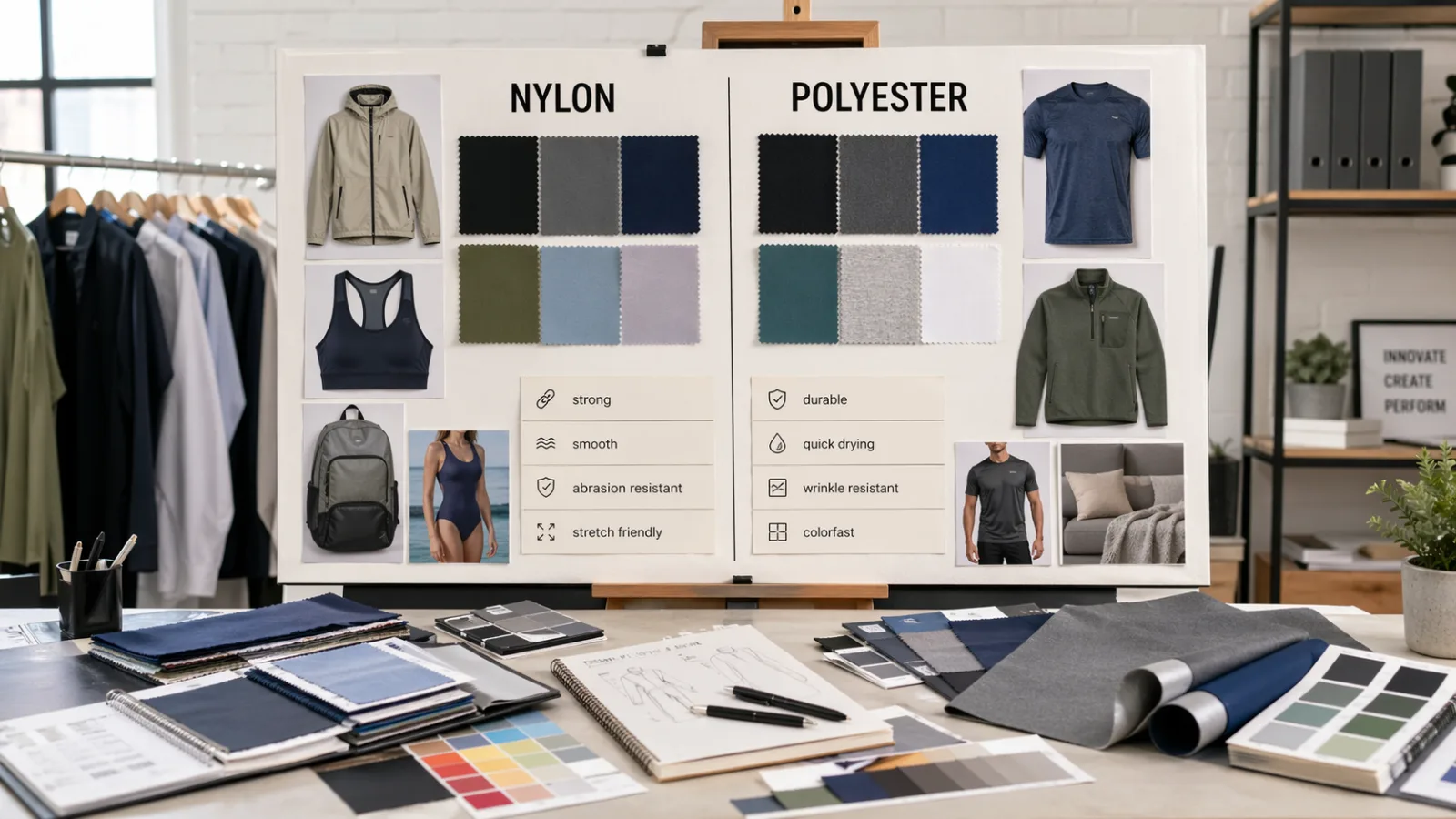
Nylon and polyester are both synthetic fibers, but they do not perform identically.
Choose Nylon When You Need
- Softness.
- Abrasion resistance.
- Fine filament fabric.
- Smooth stretch activewear.
- Lightweight bag material.
- Hosiery or lingerie performance.
Choose Polyester When You Need
- Strong UV resistance.
- Lower moisture absorption.
- Fast drying.
- Cost efficiency.
- Sublimation printing.
- Broad color and fabric availability.
Neither fiber is universally better. Product requirements should determine the choice.
Nylon vs Cotton: Which Is Better?
Nylon and cotton serve different purposes.
Nylon May Be Better For
- Activewear.
- Bags.
- Swimwear.
- Outerwear.
- Travel products.
- Quick-dry clothing.
- Technical applications.
Cotton May Be Better For
- Everyday T-shirts.
- Natural-feel garments.
- Hot-weather basics.
- Absorbent clothing.
- Casual shirts.
- Products requiring a familiar natural hand.
Blends can combine some of the strengths of both fibers, although blended fabrics may be more difficult to recycle.
Common Uses of Nylon Fabric
Nylon is used across apparel, accessories, interiors, outdoor products, and industrial textiles.
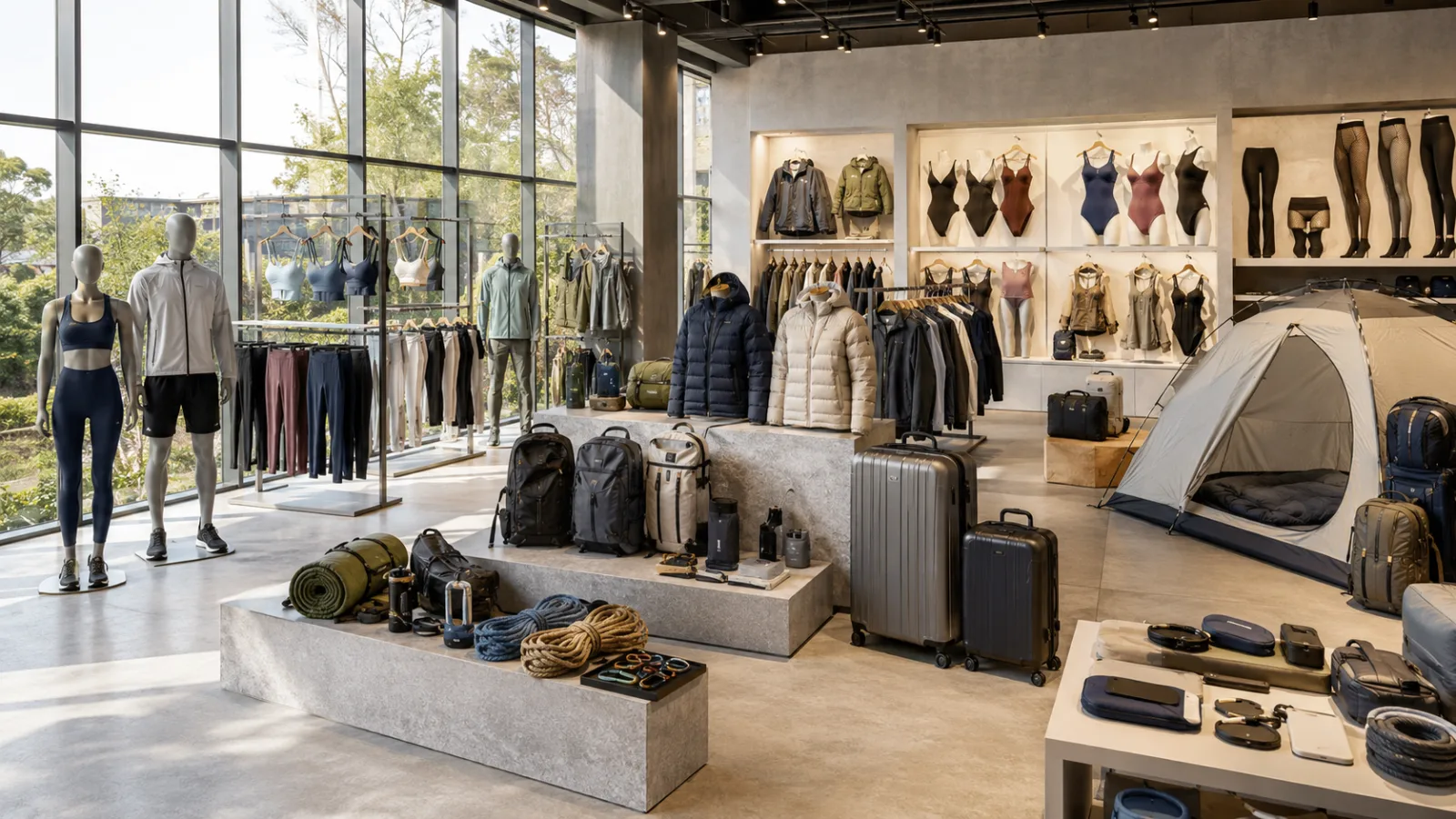
Nylon in Activewear
Nylon is popular in activewear because it can be smooth, durable, stretchy, and comfortable.
It is used for:
- Leggings.
- Sports bras.
- Cycling shorts.
- Training tops.
- Compression garments.
- Dancewear.
- Running shorts.
- Base layers.
Activewear nylon is commonly blended with elastane.
Important selection factors include:
- Stretch and recovery.
- Opacity.
- Pilling resistance.
- Abrasion resistance.
- Moisture management.
- Drying time.
- Colorfastness.
- Seam performance.
- Odor retention.
- Fabric weight.
A fabric that feels good as a swatch may become transparent or lose recovery when stretched, so sample testing is essential.
Nylon in Swimwear
Nylon is widely used in swimwear because it can create smooth, stretchable, close-fitting fabrics.
It is usually blended with elastane to provide recovery and fit.
Important considerations include:
- Chlorine resistance.
- Saltwater resistance.
- UV exposure.
- Colorfastness.
- Stretch recovery.
- Opacity when wet.
- Drying speed.
- Sunscreen and oil resistance.
Nylon swimwear often feels soft and comfortable, but polyester-based swimwear may provide stronger chlorine resistance for frequent pool use.
Nylon in Outerwear
Woven nylon is commonly used for:
- Windbreakers.
- Rain jackets.
- Puffer shells.
- Hiking jackets.
- Ski wear.
- Packable outerwear.
- Lightweight vests.
Outerwear nylon may be:
- Calendered.
- Coated.
- Laminated.
- Water-repellent.
- Wind-resistant.
- Downproof.
- Ripstop reinforced.
The final performance depends on coating, membrane, seam construction, and garment design.
Nylon in Hosiery and Lingerie
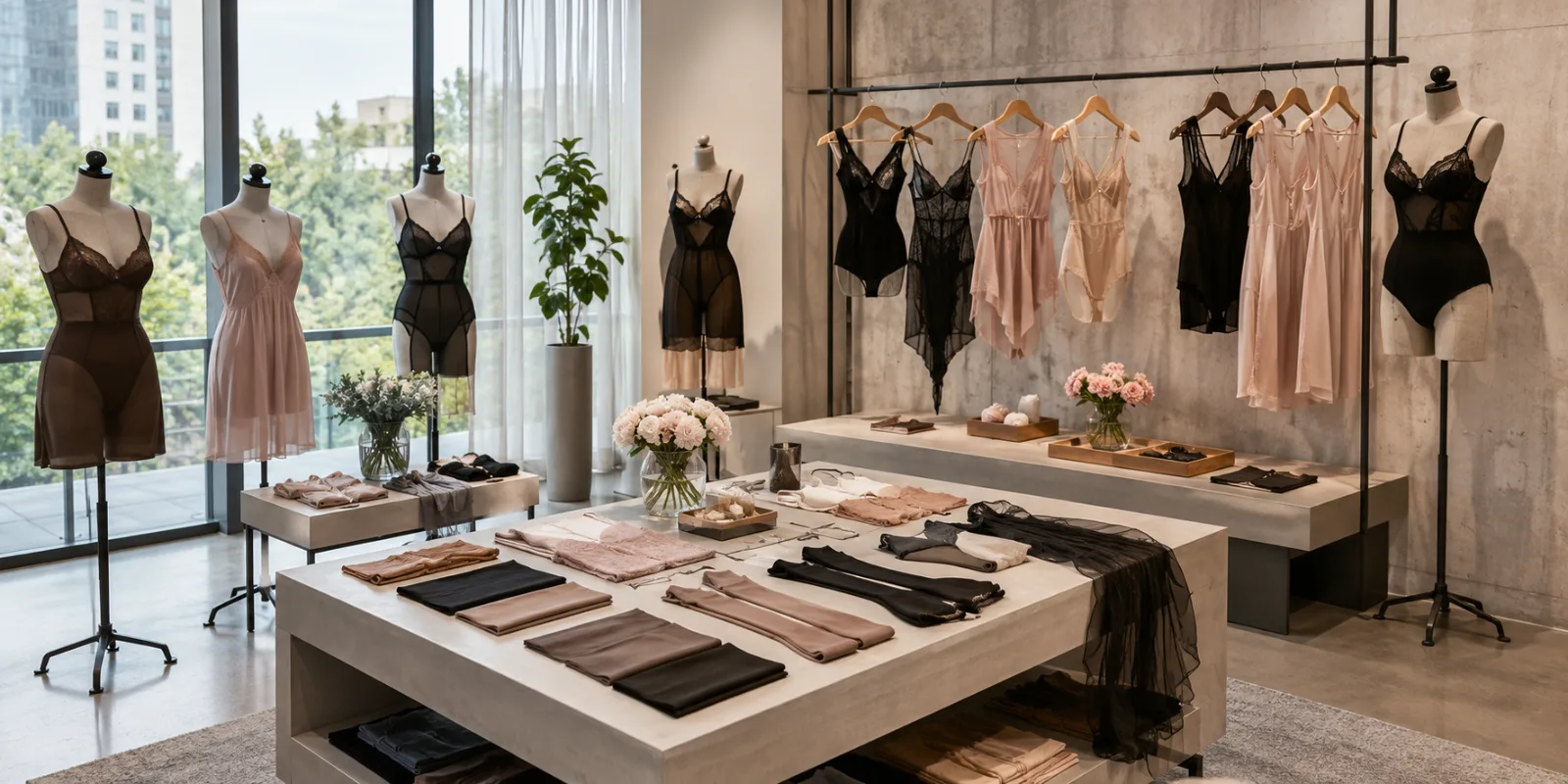
Fine nylon yarns are especially useful for hosiery, tights, stockings, lingerie, and seamless garments.
They can create fabrics that are:
- Lightweight.
- Smooth.
- Sheer.
- Stretchable.
- Close-fitting.
- Soft against the body.
Durability depends on yarn thickness, knit density, and construction. Very fine hosiery remains vulnerable to snags despite nylon’s overall strength.
Nylon in Bags and Luggage
Nylon is a strong choice for bags because it provides useful abrasion resistance without excessive weight.
It is used in:
- Backpacks.
- Duffel bags.
- Travel pouches.
- Luggage panels.
- Tote bags.
- Camera bags.
- Equipment cases.
- Waist packs.
- Outdoor packs.
Bag manufacturers should consider:
- Fabric denier.
- Weave construction.
- Tear strength.
- Abrasion resistance.
- Coating.
- Seam strength.
- Water resistance.
- UV exposure.
- Lining compatibility.
Heavy ballistic nylon and lighter ripstop nylon serve very different bag applications.
Nylon in Outdoor Gear
Nylon is widely used for:
- Tents.
- Sleeping bags.
- Hammocks.
- Parachutes.
- Ropes.
- Covers.
- Stuff sacks.
- Lightweight shelters.
- Outdoor accessories.
Its strength-to-weight ratio is one of its main advantages.
Outdoor nylon often requires added protection against moisture, UV exposure, abrasion, and repeated folding.
How to Wash Nylon Fabric
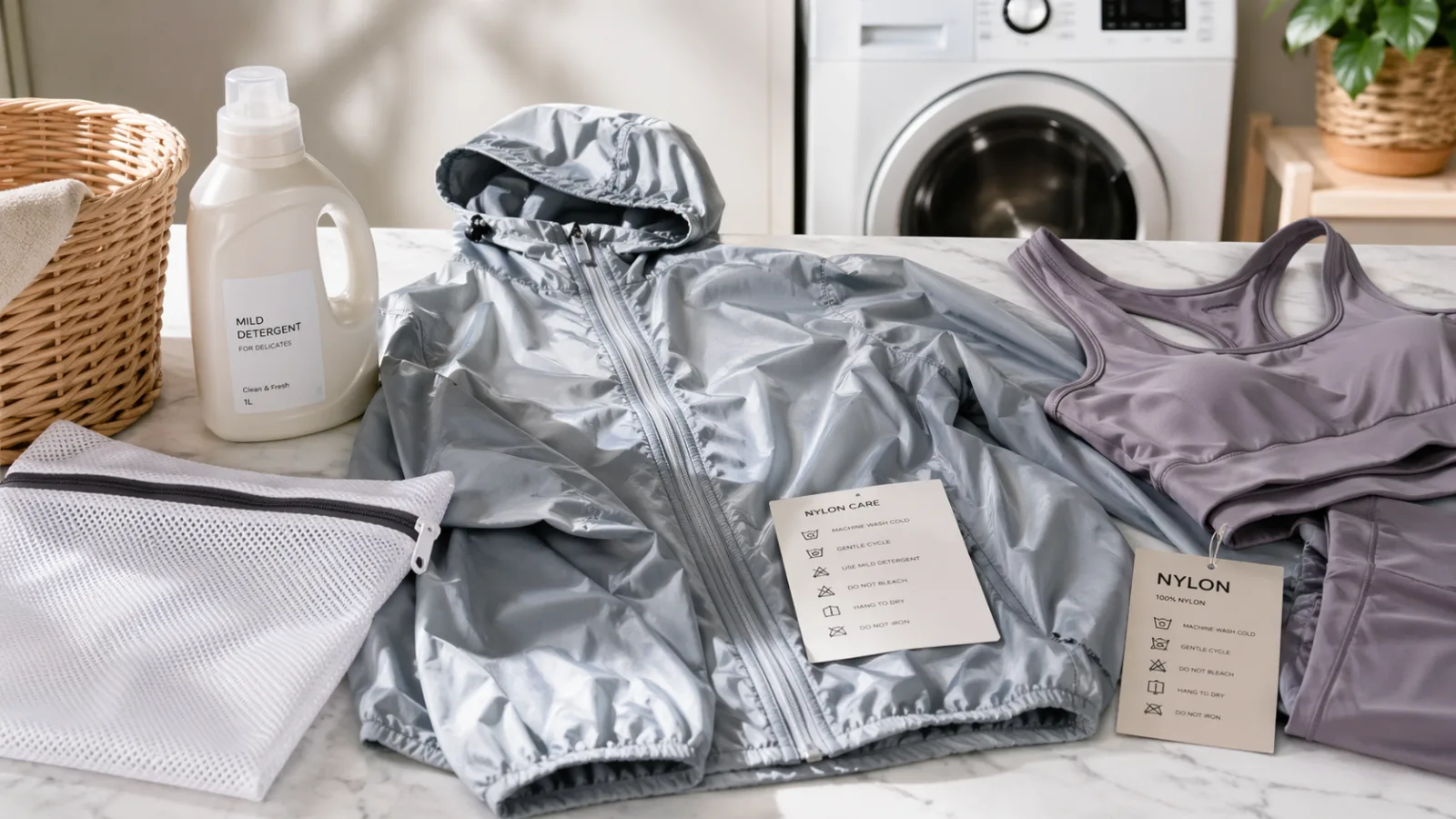
Nylon is generally easy to care for, but high heat should be avoided.
Basic Washing Instructions
- Check the care label.
- Turn garments inside out.
- Wash similar colors together.
- Use cool or lukewarm water.
- Choose a gentle or normal cycle.
- Use mild detergent.
- Avoid chlorine bleach unless specifically allowed.
- Do not overload the machine.
- Rinse thoroughly.
Caring for Activewear
Wash nylon activewear soon after heavy use to reduce oil and odor buildup.
Avoid excessive fabric softener because it may affect:
- Moisture-management finishes.
- Stretch.
- Breathability.
- Odor release.
- Fabric surface.
Caring for Lingerie and Hosiery
Use a mesh laundry bag and a gentle cycle. Hand washing may be safer for delicate or highly elastic items.
Keep hosiery away from zippers, hooks, and rough fabrics that may cause snagging.
Caring for Coated Nylon
Coated nylon may require gentle hand cleaning. Strong detergents, soaking, heat, and aggressive scrubbing can damage the coating.
Is Nylon Fabric Eco-Friendly?
Conventional nylon is not generally considered an environmentally preferable material. It is usually made from fossil-based raw materials, requires industrial energy, and does not readily biodegrade.
Important environmental concerns include:
- Dependence on non-renewable resources.
- Energy-intensive manufacturing.
- Greenhouse gas emissions.
- Chemical processing.
- Synthetic microfiber release.
- Difficulty recycling blended fabrics.
- Long persistence after disposal.
- Short product life in low-quality fashion.
However, environmental impact depends on more than fiber type alone.
A durable nylon backpack used for many years may offer more value than a lower-quality product replaced repeatedly. The full lifecycle should include production, durability, care, use frequency, repair, and end-of-life options.
Advantages of Nylon Fabric
Nylon remains popular because it offers several practical benefits.
Strong for Its Weight
It can provide durable performance without excessive bulk.
Abrasion-Resistant
It works well in products exposed to rubbing and movement.
Lightweight
Nylon is suitable for packable clothing, travel products, and outdoor equipment.
Smooth and Comfortable
Fine nylon yarns can create soft fabrics for intimate apparel and activewear.
Flexible
It can be engineered into mesh, knits, woven shells, ripstop, microfiber, and coated textiles.
Fast-Drying
It dries much faster than highly absorbent natural fibers.
Wrinkle-Resistant
Nylon is useful for travel and performance clothing.
Good Dyeability
It can produce rich colors when processed correctly.
Compatible With Stretch Blends
Nylon-elastane fabrics are widely used for close-fitting performance garments.
Suitable for Technical Finishes
It can be coated or treated for water resistance, UV protection, softness, and other properties.
Disadvantages of Nylon Fabric
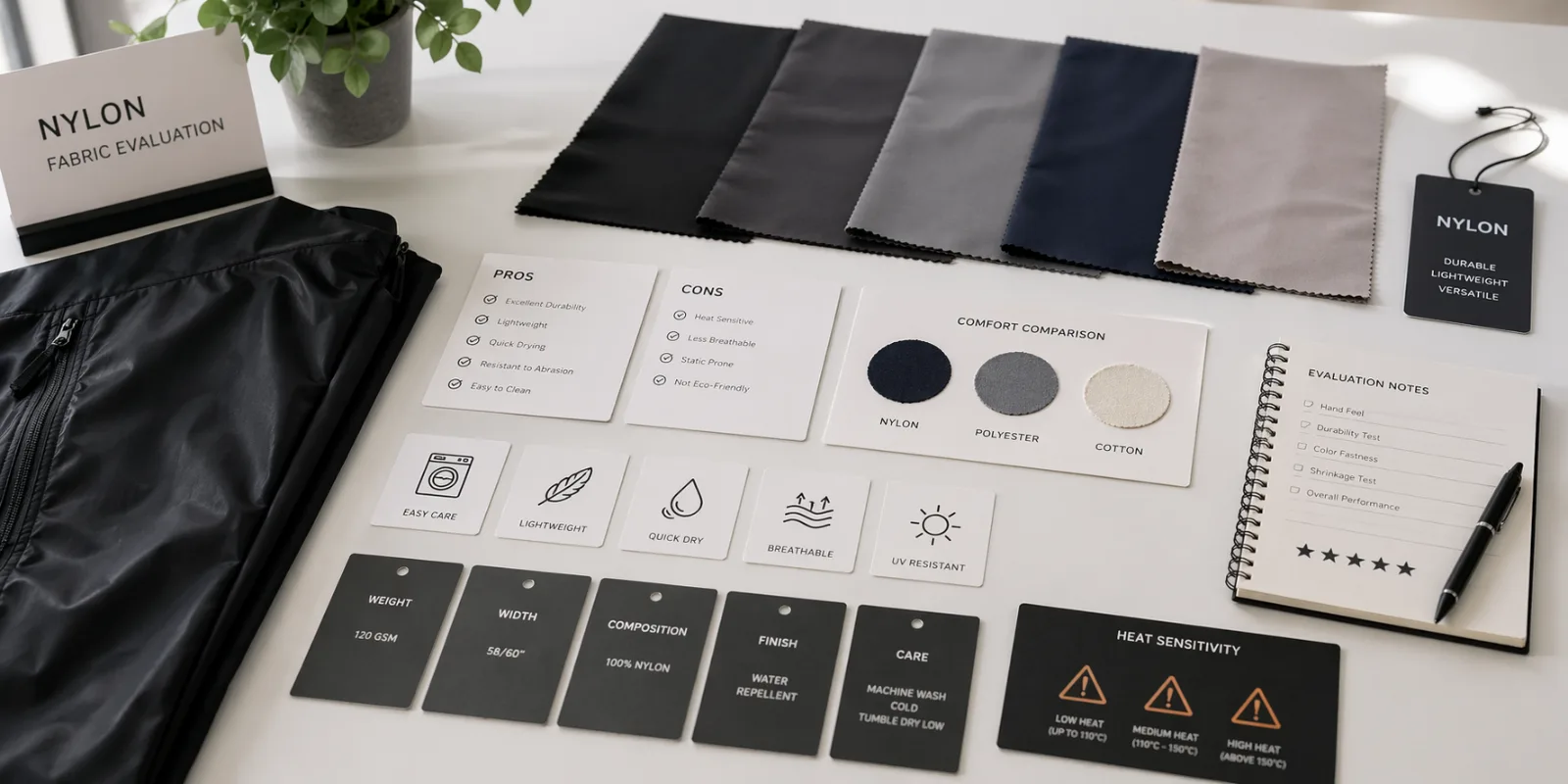
Nylon also has limitations that need to be considered during product development.
Heat Sensitivity
High heat can damage, distort, or melt nylon.
Lower Natural Breathability
Dense or coated nylon may feel warm and trap moisture.
Static Buildup
Some nylon fabrics can generate static electricity, especially in dry environments.
Odor Retention
Body oils and finishes may contribute to odor buildup in activewear.
UV Sensitivity
Prolonged sunlight can weaken or discolor nylon unless it is treated.
Chlorine Sensitivity
Some nylon swimwear may degrade faster under repeated chlorine exposure than polyester-based alternatives.
Environmental Concerns
Virgin nylon relies on fossil-based inputs and is not readily biodegradable.
Potential Microfiber Release
Fine synthetic fibers may be released during washing and wear.
Variable Surface Quality
Lower-quality nylon can feel overly shiny, stiff, or artificial.
More Expensive Than Some Polyester Options
Nylon may cost more depending on the grade, yarn, and product requirements.
ApparGlobal: Supporting Nylon Product Development and Sourcing
Choosing nylon effectively requires more than selecting a fiber composition. Fabric weight, denier, stretch, recovery, knit or weave construction, coating, colorfastness, abrasion, breathability, and end-use performance all influence the finished product.
ApparGlobal helps fashion brands align textile sourcing, sample development, supplier evaluation, quality control, and manufacturing planning.
Brands can explore ApparGlobal’s:
- Sampling Program to test nylon fabric, fit, stretch, recovery, construction, printing, and finishing.
- Private Label Program to develop customized apparel from established product foundations.
- Manufacturing Support to coordinate fabric sourcing and production.
- Vendor Program to explore suitable material and manufacturing suppliers.
- Manufacturer Catalog to review production capabilities.
- Resources for additional guidance on textiles, sourcing, and clothing manufacturing.
A structured sample process helps identify problems such as weak recovery, poor opacity, coating failure, shade variation, pilling, colorfastness issues, or unsuitable fabric weight before bulk production begins.
Frequently Asked Questions About Nylon Fabric
1. What is nylon fabric best used for?
Nylon is well suited to activewear, swimwear, hosiery, lingerie, outerwear, bags, luggage, tents, and outdoor products that need lightweight strength, flexibility, or abrasion resistance.
2. Is nylon better than polyester?
Neither fiber is always better. Nylon is often chosen for softness, abrasion resistance, and smooth stretch fabrics. Polyester is often chosen for cost efficiency, lower moisture absorption, stronger UV resistance, and sublimation printing.
3. Is nylon breathable?
Breathability depends on the fabric construction. Lightweight nylon mesh can allow good airflow, while dense or coated nylon may feel much less breathable.
4. Is nylon waterproof?
Nylon is not automatically waterproof. It usually requires a coating, membrane, water-repellent finish, and suitable seam construction to provide reliable rain protection.
5. Does nylon shrink?
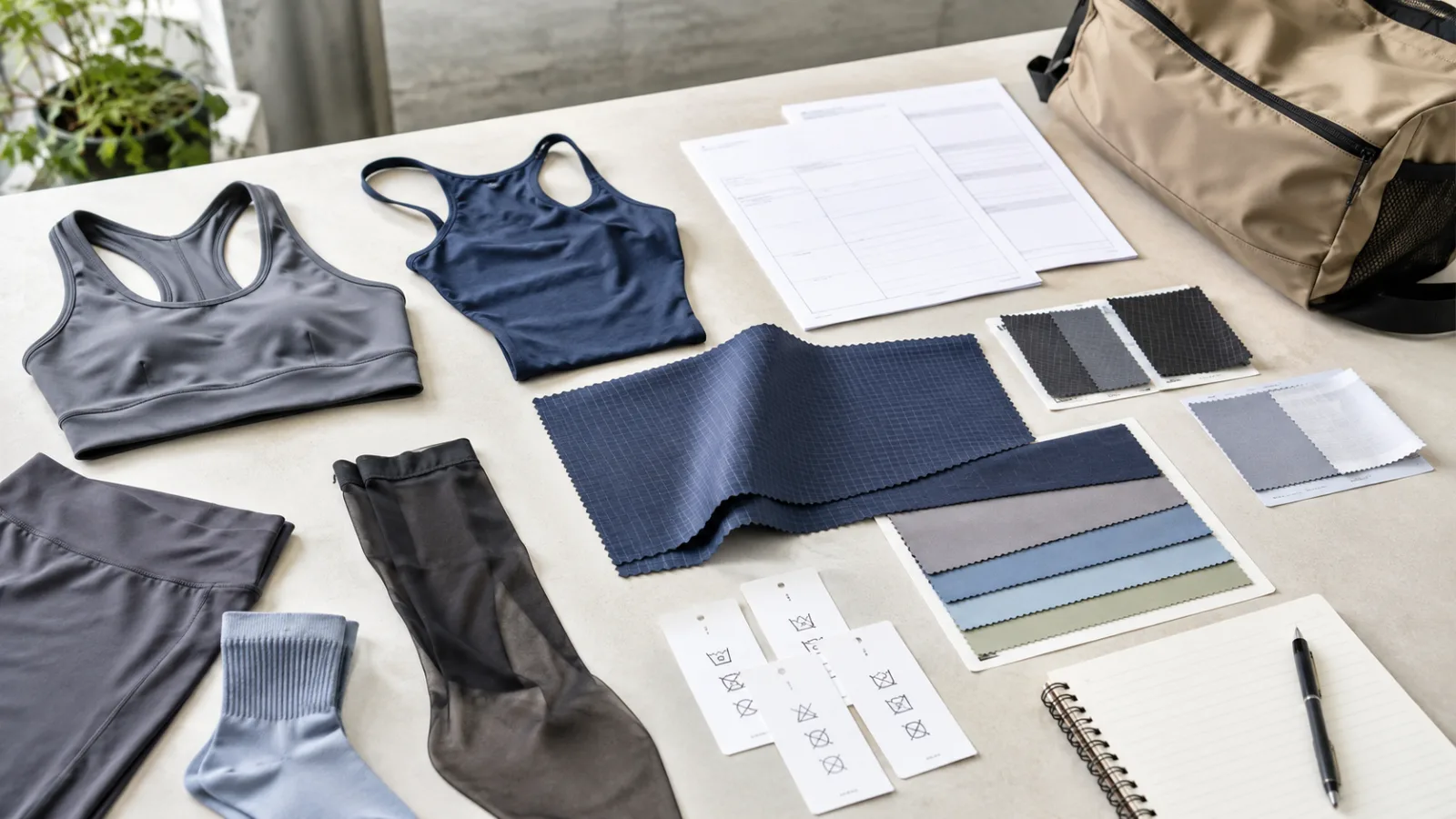
Nylon is relatively shrink-resistant under proper care, but high heat can distort, shrink, glaze, or melt the material.
6. Is nylon stretchy?
Nylon can have some flexibility, especially when knitted. High-stretch products usually combine nylon with elastane.
7. Is nylon strong?
Yes. Nylon is known for a high strength-to-weight ratio and good abrasion resistance. Final durability depends on yarn size, construction, weight, finish, and product design.
8. How should nylon be washed?
Wash nylon in cool or lukewarm water with mild detergent. Use a gentle cycle for delicate items and avoid high dryer or ironing temperatures.
9. Is nylon good for activewear?
Yes. Nylon-elastane fabrics can provide smoothness, stretch, recovery, durability, and a close fit. Moisture management and breathability should still be tested.
10. Is nylon good for swimwear?
Yes. Nylon is commonly blended with elastane for soft, stretchy swimwear. For frequent pool use, chlorine resistance should be reviewed because polyester alternatives may perform better in heavily chlorinated conditions.
11. Does nylon dry quickly?
Yes. Nylon usually dries much faster than cotton, although polyester generally absorbs less moisture and may dry faster.
12. Is recycled nylon sustainable?
Recycled nylon can reduce demand for virgin raw material and use existing waste, but it is still a synthetic polymer and may still release microfibers. Sustainability depends on sourcing, processing, durability, use, and end-of-life planning.
Conclusion
Nylon fabric remains one of the most important synthetic materials in modern textiles because it combines lightweight construction with strength, flexibility, smoothness, and abrasion resistance.
Its versatility allows it to appear in products as different as stockings, leggings, swimsuits, puffer jackets, backpacks, tents, and luggage. However, these products do not all use the same type of nylon. Polymer type, denier, yarn texture, knitting or weaving, coatings, finishes, and fiber blends all influence performance.
Nylon can be an excellent choice when a product needs low weight, smoothness, stretch compatibility, resistance to friction, or technical protection. It is especially valuable in activewear, swimwear, hosiery, outerwear, bags, and outdoor equipment. At the same time, nylon has important limitations. It is sensitive to heat, can feel less breathable in dense constructions, may retain odor, can weaken under prolonged UV exposure, and presents environmental challenges as a fossil-based synthetic fiber.
The smartest way to choose nylon is to evaluate the actual product requirements. Brands should test stretch, recovery, abrasion, pilling, colorfastness, breathability, water performance, coating durability, and wash stability before bulk production. When the right nylon construction is matched with the right product, the material can deliver reliable performance, long wear, and excellent strength without unnecessary weight.