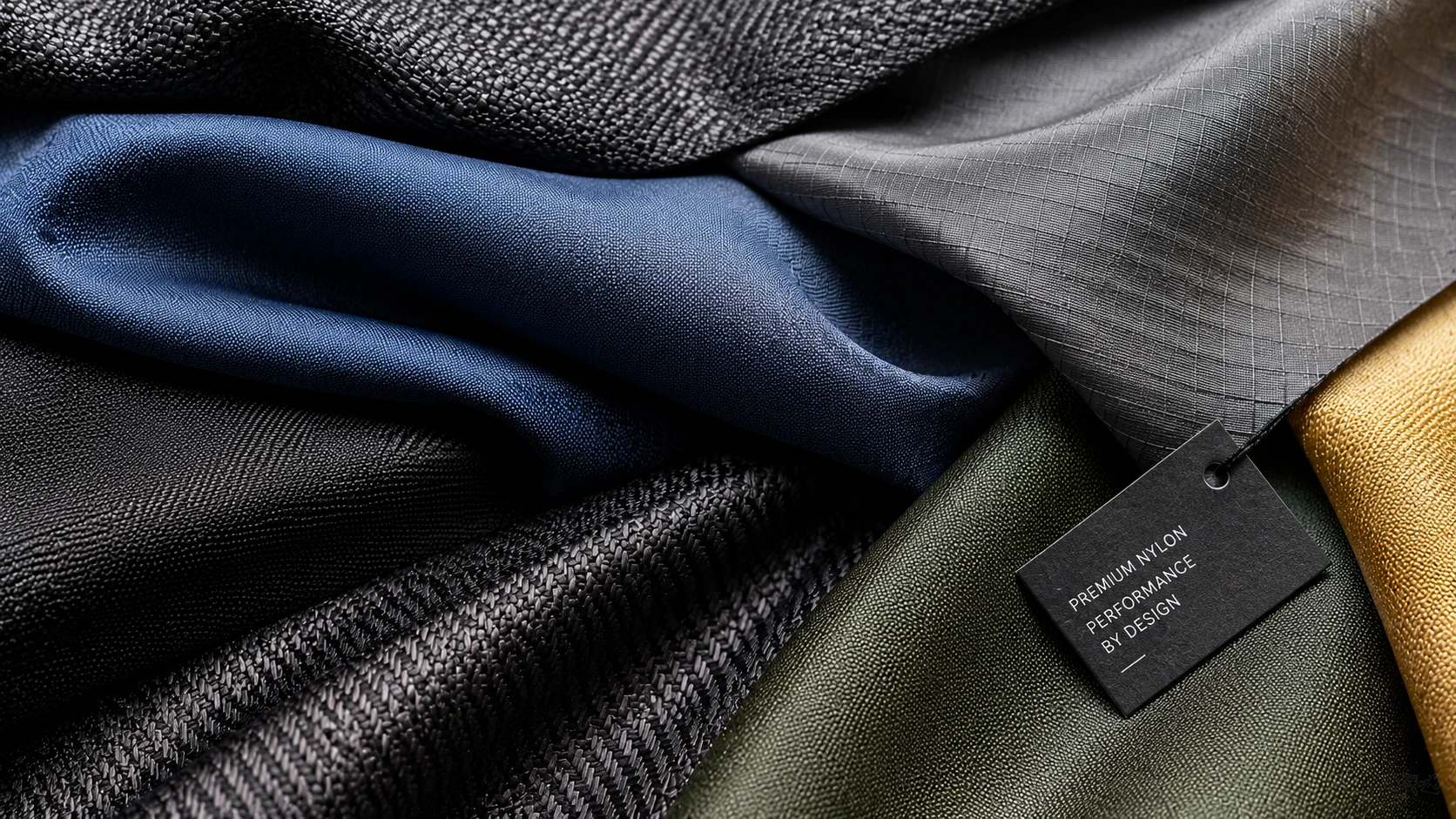
Nylon fabric has become one of the most important materials in the modern textile industry. Whether you realize it or not, you probably interact with nylon every single day. It’s used in activewear, jackets, handbags, swimwear, travel gear, upholstery, outdoor equipment, fashion accessories, and even industrial products. From luxury designer collections to high-performance sportswear, nylon has built a reputation for being durable, lightweight, flexible, and incredibly versatile.
But despite its popularity, many people still have questions about nylon fabric:
- What exactly is nylon?
- Why is nylon used so widely in apparel manufacturing?
- Is nylon breathable or comfortable?
- Is nylon better than polyester?
- Is nylon environmentally friendly?
- What are the different types of nylon fabric?
- Why do fashion brands prefer nylon for sportswear and outerwear?
If you are a fashion startup, clothing brand owner, textile sourcing professional, garment manufacturer, designer, or even a curious consumer, understanding nylon fabric can help you make smarter decisions about product quality, durability, performance, and sustainability.
What Is Nylon Fabric?
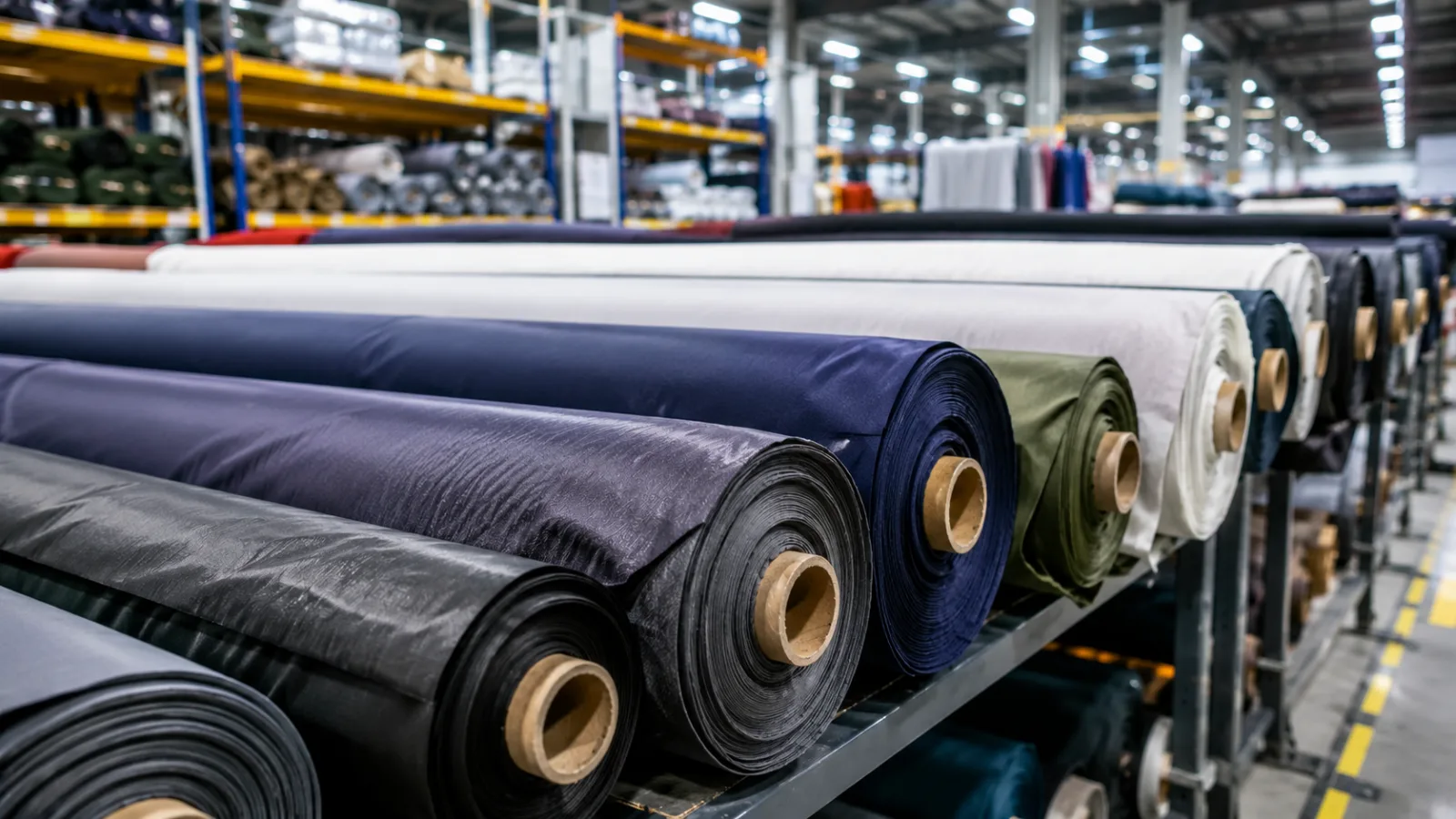
Nylon is a synthetic fabric made from petroleum-based polymers. It was the world’s first commercially successful synthetic fiber and completely changed the textile industry after its invention in the 1930s.
Unlike natural fabrics such as cotton, wool, silk, or linen, nylon is manufactured through a chemical process. The result is a strong, elastic, smooth, and lightweight fiber that can be engineered for countless applications.
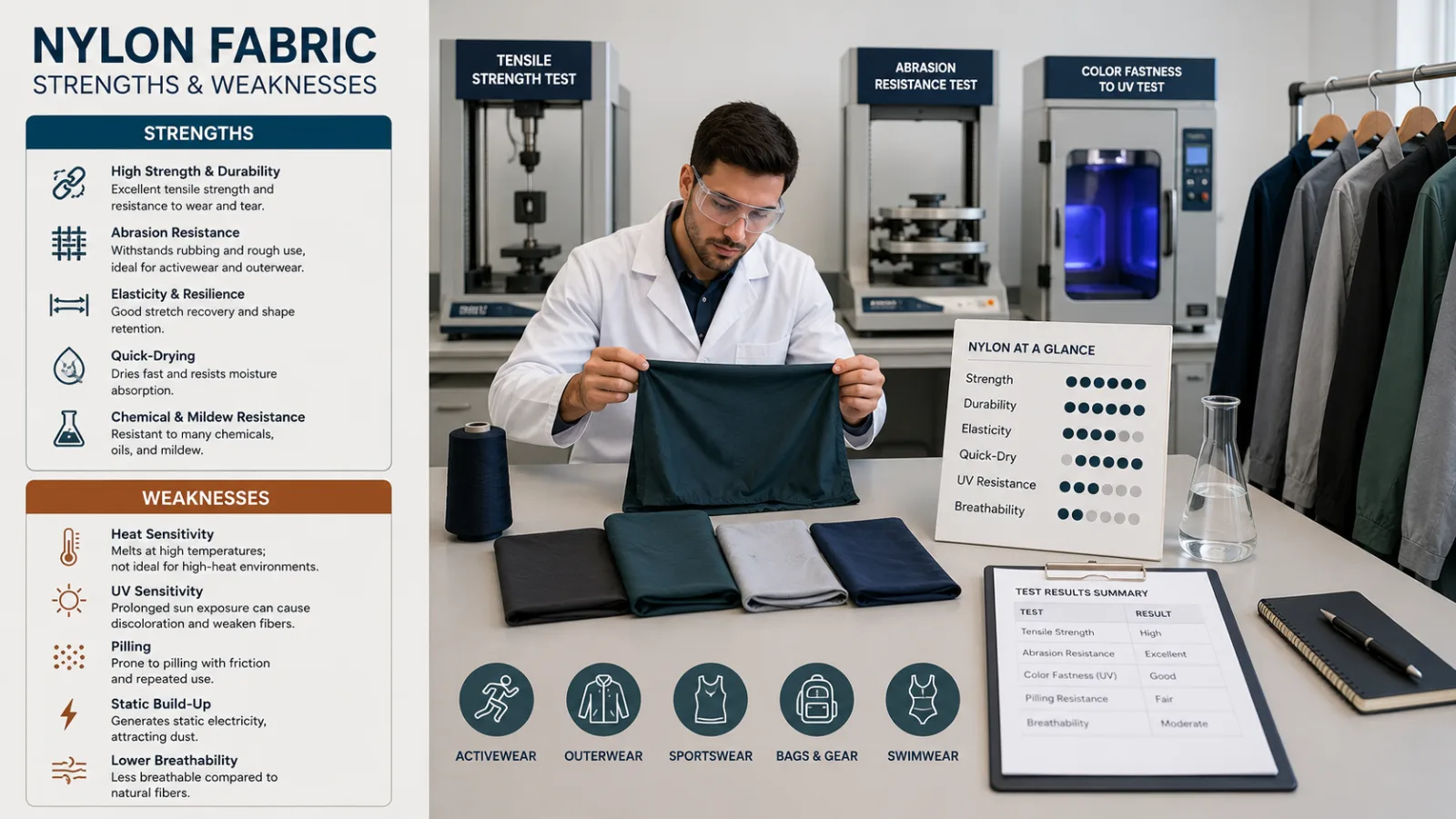
Nylon is known for several important performance qualities:
- High durability
- Excellent flexibility
- Lightweight feel
- Smooth texture
- Fast drying capability
- Resistance to abrasion
- Wrinkle resistance
Because of these characteristics, nylon is widely used in both fashion and technical industries.
Today, nylon can be found in:
- Leggings
- Sports bras
- Jackets
- Swimwear
- Rainwear
- Luggage
- Tents
- Backpacks
- Upholstery
- Parachutes
- Military equipment
- Industrial textiles
The fabric’s ability to balance comfort, stretch, and durability makes it one of the most versatile textile materials available.
The History of Nylon Fabric
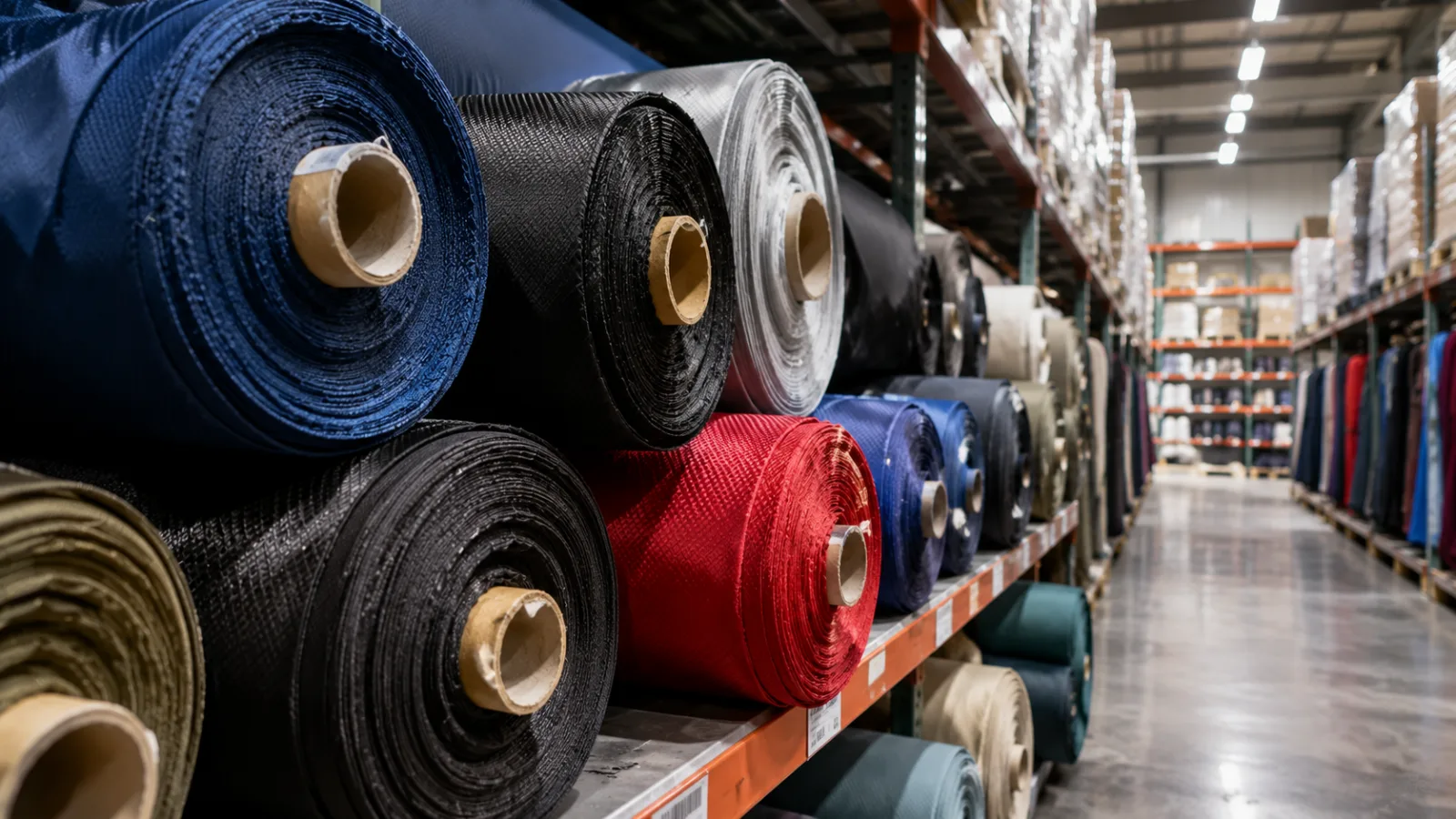
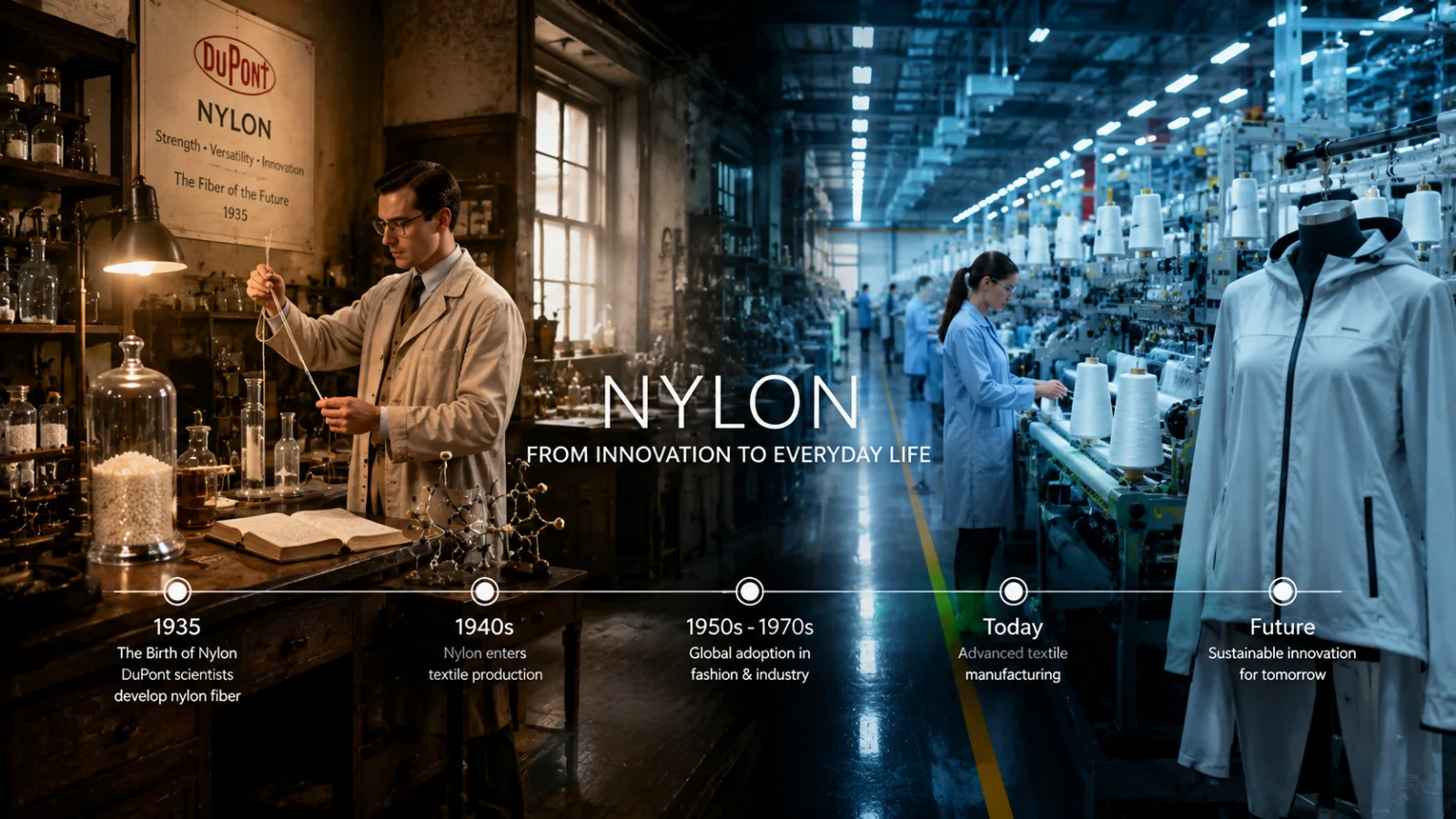
Nylon was invented in 1935 by researchers at DuPont. At the time, the textile industry relied heavily on natural fibers like silk, which were expensive and difficult to produce at scale.
Scientists wanted to create a synthetic alternative that was affordable, durable, and suitable for mass production.
Nylon quickly became revolutionary.
The first major nylon product was women’s stockings, which became extremely popular because they were more durable than silk stockings. Soon after, nylon became critical during World War II for military products such as:
- Parachutes
- Ropes
- Tents
- Tire cords
- Combat gear
After the war, nylon entered mainstream consumer markets and became widely used in fashion and apparel manufacturing.
Over the decades, textile technology improved dramatically. Early nylon fabrics sometimes felt stiff or artificial, but modern nylon can now feel:
- Soft
- Luxurious
- Breathable
- Stretchy
- Lightweight
- High-performance
Today, nylon is used by both budget brands and luxury fashion houses.
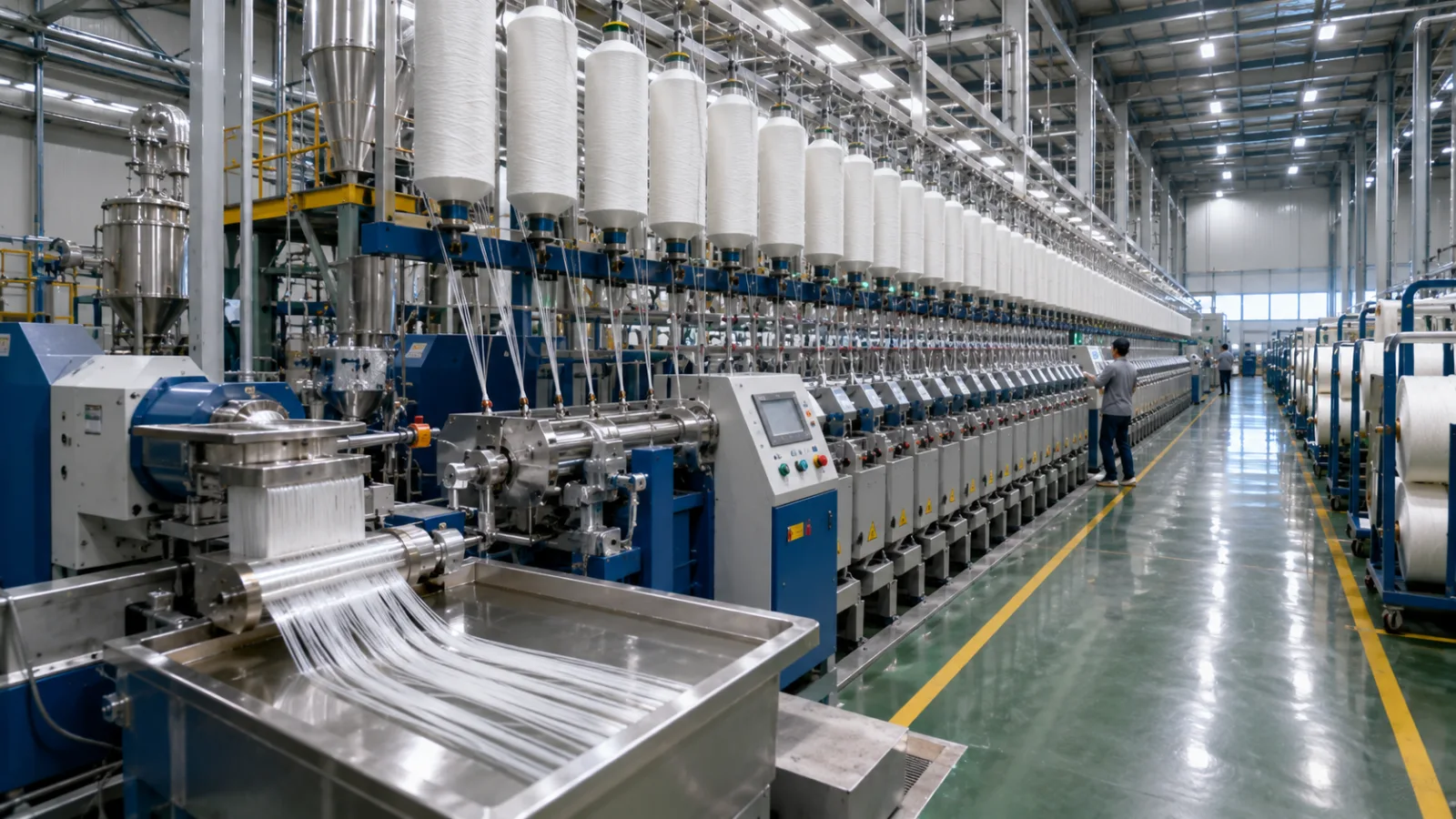
How Nylon Fabric Is Made
Nylon production involves advanced chemical engineering and textile manufacturing processes.
The process begins with petrochemical raw materials, which are transformed into polymers through chemical reactions. These polymers are melted and forced through tiny holes called spinnerets to create long synthetic filaments.
The production process generally includes:
- Polymerization
- Melting
- Fiber extrusion
- Cooling
- Stretching
- Spinning into yarn
- Weaving or knitting
- Dyeing and finishing
The finishing stage is extremely important because it determines how the nylon fabric will perform.
Different finishes can create:
- Waterproof nylon
- Stretch nylon
- Soft-touch nylon
- Ripstop nylon
- UV-resistant nylon
- Moisture-wicking nylon
This flexibility is one of the reasons nylon is used across so many industries.
Different Types of Nylon Fabric
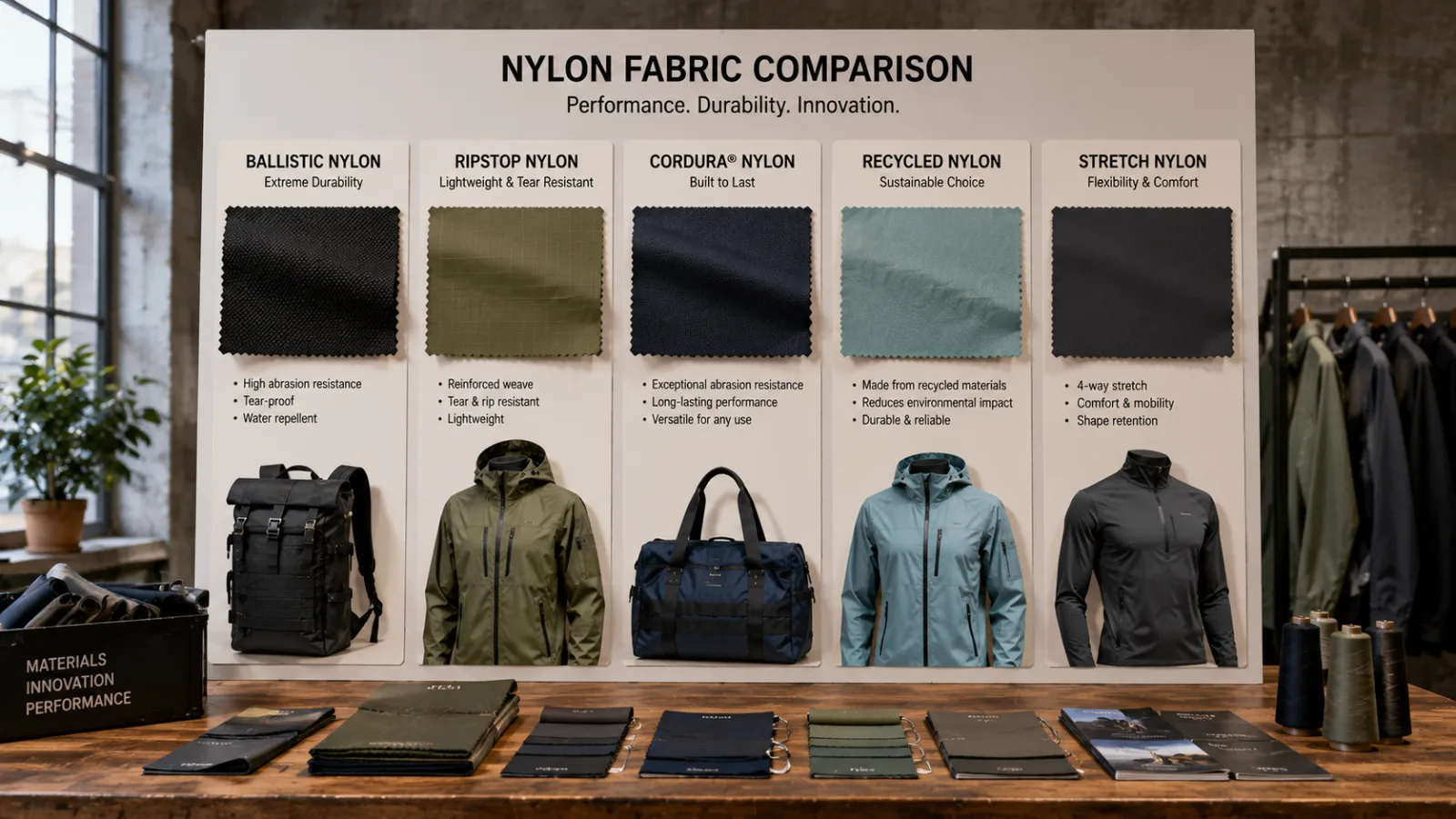
Many people think nylon is just one type of fabric, but there are actually several variations designed for different purposes.
Nylon 6
Nylon 6 is softer and more flexible.
It is commonly used in:
- Apparel
- Leggings
- Swimwear
- Hosiery
- Fashion garments
This version is known for comfort and elasticity.
Nylon 6,6
Nylon 6,6 is stronger and more heat-resistant.
It is commonly used for:
- Industrial textiles
- Technical outerwear
- Heavy-duty products
- Outdoor gear
This type is especially valued for durability.
Ripstop Nylon
Ripstop nylon includes reinforced threads woven into the fabric to prevent tearing.
It is commonly used for:
- Camping tents
- Windbreakers
- Hiking gear
- Military apparel
Ripstop nylon is lightweight while maintaining excellent tear resistance.
Ballistic Nylon
Ballistic nylon is extremely strong and abrasion-resistant.
It is commonly used in:
- Luggage
- Backpacks
- Tactical equipment
- Protective gear
This type of nylon is built for durability.
Cordura Nylon
Cordura is a specialized nylon fabric designed for rugged performance.
Used for:
- Outdoor apparel
- Workwear
- Motorcycle gear
- Tactical bags
Cordura is famous for exceptional durability.
Recycled Nylon
Recycled nylon is made from recovered waste materials such as:
- Fishing nets
- Textile waste
- Industrial scraps
This version helps reduce environmental impact and is becoming increasingly popular in sustainable fashion.
Main Characteristics of Nylon Fabric
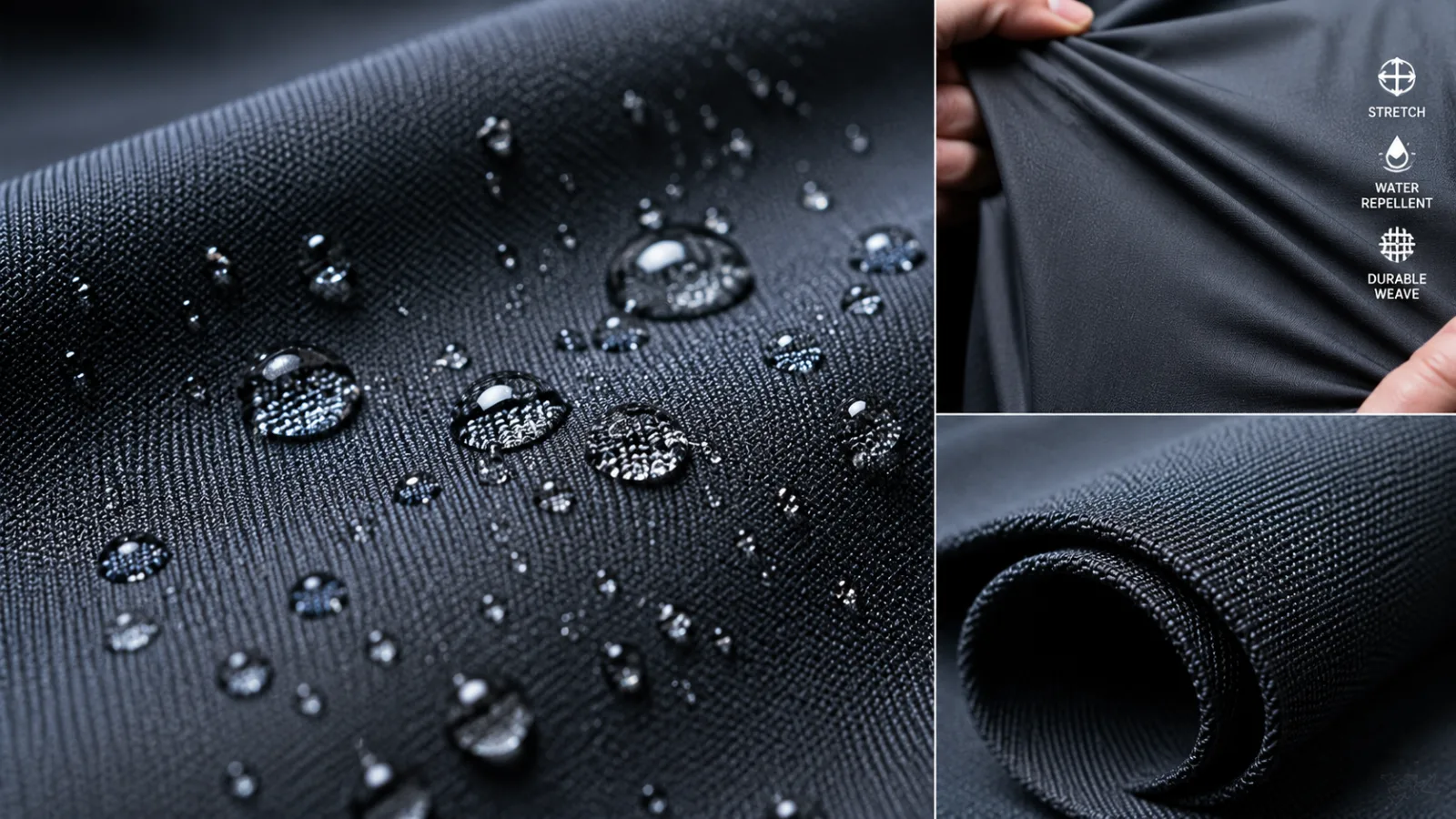
Nylon stands out because it combines multiple useful properties in one fabric.
Lightweight Performance
Nylon offers impressive strength without adding excessive weight.
This makes it ideal for:
- Sportswear
- Travel gear
- Outdoor equipment
- Lightweight jackets
High Durability
One of nylon’s biggest advantages is abrasion resistance.
Nylon handles:
- Friction
- Stretching
- Repeated use
- Wear and tear
better than many natural fabrics.
Excellent Elasticity
Nylon naturally stretches and recovers well.
When blended with spandex, it creates highly flexible performance fabrics used in:
- Yoga wear
- Compression garments
- Swimwear
- Athletic apparel
Smooth Texture
Modern nylon can feel:
- Silky
- Soft
- Luxurious
This is why premium fashion brands frequently use nylon in modern collections.
Fast Drying
Nylon absorbs little moisture compared to natural fibers.
This allows it to dry quickly, which is ideal for:
- Swimwear
- Rainwear
- Activewear
Wrinkle Resistance
Nylon resists wrinkles better than many natural fabrics.
Garments maintain shape and appearance longer.
Advantages of Nylon Fabric
Nylon became globally popular because of its many practical advantages.
Exceptional Strength
Nylon is one of the strongest textile fibers used in apparel.
It withstands:
- Pulling
- Stretching
- Abrasion
- Repeated washing
This durability increases garment lifespan.
Lightweight Comfort
Despite its strength, nylon remains lightweight and comfortable.
This is especially useful for:
- Sportswear
- Travel clothing
- Outdoor apparel
Excellent Stretch Recovery
Nylon maintains shape well after stretching.
This helps leggings, swimwear, and fitted garments retain structure.
Quick Drying Performance
Nylon’s low moisture absorption allows garments to dry rapidly.
Perfect for:
- Athletic wear
- Swimwear
- Rain jackets
Versatility
Nylon can appear:
- Sporty
- Technical
- Elegant
- Minimal
- Luxurious
depending on the finish and construction.
Long Product Lifespan
Well-made nylon garments can last for years.
This makes nylon attractive for high-performance products.
Disadvantages of Nylon Fabric
Although nylon offers many benefits, it also has some disadvantages.
Lower Breathability
Basic nylon can trap heat and moisture.
This may cause discomfort in hot climates unless the fabric includes breathable engineering.
Environmental Concerns
Traditional nylon production depends heavily on fossil fuels and chemical processing.
This raises sustainability concerns.
Static Electricity
Nylon can generate static electricity in dry environments.
Heat Sensitivity
Nylon can melt under high temperatures.
This means:
- Careful ironing is necessary
- Excessive dryer heat should be avoided
Odor Retention
Some nylon activewear may hold body odor if untreated.
Modern odor-control technologies help reduce this issue.
Is Nylon Fabric Breathable?
This is one of the most searched questions about nylon.
The answer depends on how the nylon is engineered.
Traditional nylon is not highly breathable because synthetic fibers naturally resist moisture absorption.
However, modern textile innovation has dramatically improved nylon breathability through:
- Mesh structures
- Moisture-wicking technology
- Laser ventilation
- Lightweight knitting
- Microfiber engineering
Many premium activewear brands now use nylon fabrics that feel highly breathable during workouts.
Is Nylon Good for Clothing?
Yes. Nylon is excellent for many clothing categories.
It is especially useful for:
- Activewear
- Swimwear
- Jackets
- Lingerie
- Compression garments
- Outdoor apparel
- Fashion accessories
Luxury brands also use nylon in:
- Designer handbags
- Technical fashion
- Modern outerwear
- Minimalist collections
The key is choosing the correct nylon construction for the intended product.
Nylon vs Polyester
Nylon and polyester are often compared because both are synthetic fabrics.
However, they behave differently.
Nylon is often preferred for premium activewear because it feels softer and stretches better.
Polyester is often chosen for affordability and UV resistance.
Nylon Fabric in Activewear
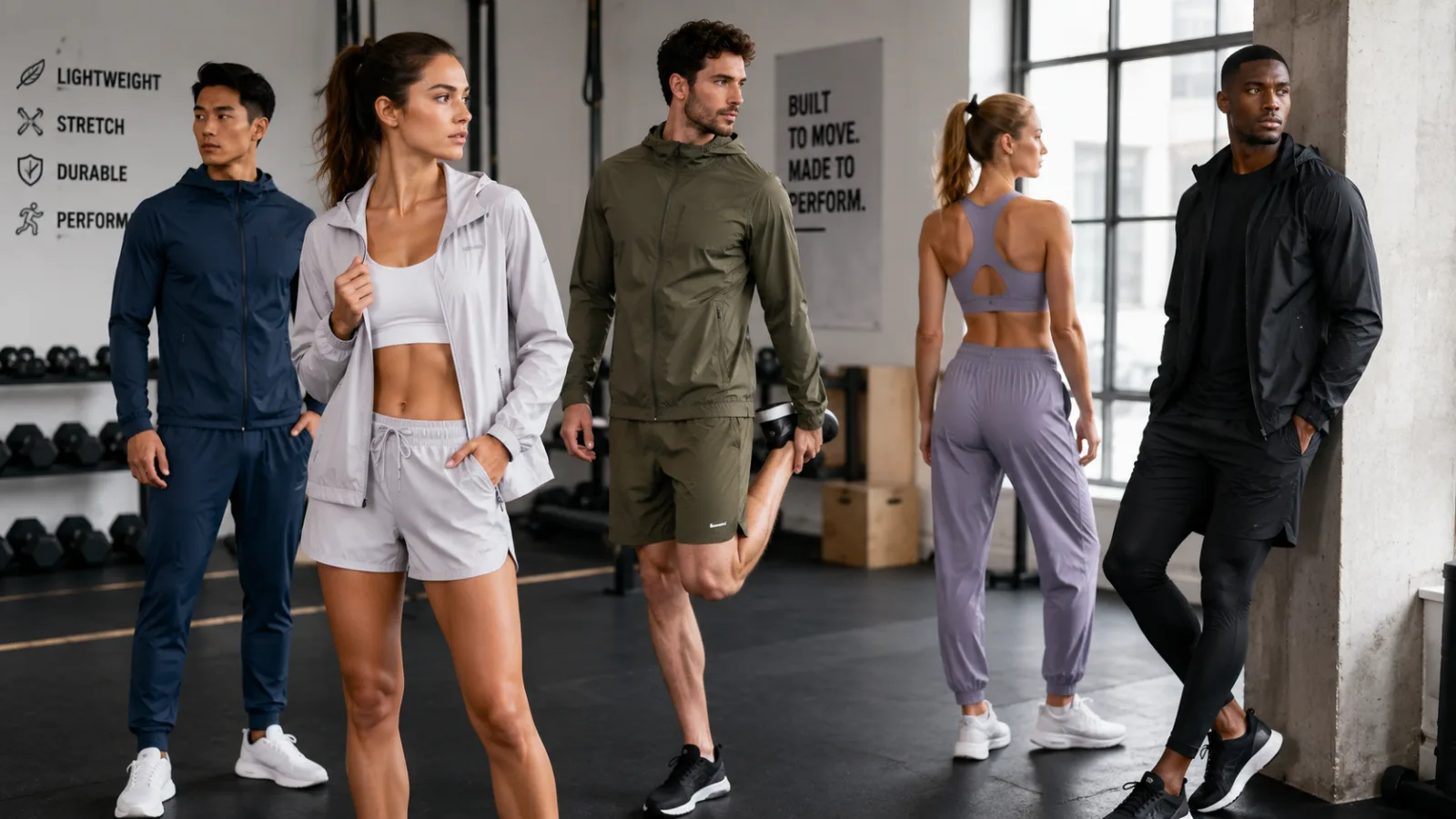
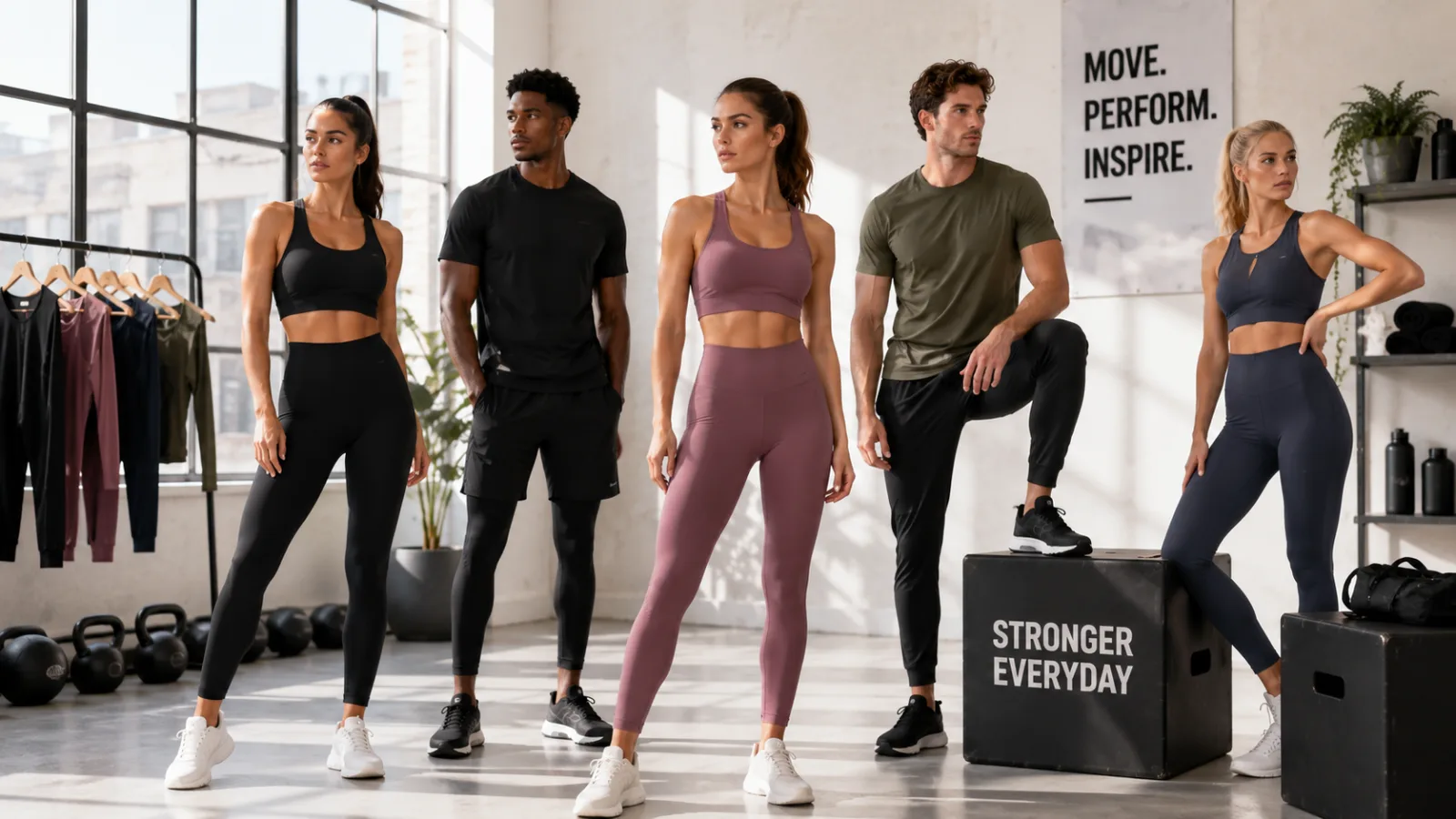
The activewear industry heavily relies on nylon.
Why?
Because nylon combines:
- Stretch
- Durability
- Moisture management
- Shape retention
- Soft texture
Many premium yoga brands prefer nylon-spandex blends because they feel smoother and more luxurious than polyester.
Nylon activewear is common in:
- Leggings
- Sports bras
- Gym tops
- Compression wear
- Running apparel
Nylon Fabric in Swimwear
Nylon is one of the best swimwear fabrics available.
Benefits include:
- Fast drying
- Stretch flexibility
- Shape retention
- Smooth feel
Most swimwear combines nylon with spandex for added elasticity.
Luxury swimwear brands frequently choose nylon because it feels comfortable against the skin while maintaining durability.
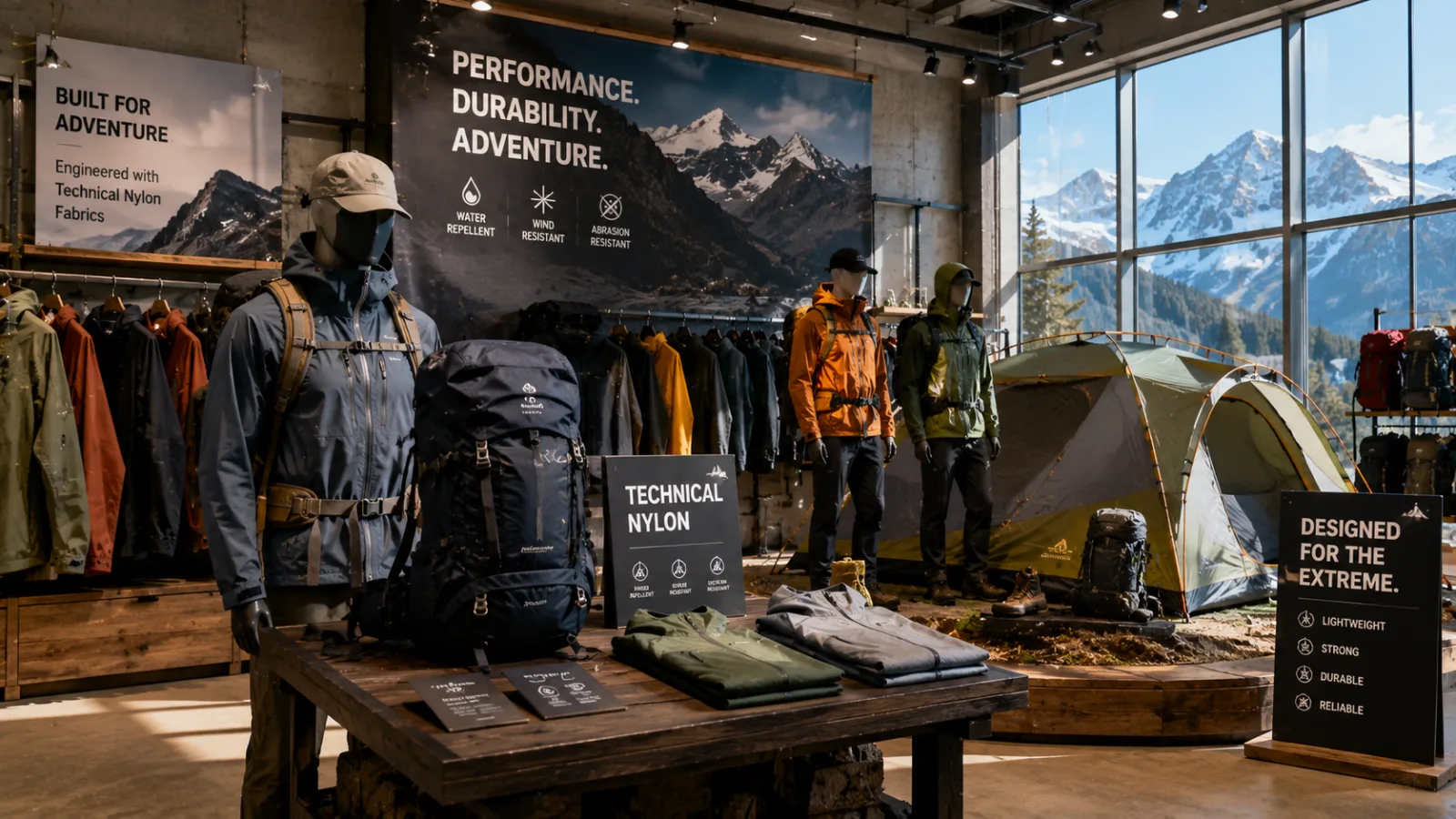
Nylon Fabric in Outdoor Gear
Outdoor equipment requires materials that are:
- Lightweight
- Durable
- Weather-resistant
Nylon performs extremely well in these conditions.
Common outdoor nylon products include:
- Hiking jackets
- Camping tents
- Sleeping bags
- Tactical backpacks
- Climbing gear
Technical nylon coatings can also improve waterproof performance.
Is Nylon Waterproof?
Nylon itself is water-resistant, not fully waterproof.
However, manufacturers often apply waterproof coatings.
Examples include:
- PU-coated nylon
- Silicone-coated nylon
- Laminated nylon membranes
These treatments make nylon suitable for:
- Rainwear
- Outdoor gear
- Waterproof bags
Is Nylon Sustainable?
Sustainability is one of the biggest conversations surrounding synthetic fabrics today.
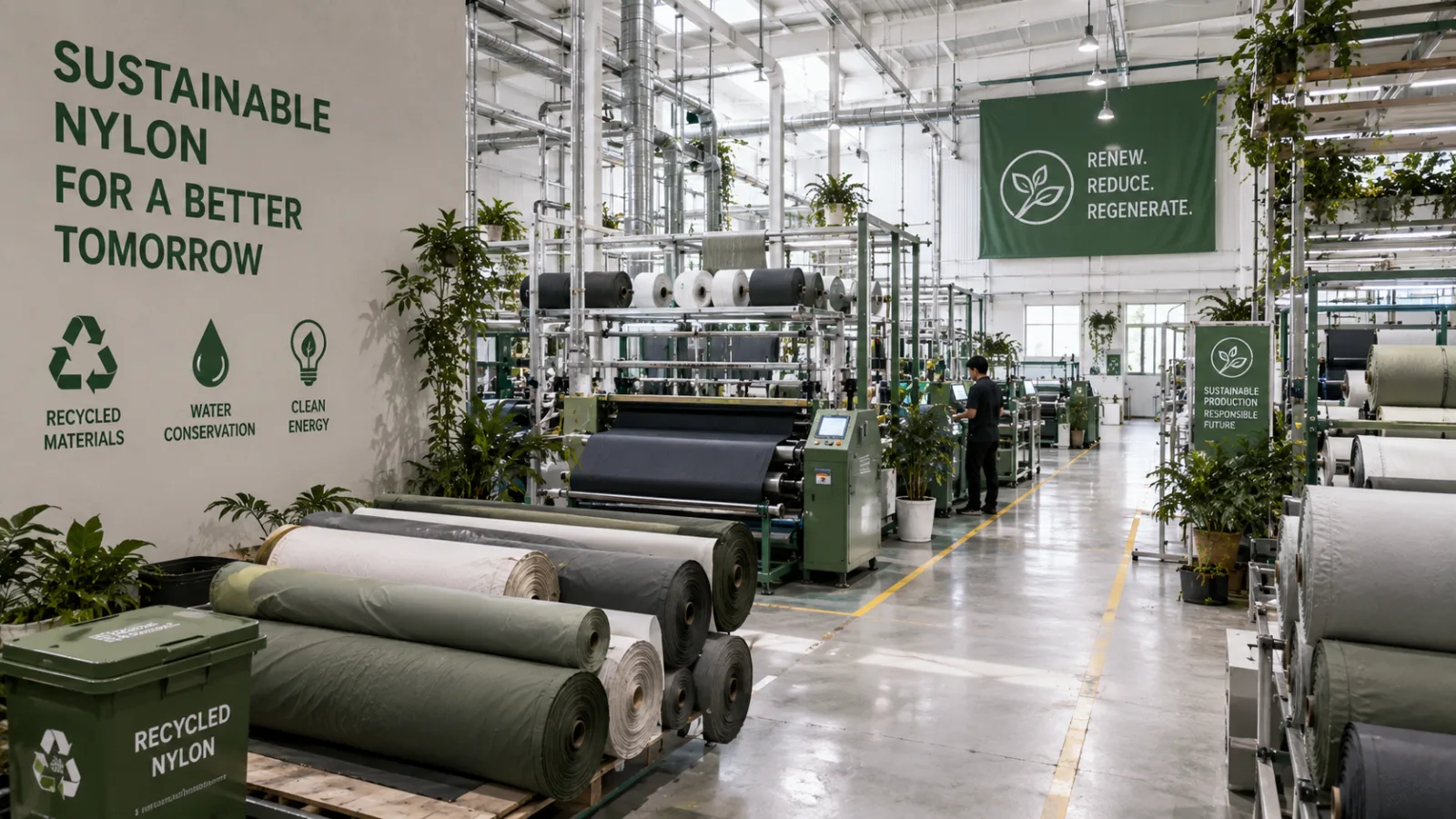
Traditional nylon production creates environmental concerns because it relies on petrochemicals and energy-intensive manufacturing. However, the industry is evolving rapidly.
Recycled Nylon
Recycled nylon is now widely used in:
- Activewear
- Swimwear
- Sustainable fashion collections
Common recycled sources include:
- Fishing nets
- Carpet waste
- Industrial textile scraps
Benefits:
- Lower waste
- Reduced environmental impact
- Circular manufacturing support
Many global fashion brands now promote recycled nylon as part of their sustainability goals.
Bio-Based Nylon
Researchers are also developing bio-based nylon alternatives made from renewable materials instead of petroleum.
This could significantly improve sustainability in the future.
How to Care for Nylon Fabric
Proper care helps nylon garments last longer.
Washing
- Use cold water
- Choose gentle detergent
- Avoid bleach
Drying
- Air drying is safest
- Use low heat if machine drying
Ironing
- Use very low heat
- Avoid direct high-temperature contact
Storage
- Keep away from excessive heat
- Store in cool dry environments
Proper maintenance helps preserve elasticity, color, and texture.
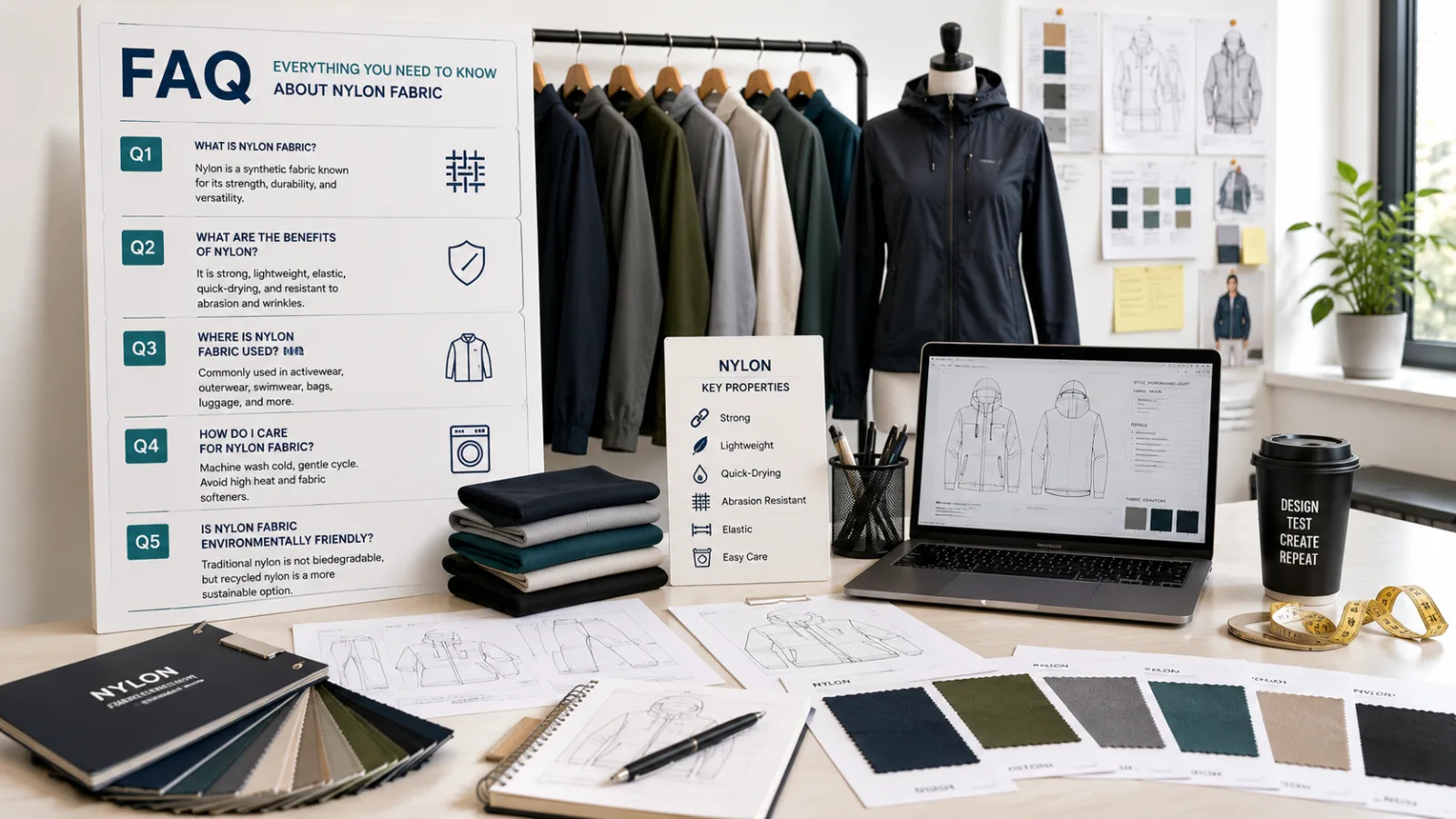
Commonly Asked Questions About Nylon Fabric
Is nylon good for summer?
Lightweight breathable nylon can work well in summer, especially sports fabrics with moisture-wicking properties.
Does nylon shrink?
Nylon resists shrinking but can become damaged under high heat.
Is nylon stretchy?
Yes. Nylon naturally stretches and becomes even more flexible when blended with spandex.
Does nylon wrinkle?
No. Nylon is naturally wrinkle-resistant.
Is nylon stronger than polyester?
Nylon generally offers better abrasion resistance and flexibility.
Is nylon expensive?
Premium nylon fabrics are often more expensive than polyester.
Does nylon absorb sweat?
Nylon absorbs little moisture but can wick sweat effectively when engineered properly.
Can nylon be recycled?
Yes. Recycled nylon is becoming increasingly common.
Why is nylon used in luxury fashion?
Because modern nylon can feel smooth, sleek, lightweight, and sophisticated.
The Future of Nylon Fabric
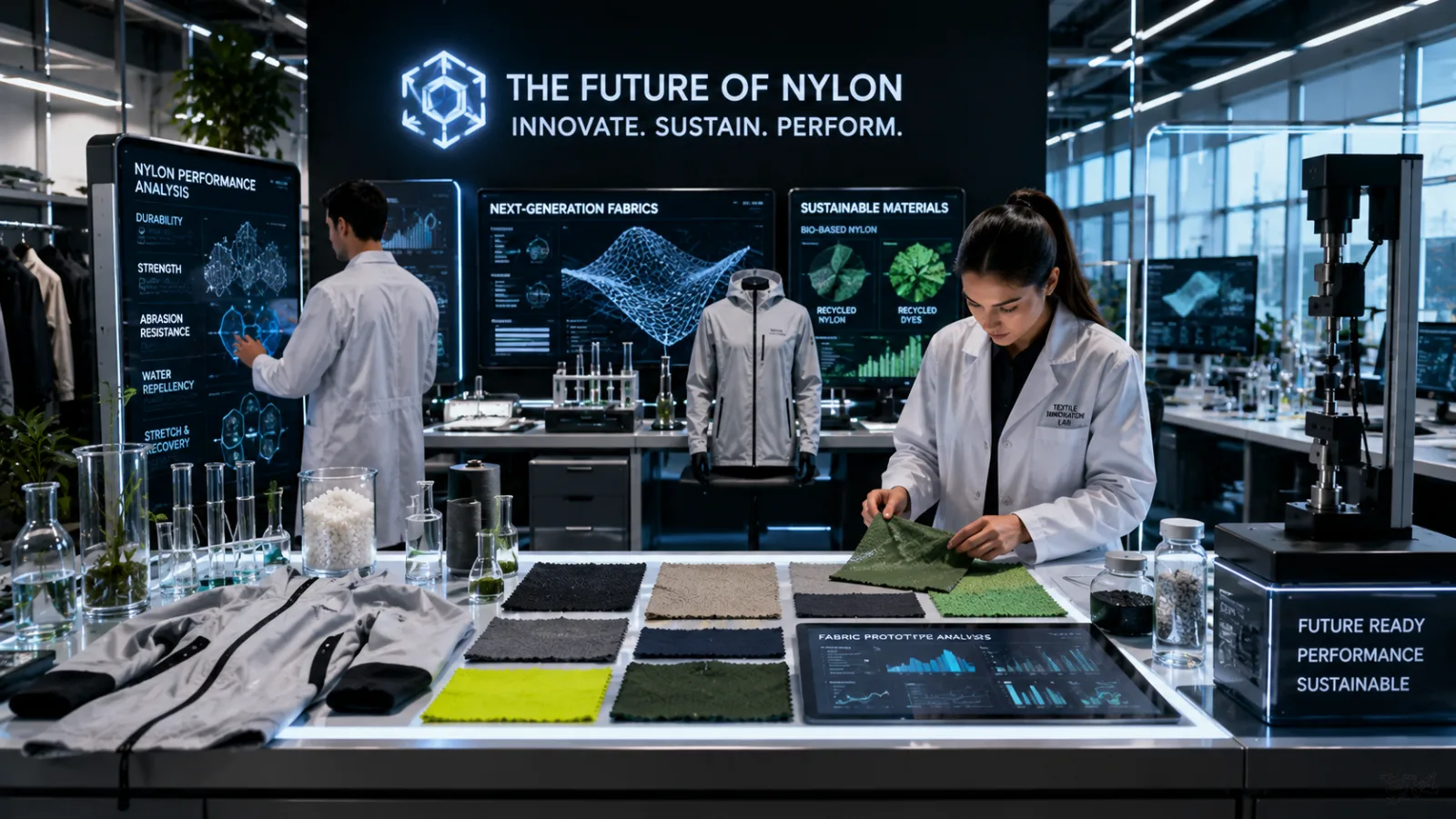
The future of nylon will focus heavily on:
- Sustainability
- Smart textiles
- Recycling systems
- Bio-based materials
- High-performance innovation
Future nylon fabrics may include:
- Temperature regulation
- Antibacterial properties
- Smart sensor integration
- Advanced moisture management
Fashion brands increasingly want materials that combine performance with environmental responsibility.
Nylon will continue evolving as textile innovation advances.
Final Thoughts
Nylon fabric has transformed modern manufacturing because it offers an exceptional combination of:
- Strength
- Flexibility
- Lightweight comfort
- Durability
- Performance versatility
From luxury fashion collections to outdoor equipment and activewear, nylon continues to play a major role in apparel manufacturing worldwide.
Although traditional nylon production presents environmental challenges, innovations in recycled nylon and sustainable textile technology are helping move the industry toward more responsible manufacturing practices.
Understanding nylon fabric is essential for:
- Fashion startups
- Clothing brands
- Textile sourcing teams
- Apparel manufacturers
- Consumers
The more you understand how nylon behaves, the easier it becomes to select the right fabric for comfort, durability, aesthetics, and long-term performance.
Whether you are developing a new activewear collection, sourcing technical fabrics, or simply learning more about modern textiles, nylon remains one of the most important and influential fabrics in the global apparel industry.