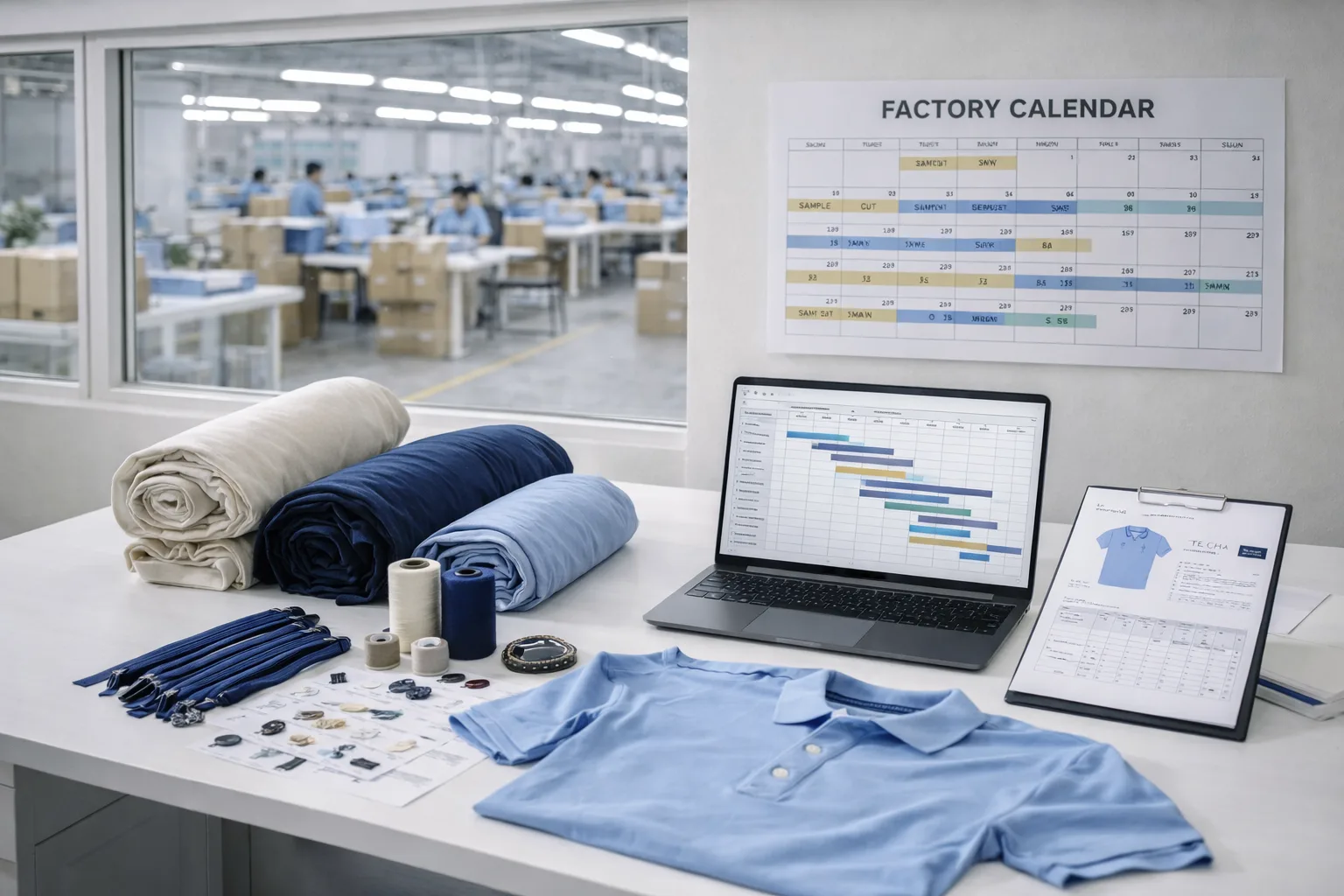
Stop apparel production delays with a factory-ready approach. Learn how to manage tech packs, fabric sourcing, and timelines to protect your margins.
Production delays are one of the biggest challenges in apparel manufacturing. They can quietly destroy profit through air shipping, missed seasonal windows, retailer penalties, and cancelled orders. Delays also damage brand trust because customers expect reliable delivery timelines. The good news is that most clothing production delays come from predictable causes, and when you build the right systems, you can reduce delays dramatically.
This guide explains how to reduce clothing production delays with a practical, factory-ready approach. You’ll learn the most common reasons garments get delayed, what to control during product development, how to manage fabric and trims, how to lock approvals faster, how to improve factory communication, how to prevent quality rework, and how to build a production timeline that is realistic and repeatable.
Global Apparel Production and Supply Chain Complexity
The global apparel industry operates on an enormous scale, producing over 100 billion garments every year. Because clothing manufacturing involves multiple stages such as product development, fabric sourcing, sampling, cutting, sewing, finishing, quality control, and logistics, the apparel supply chain is one of the most complex production systems in the world.
Each stage of the manufacturing process depends on the previous one. If a delay occurs in fabric sourcing, trim approvals, or sample revisions, it can quickly affect the entire production schedule. Even small disruptions can slow down garment manufacturing timelines and impact product launches, retail deliveries, or seasonal collections.
To manage this complexity, many apparel brands rely on international manufacturing hubs such as Bangladesh, China, Vietnam, and India, where large-scale factories handle production for global fashion companies. These manufacturing ecosystems include textile mills, trim suppliers, garment factories, and logistics networks that work together to produce clothing at scale.
In such a highly connected supply chain, efficient production planning and clear communication between brands and manufacturers play a critical role in preventing delays and ensuring reliable product delivery.
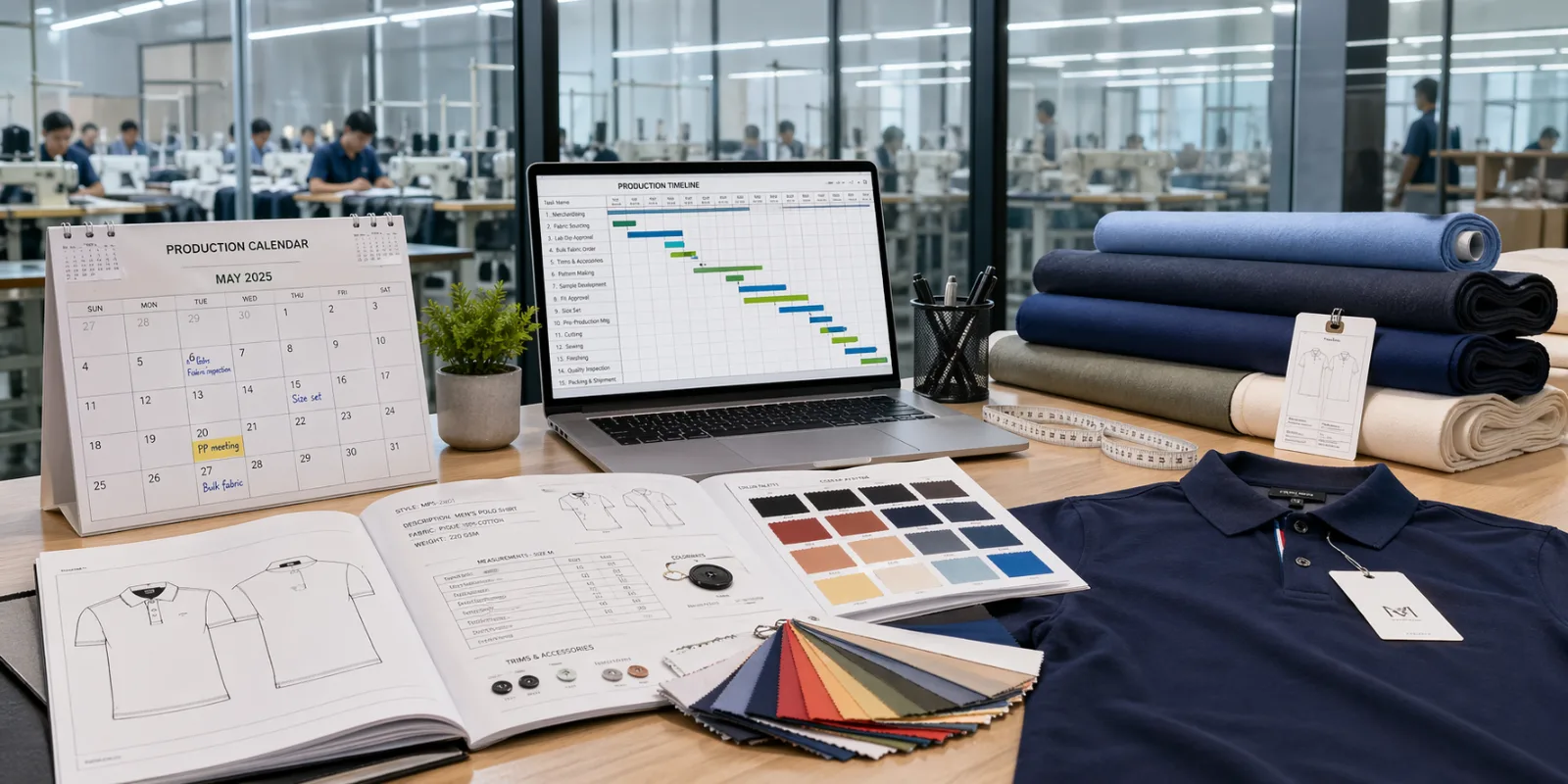
What Is Lead Time In The Garment Industry?
In the garment industry, lead time refers to the amount of time it takes — specifically the time it takes to produce a garment from concept to delivery, and often includes the time it takes to produce each component and the takes to produce each product. Managing long lead times is critical in a competitive market, because delays mean idle time or lost sales if materials or sizes of the same design are late.
Effective planning and control, such as planning and scheduling alongside real-time monitoring systems, ensure materials are available when needed and helps avoid bottlenecks. Investing in technology such as computer-aided design and computer aided design tools reduces setup and sampling time, saving time and resources, improving efficiency and customer satisfaction, and enabling manufacturers to better meet market demands and invest in technology.
How To Reduce Lead Time In Garment Manufacturing
To reduce errors and shorter lead times in the manufacturing industry, garment manufacturers must focus on an accurate production plan and robust inventory management so raw material shortages and delays in material are minimized.
Applying lean manufacturing principles and automation streamlines the entire production process, helping to avoid delays, cut setup and changeover times, and reduce the risk of missed deadlines. An efficient supply chain and use of computer aided manufacturing improve production output and product quality.
To optimize production and lower the total lead time, manufacturers should track the factors that affect lead time, maintain flexible production calendars, and prototype early for prototypes and custom clothing items.
These steps minimize interruptions, improve production and overall production productivity, and ensure the lead time in clothing manufacturing and lead time in the garment sector are consistently shorter by implementing practices that streamlines production across machinery and labor.
Factors That Affect Lead Time In The Garment Industry
In the garment industry, lead time is influenced by raw material availability and the reliability of suppliers, where shortages or long procurement cycles delay production starts. Design-related factors such as style complexity and frequent design changes increase sampling and approval iterations, extending timelines. Production capacity and factory workload affect scheduling; high order volumes or limited machinery can cause bottlenecks.
Quality control requirements and multiple inspection stages add time to ensure compliance with standards. Logistics elements — including shipping modes, customs clearance, and port congestion — create variability in delivery windows.
Effective communication and coordination among buyers, manufacturers, and freight forwarders shorten delays, while inadequate planning, seasonal demand spikes, and unexpected events (like strikes or natural disasters) lengthen lead times. Strategic inventory planning, diversified suppliers, and flexible production processes help mitigate these risks and stabilize lead time performance.
Why Clothing Production Delays Happen So Often
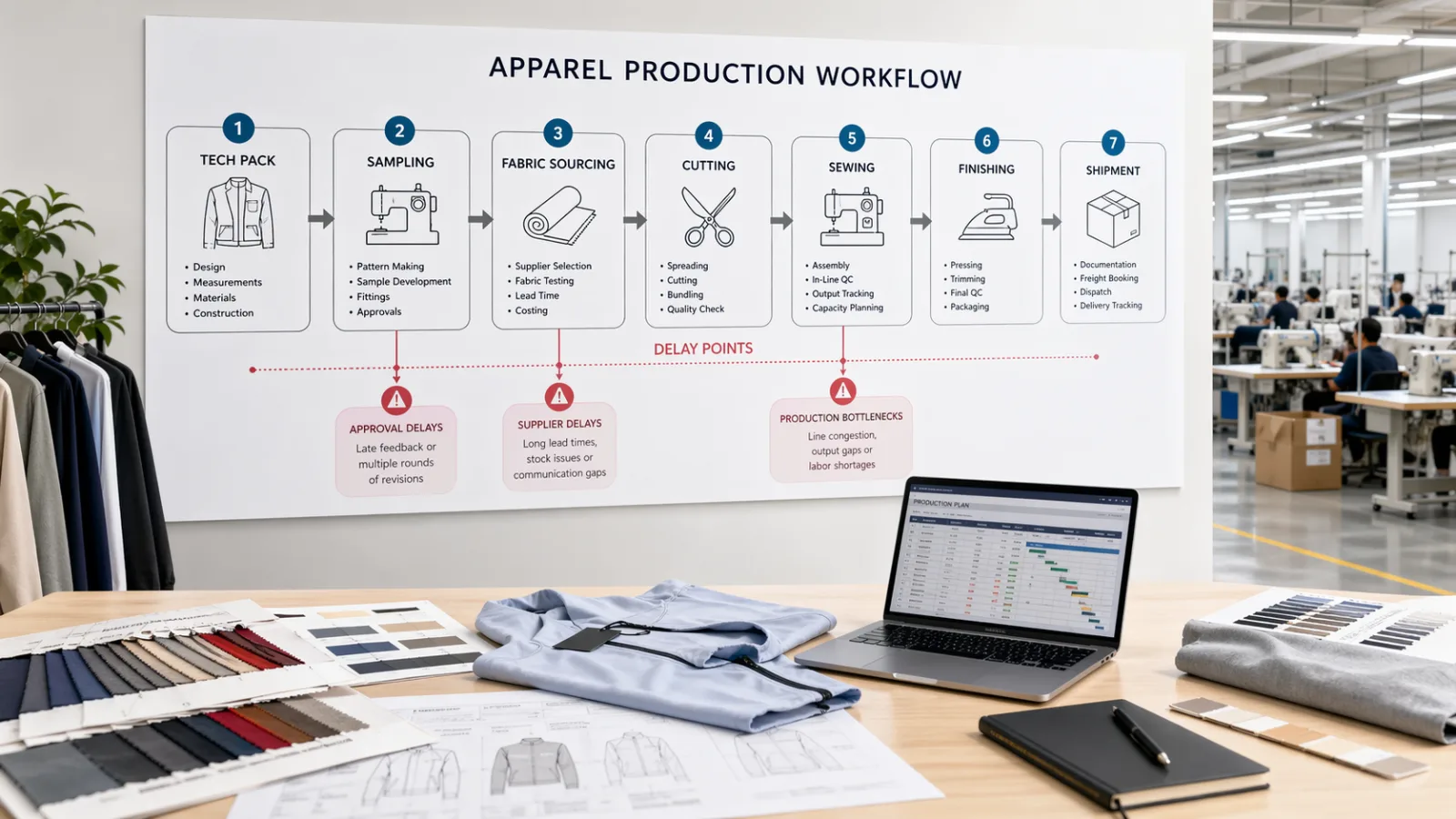
Clothing production is a chain of linked steps that can be optimized to reduce lead times. If one link breaks, everything after it slows down. Brands often think delays happen only inside the factory sewing line, but in reality delays usually begin earlier in product development, sourcing, approvals, or logistics. Even small issues like a missing label approval or a delayed lab dip can block cutting and stop the production line.
The most important mindset is this: production delays are usually system problems, not single events. When you identify where delays originate and add controls at the right stages, you create a smoother workflow that protects your launch calendar.
The Real Cost of Production Delays for Apparel Brands
Delays do not only affect time. They affect money and brand reputation. When delays happen, brands often pay extra in at least one of these areas: expedited trims, priority production fees, rework costs, air freight, cancelled wholesale orders, higher storage fees, or lost seasonal sales.
If your shipment misses the season, you may need to discount inventory. If a retailer order is delayed, you may face penalties or lose future orders. If a direct-to-consumer launch is delayed, you lose marketing momentum and customer trust. Reducing delays is one of the easiest ways to protect margins, especially for growing brands.
Common Causes of Clothing Production Delays
Most delays fall into a few categories. When you know these categories, you can prevent them.
Unclear or changing product specifications
When the tech pack is incomplete or the design changes after sampling, production pauses while factories wait for decisions.
Fabric sourcing delays
Delays happen when fabric is not available, lead times are longer than expected, or lab dips and shade approvals take too long.
Trim and packaging delays
Small items cause big delays. Missing labels, zippers, buttons, hangtags, polybags, or cartons can stop finishing and packing.
Slow sample approvals
If fit samples, size sets, or pre-production samples are approved late, production cannot move forward.
Production capacity and line planning issues
Factories have schedules. If your order is not booked properly or arrives during peak season, it may wait.
Quality problems and rework
When quality issues appear during production, factories may need repairs or re-cuts that delay shipment.
Logistics disruptions
Even if production finishes, delays can happen due to port congestion, customs issues, or freight booking problems.
Regional Strategies to Reduce Delays
How To Reduce Clothing Production Delays UK
To Reduce Clothing Production Delays in the UK, brands should first map their entire supply chain to identify bottlenecks and invest in real-time tracking and advanced inventory management systems that shorten lead times.
Next, increasing local sourcing and nearshoring reduces transport disruptions and customs hold-ups, while targeted use of automation on repetitive processes speeds up manufacturing without sacrificing quality.
Finally, building a flexible workforce, improving cross-team communication, and maintaining contingency suppliers allow rapid response to demand spikes or material shortages, helping UK clothing producers stay resilient and deliver on schedule.
How To Reduce Clothing Production Delays In The US
To reduce clothing production delays in the US, manufacturers should strengthen supply chain visibility through real-time tracking and diversified suppliers, reducing dependency on single sources and shortening lead times.
Investing in nearshoring and reshoring initiatives brings production closer to market, easing logistics and speeding response to demand changes. Implementing advanced automation and cutting technologies raises throughput and consistency while lowering rework.
Better demand forecasting using data analytics and collaborative planning with retailers prevents stockouts and misaligned orders. Workforce development—upskilling sewing and technical staff—ensures capacity to meet production schedules and adopt new equipment.
Finally, agile inventory management and flexible production scheduling, supported by strong communication across design, procurement, and manufacturing teams, minimize bottlenecks and enable faster delivery to consumers.
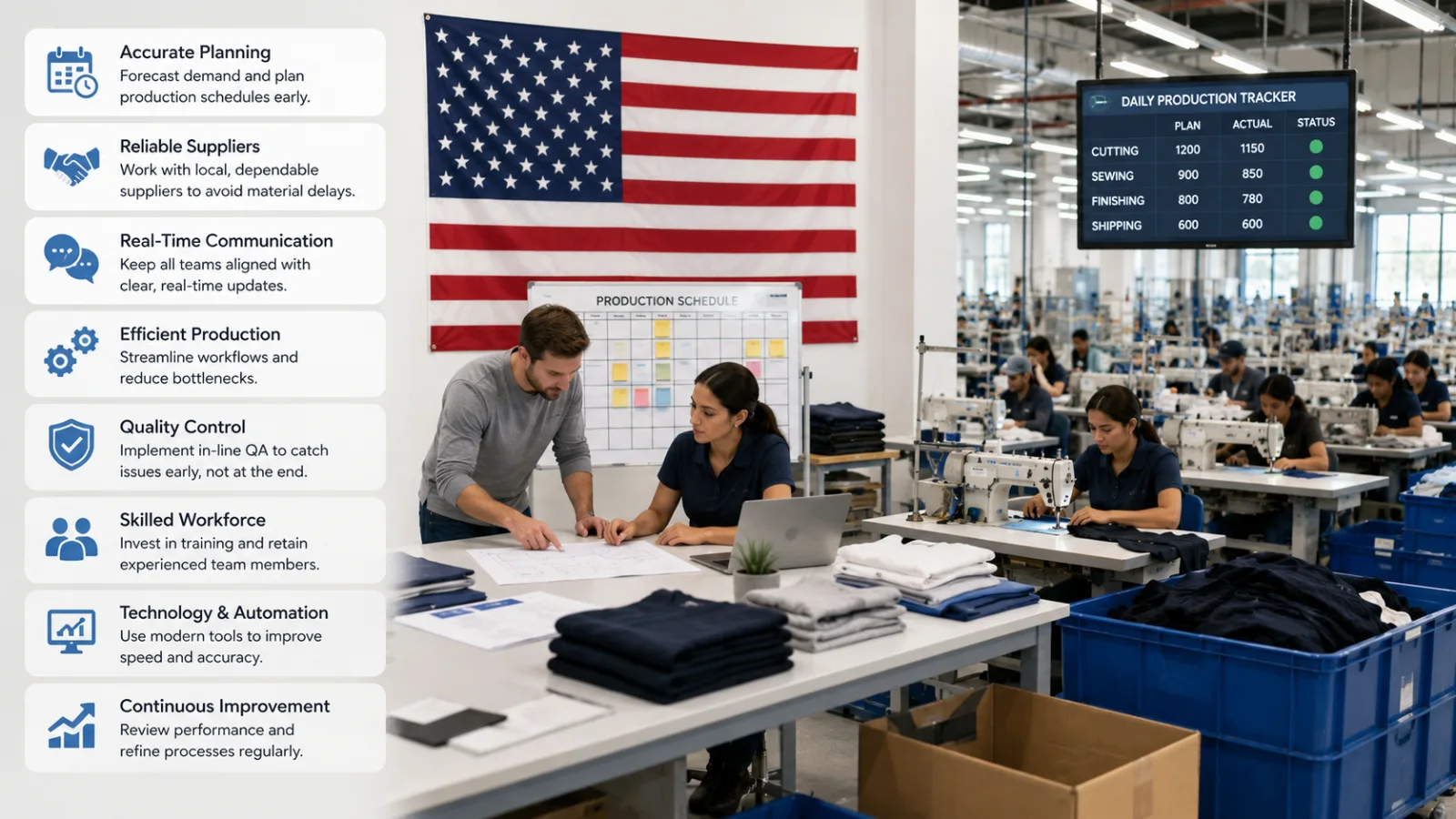
Production Planning and Optimization
Typical Clothing Production Timeline
The timeline for clothing production can vary depending on garment complexity, order quantity, factory capacity, and fabric or trim lead times. However, most apparel manufacturing projects follow a similar production schedule. Having a realistic timeline helps brands plan product launches, seasonal drops, and delivery commitments without last-minute production pressure.
Production Stage: Typical time can vary significantly based on factors that impact the production process.Product Development and Sampling3–5 weeksFabric and Trim Sourcing2–4 weeksPre-Production Approval1 weekBulk Production3–6 weeksQuality Inspection2–3 daysShipping Preparation3–7 days
This timeline becomes shorter when product specifications are finalized early, sampling feedback is clear, and fabric and trims are booked in advance. It can take longer when materials are custom-developed, approvals are delayed, or production takes place during peak factory seasons, which can bottleneck the production process.
Build a Production Timeline That Matches Reality
One of the best ways to reduce delays is to create a timeline that includes real lead times and buffer space. Many brands create launch calendars based on hope instead of production reality.
A strong production timeline includes:
- design finalization date
- tech pack completion date
- sampling timeline and approval deadlines
- Fabric booking date and delivery to factory date
- trim booking date and delivery date should be aligned to reduce lead times and improve efficiency.
- pre-production approval date
- bulk production start and finish dates should be tracked in real-time to improve efficiency.
- QC inspection date
- shipping booking date and departure date
The best timelines include a buffer for lab dips, sampling revisions, and shipping volatility. The goal is not to slow down. The goal is to plan so you do not need emergency fixes.
Reduce Delays by Fixing the Tech Pack and Specifications Early
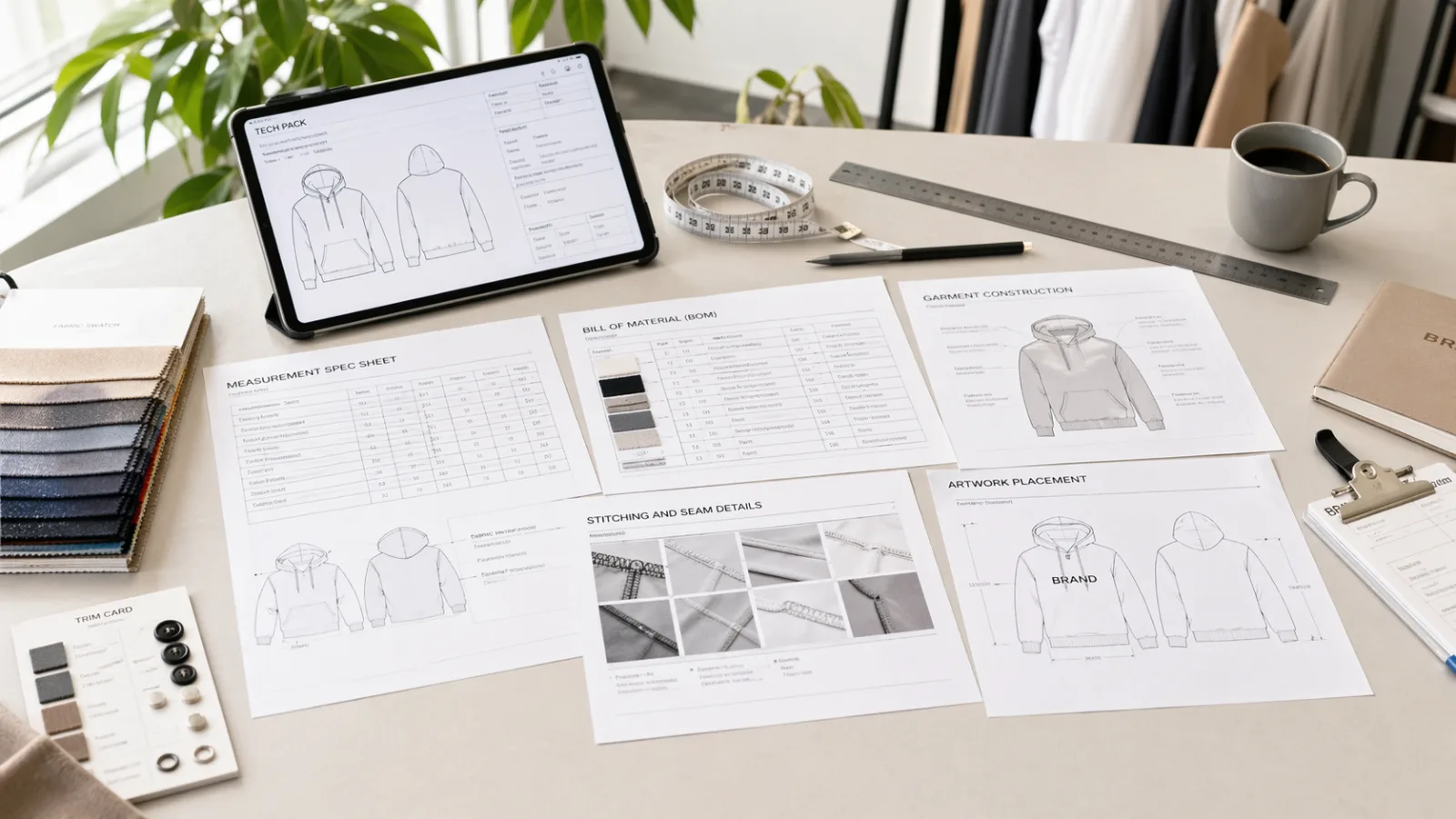
Tech pack quality affects production speed more than most brands realize. Factories cannot start confidently when specs are unclear. When the tech pack is incomplete, the factory pauses to ask questions, waits for clarification, and makes assumptions that later cause mistakes and rework.
To reduce delays, ensure your tech pack includes:
- accurate measurements and points of measure
- BOM with fabric and trim details
- stitch and construction notes
- artwork placements with dimensions
- label and packaging details are essential to ensure customer satisfaction throughout the garment production process.
- colorways and size range
- tolerances and quality expectations
When your tech pack is clear, sampling becomes faster, approvals become easier, and bulk production begins without repeated clarification loops, ultimately improving efficiency and reducing lead times.
Improve Sampling Efficiency to Prevent Bulk Production Delays
Sampling is where production delays are either prevented or created. If sampling takes too long, everything moves late. If sampling is rushed, bulk mistakes create rework delays.
You can reduce sampling-related delays by:
- sending clear specs and references at the start
- using a structured comment sheet for feedback
- limiting changes to essential improvements
- approving fit and fabric on the same material as bulk
- running size set samples when necessary can help reduce lead times in the production process.
- locking PP sample approval before production starts is crucial to reduce waste and streamline the production process.
Digital sampling tools can also help reduce early revisions. But even with digital tools, physical samples remain critical before bulk production.
Lock Fabric Early to Avoid the Most Common Delay
Fabric is the most common delay point because it has lead time and requires approvals. Brands often start sampling before fabric is booked, then later discover the fabric is out of stock or the dyeing lead time is longer than expected.
To reduce fabric delays:
- confirm fabric composition, GSM, width, and finish early
- request lab dips and approve shades quickly
- book bulk fabric as soon as PP sample direction is stable
- avoid last-minute color changes
- ask for realistic lead time from the mill, not assumptions
- request shade bands and bulk lot control when needed
If your product requires special finishes or sustainable certifications, build extra lead time into the plan because documentation and compliance checks can add time.
Control Trims and Packaging Like a Production Manager
Trims and packaging delays are common because they seem small, but they are mandatory for finishing and shipment. A factory can sew garments, but if hangtags, labels, or cartons are missing, packing stops and shipment delays.
To reduce trim delays:
- finalize trim specs early in sampling
- confirm supplier lead times and MOQs
- approve label artwork and sizes quickly
- standardize trims across multiple styles when possible
- order trims with buffer quantity
- track trims delivery dates like you track fabric
Packaging should also be confirmed early, including polybag type, size stickers, barcode placement, and carton marks.
Use Clear Approval Gates to Stop Late Changes
Late changes are one of the biggest causes of production delay. Brands sometimes approve a PP sample and then change measurements, artwork size, or fabric color. This forces the factory to stop and adjust patterns, re-order trims, or redo prints.
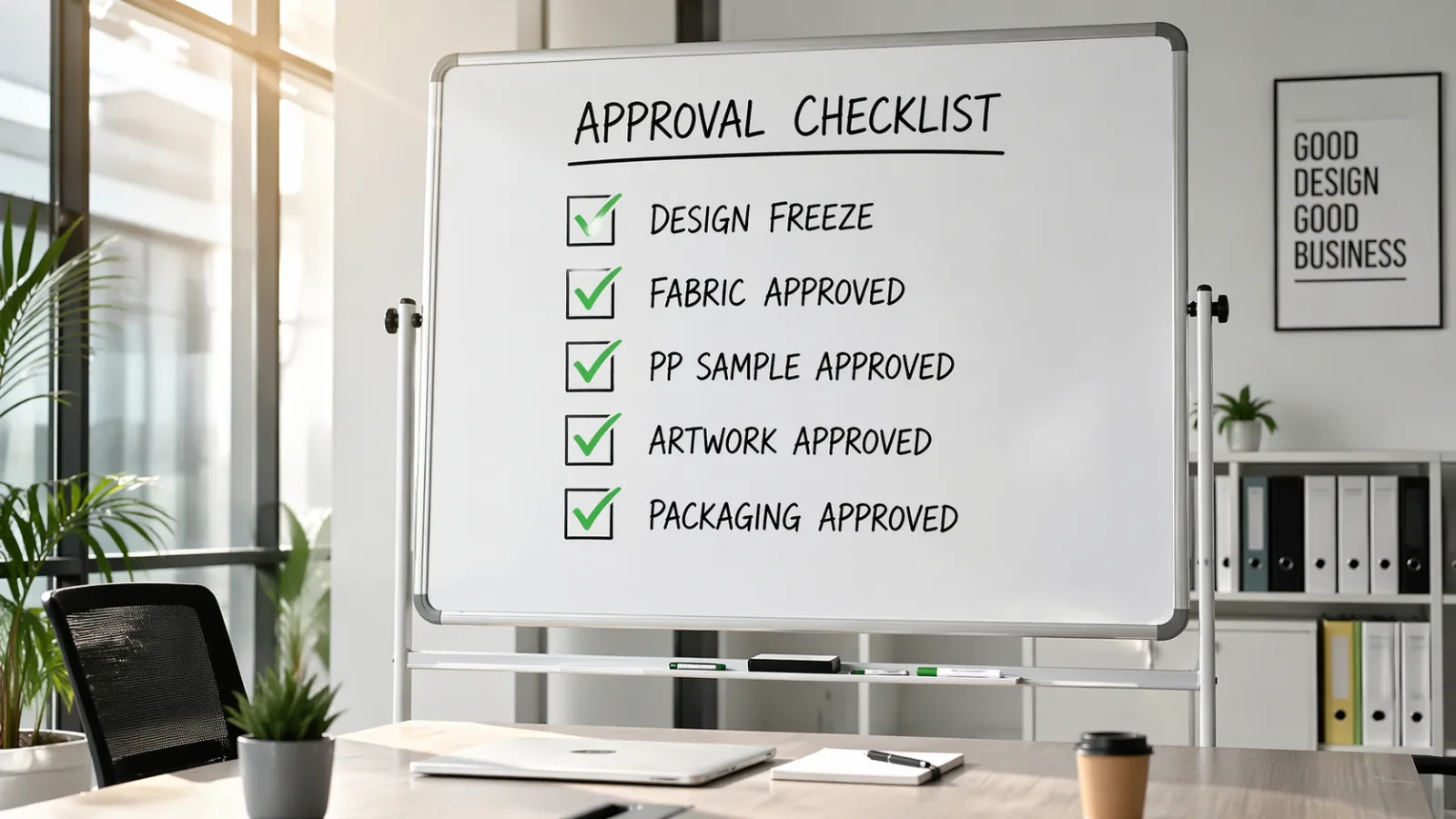
A production-safe approval system includes:
- design freeze date
- fabric and trim freeze date
- PP sample approval date
- artwork approval date
- packaging approval date
Once these approvals are locked, changes should be avoided unless absolutely necessary. If a change is essential, record it formally and confirm the impact on the timeline and cost.
Improve Factory Communication to Prevent Misunderstandings
Communication delays are real. When messages are unclear, factories wait. When feedback is emotional or vague, sample revisions take longer. When approvals are slow, production stalls.
To improve communication:
- send feedback in writing with measurable changes
- use annotated photos and reference points
- keep one source of truth for specs (updated tech pack)
- confirm what changed and what stayed the same
- set response time expectations for both sides to enhance communication and reduce lead times in the production process.
- schedule weekly production updates
A simple weekly rhythm can reduce surprises and prevent small problems from becoming major delays.
Prevent Quality Rework That Causes Delays
Quality problems create rework, and rework creates delays. Many production timelines fail because factories spend extra days fixing stitching issues, measurement inconsistencies, shade problems, or printing defects.
To reduce quality-related delays:
- approve PP sample based on final material and trims
- define measurement tolerances clearly
- set stitch quality expectations early
- do inline inspections during production
- pull a top of production sample early to reduce lead times
- use final inspection before packing
When quality systems are proactive, factories catch issues early instead of discovering them at the end.
Align Production Capacity and Booking to Avoid Queue Delays
Even good factories can delay your order if their production line is fully booked. Brands sometimes assume a factory will start immediately, but factories plan months in advance, especially during peak seasons.
To reduce capacity delays:
- book production slots early
- confirm start date and line allocation
- avoid launching during peak seasons without buffer
- prioritize fewer, stronger styles instead of too many SKUs
- keep reorders predictable so factories can plan
Working with a manufacturer that can scale and communicate capacity clearly helps brands reduce scheduling delays.
Reduce Shipping and Logistics Delays with Early Planning
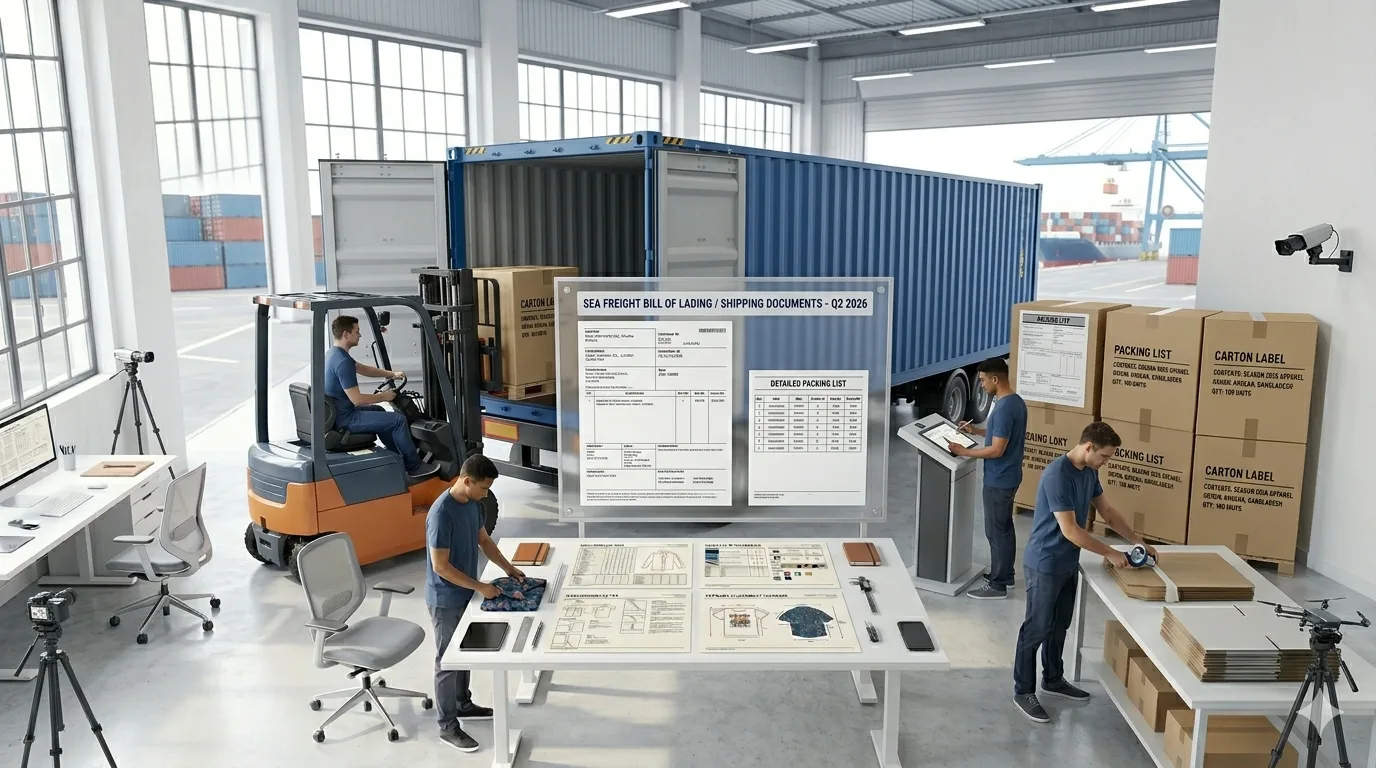
Production is not finished until the goods are shipped. Logistics delays can happen due to freight space shortages, customs issues, and port congestion. Brands can reduce risk by planning shipping early.
- confirm shipment method early (sea vs air)
- book freight in advance for busy seasons
- ensure export documents are prepared correctly
- confirm carton packing list accuracy
- use reliable forwarding support
- build buffer time for customs clearance
Even the best manufacturing timeline can fail if shipping is planned last minute.
Use a Simple Production Tracker for Total Visibility
A production tracker reduces delays because it makes problems visible early, allowing for real-time adjustments in the production process. Many delays become serious because brands do not track fabric, trims, sample approvals, and production milestones in one place.
A simple tracker should include:
- style name and PO number
- sample status and approval dates
- fabric booking, delivery, and approval status
- trims booking and delivery status
- production start and finish dates
- QC dates and inspection results
- shipping booking and departure dates
This tracker can be a spreadsheet, but it must be updated weekly. Visibility prevents surprises.
Sustainable Production Delay Risks and How to Manage Them
Sustainable materials sometimes have longer lead times. Certified fabrics, recycled materials, and traceable supply chains can require additional documentation and approvals.
To reduce delays in sustainable production:
- request certifications early
- confirm fabric lead times from mills
- avoid last-minute material substitutions
- plan extra time for compliance testing
- build long-term supplier relationships
Sustainability and speed can work together when planning is realistic and documentation is organized.
Manufacturing Hubs and Partnerships
Why Many Brands Manufacture Clothing in Bangladesh
Bangladesh has become one of the world’s largest apparel manufacturing hubs, exporting over $45 billion worth of garments annually. The country’s garment industry includes thousands of factories and a large workforce with deep experience producing clothing for global fashion brands and retailers. This strong manufacturing ecosystem has developed over decades and continues to expand through improvements in production efficiency, compliance standards, and supply chain capabilities.
Many apparel brands choose Bangladesh for manufacturing because it offers a strong balance of cost efficiency, large-scale production capacity, and an established textile supply chain. Manufacturers can support a wide range of product categories, including knitwear, woven garments, basics, fashion apparel, and increasingly, more sustainable production options. In addition, Bangladesh’s apparel sector benefits from a large network of fabric mills, trim suppliers, washing facilities, and export logistics partners, making production planning more scalable for growing brands.
Because of these advantages, Bangladesh continues to play a major role in global clothing production and remains a key sourcing destination for brands that need reliable manufacturing partners and competitive lead times.
Apparel Manufacturing Partners That Help Reduce Delays
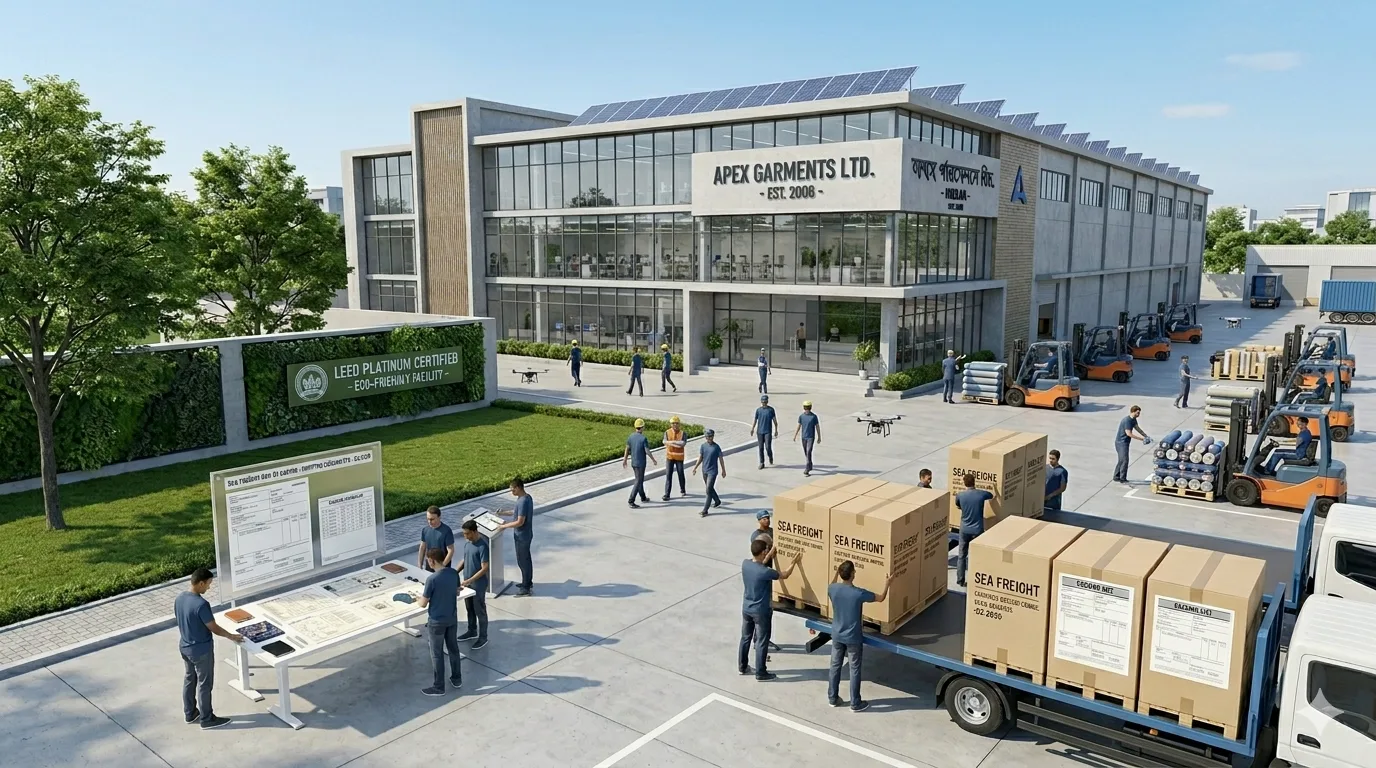
Reducing production delays is easier when you work with a manufacturer that follows structured product development, clear sampling workflows, and organized production planning. Companies such as ApparGlobal support apparel brands with product development, sampling, fabric sourcing coordination, and scalable garment manufacturing systems where clear specifications and timeline tracking help maintain production efficiency and delivery consistency.
For brands, choosing a manufacturing partner that communicates clearly and tracks production milestones can reduce delays and improve customer satisfaction.
FAQs About Reducing Clothing Production Delays
What is the most common reason clothing production gets delayed?
Fabric and trim delays are among the most common causes, especially when approvals and lead times are not managed early.
How can a new brand reduce production delays?
Use a clear tech pack, give fast approvals, book fabric and trims early, and track production milestones weekly.
Should brands approve a pre-production sample before bulk?
Yes. A PP sample prevents bulk errors and reduces rework delays.
How do I avoid air shipping due to delays?
Plan buffer time, lock approvals early, and track fabric and trims delivery so production does not start late.
Conclusion
Clothing production delays are frustrating, but they are rarely random. Most delays come from preventable issues like unclear specifications, slow approvals, late fabric booking, trim shortages, production capacity queues, and quality rework. When brands use structured tech packs, efficient sampling, clear approval gates, proactive QC, and a simple production tracking system, they reduce delays and protect profit margins. The strongest apparel brands treat production timelines as a system, not a hope, to reduce lead times and improve efficiency. With organized planning and reliable manufacturing partners, product launches become more predictable, scalable, and easier to manage.