
Inventory is one of the biggest investments a fashion brand makes, but it can quickly become one of its biggest liabilities. Unsold products tie up cash, consume warehouse space, increase storage costs, and prevent brands from investing in new collections.
Whether you operate a startup clothing label, an established apparel company, or an ecommerce fashion store, understanding how to liquidate inventory effectively can protect your profit margins and improve cash flow. This guide explains everything fashion brands need to know about inventory liquidation, including strategies, channels, pricing methods, common mistakes, and how to prevent excess inventory in the future.

What Is Inventory Liquidation?
Inventory liquidation is the process of selling excess, slow-moving, discontinued, seasonal, or obsolete inventory to recover capital and free up storage space.
Unlike regular sales promotions, liquidation focuses on converting inventory into cash as quickly as possible.
Fashion brands typically liquidate inventory when:
- Products are no longer in season
- Styles are discontinued
- Inventory levels exceed demand
- Warehousing costs become excessive
- New collections need storage space
- Cash flow needs improvement
- Business restructuring occurs
Liquidation doesn't always mean selling at massive losses. With the right strategy, brands can recover substantial value while maintaining brand reputation.

Why Fashion Brands End Up With Excess Inventory
Before discussing liquidation strategies, it is important to understand why inventory accumulates in the first place.
Inaccurate Demand Forecasting
Many brands overestimate customer demand and order more inventory than necessary.
Common causes include:
- Poor market research
- Trend miscalculations
- Inaccurate sales projections
- Overconfidence in new product launches
Seasonal Fashion Changes
Fashion trends move quickly.
Products that seem popular today may become difficult to sell six months later.
Examples include:
- Seasonal apparel
- Holiday collections
- Limited trend pieces
- Event-specific garments
Large Manufacturer MOQs
Many apparel manufacturers require minimum order quantities (MOQs), forcing brands to purchase more units than needed.
This often creates excess stock.
Product Quality Issues
Products with minor defects or sizing inconsistencies frequently become unsellable through standard retail channels.
Market Competition
Competitor discounts and changing customer preferences can dramatically reduce demand for existing inventory.

The Real Cost of Holding Unsold Inventory
Many fashion businesses underestimate how expensive unsold inventory can become.
Storage Expenses
Warehousing costs continue accumulating every month.
These costs include:
- Rent
- Insurance
- Labor
- Inventory management software
- Utilities
Lost Cash Flow
Money tied up in inventory cannot be invested elsewhere.
This impacts:
- Marketing campaigns
- Product development
- Hiring
- Ecommerce improvements
Product Depreciation
Fashion products often lose value over time.
Seasonal inventory may become significantly less valuable after trends change.
Opportunity Costs
Excess stock prevents brands from introducing:
- New collections
- Higher-performing products
- Emerging trends

Signs It's Time to Liquidate Inventory
Knowing when to liquidate is crucial.
Waiting too long can dramatically reduce recovery value.
Watch for these warning signs:
- Inventory older than 6–12 months
- Declining sales velocity
- Increasing storage costs
- Seasonal products nearing expiration
- Limited warehouse capacity
- High inventory-to-sales ratio
- Upcoming product launches
Brands that act early typically recover more value.
Inventory Liquidation Methods for Fashion Brands
1. Flash Sales
Flash sales create urgency through limited-time discounts.
Benefits include:
- Rapid inventory movement
- Customer excitement
- Increased website traffic
Best for:
- Seasonal inventory
- Slow-moving products
- Overstock items

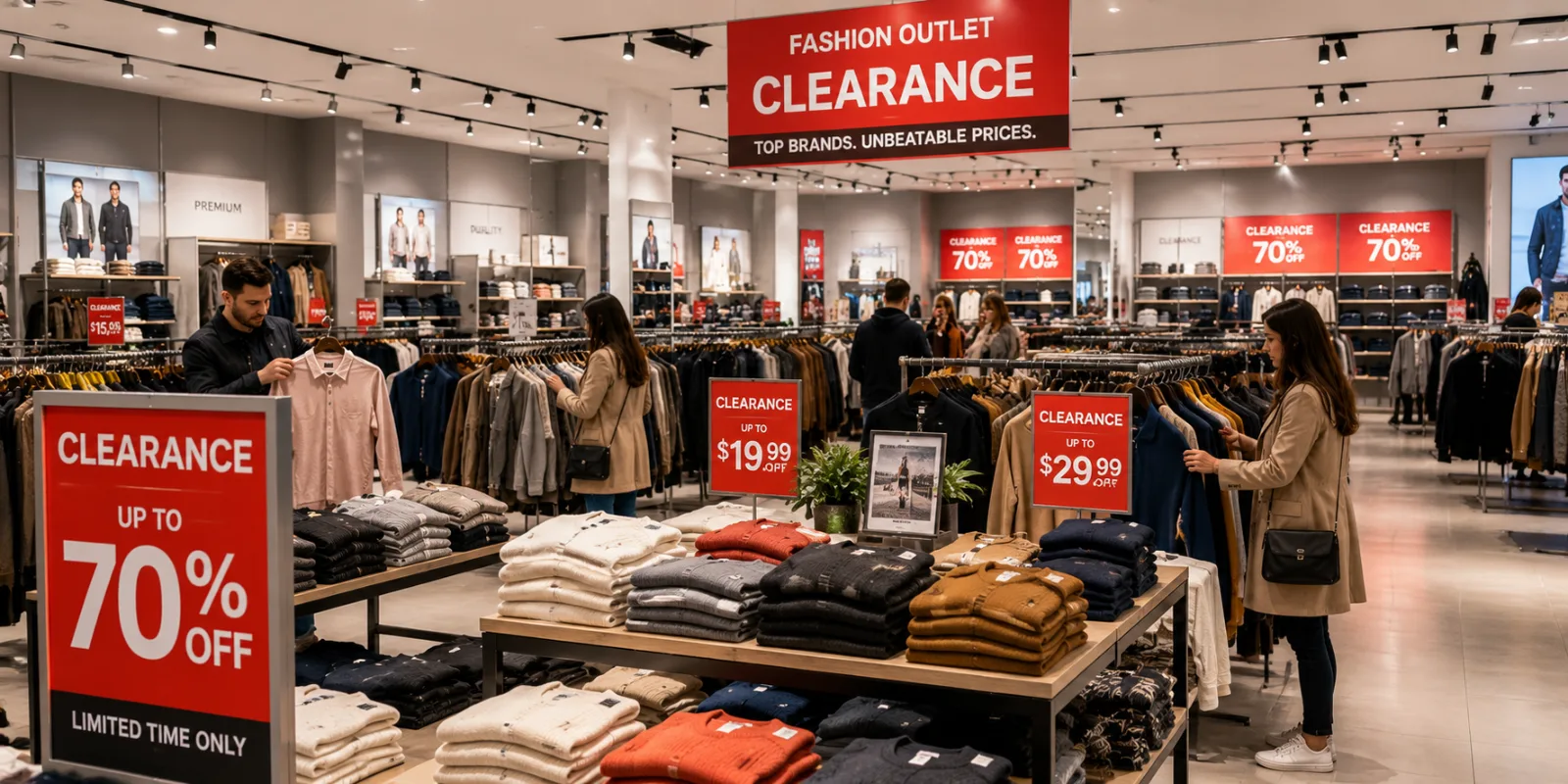
2. Outlet Sales
Many successful brands operate outlet channels specifically for excess inventory.
Advantages include:
- Brand-controlled liquidation
- Better profit recovery
- Consistent inventory movement
Examples:
- Outlet websites
- Physical outlet stores
- Dedicated clearance sections
3. Inventory Liquidation Companies
Professional liquidators purchase inventory in bulk.
Benefits:
- Fast cash recovery
- Reduced storage costs
- Minimal operational effort
Drawbacks:
- Lower recovery rates
- Reduced pricing control

4. Marketplace Liquidation
Fashion brands can sell excess inventory through:
- Amazon
- eBay
- Poshmark
- Mercari
- Walmart Marketplace
This approach often yields better recovery rates than wholesale liquidation.

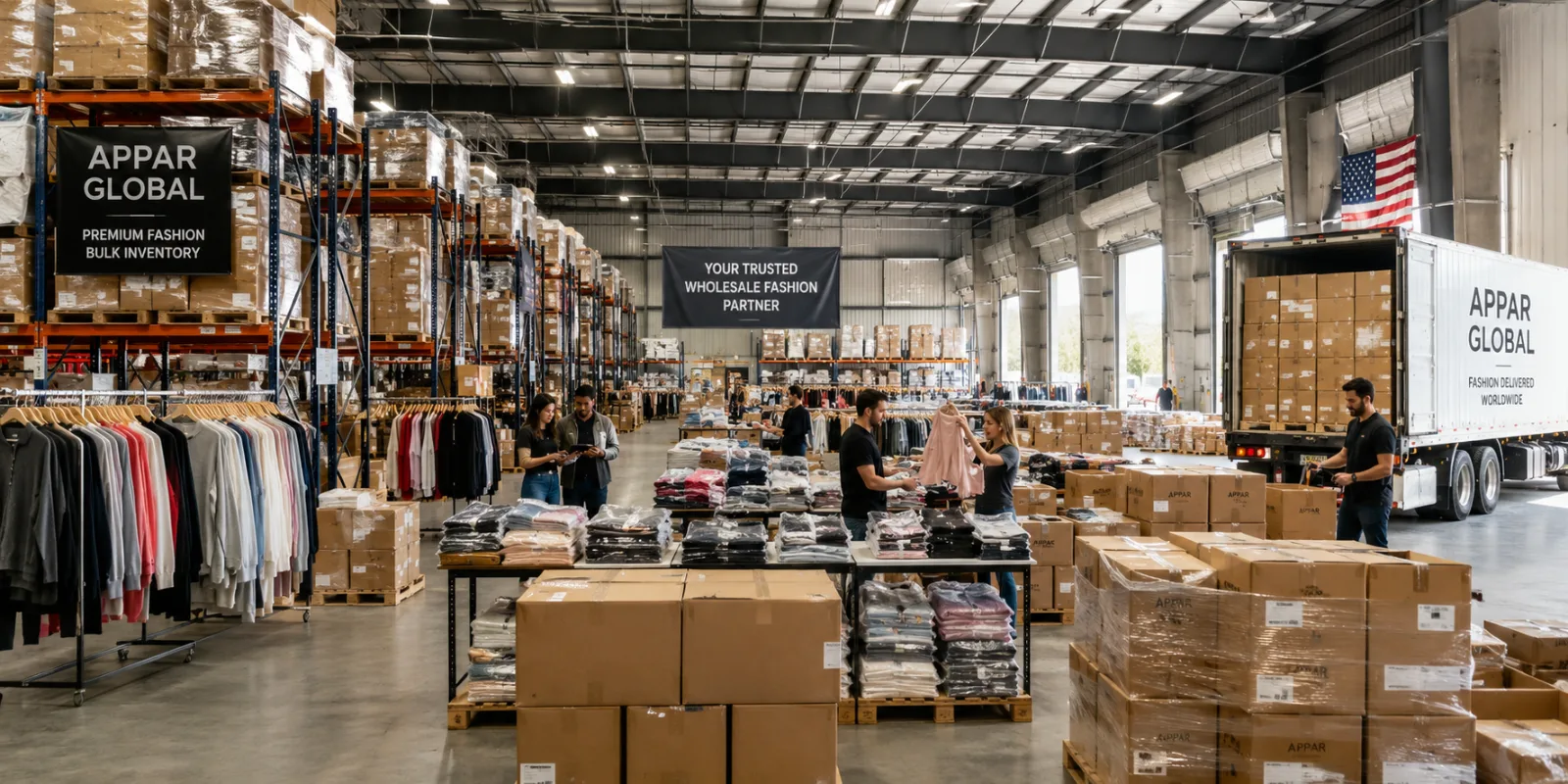
5. Wholesale Inventory Sales
Wholesalers often purchase excess inventory in large quantities.
Advantages:
- Quick inventory reduction
- Reduced storage costs
- Bulk transactions
Ideal for:
- Basic apparel
- Generic products
- Large inventory volumes
6. B2B Resale Partnerships
Some fashion brands partner with:
- Discount retailers
- Boutique stores
- International distributors
This helps move inventory while preserving brand image.

How to Price Liquidated Inventory
Pricing plays a critical role in liquidation success.
Evaluate Original Retail Price
Start with the product's initial retail value.
Calculate Holding Costs
Include:
- Storage fees
- Insurance
- Labor costs
- Opportunity costs
Assess Demand
Products with residual demand may command higher liquidation prices.
Consider Inventory Age
Older inventory typically requires larger discounts.

Protecting Your Brand During Liquidation
One concern many fashion brands have is maintaining brand value.
Fortunately, liquidation doesn't have to damage your reputation.
Avoid Excessive Public Discounting
Constant deep discounts can train customers to wait for sales.
Separate Clearance Channels
Use:
- Outlet websites
- Private sales
- Membership offers
Limit Brand Visibility
Certain liquidation channels allow products to be sold without heavily promoting the original brand.
Maintain Product Presentation
Even discounted products should have:
- Professional photography
- Accurate descriptions
- Quality packaging
Using Inventory Bundles to Increase Recovery Rates
Bundling can significantly improve liquidation performance.
Examples:
- Buy 2 Get 1 Free
- Seasonal outfit packages
- Accessory bundles
- Family apparel bundles
Benefits include:
- Higher average order value
- Faster inventory movement
- Improved customer perception

Leveraging Email Marketing for Inventory Liquidation
Your existing customer base is often your most valuable liquidation audience.
Email campaigns can target:
- Past buyers
- VIP customers
- Loyalty members
- Abandoned cart users
Effective email tactics include:
- Early-access clearance
- Exclusive discounts
- Limited inventory alerts
- Personalized recommendations
How E-commerce Brands Can Liquidate Inventory Faster
Online fashion brands have unique advantages.
Retargeting Ads
Target visitors who viewed products but did not purchase.
Dynamic Product Ads
Show personalized inventory recommendations.
Clearance Landing Pages
Create dedicated sections for discounted products.
Social Commerce
Promote liquidation inventory through:
- Instagram Shops
- Facebook Shops
- TikTok Shop

International Liquidation Opportunities
Many brands overlook international markets.
Unsold inventory may still have demand in:
- Emerging markets
- Regional distributors
- Cross-border ecommerce channels
Benefits:
- Larger buyer pools
- Higher recovery potential
- Reduced domestic discounting
Common Inventory Liquidation Mistakes
Avoid these costly errors:
Waiting Too Long
Inventory value decreases over time.
Poor Data Analysis
Always review:
- Sell-through rates
- Inventory turnover
- Product demand
Discounting Everything
Not all inventory requires aggressive markdowns.
Ignoring Brand Protection
Liquidation should align with long-term business goals.
Failing to Learn from Excess Inventory
The best liquidation strategy includes preventing future overstock.

How to Prevent Excess Inventory in the Future
Liquidation should be a recovery strategy, not a recurring business model.
Improve Demand Forecasting
Use:
- Historical sales data
- Trend analysis
- Customer insights
Start with Smaller Production Runs
Test demand before scaling.
Work with Flexible Manufacturers
Seek suppliers offering lower MOQs.
Monitor Inventory Metrics
Track:
- Sell-through rate
- Inventory turnover
- Stock aging
- Gross margin return on inventory
Adopt Data-Driven Merchandising
Use analytics to guide purchasing decisions.

How ApparGlobal Helps Fashion Brands Manage Inventory More Efficiently
Successful inventory management starts long before liquidation becomes necessary.
At ApparGlobal, fashion entrepreneurs and apparel businesses can connect with trusted manufacturers, sourcing partners, and industry resources that support smarter production planning and inventory management.
Whether you are launching a new clothing line, scaling a private label brand, or optimizing your supply chain, working with the right manufacturing partners can help reduce overproduction, improve forecasting accuracy, and minimize excess inventory.
Explore ApparGlobal's extensive network of apparel manufacturers, private label suppliers, sourcing resources, and fashion business programs to build a more efficient and profitable fashion operation.
Recommended Resources:
- Clothing Manufacturers Directory
- Private Label Manufacturing Program
- Fashion Startup Resources
- Apparel Vendor Marketplace
- Sampling and Product Development Services
Final Thoughts
Inventory liquidation is an essential skill for every fashion brand. While excess inventory can create financial pressure, it also presents opportunities to recover capital, improve operational efficiency, and make room for future growth. The most successful fashion businesses approach liquidation strategically rather than reactively. They monitor inventory performance, identify slow-moving products early, choose appropriate liquidation channels, and protect brand value throughout the process.
Most importantly, they use every liquidation experience as a learning opportunity to improve forecasting, sourcing, production planning, and inventory management.
By combining smart liquidation tactics with stronger inventory controls, fashion brands can improve profitability, maintain healthier cash flow, and build a more resilient business for long-term success.