Luxury fashion has always been more than just clothing. It represents craftsmanship, heritage, exclusivity, and status. For many people, owning a piece from a high-end clothing brand is not just about style, but about experiencing the artistry and precision that goes into creating premium garments.
Still, expensive does not always mean better for every buyer. Some luxury brands are known for timeless tailoring. Some are famous for leather craftsmanship. Some dominate haute couture and red-carpet fashion. Others are admired for minimalism, cashmere, streetwear influence, or bold visual identity.
Expensive clothing brands are known for their attention to detail, use of high-quality materials, limited production runs, and iconic designs. These brands often set global fashion trends, influence culture, and define what modern luxury looks like. From timeless couture houses to contemporary luxury labels, the world of high-end fashion offers a wide range of styles for different tastes and lifestyles.
In this guide, we will explore the top 20 most expensive clothing brands that have redefined luxury fashion. Whether you are a fashion enthusiast, designer, or simply curious about the world of premium fashion, this list will give you insight into the brands that dominate the luxury market.
What Makes a Clothing Brand Expensive?
An expensive clothing brand does not become premium by raising prices alone. Luxury pricing is built through a combination of product quality, scarcity, emotional value, and brand authority.
1. Heritage and Brand History
Many luxury fashion houses have long histories. Their archives, founder stories, signature silhouettes, and cultural moments create value that newer brands cannot easily copy.
A customer may buy a garment not only because of how it looks, but because of what the brand represents.
2. Craftsmanship
Luxury garments often involve advanced pattern making, hand finishing, tailoring, embroidery, leatherwork, beading, or specialist construction. Even when some processes are industrialized, premium brands usually invest heavily in quality control and finishing standards.
3. Premium Materials
Expensive clothing brands may use materials such as:
- Cashmere.
- Silk.
- Wool.
- Vicuña.
- Fine cotton.
- Lambskin leather.
- Calfskin leather.
- Technical luxury fabrics.
- Handwoven textiles.
- Custom-developed fabrics.
The material alone does not create luxury, but it supports the final product experience.
4. Limited Availability
Luxury brands often control supply carefully. Limited production, waitlists, seasonal drops, and exclusive capsules increase perceived value.
5. Brand Identity
A strong luxury brand has a recognizable world. This may include color, silhouette, fabric, runway mood, store design, packaging, campaign style, and customer experience.
6. Cultural Influence
Luxury brands gain power through red carpets, celebrities, fashion editors, stylists, musicians, athletes, influencers, and film culture. When a brand becomes part of culture, its pricing power grows.
7. Retail Experience
Luxury pricing also includes the experience around the product: boutique atmosphere, personal service, packaging, tailoring support, exclusivity, and after-sales care.
The List of Top 20 Most Expensive Clothing Brands
The following brands are known for premium pricing, global recognition, high-end craftsmanship, strong brand identity, and influence across fashion, couture, ready-to-wear, leather goods, and luxury lifestyle.
1. Chanel
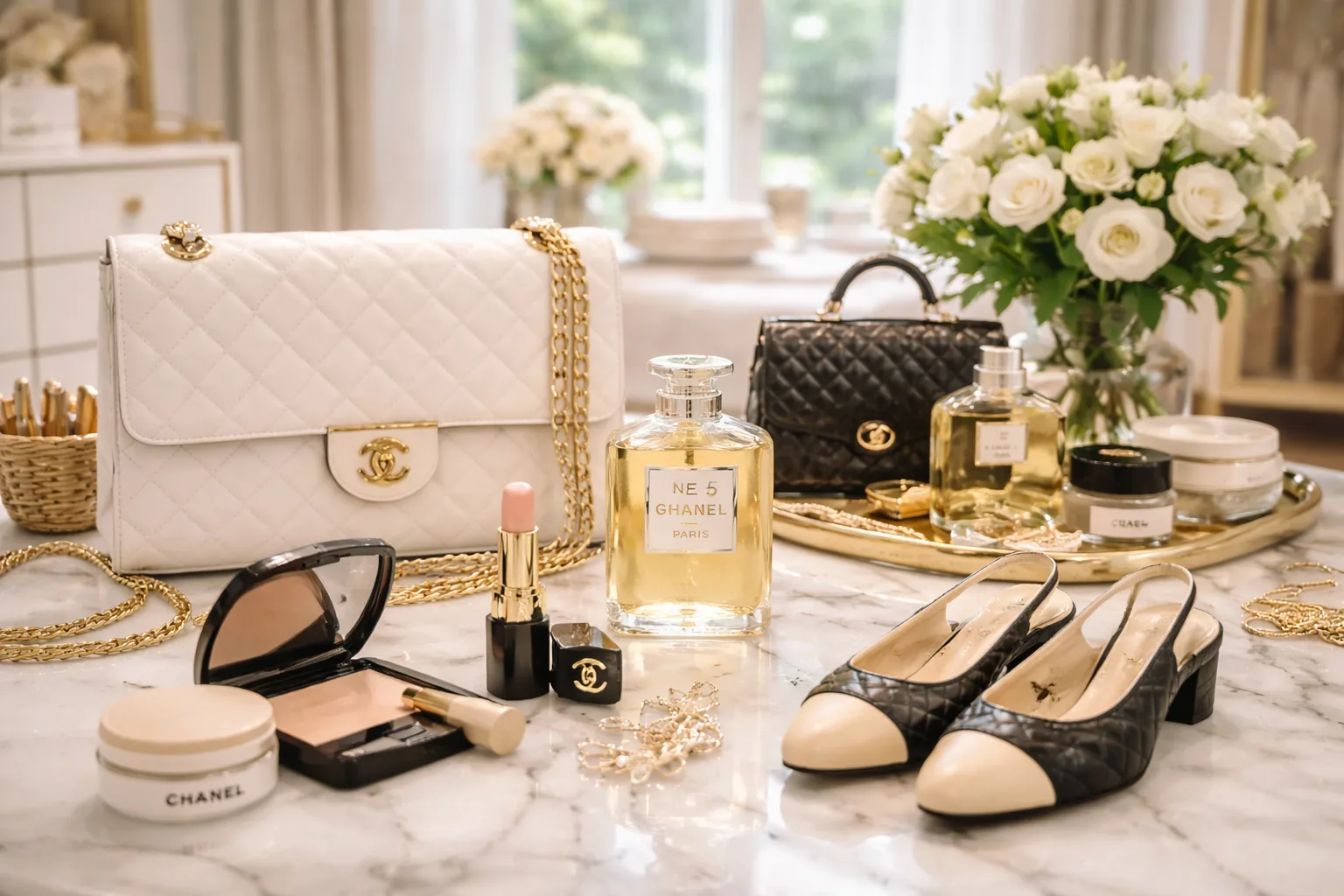
Chanel is one of the most iconic names in luxury fashion. The brand is associated with elegance, femininity, Parisian style, tweed jackets, quilted bags, pearls, black-and-white dressing, couture, and timeless sophistication.
Chanel’s clothing collections often blend classic house codes with modern silhouettes. Its tweed suits, little black dresses, couture gowns, and refined accessories remain central to the brand’s identity.
Why Chanel Is Expensive
Chanel’s premium pricing comes from:
- Couture heritage.
- Strong brand codes.
- Highly recognizable design language.
- Premium materials.
- Limited distribution.
- High demand for classic pieces.
- Strong resale interest.
- A luxury image built over generations.
Chanel is expensive because it has created a world of fashion that feels instantly recognizable, elegant, and enduring.
2. Gucci
Gucci is one of the most famous Italian luxury fashion houses. Known for bold styling, maximalist details, leather goods, runway drama, tailoring, and cultural relevance, Gucci has repeatedly reinvented itself while remaining globally recognizable.
Gucci clothing can range from refined tailoring to expressive prints, statement coats, logo-driven pieces, and contemporary fashion items.
Why Gucci Is Expensive
Gucci’s prices are shaped by:
- Italian luxury heritage.
- Strong brand recognition.
- Fashion-forward design.
- Leather goods strength.
- Cultural influence.
- High demand.
- Premium retail experience.
- Distinctive visual identity.
Gucci is expensive because it combines heritage craftsmanship with bold fashion expression and global cultural visibility.
3. Louis Vuitton
Louis Vuitton is one of the most recognizable luxury fashion houses in the world. Originally known for travel trunks and leather goods, the brand has grown into a global symbol of fashion, craftsmanship, and cultural influence.
Today, Louis Vuitton covers ready-to-wear, shoes, handbags, accessories, watches, jewelry, fragrances, and travel pieces. Its clothing collections often combine heritage references with modern streetwear, tailoring, sportswear, and artistic collaborations.
Why Louis Vuitton Is Expensive
Louis Vuitton’s pricing is shaped by:
- Strong brand heritage.
- Luxury travel history.
- High global demand.
- Controlled distribution.
- Premium leather goods reputation.
- Artistic collaborations.
- Strong runway visibility.
- Global retail experience.
Louis Vuitton is expensive because it sells more than garments. It sells heritage, status, travel culture, and one of the strongest luxury identities in fashion.
4. Prada
Prada is known for intellectual fashion, minimalist design, unconventional luxury, nylon innovation, clean tailoring, and modern Italian sophistication. The brand often challenges traditional ideas of beauty and luxury.
Prada clothing can feel refined, understated, experimental, and practical at the same time. Its design language often mixes simplicity with unexpected detail.
Why Prada Is Expensive
Prada’s pricing is influenced by:
- Italian craftsmanship.
- Strong design identity.
- Premium materials.
- Innovation in fabrics.
- Minimalist luxury positioning.
- Runway authority.
- Cultural relevance.
- High-end retail experience.
Prada is expensive because it sells a highly considered version of modern luxury, where simplicity and concept are part of the value.
5.Dior
Dior is a major French luxury fashion house known for haute couture, elegant tailoring, feminine silhouettes, luxury ready-to-wear, handbags, accessories, and refined fashion storytelling.
The brand has a deep connection with couture history and continues to influence both women’s and men’s fashion. Dior is often associated with romantic elegance, structure, craftsmanship, and modern luxury.
Why Dior Is Expensive
Dior’s pricing reflects:
- Haute couture heritage.
- French luxury craftsmanship.
- Strong runway influence.
- High-end materials.
- Premium retail positioning.
- Global desirability.
- Strong accessories and fashion categories.
- Iconic brand storytelling.
Dior is expensive because it blends couture history with contemporary fashion relevance.
6.Hermès
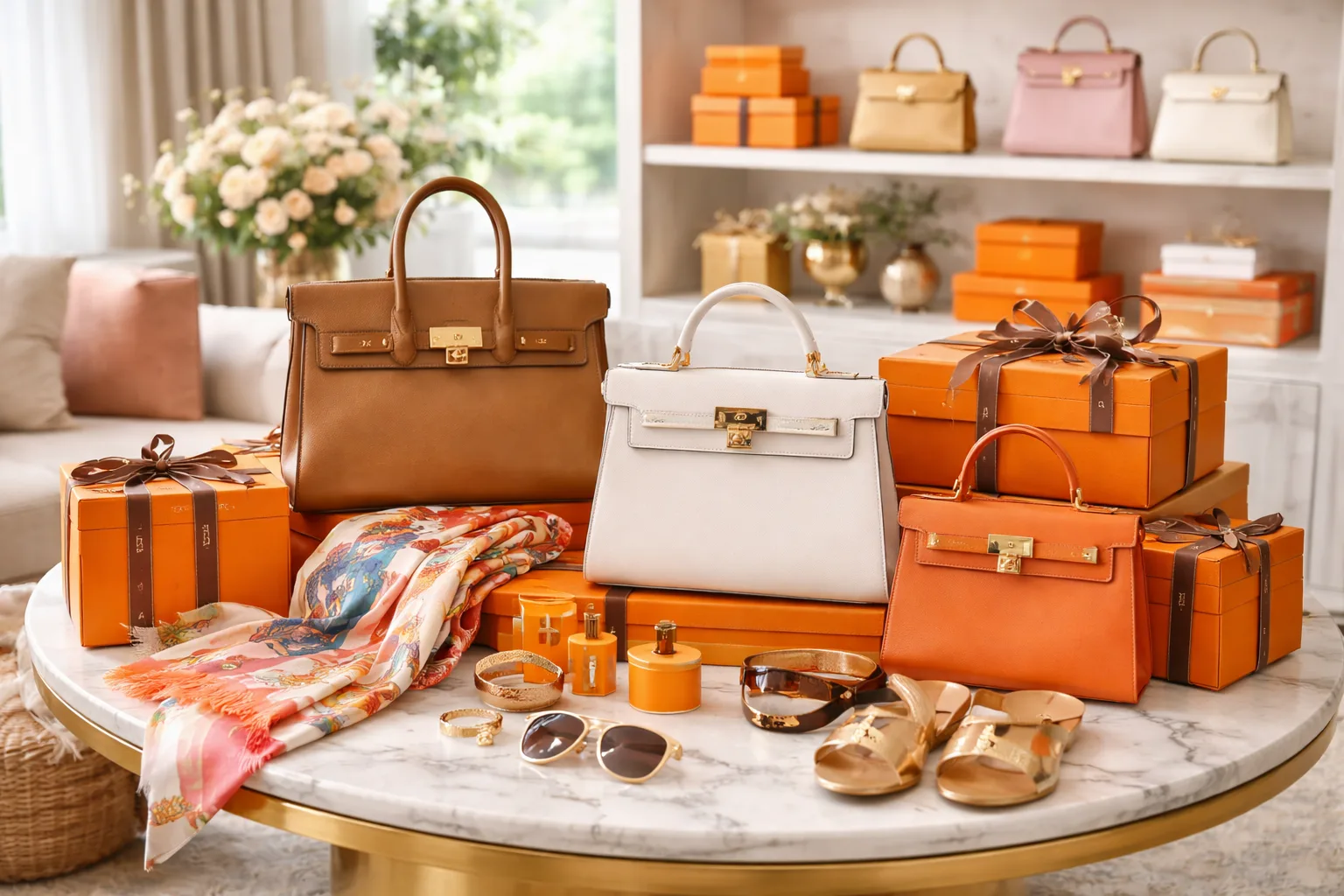
Hermès is known for craftsmanship, quiet luxury, leather goods, silk scarves, refined ready-to-wear, equestrian heritage, and exceptional material quality. It is one of the most exclusive luxury houses in the world.
While many people associate Hermès with handbags, the brand also offers high-end clothing, silk pieces, knitwear, shoes, accessories, and home items. Its fashion identity is subtle, elegant, and deeply connected to craftsmanship.
Why Hermès Is Expensive
Hermès commands high prices because of:
- Exceptional craftsmanship.
- Limited product availability.
- Strong heritage.
- Carefully controlled production.
- Premium leather and silk expertise.
- Minimal but powerful branding.
- High customer loyalty.
- Strong exclusivity.
Hermès proves that luxury does not always need loud logos. Its value comes from restraint, quality, scarcity, and craftsmanship.
7. Saint Laurent
Saint Laurent is known for sharp tailoring, Parisian rock-and-roll style, sleek eveningwear, leather jackets, slim silhouettes, boots, and black-heavy styling.
The brand’s clothing often feels confident, seductive, and refined. It combines classic French luxury with a modern nightlife and music-culture edge.
Why Saint Laurent Is Expensive
Saint Laurent’s pricing reflects:
- Strong Parisian heritage.
- Refined tailoring.
- Premium leather.
- Distinctive brand identity.
- Celebrity and music influence.
- High-end retail positioning.
- Strong accessories category.
- Timeless black wardrobe staples.
Saint Laurent is expensive because it has built a strong luxury identity around attitude, tailoring, and sleek modern style.
8. Balenciaga
Balenciaga is known for its architectural fashion history, oversized silhouettes, experimental design, luxury streetwear, sculptural tailoring, and bold runway concepts.
The brand has become one of the most discussed luxury fashion houses because it often pushes boundaries and challenges traditional luxury aesthetics.
Why Balenciaga Is Expensive
Balenciaga’s pricing comes from:
- Historic couture influence.
- Experimental design.
- High fashion visibility.
- Strong streetwear impact.
- Distinctive silhouettes.
- Premium materials.
- Cultural conversation.
- Runway-driven desirability.
Balenciaga is expensive because it offers not only clothing but fashion as a statement, concept, and cultural conversation.
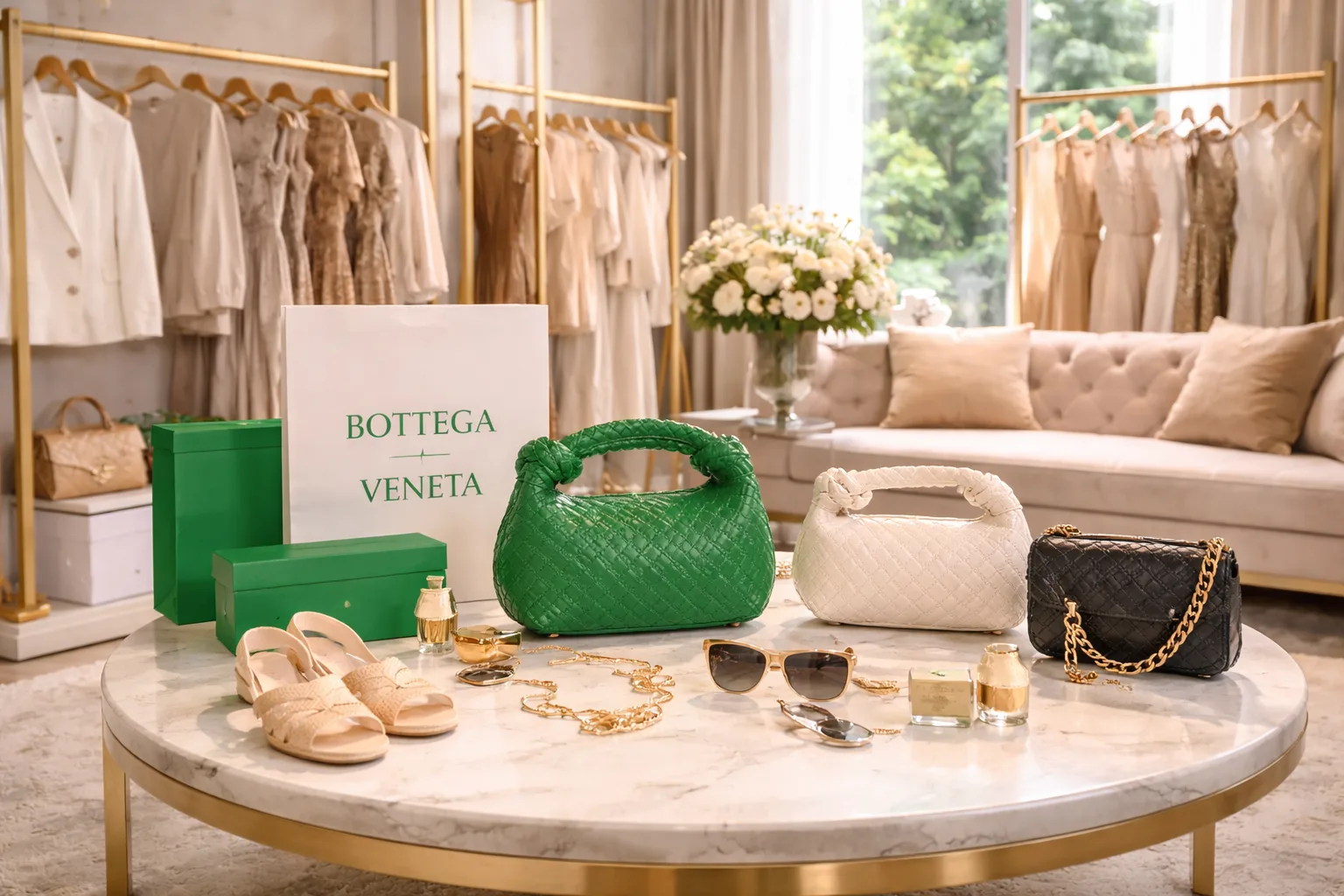
9. Bottega Veneta
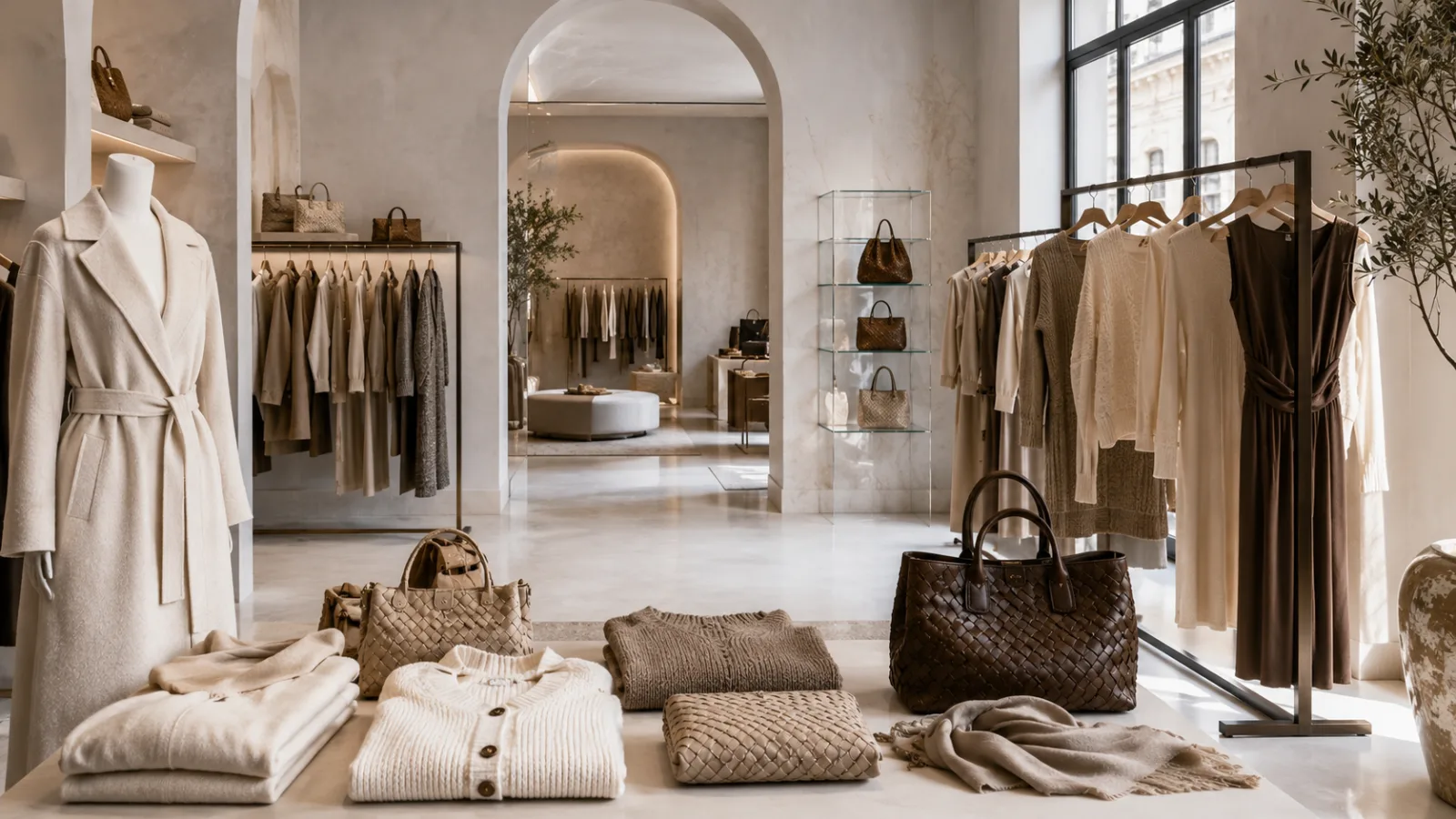
Bottega Veneta is known for quiet luxury, Italian craftsmanship, leather weaving, refined ready-to-wear, soft tailoring, and sophisticated minimalism. The brand is often associated with subtle elegance rather than loud branding.
Its clothing collections focus on material, proportion, texture, and understated confidence.
Why Bottega Veneta Is Expensive
Bottega Veneta’s prices are shaped by:
- Italian craftsmanship.
- Premium leather expertise.
- Minimal branding.
- Refined design.
- Strong accessories influence.
- Luxury materials.
- Quiet luxury positioning.
- High-end construction.
Bottega Veneta is expensive because it appeals to customers who value craftsmanship and subtle luxury over visible logos.
10. Fendi
Fendi is an Italian luxury house known for fur heritage, leather goods, ready-to-wear, craftsmanship, playful luxury, and Roman elegance. The brand has a strong fashion identity across clothing, handbags, footwear, and accessories.
Fendi clothing often blends elegance with bold detail, texture, and modern styling.
Why Fendi Is Expensive
Fendi is expensive because of:
- Italian heritage.
- High-level craftsmanship.
- Luxury material expertise.
- Strong accessory category.
- Refined ready-to-wear.
- Creative runway direction.
- Premium retail presence.
- Established global reputation.
Fendi combines tradition with a playful luxury attitude, making it one of the most recognized Italian luxury houses.
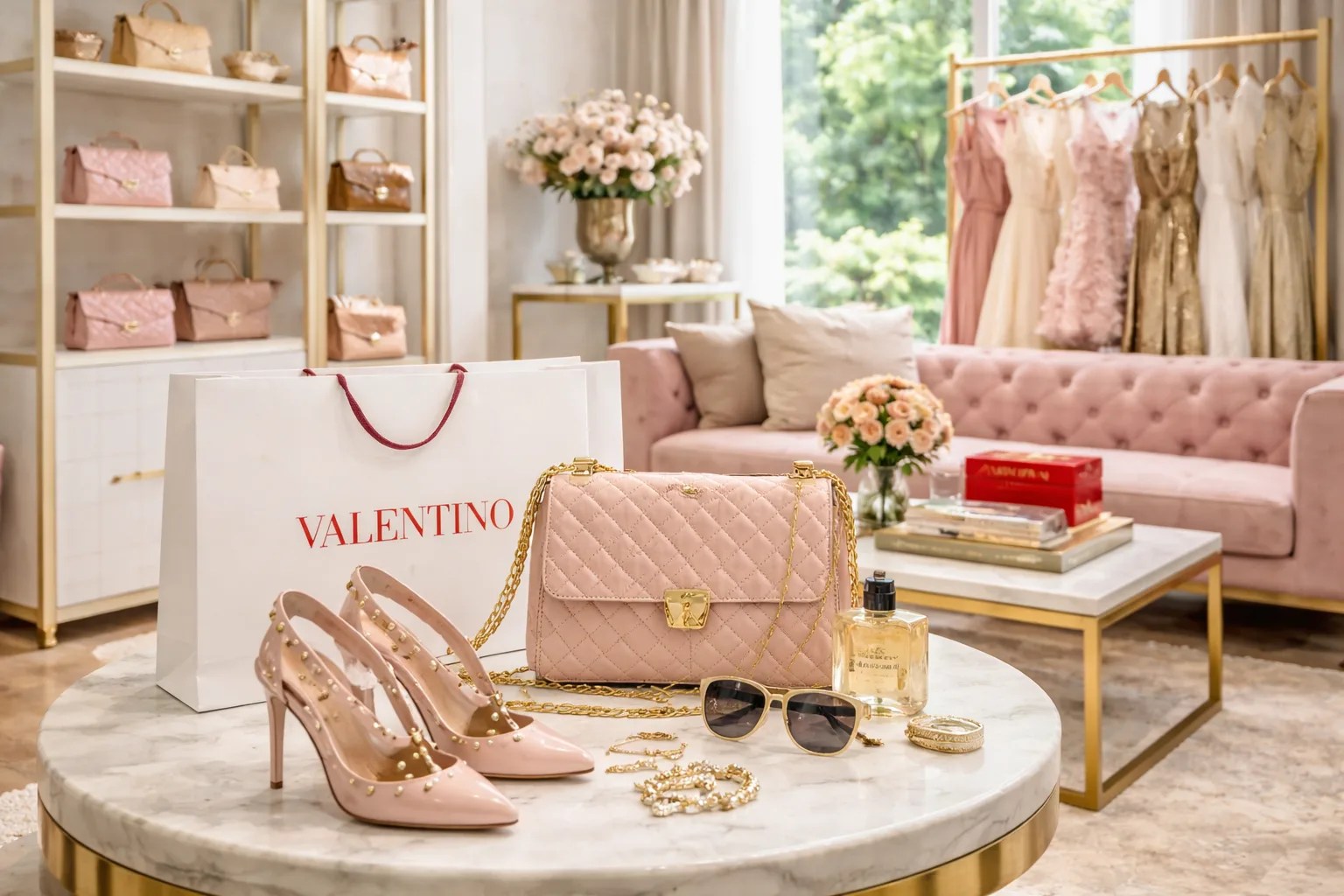
11. Valentino
Valentino is known for romantic luxury, couture craftsmanship, red-carpet gowns, refined tailoring, elegant eveningwear, and its famous association with powerful color, especially red.
The brand is deeply connected to Italian glamour and high-fashion elegance.
Why Valentino Is Expensive
Valentino’s pricing reflects:
- Couture heritage.
- Elegant eveningwear.
- Hand-finished details.
- Luxury fabrics.
- Red-carpet visibility.
- Premium Italian craftsmanship.
- Strong fashion-house identity.
- High-end brand positioning.
Valentino is expensive because it represents refined romance, couture-level beauty, and formal fashion excellence.
12. Versace
Versace is known for bold glamour, strong silhouettes, vibrant prints, red-carpet dressing, sensual styling, and Italian luxury confidence. It is one of the most recognizable names in fashion.
Versace clothing often stands out through color, pattern, body-conscious cuts, dramatic dresses, and strong luxury attitude.
Why Versace Is Expensive
Versace’s prices are driven by:
- Strong Italian luxury identity.
- Bold brand recognition.
- Red-carpet influence.
- Statement design.
- Premium materials.
- High-impact visual language.
- Celebrity culture.
- Global fashion visibility.
Versace is expensive because it sells confidence, glamour, and a powerful visual identity.
13. Burberry
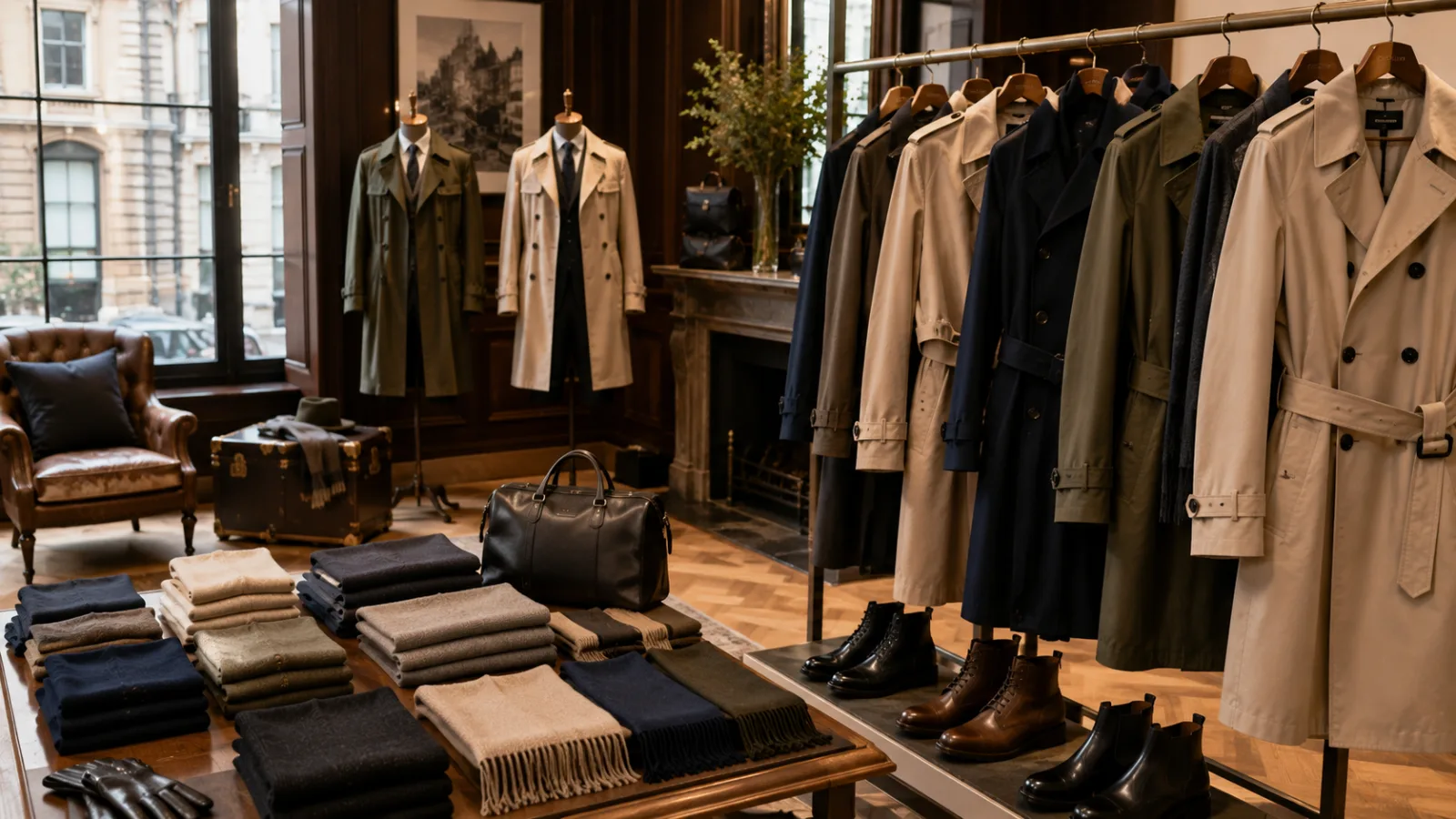
Burberry is a British luxury fashion house known for outerwear, trench coats, check-inspired heritage, tailoring, scarves, and refined weather-ready style.
Its trench coat heritage and British identity make it one of the most recognizable luxury brands in the world.
Why Burberry Is Expensive
Burberry’s pricing reflects:
- British heritage.
- Outerwear expertise.
- Premium trench construction.
- Strong global brand recognition.
- Luxury fabric development.
- Seasonal runway collections.
- Classic and modern wardrobe appeal.
- Established retail presence.
Burberry is expensive because it has turned functional outerwear into a global luxury signature.
14. Giorgio Armani
Giorgio Armani is known for elegant tailoring, soft suiting, refined eveningwear, understated luxury, and Italian sophistication. The brand helped redefine modern tailoring with a relaxed but polished approach.
Armani clothing often appeals to customers who prefer clean lines, timeless elegance, and quiet confidence.
Why Giorgio Armani Is Expensive
Armani’s premium pricing comes from:
- Italian tailoring heritage.
- Refined design language.
- High-quality materials.
- Strong formalwear reputation.
- Red-carpet influence.
- Long-standing brand authority.
- Elegant minimalism.
- Luxury lifestyle positioning.
Giorgio Armani is expensive because it represents polished, mature, and timeless luxury.
15. Tom Ford
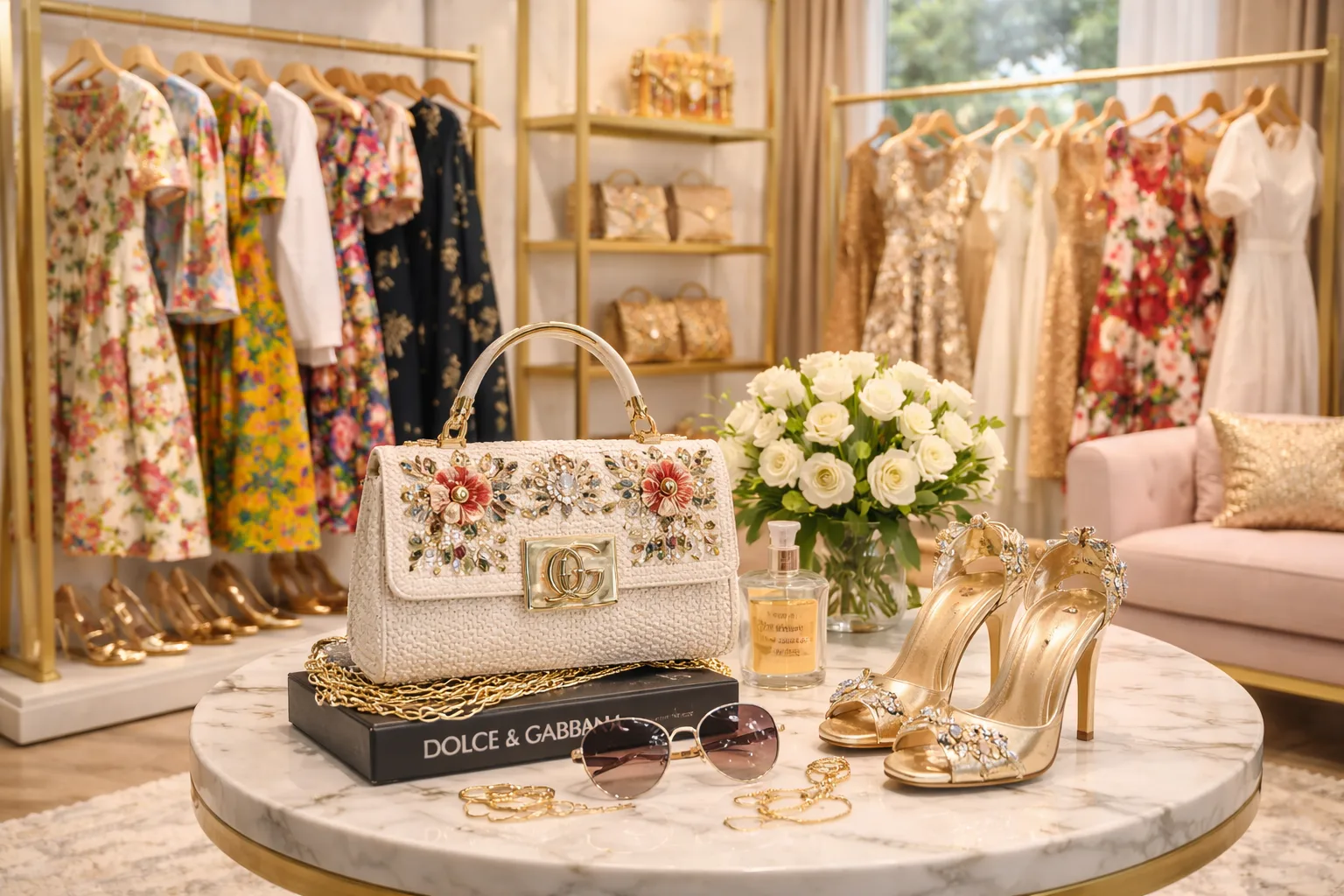
Tom Ford is associated with sharp tailoring, sensual luxury, eveningwear, sleek suiting, premium menswear, eyewear, fragrance, and polished glamour.
The brand’s clothing often feels confident, cinematic, and highly styled. Tom Ford is especially known for strong suits, evening dresses, velvet jackets, leather pieces, and luxury accessories.
Why Tom Ford Is Expensive
Tom Ford’s pricing reflects:
- High-end tailoring.
- Strong designer identity.
- Premium materials.
- Refined menswear reputation.
- Eveningwear appeal.
- Celebrity visibility.
- Luxury lifestyle positioning.
- Polished brand presentation.
Tom Ford is expensive because it sells a complete vision of modern glamour and confident sophistication.
16. Celine
Celine is known for minimalist luxury, Parisian sophistication, sharp tailoring, refined leather goods, clean silhouettes, and understated ready-to-wear. The brand appeals to customers who prefer modern elegance with a subtle edge.
Celine clothing often includes tailored jackets, slim trousers, leather pieces, refined knitwear, silk shirts, and clean wardrobe staples.
Why Celine Is Expensive
Celine’s pricing is shaped by:
- Parisian luxury identity.
- Minimalist design.
- Premium materials.
- Strong tailoring.
- High-end leather goods.
- Controlled brand image.
- Quiet luxury appeal.
- Modern wardrobe relevance.
Celine is expensive because it turns restraint, proportion, and everyday luxury into premium fashion.
17. Loewe
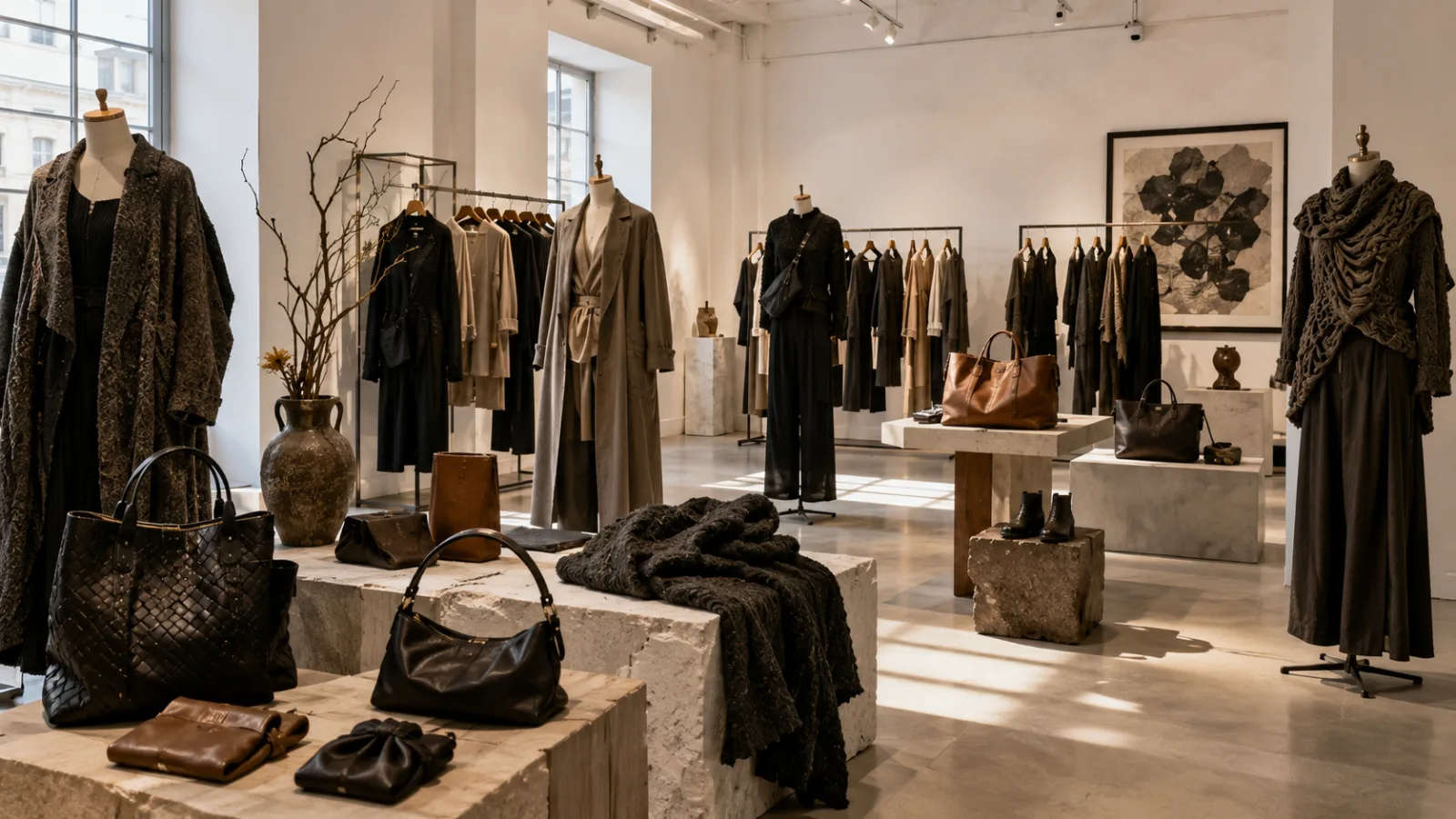
Loewe is a Spanish luxury house known for leather craftsmanship, artistic design, modern silhouettes, and creative fashion storytelling. It has become highly influential in contemporary luxury. Loewe clothing often mixes craft, art, texture, playful shapes, and refined everyday luxury.
Why Loewe Is Expensive
Loewe’s prices reflect:
- Spanish leather heritage.
- Artistic creative direction.
- Craft-based identity.
- Premium materials.
- Innovative silhouettes.
- Strong runway influence.
- High-end craftsmanship.
- Modern luxury appeal.
Loewe is expensive because it combines craft heritage with artistic experimentation.
18. Givenchy
Givenchy is a French luxury house known for couture history, elegant tailoring, sharp silhouettes, red-carpet fashion, and modern luxury clothing. The brand has moved through many creative eras while keeping its connection to refinement and Parisian fashion.
Givenchy clothing can include structured jackets, evening dresses, sleek tailoring, luxury streetwear influences, and polished accessories.
Why Givenchy Is Expensive
Givenchy’s pricing is influenced by:
- Couture heritage.
- Parisian luxury identity.
- High-end tailoring.
- Red-carpet visibility.
- Premium materials.
- Strong brand name.
- Modern fashion direction.
- Luxury retail positioning.
Givenchy is expensive because it blends couture history with contemporary fashion relevance.
19. Alexander McQueen
Alexander McQueen is known for dramatic tailoring, dark romanticism, sculptural silhouettes, creative storytelling, and runway artistry. The brand has a strong identity rooted in craftsmanship, emotion, and fashion as performance. McQueen garments often include sharp jackets, dramatic dresses, structured coats, embroidered pieces, and imaginative details.
Why Alexander McQueen Is Expensive
Alexander McQueen’s pricing reflects:
- Strong design identity.
- Tailoring expertise.
- Artistic runway heritage.
- Dramatic craftsmanship.
- Premium materials.
- Limited creative pieces.
- Distinctive silhouettes.
- Cultural fashion influence.
Alexander McQueen is expensive because it offers fashion with emotional intensity, precision, and artistic depth.
20. Loro Piana
Loro Piana is known for ultra-premium textiles, cashmere, wool, vicuña, quiet luxury, refined knitwear, and soft tailoring. The brand represents material excellence and understated wealth. Unlike brands known for loud runway statements, Loro Piana focuses on fabric quality, comfort, texture, and subtle elegance.
Why Loro Piana Is Expensive
Loro Piana’s pricing comes from:
- Rare and premium fibers.
- Cashmere and wool expertise.
- Textile heritage.
- Quiet luxury positioning.
- Soft tailoring.
- Exceptional material feel.
- Understated design.
- High-end craftsmanship.
Loro Piana is expensive because it places fabric quality and comfort at the center of luxury.
Quick Comparison: Top Expensive Clothing Brands and Their Luxury Identity
Are Expensive Clothing Brands Worth It?
The answer depends on what the buyer values.
Luxury clothing may be worth it when the product offers:
- Excellent fit.
- Strong craftsmanship.
- Premium fabric.
- Timeless design.
- Long-term wearability.
- Emotional satisfaction.
- Brand value.
- Resale potential.
- Better finishing.
- A special occasion experience.
However, expensive clothing is not always automatically better. Some products may be priced heavily because of brand name, trend demand, or hype rather than superior quality.
Before buying luxury fashion, consider:
- How often will you wear it?
- Does it fit your lifestyle?
- Is the fabric suitable?
- Is the construction strong?
- Does the price make sense for the product?
- Will the style last beyond one season?
- Does the brand align with your values?
- Is it easy to care for?
- Does it work with your existing wardrobe?
Luxury is most valuable when it brings lasting satisfaction, not just short-term excitement.
Why Investing in Expensive Brands is Worth It
Purchasing from these high-end brands offers more than mere fashion—it’s an investment in quality, lasting wearability, and timeless design. Moreover, the prestige associated with these luxury brands is unparalleled, making every purchase feel special.
The Future of Luxury Fashion
Luxury fashion is evolving with trends such as:
- sustainability
- digital fashion
- customization
- direct-to-consumer models
Many luxury brands are adapting to meet modern consumer expectations while maintaining their heritage.
What Fashion Startups Can Learn From Expensive Clothing Brands
New fashion brands do not need to copy luxury houses, but they can learn from how luxury brands create value.
1. Build a Clear Identity
Luxury brands are memorable because they stand for something. Whether the mood is bold, minimal, romantic, artistic, classic, or quiet, the customer knows what the brand represents.
2. Invest in Product Quality
A strong fashion brand begins with a strong product. Fabric, fit, stitching, finishing, and comfort shape customer trust.
3. Tell a Better Story
Luxury brands use storytelling to turn products into desire. This may include founder history, material origin, craftsmanship, cultural inspiration, or design philosophy.
4. Control the Customer Experience
Packaging, photography, website design, product descriptions, customer service, and delivery all affect perceived value.
5. Use Consistent Visual Language
Luxury brands are visually consistent. Colors, typography, campaigns, models, styling, and store design all feel connected.
6. Avoid Competing Only on Price
If a brand only competes by being cheaper, it can struggle to build loyalty. Better positioning comes from clear value, not just lower pricing.
7. Protect Quality as You Grow
Luxury brands maintain value by controlling production standards. Startups should also use quality checkpoints before scaling.
ApparGlobal: Helping Brands Build Premium Clothing With Better Production Planning
Expensive clothing brands prove that product value comes from more than the final retail price. Fabric selection, fit development, construction quality, supplier capability, sampling, finishing, packaging, and production consistency all shape how customers perceive a garment.
For emerging clothing brands, building premium value starts with the development process. A strong concept needs the right materials, technical planning, sample testing, costing, and manufacturing execution before it can become a reliable product.
ApparGlobal helps apparel brands connect design ideas with practical sourcing and production workflows. Whether a brand is developing premium basics, luxury-inspired ready-to-wear, private-label garments, streetwear, outerwear, resortwear, or accessories, structured planning can reduce production mistakes and improve product quality.
Apparel businesses can explore:
- Sampling Program to test fabric, fit, construction, finishing, and product quality before bulk production.
- Private Label Program to develop customized apparel using established product foundations.
- Manufacturing Support to coordinate sourcing, costing, supplier communication, production planning, and quality control.
- Vendor Program to identify suitable fabric, trim, and manufacturing partners.
- Manufacturer Catalog to review production capabilities for different apparel categories.
- Resources for more guidance on fashion sourcing, costing, sampling, and manufacturing.
A premium brand is not built only through high prices. It is built through consistent product value, strong development systems, and manufacturing decisions that support the brand promise.

Frequently Asked Questions About Expensive Clothing Brands
1. What is the most expensive clothing brand in the world?
There is no single answer because it depends on whether you measure by product price, brand value, couture pricing, resale demand, or exclusivity. Brands such as Louis Vuitton, Chanel, Hermès, Dior, and Gucci are frequently discussed among the world’s most valuable and expensive luxury fashion names.
2. Why are luxury clothing brands so expensive?
Luxury clothing brands are expensive because they combine premium materials, craftsmanship, heritage, limited availability, strong brand identity, retail experience, and cultural influence. The price often reflects both product quality and brand value.
3. Is expensive clothing always better quality?
Not always. Some luxury products are beautifully made, while others may be priced higher because of brand name, trend demand, or exclusivity. Buyers should still check fabric, construction, fit, care needs, and long-term wearability.
4. Which clothing brands are known for quiet luxury?
Brands often associated with quiet luxury include Hermès, Loro Piana, Bottega Veneta, Celine, Brunello Cucinelli, and The Row. These brands usually focus on premium materials, subtle design, and minimal visible branding.
5. Which luxury brand is best for tailoring?
Giorgio Armani, Tom Ford, Saint Laurent, Dior, Givenchy, and Alexander McQueen are known for strong tailoring traditions and refined silhouettes. The best choice depends on personal style and fit preference.
6. Which expensive clothing brands are best for eveningwear?
Dior, Chanel, Valentino, Versace, Giorgio Armani, Tom Ford, Givenchy, and Alexander McQueen are strongly associated with eveningwear, red-carpet dressing, couture-inspired garments, and formal fashion.
7. Which luxury clothing brand is best for cashmere?
Loro Piana and Brunello Cucinelli are especially known for premium cashmere and refined knitwear. Hermès and other luxury houses also offer high-end cashmere pieces.
8. Why do some luxury brands avoid visible logos?
Some brands focus on quiet luxury. They use fabric, cut, proportion, and craftsmanship instead of obvious logos. This appeals to customers who prefer subtle elegance and discreet status.
9. Are luxury clothes a good investment?
Some luxury items hold value better than others, especially iconic handbags, rare pieces, limited editions, and well-preserved classics. Clothing is usually less predictable than handbags or watches, so buyers should choose pieces they genuinely want to wear.
10. How can a new clothing brand feel more premium?
A new brand can feel more premium by improving fabric quality, fit, finishing, packaging, product photography, storytelling, customer service, and production consistency. Premium value comes from the whole experience, not only the price.
11. What is the difference between luxury and premium clothing?
Luxury clothing usually has stronger heritage, exclusivity, brand status, craftsmanship, and cultural value. Premium clothing may still be high quality, but it may not carry the same level of global prestige or scarcity.
12. How do expensive clothing brands build customer loyalty?
They build loyalty through consistent quality, recognizable design, strong storytelling, emotional connection, retail experience, exclusivity, and customer trust. Luxury buyers often return because the brand identity feels meaningful to them.
Conclusion
Expensive clothing brands occupy a special place in fashion because they combine product quality with emotion, history, culture, and identity. A luxury garment is not priced only by the cost of fabric and labor. It is shaped by craftsmanship, heritage, design authority, exclusivity, retail experience, and the meaning customers attach to the brand.
Louis Vuitton, Chanel, Hermès, Dior, Gucci, Prada, Saint Laurent, Balenciaga, Bottega Veneta, Fendi, Valentino, Versace, Burberry, Giorgio Armani, Tom Ford, Celine, Loewe, Givenchy, Alexander McQueen, and Loro Piana each represent a different version of luxury. Some focus on couture and elegance. Some are known for bold glamour. Some are admired for quiet craftsmanship. Others are valued for experimentation, tailoring, cashmere, leather, or cultural influence.
The most important lesson is that luxury is built over time. It requires consistency, quality, storytelling, and customer trust. Expensive brands do not rely on price alone. They create a world around their products. For buyers, the best luxury purchase is one that fits personal style, lifestyle, quality expectations, and long-term value. For fashion entrepreneurs, these brands offer important lessons in positioning, product development, craftsmanship, and perceived value. A clothing brand becomes premium when every detail supports the promise: the fabric, fit, construction, photography, packaging, customer experience, and production quality. That is where luxury truly begins.