
The global apparel and fashion industry operates on speed, precision, quality, and coordination. Fashion brands launch multiple collections every year, retailers demand faster turnaround times, ecommerce companies expect flexible inventory management, and consumers constantly expect better quality at competitive prices. In the middle of all these moving parts, buying offices play a critical operational role in global sourcing.
A buying office is much more than a sourcing intermediary. It acts as the communication bridge, production coordinator, quality manager, supplier strategist, and operational backbone between apparel brands and garment manufacturers.
Without strong merchandising plans, sourcing operations quickly become difficult to manage.
Production delays, quality issues, communication gaps, shipment problems, fabric shortages, and pricing conflicts can severely damage a fashion business. That is why successful buying offices rely heavily on organized merchandising strategies to maintain operational efficiency and long-term supplier relationships.

Modern apparel merchandising is no longer limited to following up with factories or tracking order sheets. Today’s buying offices must understand:
- Supply chain management
- Product development
- Fabric sourcing
- Production planning
- Inventory forecasting
- Quality control systems
- Compliance management
- Sustainable sourcing
- Digital merchandising technologies
- Global logistics coordination
As fashion sourcing becomes increasingly competitive, buying offices that build strong merchandising plans gain major advantages in quality control, supplier management, speed-to-market, and overall sourcing performance.
In this comprehensive guide, we will explore merchandising plans for buying offices in detail, including sourcing strategies, supplier management systems, apparel production workflows, merchandising operations, risk management approaches, and the modern strategies that help apparel buying offices achieve successful sourcing results.
Understanding Buying Offices in the Apparel Industry
Buying offices are specialized sourcing organizations that help fashion brands and retailers manage garment manufacturing operations.
They work closely with:
- Fashion brands
- Retail chains
- Department stores
- Ecommerce apparel companies
- Wholesalers
- Importers
Buying offices often operate in major garment manufacturing countries such as:
- Bangladesh
- China
- Vietnam
- India
- Pakistan
- Turkey
- Indonesia
Their role is to ensure that apparel production runs smoothly from development to final shipment.
Main Functions of Buying Offices
Buying offices usually manage:
- Supplier sourcing
- Product development
- Fabric coordination
- Sampling
- Cost negotiation
- Production tracking
- Merchandising
- Quality control
- Compliance audits
- Packaging approval
- Logistics coordination
In many cases, international buyers rely heavily on buying offices because they provide local manufacturing expertise, supplier networks, and operational oversight.
Without organized merchandising systems, managing all these responsibilities becomes extremely difficult.

Why Merchandising Plans Are Essential for Buying Offices
Merchandising plans provide structure and operational control throughout the apparel sourcing process.
Without proper merchandising planning, sourcing operations often become reactive instead of strategic.
A strong merchandising plan helps buying offices improve:
- Production coordination
- Communication flow
- Product quality
- Cost efficiency
- Shipment reliability
- Supplier management
- Risk reduction
- Delivery performance
In garment manufacturing, every stage is connected.
For example:
- Delayed fabric booking affects sampling
- Delayed sampling affects production approval
- Delayed production affects shipment schedules
- Delayed shipments affect retail launches
A professional merchandising plan helps buying offices prevent these chain reactions.
Benefits of Structured Merchandising Plans
Better Operational Visibility
Merchandisers can monitor every sourcing stage more effectively.
Improved Timeline Control
Production milestones become easier to track and manage.
Faster Problem Resolution
Issues are identified earlier before becoming expensive.
Stronger Buyer Relationships
Professional planning improves buyer trust.
Better Factory Coordination
Suppliers work more efficiently with organized sourcing systems.
Reduced Financial Losses
Structured planning reduces costly production mistakes.
In today’s apparel industry, strong merchandising systems often separate successful buying offices from struggling ones.

The Role of Apparel Merchandisers in Buying Offices
Merchandisers are often considered the operational backbone of apparel sourcing.
They coordinate communication between:
- Buyers
- Factories
- Fabric mills
- Printing vendors
- Trim suppliers
- Quality teams
- Shipping departments
An experienced merchandiser ensures that all sourcing activities remain aligned throughout production.
Responsibilities of Apparel Merchandisers
Product Development Coordination
Merchandisers manage:
- Sampling
- Buyer comments
- Fabric approvals
- Trim approvals
- Fit corrections
- Construction revisions
Supplier Communication
Factories require constant production coordination.
Cost Negotiation
Merchandisers balance pricing expectations between buyers and suppliers.
Production Tracking
Every stage must be monitored carefully.
Quality Management
Merchandisers coordinate inspection systems to maintain consistency.
Logistics Coordination
Shipment schedules must align with buyer delivery expectations.
Strong merchandisers combine technical garment knowledge with communication, organization, sourcing expertise, and problem-solving ability.
Core Components of a Strong Merchandising Plan
Successful buying offices usually follow structured merchandising frameworks.
1. Buyer Requirement Analysis
The sourcing process begins with understanding buyer expectations clearly.
Buying offices must analyze:
- Product category
- Target customer
- Fabric requirements
- Construction details
- Pricing targets
- Packaging standards
- Delivery deadlines
- Compliance requirements
Misunderstanding buyer expectations often creates major sourcing problems later.
Why Product Understanding Matters
Different apparel categories require different sourcing approaches.
For example:
Activewear
Requires performance fabrics and stretch testing.
Streetwear
Focuses heavily on heavyweight fabrics and fit.
Luxury Fashion
Requires premium finishing and construction precision.
Kidswear
Requires strict safety compliance.
Merchandisers must understand the product deeply before supplier selection begins.

2. Supplier Sourcing Strategies
Supplier selection is one of the most important parts of apparel merchandising.
The wrong supplier can create:
- Quality issues
- Production delays
- Compliance risks
- Communication problems
- Financial losses
Important Supplier Evaluation Criteria
Product Specialization
Factories should specialize in the required product category.
Production Capacity
Can the supplier handle expected order volume?
Quality Systems
Reliable factories maintain organized QC procedures.
Communication Quality
Strong communication reduces sourcing mistakes.
Compliance Standards
Ethical production is increasingly important.
Technical Capability
Complex garments require advanced manufacturing expertise.
Multi-Supplier Sourcing Strategies
Many professional buying offices avoid relying on only one factory.
Using multiple suppliers improves:
- Operational flexibility
- Risk management
- Production scalability
- Price negotiation leverage
Regional Diversification
Many buying offices source from multiple countries to reduce risk.
For example:
- Bangladesh for cost-efficient knitwear
- China for technical products
- Vietnam for performance apparel
- Turkey for fast European sourcing
Regional diversification strengthens sourcing stability.

3. Sampling and Product Development Management
Sampling is one of the most important stages in apparel sourcing.
A professional sampling process helps buyers evaluate:
- Fit
- Fabric quality
- Construction accuracy
- Printing quality
- Color consistency
- Product appearance
Poor sample management often creates major production problems later.
Common Sample Types in Apparel Manufacturing
Development Sample
Initial prototype based on buyer design concepts.
Fit Sample
Used to confirm measurements and silhouette.
Salesman Sample
Prepared for sales presentations and buyer marketing.
Pre-Production Sample
Final approved version before bulk production.
Size Set Sample
Used to verify grading consistency across sizes.
Shipment Sample
Represents final production quality.
Why Sample Accuracy Matters
Bulk production should match approved samples exactly.
Any mismatch can create:
- Buyer rejection
- Shipment delays
- Financial penalties
- Customer dissatisfaction
Strong merchandising plans maintain strict sample approval systems.

Costing and Pricing Strategies in Merchandising
Cost management is one of the most sensitive areas of apparel sourcing.
Buying offices constantly balance:
- Buyer target pricing
- Supplier profitability
- Material costs
- Shipping expenses
- Product quality
Major Apparel Cost Components
Fabric Cost
Usually the largest production expense.
Trim Cost
Includes:
- Zippers
- Buttons
- Labels
- Drawcords
- Packaging materials
Labor Cost
Varies depending on sourcing region.
Printing and Embroidery
Decoration methods increase production costs.
Logistics and Freight
Shipping costs significantly affect profitability.
Why Accurate Costing Matters
Poor costing management creates:
- Reduced profit margins
- Buyer dissatisfaction
- Supplier conflicts
- Pricing instability
Professional merchandisers analyze cost structures carefully before production approval.

Production Planning and Time Management
Production planning is one of the biggest responsibilities in buying office merchandising.
Fashion retail calendars depend heavily on timely deliveries.
Missed delivery schedules can damage:
- Seasonal launches
- Ecommerce campaigns
- Retail inventory planning
- Marketing schedules
Major Production Stages
- Fabric booking
- Lab dip approval
- Trim sourcing
- Sample approval
- Bulk cutting
- Sewing production
- Printing and embroidery
- Finishing
- Packing
- Shipment booking
Common Causes of Production Delays
Fabric Shortages
Raw material delays affect entire production schedules.
Factory Overload
Suppliers accepting too many orders create bottlenecks.
Approval Delays
Late buyer comments slow development.
Shipping Problems
Global logistics disruptions affect timelines.
Professional buying offices maintain detailed Time and Action (T&A) calendars to monitor every stage carefully.

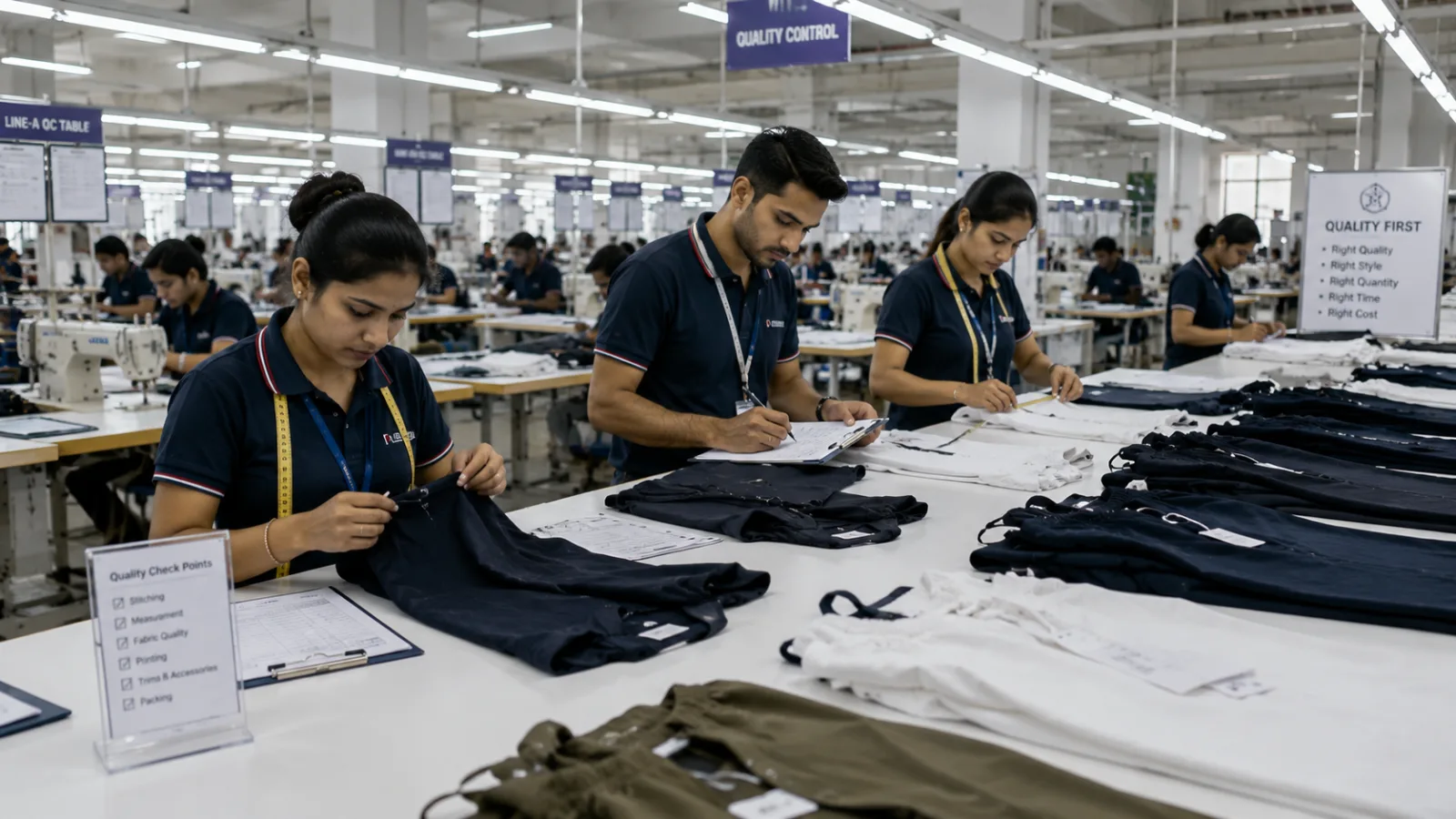
Quality Control Strategies in Buying Offices
Quality control directly affects customer satisfaction and brand reputation.
Strong QC systems help buying offices maintain consistency across suppliers.
Main Stages of Apparel Quality Control
Fabric Inspection
Checks:
- Color consistency
- Fabric defects
- Shrinkage performance
- GSM accuracy
Inline Inspection
Monitors garments during production.
Final Inspection
Reviews finished products before shipment.
Measurement Verification
Confirms sizing consistency.
Packaging Inspection
Ensures correct labeling and folding.
Why QC Systems Matter
Poor quality creates:
- Refund requests
- Negative reviews
- Buyer rejection
- Brand damage
Professional buying offices treat quality management as a core operational priority.
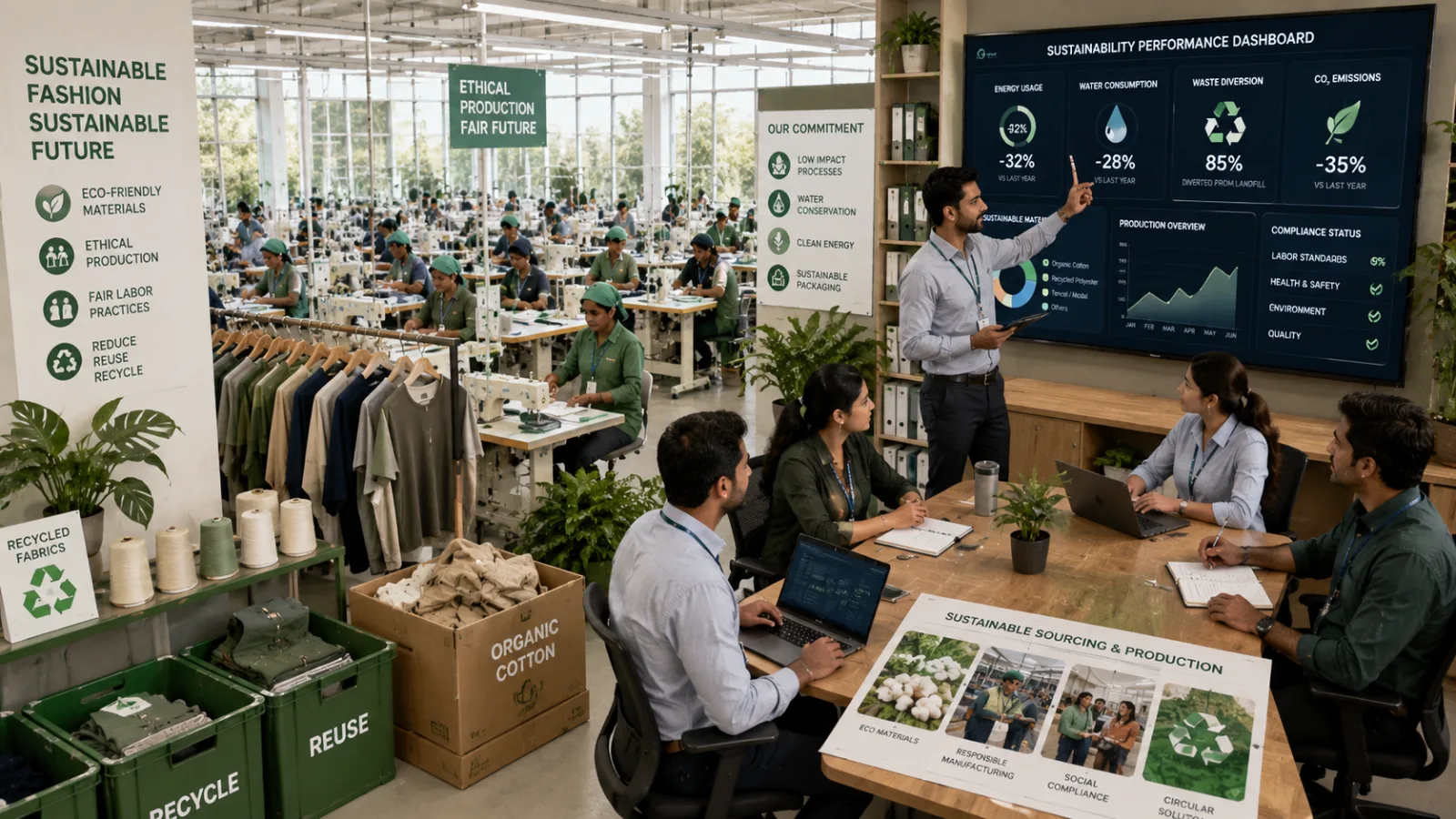
Ethical and Sustainable Sourcing Strategies
Sustainability has become one of the most important priorities in modern apparel sourcing.
Consumers increasingly care about:
- Ethical labor
- Sustainable fabrics
- Environmental impact
- Production transparency
- Worker safety
Buying offices now play a major role in compliance monitoring.
Key Sustainability Areas
Organic Fabrics
Organic cotton continues growing in popularity.
Recycled Materials
Recycled polyester and regenerated fibers reduce waste.
Ethical Production
Factories must maintain proper labor conditions.
Environmental Compliance
Water management and chemical safety matter increasingly.
Why Sustainable Sourcing Matters
Brands connected to unethical factories risk:
- Public backlash
- Retail penalties
- Reputation damage
Buying offices that support ethical sourcing often build stronger long-term relationships with international buyers.
Digital Transformation in Apparel Merchandising
Technology is rapidly transforming global sourcing operations.
Modern buying offices increasingly use digital systems for:
- Product development
- Production tracking
- Supplier coordination
- Quality management
- Inventory forecasting
Important Digital Tools
PLM Systems
Improve product lifecycle coordination.
ERP Software
Helps manage sourcing operations efficiently.
Digital Fabric Libraries
Speed up sourcing processes.
AI Forecasting Systems
Improve production planning accuracy.
Real-Time Tracking
Improves production visibility and shipment monitoring.
Digital merchandising systems improve operational speed, transparency, and efficiency significantly.

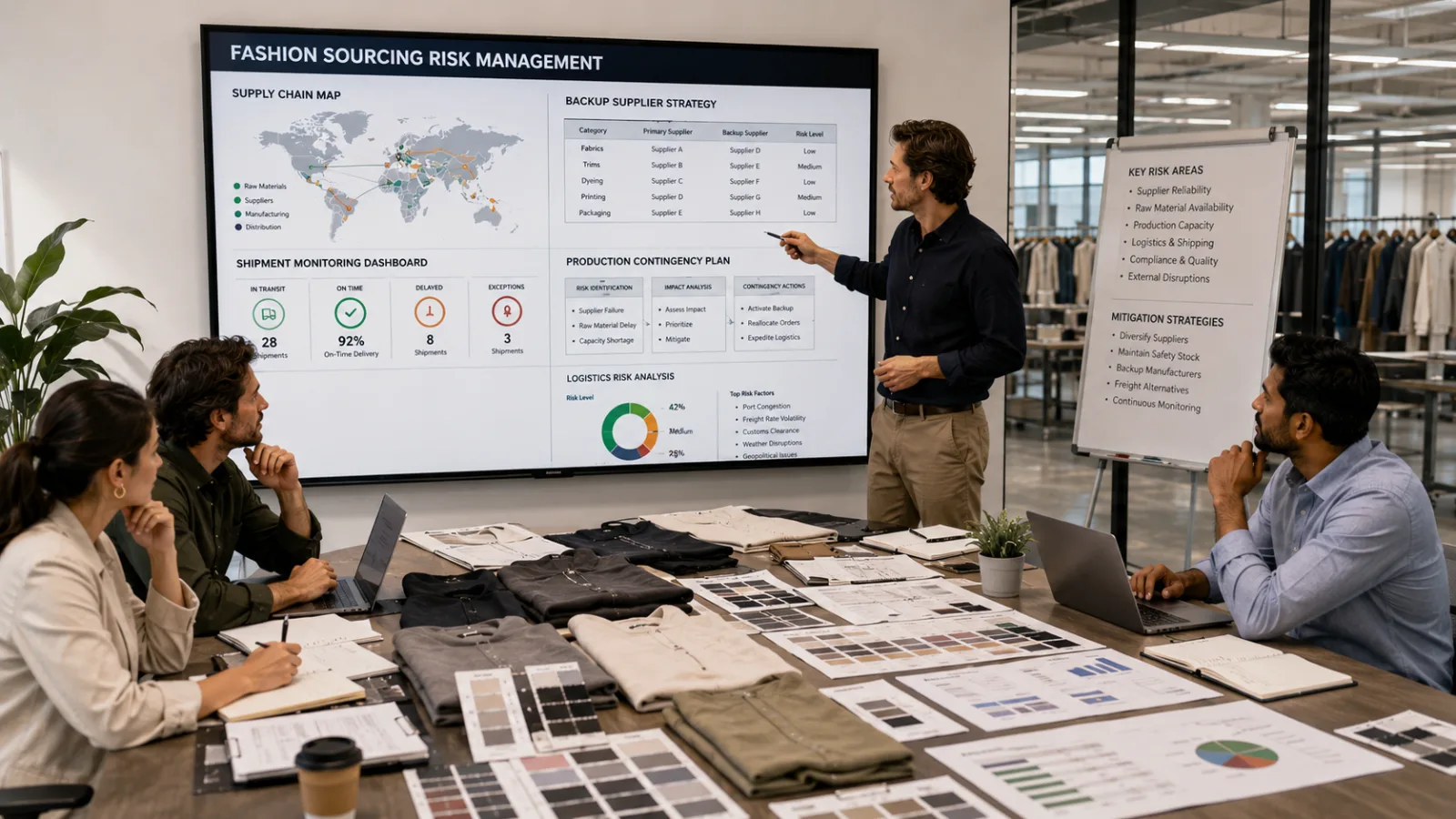
Risk Management in Apparel Sourcing
Global sourcing always includes operational risks.
Successful merchandising plans include contingency systems to reduce disruptions.
Common Apparel Sourcing Risks
Political Instability
Trade restrictions and regional conflicts affect sourcing.
Shipping Delays
Global logistics disruptions impact delivery schedules.
Factory Shutdowns
Unexpected closures interrupt production.
Raw Material Shortages
Fabric supply issues affect manufacturing timelines.
Currency Fluctuations
Exchange rate changes affect costing structures.
Risk Reduction Strategies
Multi-Country Sourcing
Reduces dependency on one sourcing region.
Backup Suppliers
Alternative factories improve flexibility.
Safety Stock Management
Buffer inventory helps prevent shortages.
Strong Supplier Relationships
Reliable suppliers communicate problems earlier.
Professional buying offices proactively manage sourcing risks instead of reacting to them later.
Communication Systems in Buying Offices
Communication is one of the most important parts of successful merchandising.
Buying offices constantly coordinate with:
- Buyers
- Factories
- Fabric mills
- QC teams
- Logistics providers
Strong communication systems reduce sourcing mistakes dramatically.
Internal Communication
Departments must coordinate effectively across:
- Merchandising
- Sourcing
- Logistics
- Finance
- Quality control
Supplier Communication
Factories require:
- Clear instructions
- Timely approvals
- Technical specifications
- Production updates
Buyer Communication
Regular updates improve buyer trust and transparency.
Professional buying offices prioritize structured reporting systems and proactive communication.
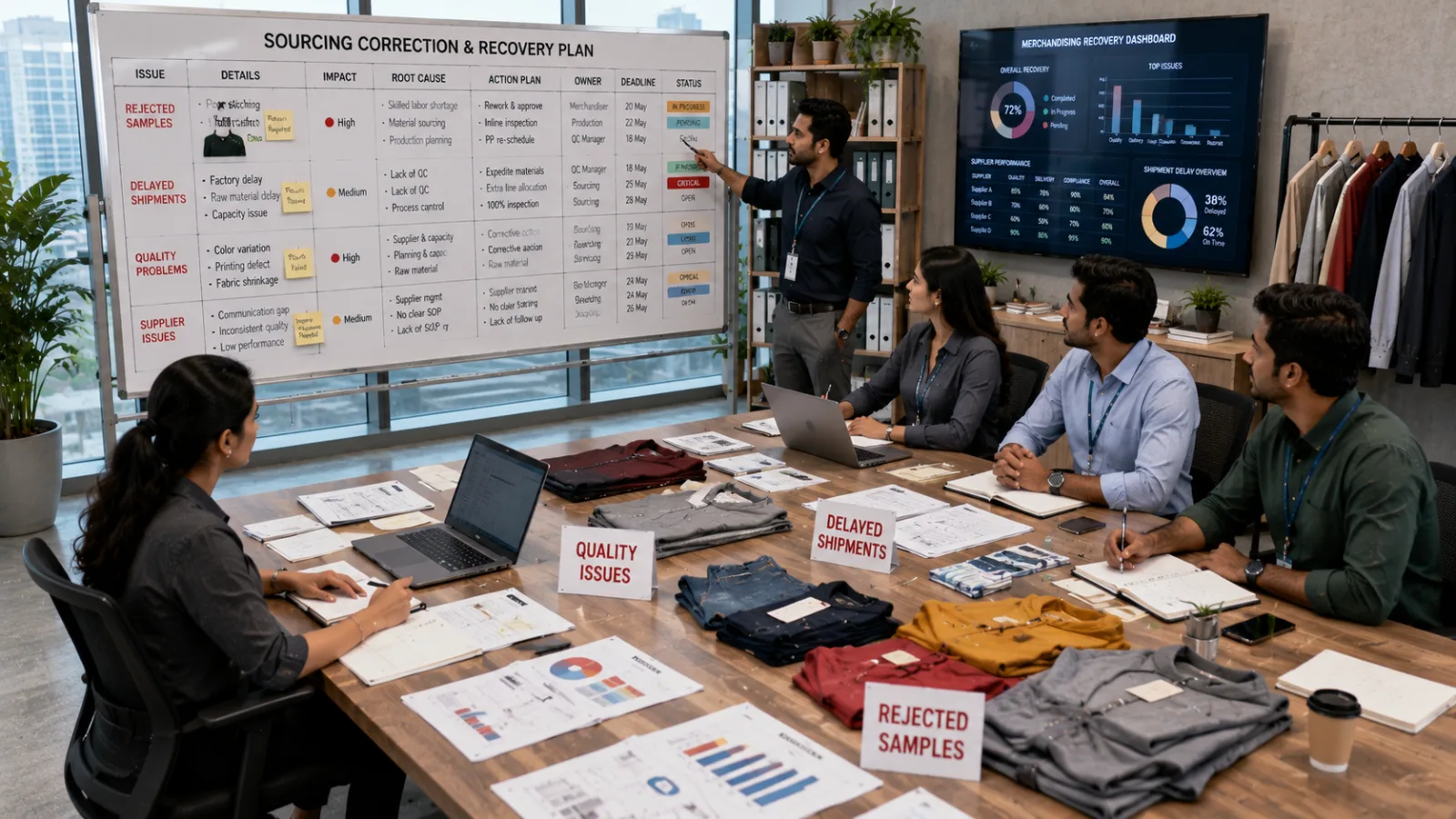
Common Merchandising Mistakes Buying Offices Should Avoid
Even experienced buying offices sometimes make costly operational mistakes.
Choosing Suppliers Only Based on Price
Cheap factories often create quality problems later.
Weak Sampling Systems
Poor sample management increases production risks.
Unrealistic Timelines
Overpromising delivery schedules creates shipment failures.
Ignoring Compliance
Ethical sourcing problems damage brand reputation.
Poor Documentation
Missing technical details create production confusion.
Weak Quality Monitoring
Insufficient inspections increase defect risks.
Strong merchandising systems help buying offices reduce these operational problems significantly.
Future Trends in Buying Office Merchandising
The global apparel industry continues evolving rapidly.
Nearshoring
Brands increasingly source closer to retail markets for faster delivery.
Sustainable Manufacturing
Eco-conscious sourcing continues growing globally.
AI-Driven Merchandising
Artificial intelligence improves forecasting and planning.
Virtual Product Development
3D garment sampling reduces development time and costs.
Faster Production Cycles
Speed-to-market is becoming more important every year.
Buying offices that adapt to these trends will remain more competitive in the future.
Final Thoughts
Merchandising plans are one of the most important foundations of successful sourcing operations in buying offices.
In today’s highly competitive apparel industry, sourcing success depends on much more than simply finding garment factories. Buying offices must coordinate:
- Product development
- Supplier sourcing
- Sampling
- Costing
- Production planning
- Quality control
- Compliance management
- Shipment coordination
Strong merchandising systems help buying offices improve operational efficiency, reduce sourcing risks, maintain product consistency, and build stronger supplier partnerships. As global apparel sourcing becomes more complex, buying offices that invest in structured merchandising strategies, sustainable sourcing systems, digital transformation, and transparent communication will continue to stand out in the industry.
Ultimately, successful sourcing is not only about manufacturing garments. It is about building reliable operational systems, trusted supplier relationships, and long-term production excellence across the global fashion supply chain.