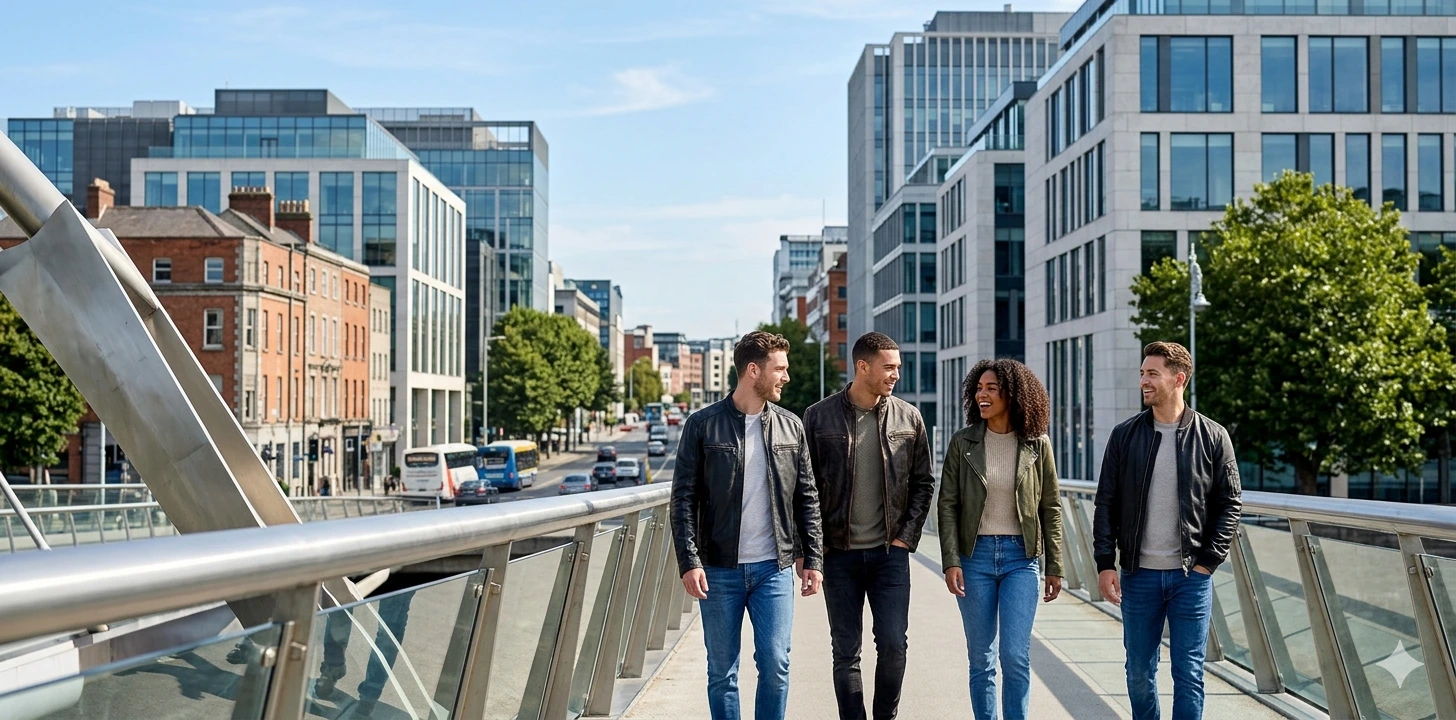
Explore the history and evolution of the iconic leather jacket, from its military roots to its status as a timeless symbol of rebellion and style.
Leather jackets are more than outerwear. They are symbols of confidence, rebellion, craftsmanship, and timeless style. From military aviation to Hollywood films, punk music, street fashion, and luxury runways, the leather jacket has remained one of fashion’s most powerful icons.
Why Leather Jackets Still Matter in Fashion
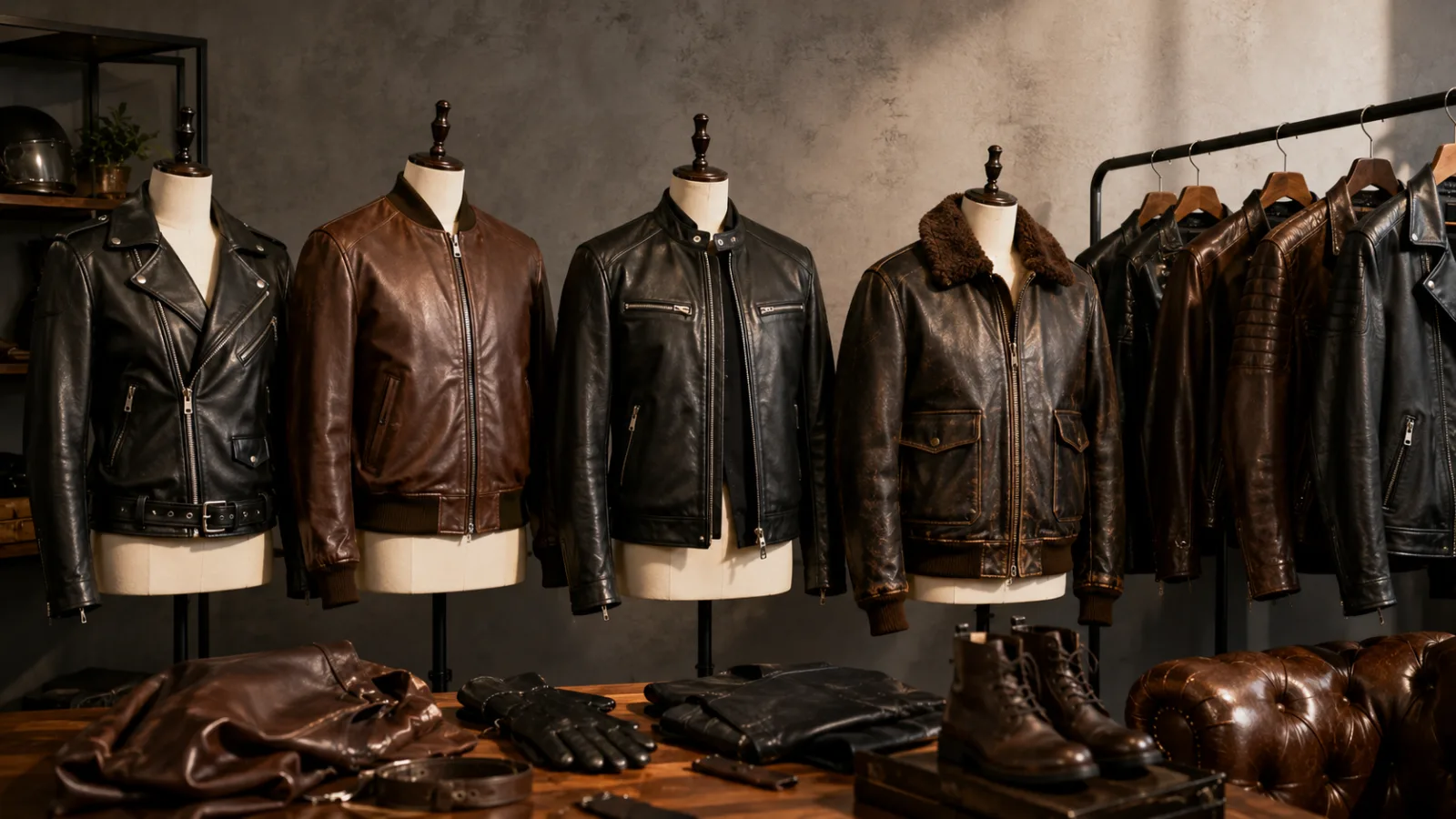
Leather jackets have survived decades of changing trends because they carry both function and emotion. They protect, age beautifully, and become more personal over time. Unlike many seasonal fashion pieces, a well-made leather jacket can stay relevant for years. A leather jacket also has a rare ability to shift identity depending on how it is styled. With denim and boots, it feels rugged. With tailored trousers, it feels polished. With a dress, it feels modern and effortless. With patches or custom artwork, it becomes personal and expressive.
For fashion brands, leather jackets remain valuable because they sit at the intersection of heritage, durability, luxury, and lifestyle. They are not just garments people buy for one season. They are investment pieces customers often associate with identity, confidence, and self-expression.
Key reasons leather jackets remain popular:
- Timeless appeal: A classic leather jacket does not feel outdated quickly.
- Strong styling flexibility: It works with casual, formal, streetwear, and luxury outfits.
- Durability: High-quality leather can last for many years with proper care.
- Emotional value: Leather jackets often become personal signature pieces.
- Cultural influence: Film, music, and celebrity style keep the jacket relevant.
- Genderless appeal: Many styles work across men’s, women’s, and unisex fashion.
A Brief History of the Leather Jacket
Origins and Evolution
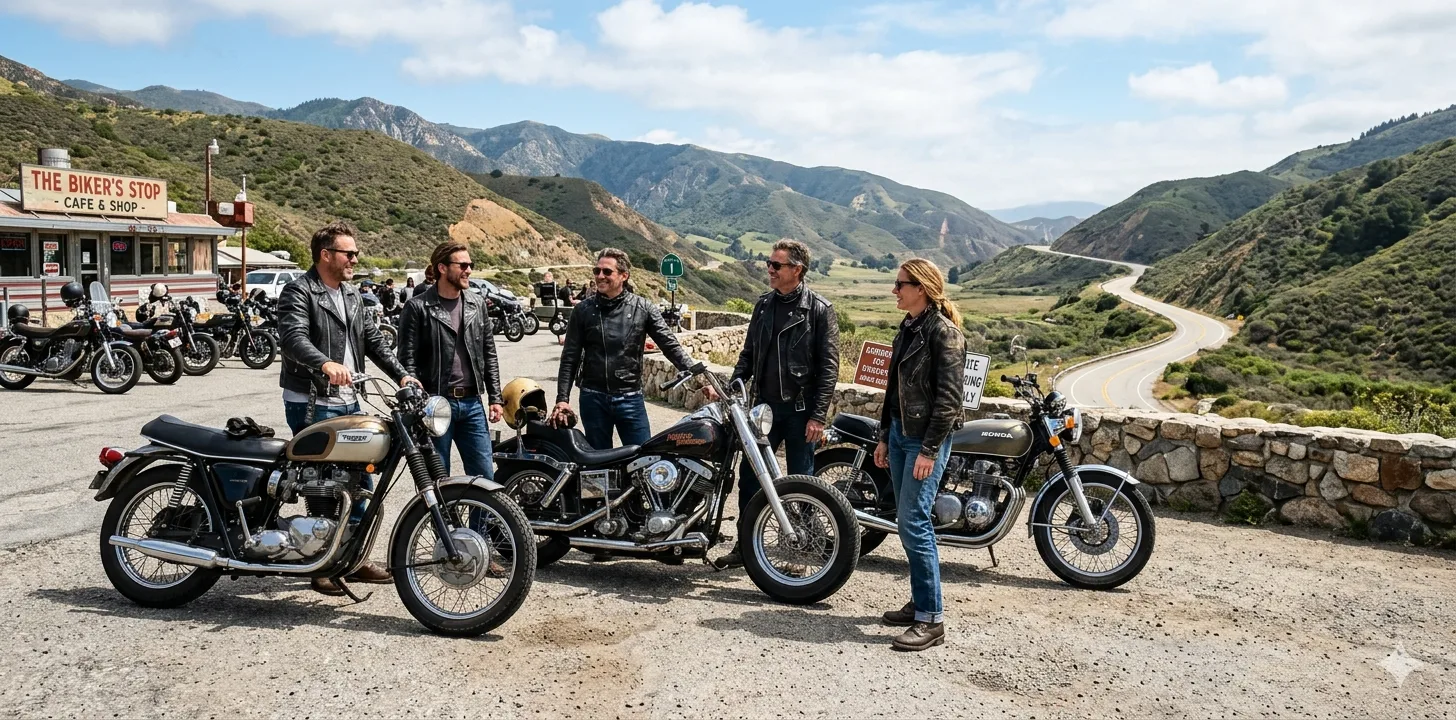
The origins of the leather jacket can be traced back to the early 20th century, when leather outerwear was valued for warmth, wind resistance, and durability. Aviators, military personnel, motorcyclists, and outdoor workers needed garments that could handle demanding conditions.
During the First World War era, pilots required heavy-duty jackets to protect them in open cockpits and cold flying conditions. Leather became an ideal material because it offered insulation and protection while remaining flexible enough for movement. This connection with aviation gave the leather jacket its first strong identity: brave, practical, and rugged.
As motorcycles became more popular, leather jackets entered another important chapter. Riders needed protection from wind, road conditions, and weather. The leather motorcycle jacket was shaped by that need. Features like secure zippers, strong seams, waist belts, and fitted shapes were not just decorative. They served a practical purpose. Over time, the leather jacket became associated with people who lived boldly: pilots, riders, soldiers, racers, and explorers. This foundation helped the jacket develop its lasting connection with freedom and courage.
The 1950s: The Rise of the Rebels
The 1950s transformed the leather jacket from functional outerwear into a cultural symbol. Film played a major role in this shift. When actors like Marlon Brando and James Dean appeared in rebellious youth roles, their jackets became part of the characters’ attitude.
The black leather motorcycle jacket became more than a garment. It represented independence, danger, confidence, and resistance to social expectations. Young people saw it as a way to express a different identity. It was not polished like a suit or traditional like a wool coat. It was sharp, bold, and slightly defiant.
This decade helped define the leather jacket’s emotional power. It became connected to youth culture, personal freedom, and anti-establishment style. That rebel identity has never fully disappeared. Even today, a black biker jacket still carries a little edge, no matter how modern or luxury the design becomes.
From Punk to Pop: The Leather Jacket in Music
By the 1970s, the leather jacket had become deeply connected with music. Punk rock bands embraced leather jackets as part of their visual identity. The look was raw, direct, and rebellious. Jackets were often decorated with studs, paint, patches, safety pins, slogans, and distressed finishes.
This customization made the leather jacket feel even more personal. It was no longer only about buying a garment. It became a canvas for attitude, music taste, political ideas, and belonging. In the 1980s, leather jackets moved further into mainstream pop culture. Music videos, stage performances, and celebrity fashion introduced more dramatic designs. Bright colors, strong shoulders, metallic details, cropped cuts, and bold silhouettes brought leather jackets into a wider style conversation. From underground punk clubs to global pop stages, the leather jacket proved it could adapt without losing its identity.
Iconic Leather Jacket Styles
The Classic Biker Jacket
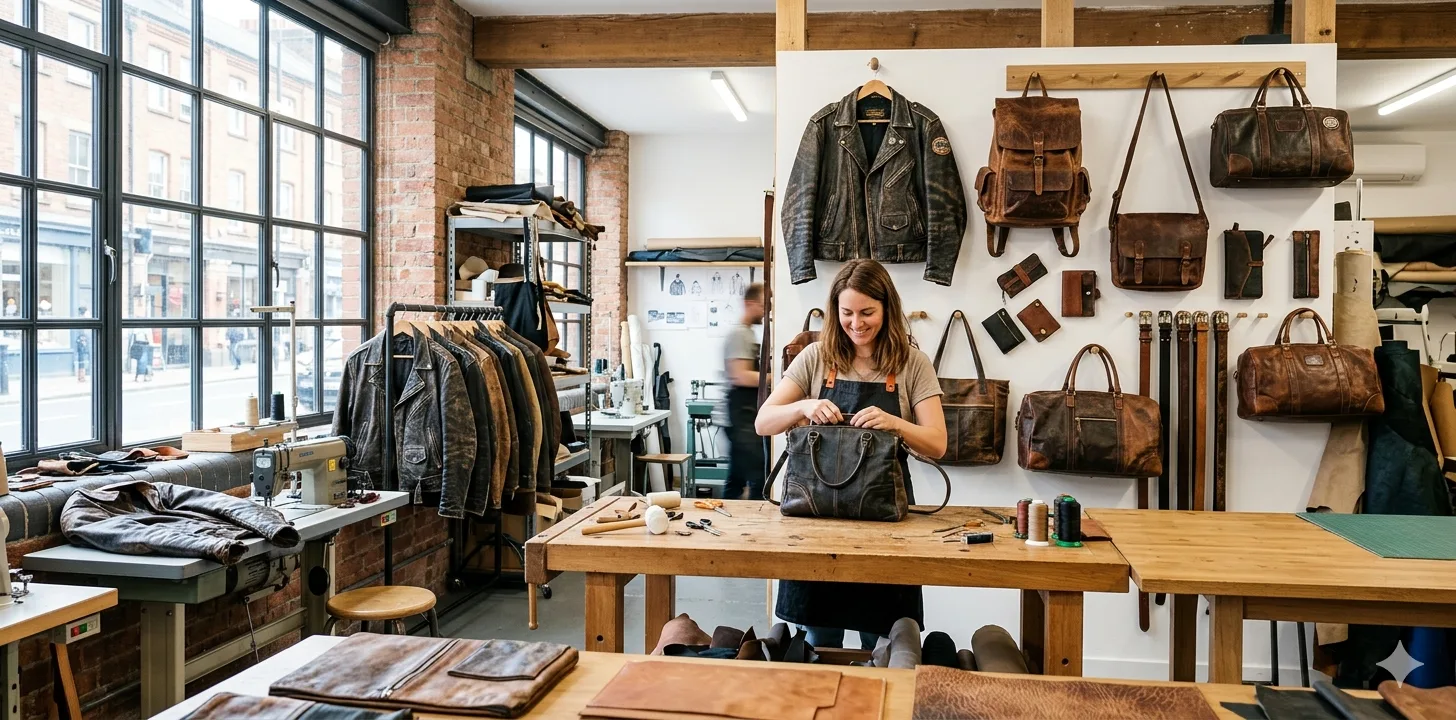
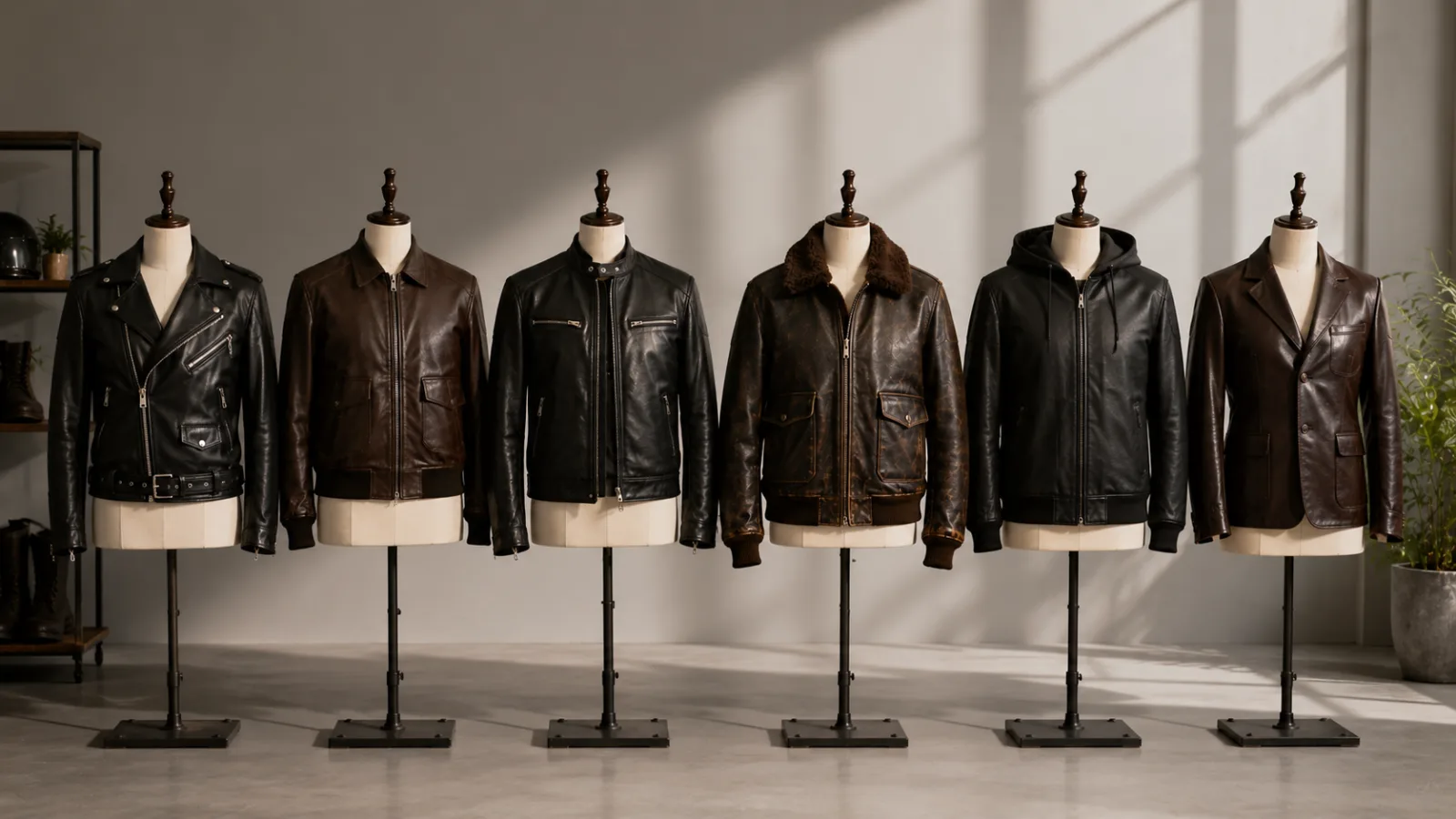
The biker jacket is one of the most recognizable leather jacket styles in the world. It is usually defined by an asymmetrical front zipper, wide lapels, metal hardware, zipped pockets, a belted waist, and a cropped or hip-length fit. Originally designed for motorcyclists, the biker jacket was built for protection and practicality. The asymmetrical zipper helped block wind, while the fitted shape reduced excess fabric during riding. Over time, those functional details became visual signatures.
Today, the biker jacket is loved because it instantly adds edge to an outfit. It can be styled with denim, boots, T-shirts, dresses, hoodies, or tailored trousers. A clean black biker jacket is one of the most versatile pieces in modern wardrobes.
Best for:
Streetwear, casual outfits, rock-inspired fashion, edgy styling, transitional layering.
Style tip:
Pair a biker jacket with simple basics when you want the jacket to stand out. A white T-shirt, straight-leg jeans, and boots create a classic look.
The Bomber Jacket
The bomber jacket has military roots and was originally designed for warmth and function. It is usually recognized by its rounded shape, zip front, ribbed cuffs, ribbed hem, and relaxed fit. Some bomber jackets feature shearling collars or insulated linings. Unlike the biker jacket, which feels sharp and rebellious, the bomber jacket feels more casual and approachable. It works well with denim, chinos, sweatshirts, sneakers, and everyday layering.
Leather bomber jackets are especially popular because they offer a balance of ruggedness and comfort. They can look vintage, sporty, luxurious, or minimal depending on the leather finish and cut.
Best for:
Casual wear, everyday outfits, vintage styling, fall and winter layering.
Style tip:
Choose a slightly relaxed bomber jacket if you want a modern fit. Avoid overly bulky cuts unless you are intentionally going for a vintage aviation look.
The Racer Jacket
The racer jacket, also called the café racer jacket, is known for its clean and minimal design. It usually features a straight front zipper, slim fit, band collar, and very little hardware.
This style became popular through motorcycle and racing culture, especially among riders who preferred a streamlined jacket. Unlike the biker jacket, the racer jacket avoids large lapels and heavy detailing. Its strength is simplicity. The racer jacket is ideal for people who want a leather jacket that feels modern, sharp, and understated. It works well with slim jeans, boots, plain T-shirts, knitwear, and even casual office outfits.
Best for:
Minimalist wardrobes, smart casual dressing, sleek menswear and womenswear styling.
Style tip:
A dark brown or black racer jacket is one of the easiest leather jacket styles to dress up.
The Flight Jacket
The flight jacket is rooted in aviation history. It often has a rugged shape, warm lining, large pockets, and sometimes shearling trim. It shares similarities with bomber jackets but usually has a stronger heritage feel. Flight jackets were originally made to protect pilots from cold conditions. Modern versions keep many of those practical details while adapting the fit for everyday wear.
A leather flight jacket feels adventurous and masculine, but it can also be styled in a refined way. It pairs well with boots, denim, cargo pants, knitwear, and vintage-inspired outfits.
Best for:
Cold weather, heritage fashion, vintage styling, rugged casual outfits.
Style tip:
If you choose a shearling-lined flight jacket, keep the rest of the outfit simple to avoid too much bulk.
5. The Leather Trench Coat
The leather trench coat is dramatic, long, and highly visual. It combines the structure of a classic trench coat with the boldness of leather. This style became especially memorable through film, futuristic styling, and high-fashion editorials.
Leather trench coats can feel mysterious, powerful, and fashion-forward. They are not as easy to wear every day as biker or bomber jackets, but they make a strong statement.
Best for:
Editorial fashion, dramatic styling, winter layering, bold personal style.
Style tip:
Choose a clean silhouette and avoid too many extra details if you want the coat to feel modern rather than costume-like.
6. The Leather Blazer
The leather blazer is a polished alternative to casual leather jackets. It combines tailoring with the texture of leather, making it suitable for smart casual outfits, office-inspired looks, dinner styling, and modern luxury wardrobes.
Leather blazers can be single-breasted, double-breasted, oversized, cropped, or fitted. Black and brown are classic, but cream, burgundy, olive, and chocolate tones are also popular.
Best for:
Smart casual outfits, fashion-forward officewear, elevated evening looks.
Style tip:
Wear a leather blazer with wide-leg trousers or a slip dress for an elegant, modern look.
Leather Jacket Style Comparison
The Impact of Leather Jackets on Fashion
Endurance in Style
The leather jacket has remained relevant because it can absorb new trends without losing its core identity. In one decade, it may be linked to rock music. In another, it may appear on luxury runways. It can look vintage, futuristic, rugged, or minimalist.
Its endurance also comes from practicality. A good leather jacket is not just attractive. It is wearable, protective, and long-lasting. This combination of function and style makes it more durable as a fashion category. While many trends disappear quickly, leather jackets keep returning because they offer something deeper than novelty. They carry history, personality, and confidence.
A Symbol of Individuality
Leather jackets are often connected to personal expression. People customize them with patches, embroidery, studs, paint, distressing, or unique linings. Even without customization, leather naturally changes over time. Creases, marks, and softened areas make each jacket more personal.
This is one reason customers develop an emotional attachment to leather jackets. A jacket may remind them of travel, concerts, relationships, creative periods, or important life moments. The more it is worn, the more it becomes part of the wearer’s story. For brands, this emotional quality is powerful. It allows leather jackets to be marketed not just as products, but as long-term wardrobe companions.
Leather Jackets in Pop Culture
Pop culture has played a major role in turning leather jackets into icons. Film characters, musicians, performers, and celebrities have used leather jackets to communicate attitude before saying a word.
A leather jacket can make a character look dangerous, adventurous, rebellious, futuristic, romantic, or effortlessly cool. Costume designers often use leather to build identity quickly because the audience already understands its visual language.
This cultural power has helped leather jackets move across generations. Parents, teenagers, musicians, bikers, actors, designers, and collectors may all value leather jackets for different reasons, but the emotional pull remains strong.
Iconic Leather Jackets in History
Marlon Brando’s Motorcycle Jacket Influence
Marlon Brando’s motorcycle jacket look became one of the defining images of rebellious style. The black leather biker jacket, paired with a confident attitude, helped turn motorcycle outerwear into a symbol of youth defiance. This style influence is still visible today. Many modern biker jackets use the same essential elements: asymmetrical zippers, wide lapels, metal hardware, and a cropped fit.
James Dean's Red Harrington Jacket
While James Dean is most notably associated with his black leather biker jacket, his red Harrington jacket in "Rebel Without a Cause" is also iconic. This traditional yet rebellious look captured the essence of 1950s youth culture.
Michael Jackson's 'Thriller' Jacket
Michael Jackson’s red leather jacket from the “Thriller” era became one of the most recognizable pop fashion pieces in music history. Its bold color, sharp shape, and performance-ready design showed that leather jackets could be theatrical, glamorous, and unforgettable. This jacket helped move leather beyond black biker styles. It showed how color, structure, and stage presence could transform a leather jacket into a global pop culture symbol.
Indiana Jones' Fedora and Jacket Combo
Harrison Ford's Indiana Jones character is known not only for his adventurous spirit but for his rugged flight jacket that epitomizes the adventurous archaeologist. This jacket represents an ideal blend of practical and timeless style.
The ‘Matrix’ Trench Coat
The long black leather coat associated with “The Matrix” created a futuristic fashion image that influenced late 1990s and early 2000s style. It was sleek, mysterious, and dramatic. Although it is not a traditional short leather jacket, it became part of leather fashion history because it expanded what leather outerwear could represent. Instead of rugged rebellion, it offered digital-age coolness and cinematic minimalism.
How to Choose the Perfect Leather Jacket
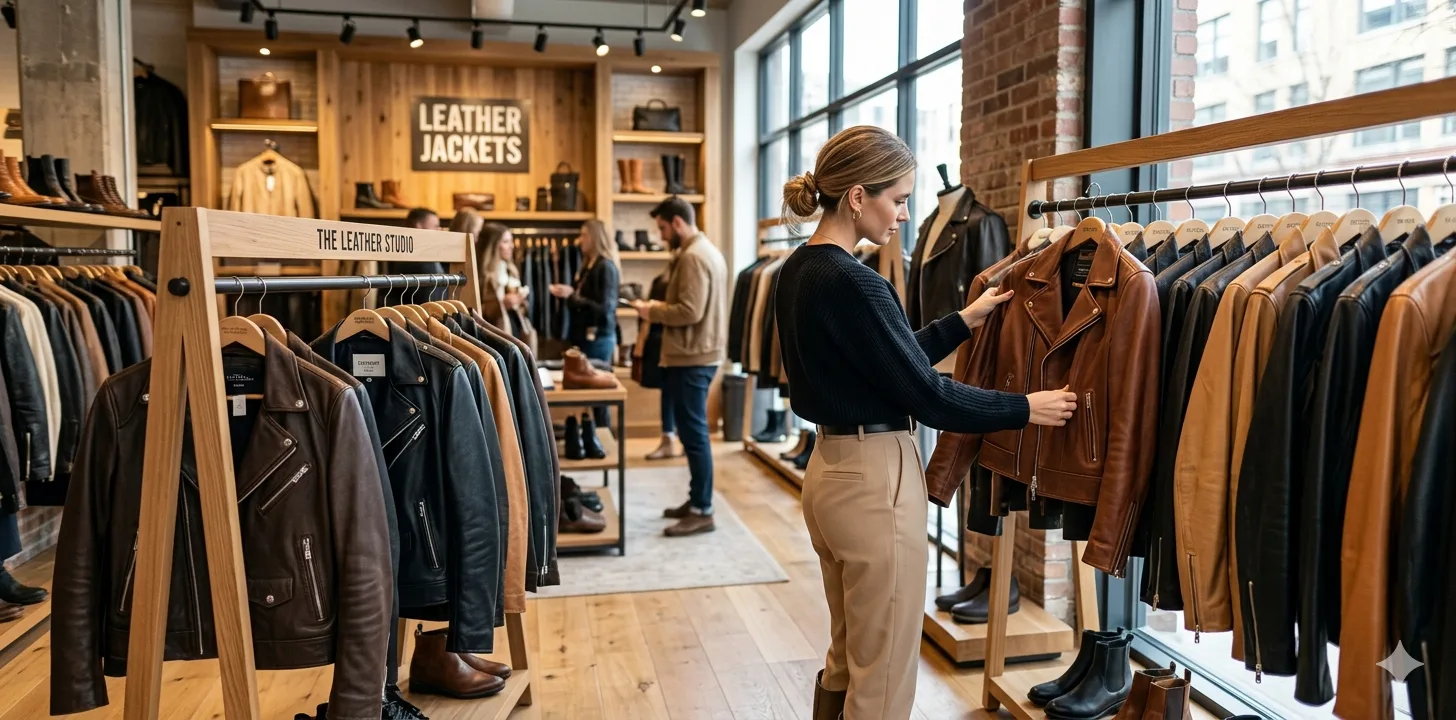
Buying a leather jacket is different from buying a basic fashion item. The material, fit, weight, lining, hardware, and construction all matter. A good jacket should suit your body, lifestyle, climate, and long-term wardrobe.
1. Choose the Right Leather Type
Different leather types create different looks and performance levels. The best choice depends on whether you want softness, toughness, luxury, or everyday wearability.
- Lambskin leather:
- Soft, smooth, lightweight, and luxurious. It is ideal for fashion jackets, but it may be more delicate than heavier hides.
- Cowhide leather:
- Strong, durable, and rugged. It is often used for biker jackets, protective jackets, and long-lasting outerwear.
- Goatskin leather:
- Durable but lighter than cowhide. It often has a textured grain and works well for flight jackets and casual styles.
- Sheepskin leather:
- Soft and warm, often used with shearling lining. It is popular in aviator and winter jackets.
- Suede leather:
Made from the underside of the hide, suede has a soft, matte texture. It looks stylish but requires more careful maintenance.
2. Understand Fit and Shape
Fit can completely change how a leather jacket looks. A biker jacket usually works best when it sits close to the body. A bomber jacket can be more relaxed. A leather blazer may need shoulder structure. A trench coat needs proper length and movement. A good leather jacket should allow comfortable arm movement without looking oversized in the wrong places. Shoulder seams should sit naturally. Sleeves should not be too long. The jacket should close properly without pulling across the chest.
Fit checklist:
- Shoulders sit naturally.
- Sleeves end around the wrist.
- Zipper or buttons close without strain.
- Arm movement feels comfortable.
- Waist length suits your body shape.
- Lining does not twist or bunch.
- The jacket feels structured but not stiff.
Placement Instruction: Add this after leather types because shoppers usually need fit guidance immediately after material guidance.
3. Match the Jacket to Your Lifestyle
Before buying a leather jacket, think about how you will actually wear it. A dramatic leather trench may look amazing, but it may not be practical for daily use. A minimal racer jacket may be easier to wear often. A shearling flight jacket may be ideal for cold weather but too warm for mild climates.
- Choose a biker jacket if:
- You want an edgy, classic, statement-making piece.
- Choose a bomber jacket if:
- You want comfort, warmth, and everyday wearability.
- Choose a racer jacket if:
- You prefer clean, minimal, modern style.
- Choose a flight jacket if:
- You like heritage fashion and need warmth.
- Choose a leather blazer if:
- You want something polished and slightly dressier.
- Choose a leather trench if:
- You want a bold statement piece.
4. Check Construction Quality
Leather jacket quality is not only about leather. Construction matters just as much. Poor stitching, weak zippers, thin lining, and uneven panels can make even good leather feel cheap.
Look for even seams, strong hardware, smooth lining, secure pockets, clean edges, and balanced panels. High-quality leather jackets often feel substantial without being uncomfortable.
Quality details to inspect:
- Strong zipper movement.
- Even stitching.
- Clean seam finishing.
- Durable lining.
- Proper pocket placement.
- Smooth collar shape.
- Consistent leather texture.
- No unpleasant chemical smell.
- No loose threads or weak hardware.
Material Matters
Choosing the right leather material is crucial for both style and durability. Lambskin offers a soft, lightweight feel, ideal for fashion-forward individuals, while cowhide and goatskin provide robust, wear-resistant options.
Fit and Functionality
When selecting a leather jacket, consider its intended use. A biker jacket might require a snug fit for riding, while a bomber jacket could offer more relaxed comfort. Ensure that the jacket aligns with your personal style and wardrobe needs.
Care and Maintenance
A leather jacket is an investment. Regular maintenance, such as conditioning with leather creams and keeping it away from excessive moisture, can prolong its life and maintain its appearance over time.
The Future of Leather Jackets
Sustainability in Leather Production
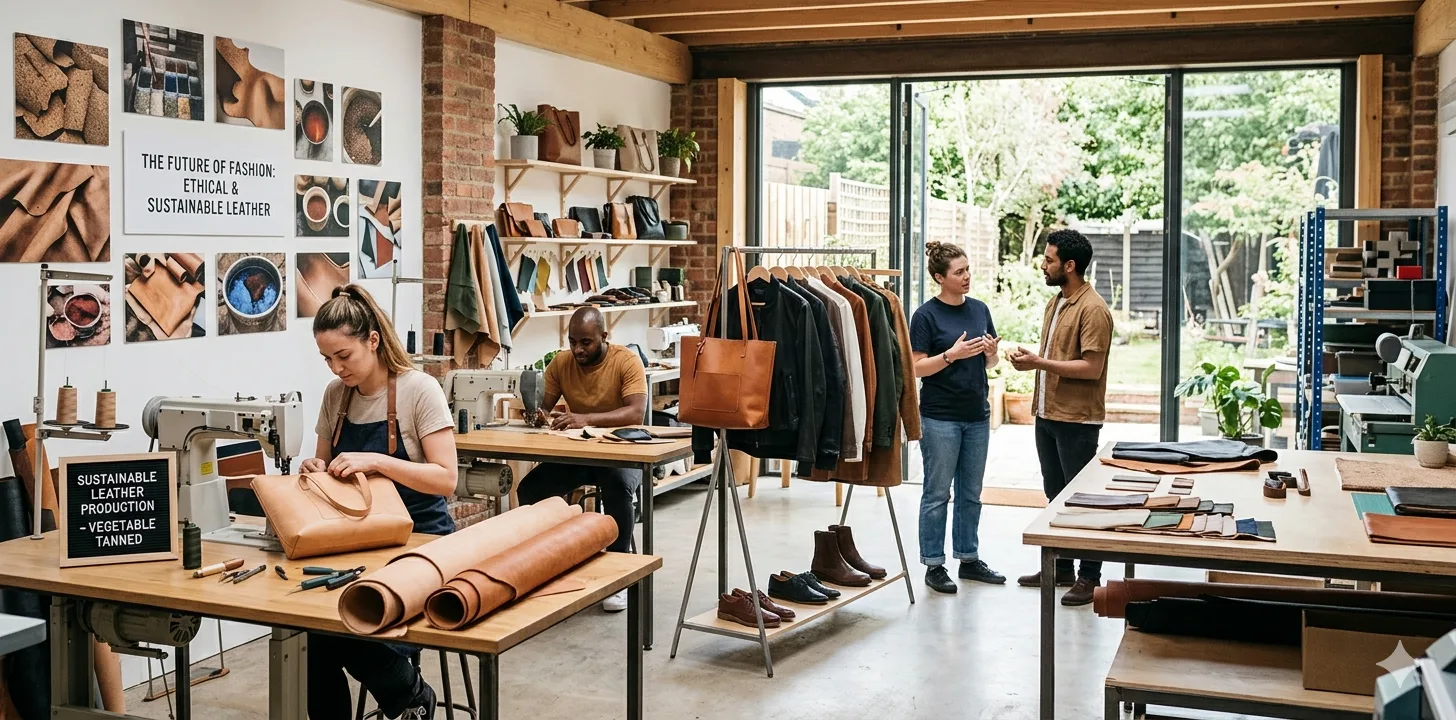
As fashion embraces more sustainable practices, the leather industry is exploring eco-friendly alternatives and ethical sourcing. With innovations like lab-grown leather and recycled materials, the future of leather jackets looks promising in maintaining both style and sustainability.
Reviving Vintage Styles
Nostalgia continues to play a significant role in fashion, and leather jackets are no exception. Vintage styles, or pieces inspired by them, bring a unique charm and evoke a rich history that modern styles may lack.
Technology and Leather Fashion
The integration of technology in fashion is another avenue for the evolution of leather jackets. Smart textiles and wearable tech could add a futuristic twist to this classic staple, blending functionality with style.
Frequently Asked Questions About Leather Jackets
Placement Instruction: Add this FAQ section near the bottom of the article. Use FAQ schema in your SEO plugin if possible.
1. Are leather jackets still in style?
Yes, leather jackets are still in style because they are timeless, versatile, and adaptable. Classic styles like biker jackets, bomber jackets, racer jackets, and leather blazers continue to appear in everyday wardrobes, streetwear, and luxury fashion.
2. What is the most classic leather jacket style?
The black biker jacket is one of the most classic leather jacket styles. It is known for its asymmetrical zipper, lapel collar, fitted shape, and rebellious fashion history. However, bomber and racer jackets are also considered timeless.
3. Which leather is best for jackets?
The best leather depends on the purpose. Lambskin is soft and luxurious, cowhide is strong and durable, goatskin is flexible and tough, and sheepskin is warm and comfortable. For everyday fashion, lambskin and goatskin are popular. For rugged use, cowhide is often preferred.
4. How should a leather jacket fit?
A leather jacket should fit comfortably through the shoulders and chest without pulling. Sleeves should end near the wrist, and the jacket should allow natural movement. Biker and racer jackets usually look best with a closer fit, while bomber and flight jackets can be slightly relaxed.
5. How long can a leather jacket last?
A high-quality leather jacket can last for many years, and sometimes decades, with proper care. Longevity depends on leather quality, construction, storage, cleaning, conditioning, and how often the jacket is worn.
Conclusion
Leather jackets have earned their place as one of fashion’s most iconic products. What started as practical outerwear for pilots, riders, and military personnel became a global symbol of rebellion, confidence, individuality, and timeless style. From the classic biker jacket to the bomber, racer, flight jacket, leather blazer, and dramatic trench coat, each style carries its own history and personality. Some jackets feel rugged. Some feel polished. Some feel rebellious. Some feel cinematic. That flexibility is exactly why leather jackets continue to survive changing trends.
As fashion moves toward sustainability, vintage revival, better sourcing, and technology-driven production, the leather jacket will continue to evolve. But its core appeal will remain the same. A great leather jacket is not just something you wear. It is something that becomes part of your story.