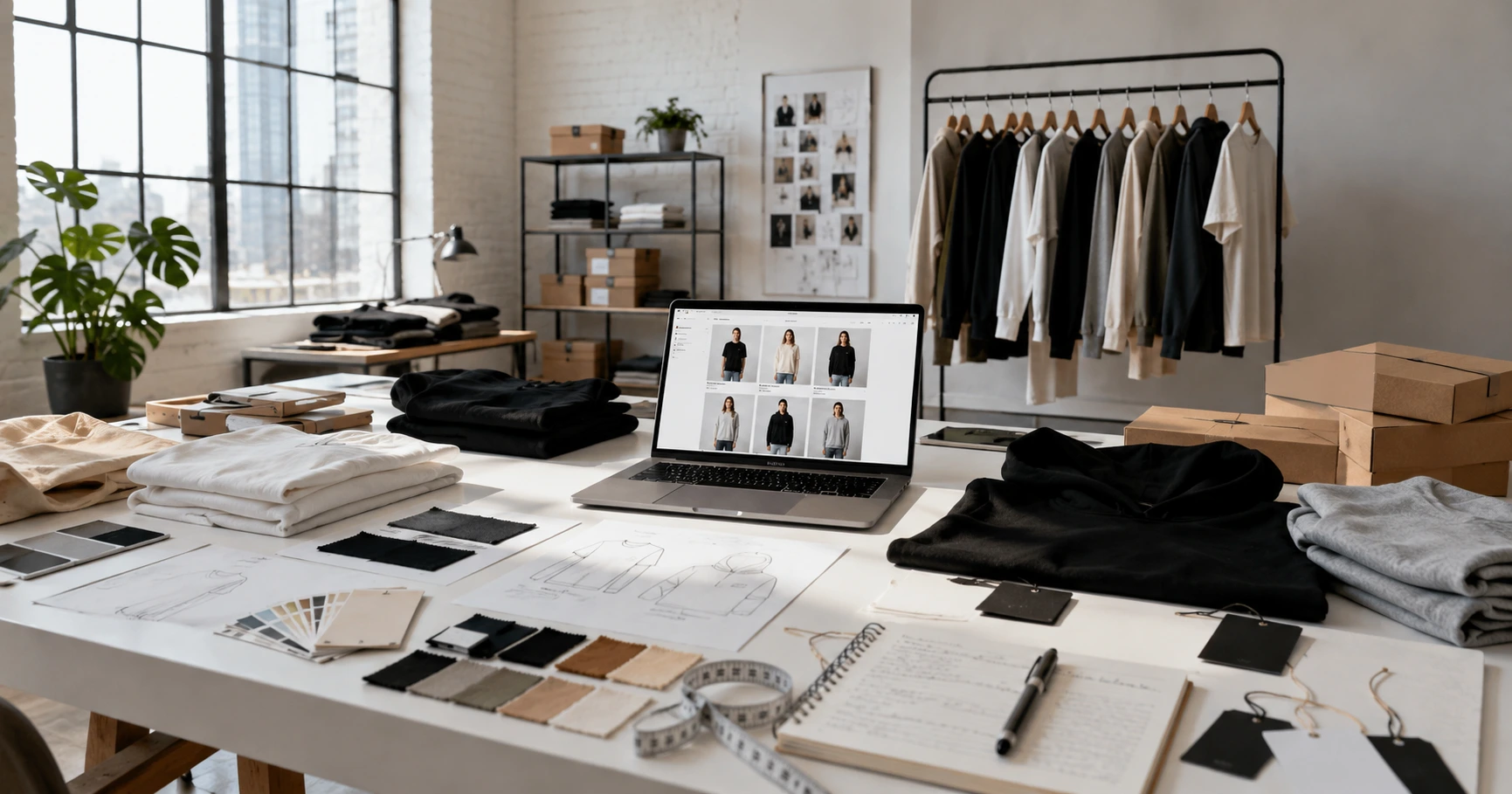
Starting a clothing brand in 2024 is more accessible than ever, but building a brand that actually survives is still challenging. Anyone can design a logo, print a few T-shirts, create an Instagram page, and call it a fashion label. The hard part is creating a brand people understand, trust, remember, and want to buy from again.
The clothing market is crowded. Customers have more choices, more style inspiration, and higher expectations than before. They care about quality, fit, pricing, sustainability, delivery experience, brand values, and how the product makes them feel. That means your clothing brand needs more than attractive designs. It needs a clear identity, a strong target audience, reliable production, proper pricing, smart marketing, and a customer experience that feels professional from day one.
This step-by-step guide will walk you through how to start a clothing brand in 2024, from choosing your niche and building your brand identity to sourcing manufacturers, launching your first collection, and marketing your products online.

What Does It Really Mean to Start a Clothing Brand?
Starting a clothing brand means building a business around a specific fashion concept, audience, and product range. It is not only about making clothes. It is about creating a complete experience around what your clothes represent.
A successful clothing brand usually includes:
- A clear target customer
- A defined style or niche
- Strong brand positioning
- Product designs that solve a need or express an identity
- Reliable sourcing and production
- Quality control
- Pricing strategy
- Ecommerce or retail sales channels
- Marketing and customer retention
For example, a streetwear brand might focus on oversized silhouettes, bold graphics, cultural storytelling, and limited drops. A sustainable fashion brand might focus on organic fabrics, ethical production, natural colors, and transparency. A premium basics brand might focus on timeless fits, durable fabric, and everyday comfort.
The more specific your brand becomes, the easier it is for customers to understand why they should buy from you instead of a generic clothing store.
Step 1: Choose a Profitable Clothing Brand Niche
Your niche is the specific area of fashion your brand will focus on. Choosing a niche helps you avoid trying to sell everything to everyone. It gives your brand direction and makes your marketing easier.
A niche can be based on product type, lifestyle, audience, price point, fabric choice, design style, or values.
Some clothing brand niche ideas include:
- Streetwear
- Sustainable fashion
- Activewear
- Kidswear
- Modest fashion
- Luxury basics
- Oversized T-shirts
- Custom denim
- Resort wear
- Workwear
- Plus-size fashion
- Maternity wear
- Minimalist wardrobe staples
- Gym clothing
- Handmade or artisan clothing
- Gender-neutral fashion
- Outdoor clothing
- Premium loungewear
The best niche sits at the intersection of three things: what you understand, what customers want, and what you can realistically produce.
For example, if you understand fitness culture and know what gym-goers struggle with, activewear could be a strong niche. If you care about ethical sourcing and natural fabrics, sustainable clothing might make more sense. If you are connected to a local creative culture, streetwear could give you a strong storytelling angle.
Before choosing your niche, ask yourself:
- What type of clothing do I genuinely understand?
- Who do I want to serve?
- What problem or desire does my clothing solve?
- Is there enough demand?
- Can I create something different from existing brands?
- Can I produce this niche within my budget?
A niche should not be too broad. “Women’s clothing” is too general. “Minimalist linen dresses for warm-weather travel” is more specific. “Men’s clothing” is too broad. “Premium oversized heavyweight T-shirts for streetwear lovers” is clearer. The clearer your niche, the stronger your brand message becomes.
Step 2: Research Your Target Audience
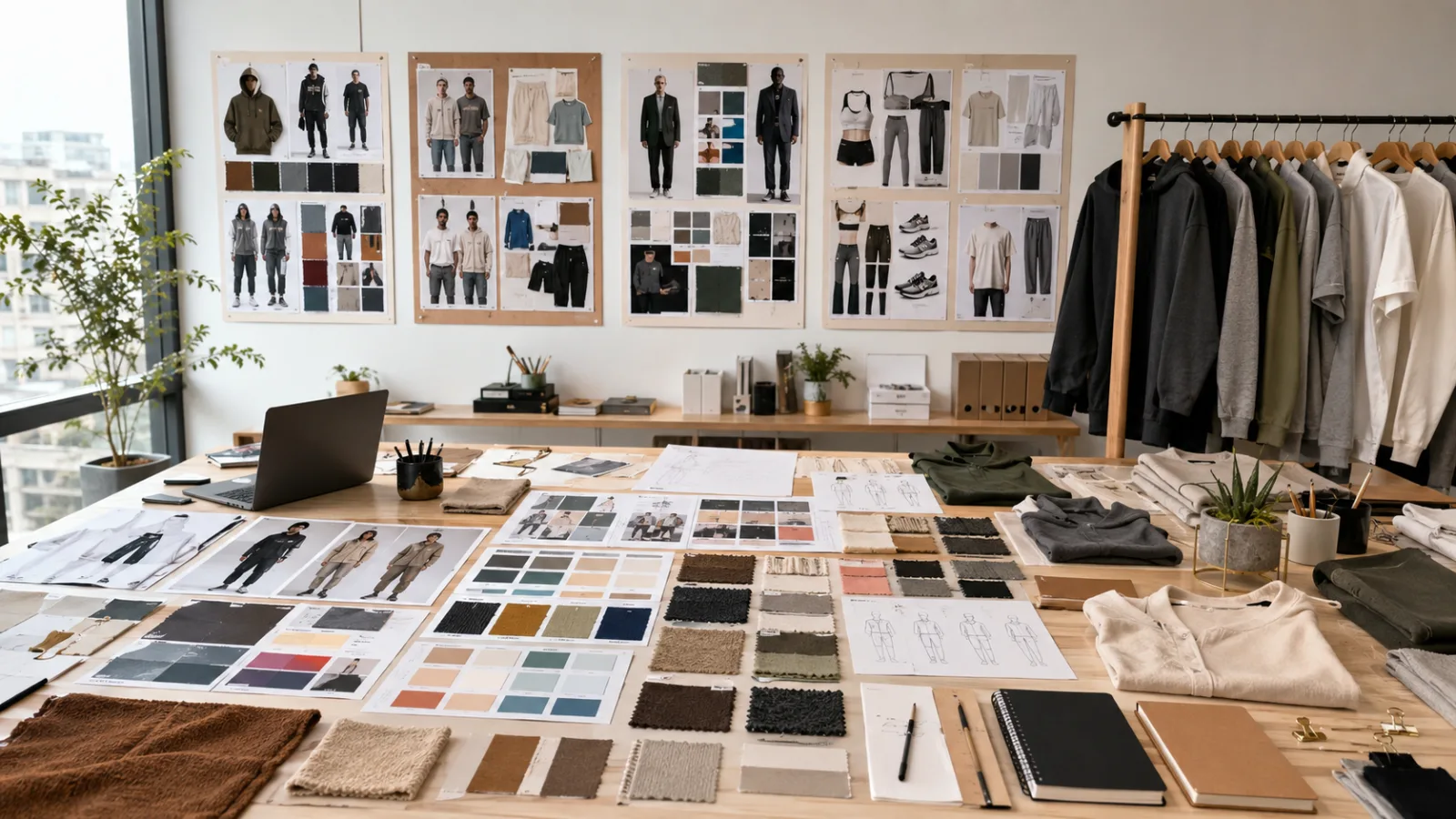
Your target audience is the group of people most likely to buy your clothing. Many new clothing brand owners make the mistake of designing products first and thinking about customers later. That usually leads to weak sales because the product may look nice but does not clearly connect with a real audience.
You need to understand your ideal customer before you design your collection.
Create a customer profile that answers:
- Who are they?
- How old are they?
- Where do they live?
- What is their lifestyle?
- What brands do they already buy?
- What price range feels comfortable for them?
- What fashion problems do they have?
- What social platforms do they use?
- What type of content influences their buying decisions?
- Do they care more about price, quality, trend, comfort, status, sustainability, or uniqueness?
For example, a college student buying graphic T-shirts may care about style, affordability, and cultural relevance. A working professional buying premium basics may care about quality, fit, durability, and clean design. A parent buying kids' wear may care about comfort, fabric safety, easy washing, and value.
Audience research helps you make better decisions about design, pricing, product photography, website copy, social media content, and advertising.
You can research your audience by:
- Studying competitor reviews
- Reading comments on fashion brand social media pages
- Browsing TikTok, Instagram, Pinterest, and Reddit fashion communities
- Asking questions through polls
- Talking directly to potential customers
- Studying Amazon, Etsy, and marketplace product reviews
- Looking at what people complain about in existing products
Customer complaints are especially valuable. If buyers often say a shirt shrinks after washing, you can focus on better fabric and pre-shrunk production. If customers complain that activewear is see-through, you can highlight squat-proof fabric. If buyers say sustainable fashion is too expensive, you can position your brand as affordable and transparent. Good clothing brands do not guess. They listen first.
Step 3: Define Your Brand Identity
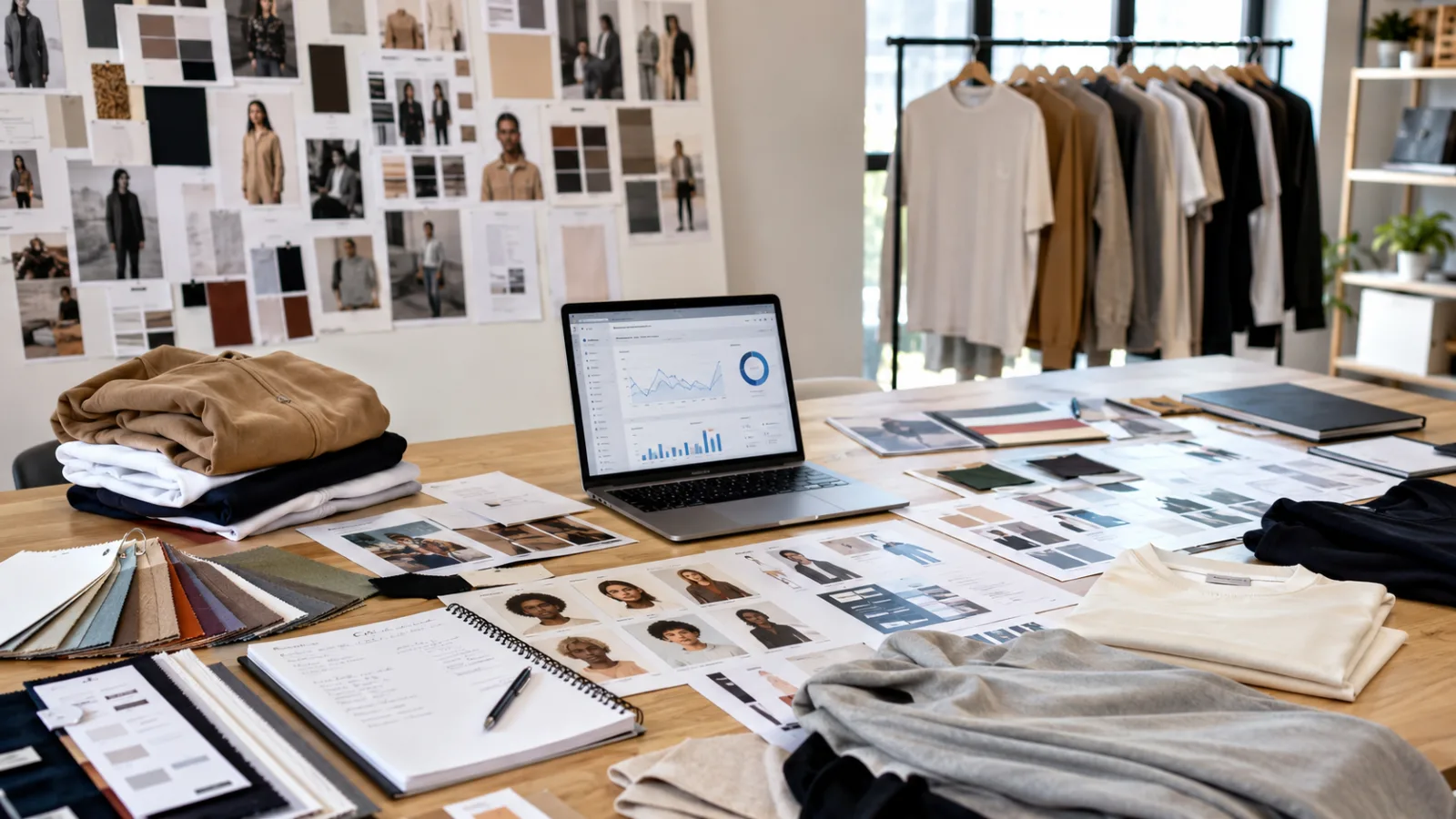
Brand identity is how your clothing brand looks, sounds, feels, and communicates. It includes your brand name, logo, color palette, typography, tone of voice, packaging style, photography style, values, and overall personality.
Your clothing brand identity should answer one important question: Why should people remember you?
A strong brand identity includes:
Brand Name
Choose a name that is easy to say, easy to spell, and flexible enough to grow with your brand. Avoid names that are too complicated or too close to existing fashion brands.
Before finalizing a name, check:
- Domain availability
- Social media handle availability
- Trademark conflicts
- Search engine visibility
- Pronunciation
- Cultural meaning in different markets
Brand Story
Your brand story explains why your clothing brand exists. It does not need to be dramatic. It just needs to feel real and relevant.
For example:
“We created this brand to make high-quality everyday clothing that feels comfortable, looks clean, and lasts beyond one season.”
Or:
“Our brand was built for people who want streetwear with cultural depth, better fabric, and responsible production.”
A strong brand story gives customers a reason to care.
Visual Identity
Your visual identity should match your niche. A luxury basics brand may use clean typography, neutral colors, and minimal photography. A streetwear brand may use bold visuals, urban photography, and stronger contrast. A kidswear brand may use warm colors, soft textures, and playful layouts.
Tone of Voice
Your tone of voice is how your brand speaks. It can be calm, bold, playful, premium, rebellious, educational, or community-driven.
For example, a sustainable clothing brand may sound transparent and thoughtful. A gym wear brand may sound energetic and performance-focused. A premium fashion brand may sound refined and minimal.
Consistency matters. Your website, product descriptions, emails, Instagram captions, packaging inserts, and customer service messages should all feel like they come from the same brand.
Step 4: Create a Clothing Brand Business Plan
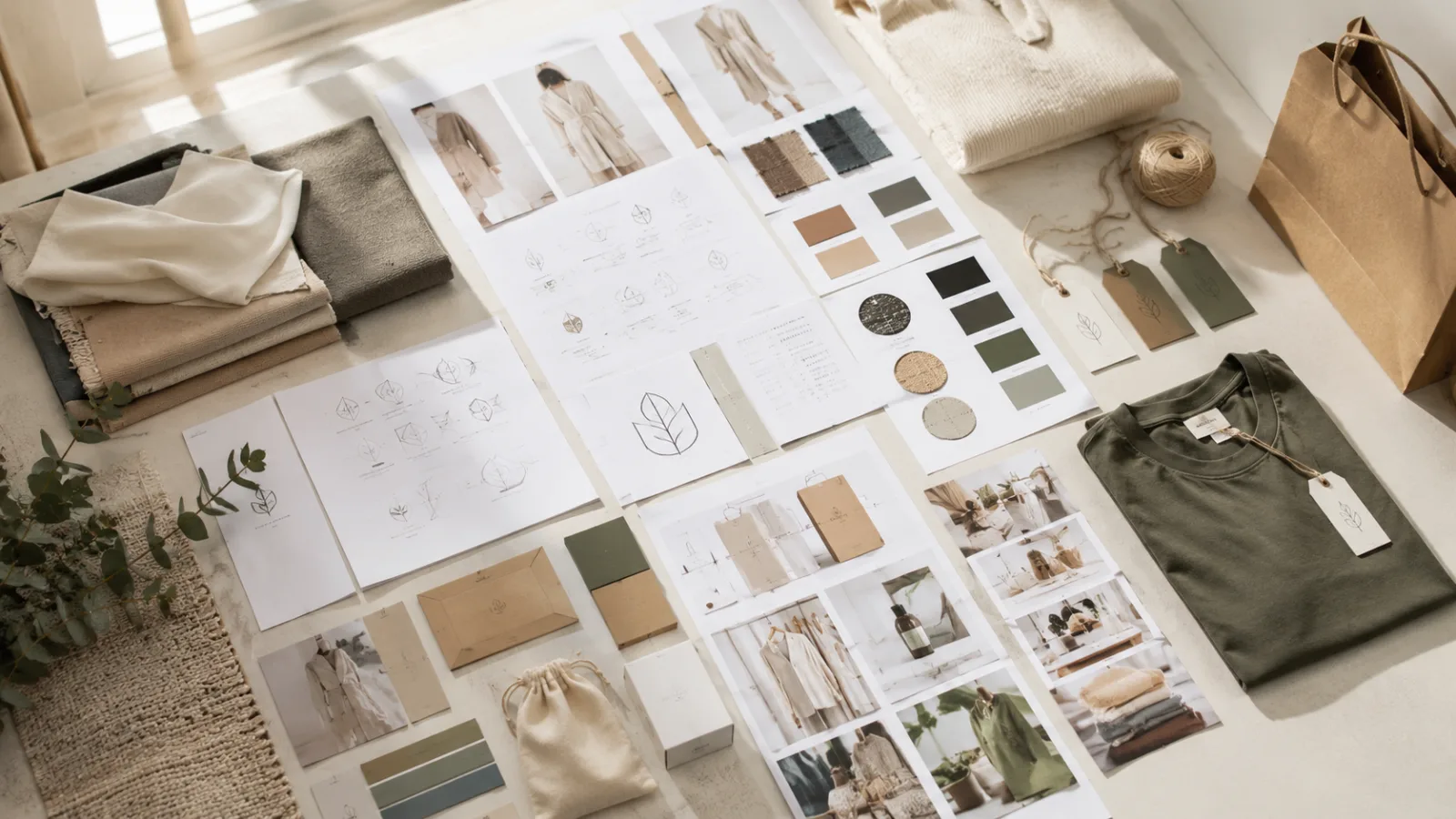
A business plan does not need to be a complicated document, but you do need a clear strategy. A clothing brand involves design, production, inventory, marketing, shipping, customer service, and cash flow. Without planning, it becomes easy to overspend or launch without enough structure.
Your clothing brand business plan should include:
Brand Overview
Write a short summary of your brand, niche, target audience, product category, and positioning.
Example:
“This brand sells premium oversized T-shirts and hoodies for young streetwear customers who want high-quality fabric, clean graphics, and limited seasonal drops.”
Product Plan
Decide what products you will launch first. Do not start with too many items. A focused first collection is easier to manage.
A simple launch collection might include:
- 2 T-shirt designs
- 1 hoodie
- 1 pair of sweatpants
- 1 cap or accessory
A sustainable fashion launch might include:
- 2 organic cotton tops
- 1 relaxed trouser
- 1 linen shirt
- 1 reusable tote bag
Start small, test demand, then expand.
Budget Plan
Your startup budget may include:
- Brand design
- Website development
- Product samples
- Fabric sourcing
- Manufacturing
- Labels and tags
- Packaging
- Product photography
- Marketing
- Shipping supplies
- Business registration
- Ecommerce platform fees
- Paid ads
- Influencer collaborations
Many new brands fail because they spend too much on inventory and too little on marketing. You need money not only to make the clothes but also to sell them.
Sales Channels
Decide where you will sell your clothing:
- Shopify
- website
- WooCommerce website
- Etsy
- Amazon
- Instagram Shop
- TikTok Shop
- Pop-up stores
- Local boutiques
- Wholesale
- Fashion marketplaces
For most new clothing brands, starting with a direct-to-consumer website gives more control over branding, pricing, customer data, and customer experience.
Marketing Plan
Your marketing plan should explain how people will discover your brand. This could include organic social media, influencer marketing, content marketing, SEO, email marketing, paid ads, and collaborations.
A brand without marketing is just a product waiting in silence.

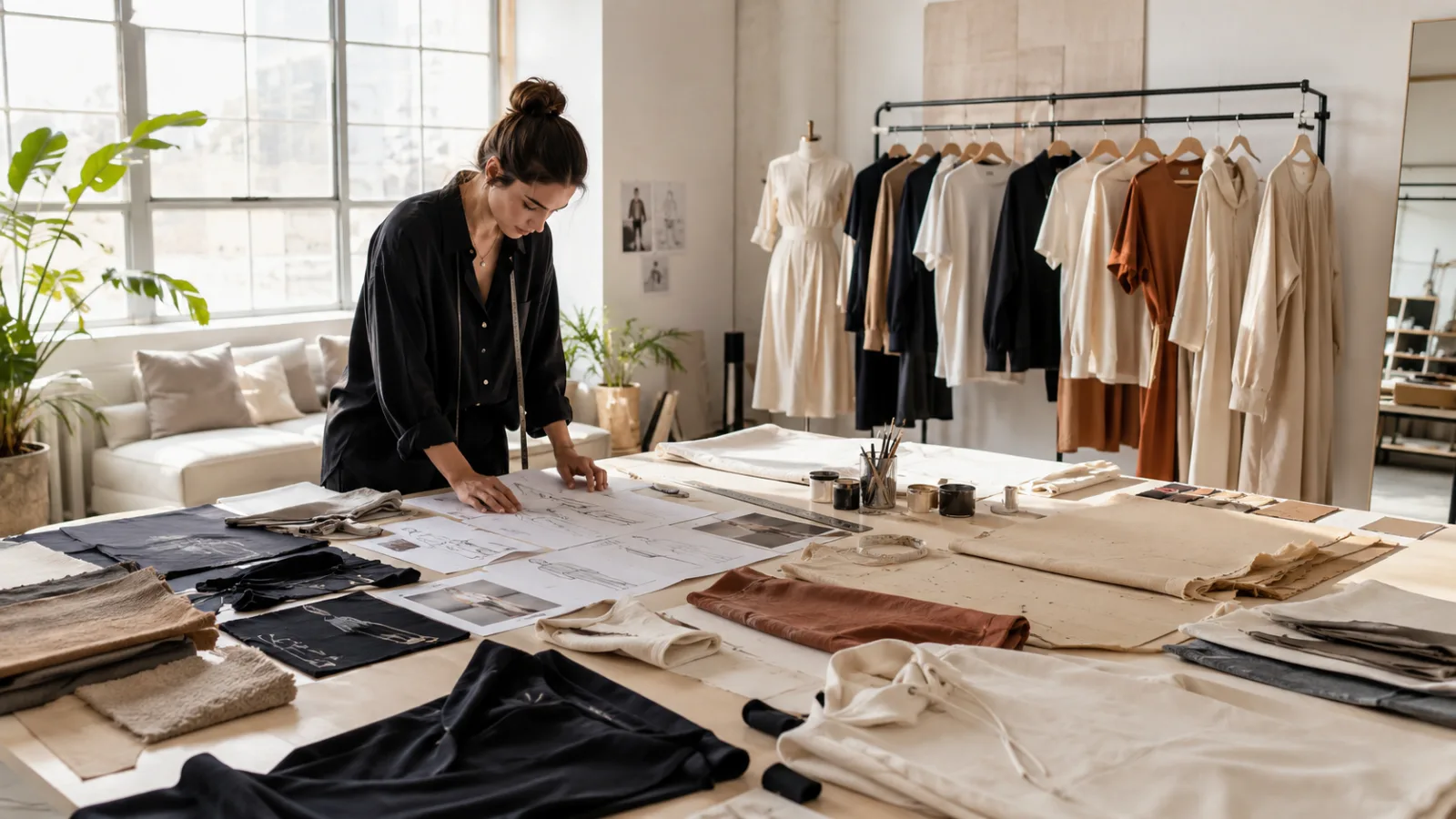
Step 5: Design Your First Clothing Collection
Your first collection should be focused, realistic, and connected to your brand identity. It is better to launch with a small, well-developed collection than a large collection with inconsistent quality.
Start by creating a mood board. Collect inspiration for:
- Colors
- Silhouettes
- Fabric textures
- Lifestyle photography
- Typography
- Patterns
- Trims
- Details
- Customer styling ideas
Then turn your ideas into actual designs. You can sketch by hand, use design software, or work with a fashion designer. If you are not a designer, you can still start a clothing brand by hiring freelance designers, pattern makers, or technical designers.
For each product, you should define:
- Product name
- Fabric type
- Fit
- Color options
- Size range
- Measurements
- Print or embroidery placement
- Stitching details
- Labels and trims
- Packaging requirement
The key is to design for your customer, not just for your personal taste. Your collection should feel like a clear answer to what your audience wants.
Avoid these beginner design mistakes:
- Creating too many products at once
- Copying competitors too closely
- Ignoring fit and comfort
- Choosing fabric only based on appearance
- Using complicated designs that are hard to produce
- Not thinking about production cost
- Designing without a size strategy
- Forgetting how the product will look in photos
A strong first collection should be easy to explain. For example:
“This is a four-piece capsule collection of premium heavyweight streetwear basics designed for everyday layering.”
Or:
“This is a sustainable summer collection made with breathable natural fabrics for conscious shoppers who want comfort and simplicity.”
If customers can quickly understand the collection, they are more likely to connect with it.
Step 6: Create Tech Packs for Your Clothing Products
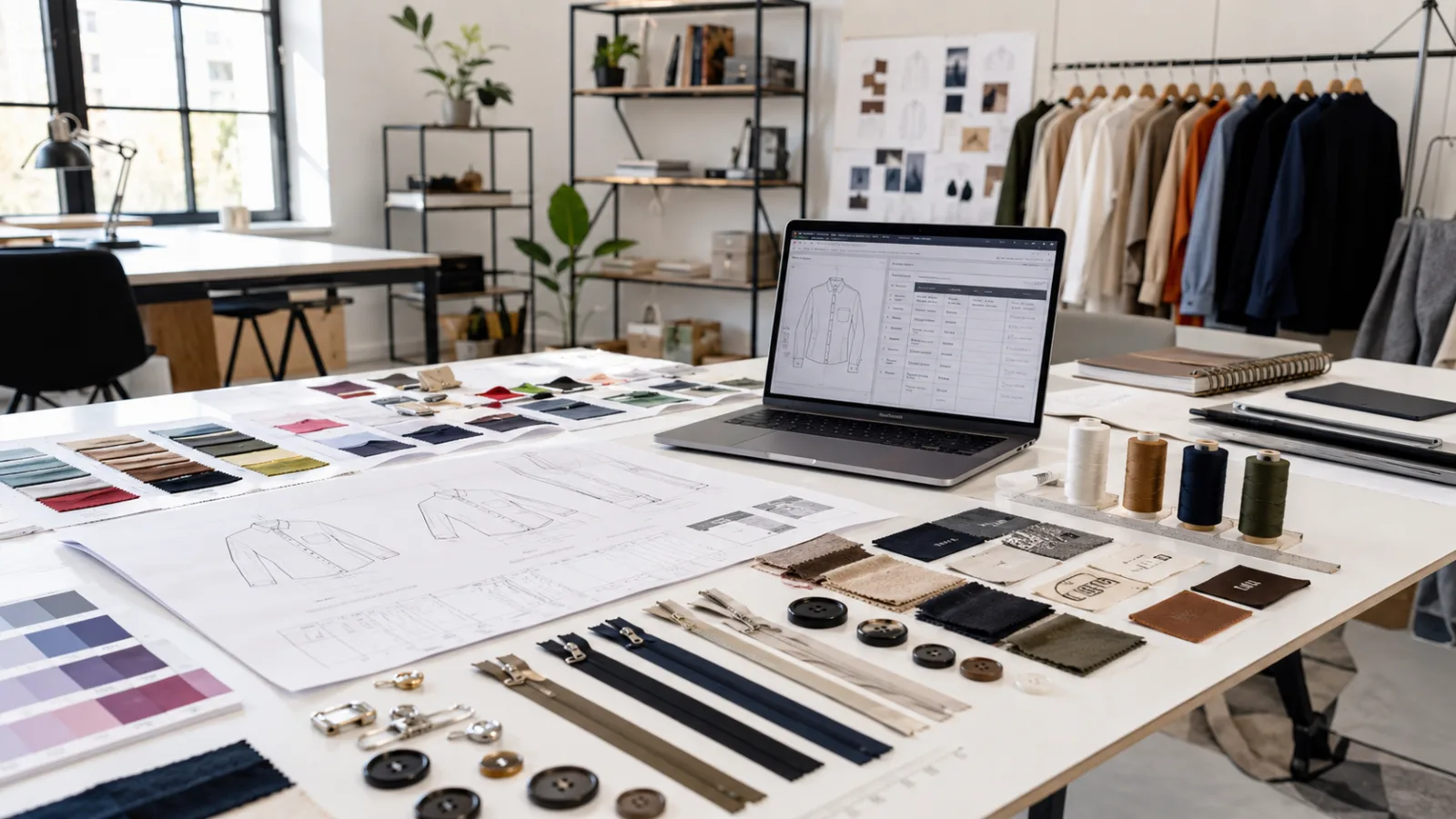
A tech pack is a detailed document that tells a manufacturer exactly how to make your garment. It is one of the most important tools in clothing production.
Without a proper tech pack, your manufacturer may misunderstand your design, use the wrong measurements, place graphics incorrectly, or create inconsistent samples.
A basic tech pack includes:
- Flat sketches
- Fabric details
- Color codes
- Size chart
- Measurements
- Stitching details
- Print or embroidery details
- Label placement
- Trim details
- Packaging instructions
- Bill of materials
- Reference images
- Quality expectations
For example, if you are making a hoodie, your tech pack should include the hoodie body length, chest width, sleeve length, hood size, pocket placement, rib cuff details, drawstring type, fabric weight, label position, and print dimensions.
A tech pack helps reduce mistakes, improve communication, and make pricing more accurate. Manufacturers can give better quotes when they understand the exact construction of the garment.
If you are serious about building a clothing brand, do not skip this step. Even simple products need clear production instructions.
Step 7: Find a Reliable Clothing Manufacturer
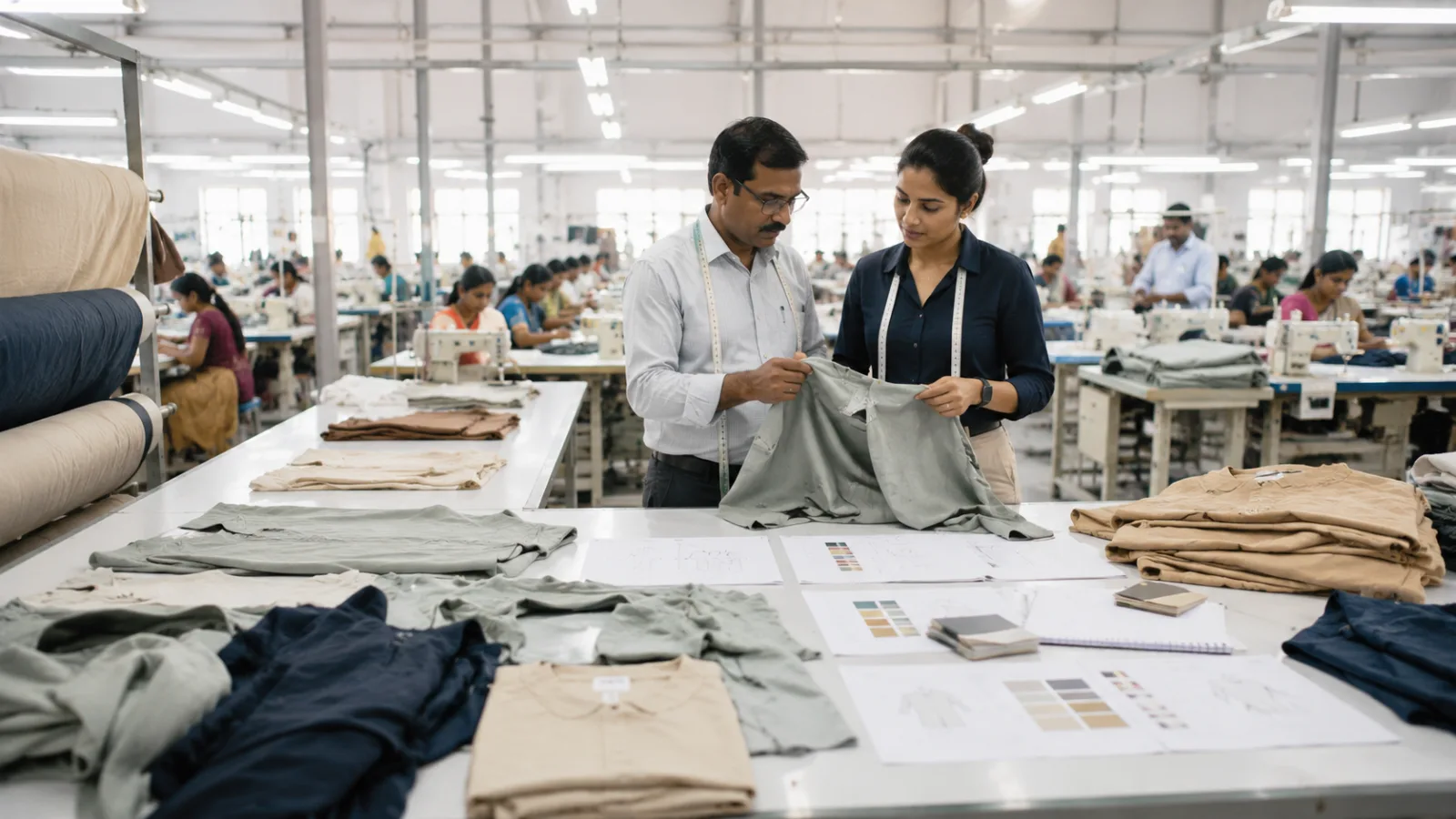
Finding the right manufacturer is one of the biggest steps in starting a clothing brand. Your manufacturer affects your product quality, pricing, delivery timeline, minimum order quantity, and customer satisfaction.
You can work with:
Local Manufacturers
Local manufacturers are often easier to communicate with and may allow smaller production runs. They can be useful if you want more control, faster sample reviews, or “made locally” positioning. However, they may cost more.
Overseas Manufacturers
Overseas manufacturers can offer competitive pricing and wider production capabilities. Countries like Bangladesh, India, Vietnam, China, Turkey, and Portugal are known for different types of apparel manufacturing. However, overseas production requires clear communication, proper sampling, quality control, and reliable logistics.
Print-on-Demand Suppliers
Print-on-demand is useful if you want to start with low upfront cost. You can sell T-shirts, hoodies, and accessories without holding inventory. The downside is lower profit margins, limited product customization, and less control over quality.
Cut and Sew Manufacturers
Cut and sew manufacturing gives you more control over fabric, fit, pattern, trims, and construction. This is better for brands that want original products instead of blank garments with prints.
When evaluating a manufacturer, ask:
- What products do you specialize in?
- What is your minimum order quantity?
- Can you make samples?
- What is your sample cost?
- What is your production lead time?
- What fabrics can you source?
- Can you follow a tech pack?
- Do you offer quality control?
- Can you provide previous work examples?
- What payment terms do you require?
- Do you handle labels, tags, and packaging?
- Can you support future larger orders?
Do not choose a manufacturer only because they are cheap. Low pricing can become expensive if the quality is poor, the sizing is inconsistent, or delivery is delayed. A reliable manufacturer should communicate clearly, understand your product, respect your requirements, and provide realistic timelines.
Step 8: Order Samples Before Full Production
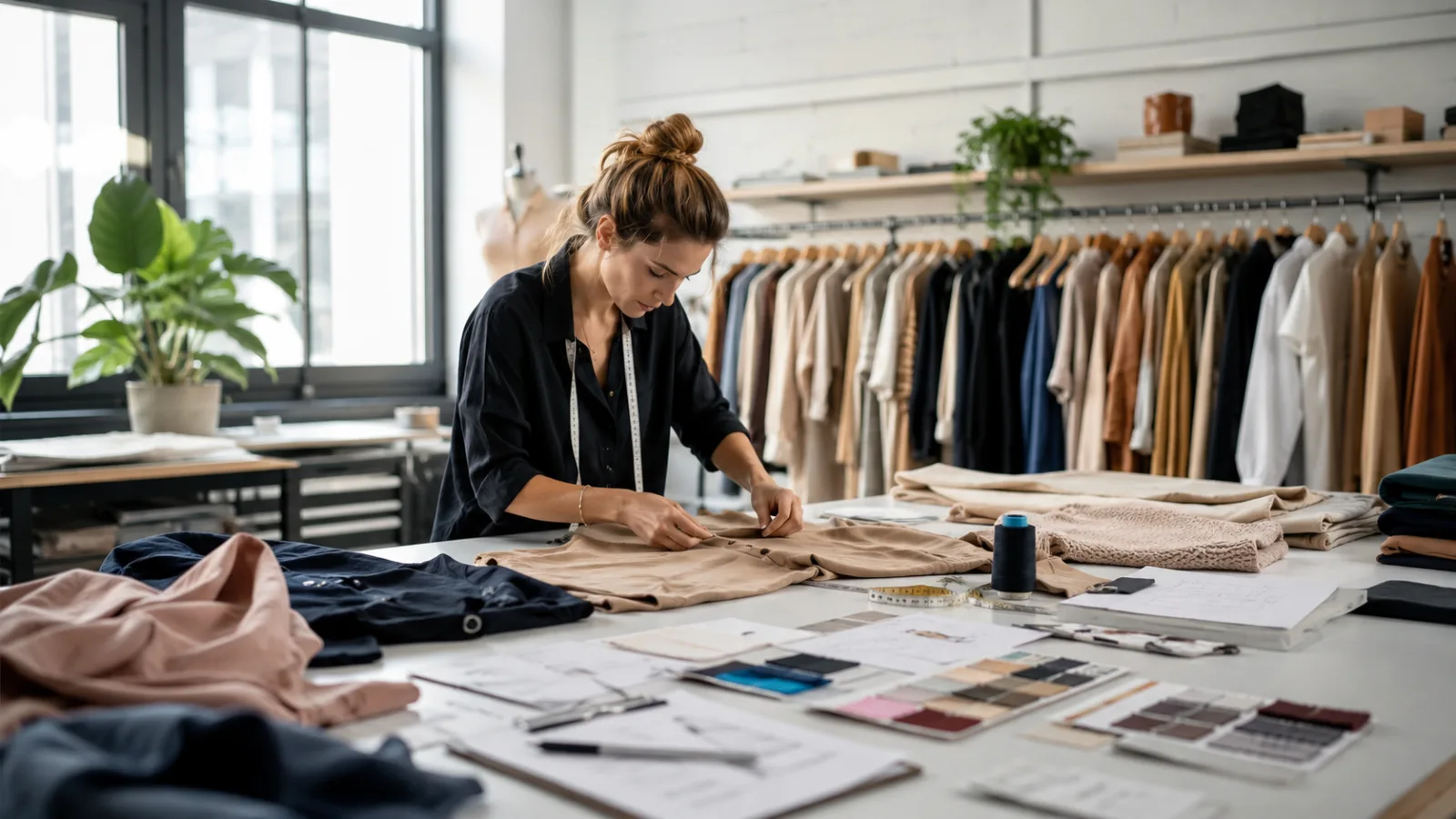
Sampling is where your design becomes a real product. This step helps you test the fit, fabric, color, stitching, print quality, comfort, and overall finish before placing a full production order.
Never skip sampling.
A product may look perfect in a sketch but feel completely different when made. The fabric might be too thin. The fit may be too tight. The print may sit too low. The sleeve may be too long. The neckline may not feel right. These issues are normal, but they need to be corrected before production.
There are usually several types of samples:
Prototype Sample
This is the first version of your garment. It tests the basic design, shape, and construction.
Fit Sample
This checks how the garment fits on a body or dress form.
Size Set Sample
This tests different sizes to make sure grading works properly.
Pre-Production Sample
This is the final approved sample before bulk production begins. It should match the product you expect to sell.
When reviewing samples, check:
- Fabric feel
- Fabric weight
- Color accuracy
- Fit
- Measurements
- Stitching
- Print or embroidery quality
- Label placement
- Shrinkage
- Washing result
- Packaging
- Overall finish
Take notes and photos. Give your manufacturer clear feedback. Instead of saying “make it better,” say “increase sleeve length by 1.5 cm” or “move the chest print 2 cm higher.”
Clear feedback saves time and avoids confusion.
Step 9: Price Your Clothing Products Correctly
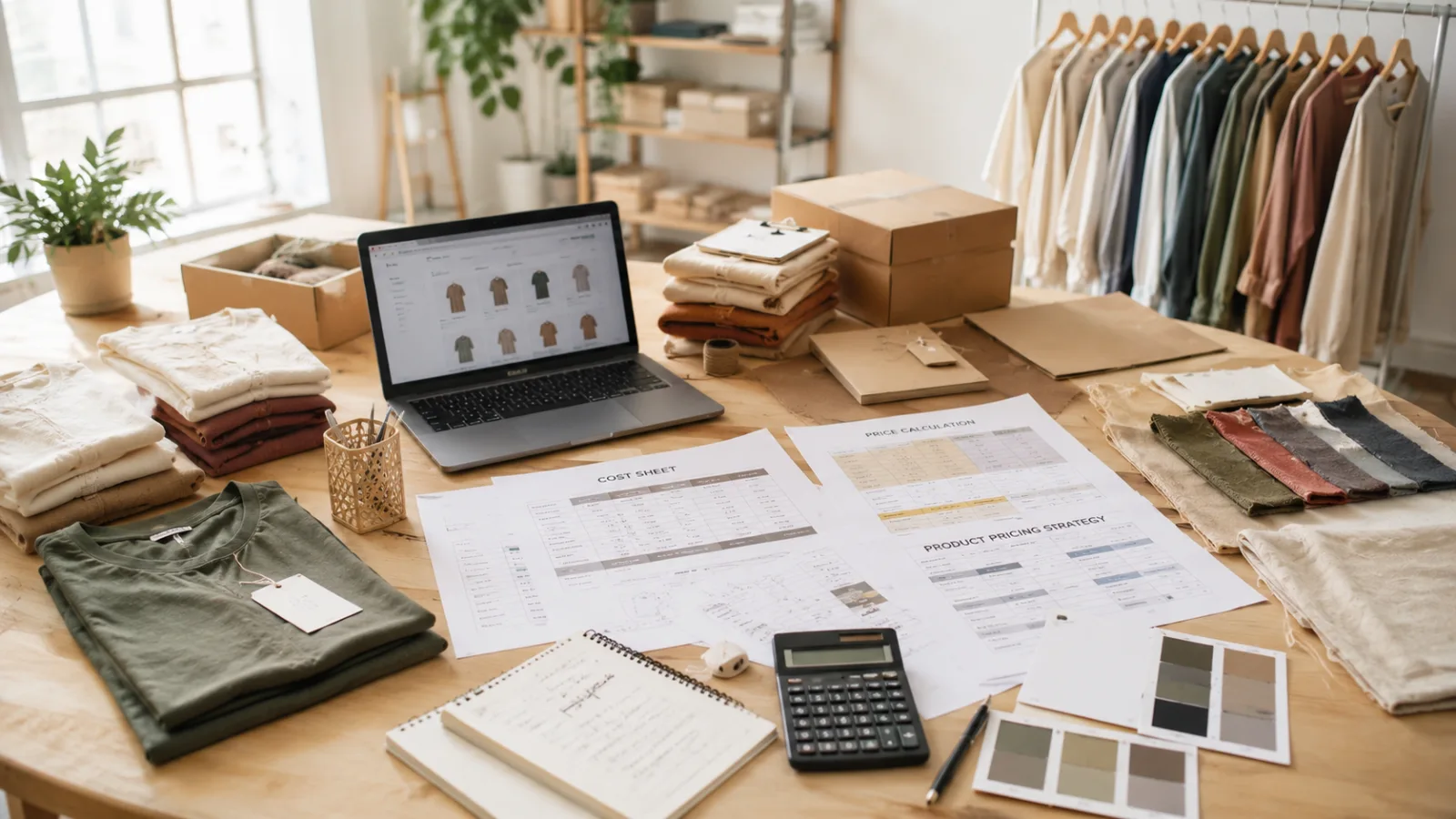
Pricing is one of the most important business decisions you will make. Your price needs to cover your costs, protect your profit, match your brand positioning, and feel reasonable to your target customer.
Many new clothing brands underprice their products because they are afraid customers will not buy. But if your pricing is too low, you may not have enough margin for marketing, packaging, returns, discounts, wholesale, or future growth.
Start by calculating your cost per product.
Your cost may include:
- Fabric
- Trims
- Cutting
- Sewing
- Printing or embroidery
- Labels
- Tags
- Packaging
- Freight
- Duties or taxes
- Quality control
- Payment processing fees
- Warehousing
- Returns allowance
Then add your desired profit margin.
A simple formula is:
Retail Price = Total Product Cost x Markup
For example, if one hoodie costs $18 to produce and package, selling it for $54 gives a 3x markup. But you still need to consider shipping, ads, platform fees, discounts, and operating costs. Your pricing should also match your brand positioning. A premium brand needs stronger fabric, better photography, better packaging, and a more polished customer experience to justify higher prices. A budget-friendly brand needs efficient production and strong volume.
Do competitor research, but do not copy prices blindly. If your product quality, fabric, story, or customer experience is different, your pricing may also be different. Good pricing gives your clothing brand room to survive.
Step 10: Build Your Online Store
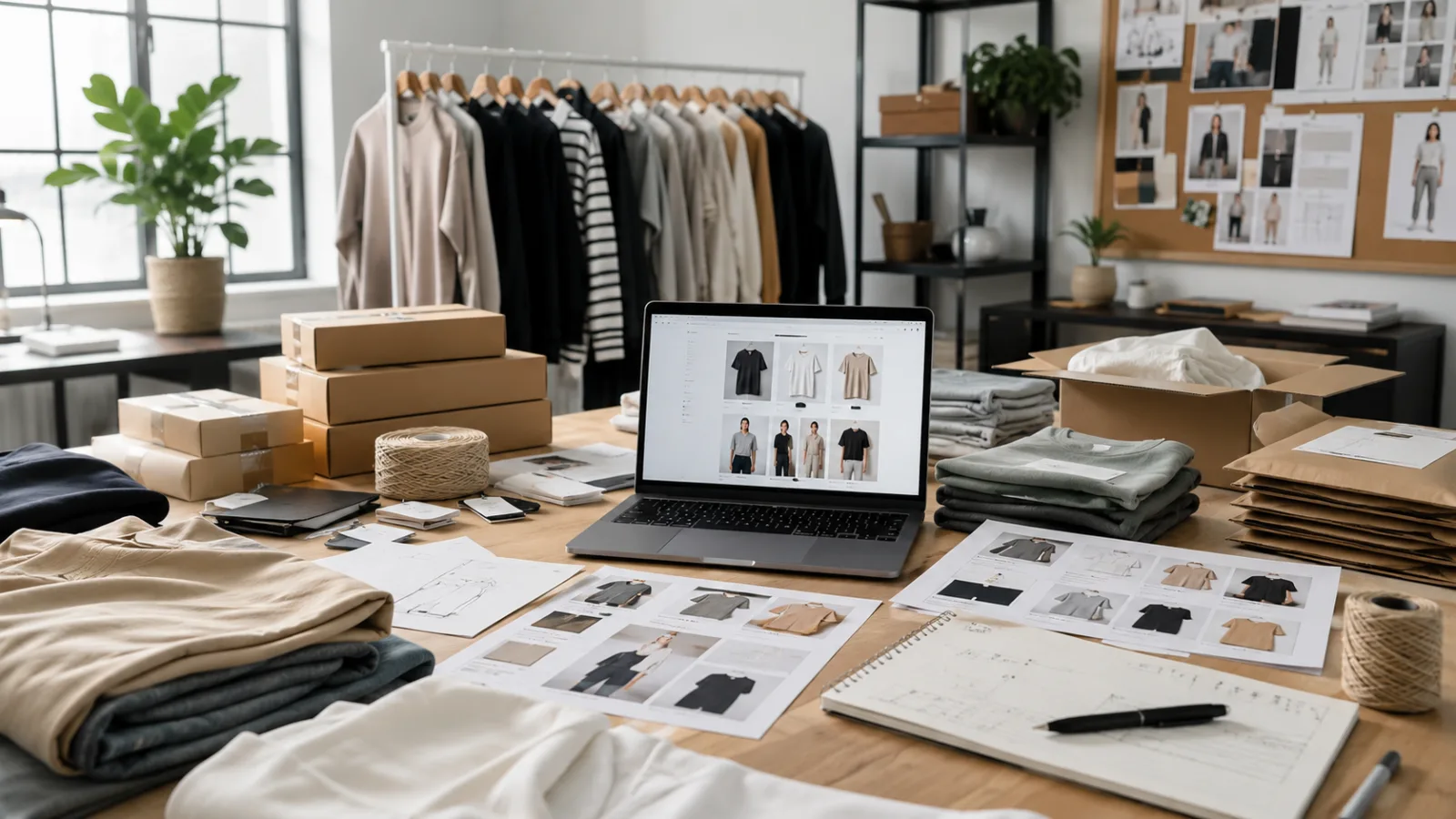
Your website is your brand’s digital home. Social media can help people discover you, but your website is where customers learn about your products, trust your brand, and make purchases.
A good clothing brand website should be clean, fast, mobile-friendly, and easy to shop.
Important pages include:
Homepage
Your homepage should quickly explain what your brand sells and why it matters. Use strong visuals, clear messaging, featured products, and a direct call to action.
Shop Page
Make it easy for customers to browse your products. Use filters if needed, but keep the layout simple.
Product Pages
Product pages are extremely important. Each product page should include:
- Clear product title
- High-quality photos
- Price
- Size options
- Color options
- Fit details
- Fabric details
- Care instructions
- Shipping information
- Return policy
- Size chart
- Product story or benefit
- Customer reviews when available
About Page
Your about page should tell your brand story in a customer-focused way. Do not only talk about yourself. Explain what you create, who you create it for, and why customers should care.
FAQ Page
Answer common questions about sizing, shipping, returns, fabric, washing, production, and order tracking.
Contact Page
Make it easy for customers to reach you. Include an email address, contact form, and expected response time.
Policies
Include shipping policy, return policy, privacy policy, and terms of service. For ecommerce platforms, Shopify is popular because it is easy to use and built for online stores. WooCommerce is flexible if you prefer WordPress. Other options include BigCommerce, Wix, Squarespace, and marketplace platforms.
Your website should not feel confusing. A customer should understand your brand, find a product, choose a size, and check out without friction.
Step 11: Plan Product Photography and Visual Content
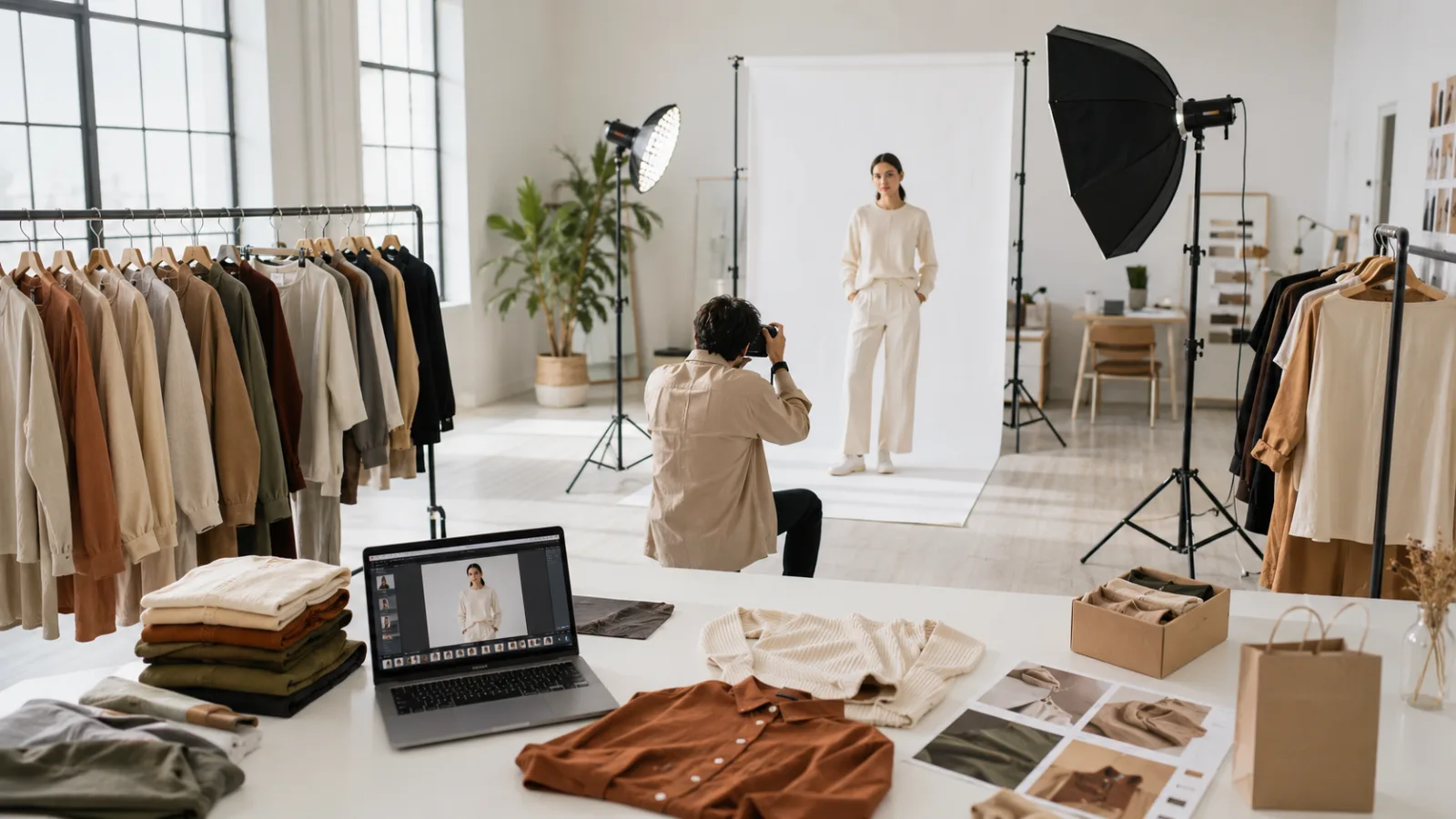
Fashion is visual. Your product photos can make or break your launch. Customers cannot touch your fabric or try on your clothes online, so your photos must build confidence.
You need different types of visuals:
Studio Product Photos
These show the product clearly on a plain background. Customers need to see the color, shape, and details.
Model Photos
Model photos help customers understand fit, proportion, styling, and lifestyle.
Detail Shots
Show fabric texture, stitching, buttons, zippers, labels, prints, embroidery, and packaging.
Lifestyle Photos
Lifestyle photos show the feeling of the brand. For example, streetwear might be shot in urban environments. Resort wear might be photographed near beaches or hotels. Premium basics might be photographed in clean indoor spaces.
Social Media Content
Create short videos, behind-the-scenes clips, styling reels, packaging clips, founder stories, and customer education content.
Good product photography should answer customer questions visually. How does it fit? How does the fabric look? Is it oversized or slim? Is it casual or premium? Can I imagine myself wearing it?
Avoid low-quality, dark, blurry, or inconsistent photos. They make the brand feel less trustworthy.
Step 12: Prepare Packaging, Labels, and Brand Details
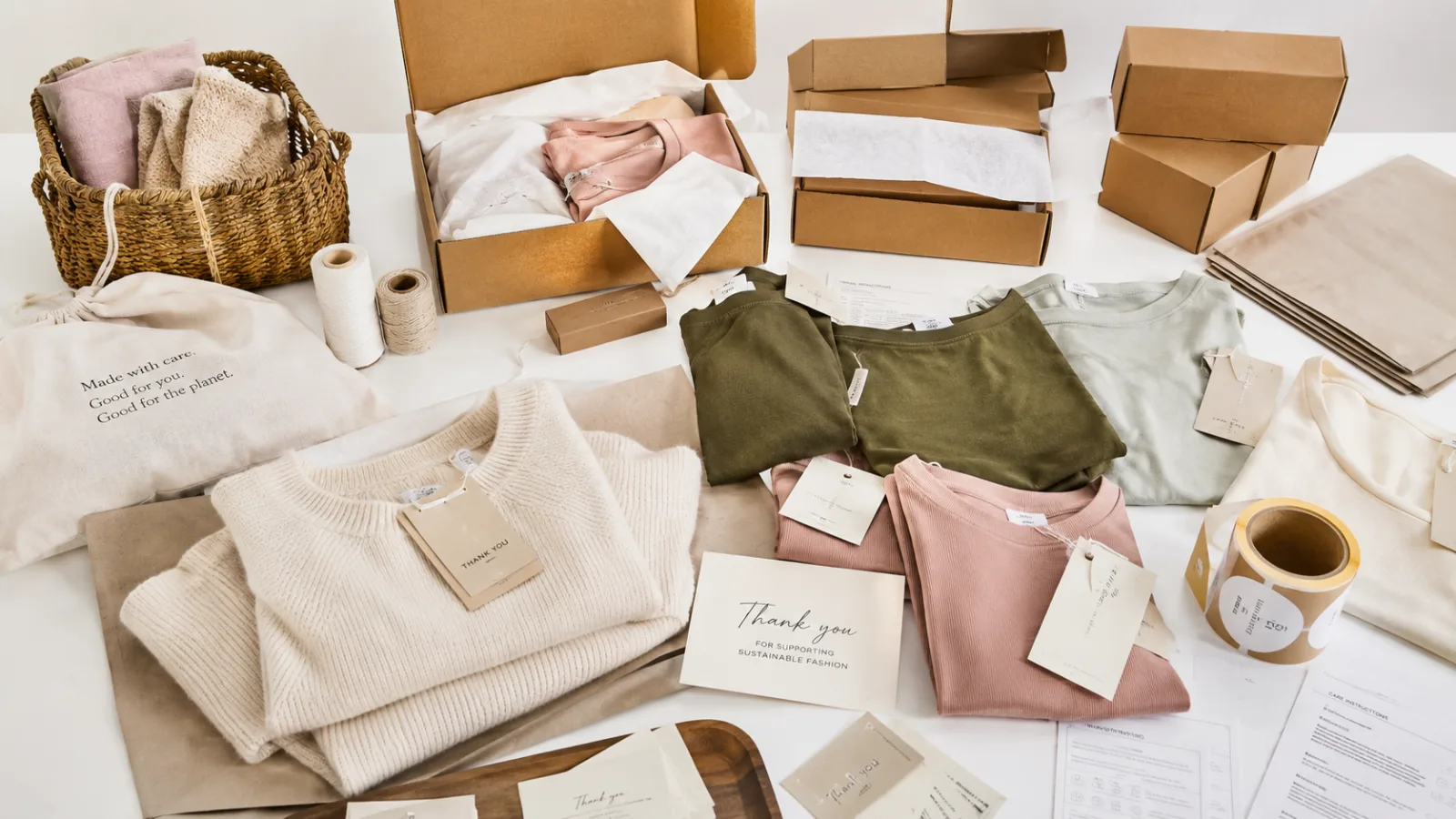
Packaging is part of the customer experience. It does not need to be expensive, but it should feel intentional.
Your packaging may include:
- Mailer bags or boxes
- Tissue paper
- Thank-you cards
- Care cards
- Brand stickers
- Hang tags
- Size labels
- Neck labels
- Barcode labels
- Return instructions
- Sustainable packaging notes
For clothing, labels are especially important. At minimum, garments usually need size labels, care labels, and brand labels. Care labels should include washing instructions and fabric composition.
Packaging should match your brand identity. A sustainable brand may use recycled paper, compostable mailers, and minimal packaging. A premium brand may use heavier boxes, tissue paper, and refined details. A streetwear brand may use bold stickers, custom tags, and collectible packaging. Small details create a stronger unboxing experience. A customer who receives a well-packaged product is more likely to share it, remember it, and buy again.
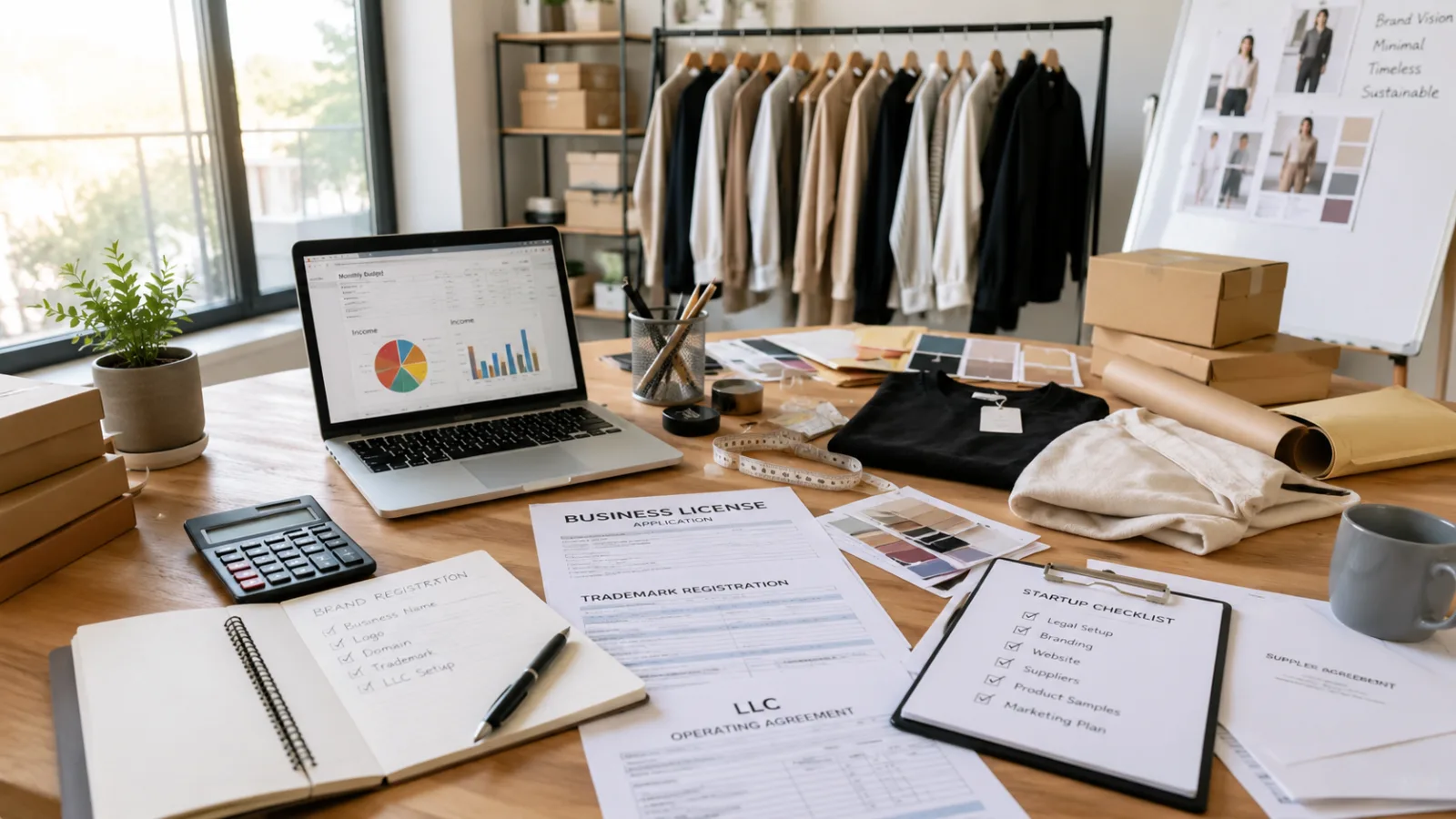
Step 13: Set Up Legal and Business Basics
Before launching, take care of basic business setup. Requirements vary by country and region, so check local rules, but most clothing brands should think about the following:
- Business name registration
- Business structure
- Tax registration
- Trademark research
- Domain registration
- Business bank account
- Accounting system
- Invoices and bookkeeping
- Supplier agreements
- Privacy policy
- Terms and conditions
- Return and refund policy
Trademark research is especially important in fashion because brand names, logos, and slogans can create legal problems if they are too similar to existing brands.
You should also keep clear records of production costs, supplier payments, customer orders, shipping expenses, returns, and advertising spend. Fashion businesses can become messy quickly if numbers are not tracked from the beginning. You do not need to build a giant corporate structure on day one, but you do need to treat your clothing brand like a real business.
Step 14: Build a Pre-Launch Marketing Strategy
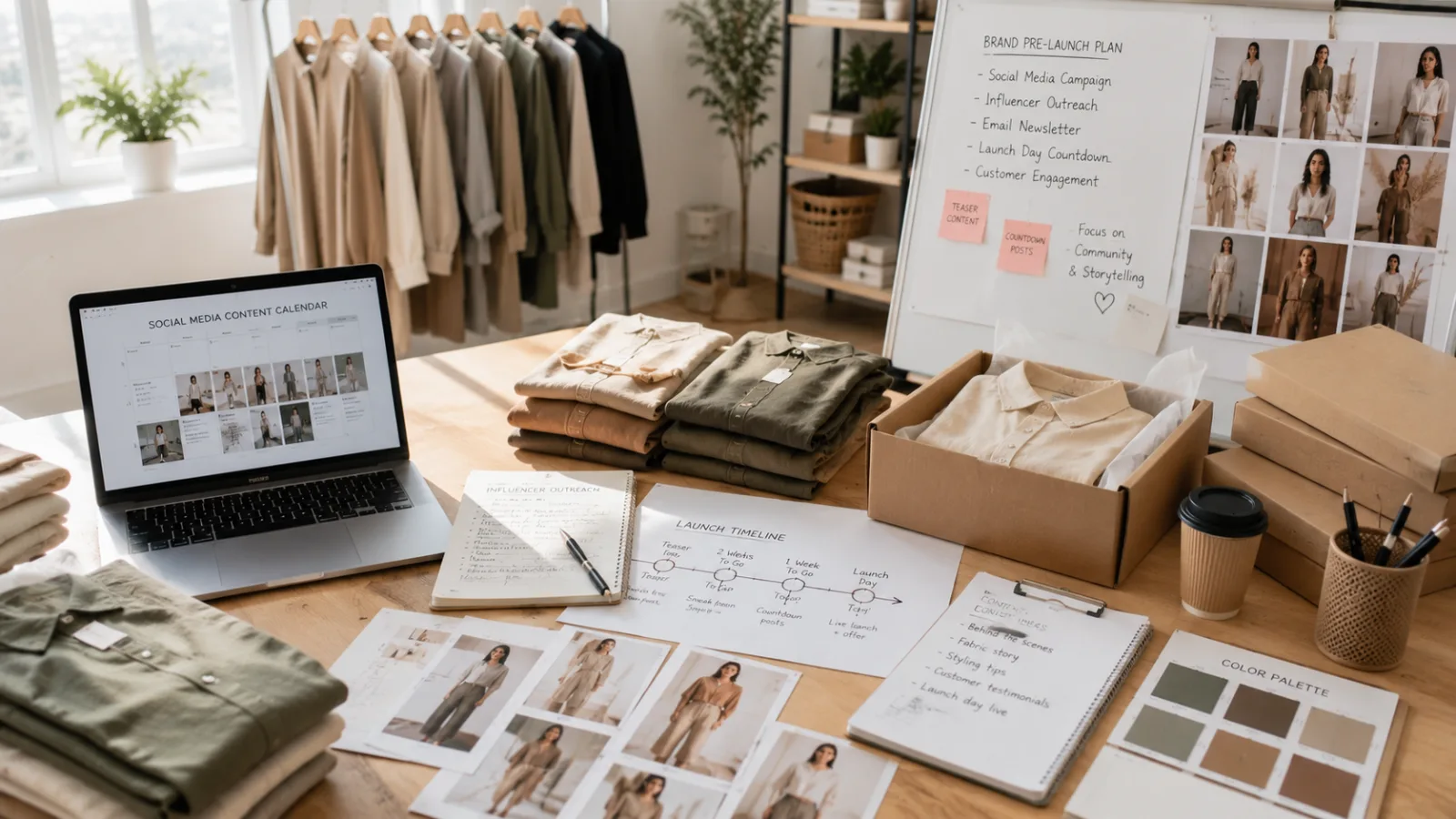
Do not wait until launch day to start marketing. Your audience should hear about your clothing brand before products go live.
A strong pre-launch strategy builds curiosity, trust, and demand.
You can create pre-launch content such as:
- Brand story posts
- Behind-the-scenes production updates
- Fabric selection videos
- Design process clips
- Founder introduction
- Sample review content
- Polls and customer feedback
- Email waitlist signups
- Countdown posts
- Sneak peeks
- Styling previews
- Packaging reveals
Your goal is to make people feel involved before the launch.
Create an email waitlist or SMS list. Social media followers are useful, but email and SMS subscribers are more direct. Offer early access, a launch discount, or limited drop notifications.
You can also work with micro-influencers before launch. Choose creators whose audience matches your target customer. Do not focus only on follower count. Engagement, content quality, and audience fit matter more.
A good pre-launch campaign answers:
What is coming?
Who is it for?
Why is it different?
When can people buy it?
Why should they care now?
The stronger your pre-launch marketing, the less your launch depends on luck.
Step 15: Launch Your First Collection
Launch day is exciting, but it should be organized. Before launching, test everything.
Check:
- Website speed
- Mobile layout
- Product pages
- Checkout process
- Payment methods
- Shipping settings
- Discount codes
- Inventory levels
- Email flows
- Order confirmation emails
- Return policy
- Tracking setup
- Product photos
- Size charts
- Contact forms
Your launch content should clearly show the collection, explain the story, highlight the product benefits, and tell people exactly where to buy.
A simple launch campaign may include:
- Launch announcement email
- Instagram posts
- TikTok videos
- Founder video
- Product detail reels
- Influencer posts
- Countdown stories
- Paid ads
- Website homepage update
- Retargeting ads
- Customer support readiness
During launch, pay attention to questions customers ask. If many people ask about sizing, improve your size guide. If people ask about fabric, add more fabric details. If customers abandon checkout, review shipping costs or checkout friction.
Your first launch is not only about sales. It is also a learning moment. You will discover what customers like, what confuses them, and what needs improvement.

Step 16: Market Your Clothing Brand After Launch
After launch, your focus shifts from excitement to consistency. Many clothing brands make noise for one week and then disappear. Strong brands keep showing up with useful, interesting, and brand-aligned content.
Marketing channels for a clothing brand include:
Instagram Marketing
Instagram is useful for product photos, reels, styling content, customer posts, behind-the-scenes clips, and brand storytelling.
Post content such as:
- Outfit ideas
- Product close-ups
- Fabric education
- Customer photos
- Behind-the-scenes videos
- Founder stories
- Restock updates
- Styling reels
TikTok Marketing
TikTok is powerful for discovery. Content does not need to be overly polished. It should feel real, visual, and engaging.
Ideas include:
- Pack an order with me
- How we designed this hoodie
- Before and after sample changes
- Styling one item three ways
- Common fashion mistakes
- Fabric quality comparison
- Small brand story
Pinterest Marketing
Pinterest works well for fashion discovery, outfit inspiration, and search-driven traffic. Create pins for outfit ideas, product photos, seasonal trends, and style guides.
SEO for Clothing Brands
Search engine optimization can help your website get organic traffic. Optimize product pages, collection pages, and blog content.
Useful blog topics include:
- How to style oversized T-shirts
- Best fabrics for summer clothing
- How to build a capsule wardrobe
- Sustainable fashion buying guide
- Streetwear outfit ideas
- How to choose the right hoodie fit
SEO takes time, but it can reduce dependence on paid ads.
Email Marketing
Email is one of the most valuable channels for clothing brands. Use it for:
- Welcome emails
- Product launches
- Restocks
- Abandoned cart reminders
- Style guides
- Customer stories
- Seasonal campaigns
- Exclusive offers
Paid Ads
Paid ads can work well when your product, website, pricing, and photos are strong. Start with small budgets, test different creatives, and track results carefully.
Do not rely only on ads. Ads amplify a strong brand, but they cannot fix weak positioning, poor product photography, or confusing product pages.
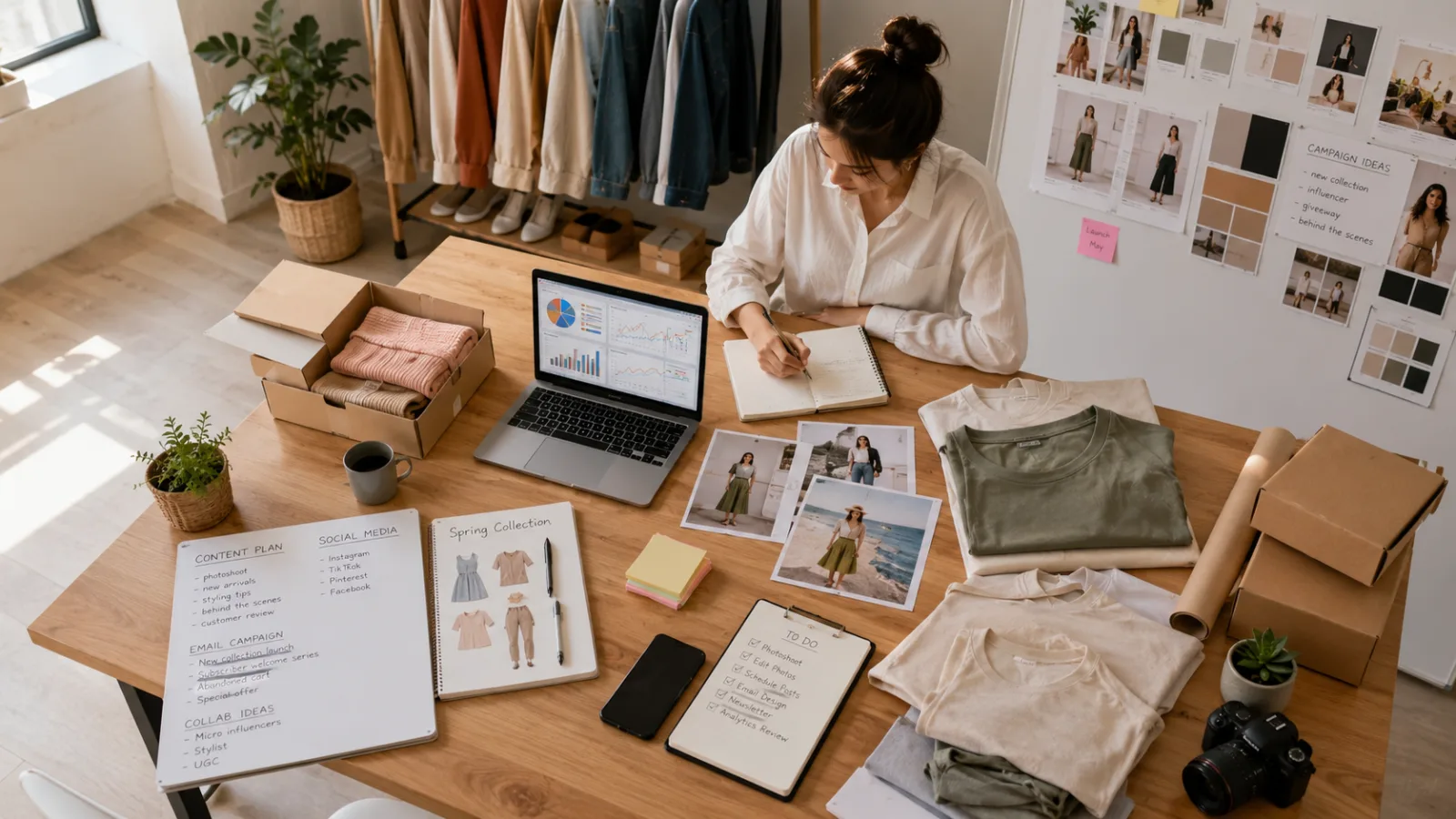
Step 17: Manage Inventory, Orders, and Customer Service
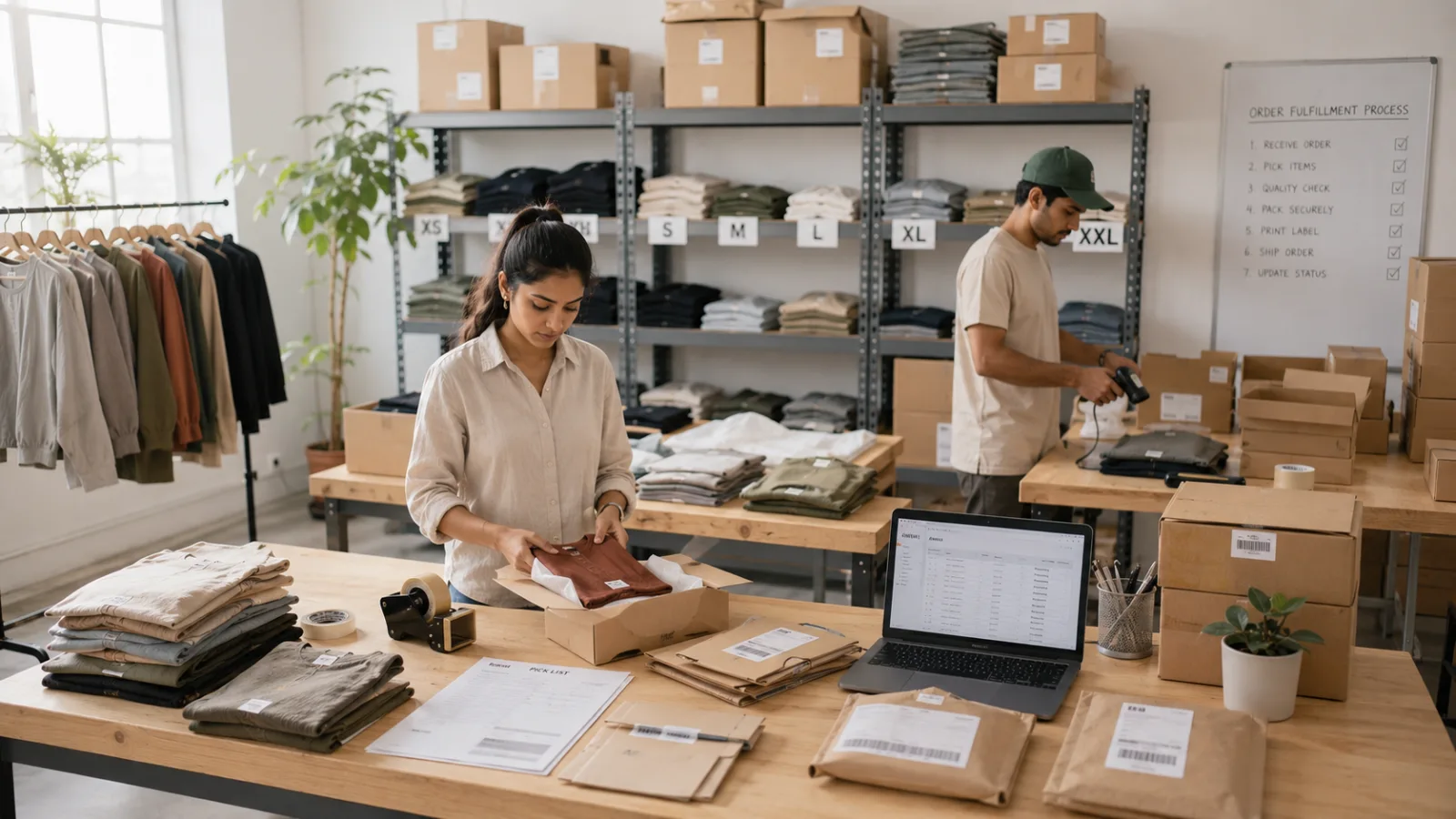
Once orders start coming in, operations become very important. A good product can still lose customers if shipping is slow, communication is poor, or returns are confusing.
You need a clear process for:
- Inventory tracking
- Order packing
- Shipping
- Tracking updates
- Returns
- Exchanges
- Customer questions
- Damaged items
- Wrong size issues
- Restocks
Start with a simple inventory system. Track every size and color carefully. Clothing inventory can become complicated because one product may have multiple colors and sizes.
Customer service should be fast, polite, and helpful. Common customer questions include:
- What size should I order?
- When will my order ship?
- Do you accept returns?
- Is this item true to size?
- Will this shrink after washing?
- When will this restock?
Create templates for common replies, but keep the tone human. A helpful customer service experience can turn a first-time buyer into a repeat customer.
Step 18: Collect Feedback and Improve Your Products
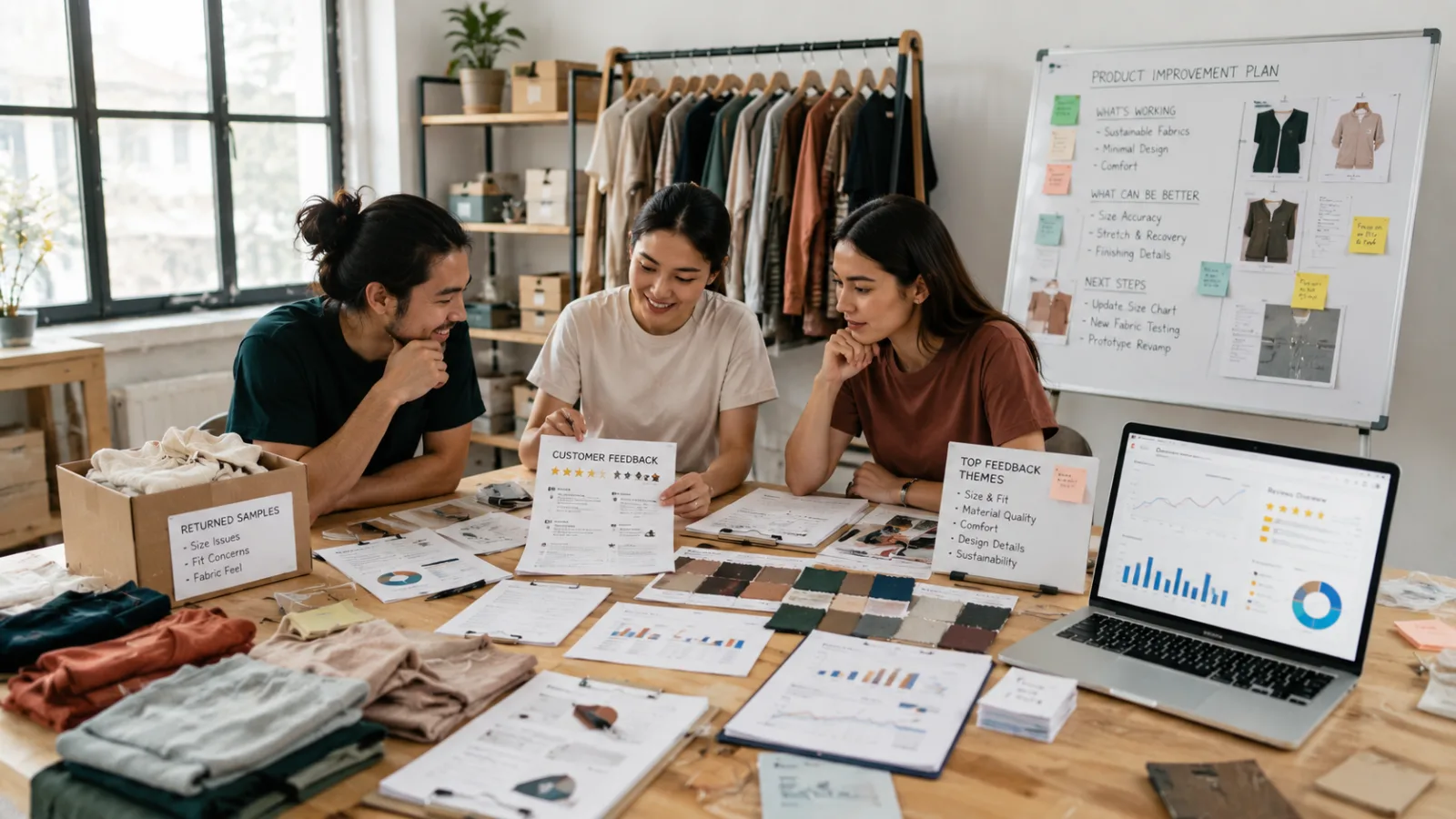
Your first collection will teach you more than any planning document. Pay attention to customer feedback, product reviews, return reasons, social media comments, and sales data.
Track questions like:
- Which products sold fastest?
- Which sizes sold out first?
- Which colors performed best?
- Which product had the most returns?
- What did customers praise?
- What did customers complain about?
- Did people understand the brand?
- Were customers confused about sizing or shipping?
- Which marketing content drove the most sales?
Use feedback to improve your next collection. Maybe your T-shirts need a heavier fabric. Maybe your size chart needs more detail. Maybe your packaging needs to be stronger. Maybe your audience wants more neutral colors instead of bold colors.
Successful clothing brands improve collection by collection. They do not treat the first launch as the final version of the brand. Customer feedback is not criticism to ignore. It is data that helps you build better products.
Step 19: Scale Your Clothing Brand Carefully
Scaling means growing your clothing brand without losing control of quality, cash flow, or customer experience.
You can scale by:
- Adding new products
- Restocking bestsellers
- Expanding size ranges
- Launching seasonal collections
- Improving fabric quality
- Building wholesale partnerships
- Opening pop-up shops
- Running paid ads
- Growing email marketing
- Collaborating with creators
- Entering new markets
- Improving fulfillment systems
Do not scale too fast. More products mean more inventory risk. Bigger production runs mean more cash tied up. More orders mean more customer service needs. More marketing spend means more tracking and testing.
A smart scaling strategy starts with what already works. If one hoodie sells well, improve it, restock it, and create related products. If one audience responds strongly, build more content for them. If one channel brings profitable sales, invest more there. Growth should be intentional, not chaotic.
Common Mistakes to Avoid When Starting a Clothing Brand
Many new clothing brands struggle because they repeat the same avoidable mistakes.
Starting Without a Clear Audience
If you do not know who your customer is, your designs, pricing, content, and website will feel unclear.
Ordering Too Much Inventory
Large inventory orders can drain your budget before you prove demand. Start smaller when possible.
Choosing Cheap Quality
Low-quality clothing can damage your reputation quickly. Customers may buy once, but they will not return if the product disappoints them.
Ignoring Fit
Fit is one of the biggest reasons customers return clothing. Test your samples properly.
Weak Product Photography
Poor visuals make even good products look cheap. Invest in clear, bright, professional images.
No Marketing Before Launch
If nobody knows your brand exists before launch day, sales will be difficult.
Copying Other Brands
Inspiration is normal. Copying makes your brand forgettable and can create legal or reputation problems.
Underpricing Products
Low pricing can leave no room for profit, marketing, returns, or growth.
Not Building an Email List
Social media reach can change anytime. Email gives you a more direct connection with customers.
Poor Customer Service
Slow replies and unclear policies can damage trust, especially for a new brand.
Avoiding these mistakes gives your clothing brand a stronger foundation.
How Much Does It Cost to Start a Clothing Brand in 2024?
The cost depends on your business model, product type, production method, and launch strategy.
A print-on-demand clothing brand may start with a lower budget because you do not need to buy inventory upfront. However, profit margins may be lower.
A small cut-and-sew brand may need more money for samples, patterns, fabric, production, and packaging.
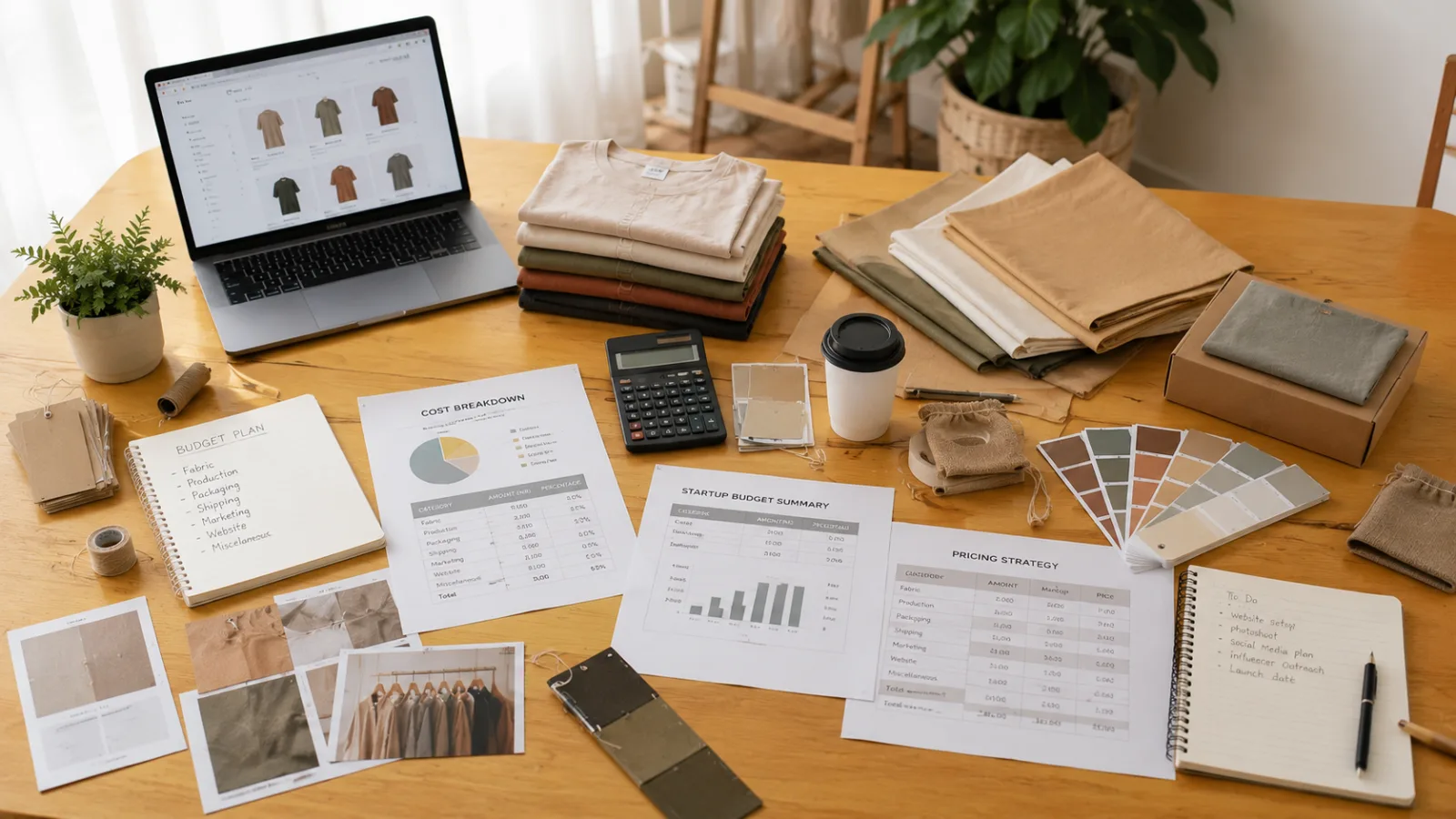
A basic startup budget may include:
- Branding: $100 to $1,500+
- Website: $300 to $5,000+
- Product design: $100 to $2,000+
- Tech packs: $100 to $500+ per style
- Samples: $50 to $300+ per sample
- Initial production: $1,000 to $10,000+
- Packaging: $200 to $2,000+
- Photography: $300 to $3,000+
- Marketing: $500 to $5,000+
- Business setup: varies by location
You can start lean, but you should not start without a budget. Even a small brand needs money for product development, visuals, website setup, and marketing.
A realistic approach is to launch with fewer products, test demand, collect feedback, and reinvest profits into better production and marketing.
Final Checklist for Starting a Clothing Brand
Before you launch, make sure you have completed the core steps.
Your clothing brand launch checklist:
- Choose your niche
- Define your target audience
- Create your brand identity
- Build a simple business plan
- Design your first collection
- Create tech packs
- Find a reliable manufacturer
- Order and review samples
- Finalize pricing
- Build your e-commerce store
- Plan product photography
- Prepare packaging and labels
- Set up business basics
- Build a pre-launch audience
- Launch your first collection
- Market consistently
- Manage orders and customer service
- Collect feedback
- Improve and scale carefully
This checklist helps you move from idea to launch with more structure and less confusion.
Conclusion
Starting a clothing brand in 2024 is exciting, but it requires more than creativity. You need a clear niche, a real understanding of your target customer, strong brand identity, reliable production, smart pricing, and consistent marketing.
The most successful clothing brands are not always the ones with the biggest budgets. They are the ones with clear positioning, strong product quality, consistent storytelling, and a deep understanding of what their customers want. Start small, but start professionally. Build a focused first collection. Test your ideas. Listen to feedback. Improve your products. Create content consistently. Treat every customer experience as part of your brand.
A clothing brand grows step by step. When each step is intentional, your brand has a much better chance of becoming something people recognize, trust, and come back to.