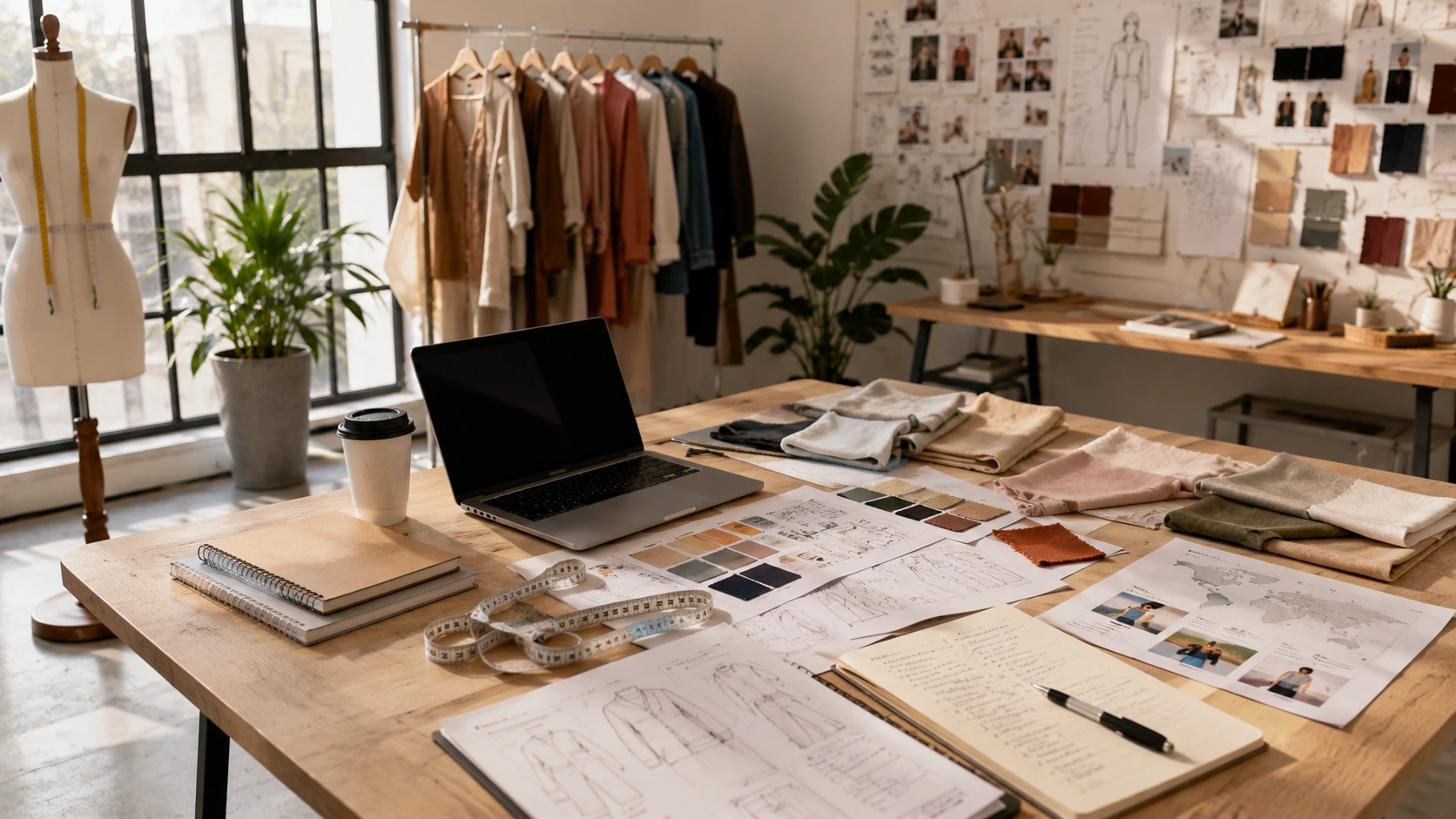
Finding the right clothing manufacturer is one of the most important steps in building a successful fashion brand. A good manufacturer can help turn your design ideas into high-quality garments, while the wrong one can lead to delays, poor quality, wasted money, and frustrated customers.
Finding the right clothing manufacturer is one of the most important decisions you will make when building a successful fashion brand. A manufacturer does more than simply produce garments. They help bring your designs, fabric choices, sizing standards, construction details, and overall product vision to life. The right production partner can support you through sampling, fit refinement, material sourcing, quality control, packaging, and bulk production, making it easier to create garments that meet your brand’s expectations and your customers’ needs.
On the other hand, choosing the wrong manufacturer can create serious problems for your business. Poor communication, inconsistent sizing, weak stitching, low-quality fabrics, missed deadlines, and unclear pricing can lead to delayed launches, wasted inventory, higher costs, and disappointed customers. For new fashion brands especially, these mistakes can damage trust before the brand has a chance to grow. That is why finding a reliable, experienced, and product-specific clothing manufacturer is not just a sourcing task. It is a foundation for building a brand that can deliver quality, scale with confidence, and create a better customer experience.
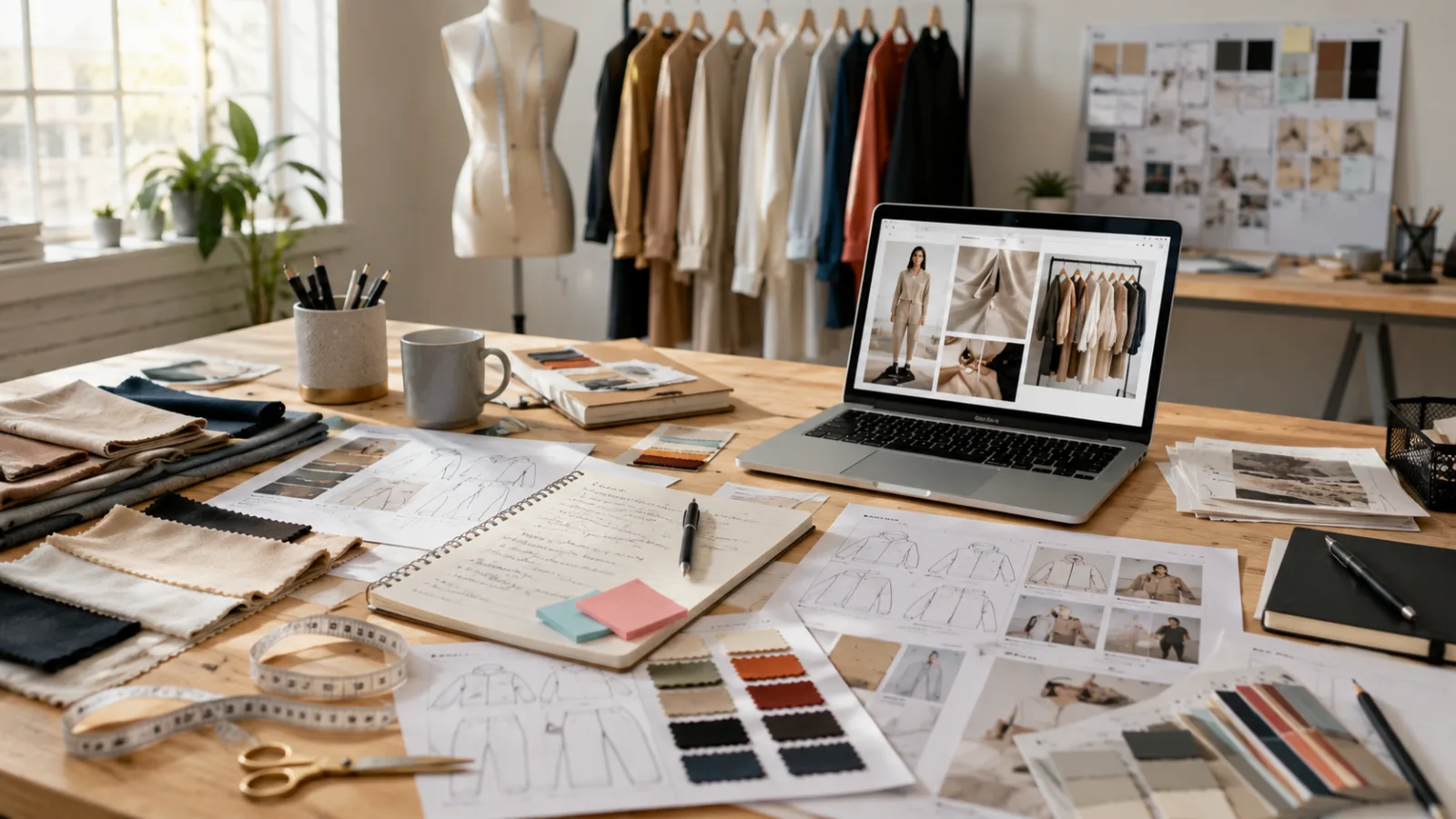
Why Finding the Right Clothing Manufacturer Matters
A clothing manufacturer is not just a factory that stitches garments. It is a production partner that can influence your product quality, timeline, pricing, customer satisfaction, and long-term brand reputation.
Many new fashion founders focus heavily on designs, branding, websites, and social media, but they underestimate production. The truth is simple: your product experience depends on manufacturing quality. A beautiful brand identity cannot save a poorly made garment.
The right manufacturer can help with fabric sourcing, sample development, fit improvement, trim selection, size grading, production planning, quality control, packaging, and shipping coordination. The wrong manufacturer may produce inconsistent sizing, weak stitching, wrong fabric, poor finishing, late delivery, or products that do not match approved samples.
A reliable clothing manufacturer helps you:
- Improve product quality: Better stitching, fabric handling, finishing, and fit.
- Reduce production mistakes: Clear communication and proper sampling prevent costly errors.
- Control timelines: A professional factory understands deadlines and production stages.
- Build repeatable products: Consistency matters when customers reorder.
- Scale production: A good partner can grow with your brand.
- Protect your reputation: Quality issues often become customer complaints, returns, and negative reviews.
For any fashion brand, finding clothing manufacturers is not just a sourcing task. It is a business decision that affects every part of the customer experience.
Understand What Type of Clothing Manufacturer You Need
Before searching for manufacturers, you need to understand what type of production partner fits your business model. Not all manufacturers offer the same services, and not every factory is suitable for every brand.
Some factories specialize in basic T-shirts, hoodies, and casualwear. Others focus on activewear, denim, outerwear, lingerie, swimwear, children’s clothing, uniforms, luxury fashion, or technical garments. A factory that makes great cotton basics may not be the right choice for structured blazers or performance leggings.
The main types of clothing manufacturers include:
- Cut and sew manufacturers: They produce garments from patterns, fabric, and trims. This is common for custom clothing production.
- Private label manufacturers: They offer existing product styles that can be customized with your brand label, colors, trims, or packaging.
- Full-package manufacturers: They manage fabric sourcing, sampling, production, trims, labeling, packaging, and sometimes logistics.
- CMT manufacturers: CMT means cut, make, and trim. You provide fabrics and materials, and the factory handles garment assembly.
- Small-batch manufacturers: These are useful for startups that need lower quantities and more flexibility.
- Large-scale factories: These are better for established brands with higher order volumes.
- Specialized manufacturers: These focus on specific categories such as denim, sportswear, leather jackets, swimwear, knitwear, or formalwear.
Choosing the right type depends on your stage, product complexity, budget, and order size. A startup testing its first collection may need a small-batch or private label manufacturer. An established brand preparing a larger launch may need a full-package production partner.
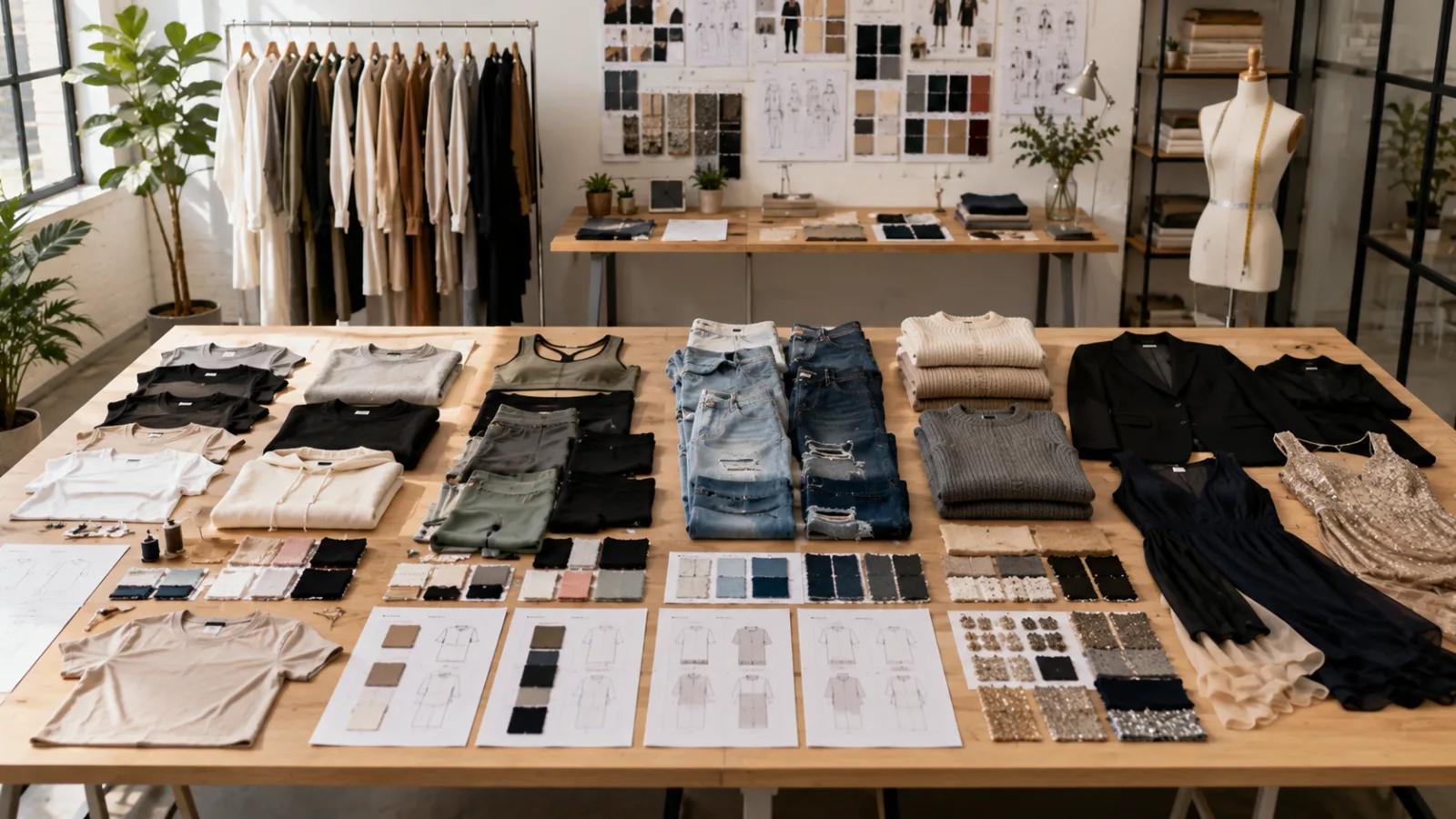
Prepare Your Brand Before Contacting Manufacturers
Many brands start contacting factories too early. They send vague messages like “Can you make my clothing line?” without providing enough details. This often leads to slow replies, inaccurate quotes, or no response at all.
Before reaching out, prepare the basic production information a manufacturer needs. The more prepared you are, the more seriously a factory will take you.
You should prepare:
- Product category: T-shirts, hoodies, dresses, activewear, denim, outerwear, underwear, etc.
- Design references: Sketches, inspiration images, product photos, or sample garments.
- Tech pack: A document with measurements, construction details, stitching, trims, labels, and materials.
- Fabric requirements: Cotton, polyester, spandex, linen, denim, fleece, satin, jersey, etc.
- Quantity estimate: Expected order quantity per style, color, and size.
- Size range: XS to XL, plus size, kids’ sizing, men’s, women’s, or unisex.
- Target price: Your expected cost range or retail pricing structure.
- Timeline: Sample deadline, production deadline, and launch date.
- Branding needs: Labels, hangtags, packaging, embroidery, prints, or custom trims.
- Quality expectations: Stitching standard, fit standard, finishing, and testing needs.
A tech pack is especially important. It reduces confusion and helps manufacturers give accurate pricing. Without a tech pack, factories may need to guess details, and those guesses can lead to production problems later.
If you do not have a complete tech pack yet, you can still begin conversations, but you should be honest about your stage. Some manufacturers or sourcing partners can help refine your product before sampling.
Where to Find Clothing Manufacturers
Once your product direction is clear, you can start looking for suitable manufacturers. There are several ways to find clothing manufacturers, and the best method often depends on your product type, budget, location preference, and production volume.
1. Online Manufacturer Directories
Online directories are one of the easiest starting points. These platforms list manufacturers by country, product category, service type, and sometimes minimum order quantity. They can help you discover factories that match your clothing category.
When using directories, do not choose a manufacturer based only on the listing. Use the directory as a research tool, then verify the factory carefully.
2. Trade Shows and Fashion Sourcing Events
Trade shows are excellent for meeting manufacturers in person. They allow you to see fabric samples, compare suppliers, ask direct questions, and build relationships faster.
Trade shows are especially useful for brands that want to explore multiple suppliers at once. You can meet factories, textile mills, trim suppliers, packaging vendors, and logistics providers in the same place.
3. Referrals From Other Fashion Brands
Referrals can be valuable because they come from real experience. If another brand has worked with a reliable manufacturer, that insight can save you time.
However, many brands do not openly share their best suppliers because manufacturing relationships are competitive. If you receive a referral, still do your own vetting.
4. Sourcing Agents and Production Consultants
Sourcing agents help connect brands with manufacturers. They may also assist with negotiation, sampling, production follow-up, and quality control.
This can be helpful if you are new to garment manufacturing or sourcing internationally. A good sourcing partner understands factory capabilities, communication gaps, lead times, and common production risks.
5. Google and Search Engines
A simple search can still help you find manufacturers. Use specific keywords instead of broad ones.
Examples:
- “small batch clothing manufacturers USA”
- “private label activewear manufacturer”
- “custom hoodie manufacturer”
- “denim garment manufacturer”
- “sustainable clothing manufacturers”
- “low MOQ clothing manufacturer”
- “cut and sew apparel manufacturer”
The more specific your search, the better your results.
6. LinkedIn and Industry Networks
LinkedIn can help you find factory owners, production managers, sourcing professionals, and apparel consultants. Search by product category and location, then review company pages, posts, and professional background.
7. Apparel Manufacturing Platforms
Some platforms are built specifically to help fashion brands find suppliers, build samples, or manage production. These can be helpful if you want a more guided approach instead of contacting random factories.
Brands can also explore ApparGlobal’s manufacturer catalog, vendor program, and manufacturing support to connect product ideas with sourcing and production planning.
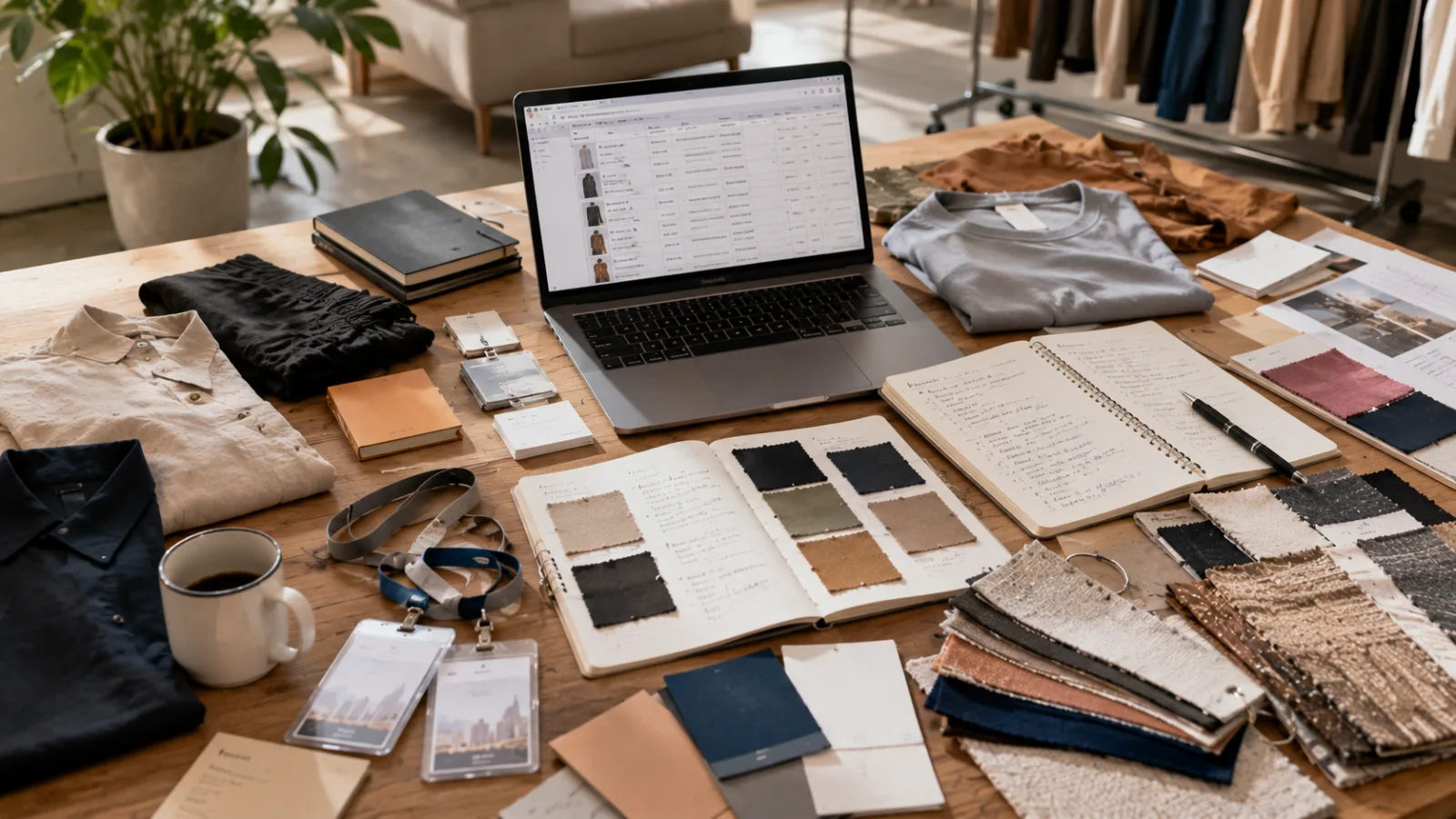
Domestic vs Overseas Clothing Manufacturers
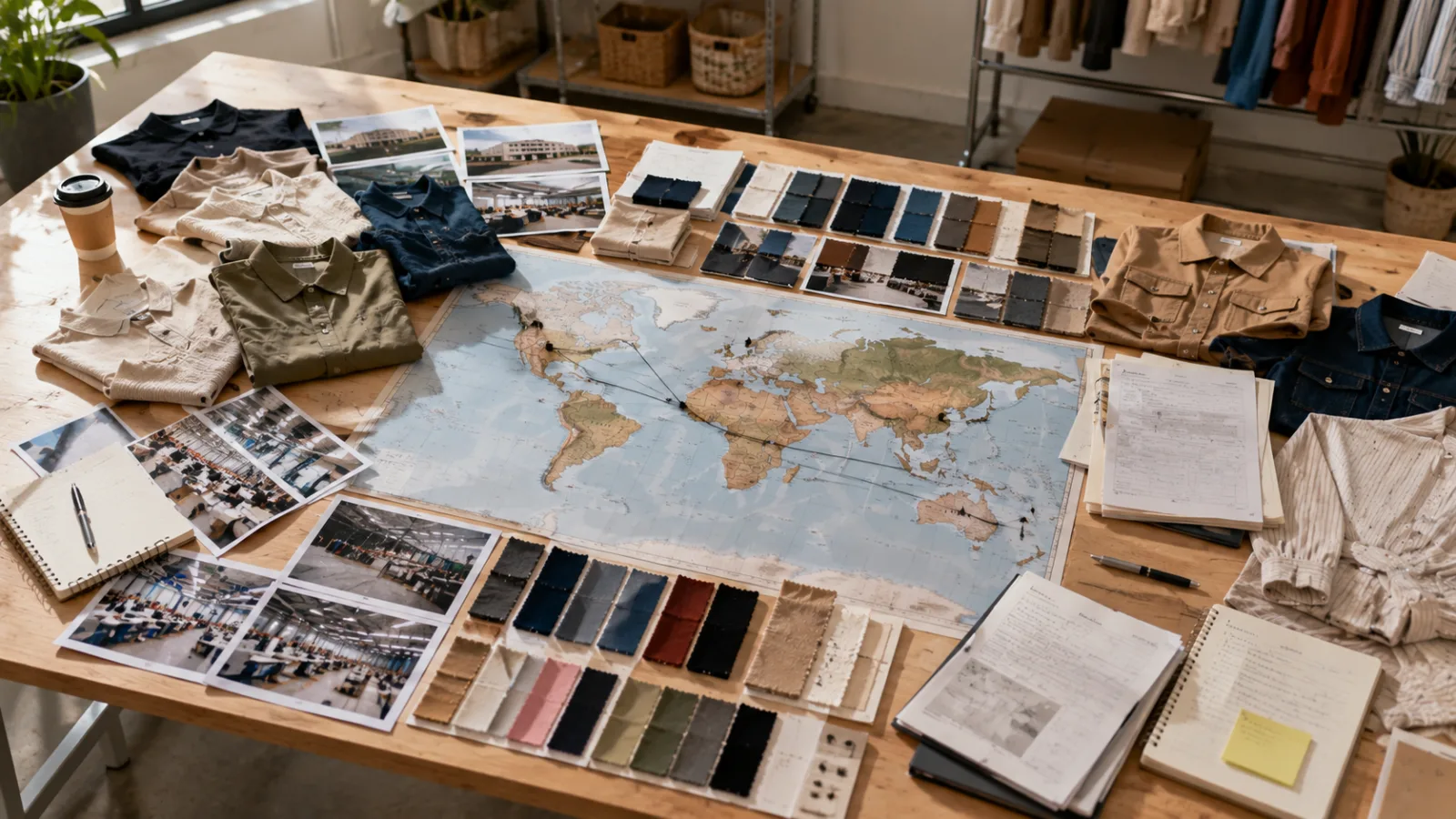
One of the biggest decisions is whether to work with a domestic or overseas manufacturer. Both options have advantages and challenges. Domestic manufacturers are located in your own country or region. They may offer easier communication, faster shipping, lower minimums, and better oversight. This can be useful for startups, premium brands, quick-turn production, and brands that want local-made positioning.
Overseas manufacturers are located in countries known for large-scale garment production. They may offer lower production costs, wider fabric sourcing options, specialized factories, and greater production capacity. This can be useful for brands that need competitive pricing or larger volumes.
Domestic Manufacturing Advantages
- Easier communication.
- Shorter shipping times.
- Easier factory visits.
- Potentially lower minimum order quantities.
- Better control over production.
- Strong local branding advantage.
Domestic Manufacturing Challenges
- Higher production costs.
- Fewer category-specific factories in some regions.
- Limited fabric sourcing options.
- Less suitable for very price-sensitive products.
Overseas Manufacturing Advantages
- More competitive production costs.
- Larger factory capacity.
- Wider supplier ecosystem.
- More category specialization.
- Better options for large-scale production.
Overseas Manufacturing Challenges
- Longer lead times.
- Language and time zone differences.
- Higher shipping complexity.
- Harder quality control if unmanaged.
- Potential customs and import requirements.
There is no single best answer. The right choice depends on your product, price point, brand positioning, volume, and timeline.
How to Evaluate a Clothing Manufacturer
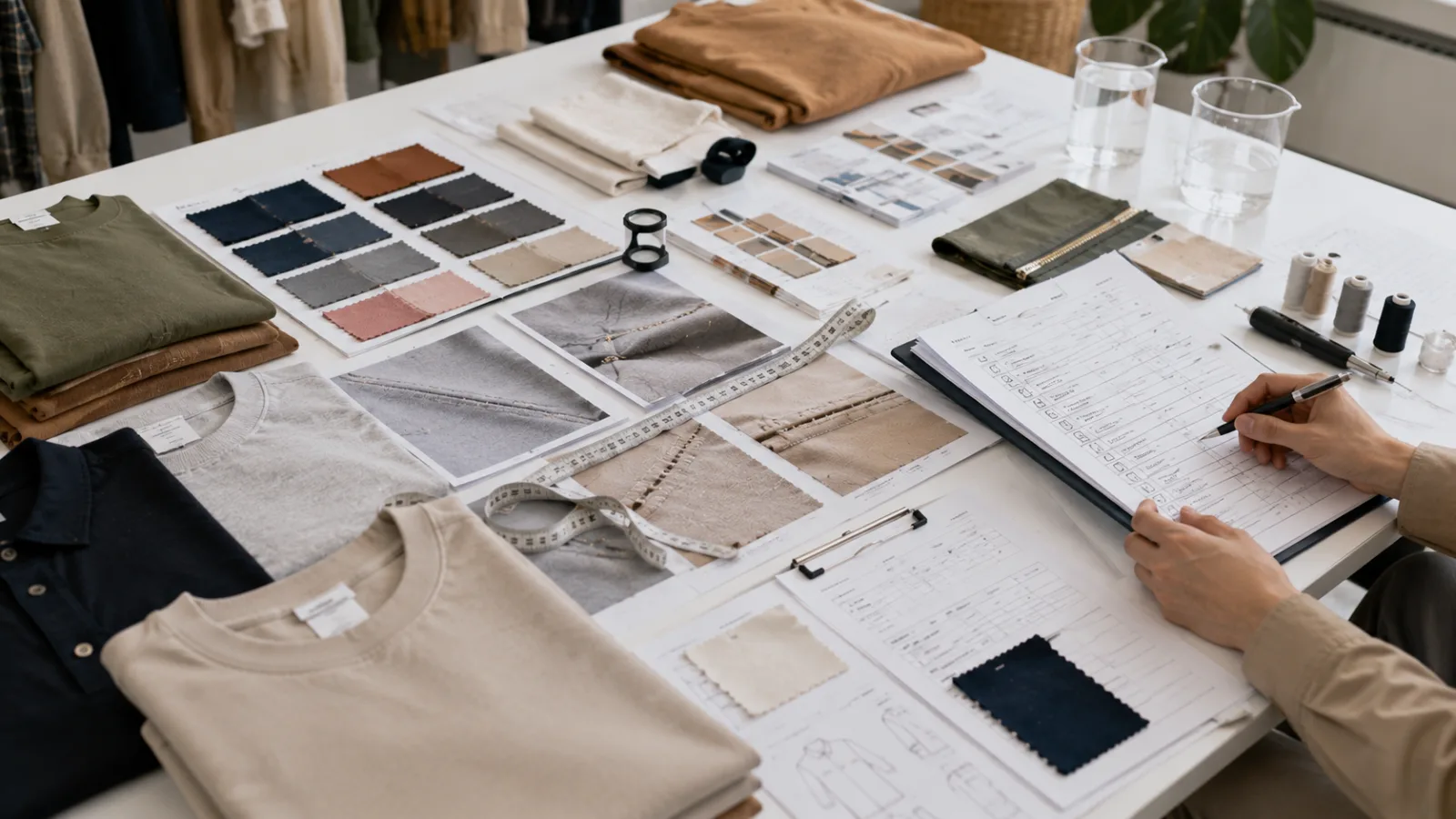
Finding a manufacturer is only the first step. The real work is evaluating whether they are a good fit.
A manufacturer may look professional online but still be wrong for your product. You need to check their capabilities, communication, pricing, samples, lead times, quality systems, and business practices.
Key questions to ask include:
- What product categories do you specialize in?
- What is your minimum order quantity?
- Do you offer sampling?
- What is your sample cost?
- What is your production lead time?
- Can you source fabric and trims?
- Do you work with startups?
- Do you provide private label services?
- Can you handle custom patterns?
- What quality control process do you use?
- What payment terms do you require?
- Can you provide previous work examples?
- Do you offer size grading?
- Can you support packaging and labeling?
- Do you have certifications or compliance documents?
Also pay attention to how they communicate. A manufacturer that gives clear answers, asks useful questions, and responds professionally is usually easier to work with than one that gives vague or rushed responses.
Do not choose a factory only because it offers the lowest price. Low quotes can sometimes hide poor materials, weak finishing, skipped quality control, or unexpected charges.
Understand MOQ Before You Commit
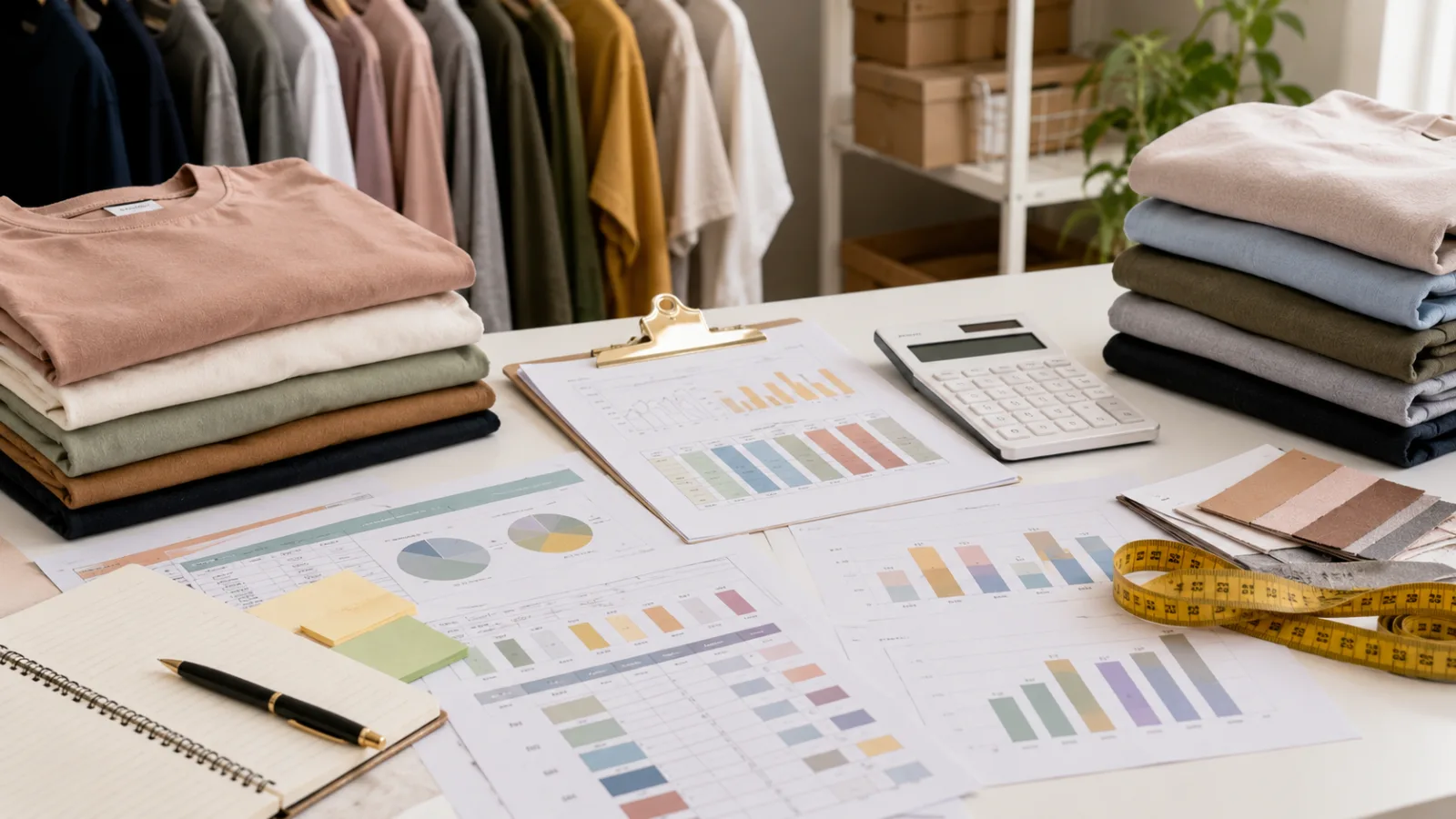
MOQ means minimum order quantity. It is the smallest number of units a manufacturer is willing to produce. MOQ can be based on total units, units per style, units per color, or units per size.
For example, a factory may say:
- 300 pieces per style.
- 100 pieces per color.
- 50 pieces per size.
- 1,000 pieces total per order.
Understanding MOQ is important because it affects your budget, inventory risk, pricing, and launch strategy.
Low MOQ can be helpful for startups, but the cost per unit is usually higher. Higher MOQ can reduce unit cost, but it increases upfront investment and inventory risk.
Before accepting MOQ, ask:
- Is the MOQ per style, color, or size?
- Can MOQ be reduced for first orders?
- Does sample approval affect MOQ?
- Are fabric MOQs separate from garment MOQs?
- Can multiple colors be combined?
- What happens if I reorder?
- Does MOQ change by product complexity?
If you are launching your first collection, avoid ordering too many styles at once. It is often better to start with fewer strong products and test demand before scaling.
Request Samples Before Bulk Production
Never go straight into bulk production without samples. Sampling is where you test design, fit, construction, fabric, trims, color, print, embroidery, labels, and overall quality.
A sample allows you to see whether the manufacturer understands your product. It also gives you a chance to make changes before spending money on a full production run.
Common sample stages include:
- Prototype sample: First version used to test design direction.
- Fit sample: Used to check measurements and garment fit.
- Size set sample: Samples across different sizes to test grading.
- Pre-production sample: Final approved sample before bulk production.
- Production sample: A sample pulled from actual bulk production for final checking.
During sampling, review:
- Measurements.
- Fit and comfort.
- Fabric quality.
- Stitching quality.
- Seam strength.
- Color accuracy.
- Print or embroidery placement.
- Label and tag placement.
- Washing behavior.
- Overall finishing.
Sampling may feel slow, but it protects your brand. A few extra sample revisions are often cheaper than fixing hundreds or thousands of defective garments.
Compare Pricing Carefully
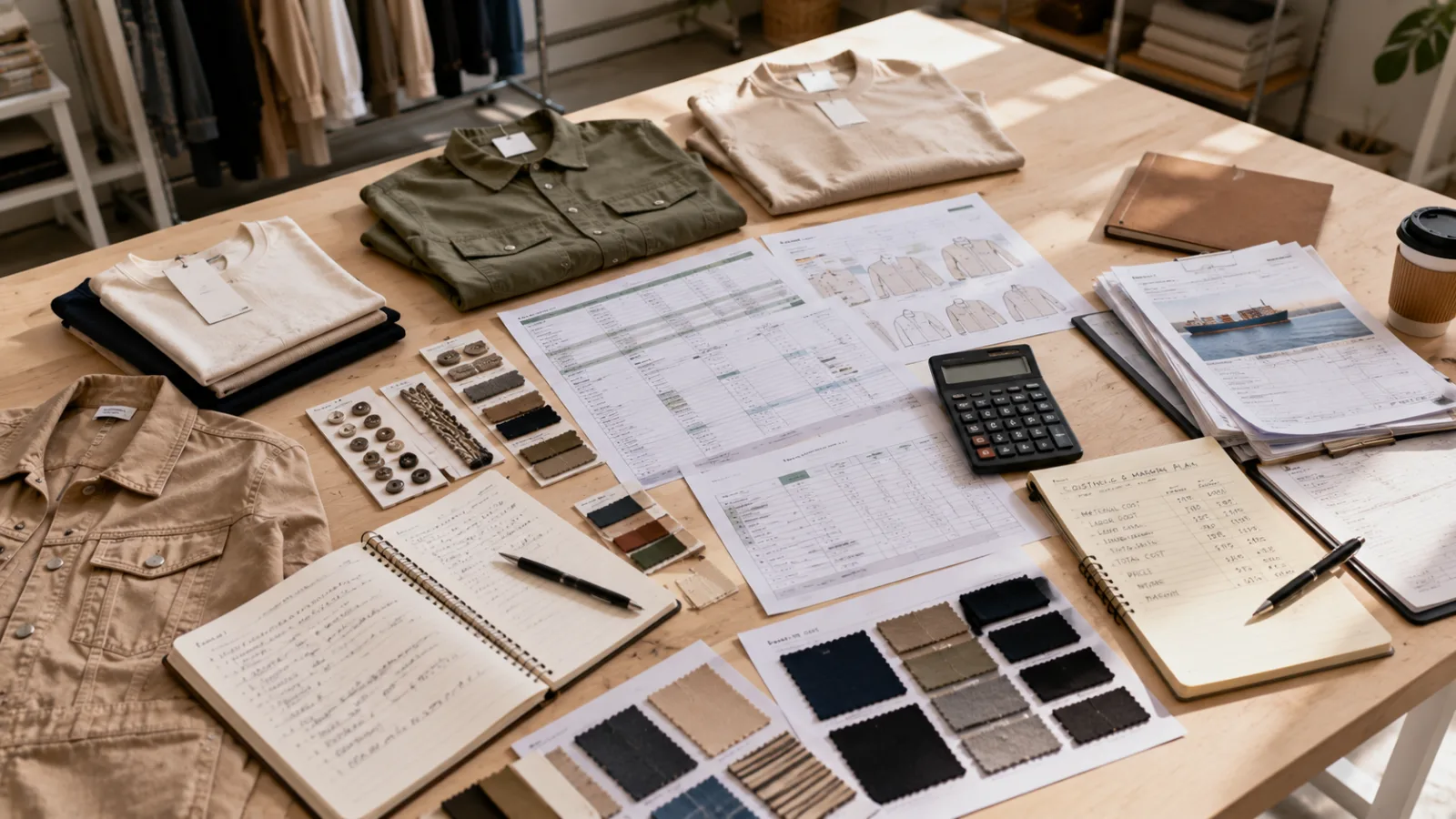
Clothing manufacturing pricing can be confusing because different factories include different things in their quotes. One manufacturer may quote only sewing cost, while another may include fabric, trims, labeling, packaging, and finishing.
Before comparing prices, make sure each quote includes the same details.
Ask whether the price includes:
- Fabric.
- Cutting.
- Sewing.
- Trims.
- Labels.
- Hangtags.
- Packaging.
- Printing or embroidery.
- Washing or finishing.
- Quality control.
- Shipping.
- Duties or taxes.
- Sample costs.
- Pattern making.
- Size grading.
A low unit price can become expensive if important costs are excluded. Always calculate your total landed cost, not just factory cost.
Total landed cost may include:
- Product cost.
- Freight.
- Customs.
- Duties.
- Insurance.
- Packaging.
- Inspection.
- Warehousing.
- Payment fees.
Once you know your true cost, compare it with your target retail price and profit margin. If the numbers do not work, you may need to simplify the product, change fabric, reduce trims, increase order quantity, or adjust pricing.
Check Quality Control Processes
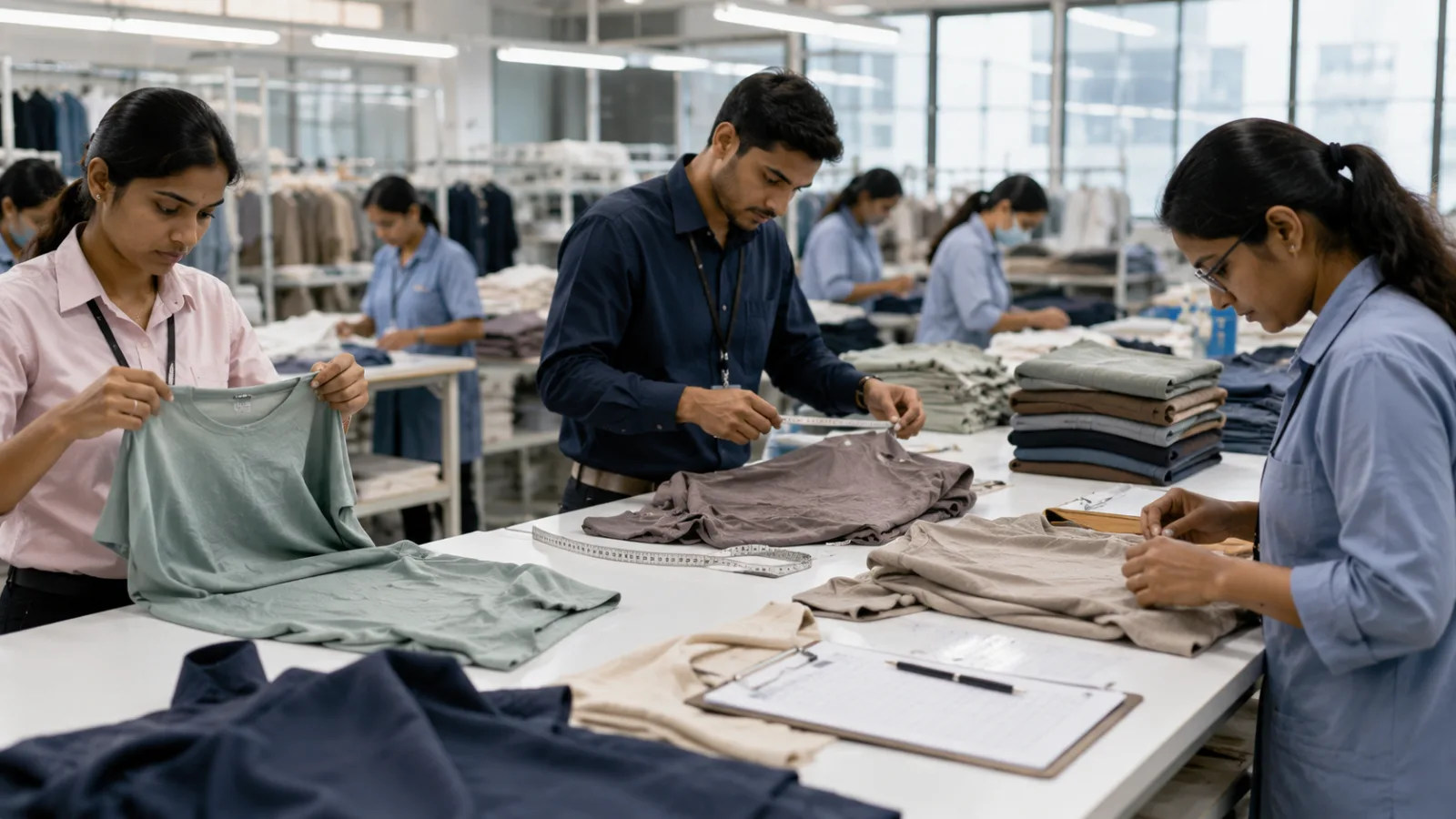
Quality control is one of the most important parts of clothing manufacturing. Even a good design can fail if production quality is inconsistent.
Ask manufacturers how they check quality during production. A reliable factory should have a process for checking fabric, cutting, stitching, measurements, finishing, labeling, packing, and final inspection.
Common quality control checks include:
- Fabric inspection before cutting.
- Pattern and marker checking.
- Inline production checks.
- Measurement checks.
- Stitching inspection.
- Seam strength review.
- Color and shade checking.
- Print and embroidery inspection.
- Label verification.
- Final random inspection.
- Packaging inspection.
You should also create your own quality standards. Do not assume the factory knows what you consider acceptable. Share measurement tolerance, stitching expectations, packaging instructions, and defect classifications.
If possible, arrange third-party inspection before shipment, especially for larger orders or overseas production. This gives you a chance to catch problems before products leave the factory.
Red Flags When Choosing Clothing Manufacturers
Not every manufacturer is reliable. Some warning signs should make you slow down or walk away.
Common red flags include:
- They avoid answering specific questions.
- They promise unrealistically low prices.
- They claim they can make every product category.
- They refuse to provide samples.
- They pressure you to pay quickly.
- They cannot explain their MOQ clearly.
- They have poor communication.
- They do not ask for technical details.
- They provide vague timelines.
- Their sample quality does not match your expectations.
- They avoid written agreements.
- They change pricing without explanation.
- They cannot show relevant experience.
- They ignore quality concerns.
- They offer no clear revision process.
A manufacturer does not need to be perfect, but they should be transparent, professional, and capable. If communication is difficult before payment, it often becomes worse during production.
Trust your process, not just your excitement. A factory that seems cheap and fast may create expensive problems later.
How to Contact Clothing Manufacturers Professionally
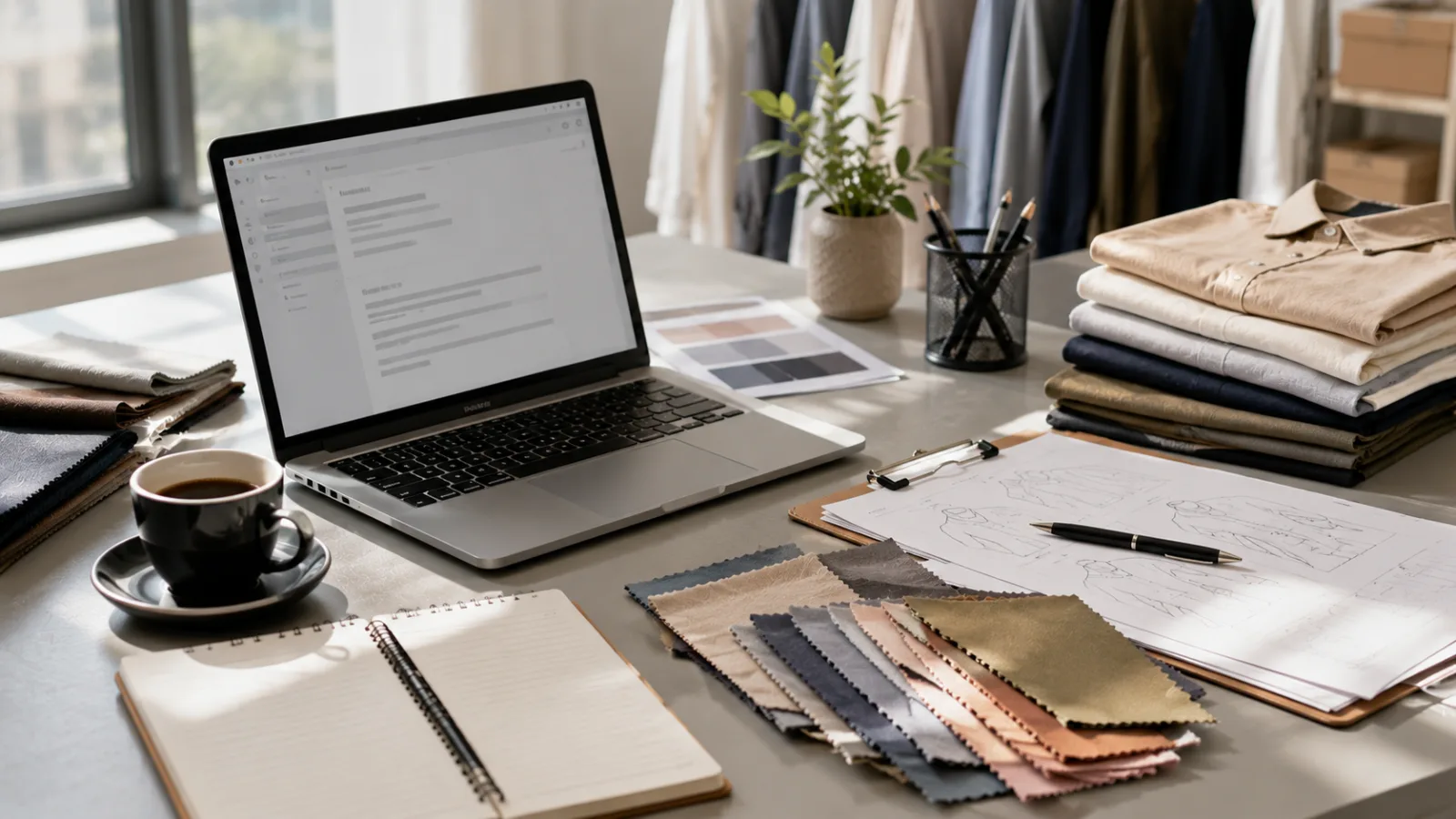
Your first message to a manufacturer should be clear, specific, and easy to respond to. Avoid long, vague messages. Manufacturers receive many inquiries, so your message should show that you are serious and prepared.
Here is a simple outreach structure:
Subject: Clothing Production Inquiry for [Product Category]
Hello,
My name is [Name], and I am developing a [type of clothing brand]. I am looking for a manufacturer that can produce [product category], such as [examples].
Here are the basic project details:
- Product type: [T-shirts, hoodies, dresses, activewear, etc.]
- Quantity: [Estimated MOQ or target quantity]
- Fabric: [Fabric type if known]
- Size range: [Example: XS to XL]
- Branding needs: [Labels, tags, packaging, print, embroidery]
- Sample needed: Yes
- Target production timeline: [Timeline]
Do you produce this type of product? If yes, could you please share your MOQ, sample cost, production lead time, and any requirements you need from my side?
Thank you,
[Name]
This message gives the manufacturer enough information to respond properly. It also helps filter out factories that are not suitable.
Build Strong Manufacturer Relationships
Once you find a good manufacturer, treat the relationship seriously. Strong production relationships are built on clarity, respect, communication, and repeat business.
Manufacturers prefer brands that are organized, realistic, and professional. If you constantly change details, send unclear instructions, negotiate unfairly, or ignore timelines, production becomes difficult.
To build a better relationship:
- Communicate clearly.
- Send complete documents.
- Respect production timelines.
- Pay on time.
- Confirm changes in writing.
- Give feedback professionally.
- Approve samples carefully.
- Avoid last-minute changes.
- Share future order plans.
- Keep records of every decision.
A strong manufacturer relationship can lead to better support, smoother sampling, faster problem-solving, and more reliable production over time.
The goal is not only to find a factory for one order. The goal is to build a production system that can support your brand as it grows.
How Apparel Startups Can Reduce Manufacturing Risk
New fashion brands often face higher risk because they are still testing product-market fit, sizing, pricing, and customer demand. Manufacturing mistakes can be expensive, especially when cash flow is limited.
To reduce risk, start focused. Do not launch too many styles, colors, and sizes at once. A smaller collection is easier to sample, produce, inspect, photograph, and sell.
Risk-reducing tips include:
- Start with fewer products.
- Use proven fabrics when possible.
- Avoid overly complex construction in the first launch.
- Test samples thoroughly.
- Order size sets before bulk production.
- Validate demand before large orders.
- Keep communication in writing.
- Use clear tech packs.
- Inspect before shipment.
- Track customer feedback after launch.
- Improve before reordering.
A common mistake is trying to create a full clothing line immediately. A better strategy is to launch with strong hero products, learn from customers, and improve with each production cycle.
How ApparGlobal Helps Brands Find Clothing Manufacturers
Finding clothing manufacturers can feel overwhelming, especially if you are new to product development, sourcing, sampling, and production management. Many apparel brands lose time because they contact the wrong suppliers, lack technical documents, or do not know how to compare factory capabilities.
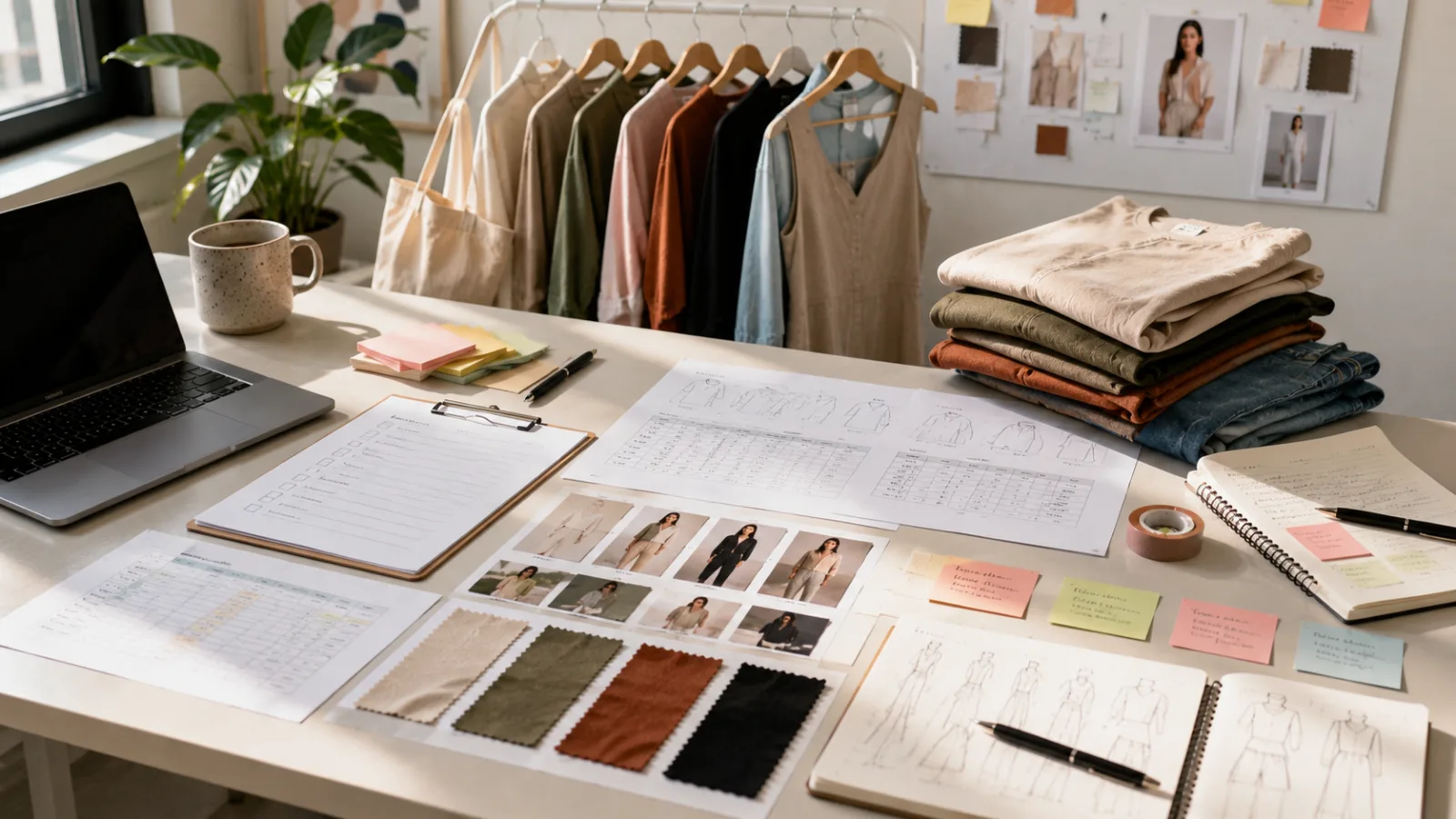
ApparGlobal helps fashion brands move from idea to production with more structure. Instead of guessing which manufacturer is suitable, brands can use support systems that connect product goals with sourcing, sampling, vendor selection, and production planning.
Apparel brands can explore:
- Quick Launch Program for brands that want a clearer path from concept to launch.
- Sampling Program for testing fit, fabric, construction, and product details before bulk production.
- Private Label Program for brands that want ready product foundations with customization.
- Manufacturing Support for production planning and coordination.
- Vendor Program for connecting with suitable suppliers.
- Manufacturer Catalog for exploring potential manufacturing options.
- Resources for learning more about apparel production, sourcing, and brand development.
A strong manufacturing process is not built by luck. It is built through clear product planning, reliable sourcing, careful sampling, and consistent quality control. That is where structured support can help brands avoid common mistakes and make better production decisions.
Final Checklist for Finding Clothing Manufacturers
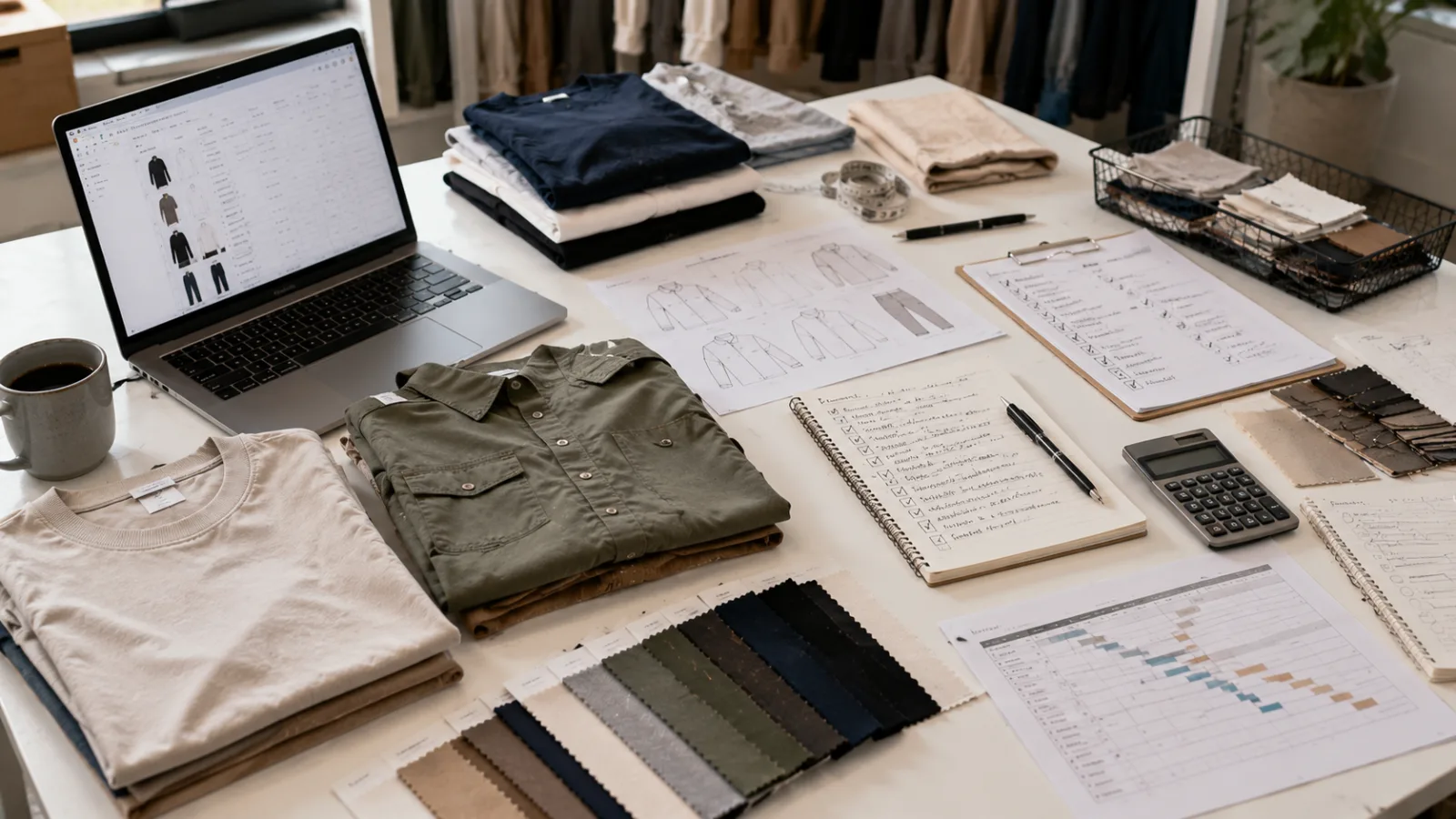
Before choosing a clothing manufacturer, review this checklist:
- Define your product category.
- Prepare design references.
- Create or draft a tech pack.
- Know your target quantity.
- Understand your budget.
- Decide domestic or overseas production.
- Search directories, referrals, trade shows, and sourcing platforms.
- Shortlist manufacturers by specialization.
- Ask about MOQ, pricing, and lead time.
- Request samples.
- Review quality carefully.
- Compare total landed cost.
- Confirm payment terms.
- Check communication quality.
- Use written agreements.
- Inspect production before shipment.
- Build a long-term relationship with the best supplier.
This checklist helps you avoid rushed decisions and gives you a more professional sourcing process.
Frequently Asked Questions About Finding Clothing Manufacturers
1. How do I find a clothing manufacturer for my brand?
You can find clothing manufacturers through online directories, trade shows, referrals, sourcing agents, LinkedIn, Google searches, and apparel manufacturing platforms. Start by defining your product category, quantity, budget, and technical requirements before contacting suppliers.
2. What should I prepare before contacting a clothing manufacturer?
Prepare product details, sketches or references, fabric requirements, target quantity, size range, branding needs, timeline, and a tech pack if possible. The more information you provide, the easier it is for manufacturers to give accurate pricing and feedback.
3. What is MOQ in clothing manufacturing?
MOQ stands for minimum order quantity. It is the smallest number of units a manufacturer will produce. MOQ may apply per style, per color, per size, or per total order. Always clarify this before agreeing to production.
4. Should I choose a domestic or overseas clothing manufacturer?
Domestic manufacturers may offer easier communication, faster shipping, and lower order quantities. Overseas manufacturers may offer better pricing, larger capacity, and more supplier options. The best choice depends on your budget, product type, timeline, and production volume.
5. Do I need a tech pack to work with a manufacturer?
A tech pack is highly recommended because it explains your garment’s measurements, fabric, trims, stitching, labels, construction, and finishing details. Some manufacturers can help without one, but a tech pack reduces confusion and improves pricing accuracy.
6. How can I tell if a clothing manufacturer is reliable?
A reliable manufacturer communicates clearly, understands your product category, provides samples, explains MOQ and pricing, follows timelines, uses quality control processes, and is willing to work with written agreements.
7. Can startups work with clothing manufacturers?
Yes, many startups work with clothing manufacturers, but they should look for small-batch, low-MOQ, private label, or startup-friendly production partners. Startups should begin with a focused collection and test samples before placing bulk orders.
Conclusion
Finding clothing manufacturers is one of the most important steps in building a fashion brand. The right manufacturer can help you create better products, control quality, manage timelines, and build a stronger customer experience. The wrong manufacturer can create delays, unexpected costs, inconsistent sizing, and product quality issues. The best approach is to prepare before you search. Understand your product category, create clear documentation, know your quantity, set your budget, and decide what type of manufacturing support you need. Then research carefully, compare suppliers, ask the right questions, request samples, review quality, and confirm everything in writing.
Clothing manufacturing is not just about finding the cheapest factory. It is about finding the right production partner for your brand’s goals, product standards, and growth stage.
If you are serious about launching or scaling a clothing brand, take the sourcing process step by step. Start with clarity, test through sampling, protect your quality, and build relationships with manufacturers who can grow with you.