
The apparel supply chain is a much bigger deal than many fashion startups, retail brands, and clothing business owners realize at the beginning. It is not just the behind-the-scenes process that turns fabric into finished garments. It affects product quality, pricing, lead time, profit margin, brand reputation, sustainability, customer satisfaction, inventory planning, and long-term business growth.
A beautiful design idea is only the starting point. To turn that idea into a successful product, a brand needs the right fabric suppliers, trim suppliers, pattern makers, sample teams, garment manufacturers, quality control systems, packaging providers, freight partners, warehouses, retailers, and customer delivery processes. If one part of the apparel supply chain is weak, the entire product launch can suffer.
For example, a clothing brand may design an excellent jacket, but if the fabric arrives late, the pattern is inaccurate, the factory misunderstands the tech pack, or the shipment misses the selling season, the brand can lose money before the product even reaches customers. In another case, a product may look good in photos but fail after a few washes because fabric quality or stitching standards were not properly controlled. That is also a supply chain issue.
The apparel supply chain is the backbone of the fashion industry. It decides whether a brand can deliver the right product, at the right quality, at the right price, at the right time. For modern apparel businesses, supply chain planning is not optional. It is one of the most important parts of building a reliable, profitable, and scalable clothing brand. This guide explains why the apparel supply chain matters so much, how it works, what challenges brands face, and how a strong supply chain can become a real competitive advantage.

What Is the Apparel Supply Chain?
The apparel supply chain is the complete network of people, processes, materials, suppliers, manufacturers, logistics partners, and systems involved in creating and delivering clothing products. It begins long before a garment appears in a store or online shop. It starts with raw material sourcing and continues through design, development, production, inspection, shipping, warehousing, distribution, sales, and sometimes returns or recycling.
In simple terms, the apparel supply chain answers one major question: how does a clothing product move from idea to customer?
A typical apparel supply chain includes raw material suppliers, yarn producers, fabric mills, dyeing and finishing units, trim suppliers, pattern makers, sample makers, garment factories, washing units, embroidery or printing facilities, quality control teams, packaging suppliers, freight forwarders, warehouses, wholesalers, retailers, eCommerce platforms, and final customers.
Each stage has its own role. Fabric mills create the main material. Trim suppliers provide buttons, zippers, labels, elastics, threads, drawcords, packaging, and hangtags. Garment factories cut, sew, finish, and pack the product. Quality inspectors check measurements, stitching, fabric defects, color consistency, and finishing. Logistics partners move the goods from the manufacturing country to the selling market.
The apparel supply chain can be local, regional, or global. A local supply chain may involve nearby fabric suppliers and domestic factories. A global supply chain may involve cotton from one country, yarn spinning in another, fabric knitting in another, garment production in another, and final sales in Europe, North America, the Middle East, or Australia.
This complexity is why apparel supply chain management is so important. A clothing brand is not only managing products. It is managing timing, cost, quality, communication, compliance, risk, and customer expectations across multiple stages.
Why the Apparel Supply Chain Is a Big Deal
The apparel supply chain is a big deal because fashion is a product-driven business. Customers judge a brand by what they receive, not by what the brand planned internally. If the garment is late, poorly made, wrongly sized, overpriced, or inconsistent, the customer experience suffers immediately.
A strong supply chain helps a brand deliver products that match its promise. If a brand positions itself as premium, its supply chain must support premium fabrics, skilled production, careful finishing, and strict quality control. If a brand positions itself as affordable, its supply chain must control costs without destroying product quality. If a brand promises sustainability, its supply chain must provide traceable materials, responsible factories, and ethical production practices.
The apparel supply chain also affects speed. Fashion trends move quickly. Retail seasons are time-sensitive. A product that arrives one month late can miss peak demand. A swimwear collection delivered after summer or a holiday collection delivered after December can become a financial problem. Supply chain planning helps brands avoid these timing failures.
It also affects profit. Product cost is shaped by material prices, factory efficiency, order quantity, shipping method, duty, packaging, wastage, and rework. If a brand does not understand the full supply chain cost, it may price products incorrectly and lose margin. The supply chain also affects reputation. Customers today are more aware of quality, sustainability, labor conditions, and delivery experience. A brand that faces repeated quality complaints, delayed deliveries, or ethical concerns can lose trust quickly.
In short, the apparel supply chain is not a back-office function. It is a major business driver. It influences product success from the first design decision to the final customer review.

The Main Stages of the Apparel Supply Chain
The apparel supply chain has several important stages, and each one affects the final product. Understanding these stages helps brands see where problems can happen and how to manage them better.
The first stage is product design and development. This is where the brand defines the garment concept, sketch, fit, fabric direction, trims, construction details, color palette, and target price. The design stage sets the foundation for sourcing and production.
The second stage is material sourcing. This includes finding fabrics, trims, labels, packaging, and other components. Material sourcing is critical because fabric often has the biggest influence on garment quality, comfort, appearance, and cost.
The third stage is sampling. Factories create prototype samples, fit samples, size set samples, pre-production samples, and sometimes photo samples. Sampling allows the brand to test construction, fit, measurement, fabric behavior, and overall product appearance before bulk production.
The fourth stage is production planning. This includes confirming order quantity, size ratio, color breakdown, production timeline, factory capacity, fabric delivery, trim delivery, cutting schedule, sewing line plan, finishing schedule, and inspection dates.
The fifth stage is bulk production. This is where the garments are cut, sewn, finished, pressed, checked, packed, and prepared for shipping. Production requires close monitoring to make sure the approved sample and tech pack are followed.
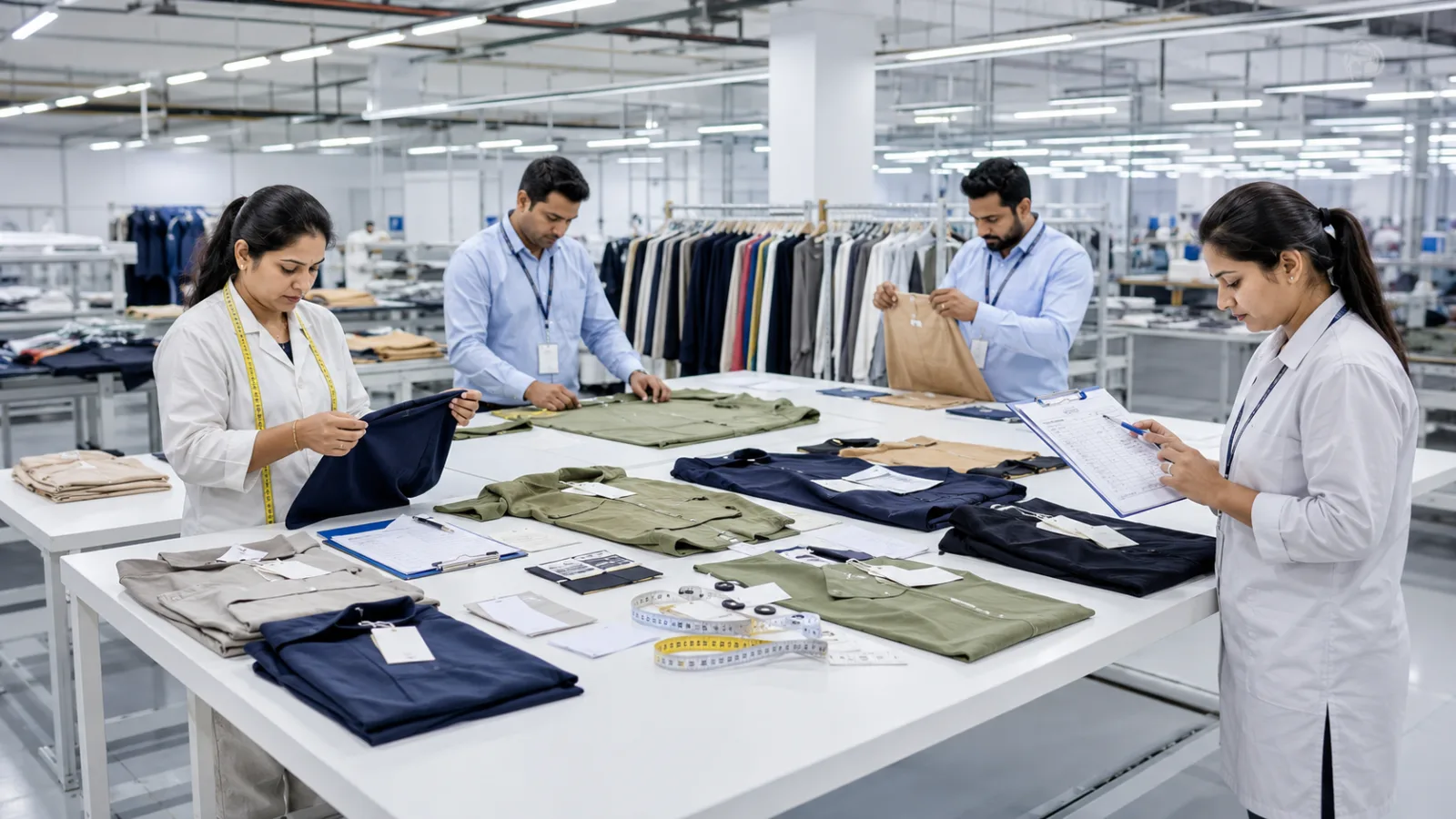
The sixth stage is quality control. Quality checks can happen before production, during production, and after production. The goal is to detect defects early and reduce the risk of shipping faulty products.
The seventh stage is logistics and distribution. Finished goods move from factory to warehouse, retailer, or customer. This stage includes export documents, freight, customs, warehousing, inventory allocation, and final delivery.
The final stage is post-sale analysis. Brands review sell-through, returns, customer feedback, defect rates, fit issues, and supplier performance. These insights help improve future supply chain decisions.

How the Supply Chain Affects Product Quality
Product quality is one of the clearest reasons the apparel supply chain matters. A garment’s final quality depends on many decisions made throughout the supply chain, not only on the factory sewing line.
Fabric quality plays a major role. Poor fabric can shrink, twist, fade, pill, stretch out, or feel uncomfortable. Even if stitching is good, a garment made from weak fabric will disappoint customers. That is why brands must test fabric weight, composition, shrinkage, colorfastness, hand feel, durability, and performance before bulk production.
Trims also matter. A weak zipper, low-quality button, poor elastic, rough label, or cheap drawcord can damage the customer experience. Small components may look minor, but they can create major quality problems. Pattern and fit are also part of supply chain quality. If the pattern is poorly developed, the garment may not fit well even if it is sewn correctly. A brand should use accurate measurement specs, fit sessions, sample reviews, and size grading to reduce fit-related returns.
Factory skill is another key factor. Some factories are strong in basic T-shirts but weak in tailored jackets. Some are excellent at activewear but not suitable for denim. Choosing the right manufacturer for the product type is essential.
Quality control must be built into the process. Waiting until the final inspection can be risky because problems may already be too expensive to fix. A better approach includes fabric inspection, trim checking, sample approval, inline inspection, final inspection, and shipment approval. When supply chain quality is managed properly, brands can reduce returns, protect reputation, increase customer loyalty, and justify better pricing.
How the Apparel Supply Chain Impacts Cost and Pricing
The apparel supply chain has a direct impact on product cost and retail pricing. Many new clothing brands only think about the factory price, but the real cost of a garment includes much more.
The total cost can include fabric, trims, labels, packaging, sampling, pattern making, printing, embroidery, washing, testing, factory labor, overhead, inspection, freight, duties, warehousing, returns, and markdown risk. If a brand ignores these costs, it may set prices that look attractive but fail to protect profit.
Material choices can change cost significantly. Organic cotton, performance fabrics, specialty yarns, premium denim, wool blends, waterproof materials, or custom-developed fabrics usually cost more than basic stock fabrics. Similarly, custom trims, special packaging, and complex garment construction can increase production cost.
Order quantity also affects pricing. Larger orders usually allow better unit costs because factories can spread setup time, material buying, and production efficiency across more units. Smaller orders often cost more per piece because they require the same preparation but generate lower production volume.
Lead time also affects cost. If a brand needs fast production or urgent shipping, costs can increase. Air freight is much more expensive than sea freight. Rushed production may also create quality risks.
A strong apparel supply chain helps brands build realistic pricing strategies. It allows them to understand where money is being spent, where costs can be optimized, and where quality should not be compromised. The goal is not always to find the cheapest supplier. The goal is to find the best value, where cost, quality, reliability, and brand positioning are balanced.

Lead Time: Why Timing Can Make or Break a Clothing Brand
Lead time is one of the most important factors in the apparel supply chain. It refers to the time needed to develop, produce, ship, and deliver a product. In fashion, timing can determine whether a product becomes profitable or becomes dead stock.
A typical apparel lead time may include design development, fabric sourcing, sampling, sample approval, bulk fabric production, trim sourcing, cutting, sewing, finishing, inspection, packing, shipping, customs clearance, and warehouse processing. Each stage takes time, and delays in one stage can affect the full calendar.
For seasonal products, timing is especially critical. Winter jackets need to arrive before cold weather demand peaks. Back-to-school apparel needs to arrive before the shopping period. Holiday products need to arrive before customers finish gift shopping. Late delivery can force brands to discount products quickly, even if the product itself is good. Lead time also affects marketing. If products arrive late, photoshoots, website launches, influencer campaigns, email promotions, and retail displays may all be delayed. This creates pressure across the business.
A reliable supply chain helps brands plan launch dates with more confidence. It also helps them manage buffer time for sampling, production issues, shipping delays, and quality corrections. Brands that understand lead time can plan more realistic calendars and avoid last-minute panic. Speed is important, but speed without control is dangerous. A fast supplier that delivers inconsistent quality can create bigger problems than a slower but reliable partner. The best apparel supply chains balance speed, accuracy, communication, and quality.
Supply Chain Transparency and Ethical Production
Transparency has become a major issue in the apparel industry. Customers, retailers, and business partners increasingly want to know where products come from, how they are made, and whether workers and materials are handled responsibly. An ethical apparel supply chain focuses on fair labor practices, safe working conditions, responsible sourcing, legal compliance, accurate documentation, and honest communication.
For brands, this is not only a moral issue. It is also a business risk issue. If a brand does not know where its products are made, it may be exposed to poor factory conditions, unauthorized subcontracting, wage issues, unsafe workplaces, or misleading sustainability claims. These problems can damage brand reputation and create serious business consequences.
Transparency starts with supplier visibility. Brands should know which factories, fabric mills, trim suppliers, washing units, printing units, and subcontractors are involved in production. They should also ask for compliance documents, audit reports, certifications where relevant, and clear production agreements.
Ethical production also requires realistic expectations. If a brand demands extremely low prices and impossible delivery times, it may push suppliers toward shortcuts. Responsible supply chain management means balancing commercial needs with fair and realistic production practices.
For modern apparel brands, ethical sourcing can also become a brand advantage. Customers often feel more confident buying from brands that can explain their production process, material choices, and supplier standards. Trust becomes part of the product value.

Sustainability in the Apparel Supply Chain
Sustainability is one of the biggest reasons the apparel supply chain is such a major topic today. Clothing production uses materials, energy, water, chemicals, labor, packaging, transport, and storage. Every stage has environmental impact.
Sustainable apparel supply chain planning can include responsible material sourcing, lower-impact dyes, efficient production methods, reduced waste, better packaging, optimized shipping, durable product design, and circular solutions such as repair, resale, or recycling.
Material choice is often the first sustainability decision. Brands may consider organic cotton, recycled polyester, linen, hemp, responsibly sourced wool, low-impact viscose, or deadstock fabrics. However, sustainability should not be treated as a simple label. Each material has trade-offs, and brands should understand performance, cost, availability, durability, and care requirements.
Waste reduction is another important area. Poor planning often creates excess inventory, unused fabric, rejected products, and heavy markdowns. A better supply chain can reduce waste through accurate forecasting, smarter cutting, controlled production quantities, and better quality management.
Packaging also matters. Many apparel products use polybags, cartons, hangtags, tissue paper, stickers, and shipping materials. Brands can improve packaging choices by reducing unnecessary materials, using recycled content, and designing packaging that protects products without waste.
Sustainable supply chains are not built overnight. They require better supplier selection, clearer standards, longer-term partnerships, and continuous improvement. But for apparel brands that want to build long-term trust, sustainability is no longer just a marketing point. It is part of responsible business planning.
The Role of Technology in Apparel Supply Chain Management
Technology is changing how apparel brands manage supply chains. In the past, many brands relied heavily on emails, spreadsheets, manual approvals, and disconnected communication. Today, better tools can help brands improve visibility, planning, tracking, and decision-making.
Product lifecycle management systems help teams manage design details, tech packs, sample approvals, materials, costing, and supplier communication in one place. Inventory systems help track stock levels, purchase orders, warehouse movement, and sales performance. Forecasting tools help brands estimate demand more accurately.
Digital communication tools can reduce confusion between brands and suppliers. When factories receive clear tech packs, measurement specs, construction details, artwork files, and approval comments, production mistakes are less likely.
Technology also supports traceability. Some brands use digital platforms to track materials, factory stages, certifications, and shipping documents. This can help with transparency and compliance.
For eCommerce brands, supply chain technology is especially important because customer expectations are high. Shoppers want accurate stock availability, fast shipping, easy returns, and clear delivery updates. Weak supply chain systems can create overselling, delayed dispatch, poor customer service, and inventory errors.
However, technology cannot fix a weak strategy by itself. A brand still needs good suppliers, clear processes, accurate data, and strong decision-making. The best results happen when technology supports a well-organized supply chain.

Common Apparel Supply Chain Problems
Many apparel brands face supply chain problems, especially during growth. Some problems are caused by poor planning, while others come from supplier issues, market changes, or logistics disruptions.
One common problem is unclear product development. If the tech pack is incomplete, the factory may interpret details incorrectly. This can lead to wrong measurements, wrong trims, wrong stitching, poor fit, or inconsistent finishing.
Another common issue is weak supplier selection. Choosing a factory only because it offers the lowest price can create quality problems, delays, communication issues, or hidden costs. The right supplier should match the product type, quality level, order size, timeline, and compliance needs.
Late material delivery is also a major problem. If fabric or trims arrive late, production cannot start on time. This can delay the full order and affect launch dates.
Poor quality control creates another risk. If defects are found only after goods arrive at the warehouse, the brand may face returns, customer complaints, rework costs, or unsellable inventory.
Communication gaps can also create serious problems. Apparel production involves many small details. A missing measurement update, unclear color approval, delayed sample feedback, or misunderstood packaging instruction can create expensive mistakes.
Logistics disruptions can affect delivery timing and cost. Shipping delays, customs issues, port congestion, document errors, and freight price changes can all impact the supply chain.
These problems show why apparel supply chain management requires structure, not guesswork. Brands need clear processes, reliable partners, documentation, timelines, inspections, and backup plans.

How a Strong Supply Chain Helps Retail Brands Grow
A strong apparel supply chain gives retail brands more control, consistency, and confidence. It helps them launch products on time, maintain quality, protect margin, reduce waste, and respond to customer demand more effectively.
For a small clothing brand, a strong supply chain can make the difference between struggling with repeated mistakes and building a stable product system. For a growing retail brand, it helps support larger orders, more categories, faster launches, and better inventory planning.
A reliable supply chain also improves brand credibility. Customers may not see the factory or supplier network, but they feel the results. They notice when products fit well, arrive on time, last longer, and match what was promised online. They also notice when quality is inconsistent, sizing is confusing, or products arrive late.
Retail buyers and wholesale partners also care about supply chain reliability. If a brand wants to sell through boutiques, department stores, marketplaces, or international distributors, it must prove that it can deliver products professionally. Late delivery, poor packing, inconsistent sizing, or missing compliance documents can damage wholesale relationships.
A strong supply chain also gives brands better decision-making power. When a brand knows its supplier capacity, lead times, costs, quality levels, and material options, it can plan collections more strategically. It can decide which products to repeat, which to improve, which to discontinue, and which categories to expand. In this way, the apparel supply chain becomes more than an operational system. It becomes a growth engine.

What New Clothing Brands Should Know About the Apparel Supply Chain
New clothing brands often underestimate how complex the apparel supply chain can be. Many founders start with design ideas, branding, and marketing, but they may not fully understand sourcing, sampling, production timelines, minimum order quantities, quality control, or logistics.
One of the first things new brands should understand is that product development takes time. A garment usually needs multiple sample rounds before it is ready for production. Fit needs to be tested. Fabric behavior needs to be reviewed. Costs need to be confirmed. Packaging and labeling details need to be finalized.
New brands should also understand that low minimum order quantity suppliers may be helpful at the beginning, but they may have limitations in pricing, fabric access, production consistency, or scalability. On the other hand, large factories may not accept small orders. Finding the right supplier match is important.
Another important point is that communication must be detailed. A factory cannot read a brand’s mind. The brand should provide a clear tech pack, measurement chart, construction notes, fabric details, trim information, label placement, color references, artwork files, packaging instructions, and quality expectations.
New brands should also plan for hidden costs. Sampling, shipping samples, fabric testing, duties, product photography, packaging, warehousing, returns, and rejected units can all affect the real cost of launching apparel products.
Most importantly, new brands should avoid rushing into bulk production before approving samples properly. A small mistake in a sample can become a huge mistake in bulk. Careful preparation saves money later.

How to Build a Better Apparel Supply Chain
Building a better apparel supply chain starts with clarity. A brand must know what type of products it wants to make, what quality level it needs, what price point it targets, what order quantities it can support, and what customer expectations it must meet.
The next step is choosing the right suppliers. Look for suppliers with experience in your product category. A factory that specializes in woven shirts may not be the best choice for seamless activewear. A denim factory may not be suitable for delicate silk dresses. Supplier specialization matters.
Brands should also create strong documentation. A complete tech pack reduces confusion and protects both the brand and the factory. It should include sketches, measurements, grading, fabric details, trims, stitching instructions, labels, artwork, packaging, and quality standards.
Quality control should be planned early. Brands should inspect materials, review samples carefully, approve pre-production samples, monitor production, and inspect final goods before shipment.
Communication should be consistent. Regular updates, clear feedback, written approvals, and organized files help prevent mistakes. Brands should avoid vague instructions such as “make it better” or “use good fabric.” Instead, they should provide measurable and specific requirements.
It is also smart to build long-term supplier relationships. A good supplier who understands your brand can help improve quality, solve problems faster, suggest better materials, and support future growth. Constantly changing suppliers only to chase lower prices can create instability. Finally, brands should review supply chain performance after every season. Look at delivery accuracy, defect rates, cost changes, supplier responsiveness, customer returns, and sell-through. Use those insights to improve the next production cycle.

Is the Apparel Supply Chain Really That Big of a Deal?
Yes, the apparel supply chain is a very big deal. In fact, it is one of the most important parts of the fashion business. A brand can have great designs, strong branding, beautiful photography, and smart marketing, but if the supply chain cannot deliver quality products on time and at the right cost, the business will struggle.
The apparel supply chain affects almost every major business outcome. It affects whether products are profitable. It affects whether customers are satisfied. It affects whether the brand can scale. It affects whether inventory is available at the right time. It affects whether returns are manageable. It affects whether the brand can keep its promises.
A strong supply chain does not guarantee success by itself, but a weak supply chain can easily destroy good opportunities. It can turn a promising collection into a delayed launch. It can turn a beautiful design into a poor-quality product. It can turn strong customer interest into negative reviews because products are unavailable, late, or inconsistent.
For apparel brands, the supply chain should be treated as a strategic priority, not just an operational detail. It should be planned, measured, improved, and connected to the brand’s wider goals.
The brands that take supply chain seriously are usually better prepared to handle growth, competition, customer expectations, and market changes.
Final Checklist for Apparel Supply Chain Success
Before launching or scaling an apparel product, brands should review the most important supply chain questions.
- Is the product design clear and production-ready?
- Is the tech pack complete and detailed?
- Has the right fabric been tested and approved?
- Are trims, labels, and packaging confirmed?
- Is the factory experienced in this product category?
- Are cost, margin, and retail price realistic?
- Are lead times clearly planned?
- Has the sample been reviewed and approved?
- Is there a quality control process before shipment?
- Are logistics, duties, and delivery timelines included?
- Is the supplier communication organized?
- Is there a backup plan if delays happen?
- Are customer return reasons reviewed after launch?
These questions help brands avoid common mistakes and build a more reliable apparel supply chain. A brand does not need to be perfect from the beginning, but it should be organized, realistic, and committed to improvement.
Conclusion
The apparel supply chain is a huge deal because it shapes the entire journey of a clothing product. It affects how garments are sourced, developed, produced, inspected, shipped, sold, and experienced by customers. It influences quality, cost, timing, sustainability, ethics, inventory, customer trust, and business growth.
For retail brands and fashion startups, the supply chain is not just a technical process happening behind the scenes. It is a major part of the brand’s success. Every product promise depends on the supply chain’s ability to deliver. If the brand promises premium quality, the supply chain must support it. If the brand promises affordability, the supply chain must manage cost efficiently. If the brand promises sustainability, the supply chain must provide transparency and responsible practices.
A weak apparel supply chain creates delays, defects, overstock, customer complaints, low margins, and missed opportunities. A strong apparel supply chain creates consistency, reliability, better planning, stronger products, and long-term growth.
The fashion industry will always involve creativity, trends, and branding, but behind every successful apparel brand is a supply chain that makes those ideas possible. Brands that understand this early have a much better chance of building products that customers trust, and businesses that can scale with confidence