
Struggling with production delays? Learn how to calculate full clothing manufacturing lead times, avoid common startup mistakes, and plan realistic
If you are a startup apparel brand, the clothing manufacturing lead time can feel confusing and frustrating. You plan a launch date, post teasers, schedule influencer content, and then suddenly your supplier says production needs 60 to 120 days. You wonder: is the factory slow, or is the process just more complex than it looks?
The truth is that clothing manufacturing lead time is not one single number. It is the total time required to move from idea to delivered inventory. It includes development, sampling, approvals, raw material sourcing, production planning, cutting, sewing, finishing, quality control, packing, shipping, and customs clearance. Each stage has its own risks and dependencies, especially for startups that are placing their first order, changing designs often, or using low MOQs.In this guide, you will learn what clothing manufacturing lead time really means, what stages cause delays, typical timelines for different product types, how to plan a startup-friendly production calendar, and how to reduce lead time without sacrificing quality.
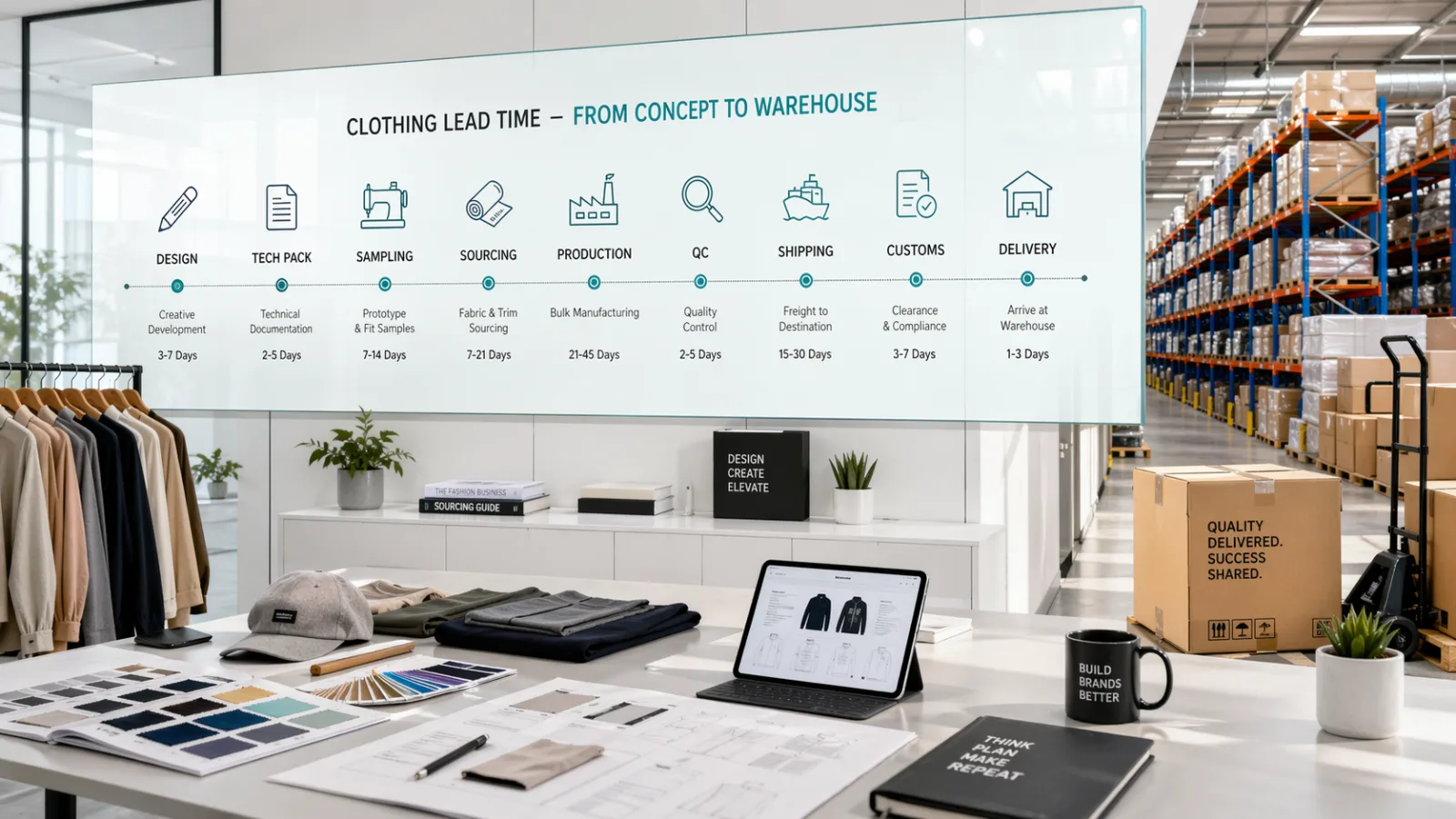
Global Apparel Production and Lead Time Challenges
The global fashion industry produces more than 100 billion garments every year, making clothing one of the largest manufacturing sectors worldwide. Because of this scale, supply chains involve multiple stages including textile mills, trim suppliers, garment factories, logistics providers, and international distributors.
For apparel startups, coordinating these stages can be challenging. Industry sourcing data shows that typical clothing manufacturing lead times range from 60 to 120 days, depending on product complexity, fabric sourcing, and shipping method.
Understanding these timelines helps startups plan product launches more realistically and avoid costly delays during production and delivery.
What Is Clothing Manufacturing Lead Time?
Clothing manufacturing lead time is the total time between placing an order (or starting development) and receiving finished garments ready to sell.
For startups, the most useful definition is:
Lead time = Development + Materials + Production + QC + Logistics
Some suppliers only quote “production lead time,” which usually means the time from when materials are ready to when goods are packed. But startups should track full lead time, because your launch date depends on the entire chain.
Two lead time terms you must understand
- Development lead time: time to create samples, approve fit, and finalize specifications
- Production lead time: time to manufacture bulk goods after approvals and materials are ready
If you only plan for production lead time, your launch calendar will slip.
Clothing Manufacturing Lead Time at a Glance
The following estimates are general planning ranges rather than guaranteed schedules. Actual timing depends on the product, supplier, materials, order quantity, factory capacity, and shipping method.
Some activities can happen at the same time. For example, packaging development may begin while fit samples are under review. Other steps cannot start until a previous stage is complete.
The longest dependent chain of activities is often called the critical path. Any delay on that path can move the final delivery date.
Why Lead Time Matters More for Startups
Large brands can survive delays because they have bigger budgets, inventory buffers, and multiple suppliers. Startups are different.
Lead time directly affects:
- product launch schedules
- cash flow timing
- marketing campaigns
- pre-order promises
- seasonal relevance (summer arrivals in winter is a disaster)
- warehouse planning and fulfillment
For a new brand, late delivery can mean:
- refunded pre-orders
- missed retail drop windows
- forced air freight costs
- reduced customer trust
That is why understanding lead time is not optional. It is part of your business model.

Understanding Lead Times in Textile Manufacturing
Understanding how lead time plays into the apparel manufacturing process is essential because when an order is placed the manufacturing timeline must account for material procurement, fabric production and the entire manufacturing operations. Production efficiency and production speed significantly influences lead and lead time in garment production, while product quality cannot be sacrificed if brands expect to deliver on time.
Understanding and managing lead time means mapping the production flow, using modular production and improving the management of lead so shorter lead times and shorter manufacturing windows are achievable. In the fashion industry, extended lead times can result in missed market demands and excess finished goods; thus lead time helps brands prioritize where additional time is needed, what factors affecting lead exist, and how lead time reduction and an efficient supply chain impact overall time is about reducing uncertainty and meeting the time needed to fulfill orders.
Factors That Affect Lead Time In The Garment Industry
In apparel manufacturing, lead time in the garment and overall time in the garment industry are shaped by many factors affecting the supply chain and garment manufacturing steps; material procurement, fabric production, and the apparel manufacturing process from cutting and sewing to finished products determine production time. Factors affecting capacity such as actual production capacity, production capacity, and manufacturing operations influence whether shorter manufacturing schedules are possible or whether extended lead times can result.
Understanding and managing lead time means mapping the manufacturing process and production process to optimize and optimize production—applying lean manufacturing principles, modular production, and streamlining procurement to minimize disruption. Lead time helps brands plan; lead time is crucial for the management of lead and lead time reduction to deliver on time. Recognizing key factors and factors affecting lead time allows firms to reduce production time, avoid additional time requirements, and address how extended lead or require more time scenarios impact lead the manufacturing timeline. Time is about reducing uncertainty in garment manufacturing and lead time in garment production.
The Full Clothing Manufacturing Lead Time Stages (Start to Finish)
Most startup delays happen because one stage is underestimated. Here is the complete flow, explained clearly.
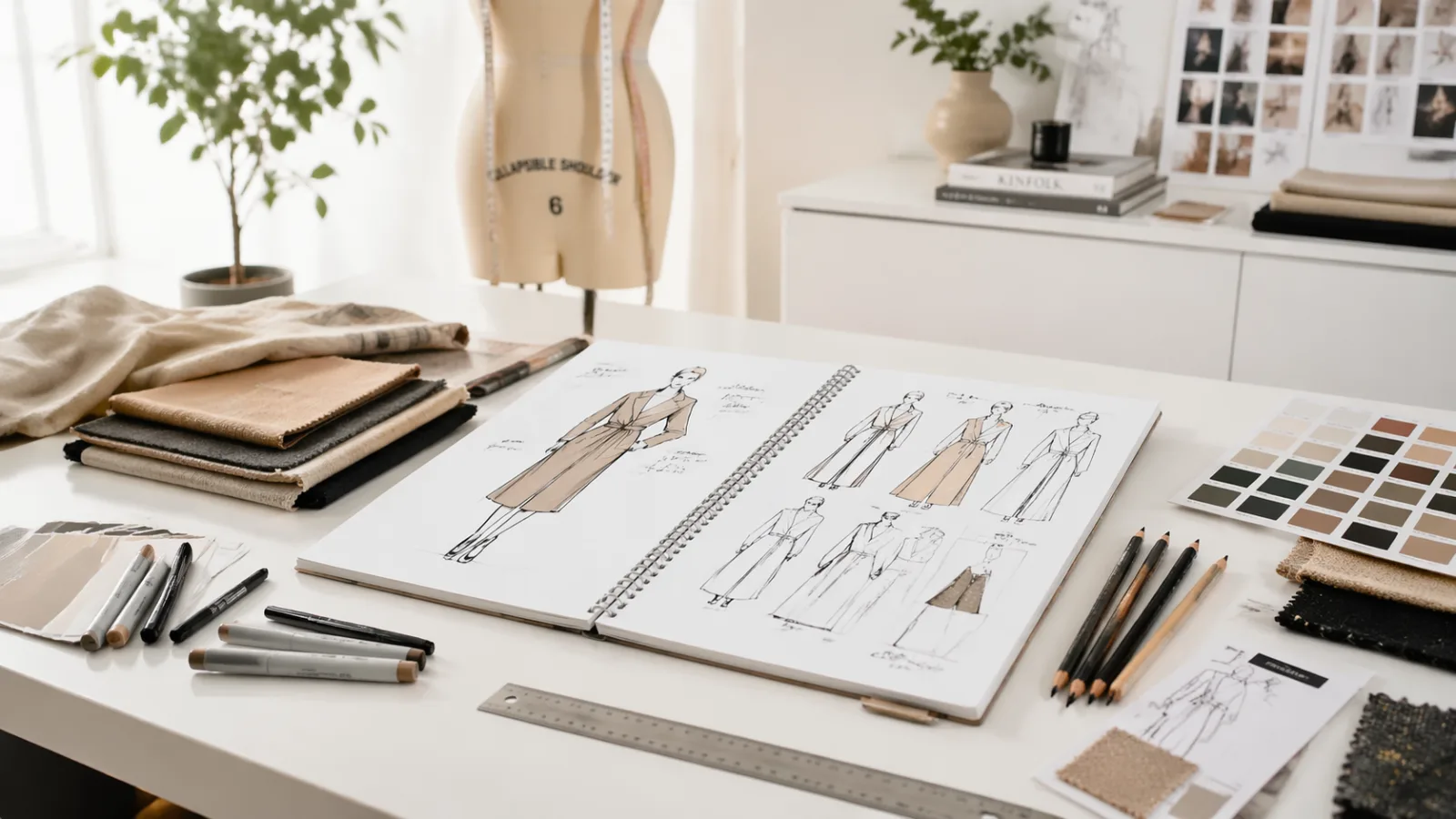
Stage 1: Design and Product Planning
This stage includes:
- selecting styles and silhouettes
- Defining fabric type and trims can affect lead time.
- outlining colorways and size range
- deciding target price and cost constraints
Typical time in the garment industry: 3–14 days
Startups move fast here, but changes later can add weeks.
Stage 2: Tech Pack Creation
A tech pack is your production blueprint. Without it, factories guess.
Includes:
- measurements and tolerances
- Construction details are crucial for managing lead time.
- stitching specifications
- label placement
- trim list (BOM)
- packaging instructions
Typical time: 3–10 days (if you have experience)
If you are new, revisions can push it to 2–3 weeks, potentially extending lead time.
Stage 3: Sampling and Fit Approvals
Sampling is often the biggest lead time killer for startups, because early samples rarely fit perfectly.
Sampling types may include:
- prototype sample
- fit sample
- size set sample
- pre-production (PP) sample
- seal sample
Typical time: 2–6 weeks depending on complexity and number of revisions
Common delay causes:
- unclear feedback
- inconsistent measurement methods
- fabric substitutions during sampling
Stage 4: Material Sourcing and Lab Approvals
This stage includes:
- Fabric sourcing, mill booking, and production are key components that can extend lead time.
- lab dips for colors
- trim sourcing (labels, buttons, zippers)
- print or embroidery approvals
Typical time: 2–6 weeks
If you need custom fabric, special dyeing, or branded trims, this stage becomes the longest part of the entire timeline.
Stage 5: Production Planning and Line Booking
Factories schedule production lines weeks in advance.
Lead time depends on:
- factory capacity and season
- order quantity
- complexity and SMV
- whether materials arrive on time
Typical time: 1–3 weeks queue time in the garment manufacturing process.
Startups often forget that factories have other buyers, so you may wait for an open line.
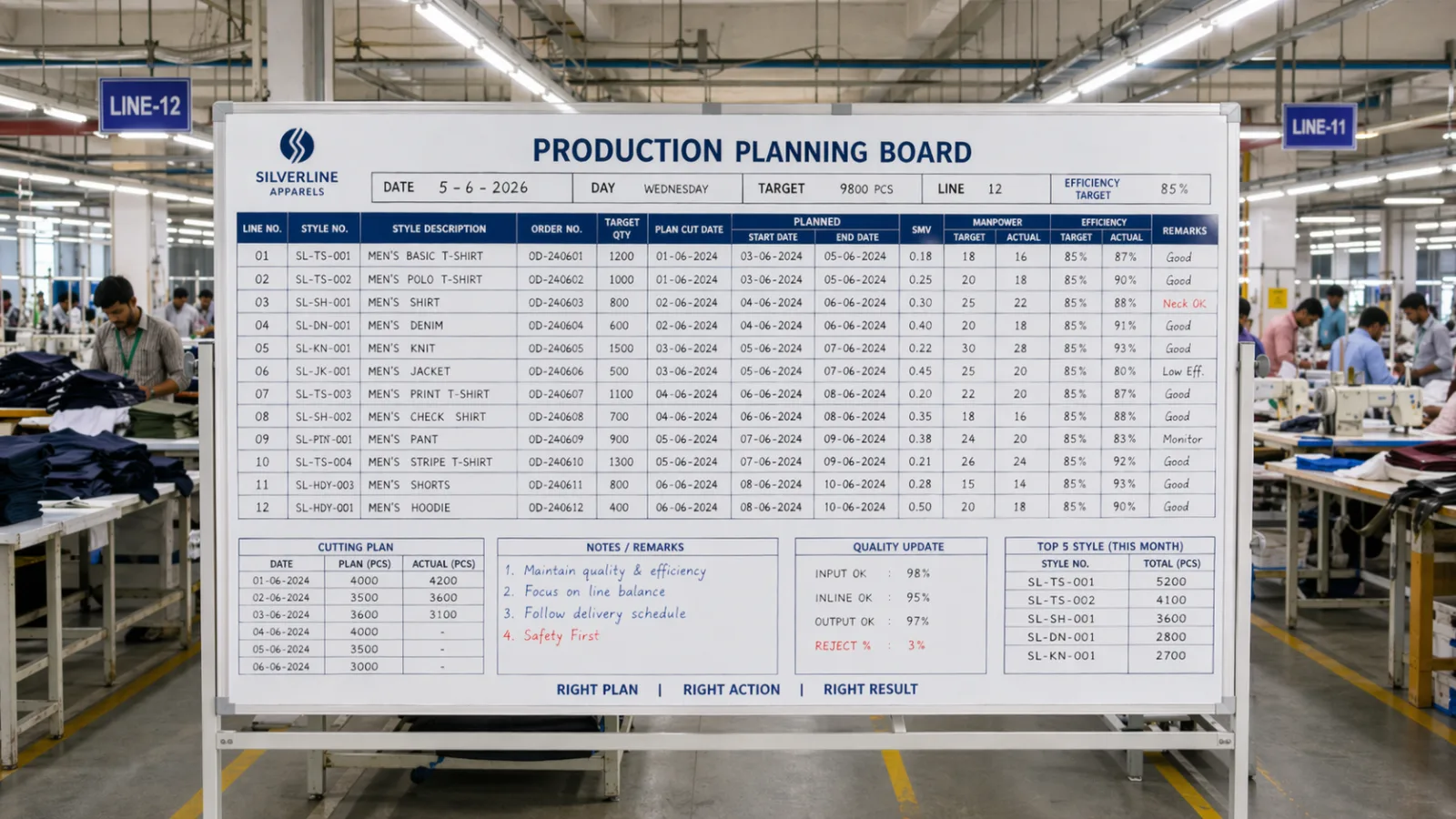
Stage 6: Cutting, Sewing, and Assembly (Bulk Production)
This is the part most startups think about, but it is only one slice of the lead time.
Includes:
- fabric inspection and relaxation
- marker making and cutting
- sewing line production
- inline quality checks
Typical time: 2–6 weeks
Depends heavily on:
- order quantity
- product type (t-shirt vs jacket)
- number of operations
Stage 7: Finishing, Washing, and Packaging
Finishing includes:
- thread trimming
- washing and drying (if required)
- pressing and folding
- attaching labels and hangtags
- polybagging, stickers, carton packing
Typical time: 5–15 days
Garment washing can add 7–14 additional days depending on capacity.
Stage 8: Final Inspection and Rework Window
A final inspection is critical, especially for startups trying to avoid returns and reputation damage.
Includes:
- measurement checks
- Workmanship checks are essential to optimize production.
- labeling and packaging verification
- AQL sampling (if used)
Typical time: 2–7 days
If defects are found, rework can add another 3–10 days.
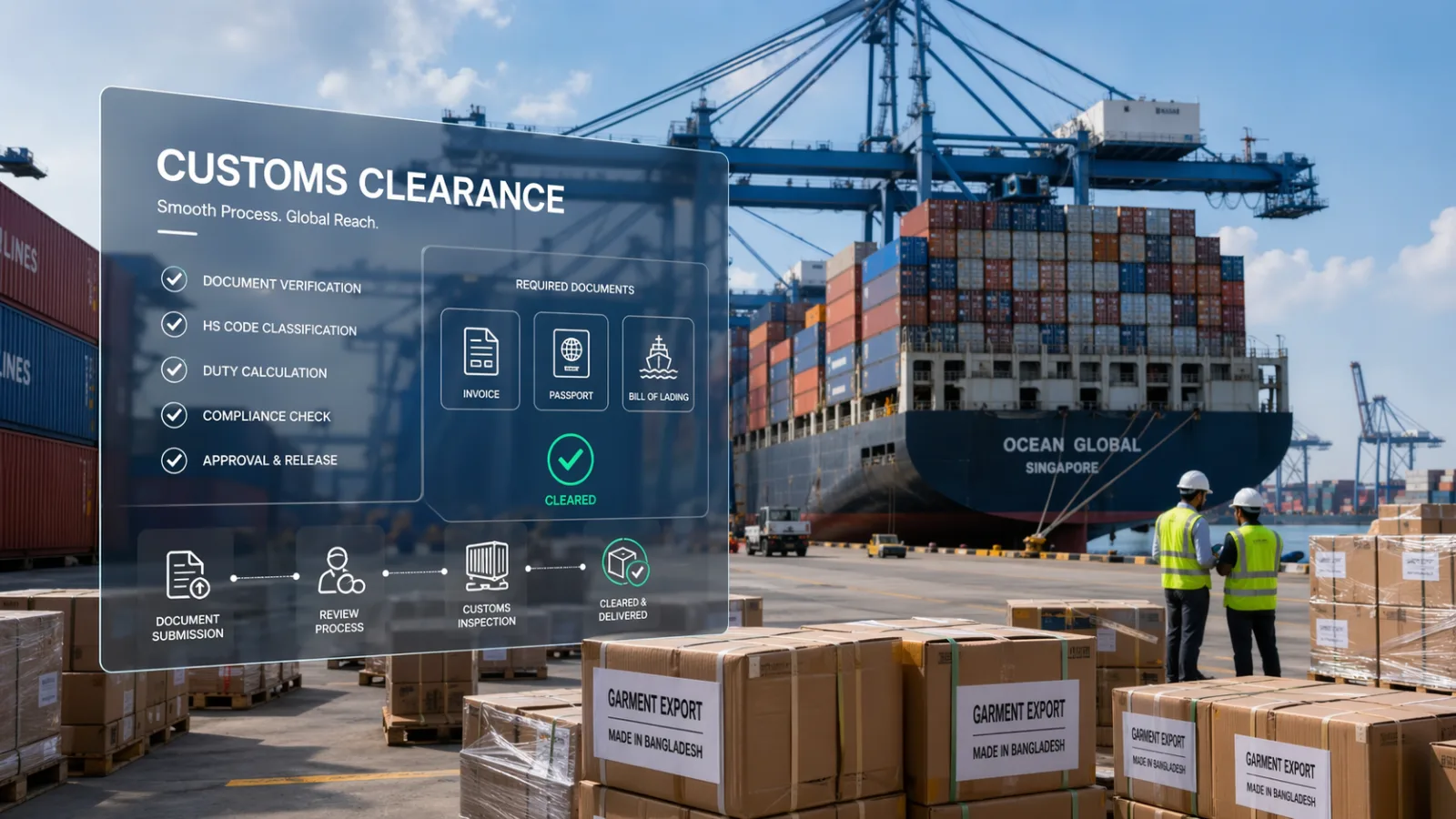
Stage 9: Shipping and Customs Clearance
Your total lead time in the garment includes logistics, not just production.
Typical transit times to Europe:
- Sea freight: 25–40 days
- Air freight: 3–7 days
- Courier: 2–5 days (samples only)
Customs can add:
- 2–10 days depending on documentation accuracy and port congestion
Typical Clothing Manufacturing Lead Times by Product Type
Lead time varies by product complexity and material needs.
Many startups plan lead time better when they compare timelines by product type and complexity. Use the table below as a practical reference for early production planning.
Startup-friendly estimates (development + production, excluding shipping)
- Basic t-shirts and hoodies: 45–75 days
- Polo shirts and simple dresses: 60–90 days
- Denim jeans: 75–110 days
- Jackets, outerwear, and technical garments: 90–140 days
- Activewear with performance fabric: 75–120 days
These ranges assume optimal conditions in the garment manufacturing process:
- 1–2 sample rounds
- materials available within normal lead time
- factory capacity booked reasonably
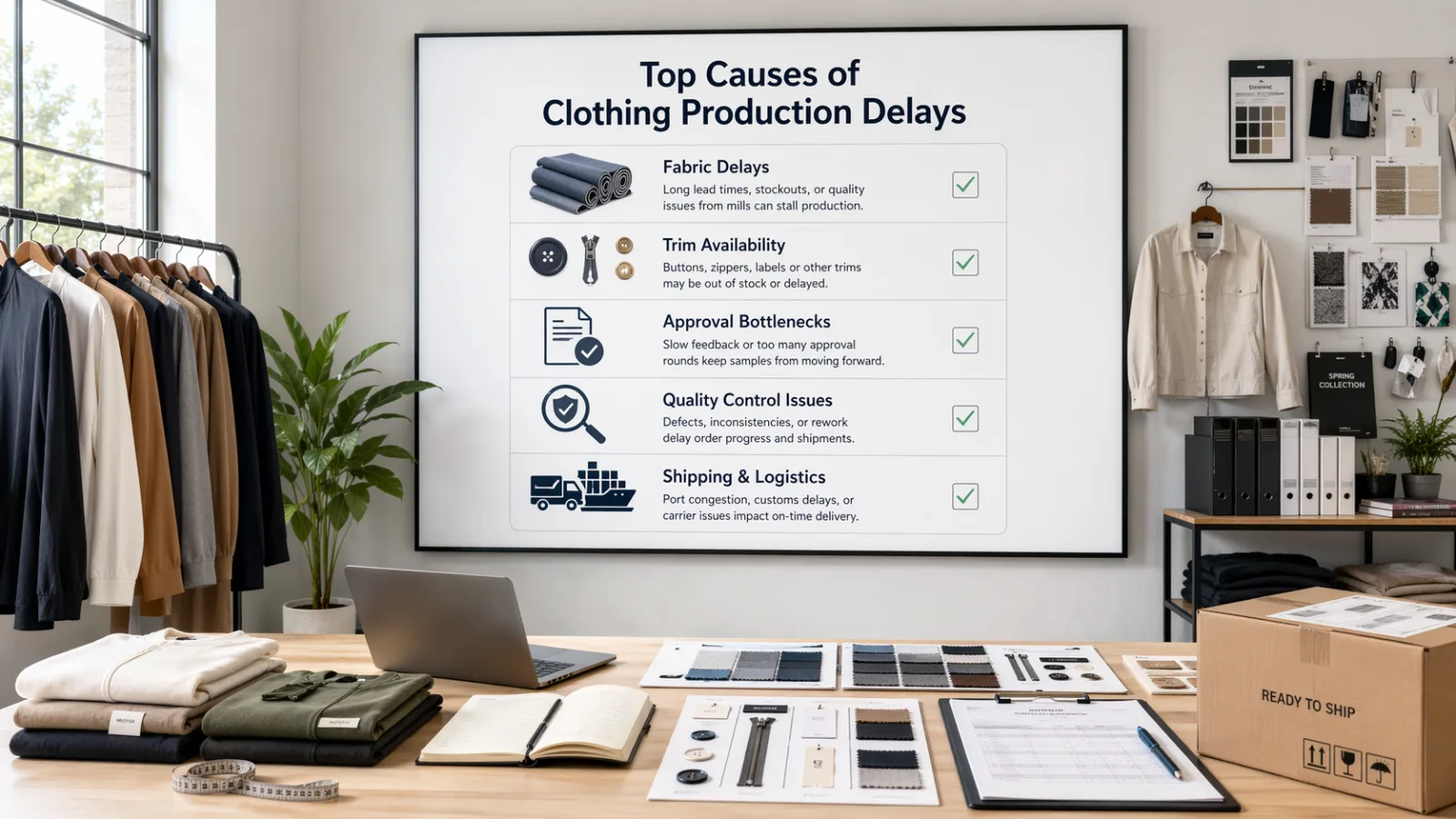
What Causes Clothing Manufacturing Delays (Most Common Startup Mistakes)
Most delays are not caused by factories being slow. They come from unclear inputs, late decisions, and material problems.
Top delay causes
- incomplete tech packs
- slow sample approval feedback
- switching fabric after sampling
- late label or packaging approvals
- color approvals taking too long
- trim shortages or wrong trim deliveries
- factory line capacity constraints
- last-minute design changes
- poor QC planning leading to rework late in timeline
The Startup Lead Time Formula (A Simple Way to Plan)
Use this simple planning method:
Total lead time =
Development (2–6 weeks)
- Materials (2–6 weeks)
- Production (3–8 weeks)
- QC + Rework (1–2 weeks)
- Shipping + Customs (1–6 weeks)
A startup mistake is planning for the minimum. Instead, plan using a buffer.
Recommended buffer rule
Add to optimize lead time. 15–25% buffer time for:
- first orders
- new factories
- custom fabrics
- seasonal peak production windows
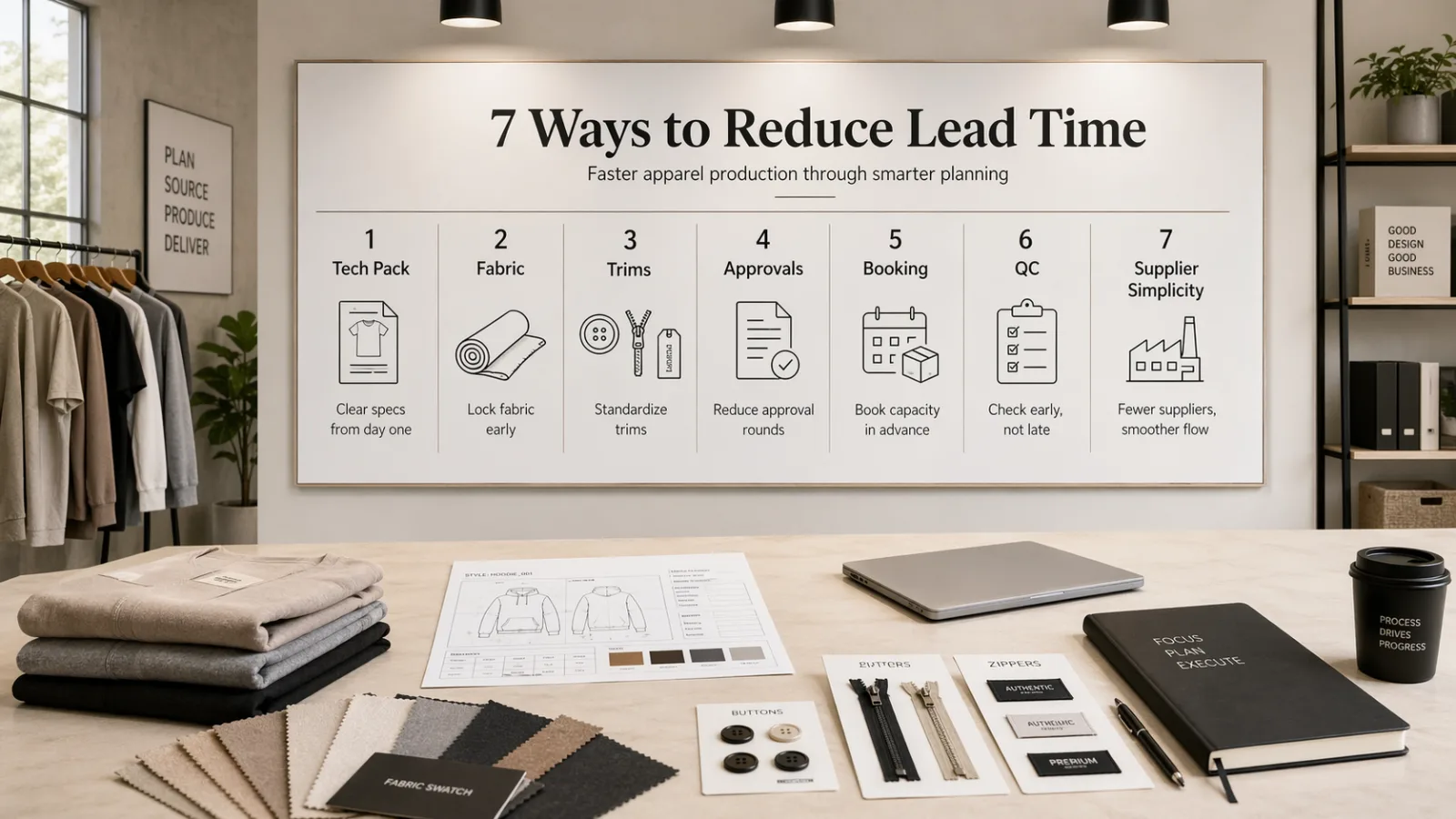
How to Reduce Clothing Manufacturing Lead Time Without Sacrificing Quality
Startups want speed, but speed without structure creates defects. Here are safe, proven ways to shorten lead time.
1) Finalize your tech pack before sampling
A detailed tech pack reduces sample rounds and production confusion.
2) Use stock fabric for first launches
Custom fabric development adds weeks. Start with available fabric options.
3) Keep trims simple
Custom labels, branded zippers, and complex packaging slow everything down.
4) Approve colors faster using clear standards
Use Pantone references and confirm lab dip approval timelines early.
5) Book production slots early
Even if you are not ready, tell factories your target timeline so they can tentatively reserve line space.
6) Use one primary supplier for your first collection
Managing multiple factories increases complexity and delays.
7) Do inline QC early
Catching defects early prevents major rework at the end.
Lead Time Planning for Pre-Orders (Startups Must Be Extra Careful)
Pre-orders help cash flow but increase risk if lead time slips.
Best practices for pre-orders
- never promise the factory’s minimum lead time
- add at least 2–4 weeks buffer
- communicate shipping windows, not exact dates
- keep customers updated at key milestones
- avoid custom fabrics on first pre-order campaigns
If you promise delivery in 30 days and your factory lead time is 60 days, your brand trust gets damaged fast.
Lead Time and MOQ: Why Small Orders Often Take Longer
Startups assume small orders should be fast. In reality, small orders can take longer because:
- factories prioritize large repeat buyers
- trimming and setup time is similar regardless of quantity
- some mills and trim suppliers have high MOQs and longer lead times
- sampling and approvals still take the same time
A small MOQ order can be slower than a big order if the factory schedules it behind larger production runs.
Communication Tips That Prevent Lead Time Problems
Many lead time issues are communication issues.
What to communicate clearly
- your target ship date and warehouse date
- your approval response time promise (example: 24–48 hours)
- your packaging and labeling requirements
- your QC and inspection timing
- whether you will accept partial shipments
What to ask the factory
- when do you need fabric and trims delivered?
- what is your sample turnaround time?
- when can you book a line slot?
- what is your rework capacity if inspection fails?

ApparGlobal: Building More Predictable Apparel Production Timelines
Many startups shorten lead time by working with manufacturing partners that support structured sampling, clear production planning, material coordination, and consistent quality checkpoints.
ApparGlobal helps apparel brands align product development with manufacturing execution so delays can be identified before they disrupt the complete launch schedule.
This may include supporting brands with:
- Clearer tech pack preparation.
- Sample-development planning.
- Fabric and trim readiness.
- Supplier coordination.
- Pre-production approvals.
- Production scheduling.
- Quality-control checkpoints.
- Packaging preparation.
- Scalable manufacturing workflows.
Apparel businesses can explore:
- Sampling Program to develop and approve products before bulk production.
- Private Label Program to create customized products from established manufacturing foundations.
- Manufacturing Support to coordinate production planning and factory execution.
- Vendor Program to identify suitable sourcing and manufacturing partners.
- Manufacturer Catalog to review available production capabilities.
- Resources for additional apparel sourcing and manufacturing guidance.
A structured workflow does not remove every possible delay. It makes responsibilities, dependencies, approvals, and production risks easier to manage.
Key Takeaways
- Clothing manufacturing lead time includes more than factory sewing.
- The full timeline may cover design, tech packs, sampling, sourcing, approvals, production, inspection, packaging, and shipping.
- Many startup clothing programs require approximately 60–120 days or longer from development to delivery.
- Complex garments and custom materials require more time.
- Sampling and fabric sourcing are frequent causes of delay.
- Stock materials can reduce sourcing time.
- Fast, organized approvals help protect the production calendar.
- A small first collection is easier to manage than a large, complex launch.
- Factory capacity should be reserved before materials arrive.
- Final inspection and freight need their own schedule allowances.
- Realistic buffers help protect launch dates and cash flow.
- Clear communication between the brand, suppliers, and manufacturer improves delivery predictability.
Frequently Asked Questions About Clothing Manufacturing Lead Time
1. What is the average clothing manufacturing lead time?
For many apparel products, the complete manufacturing journey may take approximately 45 to 120 days. More complex collections, custom materials, several sample rounds, or sea freight may require additional time.
2. Why does clothing manufacturing take so long?
Clothing production includes design, technical development, pattern making, sampling, materials sourcing, approvals, cutting, sewing, finishing, quality control, packing, and shipping. A delay at one stage can affect the rest of the timeline.
3. Can startups reduce clothing production lead time?
Yes. Startups can use stock fabrics, reduce the number of styles, simplify trims, prepare complete tech packs, approve samples quickly, reserve factory capacity early, and work with experienced production partners.
4. What is the difference between development lead time and production lead time?
Development lead time covers design, sampling, fabric selection, testing, and approvals. Production lead time covers bulk manufacturing after the product and materials are ready.
5. Does production lead time include shipping?
Not always. Some manufacturers quote only the factory production period. Brands should confirm whether packing, freight, customs, and delivery are included.
6. How long does garment sampling take?
Sampling may take several weeks or longer depending on garment complexity, material availability, factory workload, shipping, and the number of revisions required.
7. What usually causes the biggest apparel production delays?
Common causes include incomplete tech packs, late feedback, rejected samples, custom fabric development, trim shortages, failed testing, missed production slots, rework, and freight problems.
8. Is a small clothing order always faster?
No. A small order may require less sewing time, but it may wait longer for factory capacity. Some suppliers also prioritize larger programs.
9. How can stock fabric reduce lead time?
Stock fabric is already manufactured and may be available for sampling or bulk production without custom knitting, weaving, or dyeing. Availability and quantity should still be confirmed.
10. When should a startup begin production for a seasonal launch?
Work backward from the required warehouse-delivery date. Include development, sampling, sourcing, bulk production, inspection, freight, customs, and a realistic buffer.
11. Should a startup use air or sea freight?
Air freight is faster but more expensive. Sea freight is usually more economical for larger orders but requires a longer schedule. The best option depends on quantity, budget, margin, and launch urgency.
12. What is the most effective way to prevent production delays?
The strongest approach is to create a detailed calendar with clear responsibilities, complete technical documents, material deadlines, approval dates, quality checkpoints, and contingency time.
Conclusion
Clothing manufacturing lead time for startups is not limited to the number of days a factory needs to sew an order. It is the complete journey from product concept to delivered inventory.
That journey includes design finalization, technical documentation, pattern making, sample development, fabric and trim sourcing, color approval, pre-production planning, bulk manufacturing, quality control, packaging, freight, and customs clearance.
For many startup clothing lines, planning approximately 60 to 120 days from development to final delivery is more realistic than focusing only on the factory’s quoted sewing period. Complex products, custom materials, repeated sample revisions, performance testing, and international logistics may extend the schedule further.
Predictable launches depend on structured planning. Startups can reduce unnecessary delays by limiting the number of first-collection styles, using stock materials, preparing complete tech packs, simplifying custom trims, responding quickly to sample comments, reserving production capacity, and monitoring the critical path. Lead time should also include realistic buffers. A schedule with no room for fabric delays, sample corrections, failed inspections, or customs issues can quickly become unreliable.
Better production planning protects more than a launch date. It helps brands manage inventory, marketing, retailer commitments, cash flow, customer expectations, and future growth. When lead time is treated as part of the business strategy rather than a factory estimate, clothing startups can move into production with greater clarity, fewer surprises, and more dependable delivery outcomes.