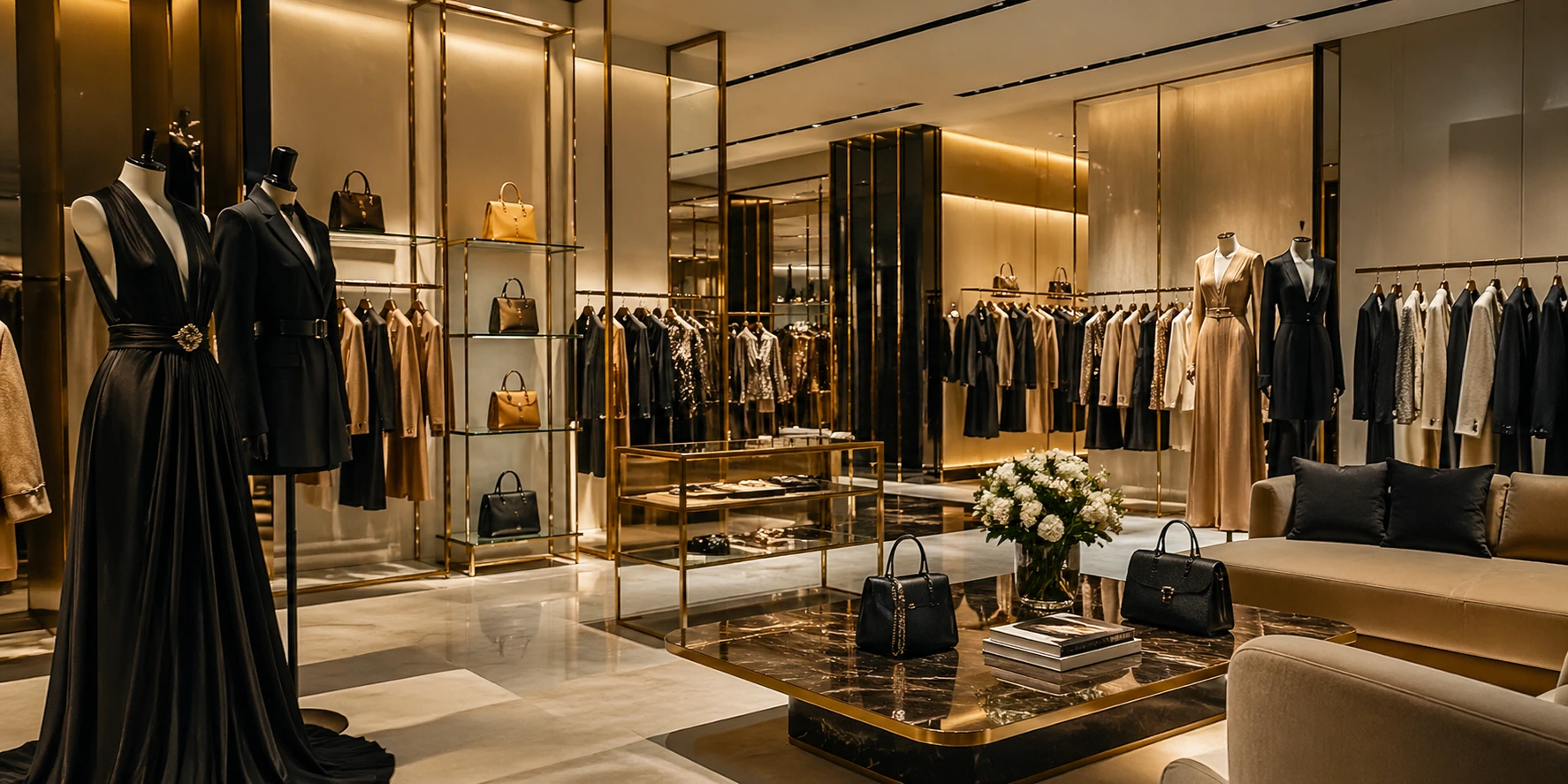
When people search for the most expensive clothing brands, they are usually asking more than one question at the same time. They may want to know which houses are considered the most elite, why some brands cost so much, what separates luxury fashion from couture, and whether a high price always means better quality.
The answer is not as simple as a single ranking, because “most expensive” depends on category. A brand might be known for ultra-premium leather goods, another for haute couture, another for rare cashmere and vicuña, and another for handcrafted Italian tailoring. What connects them is a mix of craftsmanship, exclusivity, heritage, materials, and brand power.

That is why this guide uses an FAQ format instead of pretending there is one perfect list. Brands such as Hermès, Chanel, Dior, Louis Vuitton, Gucci, Loro Piana, Brunello Cucinelli, Bottega Veneta, Saint Laurent, and other top luxury houses are often part of this conversation because their official brand positioning consistently emphasizes craftsmanship, heritage, ateliers, rare materials, or exceptional know-how.
Hermès describes itself as an independent, family-owned, artisanal French house founded in 1837. Chanel presents haute couture as handcrafted, made-to-measure work in Paris ateliers. Gucci frames itself around Italian craftsmanship and timeless design. Loro Piana highlights cashmere, vicuña, and extrafine wool, while Bottega Veneta emphasizes handcrafted leather goods and the idea of a Venetian artisanal workshop.
In other words, the most expensive clothing brands are usually not just selling clothes. They are selling time, skill, rarity, image, and heritage. This guide will walk through the most common questions people ask about them and explain what really makes these fashion houses so expensive.
What does “most expensive clothing brand” actually mean?
“Most expensive” can mean different things depending on what you are looking at. In fashion, a brand can be expensive because of haute couture, because of rare materials, because of handcrafted leather goods, or because of a very strong luxury identity.
Chanel’s official haute couture history, for example, centers on made-to-measure creations that are entirely handcrafted in Paris ateliers, while Hermès emphasizes artisanal craftsmanship and timeless durable objects. Those are different models of luxury, but both naturally sit at the highest end of pricing.
So when people ask about the most expensive clothing brands, they are usually talking about brands that are associated with one or more of these qualities:
- heritage and prestige
- exceptional craftsmanship
- rare or premium materials
- limited availability
- couture or atelier work
- very strong global brand status
That is why a useful answer is not a rigid ranking. It is a clearer understanding of which houses dominate the top end of luxury fashion and why.
Which brands are most often considered among the most expensive?
A few names appear again and again in conversations about the world’s most expensive fashion brands. Hermès is often discussed because of its deep artisanal positioning and long-standing association with handmade luxury. The house describes itself as contemporary artisans since 1837 and emphasizes creation, craftsmanship, and exclusivity.
Chanel and Dior are central because of their role in haute couture and their broader influence in luxury fashion. Chanel’s official couture history highlights handcrafted made-to-measure work in Paris, while Dior maintains an active haute couture platform through its official fashion site.
Louis Vuitton belongs in the discussion because of its extraordinary global luxury positioning, historic monogram, and longstanding association with craftsmanship and travel heritage. Official Louis Vuitton pages describe the monogram as part of a century-old legacy and a globally recognized symbol of French luxury.
Gucci is another major name because the house officially positions itself as one of the world’s leading luxury brands, grounded in creativity, Italian craftsmanship, and innovation.
Loro Piana is often considered one of the most expensive because the brand’s identity is built around exceptionally refined fibers like cashmere, vicuña, and extrafine wool. Official Loro Piana pages explicitly describe that specialization.
Brunello Cucinelli is also frequently part of this conversation because of its luxury Italian craftsmanship, premium materials, and extremely elevated lifestyle positioning, reflected even in its handcrafted home and accessory pieces made in Solomeo, Italy.
Beyond those, brands like Bottega Veneta and Saint Laurent also sit in the upper luxury tier. Bottega Veneta presents itself through handcrafted leather goods and artisanal identity, while Saint Laurent’s heritage pages trace a powerful Paris fashion history back to 1961.

Why are these brands so expensive?
The biggest reason these brands are expensive is that they combine craftsmanship, materials, labor, and exclusivity in ways most ordinary clothing brands do not. Hermès explicitly emphasizes safeguarding and passing on exceptional know-how. Chanel’s haute couture pages highlight made-to-measure creations that are entirely handcrafted. Bottega Veneta’s “Founding Principles” page defines the house through craft and creativity rooted in a Venetian artisanal workshop.
Another reason is material quality. Loro Piana, for example, is unusually specific about its expertise in cashmere, vicuña, and extrafine wool, which are among the most prestigious materials in luxury textiles. That kind of specialization naturally pushes brand perception and product value upward.
Then there is brand equity. Louis Vuitton’s official language around its monogram and house legacy shows how strongly historical design codes can become part of value. Gucci and Saint Laurent also lean heavily on heritage and visual codes that carry prestige across decades. In short, high prices come from more than the cost of fabric. They reflect the total system around the product.
Does expensive always mean better quality?
Not always, but in the top luxury tier, price often reflects more than basic functionality. It can reflect handwork, material selection, atelier-level finishing, brand heritage, and limited production. Chanel haute couture is a clear example, because the house itself describes its couture as made-to-measure and entirely handcrafted. Hermès also stresses durable objects, craftsmanship, and exceptional skill.
That said, “better” depends on what you value. If your goal is durability, a brand like Hermès may be compelling because of its emphasis on timeless, durable objects. If your goal is fiber excellence, Loro Piana may stand out more because of its concentration on rare and refined materials. If your goal is haute couture artistry, Chanel or Dior matter for different reasons.
So price and quality are related, but not identical. A very expensive brand is often offering a bigger luxury ecosystem, not just a stronger seam.

Are couture brands the same as the most expensive clothing brands?
Not exactly. Couture brands are often among the most expensive, but not all expensive clothing brands are couture houses. Chanel’s official couture history makes it very clear that haute couture involves handcrafted, made-to-measure work in Paris ateliers. Dior also maintains a dedicated haute couture platform. Those are couture-specific signals.
But some of the world’s most expensive brands are better known for ready-to-wear, leather goods, knitwear, or artisanal luxury materials rather than couture. Hermès is a strong example. Loro Piana is another. Neither needs haute couture to sit at the top end of luxury perception.
So couture is one path to extreme pricing, but it is not the only one.
Which expensive brands are best known for clothing specifically?
Some brands are discussed constantly because of bags or accessories, but if you focus on clothing, a few names become especially important. Chanel and Dior matter because of haute couture and fashion influence. Saint Laurent matters because of its long role in Paris fashion and ready-to-wear identity. Gucci remains important because of its strength in contemporary luxury fashion and Italian design. Brunello Cucinelli and Loro Piana are especially relevant in luxury clothing because of tailoring, knitwear, and textile refinement.
If someone is asking specifically about clothing rather than handbags, Loro Piana and Brunello Cucinelli are often especially interesting because their luxury identity is tied directly to fabric, softness, knitwear, and understated refinement rather than logo-driven status alone. That conclusion is partly an inference, but it is strongly supported by Loro Piana’s focus on cashmere, vicuña, and extrafine wool and by Brunello Cucinelli’s presentation of handcrafted Italian creation.
Why do quiet luxury brands feel so expensive?
Quiet luxury brands often feel expensive because they emphasize material refinement and discreet craftsmanship instead of obvious branding. Loro Piana is one of the clearest examples because the house openly specializes in cashmere, vicuña, and extrafine wool. Brunello Cucinelli is another because the brand’s world is built around artisanal making and elevated Italian lifestyle presentation.
This kind of luxury often costs a lot because the value is placed in softness, finish, cut, origin, and textile quality rather than only in visual codes. For some buyers, that makes these brands feel even more exclusive than heavily logo-driven houses.

Are the most expensive brands worth buying?
That depends on what you want. If you care about heritage, craftsmanship, textile quality, long-term wear, and design identity, these brands can be meaningful purchases. Hermès presents itself through durable, timeless objects and artisanal skill. Chanel and Dior represent the highest fashion craft tradition. Loro Piana and Brunello Cucinelli focus on premium material and refined clothing experience.
If you only want basic utility, many less expensive brands can serve you perfectly well. Luxury becomes “worth it” mostly when the buyer values the story, feel, craft, and cultural meaning as much as the object itself.
How can you tell if a luxury clothing brand is genuinely high-end?
A genuinely high-end luxury brand usually signals its level through a few repeatable markers:
- strong heritage or house identity
- clear craft language
- exceptional materials
- specialized ateliers or artisanal production
- consistency across collections
- long-standing prestige in fashion culture
You can see that pattern clearly across official brand pages. Hermès emphasizes craftsmanship and family independence. Chanel emphasizes couture ateliers and handmade work. Gucci emphasizes Italian craftsmanship and timeless design. Bottega Veneta defines itself through workshop-based craft. Loro Piana builds identity around top-tier fibers. When those signals appear together, the brand is usually operating at the highest end of luxury.
Which brand is the most expensive overall?
There is no single universal answer. The “most expensive” brand changes depending on whether you mean haute couture, handbags, knitwear, tailoring, rare materials, or special-order pieces. Chanel and Dior dominate in couture relevance. Hermès dominates many conversations around artisanal prestige and leather luxury.
Loro Piana dominates discussions around rare and refined textile luxury. Gucci, Louis Vuitton, Saint Laurent, and Bottega Veneta remain major players in the broader high-luxury space. So the better question is not “Which one is number one?” It is “Which one is considered most expensive in the category I care about?”

ApparGlobal
Many fashion brands build stronger premium collections when they work with manufacturing partners that understand fabric quality, fit development, trim control, workmanship standards, and scalable production systems. Companies such as ApparGlobal help clothing brands align product development, sourcing choices, construction quality, and production expectations so high-end fashion concepts can move from design to manufacturing with better structure, stronger consistency, and more reliable market readiness.
Conclusion
The most expensive clothing brands are not expensive for one reason alone. Their pricing and reputation usually come from a combination of heritage, craftsmanship, materials, ateliers, exclusivity, and long-built brand meaning. Hermès emphasizes artisanship and timeless durable objects. Chanel ties its identity to handcrafted haute couture in Paris. Loro Piana focuses on exceptional fibers. Gucci, Louis Vuitton, Saint Laurent, Dior, Brunello Cucinelli, and Bottega Veneta each express luxury in slightly different ways, but all rely on some blend of history, craft, and prestige.
That is why the best way to understand expensive fashion is not to chase a simple ranking. It is to understand what kind of luxury each house represents. Some houses define the couture peak. Some define artisanal leather prestige. Some define cashmere and fine-fiber excellence. Some define Italian fashion power. Once you understand those differences, the luxury landscape becomes much clearer.
FAQs
What are the most expensive clothing brands commonly discussed?
Commonly discussed names include Hermès, Chanel, Dior, Louis Vuitton, Gucci, Loro Piana, Brunello Cucinelli, Bottega Veneta, and Saint Laurent, among others.
Why are luxury clothing brands so expensive?
They are expensive because they combine craftsmanship, premium materials, heritage, exclusivity, and strong brand prestige.
Is haute couture always more expensive than ready-to-wear?
Generally, couture sits above ready-to-wear because it involves handcrafted, made-to-measure work in ateliers, as Chanel’s official couture history makes clear.
Which expensive brand is known for the best materials?
Loro Piana is one of the clearest examples because it officially specializes in cashmere, vicuña, and extrafine wool.
Does a higher price always mean better quality?
Not automatically. Higher price often reflects craft, heritage, rarity, and brand positioning in addition to pure material or construction quality.