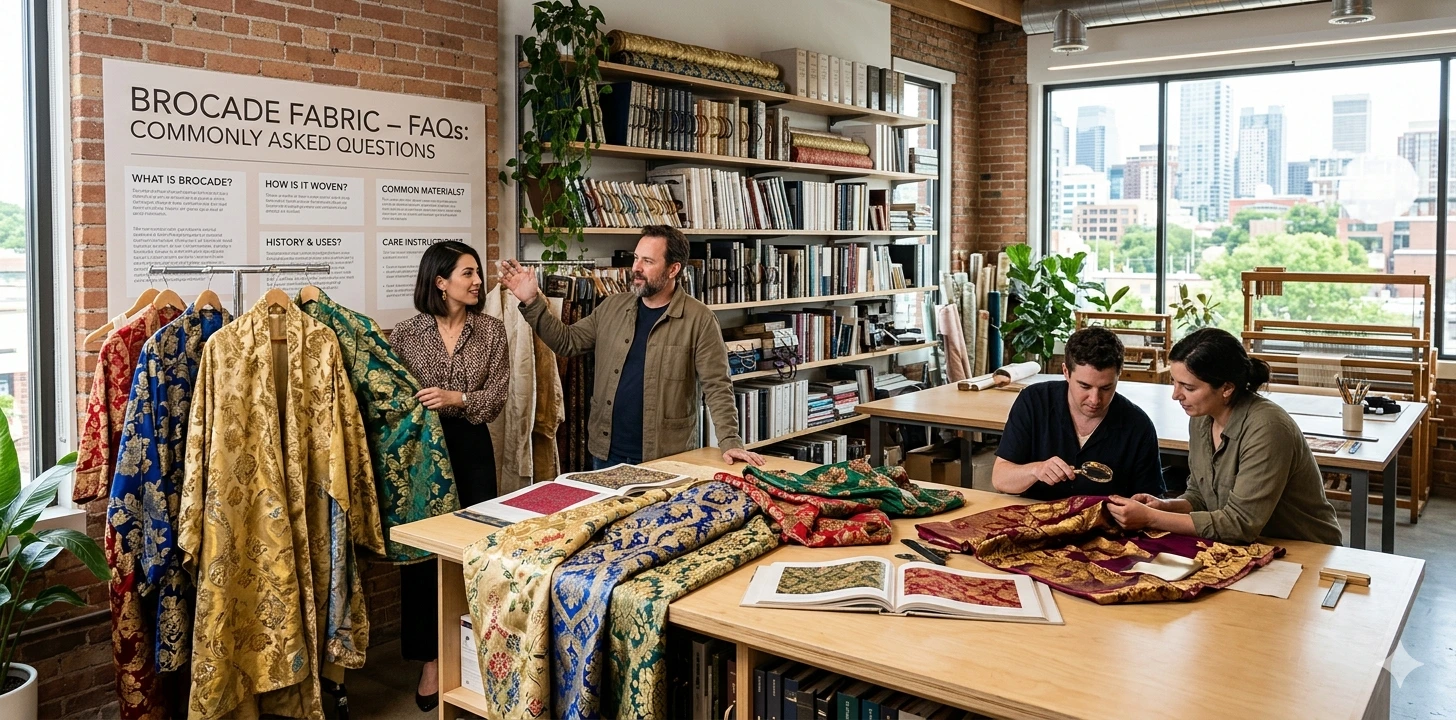
Discover the history, craftsmanship, and timeless appeal of brocade fabric. Learn how to use and care for this luxurious, intricately woven textile.
When it comes to luxurious textiles, few can boast the opulence and historical significance of brocade. Known for its intricate patterns and rich textures, brocade has adorned the clothing of royalty and the interiors of palaces throughout history. This blog post aims to answer the most frequently asked questions about brocade fabric, while also exploring its origins, uses, and unique characteristics. Whether you're a fashion enthusiast, a history buff, or someone keen on interior design, understanding brocade is essential to appreciating its timeless allure.
What is Brocade Fabric?
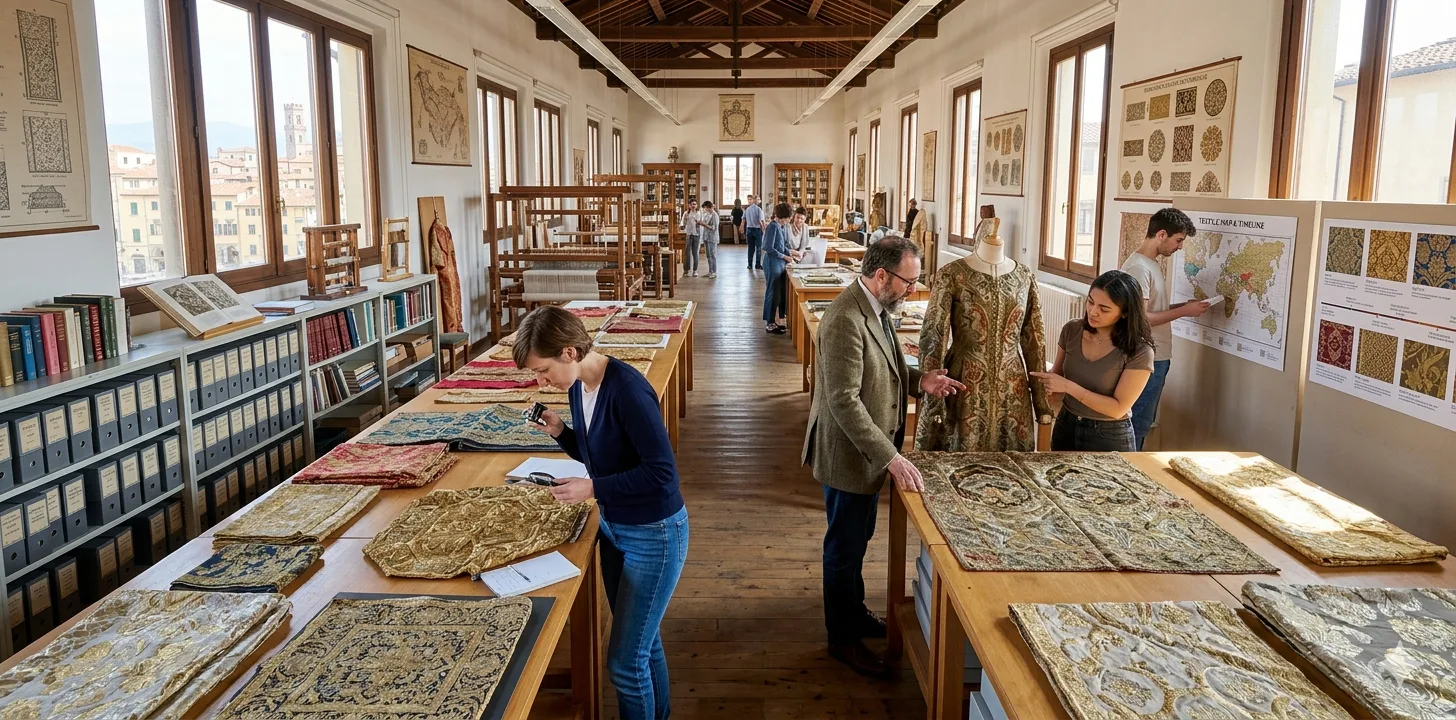
Brocade is a richly decorative woven fabric known for its raised patterns and textured surface. Unlike printed fabrics, where the design sits on top of the textile, brocade patterns are created directly during the weaving process. This gives the fabric a more dimensional and luxurious appearance. The designs in brocade often include floral motifs, vines, leaves, paisley patterns, geometric shapes, arabesques, medallions, and traditional ornamental details. Many brocade fabrics also include metallic gold or silver threads, which create a shimmering effect.
The word “brocade” comes from the Italian word “broccato,” which means embossed cloth. This meaning reflects the fabric’s signature raised design. Brocade is often associated with elegance, wealth, ceremony, and artistry because it requires a more complex weaving process than many plain fabrics.
Today, brocade can be made from silk, cotton, rayon, polyester, synthetic blends, and metallic yarns. Traditional brocade was often made from silk, but modern versions are available at many price points, making the fabric more accessible for fashion, décor, costume design, and craft projects.
Key point: Brocade is not defined by one fiber. It is defined by its woven raised pattern.
Origins and History
Brocade has a long and impressive history. It has appeared in royal courts, religious ceremonies, aristocratic clothing, luxury interiors, and traditional garments across many cultures. Its history is closely tied to skilled craftsmanship, trade routes, wealth, and cultural identity.
Ancient Origins
The origins of brocade weaving can be traced back thousands of years to regions known for advanced textile craftsmanship, including China, India, Persia, Byzantium, and later Europe. In ancient China, silk weaving reached extraordinary levels of refinement, and decorative woven fabrics became symbols of prestige and power.
In India, brocade developed strong cultural importance, especially in ceremonial and bridal textiles. Richly woven fabrics with metallic threads became central to saris, lehengas, dupattas, and formal garments. Persian and Byzantine textile traditions also helped spread ornamental weaving techniques across trade routes. Because brocade required skilled labor, fine materials, and complex looms, it was historically expensive. It was often reserved for royalty, nobility, religious leaders, and wealthy families.
Brocade in Modern Fashion and Interiors
Today, brocade is no longer limited to royalty or formal ceremony. It appears in eveningwear, bridal fashion, jackets, skirts, handbags, shoes, upholstery, cushion covers, table runners, drapery, and costume design.
Modern production methods have made brocade more accessible. While silk brocade remains luxurious and expensive, polyester and blended brocades offer similar visual richness at more affordable prices.
This accessibility has helped Brocade move into both high fashion and mainstream design. Designers use it when they want texture, structure, visual drama, and a sense of heritage.
How is Brocade Fabric Made?
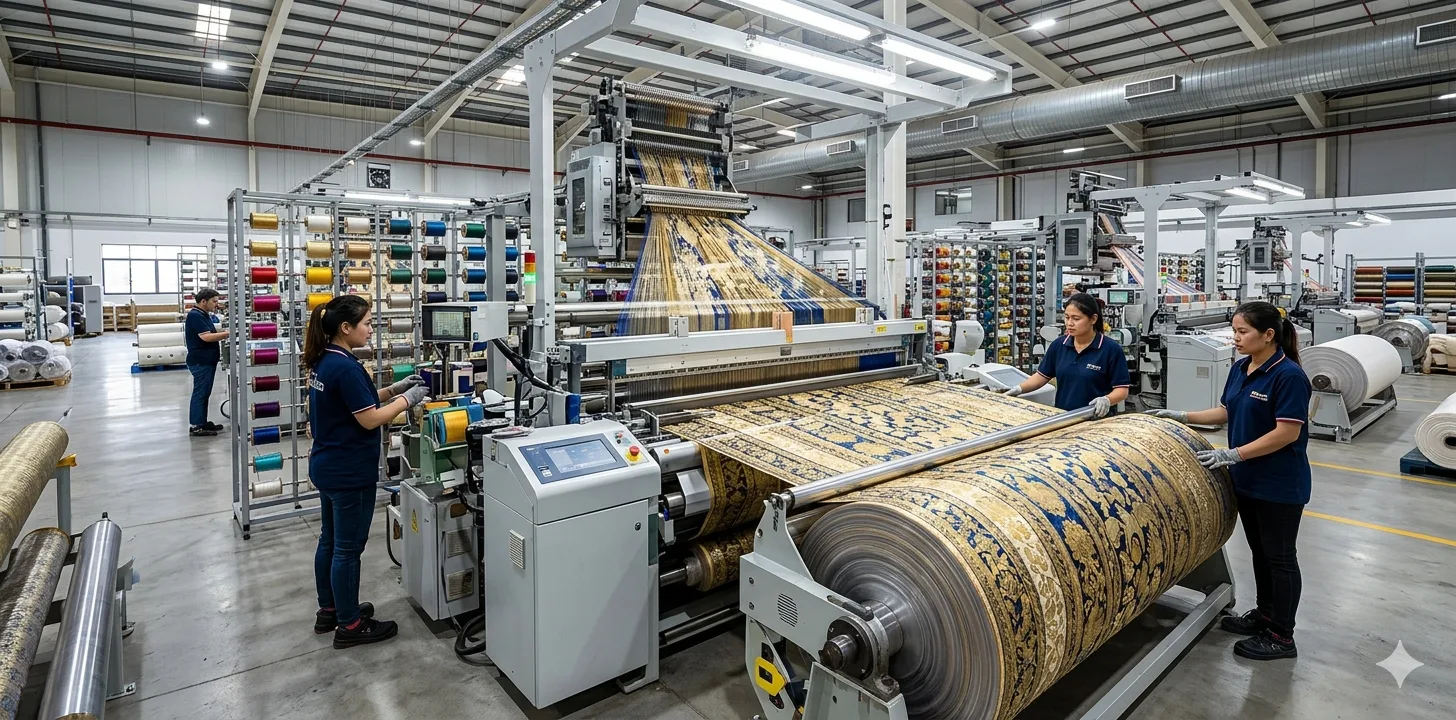
Brocade is made through a complex weaving process that creates raised patterns as part of the fabric structure. Unlike embroidery, where decorative threads are added after fabric is made, brocade patterns are woven into the textile itself. Many brocades are produced using jacquard looms. A jacquard loom allows complex patterns to be controlled during weaving, making it possible to create detailed motifs, repeated designs, and multi-colored patterns.
In brocade weaving, extra weft threads are often introduced to create the decorative pattern. These threads may float across parts of the fabric to form raised motifs. Metallic threads, silk yarns, or contrasting colored yarns may be added to enhance the design.
Common materials used in brocade include:
- Silk: Traditional, luxurious, smooth, and elegant.
- Cotton: More breathable and sometimes more casual.
- Rayon or viscose: Soft, drapey, and often more affordable.
- Polyester: Durable, accessible, and common in modern brocade.
- Metallic yarns: Used to add gold, silver, or shimmering effects.
- Blended fibers: Used to balance cost, durability, texture, and appearance.
What are the Characteristics of Brocade?
Brocade is easy to recognize because it has a strong visual identity. Its raised patterns, luxurious texture, and decorative finish make it different from plain woven fabrics
1. Raised Woven Patterns
The most important feature of brocade is its raised pattern. These designs are created during weaving, not printed on the surface. This gives the fabric depth and texture.
2. Ornamental Appearance
Brocade is known for decorative motifs. Floral patterns, scrolls, medallions, vines, and geometric designs are common. This makes the fabric ideal for statement pieces.
3. Rich Texture
Brocade usually feels heavier and more structured than many smooth fabrics. Its texture adds visual weight and makes garments or interior pieces feel more formal.
4. Luxurious Shine
Many brocades include silk or metallic yarns, which create a soft shine or dramatic shimmer. This shine is one reason brocade is popular in formalwear and décor.
5. Strong Structure
Brocade often holds shape well. This makes it useful for tailored jackets, structured skirts, corsets, upholstery, cushion covers, and ceremonial garments.
6. Decorative Color Contrast
Brocade often uses multiple colors in one fabric. Contrasting yarns help the pattern stand out and create a rich, layered appearance.
7. Formal and Traditional Feel
Because of its history and ornate design, brocade often feels formal, cultural, or ceremonial. It is especially common in weddings, religious garments, and festive clothing.
Brocade Fabric in Fashion
Brocade has a powerful place in fashion because it instantly creates drama, elegance, and structure. Designers often use it when they want a garment to look artistic, ceremonial, or expensive.
Evening Gowns and Formalwear
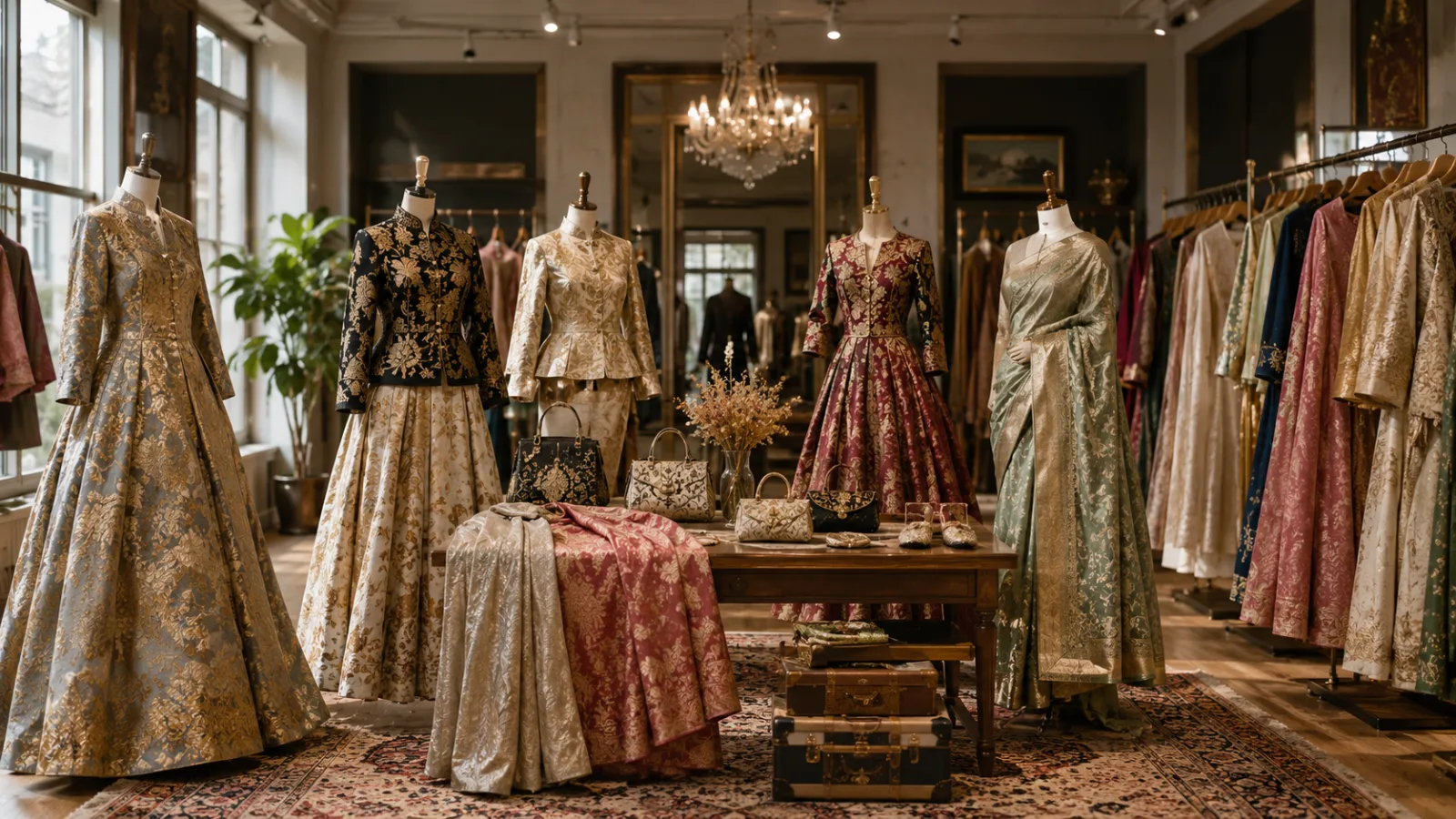
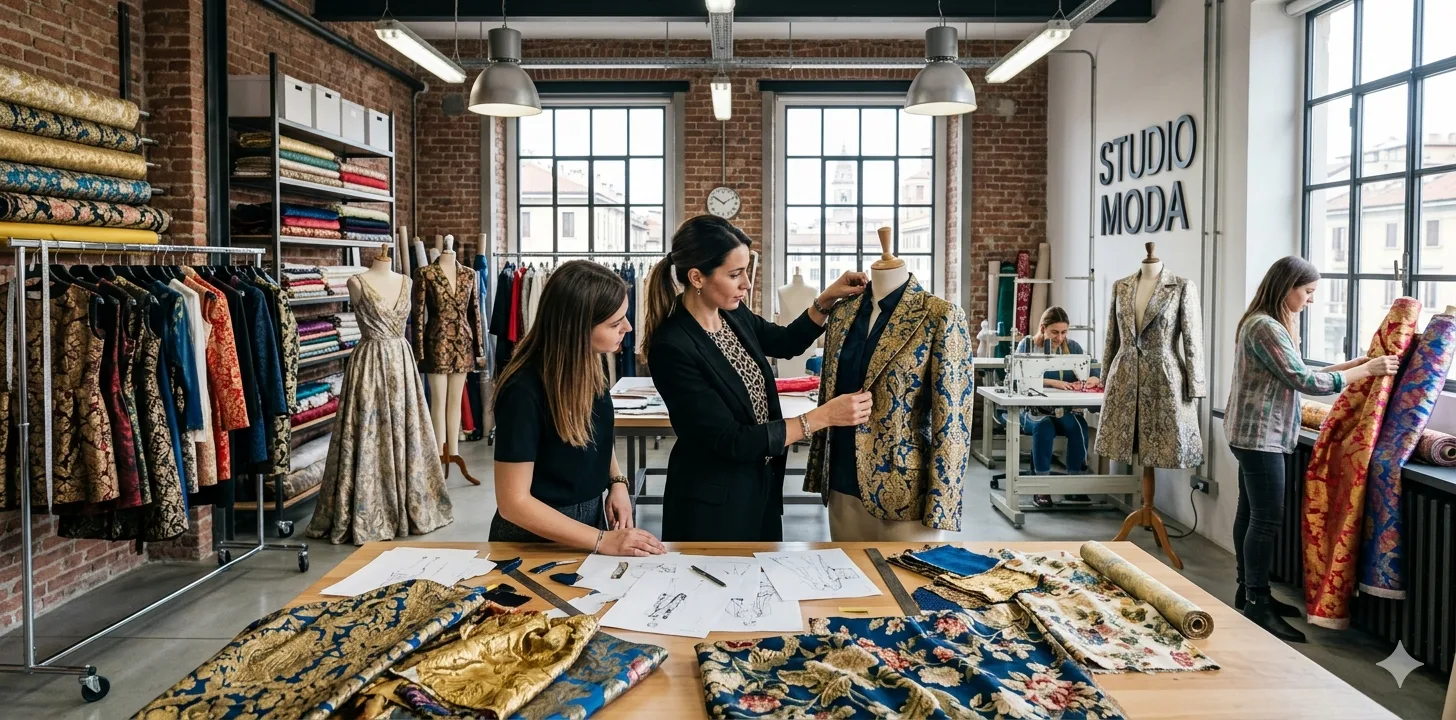
Brocade is a popular choice for evening gowns because it creates a rich and elegant appearance. The fabric can hold structured silhouettes, making it suitable for ball gowns, A-line dresses, fitted bodices, and dramatic skirts.
Its raised patterns add depth without requiring heavy embellishment. A brocade gown can look complete with minimal accessories because the fabric itself carries visual impact.
Jackets and Coats
Brocade jackets are statement pieces. They can be tailored into blazers, cropped jackets, long coats, opera coats, and occasionwear outerwear. Because brocade has structure, it works especially well for garments that need shape.
A brocade blazer can elevate a simple outfit, while a full brocade coat can become the centerpiece of a formal look.
Skirts and Trousers
Brocade skirts are popular in both traditional and contemporary fashion. Full skirts, pencil skirts, midi skirts, and pleated designs all work well with brocade’s structure.
Brocade trousers are less common but can create bold eveningwear or fashion-forward tailoring. They work best when paired with simple tops that let the fabric stand out.
Bridalwear
Brocade is often used in bridal fashion because it feels ceremonial and luxurious. It can appear in wedding gowns, lehengas, bridal jackets, corsets, veils, belts, and accessories.
White, ivory, gold, champagne, red, maroon, and pastel brocades are especially popular for wedding-related garments.
Traditional and Cultural Attire
Brocade has deep cultural importance in many parts of the world. It is used in Indian saris and lehengas, Chinese cheongsam dresses, Middle Eastern garments, European ceremonial clothing, and religious vestments.
Its patterns often carry cultural meaning, making brocade more than just decorative fabric. In many traditions, brocade represents celebration, heritage, and status.
Accessories
Brocade is frequently used in accessories such as handbags, clutches, belts, shoes, headbands, scarves, and jewelry pouches. These smaller products allow designers to use brocade’s richness without overwhelming an outfit.
Brocade accessories are especially useful for festive collections, bridal lines, eveningwear brands, and gift products.
Types of Brocade Fabric
There are several types of brocade, and each one has its own look and purpose. The difference often comes from the weaving technique, fiber content, pattern style, and finishing.
Silk Brocade
Silk brocade is one of the most luxurious forms of brocade. It has a smooth feel, rich shine, and elegant drape. It is commonly used in bridalwear, eveningwear, traditional garments, and luxury accessories.
Zari Brocade
Zari brocade includes metallic threads, often gold or silver in appearance. It is widely used in South Asian fashion, especially saris, lehengas, sherwanis, dupattas, and festive garments.
Cotton Brocade
Cotton brocade is usually less shiny and more breathable than silk or synthetic versions. It may be used for garments, accessories, home décor, and craft applications where comfort and structure are both important.
Synthetic Brocade
Synthetic brocade, often made from polyester or blended fibers, is more affordable and widely available. It is commonly used for costumes, décor, fashion pieces, event styling, and accessories.
Continuous Brocade
Continuous brocade uses supplementary threads that continue across the fabric, even in areas where they are not part of the visible pattern. This can create rich color effects but may leave floats on the back.
Discontinuous Brocade
Discontinuous brocade uses decorative yarns only where the pattern appears. This technique can reduce unused threads and create cleaner construction, although it may require more technical weaving.
Metallic Brocade
Metallic brocade includes shiny yarns that create a bold reflective surface. It is often used in formalwear, performance costumes, evening jackets, handbags, and decorative interiors.
How is Brocade Used in Interior Design?
Brocade’s decorative appeal extends to interior design, where it is used to create luxurious and refined spaces.
Upholstery and Curtains
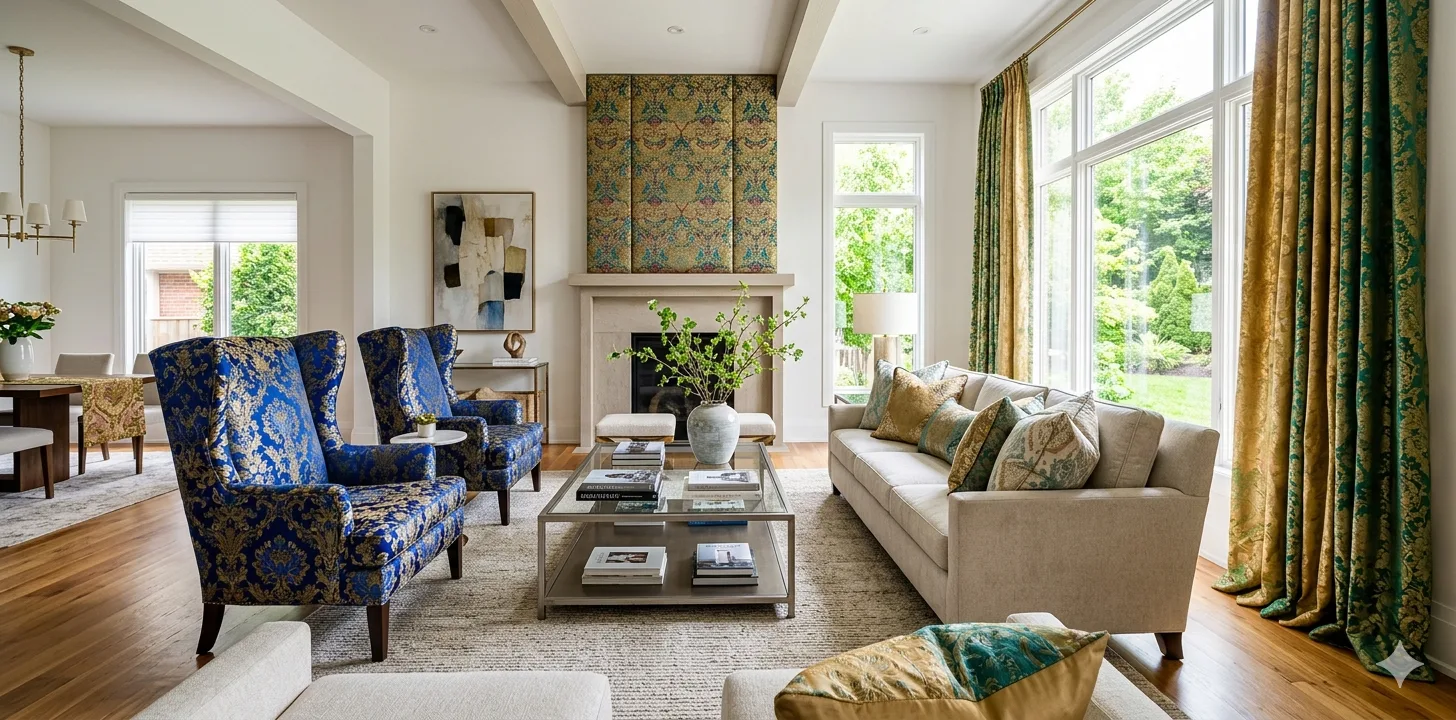
Brocade is highly valued for upholstery due to its durability and elegance. It is commonly used for sofas, armchairs, and headboards. Additionally, brocade curtains can impart a regal and dramatic flair to any room.
Cushions and Pillows
Embellishing a neutral sofa or bed with brocade cushions can instantly elevate a room's aesthetic. The fabric’s intricate patterns and textures add depth and interest to otherwise simple spaces.
Wallpaper and Décor Accents
For those seeking a touch of opulence, brocade-inspired wallpaper or decorative accents such as table runners and wall hangings can add a luxurious touch to any living space.
Brocade Fabric Comparison Table
Advantages of Brocade Fabric
Brocade is valued because it offers beauty, structure, and a sense of occasion. It is not a plain background fabric. It is usually chosen when the material itself needs to make a statement.
Advantages include:
- Luxurious appearance: Brocade instantly adds elegance and visual richness.
- Strong decorative value: Raised patterns create depth and interest.
- Good structure: The fabric can hold shape well in garments and décor.
- Wide design variety: Brocade comes in floral, geometric, cultural, and abstract patterns.
- Versatile applications: It works for fashion, interiors, accessories, costumes, and crafts.
- Ceremonial appeal: Brocade is ideal for weddings, festivals, religious garments, and formal events.
- Premium product feel: Even small brocade details can make a product look more expensive.
Limitations of Brocade Fabric
Although brocade is beautiful, it is not the right fabric for every project. Its ornate surface and structured feel can make it less suitable for casual, lightweight, or highly flexible garments.
Limitations include:
- Can feel heavy: Some brocades are thick and structured.
- May be expensive: Silk and metallic brocades can cost more than ordinary fabrics.
- Requires careful sewing: Pattern matching and seam finishing need skill.
- Can snag: Raised threads may catch on jewelry, sharp edges, or rough surfaces.
- May need dry cleaning: Many brocade garments require professional care.
- Not always breathable: Synthetic brocade may feel warm or less breathable.
- Can overwhelm simple designs: Strong patterns need thoughtful styling.
Care and Maintenance: How Do You Care for Brocade Fabric?
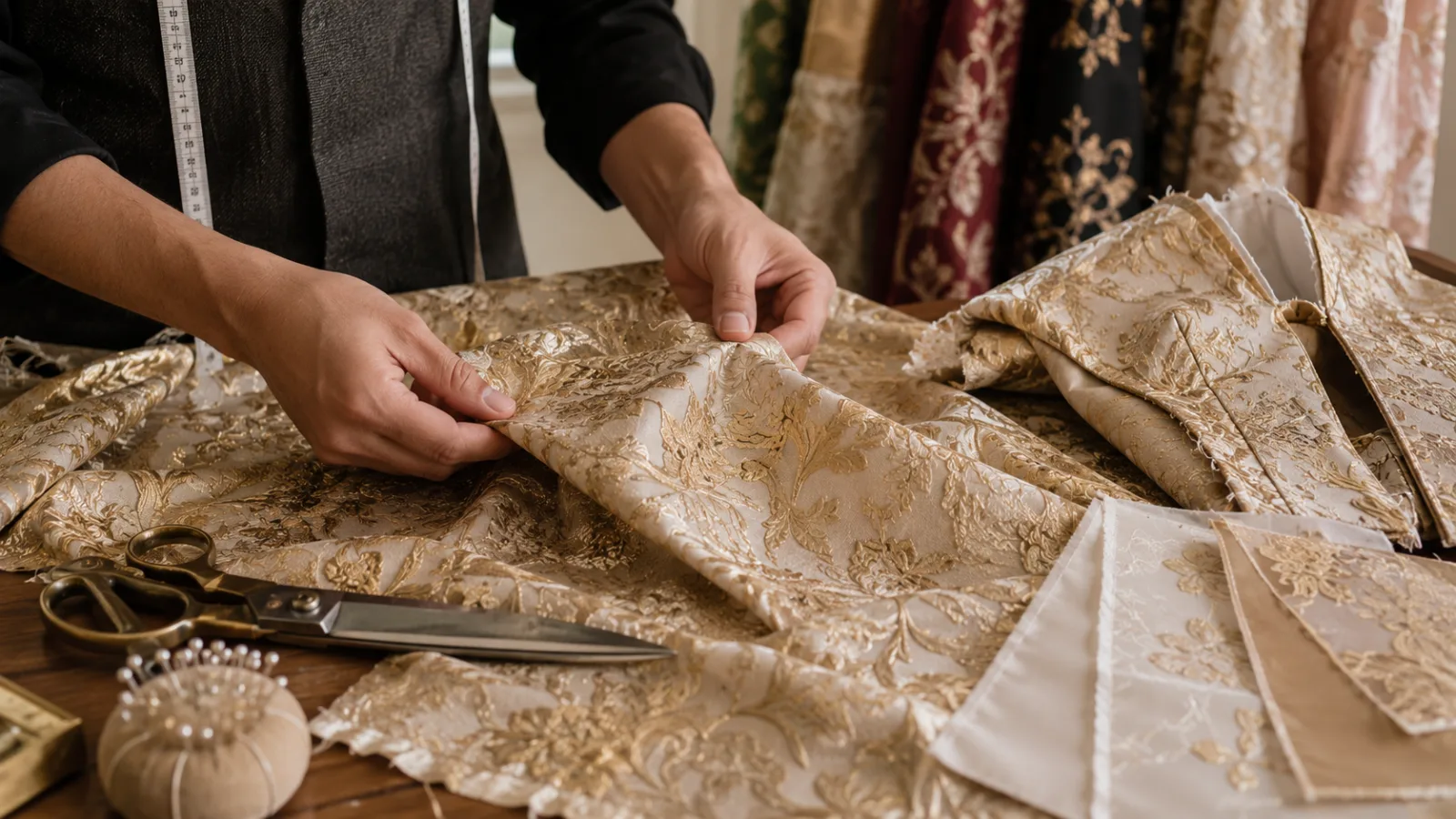
Proper care is essential to maintain the beauty and longevity of brocade fabric. Here are some general guidelines:
- Dry Cleaning: Due to its delicate nature, brocade is best cleaned by professional dry cleaning to prevent damage.
- Avoid Excessive Heat: When ironing brocade, use a low-temperature setting and place a cloth between the iron and fabric to avoid scorching.
- Safe Storage: When not in use, brocade garments should be stored in a cool, dry place, preferably in a garment bag to protect against dust and moths.
- Spot Cleaning: Promptly address any spills by blotting gently with a clean cloth. Avoid rubbing the fabric to prevent thread damage.
Common Brocade Care Mistakes to Avoid
Placement Instruction: Use this as a highlighted warning box or “quick tips” section after the main care guide.
Avoid these mistakes:
- Washing delicate brocade without checking the care label.
- Ironing directly on raised patterns.
- Using high heat on metallic threads.
- Rubbing stains aggressively.
- Folding heavy brocade garments for long periods.
- Storing brocade in plastic.
- Exposing brocade to direct sunlight for too long.
- Using harsh detergents or bleach.
- Ignoring loose threads or snags.
- Cutting brocade without securing edges.
Brocade Fabric: Frequently Asked Questions
Is Brocade Durable?
Yes, despite its delicate appearance, brocade is a durable fabric, especially when compared to other luxury textiles. The weaving process gives it a strong structure, making it suitable for various applications, including heavy-use upholstery.
Can Brocade Be Used for Everyday Clothing?
While brocade is traditionally associated with formal wear, modern fashion has embraced its use in more casual pieces such as jackets, skirts, and tops. However, due to its ornate nature, it is often reserved for special occasions.
What Types of Patterns Are Common in Brocade?
Brocade patterns vary widely, though floral motifs are particularly popular. Geometric and abstract designs, as well as traditional cultural scenes, are also common in brocade fabric.
Are There Different Types of Brocade?
Yes, there are several variations of brocade, each with unique weaving techniques and finishes. Some examples include:
- Continuous Brocade: Offers seamless patterns with rich colors.
- Discontinuous Brocade: Features patterns broken by sections of the fabric’s base color.
- Zari Brocade: Includes metallic threads, giving the fabric a shimmering effect.
How Is Brocade Fabric Priced?
The cost of brocade varies depending on the materials used, such as silk or synthetic fibers, and the intricacy of the patterns. Silk brocade with metallic threads tends to be more expensive due to the luxurious materials and craftsmanship required.
Conclusion
Brocade is more than a decorative fabric. It is a textile with history, artistry, cultural meaning, and lasting design value. Its raised patterns, rich textures, and luxurious appearance have made it a favorite for royal garments, ceremonial clothing, formalwear, luxury interiors, and statement accessories.
From silk brocade used in bridalwear to metallic zari brocade found in traditional garments and durable synthetic brocade used in upholstery, this fabric continues to adapt across fashion and interior design.
The key to using brocade well is understanding its structure, weight, pattern, and care needs. It is a fabric that rewards thoughtful design. Whether used in a gown, jacket, cushion, curtain, handbag, or cultural garment, brocade brings elegance and depth that few fabrics can match. For fashion brands, interior designers, and textile lovers, brocade remains a timeless reminder that fabric can be both functional and artistic.