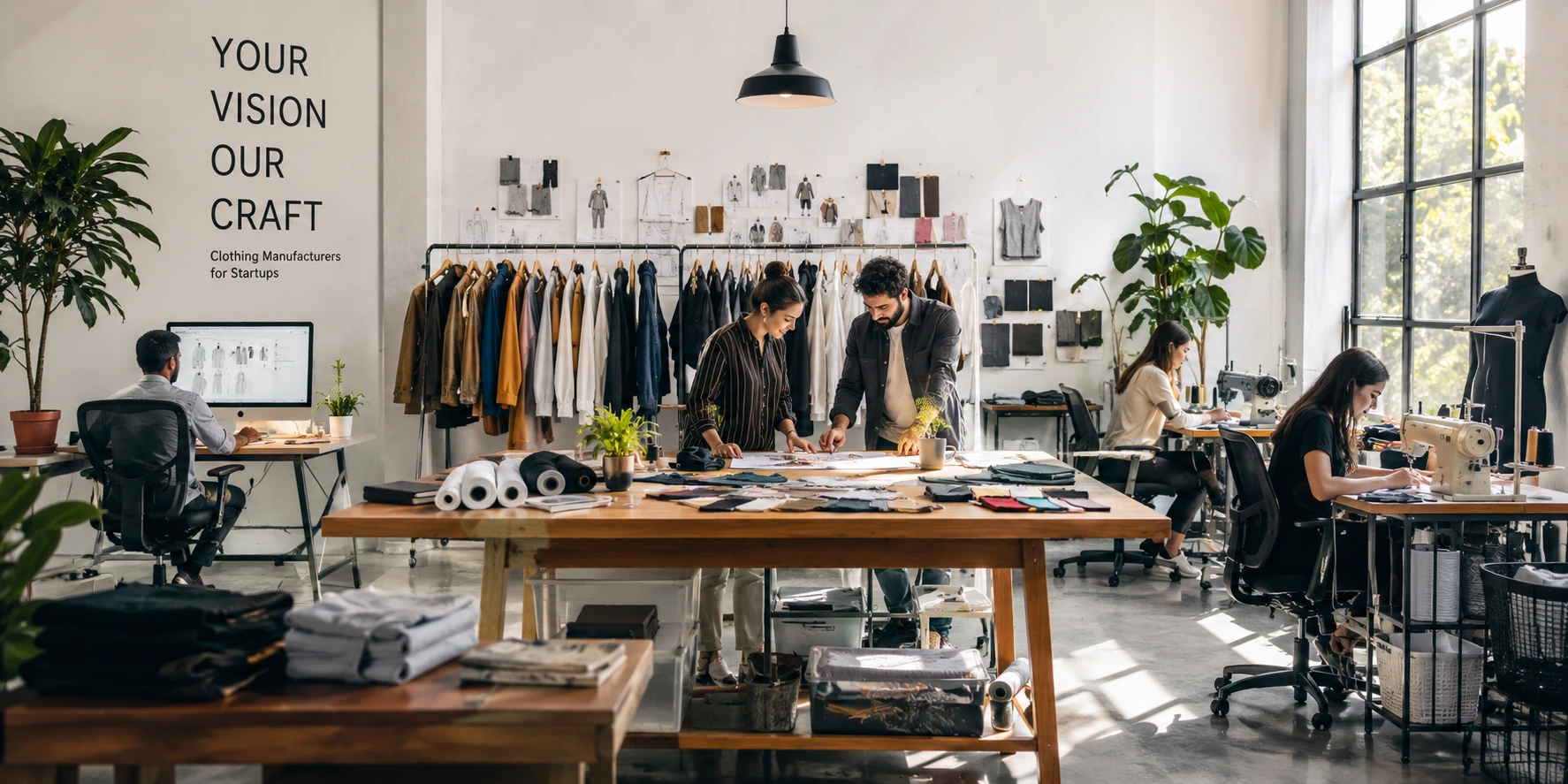
Starting a clothing brand often begins with a simple idea—maybe a sketch in your notebook, a vision for a unique streetwear label, or a passion for sustainable fashion. But turning that idea into a real, sellable product requires more than creativity. It demands the right manufacturing partner who can bring your vision to life with precision, consistency, and quality.
Many startup founders underestimate how critical this step is. They spend months perfecting designs, building a website, and planning marketing strategies—only to face delays, quality issues, or unexpected costs because they chose the wrong manufacturer. This is where things can either accelerate your success or completely derail your momentum. In today’s competitive fashion industry, choosing the best clothing manufacturer is not just about finding someone who can sew garments. It’s about building a partnership with a team that understands your brand, supports your growth, and delivers products your customers will love. Whether you’re launching a small online boutique or planning to scale into a global brand, the decisions you make at this stage will shape your future.
In this comprehensive and SEO-optimized guide, you will learn everything you need to know about clothing manufacturers for startups—from understanding different types and sourcing strategies to evaluating costs, avoiding common mistakes, and building long-term relationships. By the end, you’ll have a clear roadmap to confidently choose the right manufacturing partner and successfully launch your clothing brand.
Why Choosing the Right Clothing Manufacturer Matters
Your clothing manufacturer is more than just a supplier—they are a core part of your business ecosystem. Every product that reaches your customer carries your brand identity, and your manufacturer plays a direct role in shaping that experience. For startups, this relationship becomes even more critical because you often operate with limited budgets, smaller teams, and tight timelines. A reliable manufacturer can help you avoid costly errors, maintain product quality, and meet your launch deadlines. On the other hand, a poor choice can lead to defective products, missed opportunities, and damaged brand reputation.
Quality is one of the most important factors influenced by your manufacturer. From fabric selection to stitching precision, every detail affects how your product feels, fits, and performs. Customers today are highly aware and expect consistency. If your first batch fails to meet expectations, it becomes much harder to build trust and loyalty.
Cost efficiency is another major factor. Manufacturers determine not only your production costs but also your profit margins. Startups need to carefully balance affordability with quality, ensuring they don’t compromise their brand value just to save money. Production speed also plays a significant role. In fashion, timing can be everything. Trends change quickly, and delays in production can cause you to miss important sales windows. A dependable manufacturer ensures your products are ready when you need them. Finally, scalability is crucial. As your brand grows, your manufacturing needs will increase. Choosing a partner who can scale with you saves time and effort in the long run. Instead of constantly switching manufacturers, you can focus on expanding your business.
Types of Clothing Manufacturers for Startups
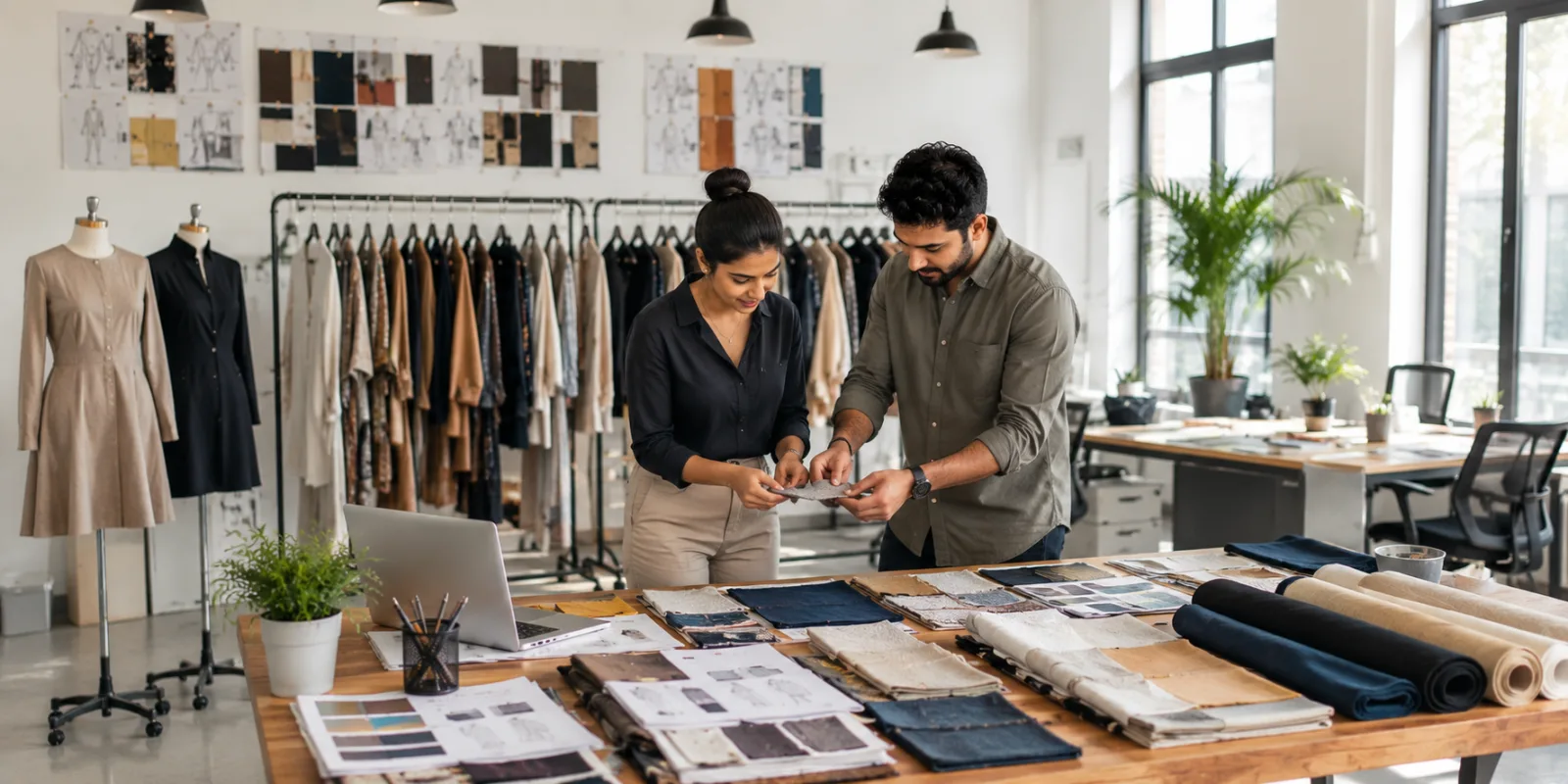
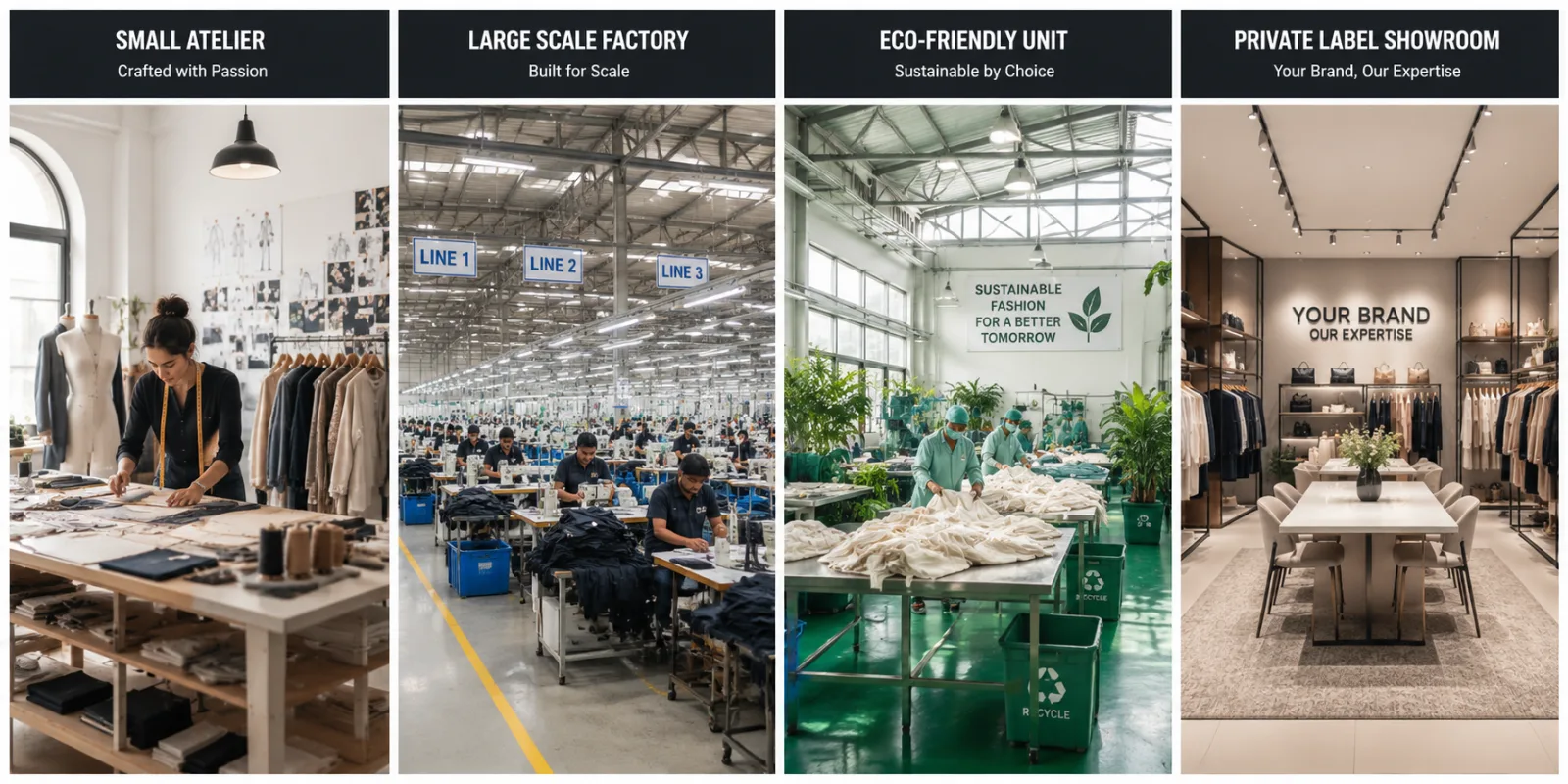
Understanding the different types of clothing manufacturers is essential for making the right decision. Each type offers unique advantages depending on your business model, budget, and experience level. Cut, Make, Trim (CMT) manufacturers are ideal for startups that already have designs, patterns, and materials ready. These manufacturers focus purely on assembling garments based on your specifications. While this option gives you full creative control, it requires strong knowledge of sourcing and production processes.
Full Package Production (FPP) manufacturers offer a more comprehensive solution. They handle everything from sourcing fabrics to delivering finished garments. This is often the best option for beginners because it simplifies the process and reduces the number of vendors you need to manage.Private label manufacturers allow you to customize existing designs and sell them under your brand name. This is a faster and more cost-effective way to enter the market, especially if you want to test your business idea without investing heavily in design and development.
Print-on-demand (POD) manufacturers produce items only when customers place orders. This eliminates the need for inventory and reduces financial risk. However, profit margins are usually lower, and customization options may be limited. Sustainable manufacturers focus on eco-friendly materials and ethical production practices. If your brand is built around sustainability, partnering with such manufacturers can strengthen your brand identity and appeal to conscious consumers.
Domestic vs Overseas Manufacturers: Which One Should You Choose?
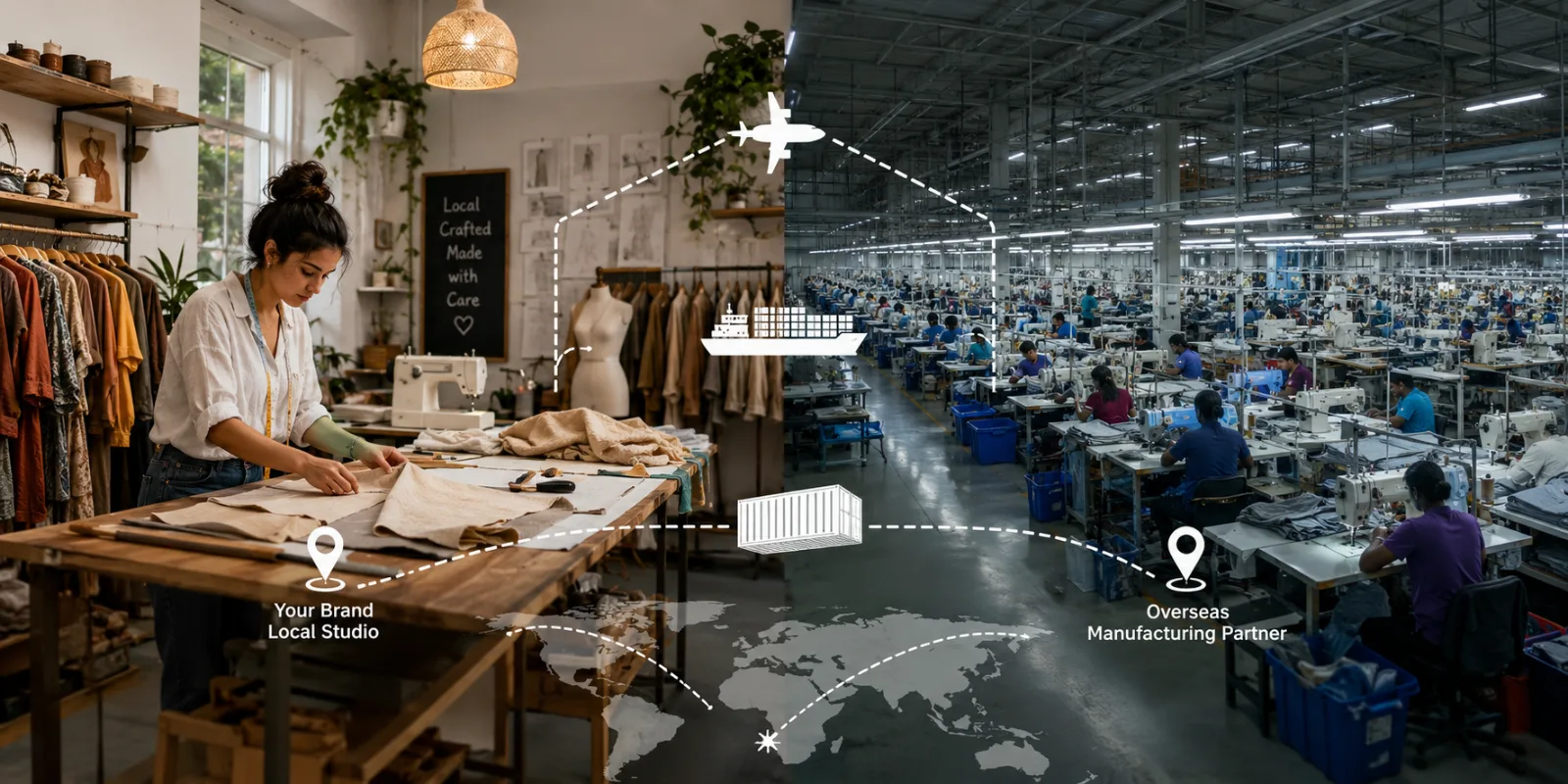
One of the biggest decisions startups face is choosing between domestic and overseas manufacturing. Both options have their advantages and challenges, and the right choice depends on your priorities. Domestic manufacturers offer easier communication, better quality control, and faster turnaround times. Being in the same country allows you to visit facilities, monitor production, and resolve issues quickly. However, these benefits often come at a higher cost, which can be challenging for startups with limited budgets.
Overseas manufacturers, on the other hand, are known for lower production costs and larger production capacities. Countries like Bangladesh, China, and Vietnam have well-established garment industries that can handle large-scale orders efficiently. This makes them ideal for startups looking to maximize profit margins.
However, working with overseas manufacturers can present challenges such as language barriers, longer shipping times, and difficulties in quality control. Miscommunication can lead to production errors, and resolving issues may take longer. Ultimately, the decision comes down to your business goals. If you prioritize quality and close collaboration, domestic manufacturing may be the better choice. If cost efficiency and scalability are your main concerns, overseas manufacturing could be more suitable.
How to Find Clothing Manufacturers for Startups
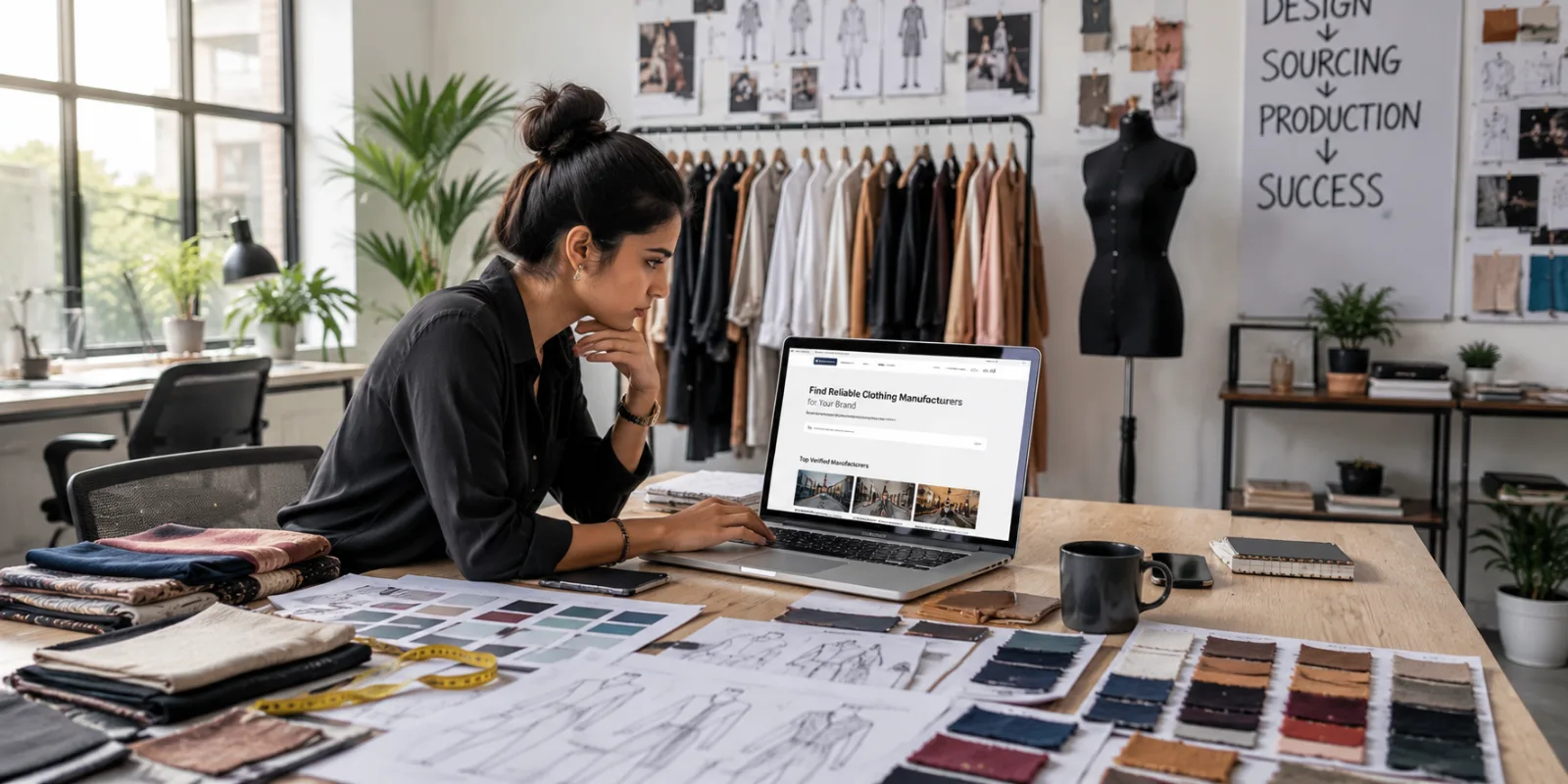
Finding the right clothing manufacturer requires thorough research and strategic planning. With so many options available, it’s important to explore multiple sources and compare your options carefully. Online directories are one of the most common ways to find manufacturers. Platforms like Alibaba, Maker’s Row, and Kompass provide access to a wide range of suppliers from different regions. These platforms allow you to filter manufacturers based on location, product type, and minimum order requirements.
Trade shows and fashion expos are another valuable resource. Attending these events gives you the opportunity to meet manufacturers in person, see their work firsthand, and build relationships. This can be especially helpful for startups looking to establish trust and credibility.
Social media platforms such as Instagram and LinkedIn have also become powerful tools for discovering manufacturers. Many factories showcase their work online, making it easier to evaluate their capabilities and style.
Referrals from industry professionals can provide reliable recommendations. Networking with other designers, entrepreneurs, and fashion experts can help you find trustworthy manufacturers who have already been vetted by others. It’s always a good idea to shortlist multiple manufacturers and compare them before making a final decision. This allows you to evaluate their strengths, pricing, and compatibility with your brand.
Key Factors to Consider When Choosing a Manufacturer
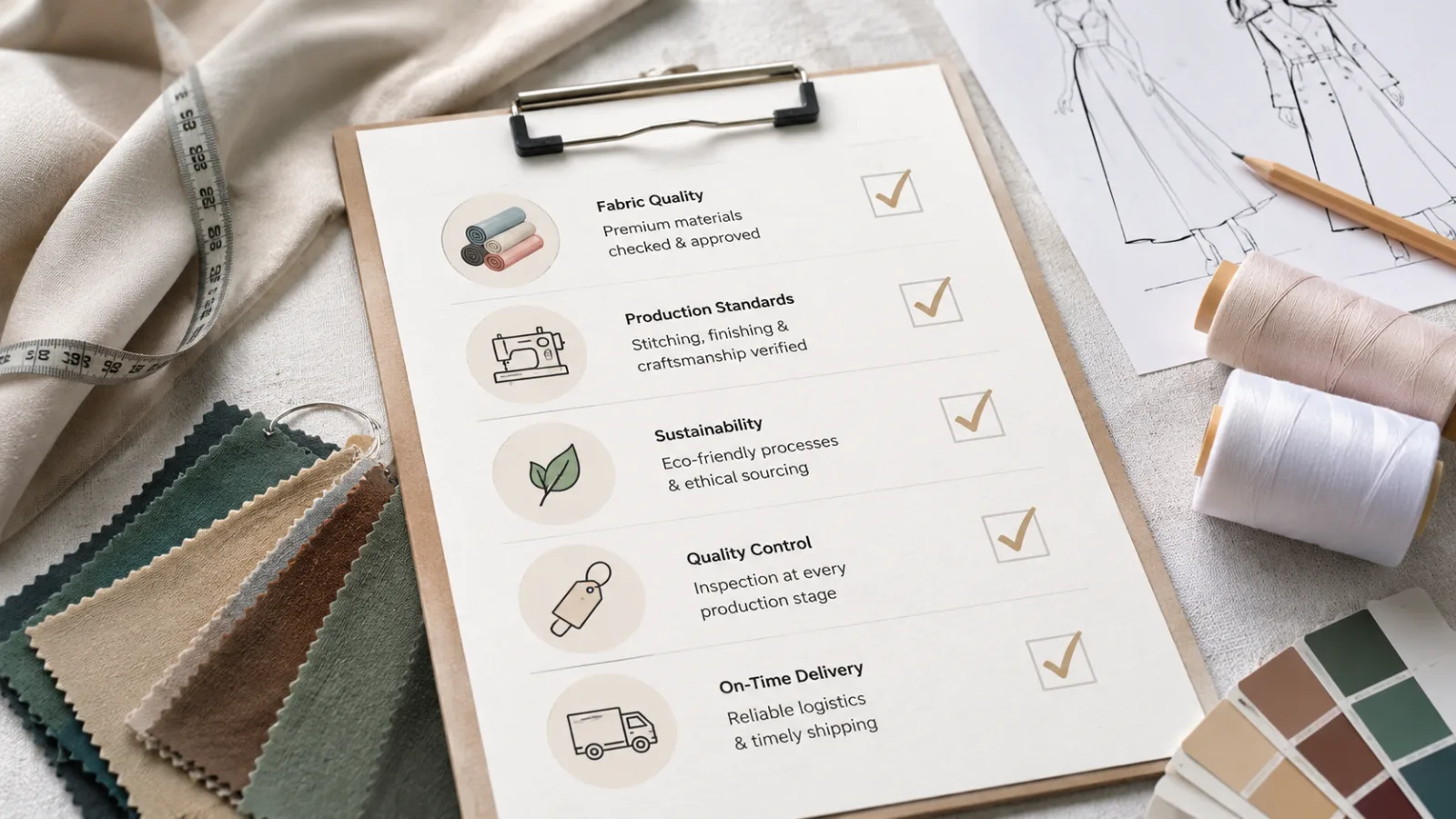
Choosing the right manufacturer involves more than just comparing prices. There are several important factors that startups need to consider to ensure a successful partnership. Minimum Order Quantity (MOQ) is one of the first things to evaluate. Many manufacturers require a minimum number of units per order, which can be challenging for startups. Look for manufacturers who offer flexible MOQs or are willing to negotiate.
Pricing and payment terms are equally important. Make sure you understand all costs involved, including hidden fees such as shipping, duties, and packaging. Clear payment terms help avoid misunderstandings and financial strain.
Quality standards should never be compromised. Request samples and evaluate them carefully before committing to large orders. Consistent quality is essential for building a strong brand reputation.
Lead time refers to how long it takes for your products to be manufactured and delivered. Reliable manufacturers provide realistic timelines and meet deadlines consistently.
Communication efficiency is often overlooked but is crucial for smooth operations. A responsive and transparent manufacturer can prevent many issues and ensure a seamless production process.
Understanding Clothing Production Costs
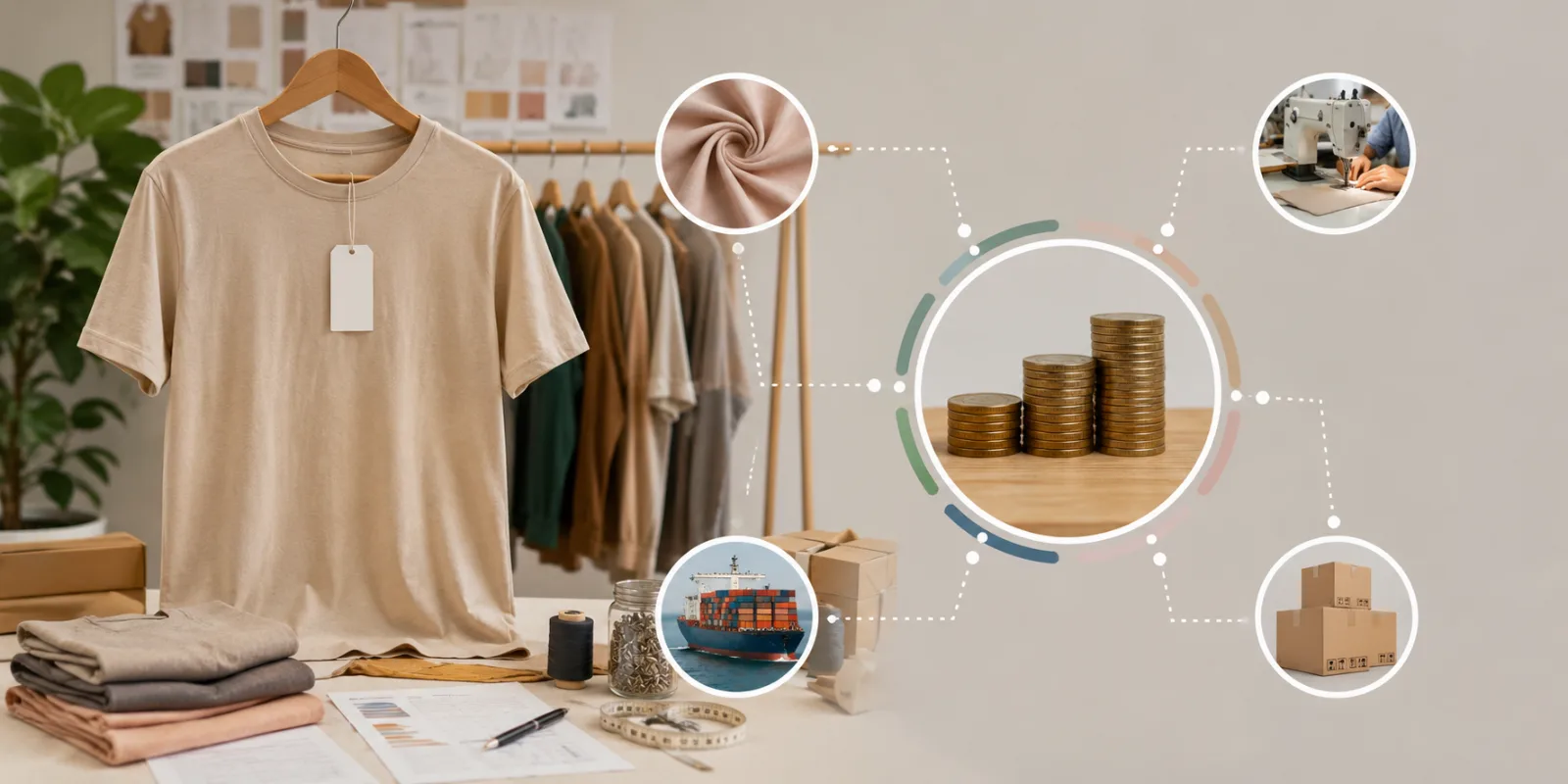
Production costs in the clothing industry can be complex, especially for startups. Understanding these costs is essential for pricing your products and maintaining profitability.
- Fabric and materials usually make up the largest portion of production costs. The type, quality, and source of fabric can significantly impact your expenses. Premium materials will increase costs but may also enhance your brand value.
- Labor costs vary depending on the location of your manufacturer. Countries with lower labor costs can offer more affordable production, but it’s important to ensure ethical practices are followed.
- Packaging is another factor to consider. Custom packaging can enhance your brand image but may increase costs. Startups should find a balance between branding and affordability.
- Shipping and logistics also play a major role. International shipping can be expensive and time-consuming, so it’s important to factor these costs into your pricing strategy.
By calculating your total landed cost, you can set prices that cover expenses while maintaining healthy profit margins.
The Importance of Sampling Before Production
Sampling is a critical step that should never be skipped. It allows you to test your product before committing to mass production. During the sampling phase, you can identify design flaws, adjust measurements, and evaluate fabric quality. This helps ensure that the final product meets your expectations and aligns with your brand vision.
Startups should be prepared to go through multiple rounds of sampling. While this may increase initial costs, it can save significant time and money in the long run by preventing large-scale production errors.
Sustainable Clothing Manufacturing for Modern Startups
Sustainability has become a major trend in the fashion industry, and startups have a unique opportunity to build their brands around ethical and eco-friendly practices. Using sustainable materials such as organic cotton, recycled fabrics, and biodegradable packaging can reduce environmental impact and appeal to conscious consumers.
Working with ethical manufacturers ensures fair wages and safe working conditions for workers. This not only supports social responsibility but also strengthens your brand image.
Common Mistakes Startups Should Avoid
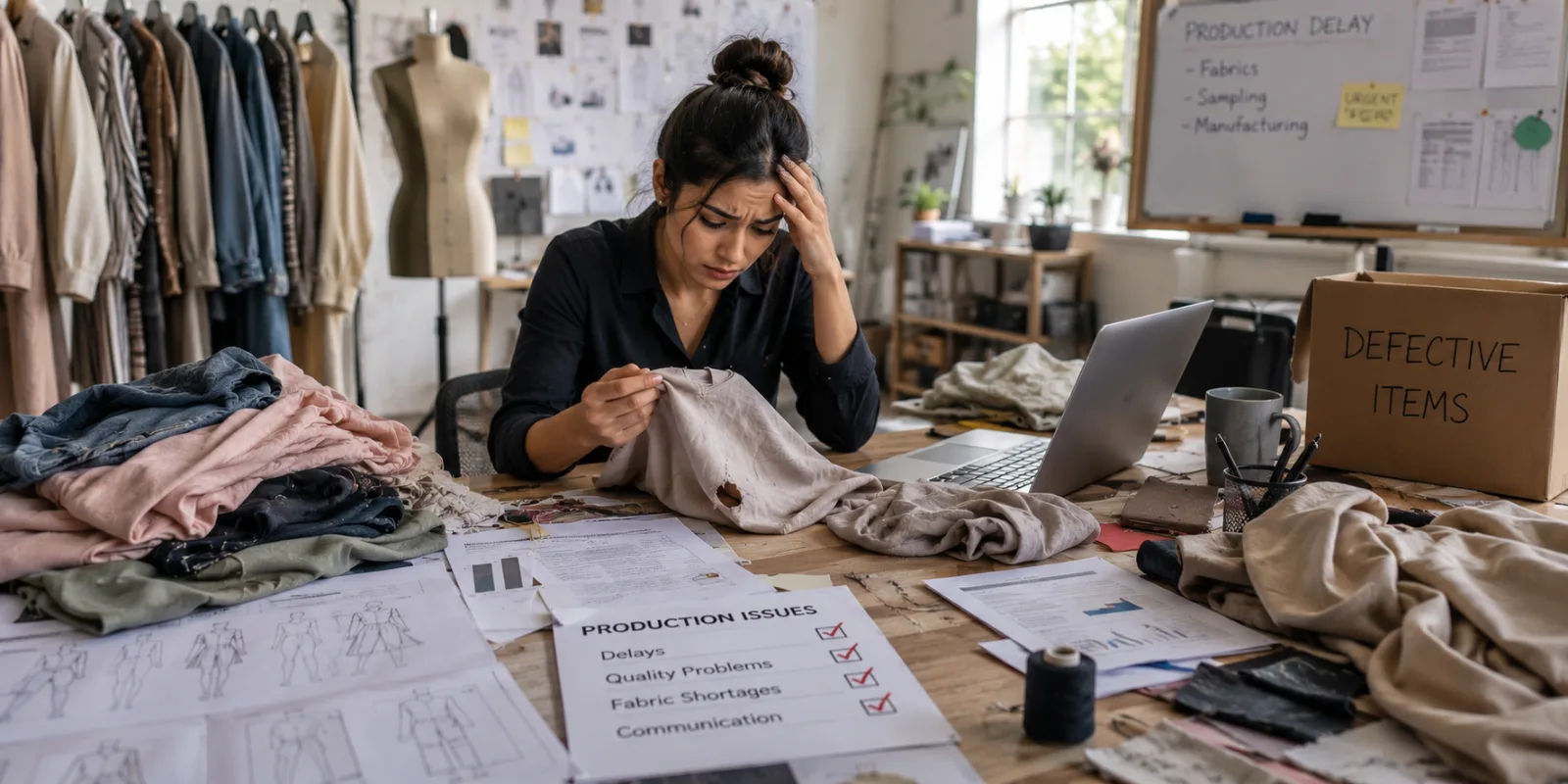
Many startups make avoidable mistakes when choosing clothing manufacturers. One of the most common errors is focusing solely on price. While affordability is important, sacrificing quality can harm your brand in the long run. Skipping the sampling process is another major mistake. Without testing your product, you risk producing items that don’t meet your standards.
Poor communication can lead to misunderstandings and production errors. Always provide clear instructions and maintain regular contact with your manufacturer.
Conclusion: Building a Strong Foundation for Your Clothing Brand
Choosing the best clothing manufacturer for your startup is one of the most important decisions you will make. It requires careful research, strategic planning, and a clear understanding of your brand’s needs. By selecting the right partner, you can ensure consistent quality, efficient production, and sustainable growth. Take your time, explore your options, and build strong relationships with your manufacturers.
Your journey in the fashion industry starts with a single step—and finding the right manufacturer is that step.