Selecting clothing vendors that fit your budget is one of the most important decisions you will make when building or growing a fashion brand. Your vendor affects almost every part of your business, including product quality, profit margin, delivery timeline, customer satisfaction, repeat orders, and brand reputation. A vendor who looks cheap at the beginning can become expensive later if they deliver poor-quality garments, miss deadlines, increase hidden charges, or fail to understand your product requirements.
Many new clothing brands make the mistake of choosing vendors based only on the lowest price. This approach usually creates more problems than savings. A low production quote can look attractive, but if the garments shrink, stitching is weak, fabric quality is inconsistent, sizing is wrong, or delivery is delayed, the real cost becomes much higher. You may lose customers, spend more on replacements, delay your launch, or damage your brand image before it has a chance to grow.
At the same time, choosing the most expensive vendor is not always the best answer either. A premium manufacturer may offer excellent service, but they may not be suitable for your current budget, order volume, or stage of business. The real goal is not to find the cheapest vendor or the most expensive vendor. The goal is to find the right clothing vendor who can deliver the quality, quantity, communication, and reliability you need within a realistic budget.
This guide explains eight important tips on selecting clothing vendors that fit your budget without compromising your brand standards. Whether you are launching a startup fashion label, building a private label clothing line, sourcing wholesale apparel, or scaling an existing apparel business, these tips will help you make smarter sourcing decisions.

1. Know Your Budget Before You Start Contacting Vendors
Before you contact any clothing vendor, you need to clearly understand your budget. Many brand owners start by asking vendors, “How much does this cost?” without knowing how much they can actually afford. This makes the vendor selection process confusing because every quote feels either too expensive or suspiciously cheap.
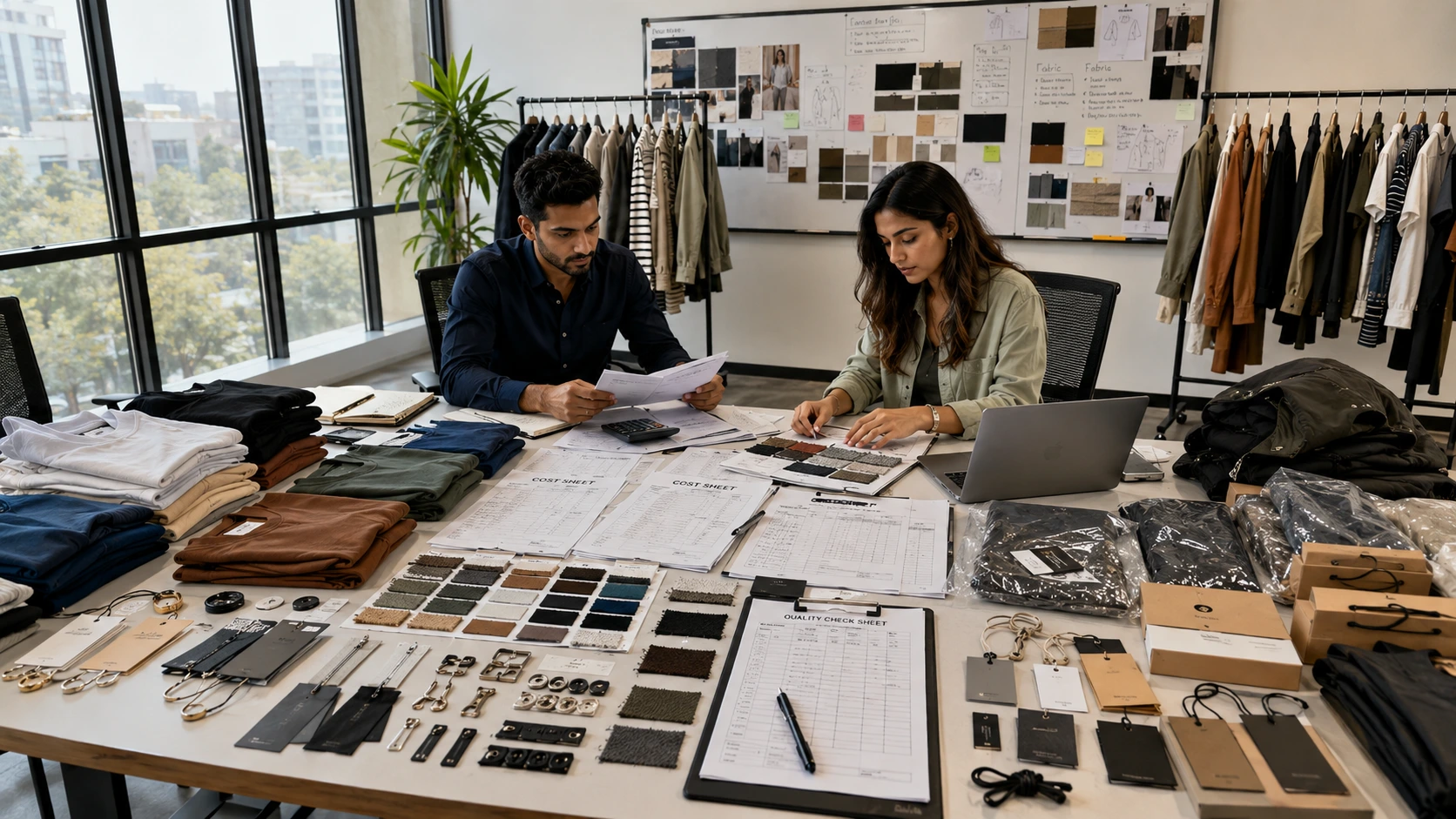
Your budget should not only include garment production cost. It should also include sampling, fabric sourcing, trims, labels, packaging, shipping, duties, quality control, photography, marketing, and possible revisions. If you only calculate the cost of making the garment, you may underestimate your total investment.
For example, if you are producing a hoodie, the vendor may quote you a price for cutting, sewing, fabric, rib, drawcord, labels, and finishing. But you may still need custom packaging, woven labels, size stickers, hang tags, shipping cartons, quality inspection, and freight charges. These additional costs can affect your final price and profit margin.
A clear budget helps you filter vendors faster. If you know your maximum production cost per unit, target retail price, expected profit margin, and total order quantity, you can immediately identify which vendors are realistic for your business.
How to Build a Practical Clothing Production Budget
Start by deciding your target retail price. Then work backward. If you plan to sell a T-shirt for $40, you need to know how much you can spend on production while still covering marketing, packaging, shipping, platform fees, returns, taxes, and profit. Many fashion brands fail because they price products emotionally instead of financially.
You should also separate your budget into fixed and variable costs. Fixed costs may include tech pack creation, sample development, label design, website setup, and product photography. Variable costs include fabric, trims, labor, packaging, and shipping per unit.
A vendor who fits your budget is not simply the one with the lowest production price. It is the vendor whose quote allows your business model to work. That means your cost per unit should support both quality and profitability.
Budget Questions to Ask Yourself
Before contacting clothing vendors, ask yourself:
- What is my total production budget?
- How many pieces can I realistically order?
- What is my target cost per unit?
- What retail price do I want to charge?
- What profit margin do I need?
- How much can I spend on samples?
- Do I need custom fabric, trims, labels, or packaging?
- Can I afford international shipping and duties?
When you answer these questions first, vendor conversations become more professional. You will also avoid wasting time with manufacturers who are either too expensive or not suitable for your order size.
2. Compare Vendors Based on Total Value, Not Just Unit Price
One of the biggest mistakes in apparel sourcing is comparing vendors only by unit price. A vendor may quote $6 per T-shirt while another quotes $8. At first, the $6 vendor looks better. But if the $6 vendor uses lower-quality fabric, weak stitching, poor finishing, or inconsistent sizing, the cheaper price can hurt your brand.
Total value means looking at everything the vendor provides for the price. This includes fabric quality, workmanship, communication, sampling accuracy, production capacity, packaging options, delivery reliability, compliance, and after-sales support. A slightly higher unit price may be worth it if the vendor reduces defects, delivers on time, understands your requirements, and helps you avoid costly mistakes.
Budget-friendly does not always mean cheap. It means cost-effective. A cost-effective clothing vendor gives you the best balance between price, quality, service, and reliability.
Why Low Prices Can Be Risky
Very low quotes often come with hidden compromises. The vendor may use cheaper fabric than requested, reduce garment weight, skip quality checks, outsource to unknown subcontractors, or add hidden charges later. Some vendors provide an attractive price at the beginning just to win the order, then increase costs after sampling or production starts.
This does not mean every affordable vendor is bad. Many reliable clothing vendors offer competitive pricing because they have efficient production systems, strong fabric sourcing networks, or lower overhead costs. However, you need to understand why a vendor is cheaper before trusting the quote.
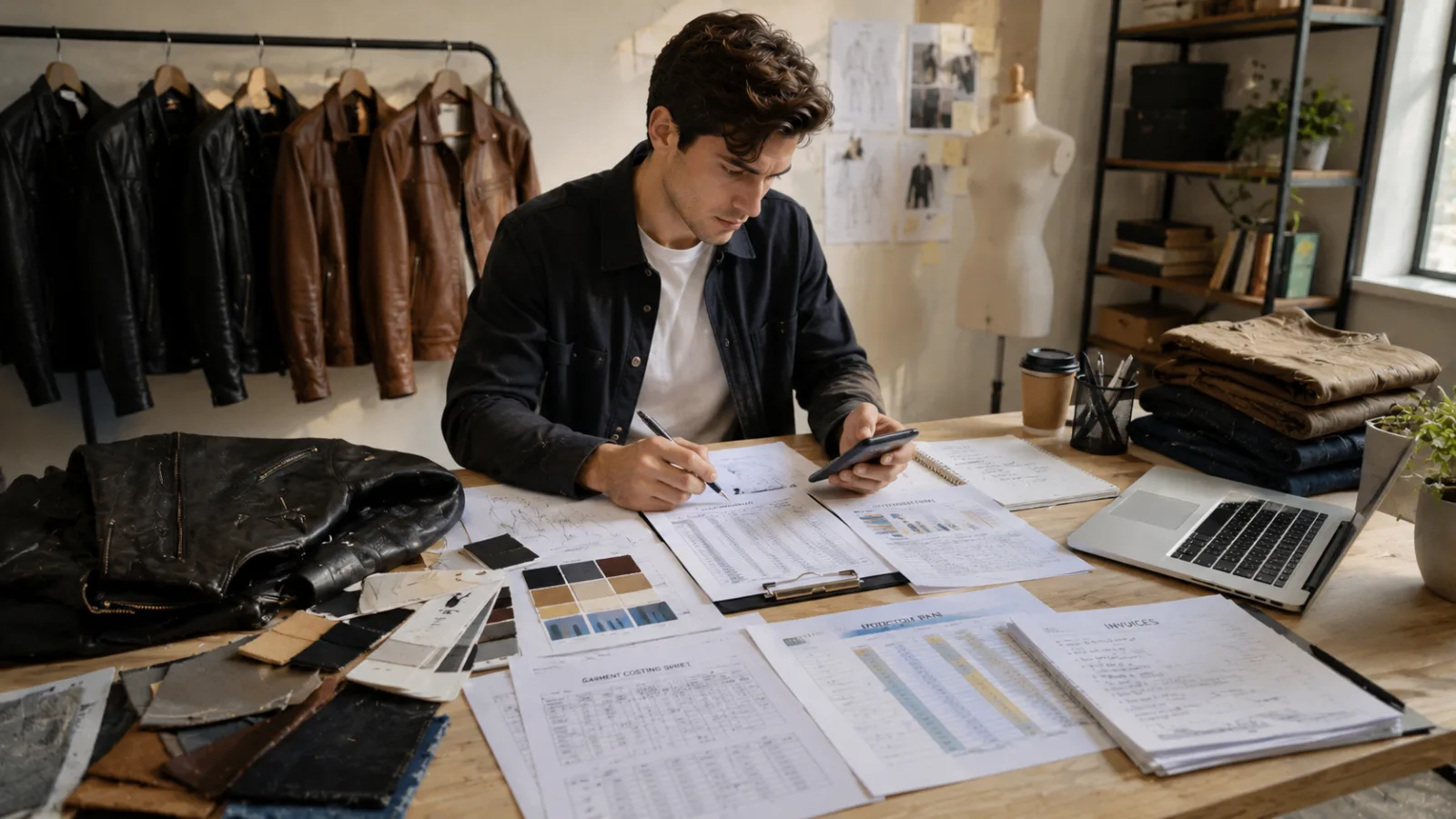
Ask vendors what is included in the price. Does the quote include fabric? Trims? Labels? Packaging? Printing? Embroidery? Washing? Quality inspection? Carton packing? Documentation? If one vendor includes more services and another charges separately, the lower unit price may not actually be cheaper.
Create a Vendor Comparison Sheet
To compare vendors properly, create a simple vendor comparison sheet with columns such as:
- Vendor name
- Country or location
- Minimum order quantity
- Sample cost
- Unit price
- Fabric included or not
- Label and packaging included or not
- Production timeline
- Shipping terms
- Payment terms
- Quality control process
- Communication quality
- Past experience with similar garments
- Certifications or compliance details
This helps you evaluate vendors objectively. Instead of choosing based on emotion or price alone, you can see which vendor offers the best value for your budget.

3. Understand Minimum Order Quantity Before Making a Decision
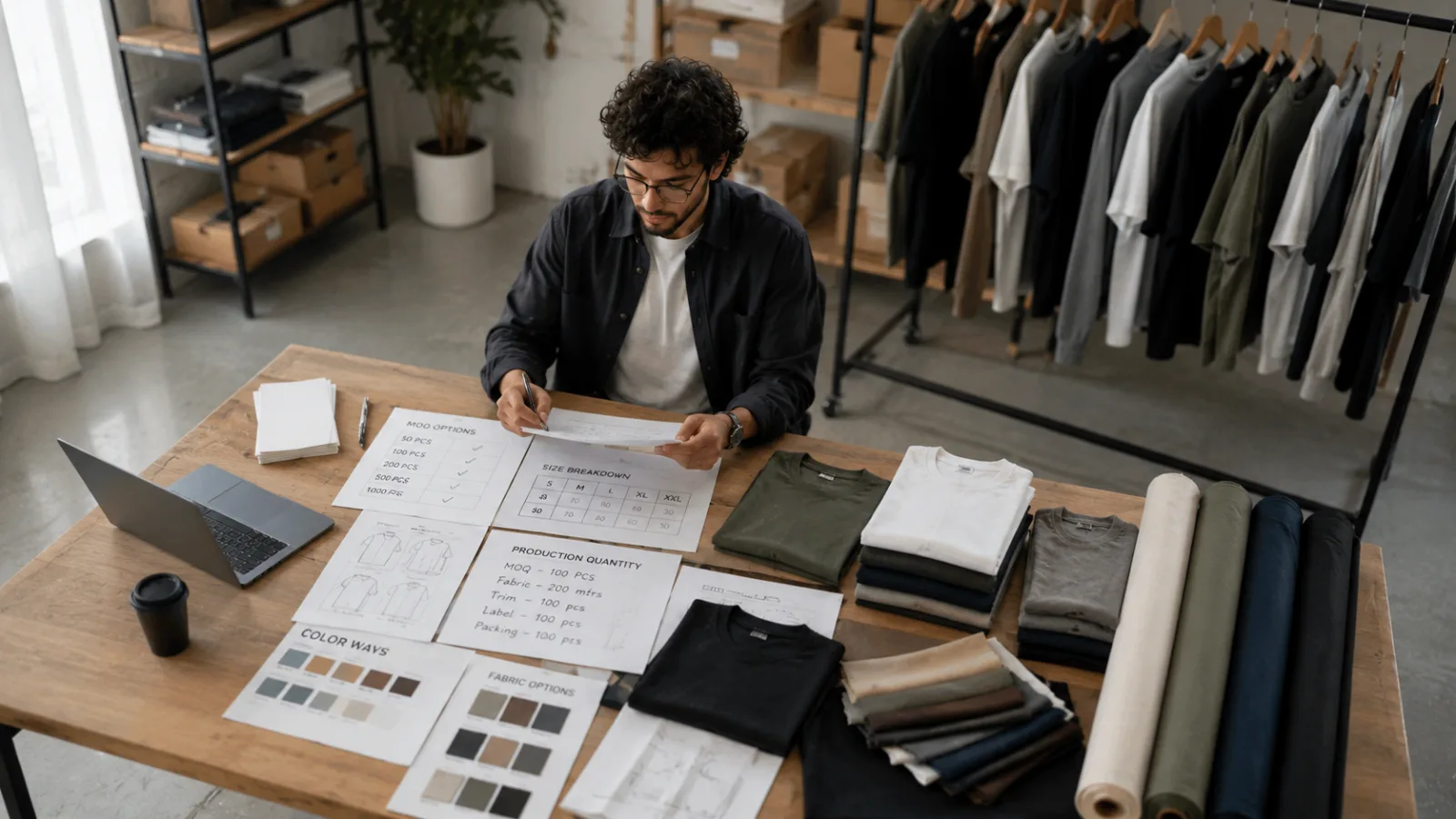
Minimum order quantity, often called MOQ, is one of the most important factors when selecting clothing vendors that fit your budget. MOQ refers to the smallest number of units a vendor is willing to produce per style, color, or design.
Some manufacturers require 500 pieces per style. Others may accept 100 pieces, 50 pieces, or even smaller trial orders. Your ideal MOQ depends on your budget, sales confidence, inventory strategy, and product type.
A vendor with a low unit price but high MOQ may not fit your budget. For example, a vendor may offer a T-shirt at $5 per piece, but only if you order 1,000 pieces. That means you need $5,000 for production before adding packaging, shipping, duties, and marketing. Another vendor may charge $7 per piece but accept 200 pieces, requiring only $1,400 for production. For a startup, the second option may be more realistic even though the unit price is higher.
MOQ Affects Cash Flow and Inventory Risk
Many fashion brands struggle because they order too much inventory too early. High MOQ can lock your money into products that may not sell quickly. This creates cash flow problems and limits your ability to test new designs, colors, sizes, and marketing angles.
If you are starting a new clothing brand, it is often better to begin with a manageable MOQ. Smaller runs allow you to test demand, collect customer feedback, improve fit, and understand your best-selling products before scaling. Once you have sales data, you can negotiate better prices with vendors.
However, very low MOQ also has trade-offs. Low-quantity production usually costs more per unit because fabric sourcing, cutting, printing, dyeing, and labor setup costs are spread across fewer pieces. This is normal. The key is to decide whether lower inventory risk is worth the higher unit price.
How to Discuss MOQ With Vendors
When speaking with vendors, ask if MOQ applies per design, per color, per size, or per fabric. This detail matters. A vendor may say the MOQ is 300 pieces, but they may mean 300 pieces per color. If you want three colors, your total order may become 900 pieces.
You can also ask if the vendor offers sample runs, trial production, or mixed-size production. Some vendors are flexible if your design uses stock fabric, simple construction, or standard trims. Others may reduce MOQ if you agree to pay a slightly higher unit price.
A smart vendor understands that small brands need room to grow. If a vendor refuses to discuss flexible MOQ options, they may not be suitable for your current stage.
4. Check Product Quality Before Committing to a Large Order
Quality is one of the most important parts of selecting clothing vendors. A vendor may fit your budget on paper, but if the quality is poor, the cost becomes much higher in real life. Poor-quality clothing leads to returns, complaints, negative reviews, wasted inventory, and weak customer trust.
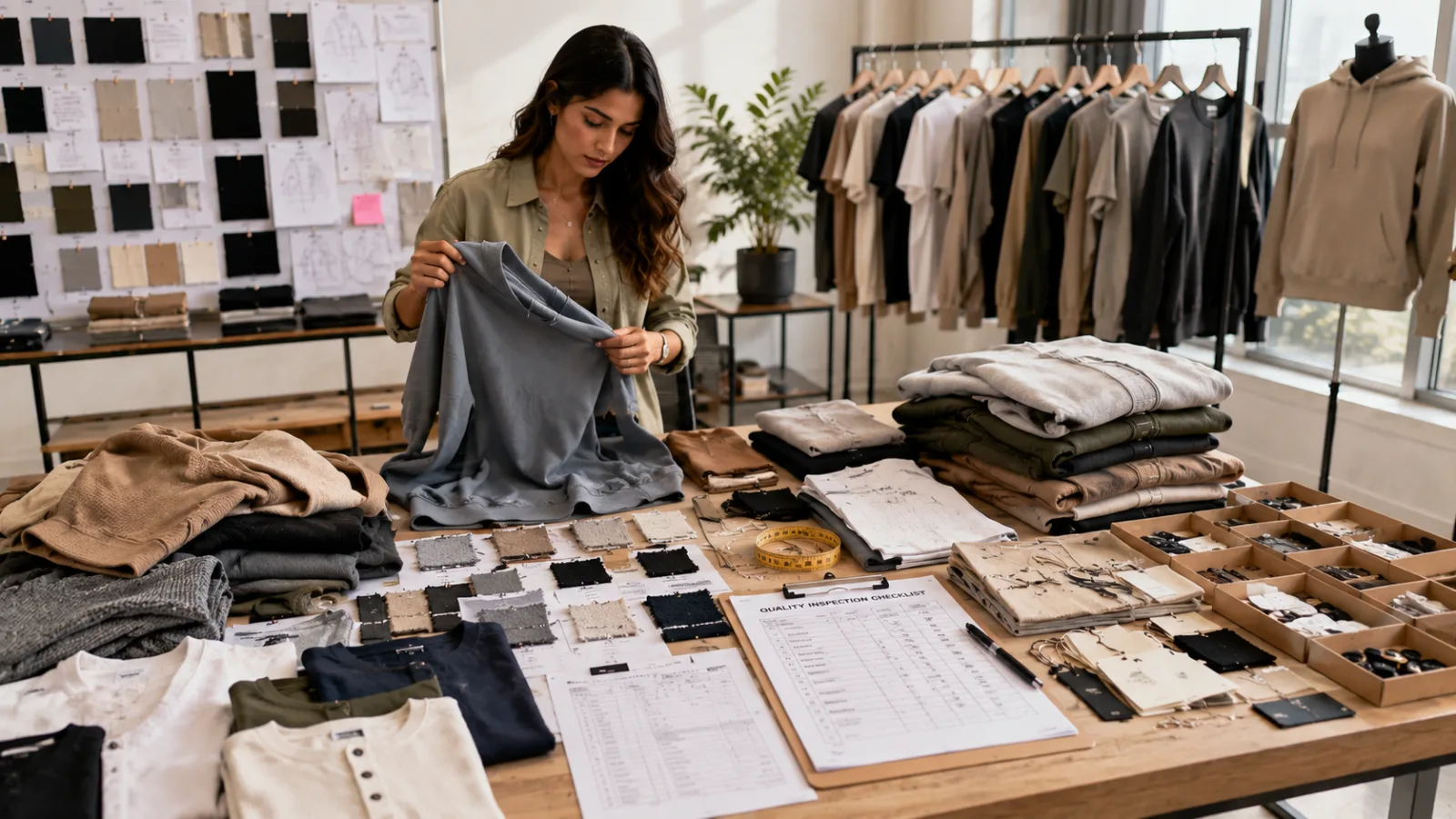
Before placing a bulk order, always check product quality carefully. This includes fabric feel, fabric weight, stitching, seams, measurement accuracy, printing quality, embroidery quality, shrinkage, color fastness, finishing, labels, packaging, and overall appearance.
A reliable clothing vendor should be willing to provide samples before bulk production. Samples help you judge whether the vendor can understand your design, follow your specifications, and meet your quality expectations.
Types of Samples You May Need
There are different types of samples in apparel production. A development sample shows the first version of your design. A fit sample checks measurements, shape, and sizing. A pre-production sample shows how the final garment should look before mass production begins. A shipment sample or production sample shows the actual quality coming out of bulk production.
For budget planning, sample costs are important. Some vendors charge high sample fees, especially for custom garments. Others may refund sample costs after you place a bulk order. Do not assume sampling is free. Sampling requires fabric, trims, labor, pattern work, printing, embroidery, and communication time. Even if sampling costs extra, it is usually worth it. Spending money on samples can prevent much larger losses during bulk production.
What to Inspect in a Clothing Sample
When you receive a sample, do not only look at whether it looks nice. Check it carefully like a buyer. Measure the garment against your size chart. Check seam strength. Look at stitching consistency. Wash the garment if needed. Test the fabric feel after washing. Check whether the print cracks, fades, or peels. Look for loose threads, uneven hems, twisted seams, poor button attachment, weak zippers, or incorrect labels.
If possible, compare the sample to your tech pack. A vendor who cannot follow a clear tech pack during sampling may also struggle during production.
Quality and Budget Must Work Together
Some brands reduce quality to fit a tight budget. This can be dangerous. Customers may accept simple designs, but they rarely accept poor quality. Instead of lowering quality too much, simplify the product. Choose fewer colors, fewer trims, standard fabrics, simpler prints, or smaller collections. This can help you stay within budget while protecting your brand reputation.
5. Choose Vendors With Experience in Your Product Category
Not all clothing vendors are suitable for every type of garment. A vendor who makes basic T-shirts may not be the best choice for tailored jackets. A factory that specializes in activewear may not be ideal for luxury dresses. A manufacturer that produces denim may not understand the details of lingerie, knitwear, leather jackets, uniforms, or kidswear.
Choosing a vendor with experience in your product category helps you reduce mistakes. Experienced vendors understand fabric behavior, construction methods, production challenges, quality standards, and common fit problems for that specific garment type.
For example, if you are producing streetwear hoodies, you need a vendor who understands heavyweight fleece, rib quality, hood shape, drawcord finishing, screen printing, embroidery placement, and shrinkage control. If you are producing children’s clothing, the vendor should understand safety, comfort, durability, soft fabrics, secure trims, and size grading for kids.
Why Category Experience Saves Money
A vendor with relevant experience can help you avoid unnecessary costs. They may suggest better fabric options, more efficient construction methods, practical trims, and cost-saving production techniques. They can also warn you if a design detail may create quality issues or increase production costs.
Inexperienced vendors may accept your design without understanding the technical challenges. Later, they may struggle with fit, fabric performance, printing, washing, or finishing. This can lead to multiple sample revisions, production delays, and unexpected expenses. A vendor who knows your product type can often produce better results faster. This is valuable when your budget is limited because repeated mistakes can quickly consume your funds.
Ask for Similar Product Examples
Before choosing a vendor, ask to see examples of similar garments they have produced. You do not need to see confidential client information, but you can ask for general product photos, sample references, fabric options, or production capabilities.
Ask questions such as:
- Have you produced this type of garment before?
- What fabrics do you recommend for this product?
- What common problems should we avoid?
- Can you manage the finishing details required?
- Do you have experience with this print, wash, embroidery, or construction method?
The way a vendor answers these questions tells you a lot. A knowledgeable vendor will give specific answers. A weak vendor may give vague promises.
6. Review Communication, Transparency, and Professionalism
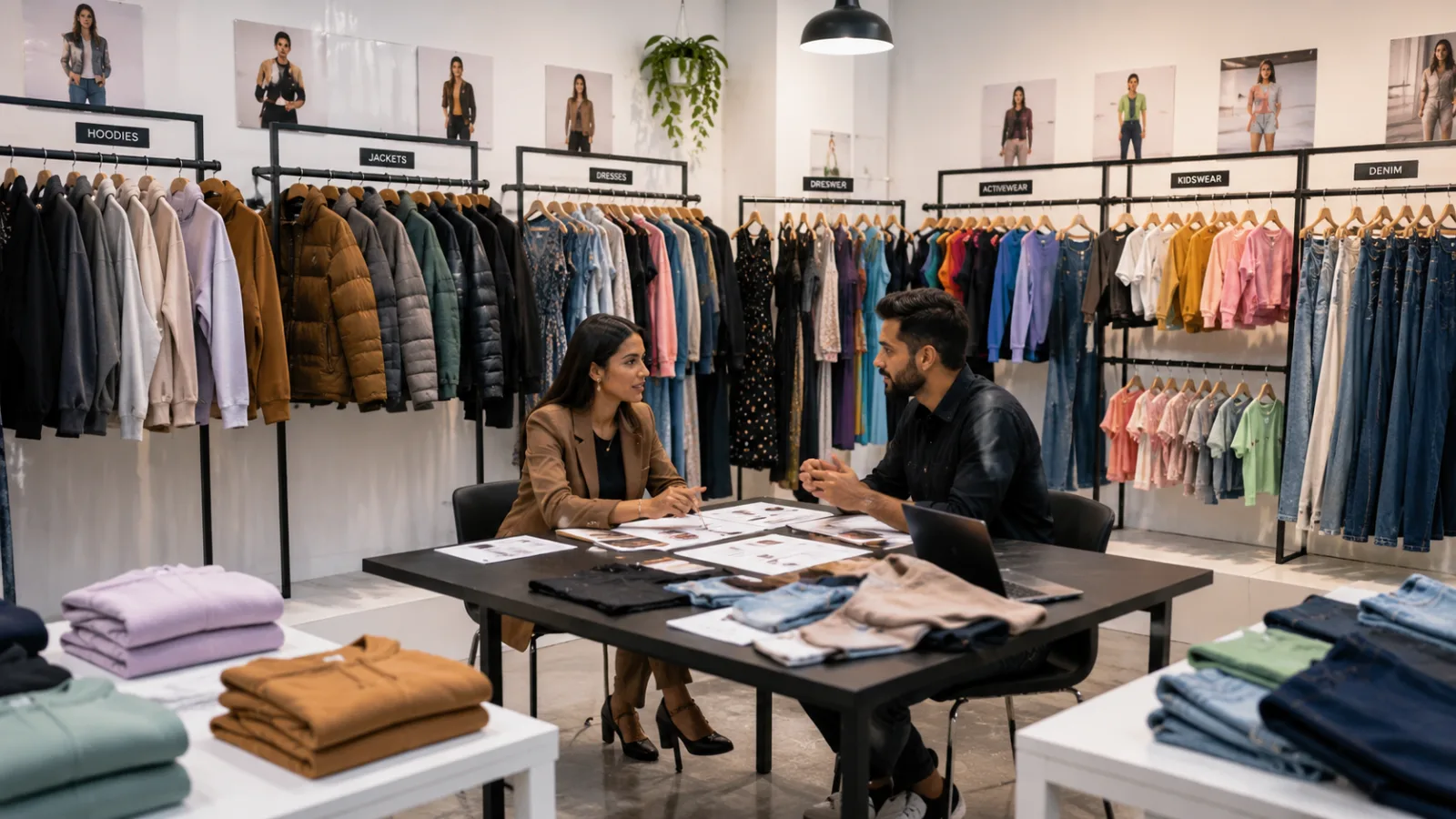
Good communication is one of the strongest signs of a reliable clothing vendor. Even if a vendor has good prices and quality, poor communication can create serious problems. Apparel production involves many details, including fabric, size charts, labels, trims, colors, packaging, timelines, revisions, payments, and shipping. If communication is slow or unclear, mistakes become more likely.
A budget-friendly vendor should still communicate professionally. They should answer your questions clearly, explain costs, confirm details in writing, share realistic timelines, and update you when something changes.
Why Communication Matters in Apparel Production
Clothing production is not a one-step process. It moves through design review, tech pack checking, pattern making, sampling, revisions, fabric sourcing, trim approval, production planning, cutting, sewing, finishing, quality control, packing, and shipping. Each stage requires accurate communication.
If a vendor misunderstands your fabric requirement, the final garment may feel different from what you expected. If they misread the size chart, the fit may be wrong. If they do not confirm label placement, packaging, or print size, the finished product may not match your brand standards. Clear communication prevents expensive errors. It also gives you confidence that the vendor can manage your order properly.
Signs of a Professional Vendor
A professional clothing vendor usually responds with clear details instead of vague statements. They ask questions about your product, fabric, size range, order quantity, artwork, packaging, and delivery needs. They provide written quotes, sample timelines, payment terms, and production details.
A weak vendor may avoid direct answers, pressure you to pay quickly, refuse to provide details, or promise unrealistic prices and timelines. If communication feels confusing before you pay, it often gets worse after production begins.
Set Communication Expectations Early
Before placing an order, agree on how communication will happen. Will you use email, WhatsApp, project management tools, or scheduled updates? Who is your main contact person? How often will they update you? Will they send production photos? Will they confirm approvals before moving to the next stage?
These details may sound small, but they help you control the process. For a brand working with a limited budget, communication mistakes can be costly. A transparent vendor protects your money by reducing uncertainty.

7. Ask About Hidden Costs Before Signing Any Agreement
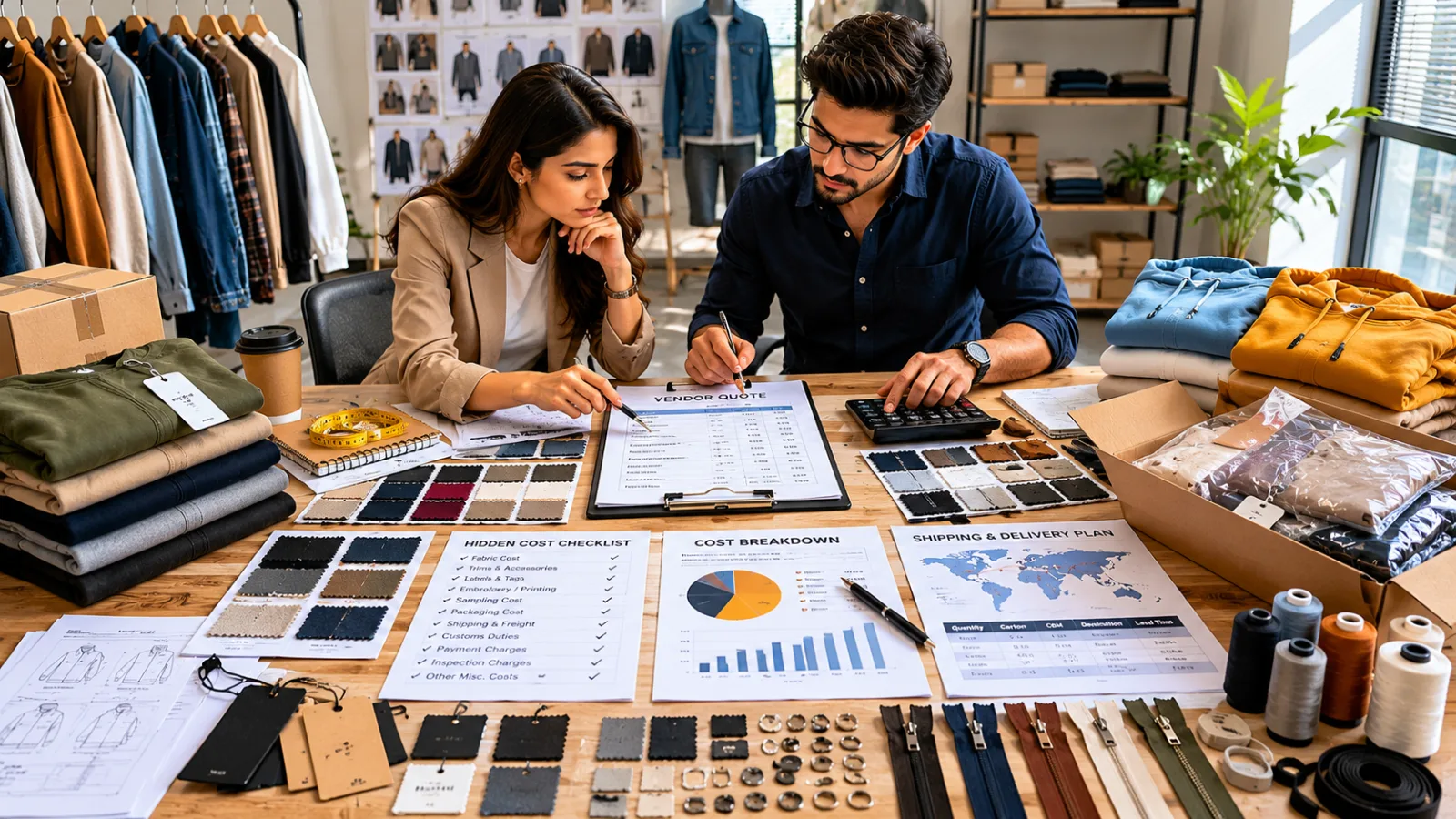
Hidden costs can quickly break your clothing production budget. Many brands focus only on the quoted unit price and forget to ask what is included. Later, they discover extra charges for sampling, fabric testing, custom labels, packaging, printing setup, embroidery digitizing, pattern making, grading, washing, shipping, customs, inspection, or urgent production.
To select clothing vendors that fit your budget, you need complete cost transparency from the beginning. A professional vendor should be able to explain all major charges before you commit.
Common Hidden Costs in Clothing Production
Some common hidden costs include:
- Sample development fees
- Pattern-making charges
- Size grading charges
- Fabric sourcing fees
- Custom dyeing charges
- Printing screen setup fees
- Embroidery digitizing fees
- Label and tag costs
- Packaging costs
- Carton charges
- Quality inspection fees
- Bank transfer fees
- Shipping and freight costs
- Customs duties and taxes
- Storage charges
- Rush order fees
- Rework or revision costs
Not every vendor charges all of these separately. Some include certain costs in the unit price. Others separate them. Neither approach is automatically wrong. The problem happens when you do not know the full cost before making a decision.
Request a Detailed Cost Breakdown
Ask your vendor for a detailed quote that shows what is included and what is not included. A good quote should mention garment cost, fabric details, trims, labels, packaging, MOQ, sample fee, production time, payment terms, and shipping terms.
For custom products, ask whether the price includes artwork setup, print placement, embroidery, wash process, or special finishing. For private label products, ask whether branding is included or separate.
A detailed cost breakdown helps you compare vendors fairly. It also protects you from unpleasant surprises later.
Understand Shipping Terms
Shipping can be a major cost, especially for international sourcing. Ask whether the vendor’s quote is EXW, FOB, CIF, DDP, or another shipping term. These terms affect who pays for transportation, customs, duties, and delivery.
If you are not familiar with shipping terms, ask the vendor to explain what is included in their price. A low product price may become expensive after freight and duties are added.
8. Start Small, Test the Vendor, Then Scale Gradually
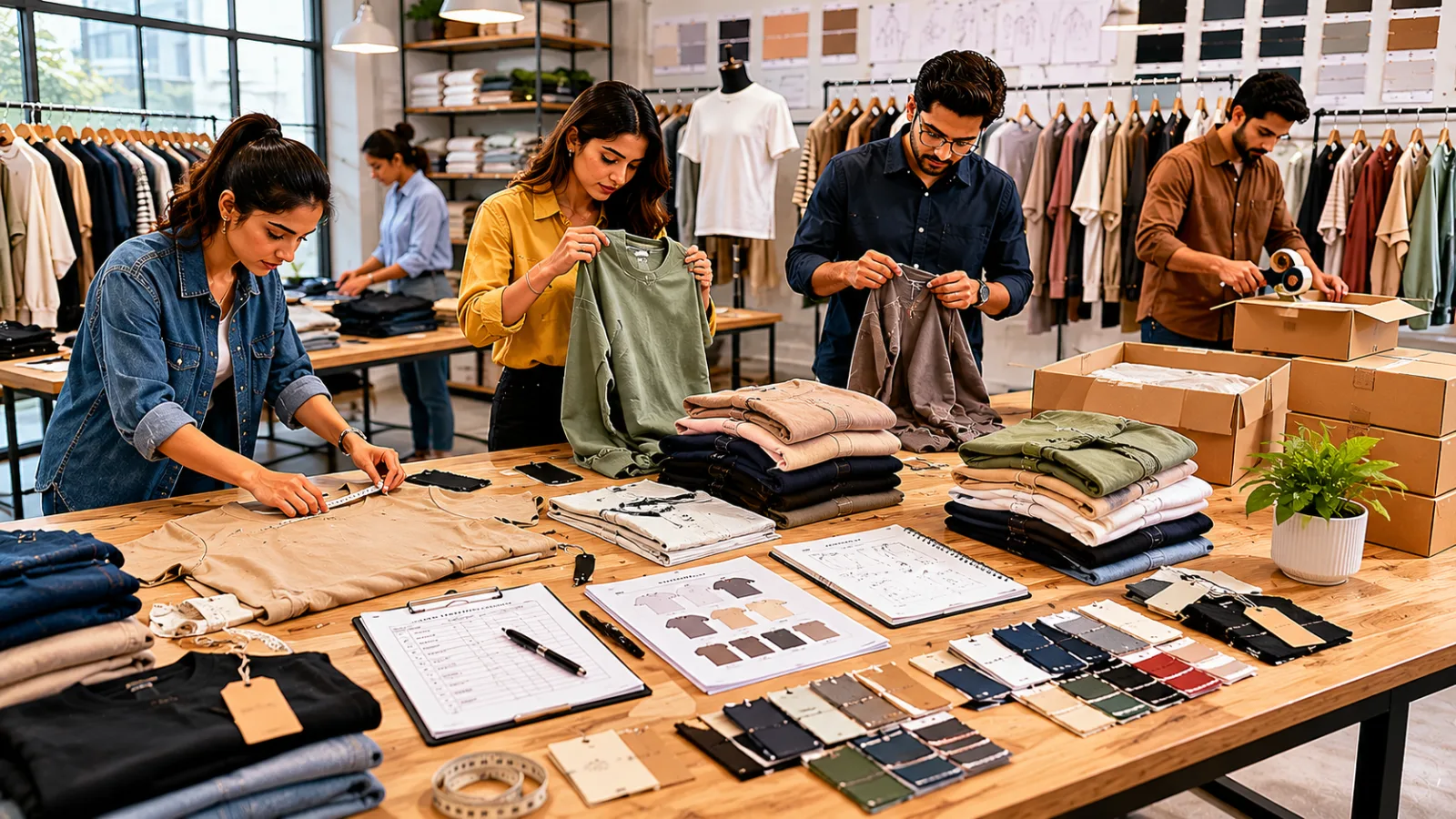
One of the smartest ways to select clothing vendors that fit your budget is to start small. Instead of placing a large order with a new vendor, begin with samples or a small trial production run. This allows you to test the vendor’s quality, communication, timeline, packaging, and problem-solving ability before investing more money.
A trial order may cost more per unit, but it reduces risk. It helps you see how the vendor performs in real production, not just in conversation. Many vendors sound professional during negotiation, but the real test comes when they need to deliver the product.
What a Trial Order Can Reveal
A small test order can reveal whether the vendor follows instructions, respects deadlines, maintains quality, handles revisions, communicates clearly, and packs products properly. It can also show whether the vendor is honest about limitations.
For example, a vendor may produce a good sample but struggle to maintain consistency in bulk. A trial order helps you check whether all units match the approved sample. You can inspect measurements, stitching, fabric quality, labeling, packaging, and overall finishing across multiple pieces. If the trial order goes well, you can gradually increase order quantities. If it does not go well, you can fix the issue or switch vendors before losing too much money.
Build Long-Term Vendor Relationships
Once you find a vendor who fits your budget and quality expectations, treat the relationship seriously. Reliable vendors become valuable partners. Over time, they may offer better pricing, priority production slots, flexible MOQ, improved payment terms, and better material suggestions.
Vendors also prefer serious buyers who communicate clearly, pay on time, provide organized tech packs, approve samples quickly, and respect production timelines. If you want better pricing, you also need to become an easier client to work with.
A long-term relationship can help your brand grow more smoothly. Instead of constantly searching for new vendors, you can focus on improving products, marketing, sales, and customer experience.
Bonus Tip: Prepare a Clear Tech Pack Before Requesting Quotes
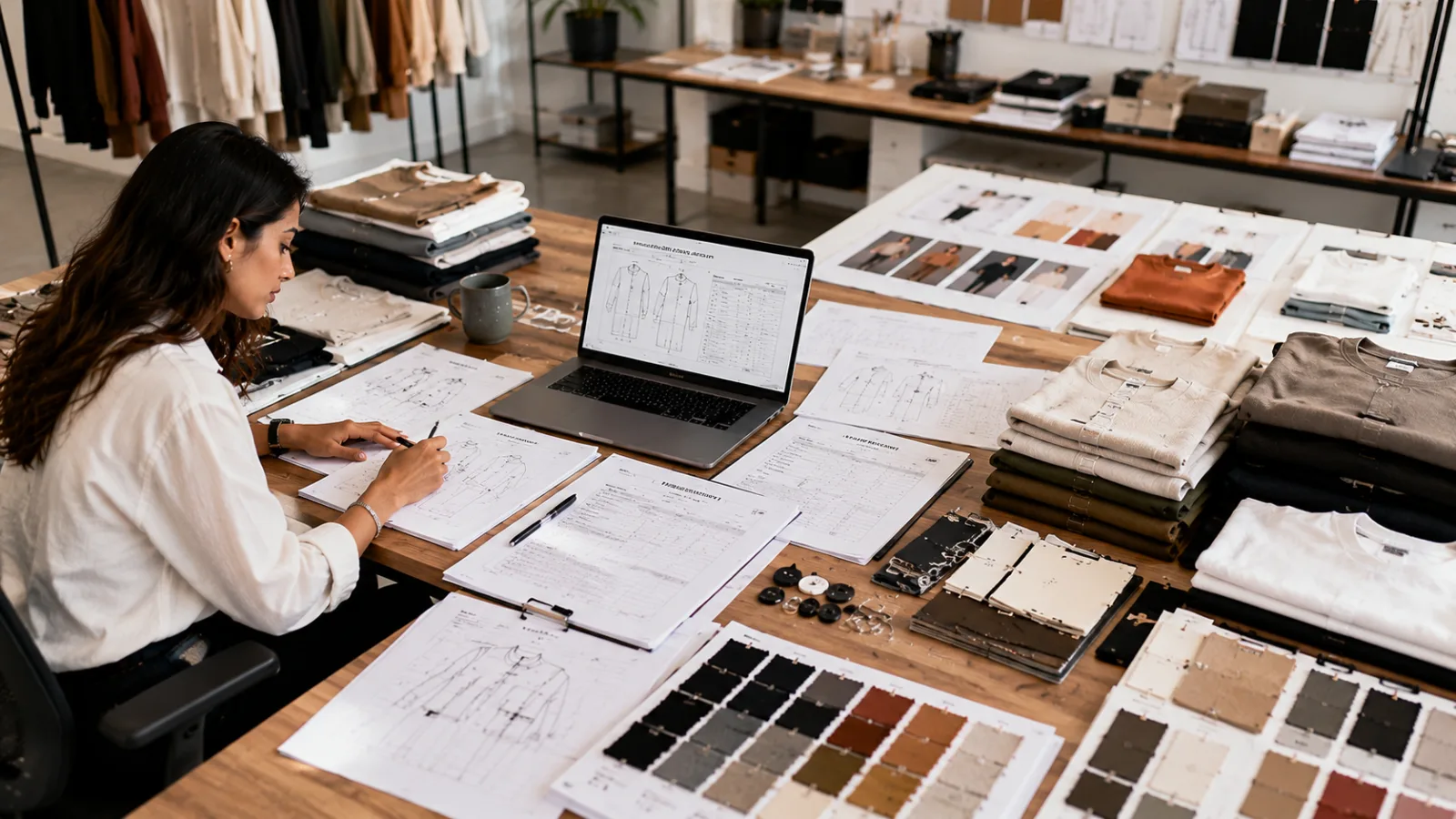
Although this article focuses on eight important tips, one extra point deserves attention: prepare a proper tech pack before asking vendors for prices. A tech pack is a technical document that explains your garment design in detail. It usually includes flat sketches, measurements, fabric details, trims, labels, stitching instructions, print or embroidery placement, color references, packaging requirements, and construction notes.
Without a tech pack, vendors may guess your requirements. This leads to inaccurate quotes. One vendor may quote for basic fabric while another quotes for premium fabric. One may include special finishing, while another does not. This makes comparison difficult.
A clear tech pack helps vendors provide accurate pricing. It also reduces sampling mistakes and production confusion. If your budget is tight, a tech pack can actually save money because it reduces back-and-forth revisions.
What to Include in a Basic Tech Pack
Your tech pack should include:
- Product name and style number
- Front and back sketches
- Fabric type and weight
- Color details
- Size chart
- Measurement points
- Trim details
- Label placement
- Print or embroidery artwork
- Stitching instructions
- Packaging requirements
- Quality expectations
- Reference photos if needed
You do not need an overly complicated tech pack for every simple garment, but you do need enough detail for the vendor to understand exactly what you want.
How to Know If a Clothing Vendor Truly Fits Your Budget
A vendor fits your budget when the full production cost supports your business model. This means the vendor’s price allows you to maintain quality, sell at a profitable retail price, manage inventory, and satisfy customers.
A vendor does not fit your budget if the unit price is low but defects are high. A vendor also does not fit your budget if quality is excellent but the MOQ is too large for your cash flow. The right vendor sits in the middle of cost, quality, reliability, and scalability.
You should evaluate vendors through four major questions:
- Can they produce the quality my customers expect?
- Can I afford their MOQ and total cost?
- Can their timeline support my launch plan?
- Can I build a long-term relationship with them?
If the answer is yes, the vendor may be a good fit. If one answer is no, you need to investigate further before committing.
Common Mistakes to Avoid When Selecting Clothing Vendors
Many apparel brands make avoidable mistakes during vendor selection. These mistakes can waste money and slow growth.
Choosing Only the Cheapest Vendor
Low prices are attractive, but the cheapest vendor is not always the most affordable in the long run. Poor quality, delays, and rework can cost more than a slightly higher quote from a better vendor.
Not Asking About MOQ Clearly
Some brands misunderstand MOQ and later realize they must order more than planned. Always confirm MOQ by style, color, size, and fabric.
Skipping Samples
Skipping samples to save money is risky. Samples help you check quality, fit, and vendor capability before bulk production.
Ignoring Communication Problems
If a vendor is slow, vague, or unprofessional before payment, be careful. Communication is critical during production.
Not Reading Payment Terms
Understand deposit amount, balance payment timing, refund policy, and what happens if production goes wrong.
Forgetting Shipping and Duties
International production costs do not end at the factory. Shipping, customs, duties, and delivery fees can significantly affect your budget.
Not Having Written Agreements
Always confirm important details in writing. This includes price, quantity, quality standard, timeline, packaging, payment terms, and approved sample references.
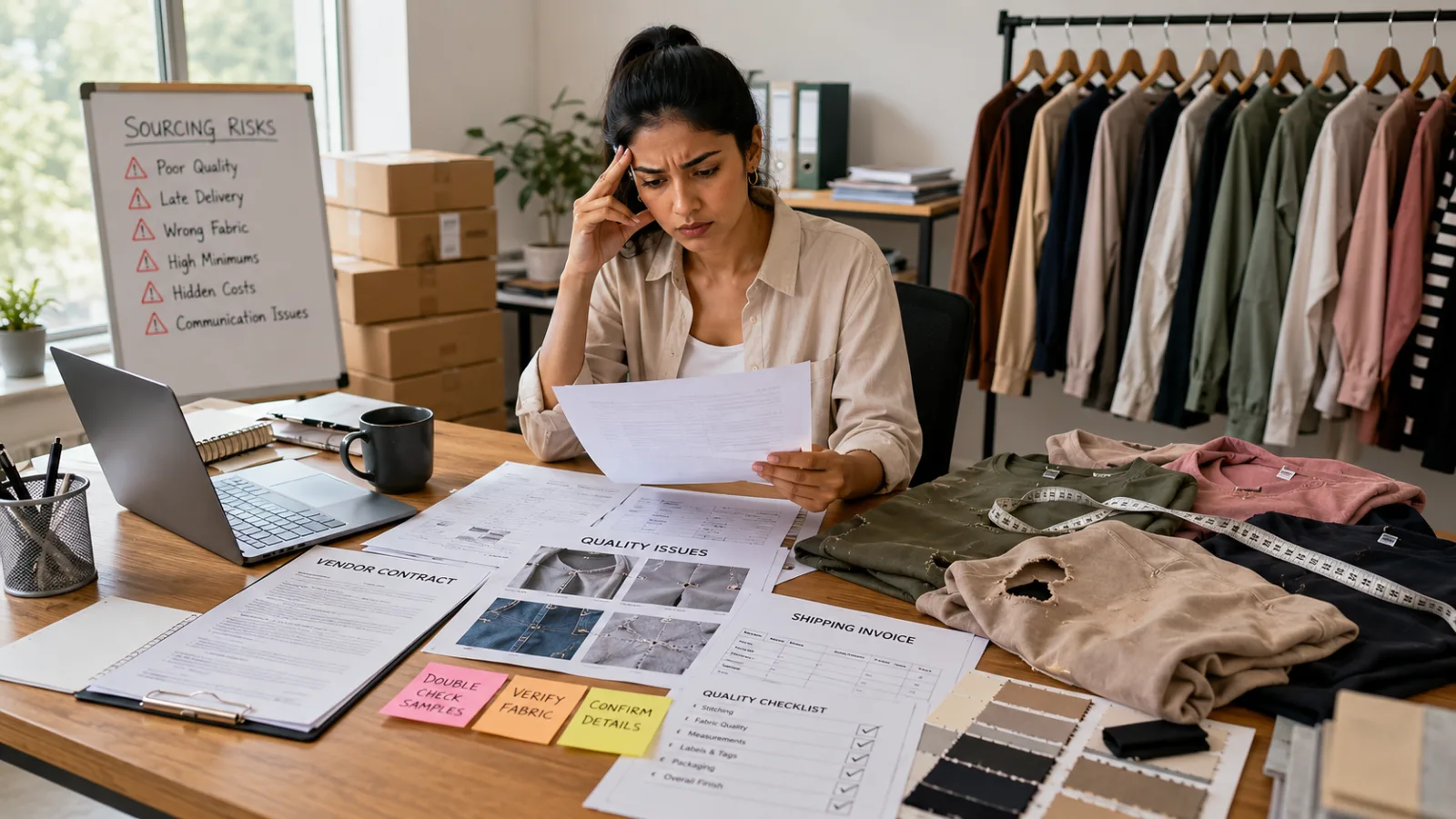
Local vs Overseas Clothing Vendors: Which Is Better for Your Budget?
When selecting clothing vendors, many brands wonder whether they should work with local or overseas suppliers. Both options can work, depending on your budget, product type, timeline, and order quantity.
Local Clothing Vendors
Local vendors may offer easier communication, faster shipping, lower shipping risk, and better control over sampling. You may be able to visit the facility, inspect products, or solve problems quickly. However, local production often has higher labor costs and higher unit prices.
Local vendors can be a good option for small batches, premium products, quick turnaround, or brands that want stronger production control.
Overseas Clothing Vendors
Overseas vendors may offer lower unit costs, wider fabric access, larger production capacity, and specialized manufacturing. However, they may require higher MOQ, longer shipping times, more complex communication, customs handling, and international payment planning.
Overseas vendors can be a good option when you have clear product specifications, stable order volume, and enough time for production and shipping.
Which One Should You Choose?
If your budget is small and you need flexibility, a local or low-MOQ vendor may be better even if the unit price is higher. If your order volume is larger and your product is well developed, overseas production may help reduce unit cost.
The best choice depends on your cash flow, not just the production quote.
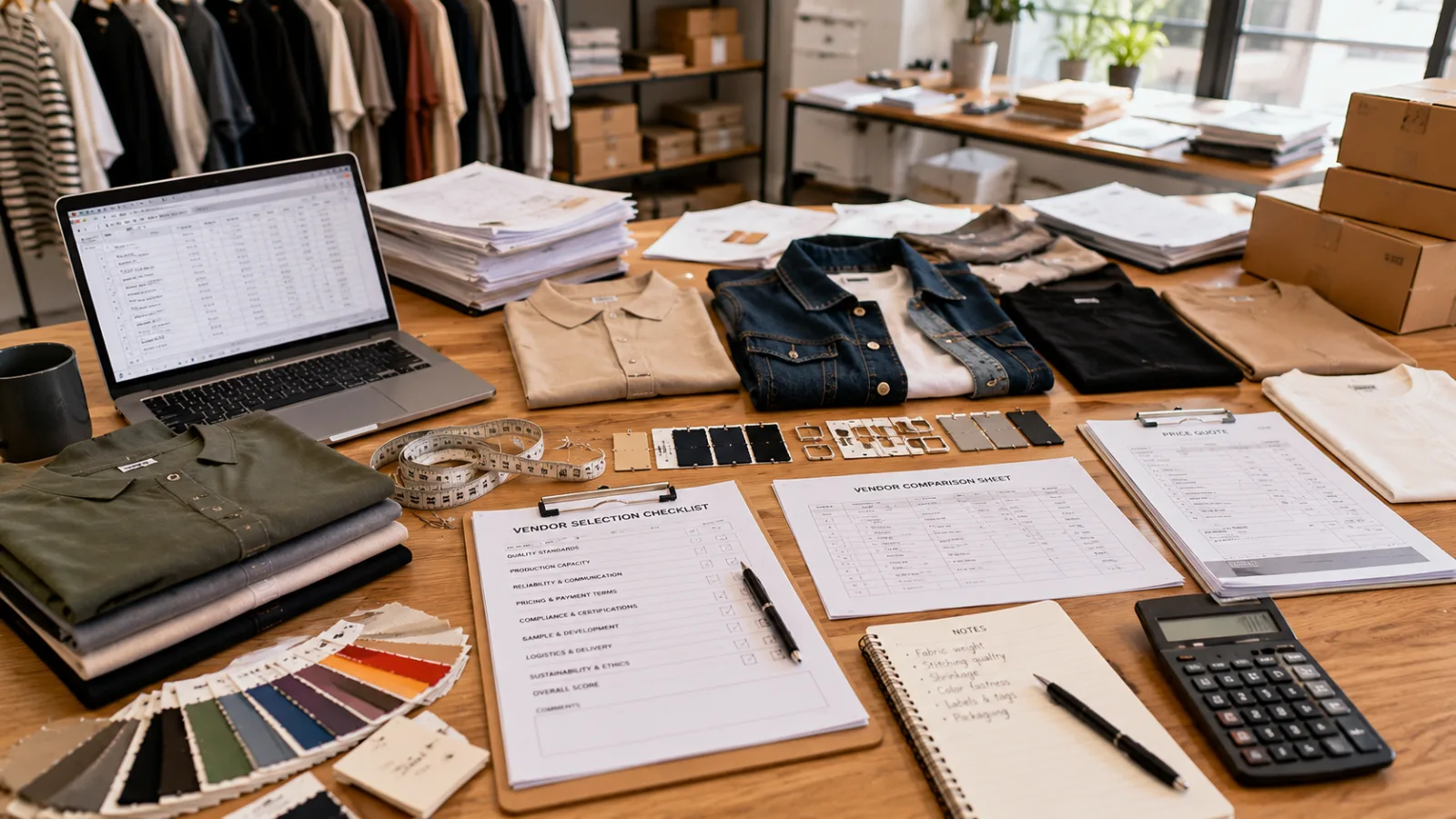
Vendor Selection Checklist for Clothing Brands
Use this checklist before choosing a clothing vendor:
- I know my total production budget.
- I know my target cost per unit.
- I understand the vendor’s MOQ.
- I have checked the sample quality.
- I have reviewed similar products they have made.
- I have asked for a full cost breakdown.
- I understand shipping and duties.
- I know the payment terms.
- I have confirmed the production timeline.
- I have checked the communication quality.
- I have written specifications or a tech pack.
- I have tested the vendor before scaling.
- I have compared vendors based on total value, not only price.
This checklist helps you avoid emotional decisions and select a vendor that supports your business goals.
Final Thoughts
Selecting clothing vendors that fit your budget is not about finding the lowest price. It is about finding the right balance between cost, quality, MOQ, communication, reliability, and long-term growth potential. Your vendor is not just a supplier. They are part of your production system, customer experience, and brand reputation.
Start by understanding your own budget clearly. Know your target cost, total investment, retail price, and profit margin. Then compare vendors based on total value, not just unit price. Pay close attention to MOQ, sample quality, product category experience, communication, hidden costs, and trial production.
The best clothing vendor for your brand is one who can produce the quality your customers expect at a cost your business can sustain. A smart vendor selection process protects your money, reduces production risk, and gives your clothing brand a stronger foundation for growth.
When you choose carefully, your budget becomes a tool for better decision-making instead of a limitation. You can build a profitable fashion brand without overspending, over-ordering, or sacrificing the quality that makes customers come back.