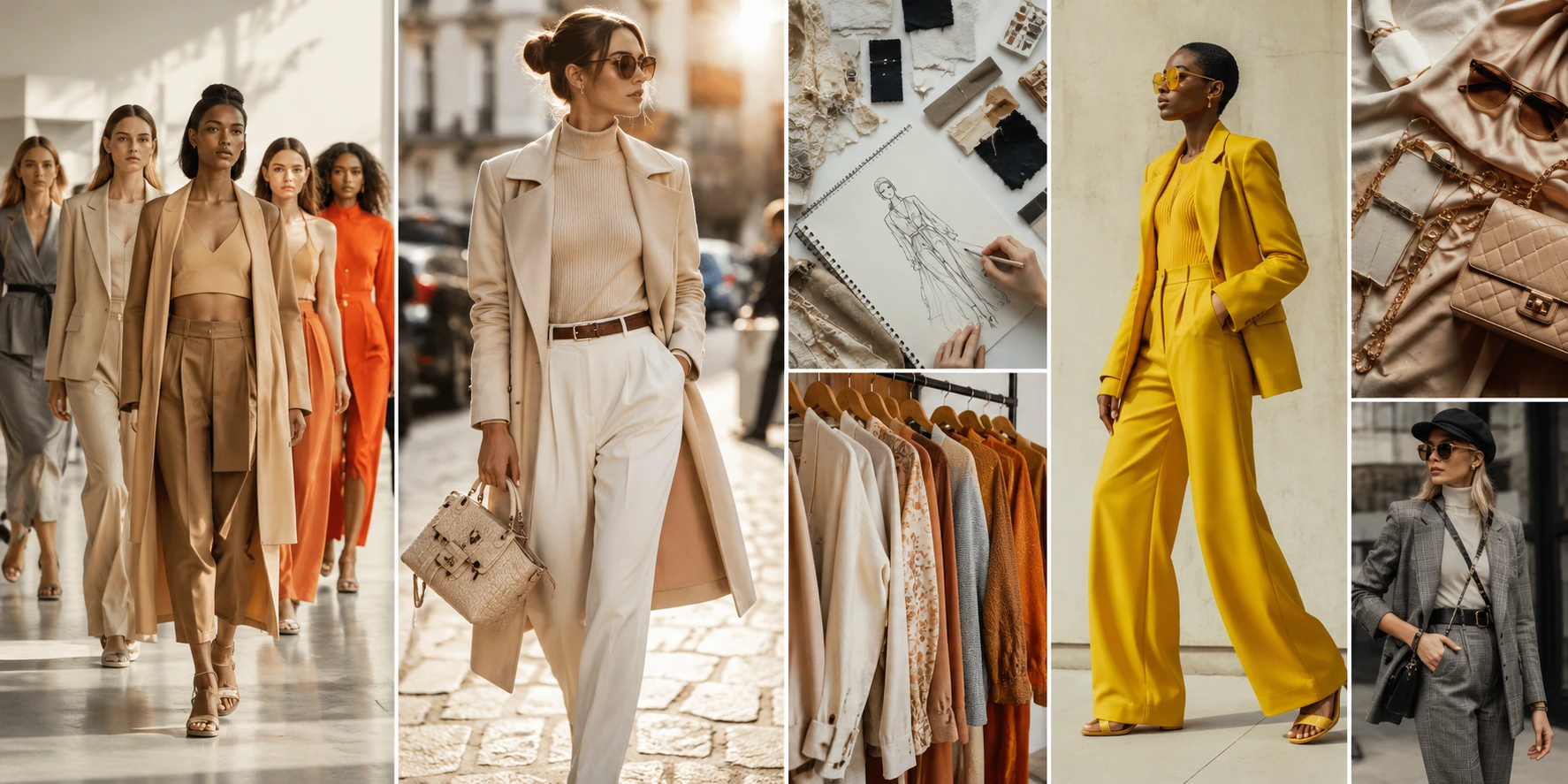
Master fashion trend spotting by building a system that tracks runway, retail, and social signals to separate lasting trends from fleeting viral hype.
Fashion trends do not appear out of nowhere. They build through repetition, cultural shifts, retail adoption, consumer behavior, and visual storytelling. If you want to become better at spotting what is trending in fashion, you need more than good taste. You need a system.
That matters because being a fashion expert today is not only about knowing what looked good on a runway. It is about understanding how trends move from catwalk to store, from social media to street style, and from short-term hype to real commercial demand. Vogue has described trend formation as something that often becomes visible when an idea appears multiple times, while WGSN positions trend forecasting as a mix of consumer insight, behavior analysis, and future-focused change tracking. Retail intelligence companies such as EDITED also frame trend detection as something that can be measured through assortments, sell-outs, markdowns, and competitor movement, not just intuition.
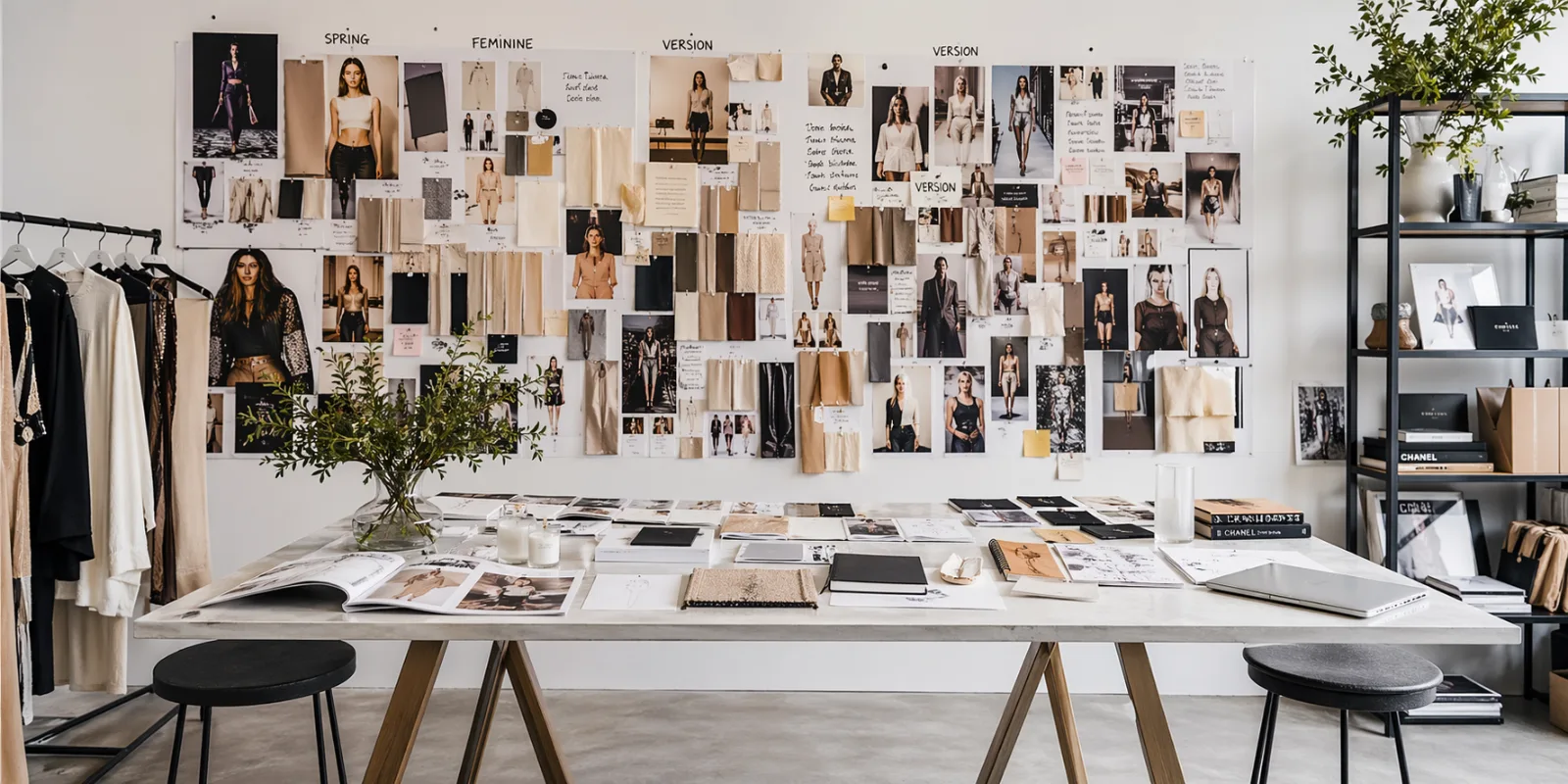
That is good news for designers, boutique owners, fashion students, merchandisers, and content creators. You do not need to guess blindly. You can train yourself to read fashion more clearly. You can learn where trends start, how they spread, and which signals actually matter.
In this guide, you will learn five practical ways to find what is trending in fashion and become a fashion expert. This is not just a list of inspiration sources. It is a system for tracking fashion trends more intelligently so you can build stronger ideas, better collections, and more confident fashion knowledge.
Why trend spotting matters in fashion
Fashion changes quickly, but not every new look becomes a real trend. Some ideas stay limited to editorial styling or niche communities. Others move into retail, social media, celebrity dressing, and everyday wardrobes. The difference is important. Vogue’s trend coverage and fashion forecasting content show that trends gain power through repetition and visibility, while retail intelligence platforms emphasize tracking actual market response, including sell-outs, assortment growth, and markdown behavior.
If you want to become a fashion expert, trend spotting helps you do several things:
- understand what is gaining momentum
- separate hype from lasting direction
- design or buy with more confidence
- create more relevant content
- anticipate what customers or audiences may want next
McKinsey’s fashion industry reporting also shows that consumer behavior, spending pressure, and market uncertainty affect which trends actually perform. In other words, knowing what looks exciting is not enough. You also need to understand what people are likely to wear, buy, repeat, and respond to.
That is why real fashion expertise comes from observation plus interpretation. You need to see the signal, then understand what it means.
1. Study runway shows, fashion weeks, and designer collections carefully
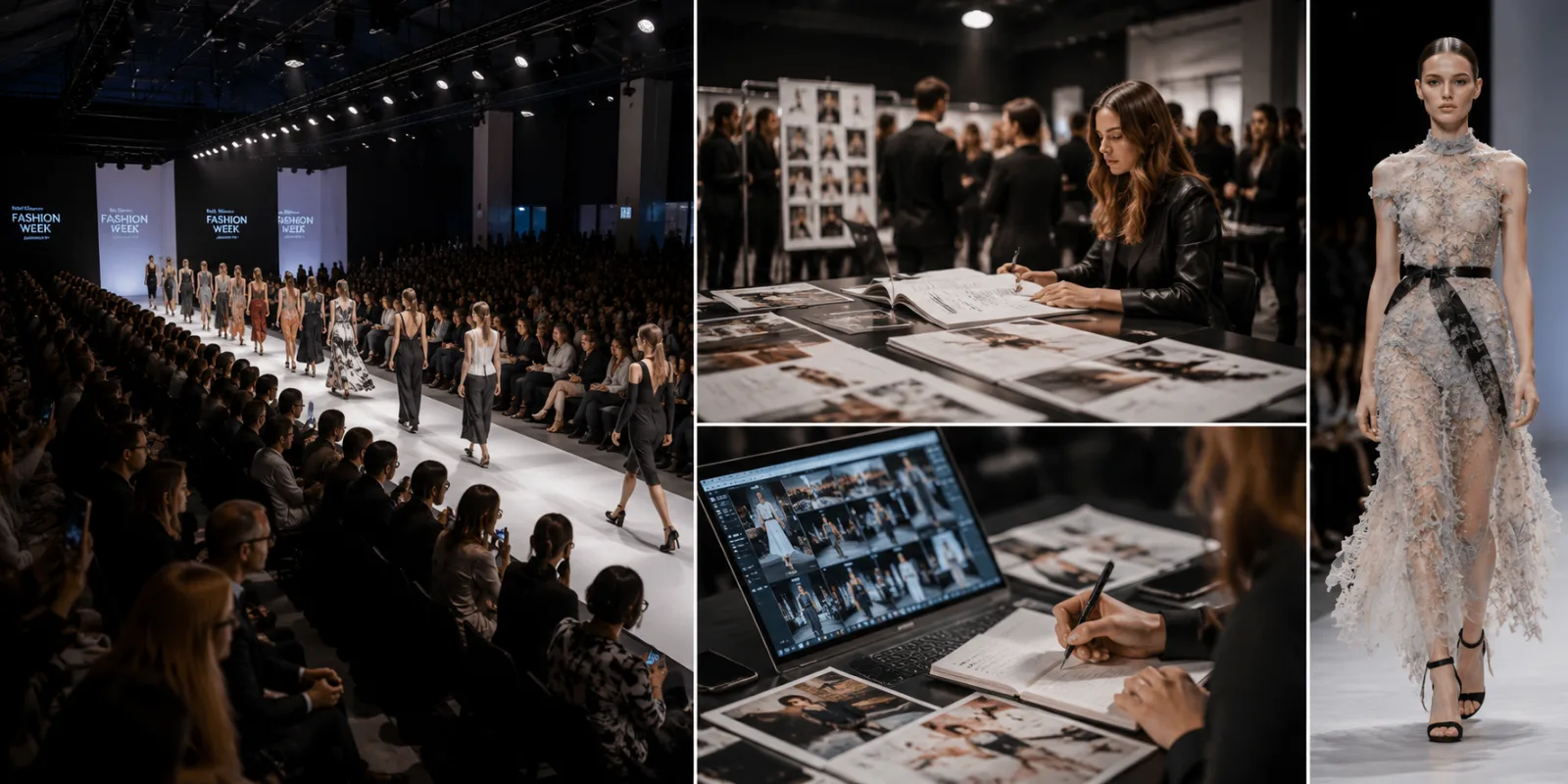
One of the strongest ways to spot fashion trends is to study runway shows and major designer collections with intention. This is where many trend directions first become visible in a concentrated way. Vogue’s trend reporting continues to pull key themes from seasonal collections, and its broader trend-forecasting coverage shows that repeated ideas across different houses are one of the clearest early signals that something is forming. But do not look at runway images passively. Train yourself to ask better questions:
What silhouettes keep repeating?
Notice whether multiple brands are showing the same shape. This could mean oversized shoulders, bubble hems, sheer layering, modern tailoring, peplum details, or soft draping. When similar silhouettes appear across different collections, they become much more important than a one-off look. Vogue explicitly notes that repeated appearance is one of the strongest markers of a trend.
What fabrics and textures keep appearing?
Track repeated use of lace, mesh, satin, suede, crochet, utility nylon, transparent layers, or heavily textured surfaces. A trend is often visible not only in the shape of garments, but also in the materials designers keep returning to. Vogue’s seasonal trend reports often identify trends through these recurring material patterns.
What colors are showing up again and again?
Color trends are one of the easiest ways to identify a fashion shift. When several collections begin leaning toward similar shades such as red, brown, butter yellow, or earthy neutrals, that usually signals broader market potential. Vogue’s seasonal trend roundups often highlight color as a major organizing force.
What details are moving across brands?
Keep an eye on recurring details such as bows, 3D florals, lingerie elements, utility pockets, sporty trims, exaggerated collars, or sculptural waists. It is often the detail level that helps you identify whether a look is likely to spread commercially.
The key is comparison. Looking at one collection can inspire you. Looking across many collections can teach you how trends form. That is a major difference between a casual fashion follower and someone developing real expertise.
2. Watch what happens in retail, not just on the runway
A runway trend is only the beginning. If you want to understand what is truly trending in fashion, you also need to study retail. This is where you can see whether an idea is moving from inspiration into actual product investment.
EDITED’s retail intelligence content explains that retailers can identify trends by tracking competitor assortments, viral items, sell-outs, arrivals, and markdown rates across the market. That is important because a look may be visually exciting, but if it appears only in a few high-fashion collections and never scales into retail, it may remain niche.
Here is what to watch:
New arrivals across multiple brands
If the same product direction keeps appearing across different stores, that usually means buyers believe the trend has commercial potential. For example, if many brands launch similar long denim skirts, mesh tops, butter-yellow dresses, or relaxed tailoring in the same season, that is a meaningful sign.
Sell-outs versus markdowns
EDITED specifically points to the usefulness of watching sell-outs and markdown levels. If trend-led items are selling out quickly with fewer markdowns, that suggests strong demand. If a trend appears everywhere but ends up heavily discounted, that may signal weak real-life traction.
Category expansion
Sometimes a trend starts in one category, then spreads. For example, a color may begin in dresses, then move into knitwear, shoes, bags, and tailoring. That kind of cross-category movement is often a sign that a trend is growing beyond an isolated product moment.
Price-point range
A useful trend often appears at more than one market level. If a direction moves from luxury into premium contemporary, high street, and digital-native brands, it has a much better chance of becoming a wider fashion movement.
Retail teaches you something runway alone cannot: what the market is willing to back with inventory. That makes retail observation one of the most practical tools for becoming a fashion expert.

3. Use social media, street style, and creator culture as trend accelerators
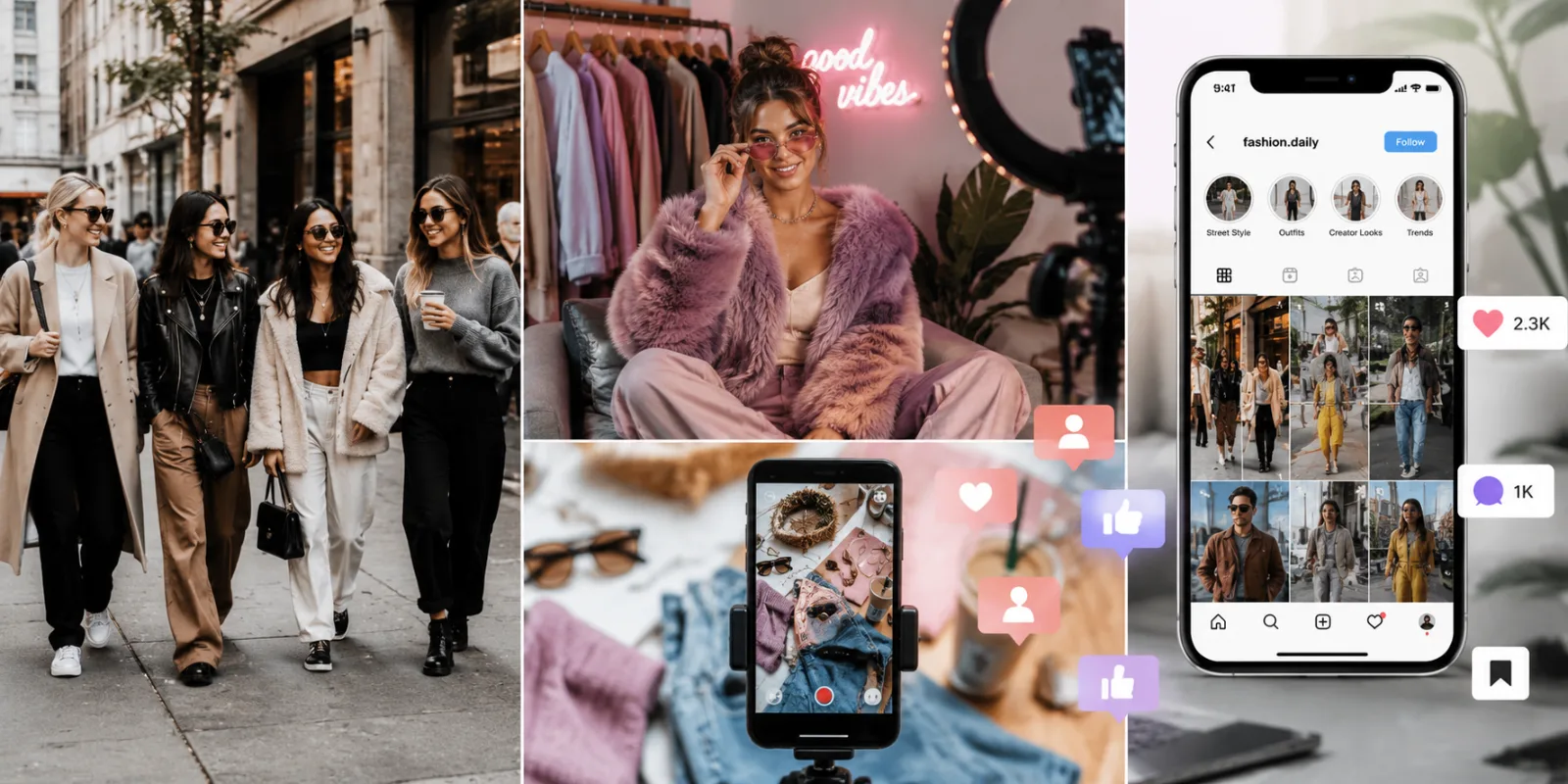
Social media has changed the speed of fashion trend visibility. A runway idea can now spread through creators, stylists, celebrities, and fashion communities much faster than before. But social media is not useful only because it is fast. It is useful because it shows how trends are actually being styled and adopted in everyday or semi-everyday life.
Vogue’s coverage of how trends happen points to the importance of repetition and adoption, and its ongoing trend coverage reflects how style evolves through a mix of runway, celebrities, editors, and broader fashion culture. McKinsey also notes that data and digital behavior increasingly influence how the market reacts to newness.
To use social media well, focus on quality signals rather than noise:
Follow stylists, buyers, editors, and fashion-focused creators
Not all fashion content is equally useful. Some accounts mostly repeat fast-moving microtrends. Others help you see deeper shifts in silhouette, styling, brand adoption, or consumer mood.
Track repeated styling combinations
A trend becomes more powerful when you see it worn in multiple ways. For example, if transparent skirts are repeatedly styled with oversized blazers, or if sports jerseys keep getting paired with feminine skirts, that tells you something about how the trend is living outside the runway.
Watch street style around major fashion weeks
Street style can reveal which runway ideas are gaining real visual power with industry insiders. It often acts as a bridge between show concepts and commercial adoption.
Save and organize references
Do not just scroll. Create folders or mood boards for colors, silhouettes, styling ideas, trims, accessories, or category-specific themes. This turns random exposure into usable pattern recognition.
Social media can mislead you if you only chase viral moments. But when you use it to track repeated styling and wider adoption, it becomes one of the best ways to sharpen your fashion eye
4. Learn to read trend reports, market data, and consumer behavior
If you want to become more than just trend-aware and move toward real fashion expertise, you need to understand why trends matter, not just what they look like. This is where reports, analytics, and consumer insights become valuable.
WGSN presents trend forecasting as a way to understand how consumers will think, feel, and behave, not just what they will wear. McKinsey’s fashion reports also connect market conditions, consumer caution, and category performance to what actually has momentum in the industry.
This matters because fashion trends do not exist in isolation. They are influenced by:
- economic pressure
- lifestyle shifts
- digital culture
- weather and seasonality
- values such as comfort, versatility, or sustainability
- celebrity and cultural influence
- retail risk and inventory decisions
For example, a trend toward versatile occasionwear may not just be about aesthetics. It may reflect consumers wanting more use value from their purchases. A rise in outdoor-influenced fashion may connect with lifestyle shifts, casualization, or performance needs. A return of soft romantic dressing may reflect mood, nostalgia, or reaction against harsher minimalist cycles.
Here is how to use this information practically:
Read fashion business coverage
This helps you understand what buyers, brands, and retailers are prioritizing.
Compare aesthetic trends with market context
Ask whether the trend feels like pure image, or whether it solves something for the customer.
Pay attention to category-level movement
Sometimes the strongest trends are not broad “fashion vibes.” They are category-specific opportunities like suede accessories, long skirts, utility outerwear, or brown tailoring.
Notice consumer emotion
WGSN’s emphasis on how people think and feel matters because trends are often emotional as much as visual. Comfort, aspiration, security, sensuality, nostalgia, and individuality all shape fashion demand.
Fashion expertise grows much faster when you learn to connect design with demand.

5. Build your own trend-tracking system and practice consistently
The final step is what turns interest into expertise: consistency. You become better at spotting fashion trends when you track them regularly, compare sources, and build your own point of view.
This matters because trend expertise is not only about access to information. It is about pattern recognition over time. Vogue’s reporting on trend formation, WGSN’s forecasting language, and EDITED’s emphasis on ongoing market tracking all point in the same direction: trend understanding improves when you look for repeated signals, not isolated flashes.
A simple personal trend system can include:
A runway tracker
List recurring silhouettes, fabrics, colors, and details each season.
A retail tracker
Monitor new arrivals, product repetition, and category growth across selected brands.
A social tracker
Save styling ideas, emerging combinations, and creator-led signals.
A market tracker
Note what reports and retail data suggest about consumer behavior.
A review habit
At the end of each month or season, ask:
- What repeated most?
- What disappeared quickly?
- What moved from luxury to mass?
- What became easy to style in real life?
- What still feels strong after the first wave?
This kind of habit is what helps you move from “I like fashion” to “I understand fashion.”
How to go from trend watcher to fashion expert
Finding what is trending is the first step. Becoming a fashion expert takes a little more.
A real fashion expert does not only notice trends. They can explain them. They can see why something is rising, how long it might last, which customer it suits, which category it belongs in, and whether it is likely to become a broad movement or stay niche.
That means you should practice asking deeper questions:
Is this a real trend or a short-term viral moment?
A real trend tends to repeat across runway, retail, and styling culture.
Is it commercially relevant?
Does it show up in actual assortments and customer-facing categories?
Is it broad or niche?
Some trends are for the mass market. Others are for editorial fashion, luxury niches, or subcultures.
Is it evolving?
A strong trend often changes form over time. It may start bold, then become more wearable.
The more often you do this, the more confident your fashion judgment becomes.

Common mistakes people make when trying to spot fashion trends
Image Prompt:
Fashion research warning board with examples of overhyped microtrends, random social media screenshots, unorganized notes, and trend confusion symbols, realistic educational setup, 16:9
Many people struggle with trend spotting because they make the process too random. A few common mistakes include:
Trusting only social media virality
A viral look is not always a lasting fashion trend.
Ignoring retail performance
A trend that does not move into product and sell-through may stay mostly visual.
Watching only one source
You need runway, retail, and real-life styling together.
Confusing personal taste with market movement
Something can be beautiful without becoming broadly relevant.
Not tracking patterns over time
A real trend usually becomes clearer through repetition.
Avoiding these mistakes will help you build much stronger fashion instincts.

ApparGlobal
Many fashion brands turn trend research into stronger products when they work with manufacturing partners that understand fabric behavior, fit development, trim control, sample refinement, quality checkpoints, and scalable production planning. Companies such as ApparGlobal help clothing brands align trend direction, sourcing choices, production methods, and quality expectations so trend-led ideas can move from concept to bulk manufacturing with better structure, stronger consistency, and greater market readiness.
Conclusion
If you want to find what is trending in fashion and become a fashion expert, the answer is not to follow one source or copy what is viral. The smarter approach is to combine runway study, retail observation, social media pattern tracking, market understanding, and a personal system for reviewing what repeats and what fades.
That is how fashion expertise grows. You stop reacting only to what looks exciting in the moment and start understanding how trends actually form. You begin to notice the connection between designers, buyers, social platforms, consumers, and product performance. And once you can see those connections clearly, your judgment becomes much stronger.
Fashion trends may move quickly, but your method does not need to be chaotic. The more consistently you study, compare, and organize what you see, the easier it becomes to recognize what really matters. That is what turns trend awareness into fashion expertise.
FAQs
What is the best way to spot fashion trends?
The best way is to combine runway research, retail tracking, social media observation, and market analysis instead of relying on only one source.
Are social media trends the same as fashion trends?
Not always. Social media can accelerate visibility, but a real fashion trend usually shows repeated signals across runway, retail, and actual styling adoption.
Why is retail important in trend forecasting?
Retail shows whether brands are actually investing in a trend and whether customers are responding through sell-outs, assortment growth, or lower markdowns.
How do fashion experts know if a trend is real?
They look for repetition, cross-market movement, category expansion, and real adoption over time rather than one isolated viral moment.
Can a beginner become good at spotting fashion trends?
Yes. Building a consistent system of observation, saving references, comparing sources, and reviewing patterns regularly can help a beginner become much stronger at trend spotting over time.