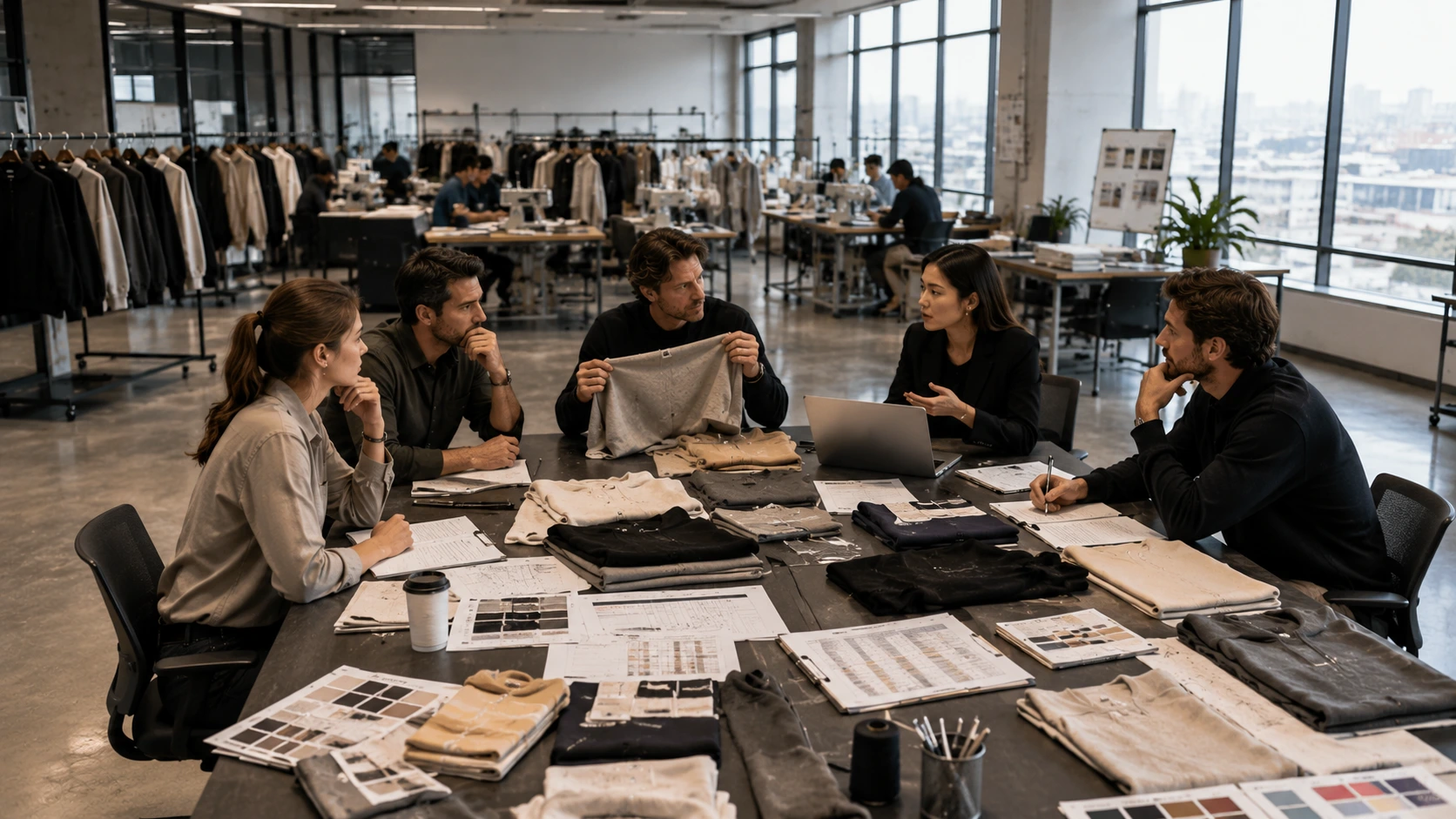
Finding the right clothing supplier can completely shape the future of a fashion brand. A reliable supplier can help you improve product quality, reduce delays, scale production, maintain consistency, and build long-term customer trust. On the other hand, the wrong supplier can damage your reputation, waste your budget, delay launches, and create quality problems that are difficult to recover from.
Many new fashion startups focus heavily on branding, logo design, packaging, and marketing, but underestimate how important supplier selection really is. In reality, your manufacturer or supplier becomes one of the most important business partners in your entire clothing operation.
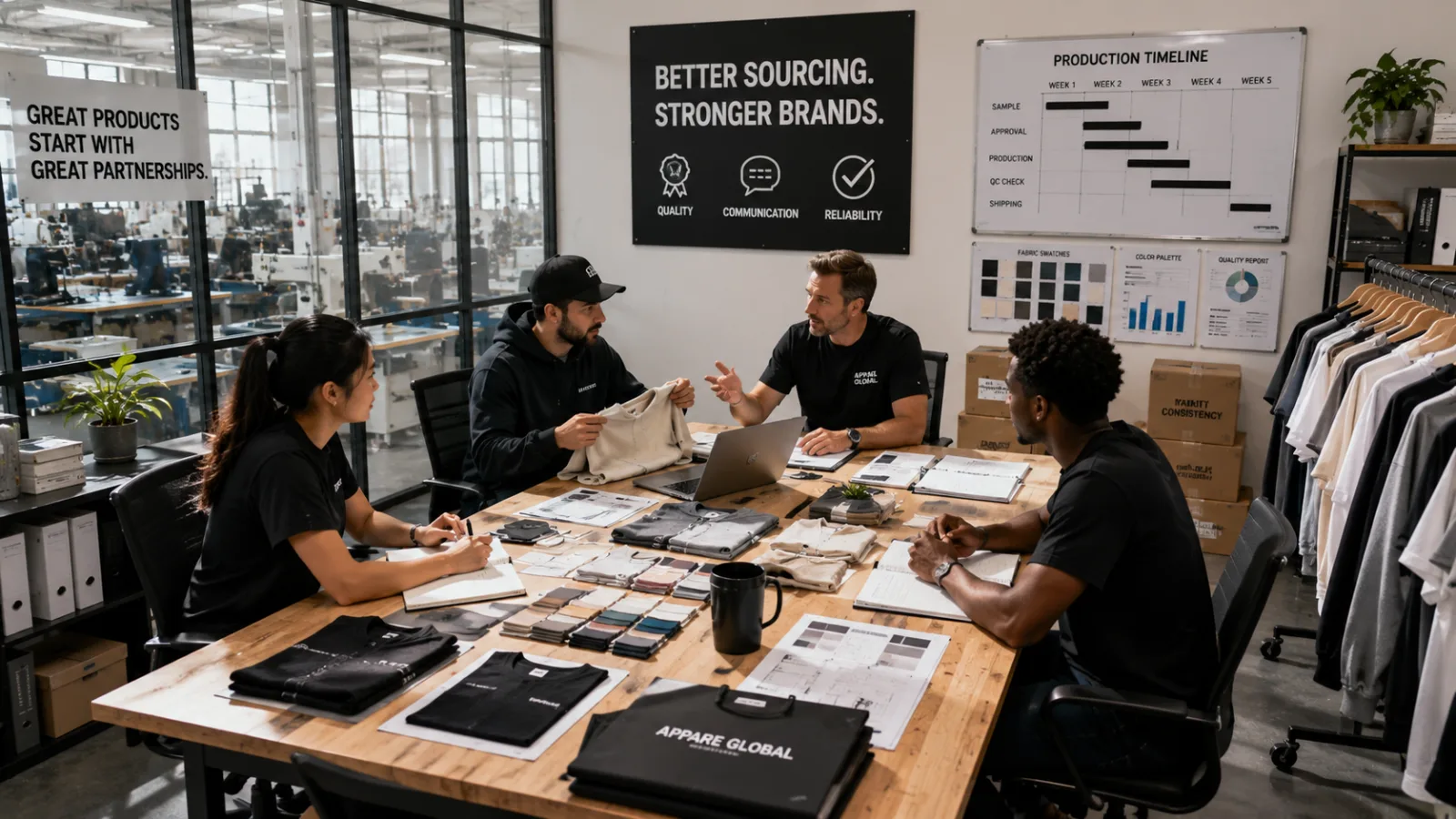
Whether you are launching a streetwear brand, luxury fashion label, print-on-demand business, activewear collection, or ecommerce clothing company, learning which suppliers to avoid is just as important as finding the right one. The apparel manufacturing industry is massive, competitive, and sometimes risky. Some suppliers overpromise and underdeliver. Others hide outsourcing practices, ignore quality standards, or disappear after receiving deposits. Many clothing businesses lose thousands of dollars simply because they chose the wrong manufacturing partner too quickly.
In this detailed guide, we will explore the five major types of clothing suppliers you should avoid, explain the warning signs to watch for, and help you understand how to protect your business from expensive sourcing mistakes.
Why Choosing the Right Clothing Supplier Matters
A supplier affects nearly every part of your business.
They influence:
- Product quality
- Production speed
- Fabric consistency
- Packaging standards
- Customer satisfaction
- Shipping timelines
- Return rates
- Brand reputation
- Profit margins
Even strong marketing cannot save a clothing brand if the garments arrive with poor stitching, wrong sizing, fabric defects, or delayed production schedules.
Today’s consumers expect professional quality even from small startups. Social media reviews spread quickly, and customers are less forgiving than ever before.
A trustworthy supplier helps you grow with confidence. A bad supplier creates constant operational stress.
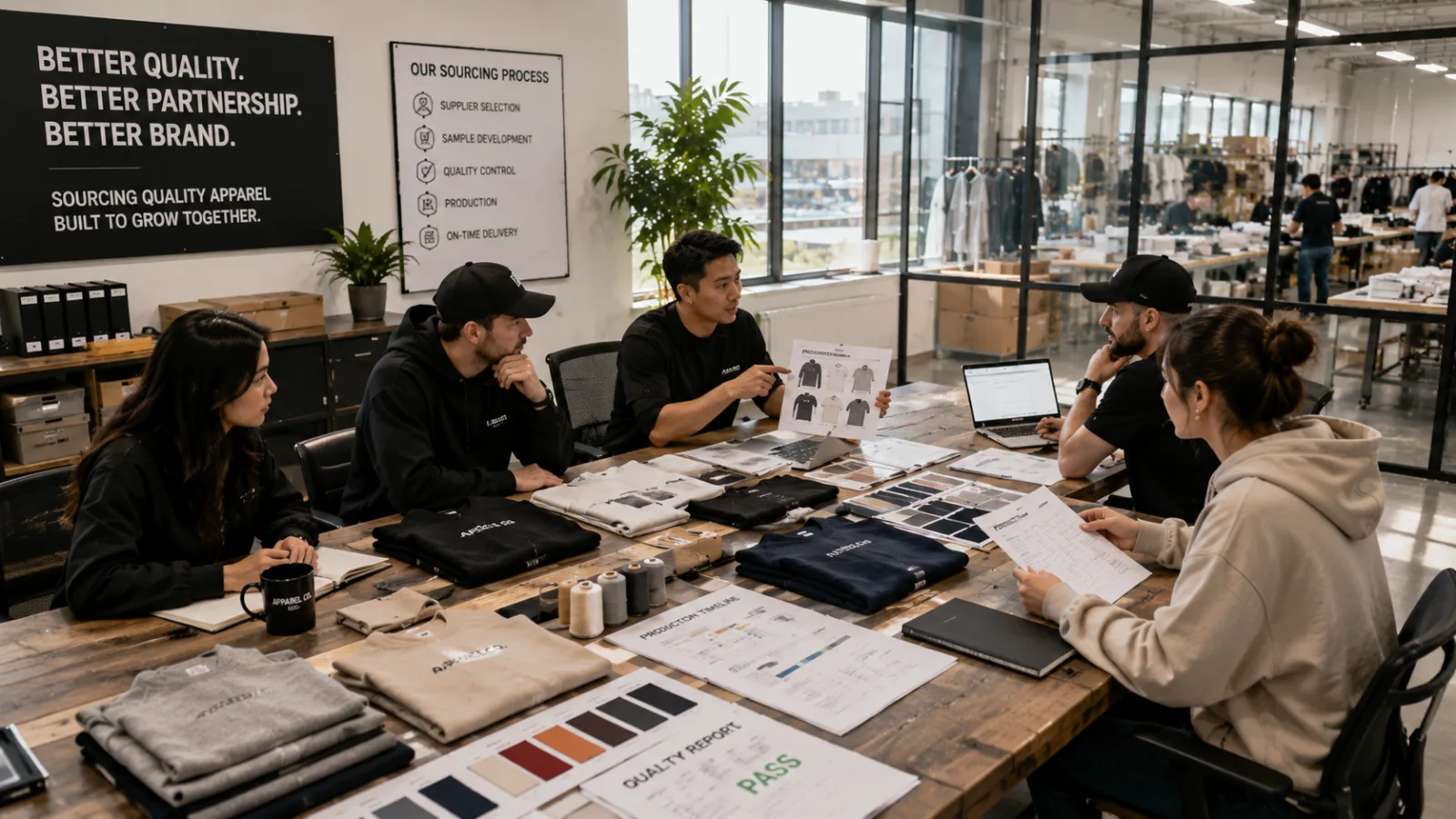
Common Problems Caused by Bad Clothing Suppliers
Before discussing the five supplier types to avoid, it is important to understand the real-world damage bad suppliers can create.
Delayed Production
Missed deadlines can destroy seasonal launches and ecommerce campaigns.
Poor Quality Control
Loose stitching, incorrect sizing, bad printing, or defective fabrics lead to unhappy customers.
Communication Problems
Slow responses and unclear updates create confusion throughout production.
Hidden Costs
Some suppliers add unexpected charges later in the process.
Inconsistent Bulk Production
Samples may look perfect while bulk production quality drops significantly.
Ethical and Compliance Risks
Unethical factories can create legal and reputational problems for your brand.
Many businesses only learn these lessons after losing time and money.
That is why supplier evaluation is one of the most important parts of apparel sourcing.
Supplier Type #1: The Unrealistically Cheap Supplier
Why Extremely Low Prices Are Dangerous
Every clothing business wants competitive pricing, especially during the startup stage. However, suppliers offering prices far below market averages are often a major red flag.
In apparel manufacturing, quality production has real costs:
- Fabric sourcing
- Skilled labor
- Quality control
- Compliance standards
- Packaging
- Sampling
- Machinery maintenance
If a supplier offers pricing that sounds too good to be true, it usually is.
What Usually Happens With Cheap Suppliers
Poor Fabric Quality
Low-cost suppliers often use inferior materials that fade, shrink, or feel uncomfortable.
Weak Stitching
Cheap labor and rushed production create durability issues.
No Proper Quality Control
Many low-cost suppliers skip professional inspections entirely.
Inconsistent Production
The sample may look acceptable, but bulk production quality often collapses.
Hidden Charges
Some factories quote low prices initially, then increase costs later.
Why This Hurts Clothing Brands
Customers quickly notice poor quality apparel.
Negative outcomes include:
- Refund requests
- Bad reviews
- Damaged brand image
- Lower repeat purchases
- Increased customer complaints
Building a successful fashion brand requires consistency and trust. Cheap suppliers often destroy both.
How to Protect Yourself
- Compare multiple quotes
- Understand fabric pricing
- Ask detailed production questions
- Request production references
- Inspect samples carefully
Remember: profitable brands focus on value, not just low prices.
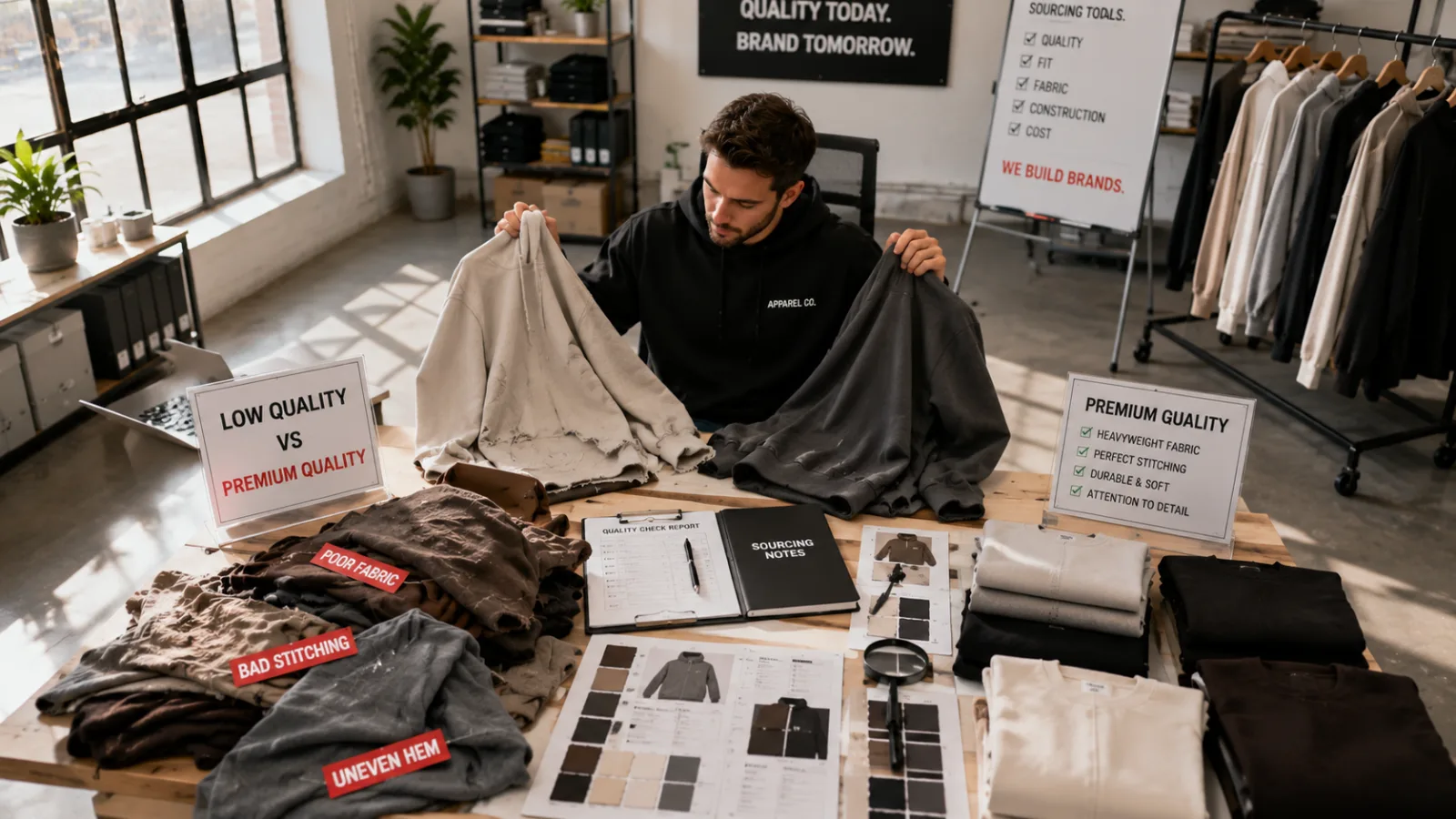
Supplier Type #2: Suppliers With Poor Communication
Why Communication Is Critical in Apparel Manufacturing
Apparel production involves constant coordination.
You may need discussions about:
- Fabric availability
- Sampling updates
- Color approvals
- Measurement adjustments
- Packaging instructions
- Shipping timelines
- Production revisions
A supplier that communicates poorly can create major operational problems.
Warning Signs of Bad Communication
Slow Responses
If a supplier takes several days to answer basic questions before production even starts, the problem usually becomes worse later.
Vague Answers
Professional suppliers provide clear and direct information.
Inconsistent Information
Changing answers about pricing, timelines, or MOQ requirements indicate disorganization.
Avoiding Technical Questions
Reliable manufacturers should understand fabrics, construction, printing methods, and production processes clearly.
Why Communication Problems Become Expensive
Small misunderstandings in apparel manufacturing can lead to:
- Wrong measurements
- Incorrect colors
- Misprinted designs
- Delayed production
- Packaging errors
- Shipment confusion
Good communication reduces mistakes dramatically.
How to Evaluate Communication Early
Pay attention during the sampling stage.
Strong suppliers usually:
- Reply quickly
- Explain production clearly
- Ask smart questions
- Provide detailed updates
- Confirm specifications professionally
Professional communication often reflects professional manufacturing standards.
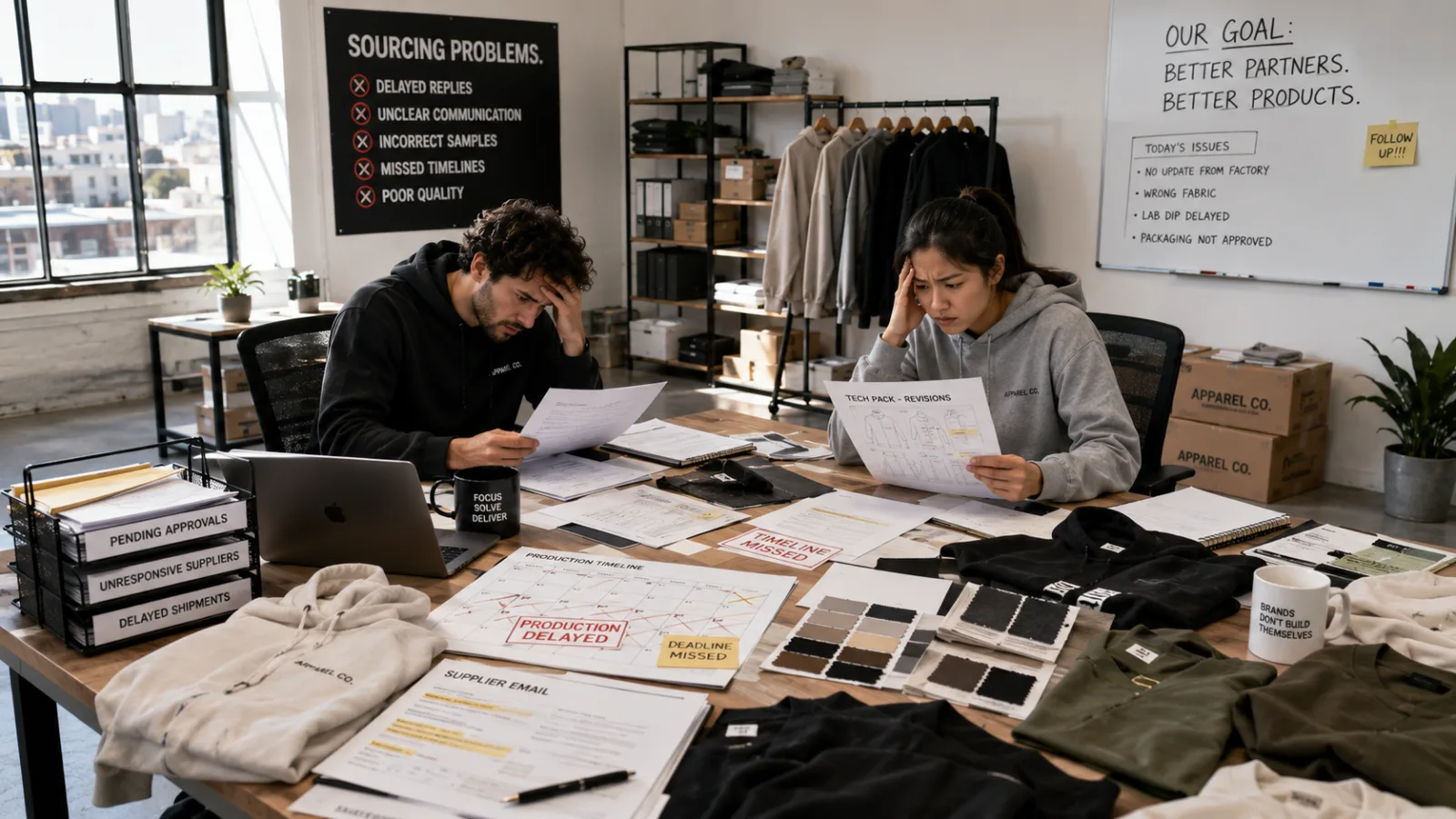
Supplier Type #3: Suppliers Without Verified Manufacturing Experience
Why Experience Matters in Clothing Production
Not every supplier specializes in every product category.
A factory producing basic t-shirts may struggle with:
- Luxury tailoring
- Activewear
- Swimwear
- Technical outerwear
- Denim
- Performance fabrics
Choosing an inexperienced supplier creates major risks.
Common Problems With Inexperienced Suppliers
Poor Pattern Development
Incorrect fit and proportions damage product quality.
Weak Construction Techniques
Complex garments require technical expertise.
Inconsistent Fabric Handling
Different materials require different sewing methods.
Poor Production Planning
Inexperienced factories often underestimate timelines.
Many “Suppliers” Are Actually Middlemen
Some companies pretend to own factories but simply outsource production elsewhere.
This creates additional risks:
- Less quality control
- Slower communication
- Hidden subcontracting
- Inconsistent production standards
How to Verify Supplier Experience
Ask for:
- Product category portfolios
- Previous client examples
- Factory photos
- Production process explanations
- Sample references
- Video calls with production teams
An experienced supplier should confidently explain how they handle your exact product category.
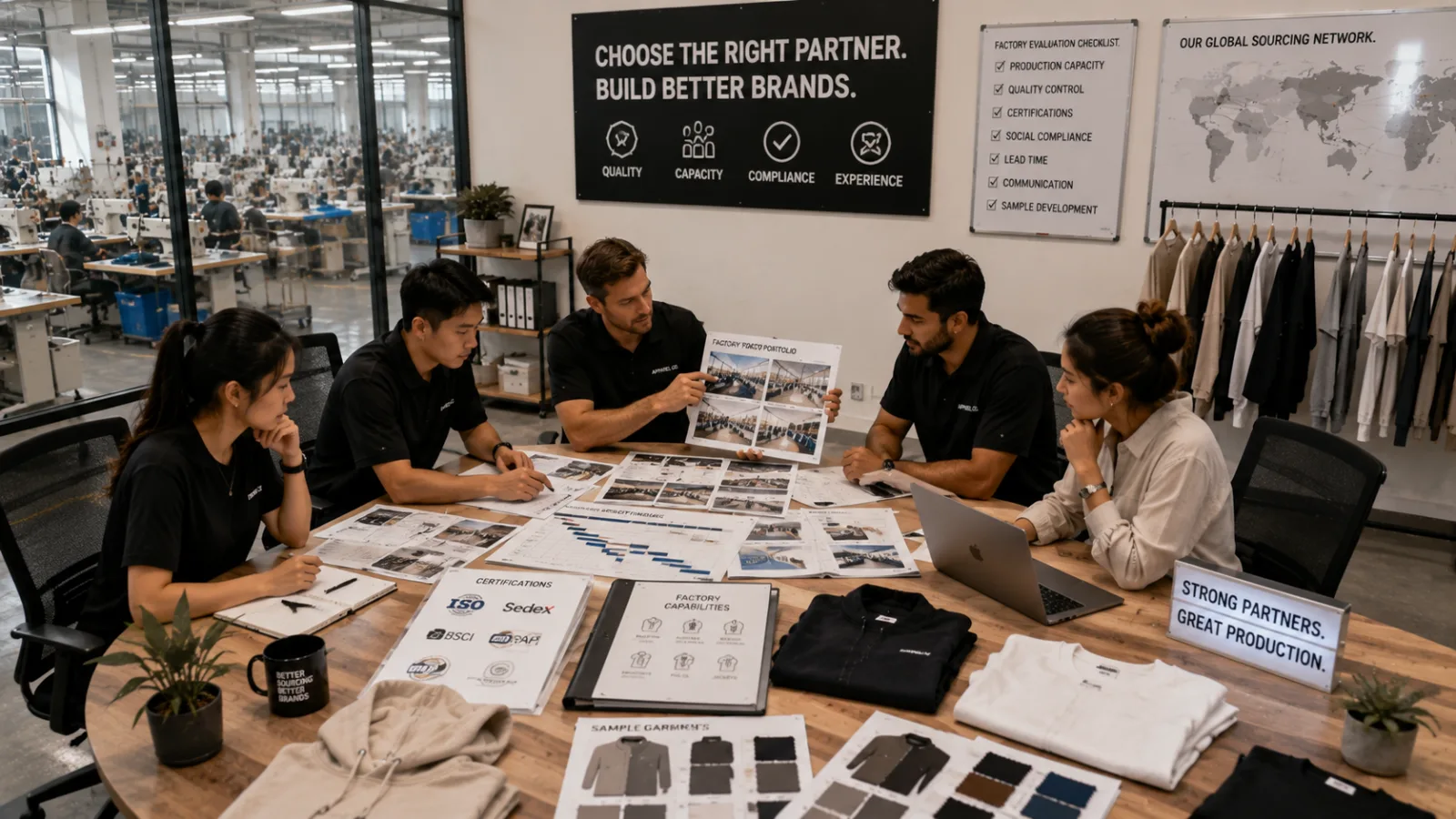
Supplier Type #4: Suppliers Who Refuse Transparency
Transparency Is Essential in Modern Manufacturing
Professional clothing suppliers should openly discuss:
- Production timelines
- Factory capabilities
- Compliance standards
- MOQ requirements
- Sampling procedures
- Quality control systems
Suppliers hiding information often create major problems later.
Warning Signs of Non-Transparent Suppliers
Refusing Factory Photos or Videos
Legitimate factories usually provide production visibility.
Unclear Production Processes
Vague answers often indicate outsourcing or weak systems.
Hidden Subcontracting
Some suppliers secretly move production to lower-quality factories.
Avoiding Compliance Questions
Ethical factories usually understand certifications and audits clearly.
Why Transparency Matters
Modern fashion consumers increasingly care about:
- Ethical manufacturing
- Worker conditions
- Sustainability
- Product traceability
Brands connected to unethical suppliers risk public backlash and long-term reputation damage.
Questions You Should Always Ask
- Where is production located?
- Do you subcontract?
- How is quality inspected?
- What certifications do you have?
- Can we review production updates?
Professional suppliers typically welcome transparency because it builds trust.
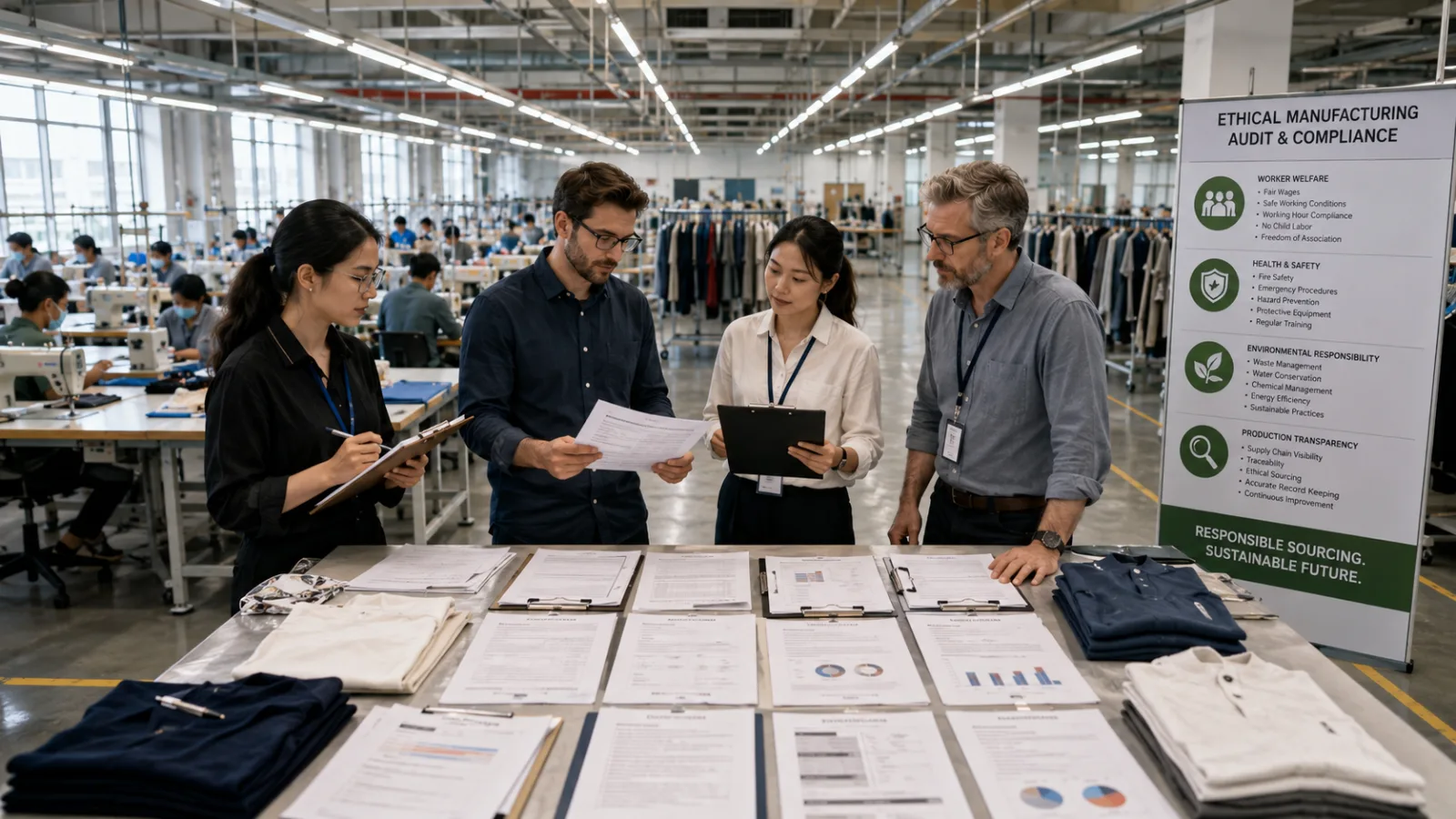
Supplier Type #5: Suppliers Who Ignore Quality Control
Why Quality Control Is Everything in Apparel
Quality control determines whether customers trust your brand.
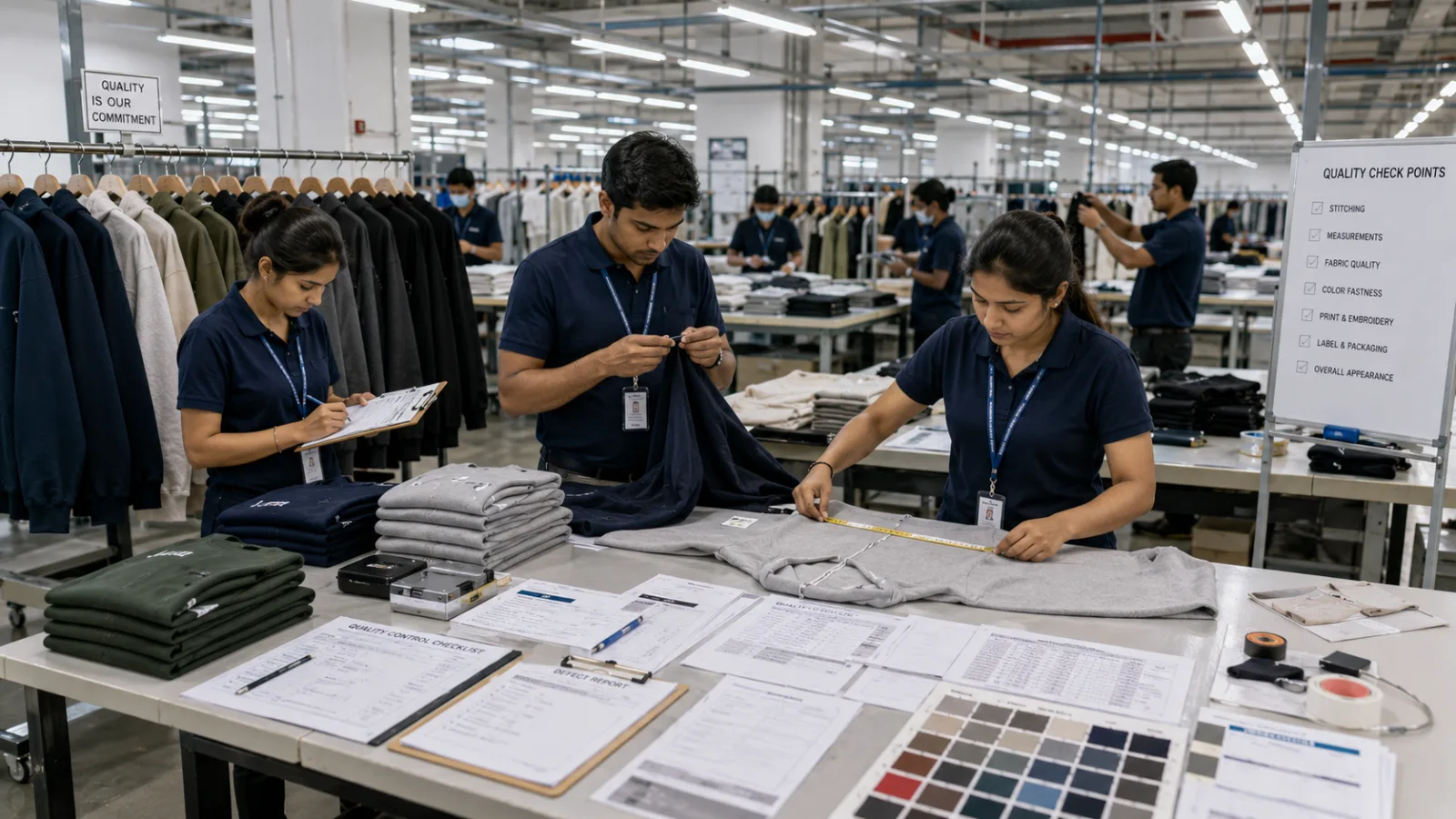
A strong supplier should inspect:
- Measurements
- Stitching
- Fabric defects
- Printing accuracy
- Color consistency
- Trims and accessories
- Packaging
Suppliers without proper QC systems create massive risks.
Common Quality Problems
Uneven Sizing
Inconsistent measurements cause customer frustration.
Fabric Defects
Holes, stains, or weaving flaws reduce product value.
Poor Stitching
Weak seams shorten garment lifespan.
Incorrect Printing
Logo misalignment damages branding.
Packaging Mistakes
Wrong labels and incorrect folding create fulfillment issues.
Why QC Problems Hurt E-commerce Brands
Online shoppers cannot physically inspect products before buying.
That means quality consistency becomes even more important.
Poor quality quickly leads to:
- Negative reviews
- High return rates
- Social media complaints
- Lower conversion rates
How to Evaluate QC Systems
Ask suppliers about:
- Inline inspections
- Final inspections
- AQL standards
- Defect reporting
- Sample approvals
- Bulk production checks
Reliable suppliers usually have structured QC workflows already in place.
Additional Red Flags to Watch For
Even outside the five major supplier categories above, several smaller warning signs deserve attention.
No Clear MOQ Structure
Professional suppliers should clearly explain minimum order quantities.
Unrealistic Production Timelines
Promises that sound impossibly fast usually lead to rushed quality.
Poor Sampling Accuracy
If samples are already inconsistent, bulk production may become worse.
Constant Staff Changes
Frequent account manager changes may indicate instability.
No Production Contracts
Professional sourcing relationships should always include written agreements.
How to Properly Evaluate Clothing Suppliers
Avoiding bad suppliers is important, but actively evaluating good ones matters even more.
Request Samples First
Never move directly into bulk production.
Evaluate:
- Fabric quality
- Stitching
- Measurements
- Print quality
- Packaging
Conduct Video Calls
Factory walkthroughs help verify legitimacy.
Ask Technical Questions
Professional suppliers should understand garment construction deeply.
Compare Multiple Factories
Never choose the first supplier immediately.
Start With Small Orders
Test production reliability before scaling.
Use Written Agreements
Protect timelines, pricing, specifications, and payment terms legally.
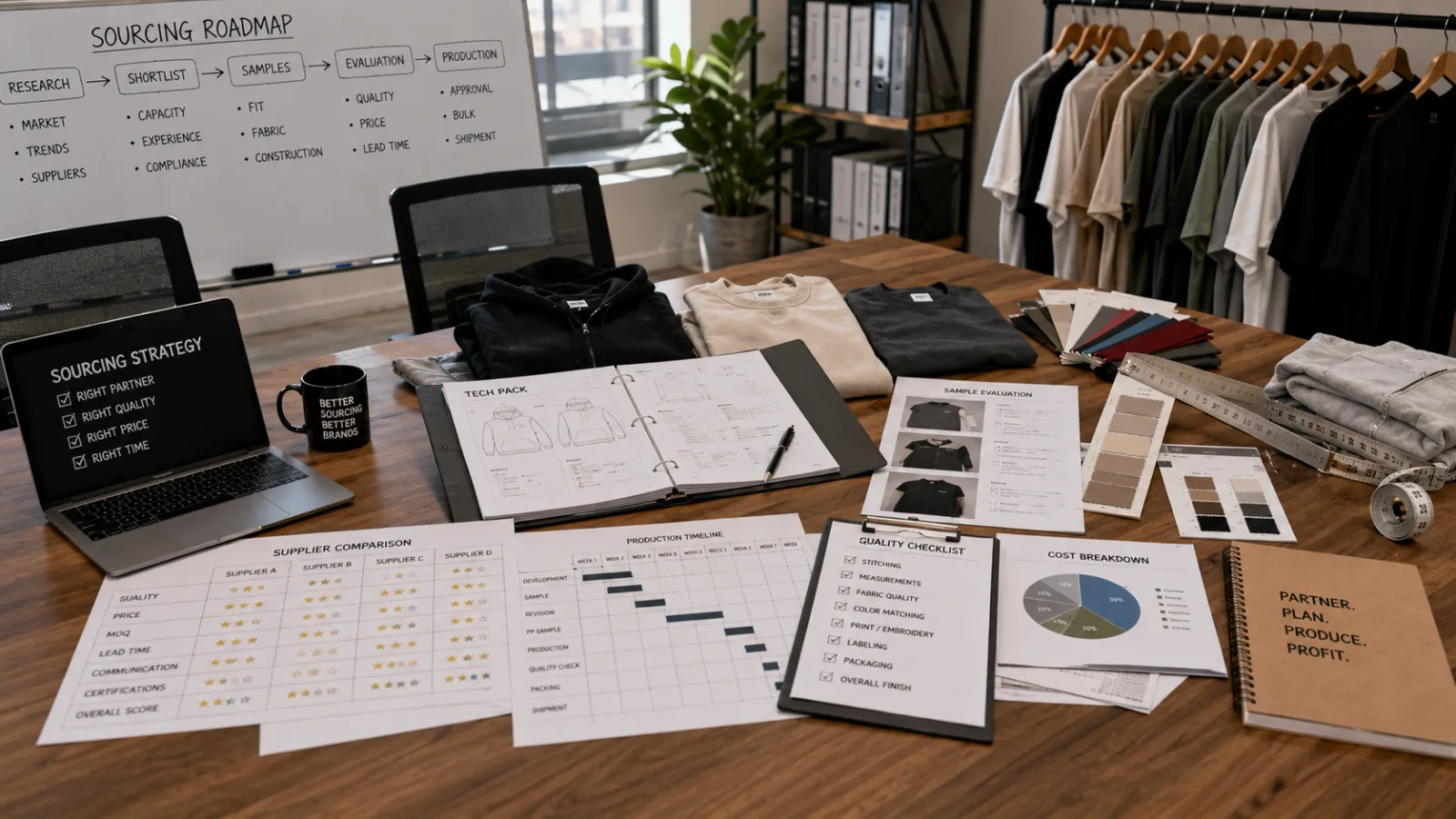
Why Long-Term Supplier Relationships Matter
The best apparel brands often grow with long-term manufacturing partners.
Strong supplier relationships improve:
- Production consistency
- Communication
- Faster development
- Better pricing negotiation
- Priority production scheduling
- Product innovation
Switching suppliers repeatedly usually creates operational instability.
That is why finding trustworthy manufacturing partners early becomes such a competitive advantage.
The Difference Between a Factory and a Trading Company
Many startups become confused between factories and trading companies.
Factories
Factories directly manufacture products.
Advantages include:
- Better production control
- Lower costs
- Direct communication
Trading Companies
Trading companies coordinate production through external factories.
Advantages include:
- Easier communication
- Broader sourcing access
- Faster supplier matching
Both models can work well, but transparency is critical.
Problems happen when trading companies pretend to own factories they do not control.
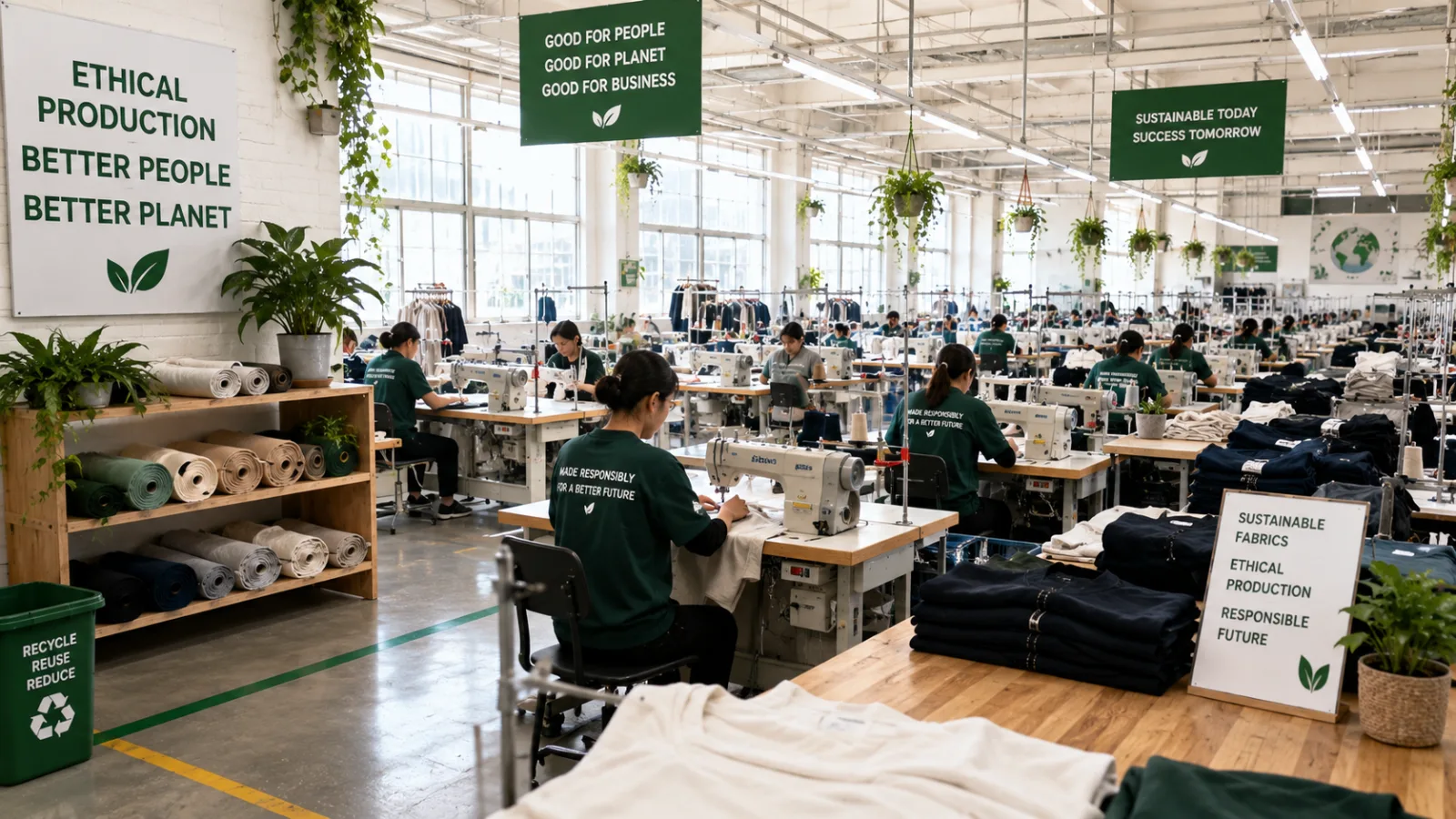
Why Ethical Manufacturing Is Becoming More Important
Consumers increasingly care about how clothing is made.
Modern buyers often research:
- Worker conditions
- Sustainable materials
- Environmental impact
- Ethical production
Brands connected to unethical suppliers risk long-term reputation damage.
Ethical manufacturing is no longer only a marketing trend. It is becoming a business expectation.
Questions Every Clothing Brand Should Ask Suppliers
Before committing to production, ask questions like:
- What products do you specialize in?
- What is your MOQ?
- How do you handle quality control?
- What certifications do you have?
- Can you provide production references?
- How long does sampling take?
- Do you subcontract production?
- What payment structure do you require?
- How are delays handled?
- What fabrics do you recommend?
Professional suppliers usually answer confidently and clearly.
Final Thoughts
Choosing the right clothing supplier is one of the most important decisions any fashion business will make.
The wrong supplier can create:
- Production delays
- Poor quality garments
- Customer complaints
- Financial losses
- Brand reputation damage
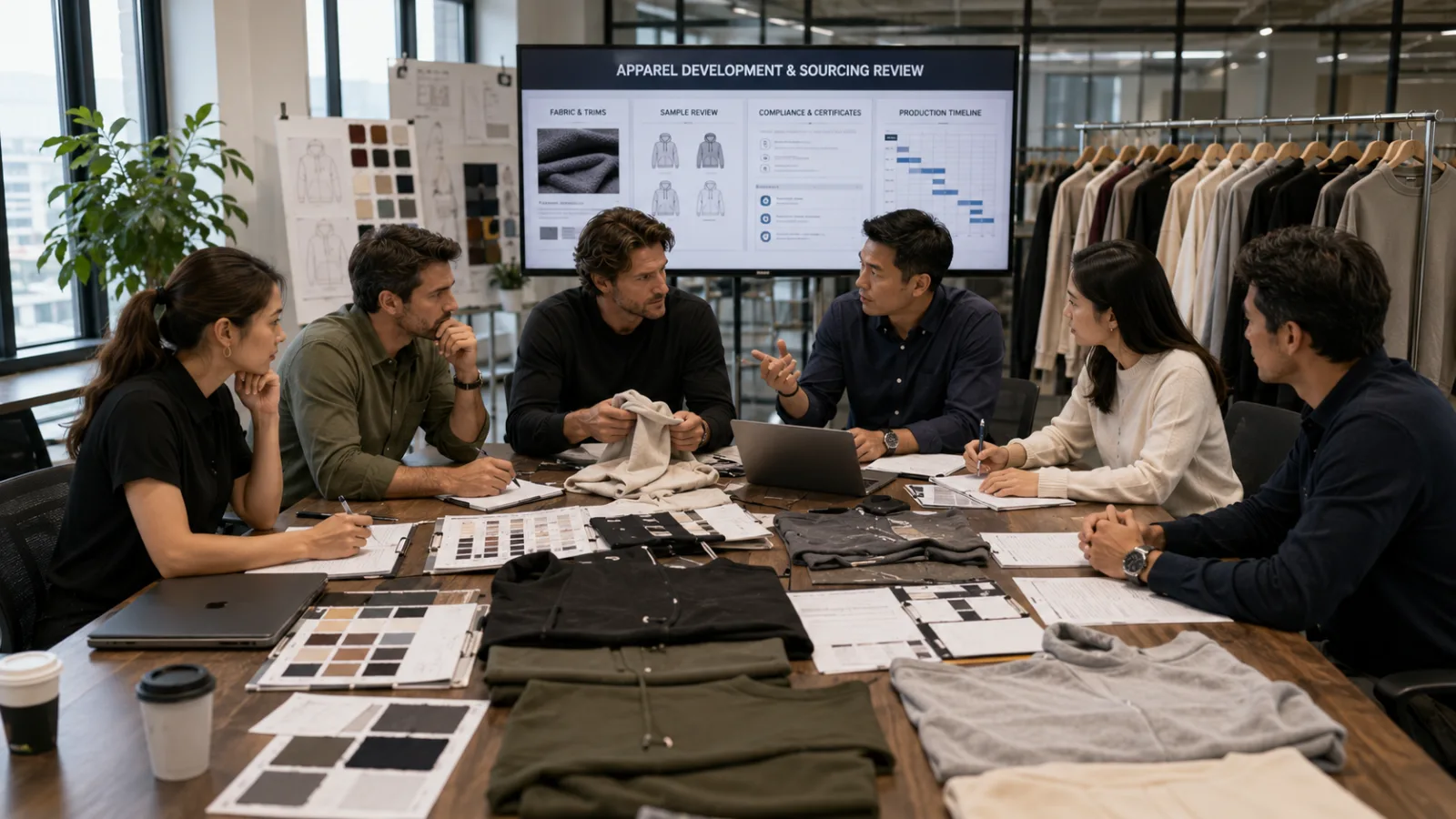
Meanwhile, the right supplier becomes a valuable long-term partner that helps your business grow confidently.
The five supplier types to avoid include:
- Unrealistically cheap suppliers
- Suppliers with poor communication
- Inexperienced manufacturers
- Non-transparent suppliers
- Suppliers without strong quality control systems
Every successful clothing brand eventually learns that manufacturing quality directly affects long-term brand success.
Instead of rushing into production based only on low pricing, focus on finding suppliers that offer:
- Reliable communication
- Consistent quality
- Ethical practices
- Technical expertise
- Transparent operations
In today’s competitive fashion market, customers expect professionalism at every level. Strong supplier relationships help brands meet those expectations consistently.
The best clothing suppliers do far more than simply manufacture garments. They become trusted production partners that help brands scale sustainably, improve product quality, and compete successfully in an increasingly demanding apparel industry.