Explore our comprehensive guide answering 35 of the most frequently asked questions about polyester fabric, covering production, care, and environmental impact.
Polyester fabric is one of the most widely used textiles in modern fashion, sportswear, workwear, home furnishings, and technical products. It is durable, affordable, quick-drying, and highly adaptable, which makes it useful for everything from basic T-shirts and activewear to curtains, upholstery, formal dresses, and outdoor equipment. However, polyester is also one of the most misunderstood materials in the textile industry. Some people consider it a practical, high-performance fiber, while others avoid it because of concerns about comfort, breathability, petroleum use, microplastic pollution, and end-of-life waste.
The truth is more nuanced. Not all polyester fabrics feel or perform the same. A lightweight moisture-management jersey behaves very differently from a heavy polyester upholstery fabric. Fiber thickness, yarn structure, knitting or weaving method, finishing treatments, and garment construction all affect the final product. This guide answers 35 of the most frequently asked questions about polyester fabric. It covers how polyester is made, its characteristics, benefits, limitations, care requirements, printing methods, common applications, environmental impact, and role in modern apparel production.
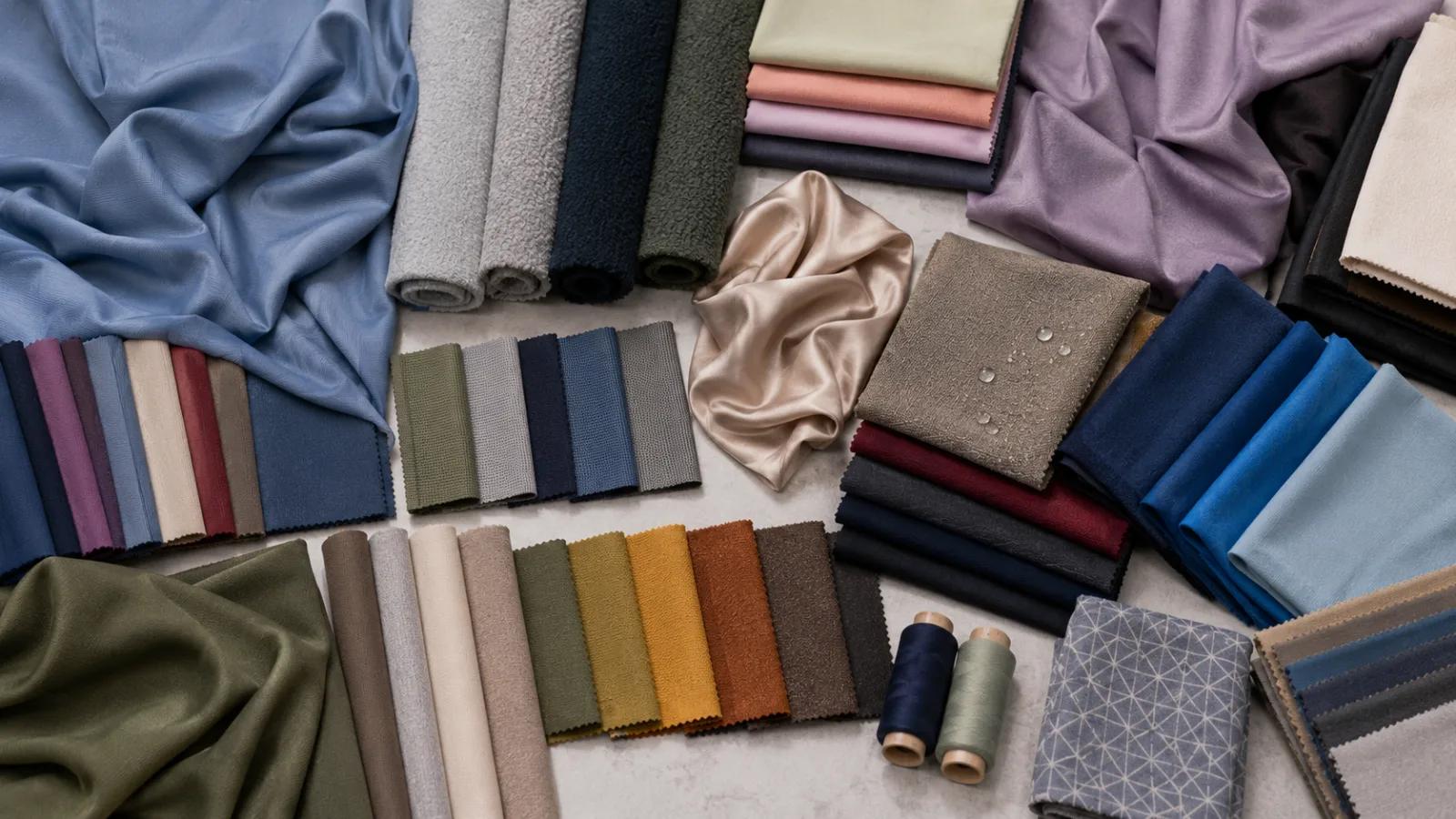
Polyester fabric has become a staple in the textile industry due to its versatility, durability, and affordability. Despite its widespread use, many people still have questions about this popular fabric. In this comprehensive guide, we'll answer 35 of the most frequently asked questions about polyester fabric. This in-depth exploration will cover everything from its production process to its environmental impact.
Polyester Fabric at a Glance
Before exploring the 35 questions in detail, here is a quick overview of polyester’s main qualities.
Polyester’s performance depends on more than the fiber name. A knitted polyester mesh may be breathable and lightweight, while a tightly woven polyester fabric may feel dense and less ventilated. Finishes can also be added to improve moisture management, softness, water resistance, stretch, or UV performance.
Polyester Basics and Manufacturing
1. What Is Polyester Fabric?
Polyester is a synthetic textile made from fibers belonging to a group of polymers called polyesters. The most common type used in clothing and household textiles is polyethylene terephthalate, usually known as PET. The material begins as a polymer that is melted and formed into long filaments. These filaments can be used directly or cut into shorter staple fibers that resemble cotton or wool. The fibers are then spun into yarn and knitted or woven into fabric.
Polyester can be manufactured in many forms. It may feel smooth, silky, brushed, soft, crisp, stretchy, lightweight, or heavy depending on the yarn and fabric construction. This is why polyester appears in products as different as sports jerseys, fleece jackets, evening dresses, curtains, carpets, and industrial textiles.
Polyester is not a single fabric texture. It is a fiber category that can be engineered into many different textiles.
2. How Is Polyester Fabric Made?
Polyester production usually begins with petroleum-derived chemical ingredients. The most common PET polyester is created by reacting ethylene glycol with terephthalic acid or a related chemical compound. This reaction produces a polymer.
The basic manufacturing process includes:
- Polymer production: Chemical ingredients are reacted under controlled heat and pressure.
- Chip formation: The polymer may be cooled and cut into small chips or pellets.
- Melting: The chips are melted to create a thick liquid.
- Extrusion: The melted polymer is pushed through small openings called spinnerets.
- Cooling: The emerging filaments cool and solidify.
- Drawing: The fibers are stretched to improve strength and molecular alignment.
- Texturing or cutting: Filaments may be textured for bulk or cut into staple fibers.
- Yarn production: The fibers are twisted or combined into yarn.
- Fabric construction: The yarn is woven or knitted into textile material.
- Finishing: The fabric may be dyed, brushed, coated, printed, heat-set, or treated for specific performance.
Small adjustments during production can change the fiber’s thickness, texture, elasticity, shine, and performance.
3. What Are the Main Characteristics of Polyester?
Polyester is known for strength, dimensional stability, quick drying, color retention, and resistance to wrinkles. It absorbs very little moisture compared with fibers such as cotton, which allows it to dry quickly.
Its most common characteristics include:
- Strong and durable fiber structure.
- Good resistance to stretching and shrinking.
- Low moisture absorption.
- Fast drying.
- Good color retention.
- Resistance to many common wrinkles.
- Ability to hold pleats and heat-set shapes.
- Resistance to mildew under normal conditions.
- Compatibility with many fabric finishes.
- Ability to blend with natural and synthetic fibers.
Polyester can also be engineered into moisture-management fabrics, insulated fleece, sheer chiffon-like textiles, smooth satin-style fabrics, and durable outdoor materials.
4. Why Is Polyester So Widely Used?
Polyester is widely used because it combines low production cost with reliable performance. Manufacturers can produce it at scale and adjust its properties for many applications.
Fashion brands use polyester because it can be:
- Produced in many weights and textures.
- Dyed in bright, durable colors.
- Used in both woven and knitted fabrics.
- Blended with cotton, viscose, wool, or elastane.
- Made into smooth, brushed, matte, or glossy surfaces.
- Engineered for activewear and outdoor clothing.
- Printed effectively with sublimation methods.
- Manufactured with consistent quality at large volumes.
Consumers also appreciate that polyester clothing is often easy to wash, quick to dry, and resistant to severe wrinkling.

5. Is Polyester a Natural or Synthetic Fiber?
Polyester is a synthetic fiber. Unlike cotton, wool, linen, or silk, it does not grow naturally as a usable textile fiber. Its chemical building blocks are manufactured and converted into a polymer before being spun into filaments. This allows manufacturers to control many of its properties, including fiber thickness, strength, shape, and surface texture. Although conventional polyester is synthetic, some of its raw material can come from recycled PET products, including plastic bottles and manufacturing waste. The resulting fiber is still polyester, but it is described as recycled polyester.
6. What Is Recycled Polyester?
Recycled polyester, often called rPET, is polyester made partly or entirely from recovered PET materials. Plastic beverage bottles are a common feedstock, although factory waste and discarded polyester textiles may also be used.
In mechanical recycling, PET material is typically:
- Collected and sorted.
- Cleaned and shredded.
- Melted or processed into chips.
- Extruded into new fibers.
- Spun into yarn.
- Turned into fabric.
Chemical recycling uses chemical processes to break polyester down into smaller components that can be rebuilt into new polymer. This approach may offer better quality recovery for some waste streams, but availability and cost vary. Recycled polyester reduces demand for virgin fossil-based feedstock, but it does not eliminate every environmental concern. The finished fabric may still shed microfibers and remains difficult to biodegrade.
7. What Is Microfiber Polyester?
Microfiber polyester is made from extremely fine synthetic fibers. The individual filaments are much finer than standard polyester fibers, creating a soft, lightweight, and dense fabric surface.
Microfiber polyester is used in:
- Cleaning cloths.
- Sportswear.
- Bedding.
- Upholstery.
- Towels.
- Lightweight jackets.
- Lining fabrics.
- Suede-like textiles.
Its fine structure can help trap dust and absorb or move liquid between fibers, even though polyester itself absorbs relatively little moisture. Microfiber fabrics can feel soft, but they may also release very small synthetic fibers during washing.
Advantages, Limitations, and Performance
8. What Are the Main Advantages of Polyester Fabric?
Polyester’s biggest advantage is its combination of durability, affordability, and versatility. It performs reliably in many products and requires relatively simple maintenance.
Key benefits include:
- Strong resistance to everyday wear.
- Quick drying after washing or sweating.
- Good resistance to shrinking.
- Strong wrinkle resistance.
- Good shape retention.
- Effective color retention.
- Compatibility with digital and sublimation printing.
- Resistance to mildew when kept clean and dry.
- Ability to be engineered for many performance needs.
- Lower average cost than many premium natural fibers.
These qualities make polyester useful in casual clothing, uniforms, sportswear, outerwear, bags, bedding, curtains, and upholstery.
9. What Are the Disadvantages of Polyester?
Polyester also has limitations. Because it absorbs little moisture, it can feel less comfortable in hot, humid conditions when the fabric is tightly constructed or poorly ventilated.
Common disadvantages include:
- Lower natural breathability than many open natural-fiber fabrics.
- Potential to hold body oils and odors.
- Sensitivity to high heat.
- Possibility of static buildup.
- Dependence on fossil-based raw materials in conventional production.
- Potential release of synthetic microfibers during washing.
- Lack of natural biodegradability.
- Variable softness depending on quality and finishing.
- Risk of melting rather than simply burning under high heat.
The quality of the fabric matters. A well-designed polyester performance fabric may feel significantly more comfortable than a cheap, dense polyester garment.
10. Is Polyester Breathable?
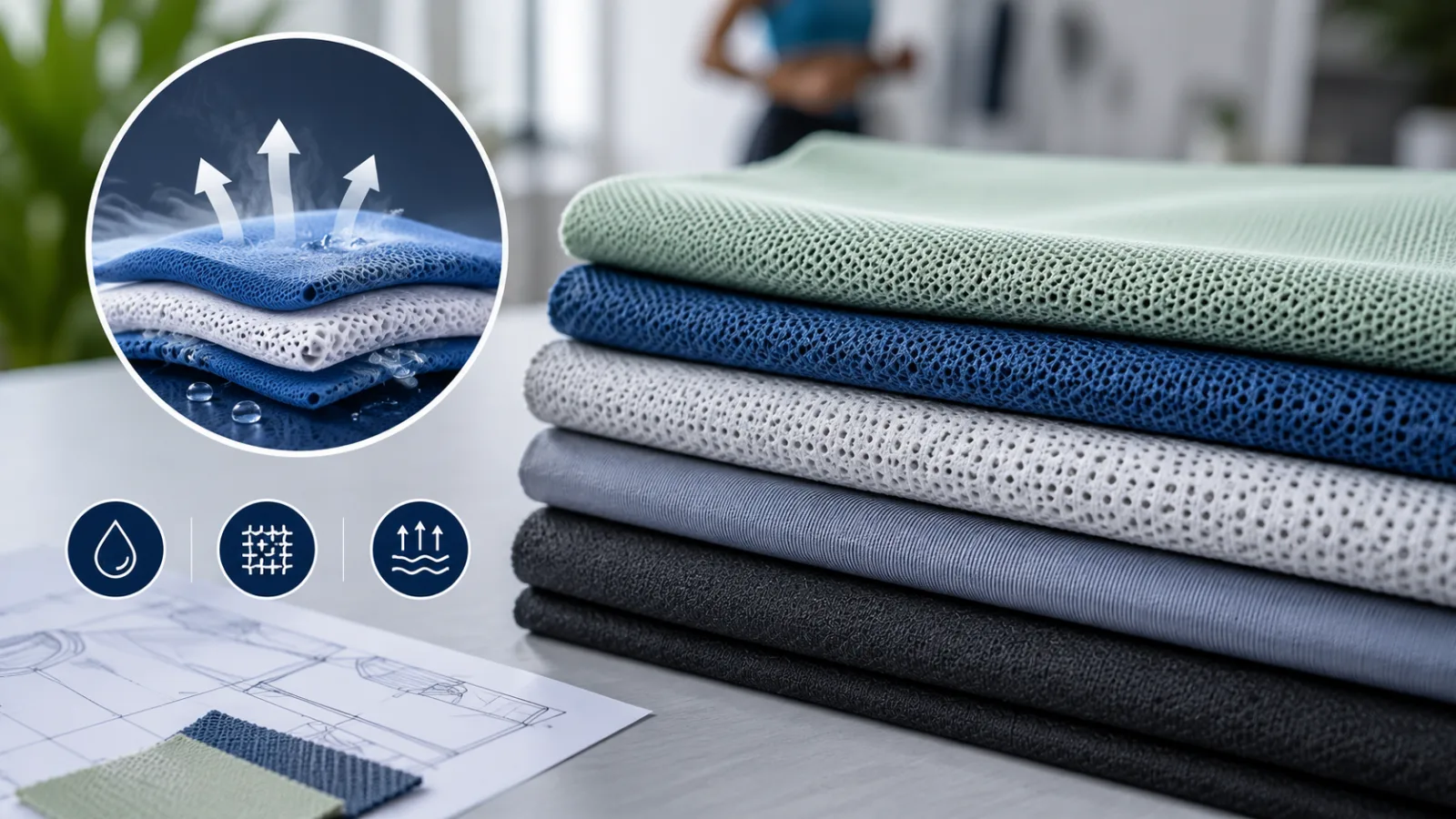
Polyester itself absorbs little moisture, but breathability depends heavily on fabric construction.
A loose polyester mesh or lightweight sports knit can allow substantial airflow. A dense woven polyester lining or coated outdoor fabric may allow very little air to pass through.
Breathability is affected by:
- Yarn thickness.
- Knitting or weaving density.
- Fabric weight.
- Mesh openings.
- Surface treatments.
- Moisture-management finishes.
- Garment ventilation.
- Layering.
For hot weather, choose lightweight polyester fabrics with open structures, moisture-management technology, and ventilation zones.
11. Does Polyester Wick Moisture?
Polyester does not naturally absorb much water into the fiber. However, specially engineered polyester fabrics can move moisture along the fabric surface through capillary action.
This is commonly called moisture wicking.
The effectiveness depends on:
- Fiber shape.
- Yarn construction.
- Fabric structure.
- Surface finish.
- Garment fit.
- Ventilation.
A basic polyester fabric is not automatically high-performance moisture-wicking fabric. The textile needs to be designed or finished for that purpose.
12. Does Polyester Retain Odor?
Polyester may retain odors more than some natural fibers because body oils can attach to its surface. These oils can remain in the fabric even after a light wash, particularly in activewear.
To reduce odor buildup:
- Wash garments soon after heavy use.
- Avoid using too much detergent.
- Use a detergent suitable for synthetic sportswear.
- Do not overload the washing machine.
- Allow clothing to dry completely.
- Avoid heavy fabric softener, which may leave buildup.
- Follow the garment’s care label.
Odor-control finishes can also be added during textile manufacturing, although their durability varies.
13. Does Polyester Shrink?
Polyester is generally resistant to shrinking under normal washing conditions. This is one reason it is popular in uniforms, activewear, workwear, and everyday basics.
However, very high heat can affect polyester. Excessive dryer temperatures, boiling water, or direct heat may distort, tighten, melt, or damage the material.
Polyester blends may behave differently. For example, a cotton-polyester garment may shrink slightly because of its cotton content.
For the best results, use moderate washing temperatures and low dryer heat.
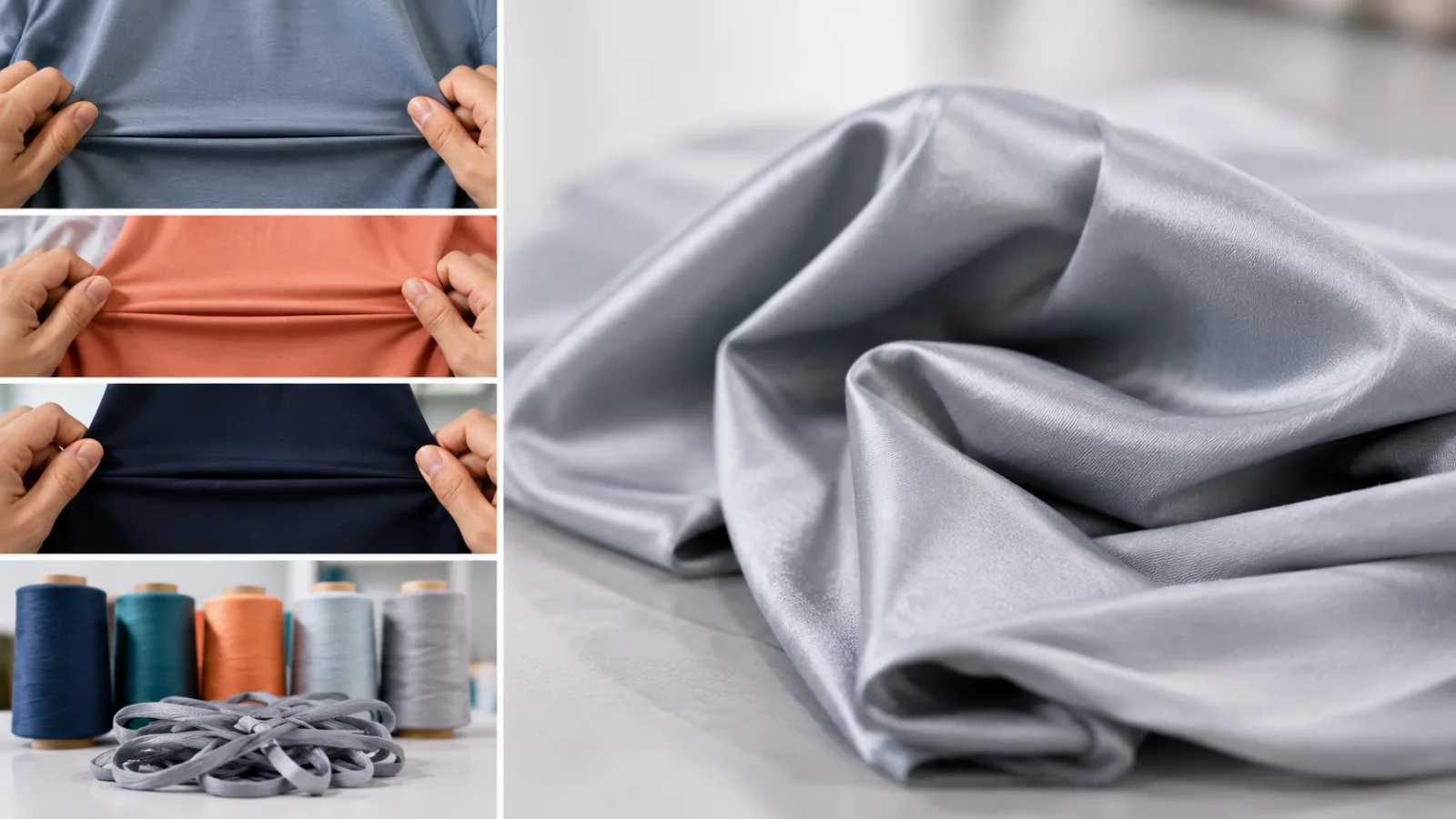
14. Does Polyester Stretch?
Standard polyester fibers have some flexibility but are not highly elastic. Stretch depends on how the fabric is made.
Polyester garments may stretch because of:
- Knitted construction.
- Mechanical stretch weaving.
- Textured yarn.
- Addition of elastane or spandex.
- Bias-cut garment construction.
Sportswear often blends polyester with elastane to provide recovery and flexibility. A woven 100% polyester shirt, however, may have very little stretch.
15. How Long Does Polyester Fabric Last?
Polyester can last for many years when it is well constructed and properly cared for. Its strong fibers resist abrasion, stretching, and repeated washing better than many delicate materials.
Longevity depends on:
- Fabric weight.
- Yarn quality.
- Stitching and garment construction.
- Frequency of use.
- Washing method.
- Exposure to sunlight.
- Heat exposure.
- Surface finishes.
- Product purpose.
A durable polyester work uniform may last much longer than a lightweight low-cost fashion garment made with weak seams and thin fabric.
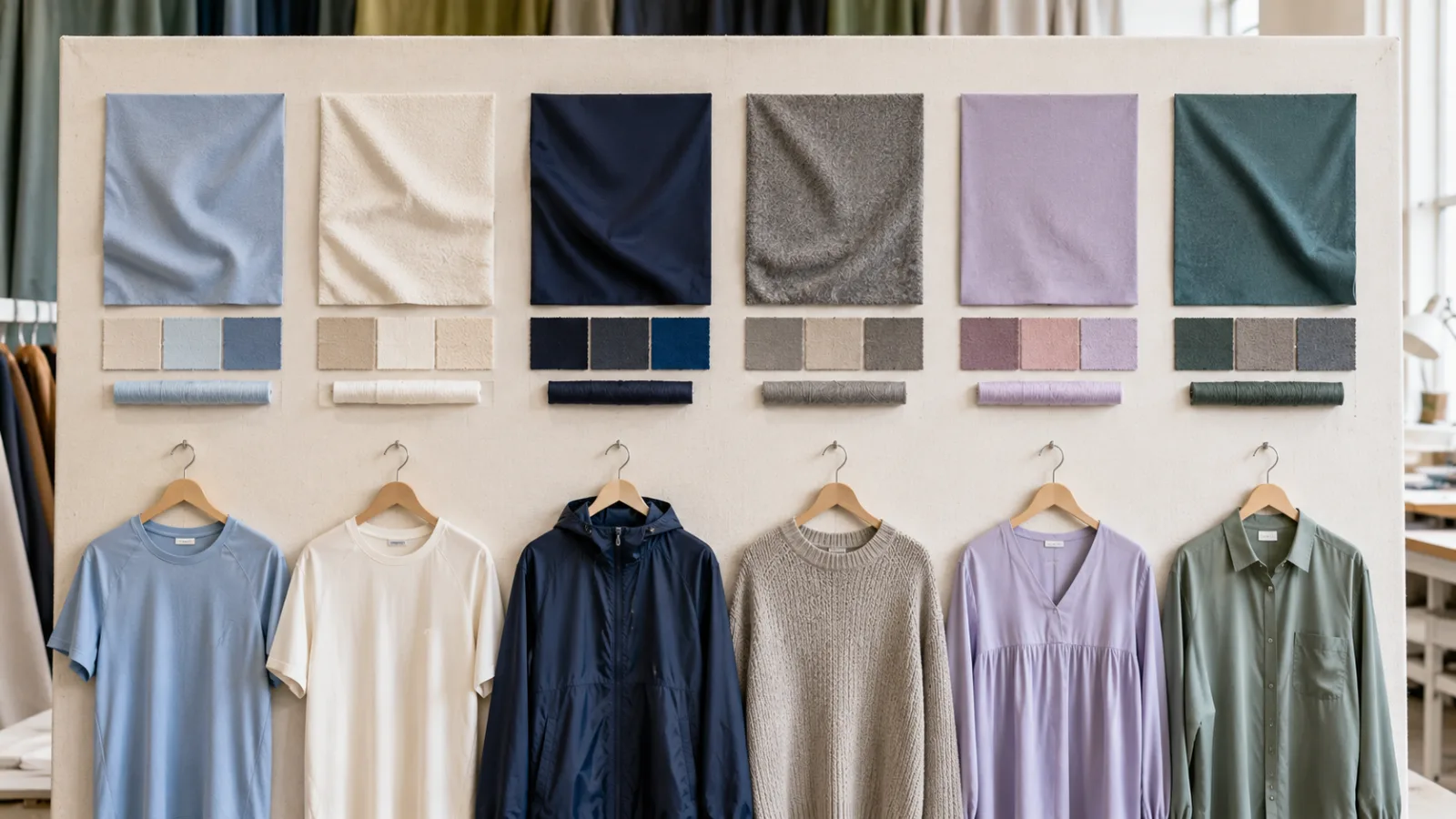
16. How Does Polyester Compare With Cotton?
Polyester and cotton have very different performance qualities.
Cotton often feels softer and more breathable, while polyester usually dries faster and resists wrinkles better. Blending them can create a fabric that balances comfort and durability.
17. What Is the Difference Between Polyester and Nylon?
Polyester and nylon are both synthetic fibers, but they have different performance characteristics.
Nylon is often smoother, more flexible, and highly abrasion-resistant. Polyester generally offers better resistance to sunlight, absorbs less moisture, and is often easier to print with sublimation methods.
Polyester is commonly used for:
- Sports jerseys.
- Fleece.
- Uniforms.
- Outdoor upholstery.
- Printed activewear.
- Everyday apparel.
Nylon is commonly used for:
- Hosiery.
- Swimwear.
- Lingerie.
- Windbreakers.
- Bags.
- Technical outerwear.
The best material depends on the product’s requirements.
18. Can Polyester Be Blended With Other Fibers?
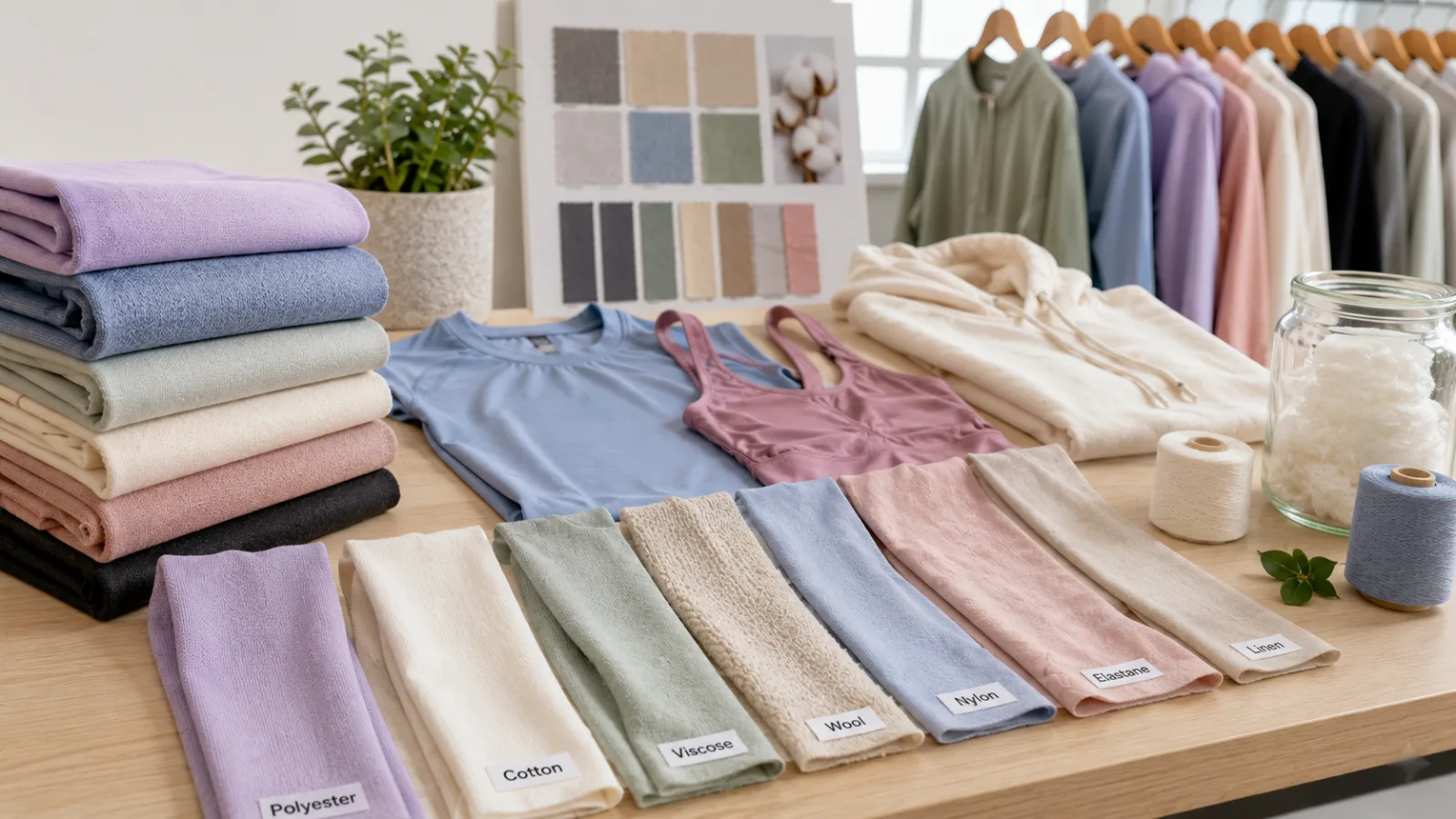
Yes. Polyester is frequently blended with other fibers to combine different strengths.
Common blends include:
- Polyester-cotton: Durability and wrinkle resistance with greater softness.
- Polyester-elastane: Stretch and recovery for activewear.
- Polyester-viscose: Drape and softness with improved durability.
- Polyester-wool: Shape retention and lower cost for suiting.
- Polyester-linen: Reduced wrinkling with a natural-looking texture.
- Polyester-nylon: Performance, strength, and surface variation.
Brands should test blends carefully because the percentage of each fiber affects breathability, stretch, care, dyeing, and recycling.
19. Is Polyester Better Than Natural Fabric?
Polyester is not automatically better or worse than natural fabric. The best choice depends on the product.
Polyester may be better when the garment needs:
- Quick drying.
- Wrinkle resistance.
- Strong color retention.
- Low cost.
- High durability.
- Sublimation printing.
- Lightweight performance.
- Consistent production.
Natural fibers may be preferred when the product needs:
- Natural softness.
- high moisture absorption.
- biodegradability under suitable conditions.
- a premium natural feel.
- thermal regulation.
- traditional craftsmanship.
Many successful products use blends to balance performance and comfort.
20. How Should Polyester Fabric Be Washed?
Most polyester clothing can be machine-washed, but always check the care label first.
General care steps include:
- Turn garments inside out.
- Wash similar colors together.
- Use cool or warm water.
- Choose a gentle or normal cycle.
- Use a mild detergent.
- Avoid excessive bleach.
- Do not overload the washing machine.
- Remove clothing promptly after washing.
For activewear, washing soon after use can help reduce odor buildup. Delicate polyester garments, pleated items, embellished pieces, and structured formalwear may require gentler care.

21. Can Polyester Be Put in a Dryer?
Many polyester garments can be tumble-dried on low heat. High heat should be avoided because polyester is thermoplastic and can become distorted or damaged.
Air drying is often the safest option. Polyester dries quickly, so hanging garments may also reduce energy use and protect elastic, prints, and surface finishes.
For activewear or garments containing elastane, low heat or air drying is generally preferable.
22. Can Polyester Be Ironed?
Yes, but polyester should be ironed carefully.
Use:
- Low heat.
- A pressing cloth.
- Light pressure.
- Steam only when the care label permits it.
- A test on a hidden area first.
High heat can make polyester shiny, flatten textured surfaces, distort pleats, or melt fibers. Delicate satin-like polyester, chiffon, printed fabric, and coated materials require extra caution.
23. How Can Wrinkles Be Removed From Polyester?
Although polyester resists wrinkles, folds can still develop during storage or shipping.
Wrinkles may be reduced by:
- Hanging the garment in a steamy bathroom.
- Using a garment steamer at a safe distance.
- Tumble-dry briefly on low heat with a damp cloth.
- Ironing on low heat with a pressing cloth.
- Hanging immediately after washing.
Do not apply high heat directly to the surface.
24. How Should Polyester Be Stored?
Polyester is relatively easy to store, but proper storage protects the garment’s shape and finish.
Recommended steps include:
- Store clean and fully dry.
- Keep away from direct sunlight.
- Use broad hangers for jackets and dresses.
- Fold heavy knitwear to avoid stretching.
- Avoid damp storage areas.
- Do not place near high heat.
- Protect delicate surfaces from snagging.
Long-term sunlight exposure may weaken or discolor some polyester fabrics, even though polyester generally has good color retention.

25. Is Polyester Waterproof?
Polyester is naturally hydrophobic, meaning it absorbs relatively little water. However, this does not make every polyester fabric waterproof.
Water resistance depends on:
- Weave density.
- Fabric coating.
- Laminated membrane.
- Seam sealing.
- Water-repellent finish.
- Garment construction.
An untreated polyester shirt may allow rain to pass through easily. A coated polyester shell with sealed seams may provide strong waterproof protection.
26. Is Polyester Flammable?
Polyester can burn, soften, shrink, and melt when exposed to sufficient heat or flame. Because it melts, hot material can stick to the skin and cause serious injury.
Polyester should be kept away from open flames, high-temperature equipment, and uncontrolled heat sources.
Some products use flame-resistant finishes or specially engineered fibers, but standard polyester should not be assumed to be flame resistant. Protective clothing must be selected according to the safety requirements of the workplace or activity.
27. Is Polyester Safe to Wear?
Polyester clothing is widely used and generally considered suitable for normal wear. However, comfort varies from person to person.
Some individuals may experience discomfort because of:
- Trapped heat.
- Sweat.
- Tight fabric construction.
- Surface finishes.
- Dyes.
- Detergent residue.
- Rough seams.
- Limited airflow.
People with sensitive skin may prefer soft, lightweight, breathable fabrics or natural-fiber blends. Washing new garments before wearing them can also remove some manufacturing residue.
Persistent irritation should be assessed by a qualified healthcare professional rather than assumed to be caused by the fiber alone.
28. Can Polyester Cause Allergies?
A true allergy to the polyester polymer is considered uncommon. However, some people may react to dyes, finishing agents, detergents, trapped sweat, or friction associated with a garment.
Possible discomfort may include itching, redness, or irritation. These symptoms can have many causes, so the fabric should not automatically be blamed.
Trying an uncoated fabric, a softer blend, fragrance-free detergent, or looser clothing may help. Ongoing or severe reactions require medical guidance.
29. How Does Polyester Perform in Different Climates?
Polyester can perform well in many climates when the fabric is designed appropriately.
In hot climates, lightweight mesh or moisture-management polyester can dry quickly. However, dense polyester may feel warm and trap odor.
In cold climates, brushed polyester fleece can provide insulation by holding warm air. It is commonly used in jackets, base layers, blankets, and outdoor clothing.
In wet climates, coated or tightly woven polyester can offer useful water resistance.
The fiber name alone does not determine climate performance. Fabric structure and garment design matter just as much.

30. Can Polyester Fabric Be Dyed?
Yes, but polyester requires different dyeing methods from cotton and other natural fibers. Disperse dyes are commonly used because they can penetrate polyester under controlled heat. The dyeing process may involve elevated temperature and pressure. Polyester can also be solution-dyed, where pigment is added before fibers are formed. Solution-dyed polyester may offer strong color consistency and resistance to fading, making it useful for outdoor and performance products. Because polyester dyeing is technical, color matching should be tested before bulk production.
31. What Printing Methods Work on Polyester?
Several printing techniques can be used, depending on fabric structure, color, and product type.
Common methods include:
- Dye sublimation: Excellent for polyester and vibrant all-over prints.
- Screen printing: Suitable for logos and graphic designs.
- Heat transfer printing: Useful for names, numbers, and small production runs.
- Direct-to-film transfer: Used for decorated apparel in certain applications.
- Digital textile printing: Suitable for detailed textile designs with compatible inks.
- Embroidery: Not printing, but widely used for polyester garments.
Sublimation works particularly well because the dye bonds with polyester under heat. It is best on light-colored polyester fabrics.
32. Does Polyester Fade?
Polyester generally holds color well, especially when dyed correctly. It often resists fading better than many natural fibers under normal washing.
However, fading can still occur because of:
- Strong sunlight.
- Chlorine.
- Poor dye quality.
- Excessive heat.
- Harsh detergent.
- Surface abrasion.
- Incorrect printing conditions.
Outdoor textiles should be specifically designed for UV exposure. Standard fashion polyester may not perform the same way as solution-dyed outdoor fabric.
33. Why Is Polyester Used in Sportswear?
Polyester is widely used in sportswear because it is lightweight, strong, quick-drying, and easy to engineer for performance.
It can be knitted into:
- Breathable mesh.
- Stretch jersey.
- Brushed thermal fabric.
- Compression fabric.
- Lightweight lining.
- Moisture-management tops.
- Sports uniforms.
It also works well with sublimation printing, allowing teams and brands to create full-color designs without adding heavy surface layers.
Sportswear performance still depends on garment design, ventilation, seams, fit, and finishing.

34. Is Polyester Used in Home Décor and Bedding?
Yes. Polyester is widely used in curtains, cushions, upholstery, bed sheets, blankets, carpets, mattress covers, and decorative textiles.
It is popular in home products because it:
- Resists wrinkles.
- Holds color well.
- Can imitate different textures.
- Is relatively affordable.
- Dries quickly.
- Offers useful abrasion resistance.
- Can be blended with cotton and other fibers.
For bedding, polyester microfiber is common because it feels soft and is easy to maintain. However, some users may prefer cotton or linen for greater moisture absorption and natural breathability.
35. Can Polyester Be Used for Formalwear and Fashion?
Yes. Polyester is used across nearly every fashion category, including:
- Evening gowns.
- Satin slip dresses.
- Chiffon-style dresses.
- Blouses.
- Suits.
- Pleated skirts.
- Outerwear.
- Lining.
- T-shirts.
- Activewear.
- Swimwear.
- Costumes.
- Uniforms.
- Accessories.
Polyester can imitate the appearance of silk, satin, chiffon, crepe, and suede at a lower price. It also holds pleats, prints, and structured shapes effectively.
The final quality depends on fabric weight, yarn, finishing, construction, lining, fit, and sewing. High-quality polyester can produce attractive formal garments, while poor-quality fabric may look shiny, stiff, or uncomfortable.

Match the Fabric to the Product
Fashion brands should not select polyester based only on price or appearance. The fabric must match the product’s function.
For activewear, consider:
- Moisture-management performance.
- Stretch and recovery.
- Breathability.
- Pilling resistance.
- Odor management.
- Colorfastness.
- Abrasion resistance.
For formalwear, consider:
- Drape.
- surface shine.
- opacity.
- snag resistance.
- seam appearance.
- lining requirements.
- heat sensitivity.
For outdoor clothing, consider:
- Water resistance.
- UV exposure.
- coating durability.
- tear strength.
- breathability.
- seam sealing compatibility.
For basics, consider:
- softness.
- shrink resistance.
- pilling.
- wash performance.
- color retention.
- comfort against the skin.
Test Before Bulk Production
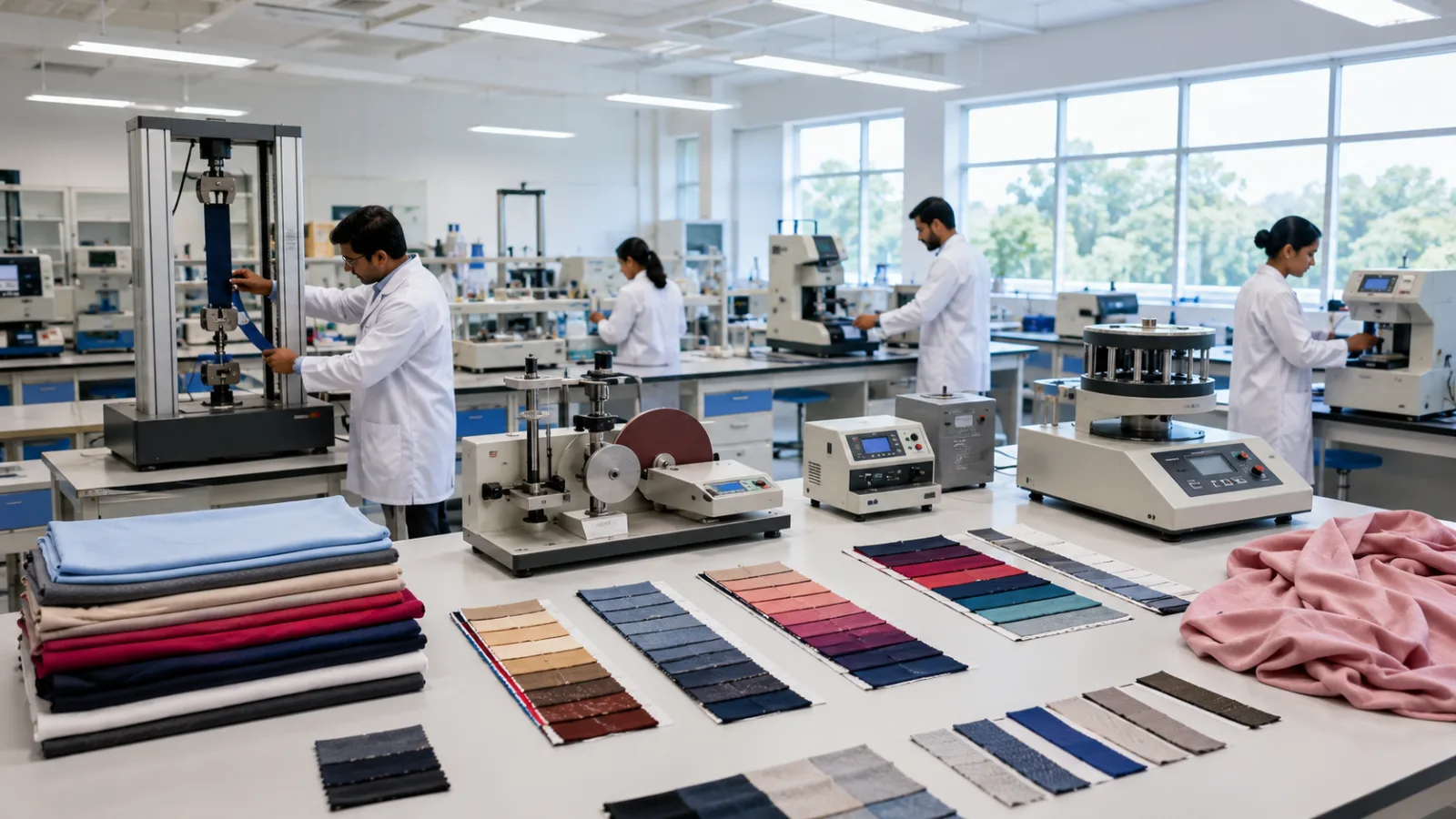
A fabric may look suitable in a swatch but behave differently after cutting, sewing, printing, washing, or wearing.
Important tests may include:
- Fabric weight.
- Shrinkage.
- Colorfastness.
- Pilling.
- Abrasion.
- Stretch and recovery.
- Seam slippage.
- Bursting or tensile strength.
- Print durability.
- Moisture management.
- Washing stability.
- Lightfastness.
- Snag resistance.
Brands should approve fabric, color, trims, and final garment samples before bulk manufacturing.
ApparGlobal: Supporting Polyester Product Development
Polyester can support many product categories, but successful development requires more than choosing a fabric labeled “polyester.” Fiber blend, yarn, fabric construction, GSM, finishes, printing method, fit, and end use must all align.
ApparGlobal helps apparel brands connect product ideas with fabric sourcing, sampling, supplier evaluation, production planning, and quality control. This can be especially useful when developing activewear, uniforms, fashion basics, outerwear, printed garments, or private label collections.
Brands can explore ApparGlobal’s:
- Sampling Program for testing fabric, fit, print, and construction.
- Private Label Program for creating customized apparel from established product foundations.
- Manufacturing Support for structured production planning.
- Vendor Program for exploring suitable suppliers.
- Manufacturer Catalog for reviewing manufacturing options.
- Resources for further apparel sourcing and production guidance.
A structured sampling and testing process helps prevent problems such as poor breathability, weak stretch recovery, color variation, pilling, seam damage, and inaccurate fabric performance claims.
Conclusion
Polyester fabric continues to play a significant role in textiles worldwide. Despite its environmental challenges, innovations in recycling and sustainable practices are helping to mitigate its impact. By understanding the pros and cons of this versatile material, consumers can make informed choices about when and how to use polyester in their daily lives. Whether you're considering it for sports apparel, home decor, or formal wear, polyester offers a range of benefits that suit various needs and preferences.