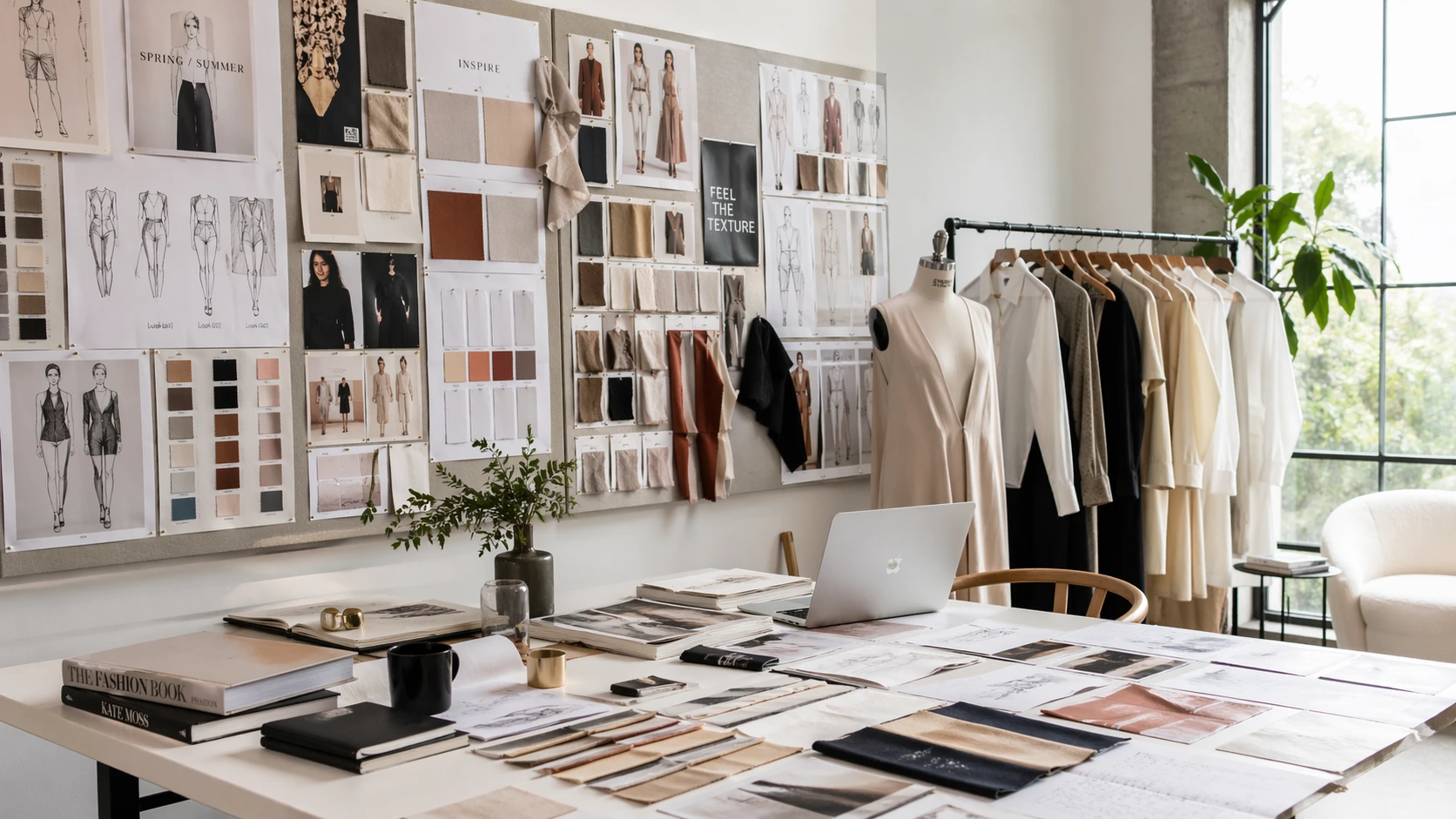
Explore 10 key 2024 fashion trends, from elevated minimalism to utility, and learn how to adapt these directions into wearable, commercially smart collections.
Fashion is evolving faster than ever. Consumer preferences are shifting, technology is reshaping production, and sustainability is becoming a core business requirement rather than a marketing trend. For fashion designers, staying ahead of these changes is essential for building a successful brand, attracting customers, and remaining competitive in a crowded market. Whether you're launching your first clothing line, expanding an established fashion brand, or looking for fresh inspiration, understanding the latest fashion design trends can help you create products that resonate with today's consumers.
In this guide, we'll explore 10 trending ideas for fashion designers in 2024, including sustainable fashion, AI-driven design, adaptive clothing, digital fashion, customization, and more. These ideas are shaping the future of the apparel industry and creating new opportunities for designers worldwide.
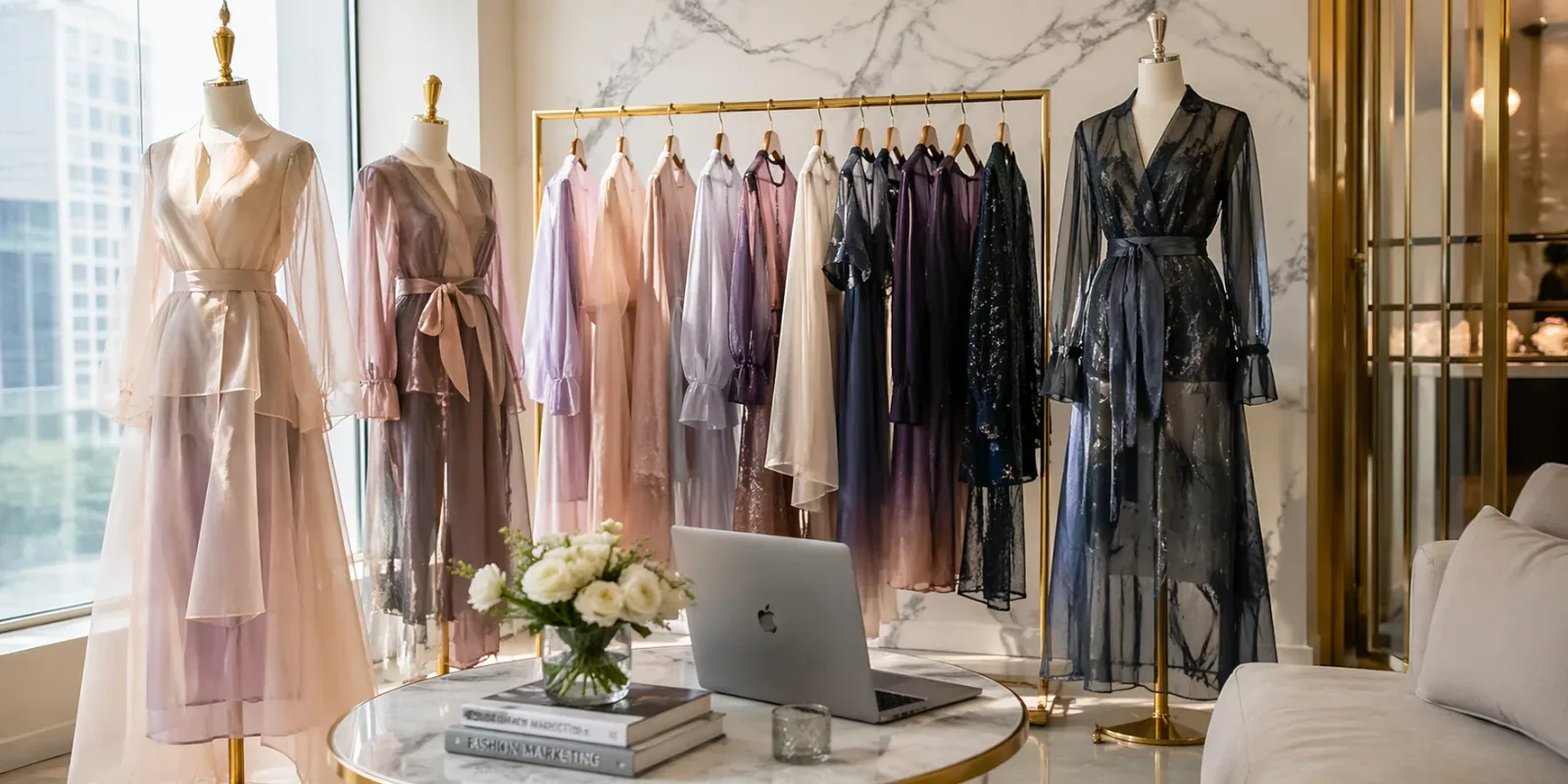
1. Sustainable and Circular Fashion Design
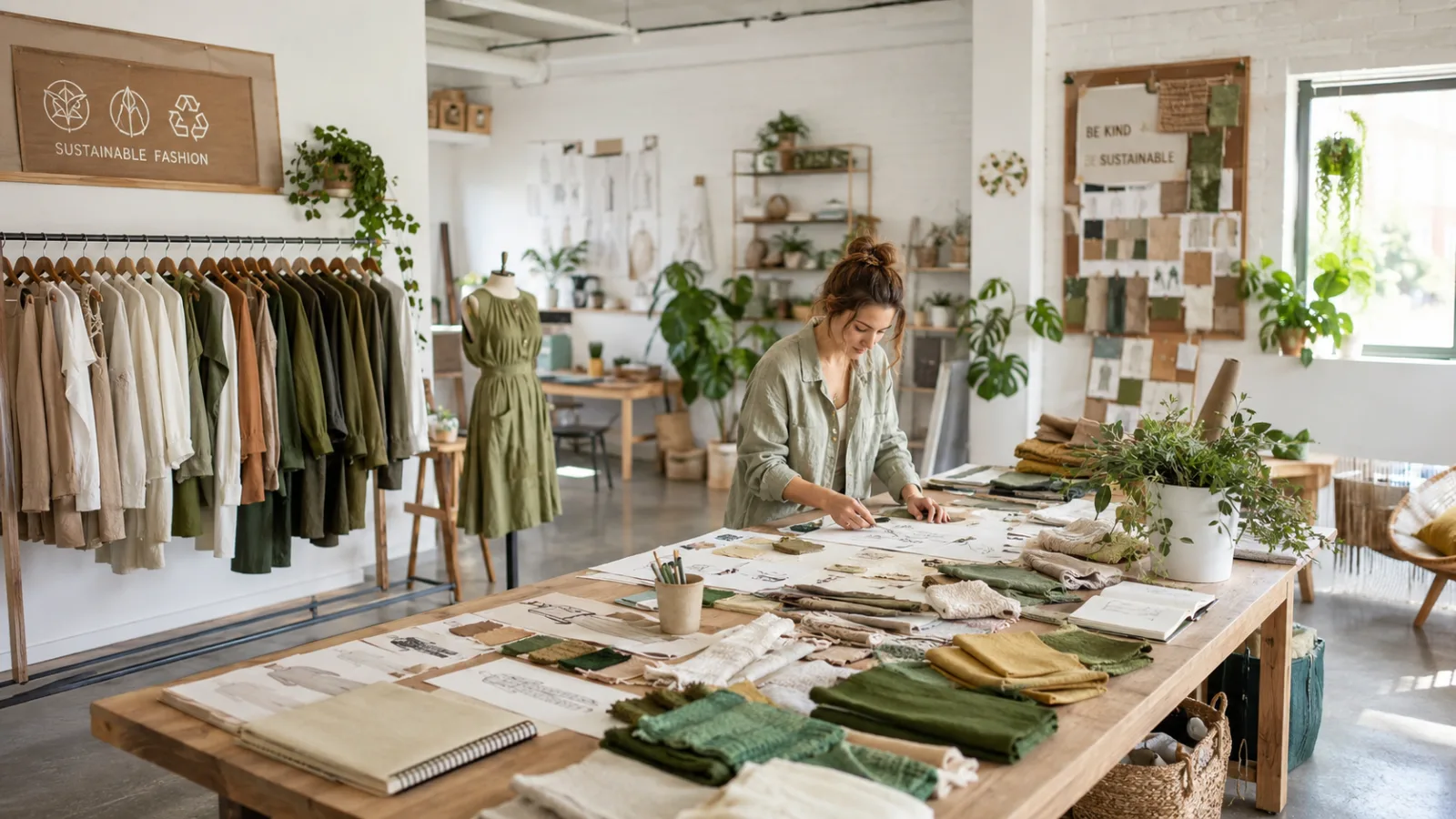
Sustainability continues to dominate the fashion industry in 2024. Consumers are increasingly concerned about environmental impact, ethical manufacturing, and responsible sourcing.
Fashion designers are embracing circular fashion principles by creating products that last longer, can be recycled, or are produced using environmentally friendly materials.
Why It Matters
Modern consumers actively seek brands that align with their values. Sustainable fashion helps brands:
- Reduce environmental impact
- Build customer loyalty
- Differentiate from competitors
- Meet growing regulatory requirements
- Improve long-term brand reputation
Popular Sustainable Design Approaches
- Organic cotton collections
- Recycled polyester garments
- Biodegradable fabrics
- Upcycled clothing lines
- Zero-waste pattern making
- Repairable fashion products
- Circular production systems
Design Opportunities
Designers can create capsule collections using eco-friendly materials while emphasizing durability and timeless aesthetics.
2. AI-Assisted Fashion Design
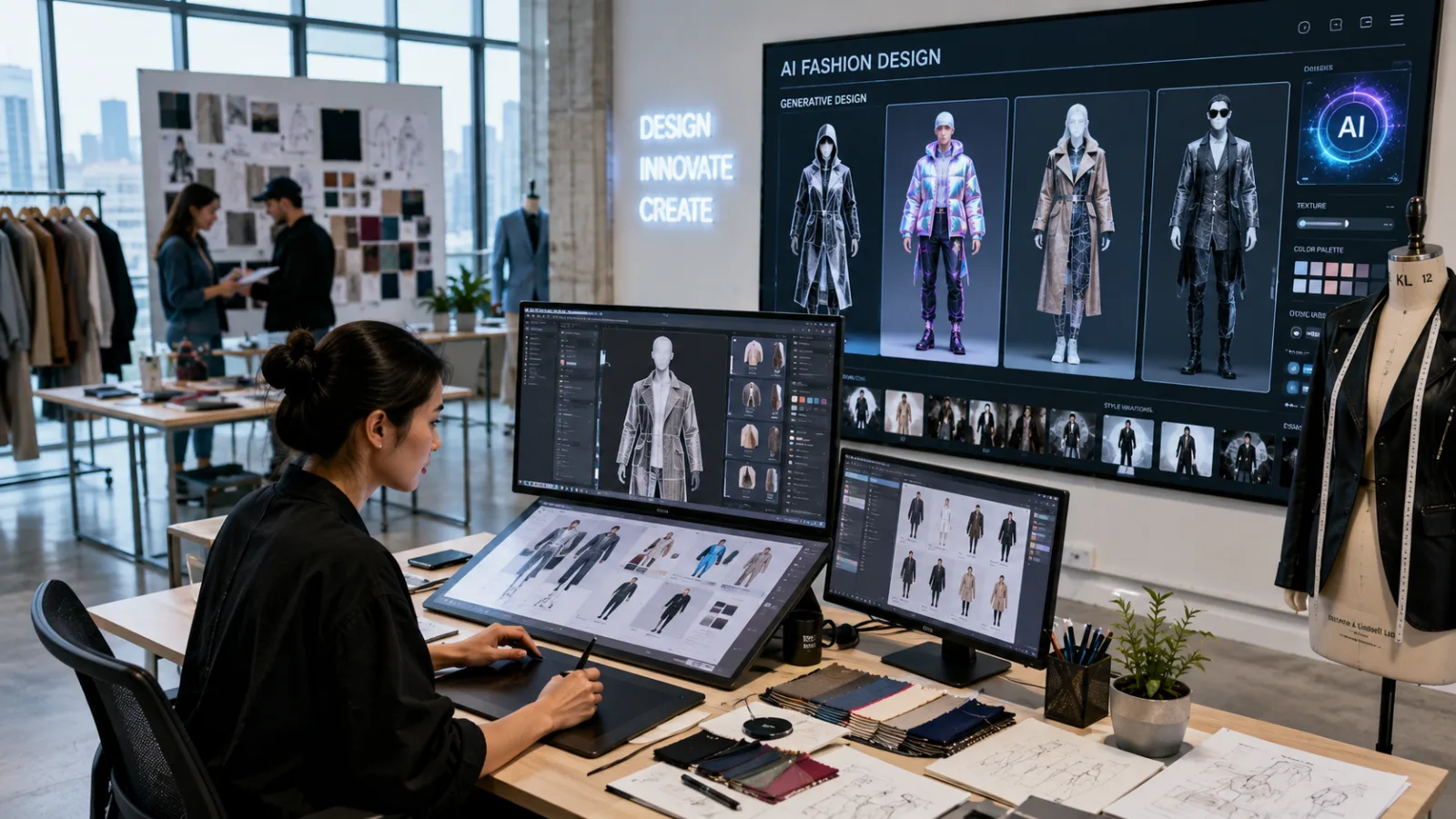
Artificial Intelligence is transforming how designers create, develop, and refine fashion products.
AI-powered tools help generate design concepts, predict trends, analyze customer preferences, and optimize production planning.
How Designers Are Using AI
- Trend forecasting
- Pattern generation
- Color palette recommendations
- Consumer behavior analysis
- Collection planning
- Product visualization
Benefits
AI doesn't replace creativity. Instead, it enhances the designer's ability to explore more ideas faster.
Advantages include:
- Faster concept development
- Reduced design time
- Better trend prediction
- Improved inventory planning
- More personalized collections
Future Potential
As AI technology improves, designers will gain access to advanced tools that combine consumer data with creative direction to generate highly targeted fashion collections.
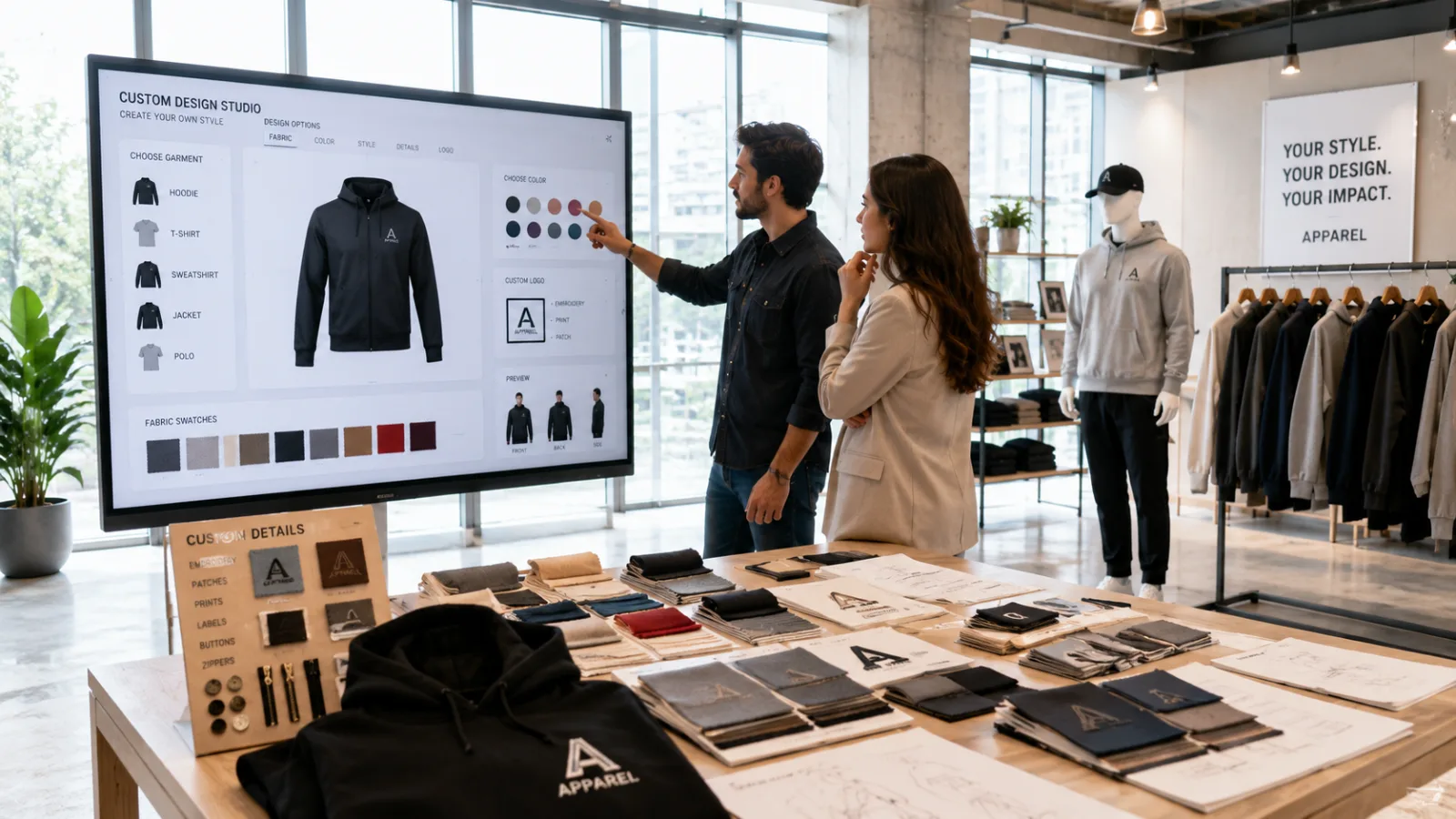
3. Custom and Personalized Fashion
Mass-produced clothing is losing appeal among many consumers. Personalization is becoming one of the strongest trends in modern fashion.
Customers want products that reflect their identity, lifestyle, and preferences.
Personalization Ideas
- Custom embroidery
- Monogrammed apparel
- Personalized color selections
- Made-to-measure garments
- Custom prints
- Adjustable design elements
Why Consumers Love It
Personalized fashion offers:
- Greater emotional connection
- Unique ownership experience
- Higher perceived value
- Reduced product returns
- Increased customer satisfaction
Business Advantages
Fashion brands that offer customization often enjoy higher profit margins because customers are willing to pay premium prices for personalized products.
4. Gender-Neutral Fashion Collections
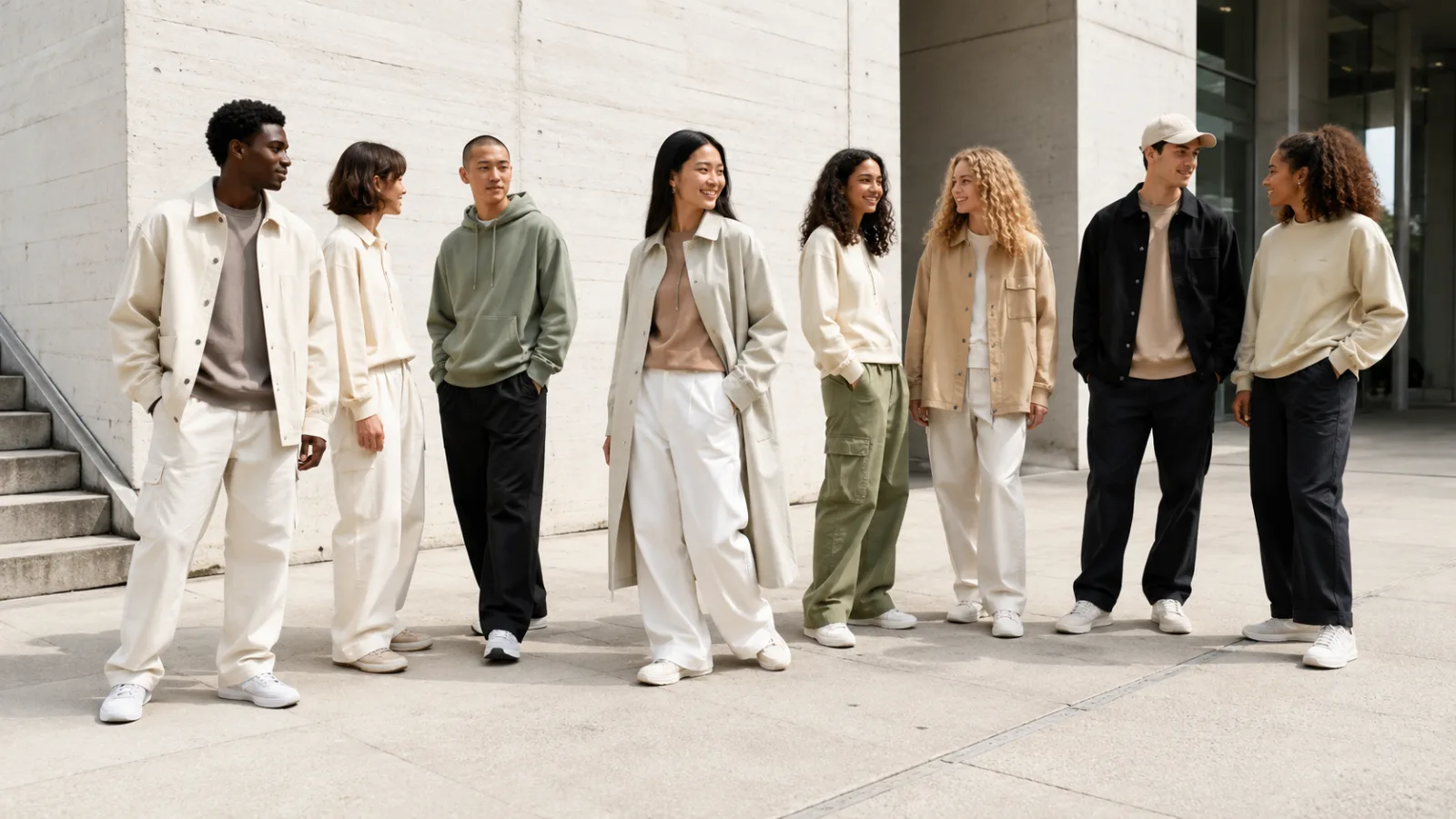
The fashion industry is moving beyond traditional gender categories.
Many brands now design collections that focus on comfort, versatility, and self-expression rather than gender-specific styling.
Growing Consumer Demand
Modern consumers increasingly prefer:
- Inclusive clothing
- Relaxed silhouettes
- Universal fits
- Versatile styling options
- Minimal labeling
Popular Categories
- Oversized shirts
- Wide-leg trousers
- Utility jackets
- Relaxed tailoring
- Unisex streetwear
- Gender-inclusive activewear
Design Considerations
Designers should focus on:
- Fit flexibility
- Comfort
- Diverse sizing
- Universal color palettes
- Functional design features
5. Smart Clothing and Wearable Technology
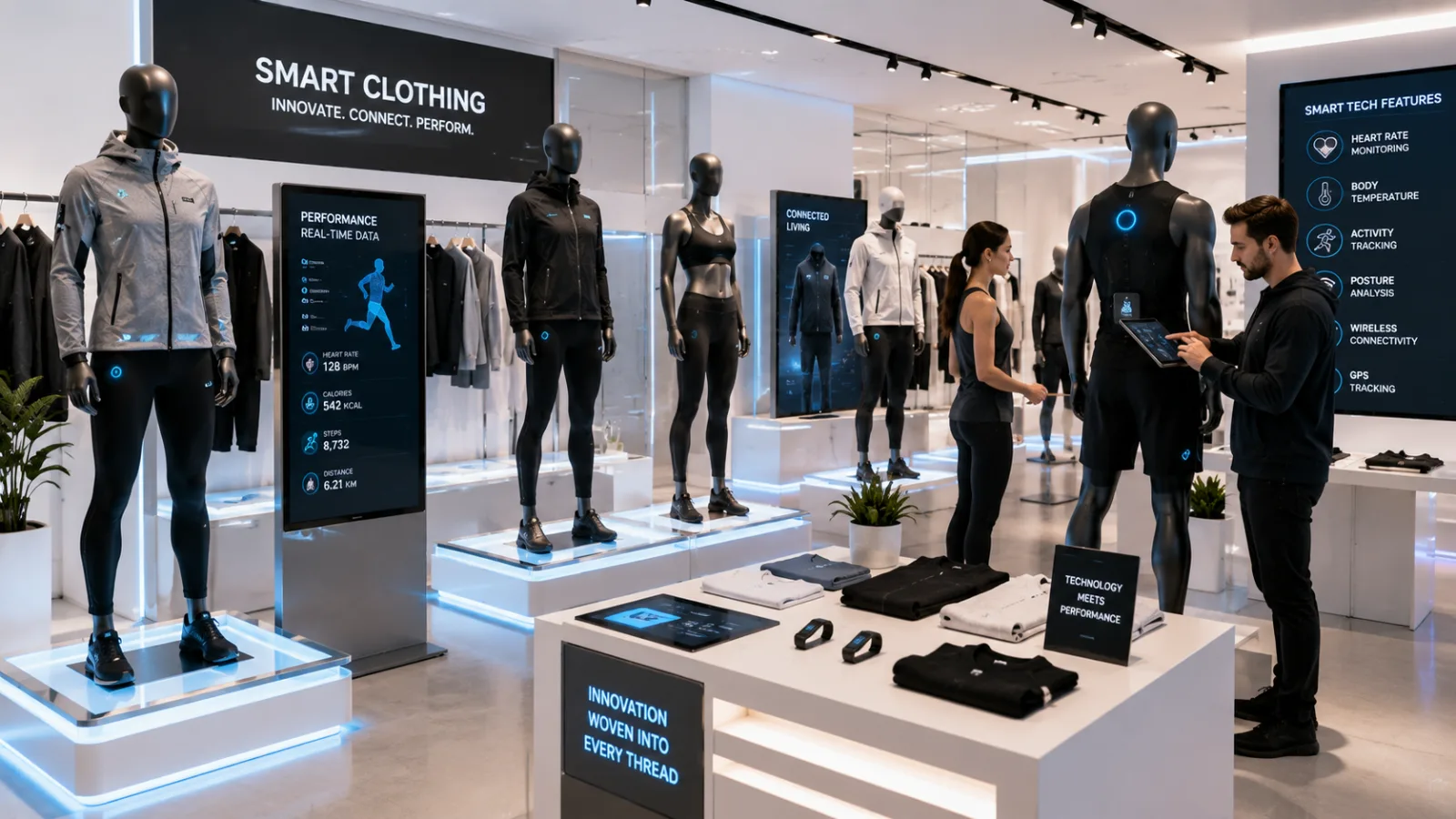
Technology and fashion are becoming increasingly interconnected.
Smart garments combine style with functionality, offering users enhanced experiences through integrated technology.
Examples of Smart Fashion
- Fitness-tracking apparel
- Temperature-regulating clothing
- UV-sensitive fabrics
- Health-monitoring garments
- LED-integrated fashion
- Connected accessories
Market Growth
Wearable technology continues expanding as consumers seek products that blend fashion with practical benefits.
Design Opportunities
Fashion designers can collaborate with technology companies to create innovative products that meet evolving consumer needs.
6. Digital Fashion and Virtual Clothing
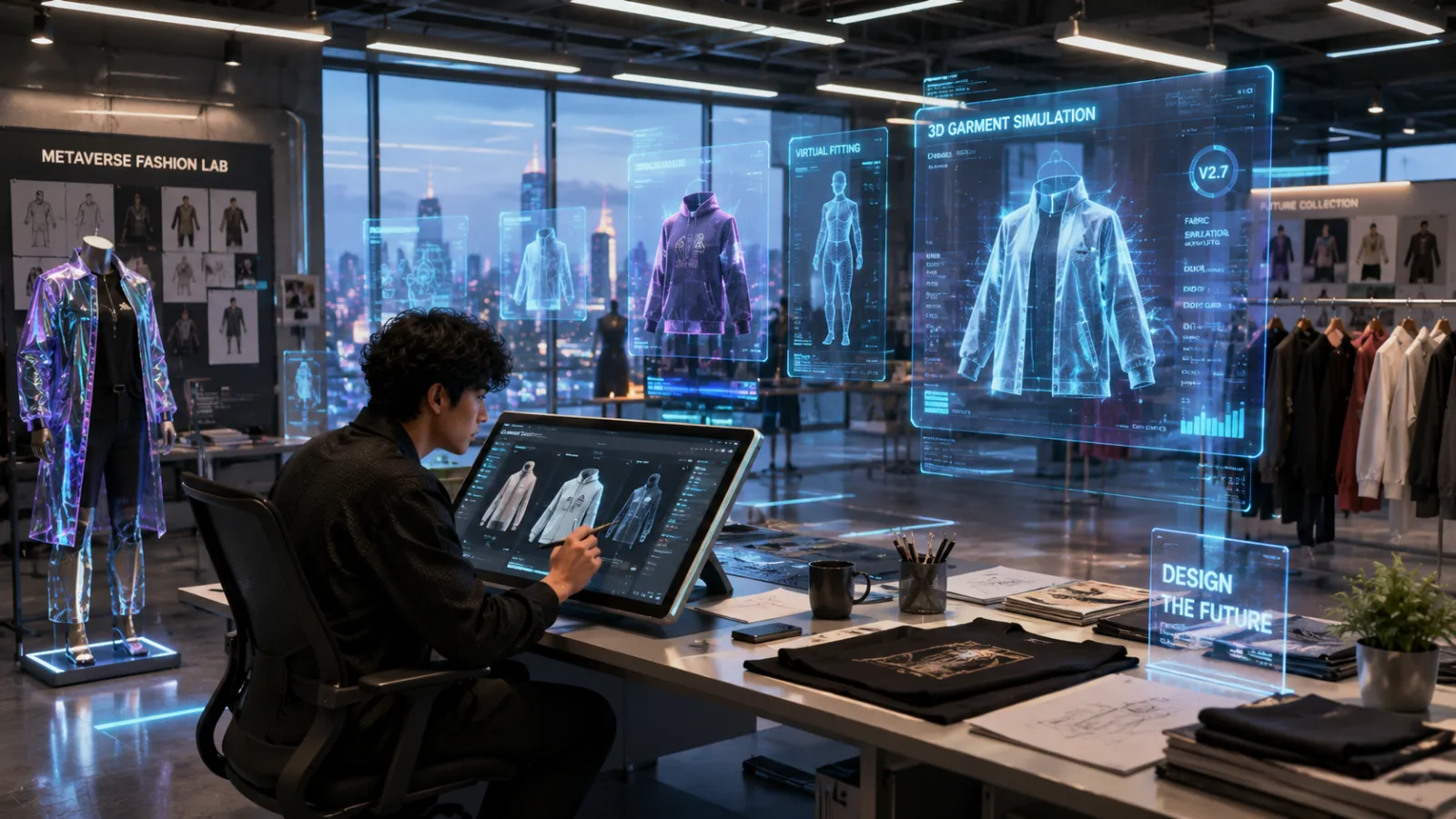
Digital fashion is rapidly becoming a major industry segment.
Virtual garments exist only in digital environments and are used for social media, gaming, virtual reality, and metaverse experiences.
Why Digital Fashion Is Growing
Consumers increasingly spend time online and want unique digital identities.
Digital fashion offers:
- Unlimited creativity
- No physical waste
- Instant production
- Global accessibility
- Virtual self-expression
Applications
- Gaming avatars
- Social media content
- Virtual events
- Augmented reality experiences
- NFT fashion collections
Designer Opportunities
Digital fashion allows designers to experiment without traditional manufacturing constraints.
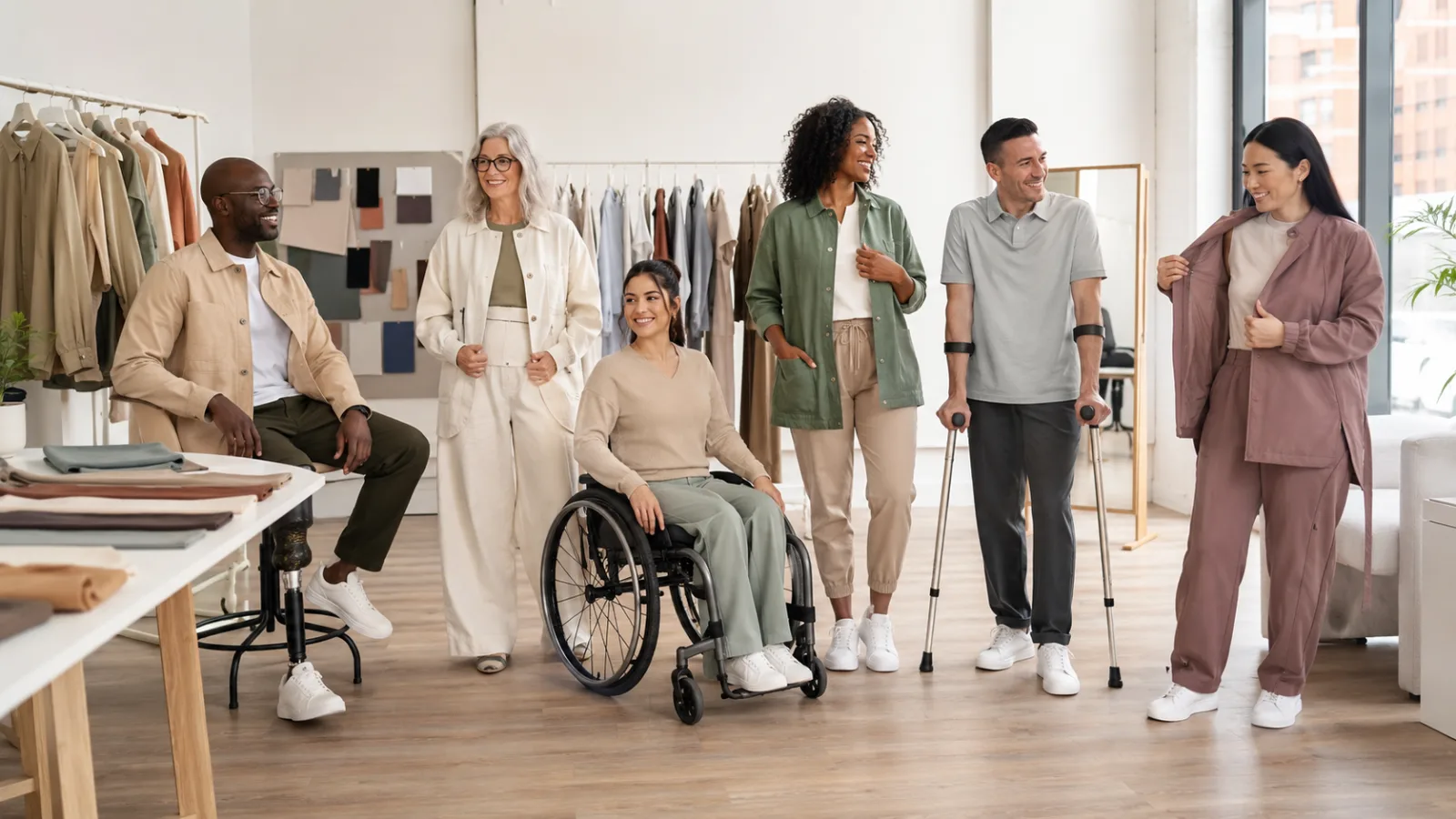
7. Adaptive Fashion for Accessibility
Adaptive fashion focuses on creating clothing that serves individuals with disabilities, mobility challenges, and unique physical needs.
This category is gaining recognition as inclusivity becomes a priority across industries.
Features of Adaptive Fashion
- Magnetic closures
- Easy-access zippers
- Adjustable waistbands
- Wheelchair-friendly designs
- Sensory-friendly fabrics
- Functional garment construction
Growing Demand
Millions of consumers require accessible clothing solutions that combine functionality and style.
Benefits for Designers
Adaptive fashion represents both a meaningful social contribution and a significant business opportunity.
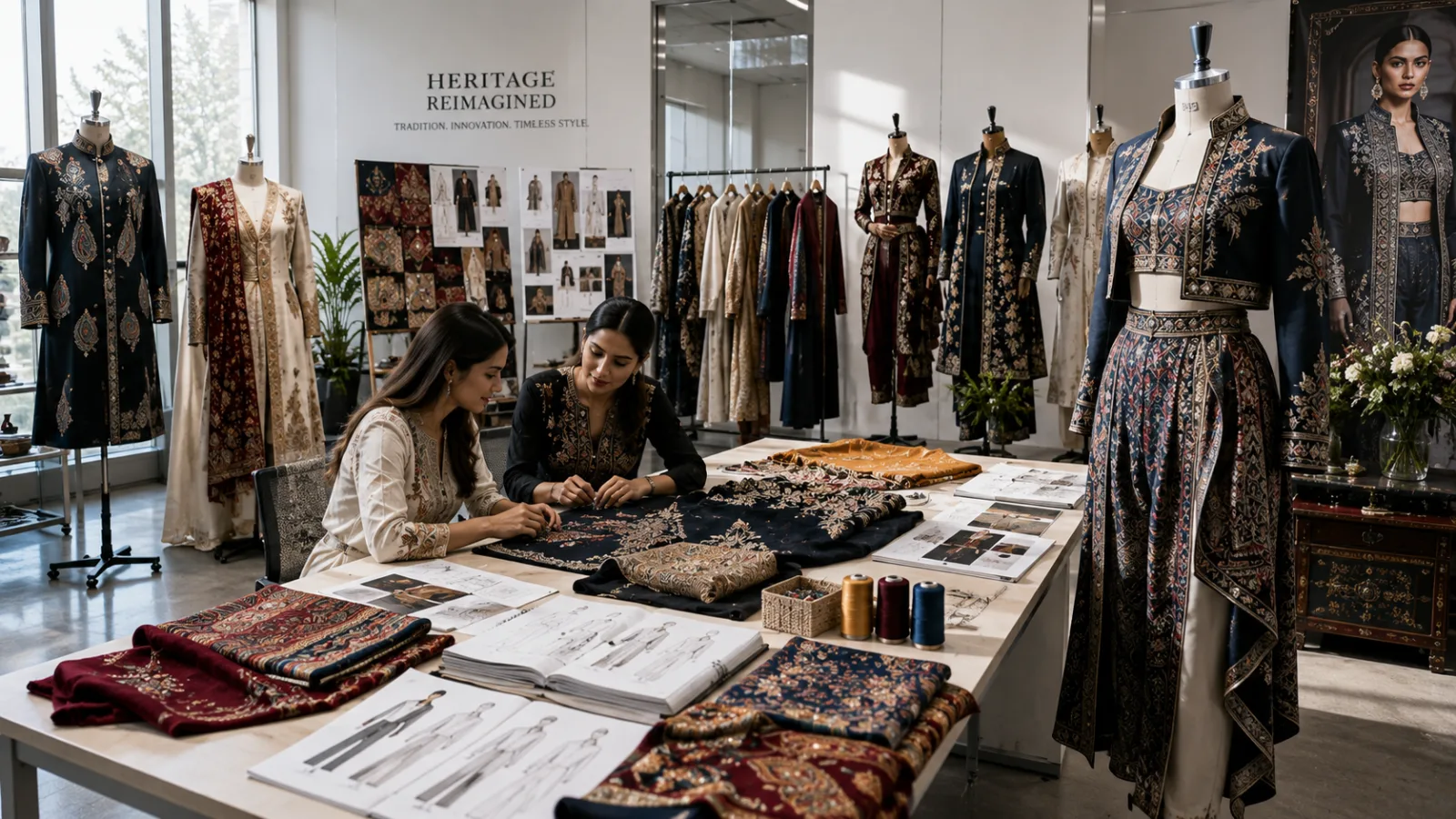
8. Localized and Cultural Fashion Fusion
Globalization has created opportunities for designers to blend traditional cultural influences with contemporary fashion aesthetics.
Consumers increasingly appreciate authenticity, craftsmanship, and storytelling.
Popular Design Inspirations
- Traditional embroidery
- Indigenous textiles
- Regional craftsmanship
- Heritage weaving techniques
- Cultural motifs
- Artisan collaborations
Why It Works
Cultural fusion designs create unique products that stand out in crowded markets while preserving traditional artistic practices.
Best Practices
Designers should collaborate respectfully with artisan communities and ensure ethical sourcing and fair compensation.
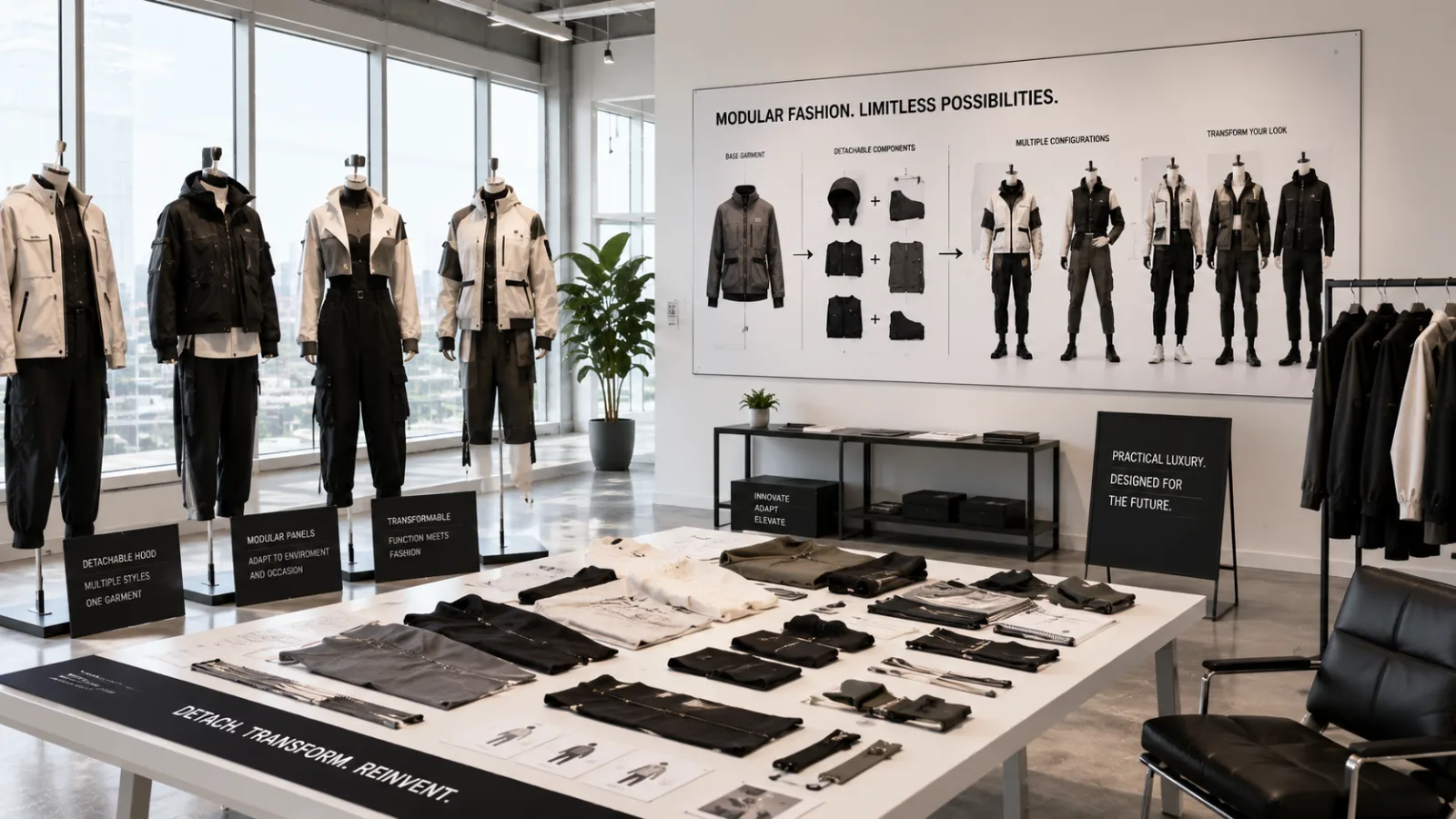
9. Modular and Multi-Functional Clothing
Consumers increasingly value versatility and practicality.
Modular fashion allows garments to transform into multiple styles or functions.
Examples
- Convertible jackets
- Detachable sleeves
- Reversible garments
- Adjustable-length dresses
- Multi-use travel clothing
- Transformable outerwear
Consumer Benefits
- More outfit combinations
- Reduced wardrobe size
- Better value for money
- Greater travel convenience
Sustainability Impact
Multi-functional clothing encourages fewer purchases and supports more conscious consumption habits.
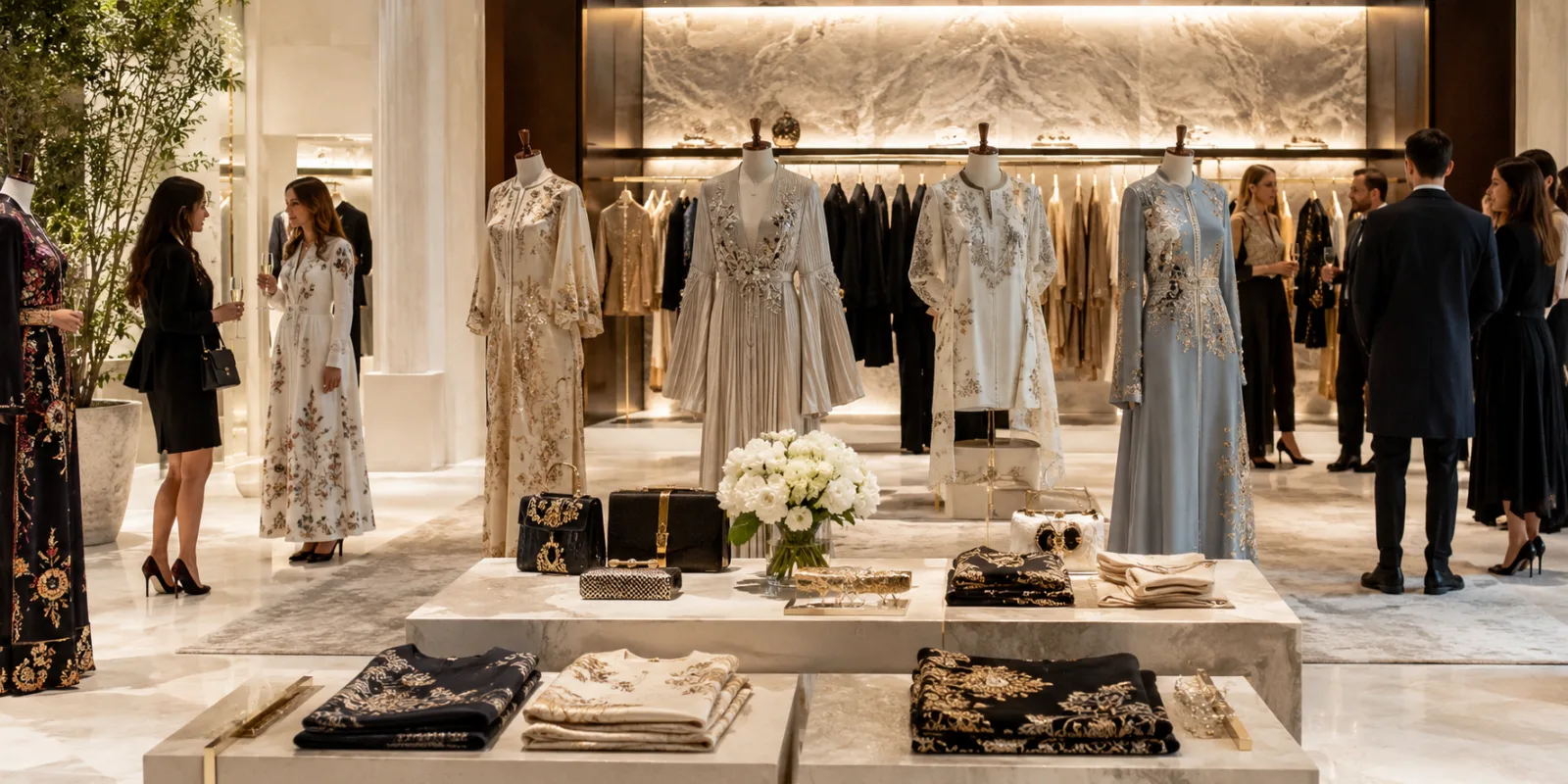
10. Small-Batch and Limited Edition Collections
Consumers are becoming increasingly attracted to exclusivity.
Limited-edition collections create urgency, increase perceived value, and strengthen brand identity.
Why Limited Editions Work
Customers enjoy:
- Exclusivity
- Unique ownership
- Scarcity-driven value
- Special brand experiences
Benefits for Fashion Designers
Small-batch production helps:
- Reduce inventory risk
- Test new concepts
- Maintain quality control
- Improve profit margins
- Create brand excitement
Launch Strategies
Designers can use:
- Seasonal drops
- Collaborations
- Artist partnerships
- Exclusive online releases
- VIP customer previews
How Fashion Designers Can Turn These Trends Into Profitable Collections
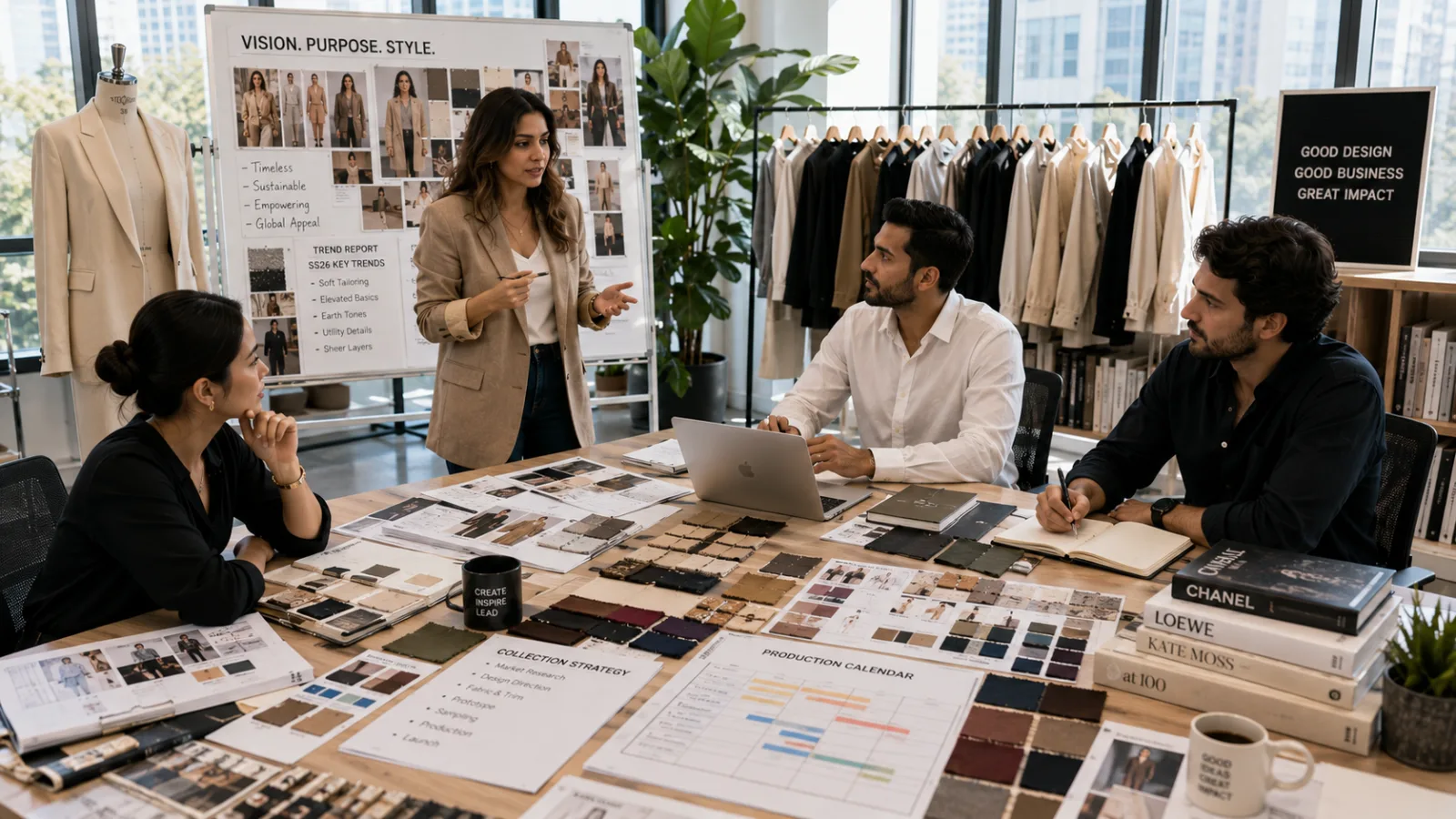
Understanding trends is only the first step. Successful fashion designers know how to translate trends into products that align with their brand identity.
Start With Market Research
Analyze:
- Consumer demand
- Competitor collections
- Search trends
- Social media conversations
- Industry reports
Build a Clear Brand Position
Define:
- Target audience
- Brand mission
- Design philosophy
- Pricing strategy
- Sustainability goals
Focus on Product Validation
Before large-scale production:
- Create prototypes
- Gather customer feedback
- Test product concepts
- Analyze performance data
Develop Reliable Manufacturing Partnerships
Strong manufacturing relationships help ensure:
- Consistent quality
- Scalable production
- Faster turnaround times
- Better cost control
For emerging brands, working with experienced sourcing and manufacturing partners can significantly reduce risk and improve product development outcomes.
The Role of Technology in Future Fashion Design
Technology will continue influencing every stage of the fashion lifecycle.
Future innovations may include:
- AI-generated design concepts
- Virtual fitting rooms
- Automated pattern making
- Blockchain supply chain tracking
- Advanced sustainable materials
- Real-time consumer feedback systems
Designers who embrace technology while maintaining creative authenticity will likely achieve stronger long-term success.
How Appar Global Helps Fashion Designers Bring Ideas to Life
Having a great design concept is only one part of building a successful fashion brand. Designers also need access to reliable manufacturers, fabric suppliers, sourcing partners, sample development services, and production expertise.
At Appar Global, fashion entrepreneurs can connect with manufacturing resources, sourcing networks, supplier directories, and educational programs designed to help brands launch and scale efficiently.
Whether you're exploring sustainable fashion, custom clothing production, private label manufacturing, or small-batch apparel development, having the right partners can dramatically improve your chances of success.
You may also find these resources valuable:
- Clothing manufacturer directories
- Supplier sourcing guides
- MOQ planning resources
- Sampling and product development programs
- Private label manufacturing support
- Sustainable sourcing education
By combining innovative design ideas with strategic sourcing and production planning, fashion designers can transform creative concepts into profitable, scalable brands.
Frequently Asked Questions (FAQs)
1. What is the biggest fashion design trend in 2024?
Sustainability remains one of the most influential trends in 2024. Consumers increasingly prioritize environmentally responsible products, ethical manufacturing, and transparent supply chains.
2. Is AI replacing fashion designers?
No. AI is a tool that helps designers work more efficiently. Creativity, storytelling, aesthetics, and brand identity still depend heavily on human designers.
3. How can new fashion designers start a sustainable brand?
Start by sourcing eco-friendly materials, partnering with ethical manufacturers, producing small batches, and focusing on timeless designs that reduce waste.
4. What is digital fashion?
Digital fashion consists of virtual garments designed for online environments such as gaming, social media, augmented reality, and virtual worlds.
5. Why are limited-edition collections becoming popular?
Limited-edition collections create exclusivity, reduce overproduction, generate excitement, and help brands maintain stronger inventory control.
Final Thoughts
The fashion industry in 2024 is defined by innovation, personalization, sustainability, inclusivity, and technology. Designers who embrace these trends while maintaining a unique creative vision can build stronger brands and connect more effectively with modern consumers.
From sustainable fashion and adaptive clothing to AI-powered design and digital fashion, today's opportunities are broader than ever. The most successful fashion designers will be those who balance creativity with business strategy, understand evolving consumer preferences, and leverage technology to enhance their design process.
As the industry continues to evolve, these ten trends provide a valuable roadmap for designers seeking inspiration, growth, and long-term success in the competitive world of fashion.